 CityBuddy
 Nederlands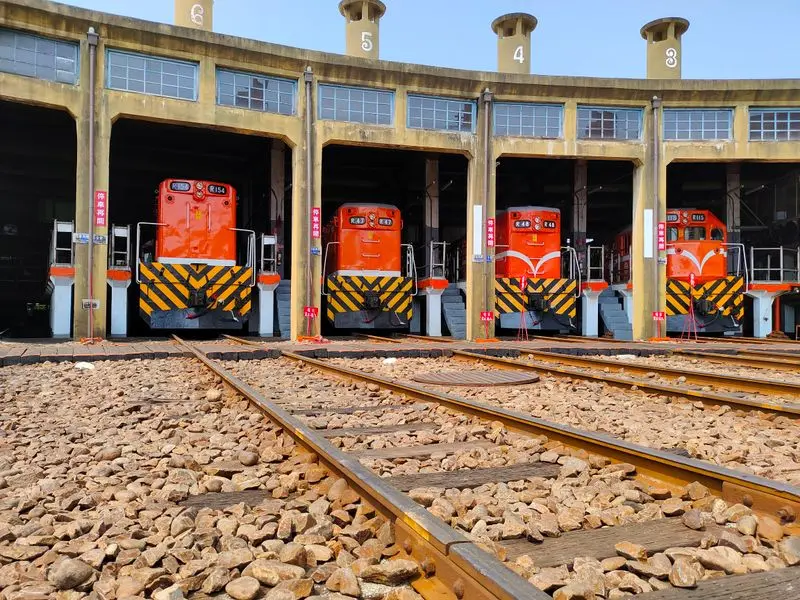
Wat te doen in Changhua, Taiwan
Foto gemaakt door 瑞宏 簡 op Pexels.com
Wanneer te bezoeken
Meest populaire attracties in Changhua, Taiwan
Bezoekers die op zoek zijn naar dingen om te doen in Changhua, Taiwan, vinden een boeiende mix van geschiedenis en cultuur. De 22 meter hoge Grote Boeddha van Baguashan staat bovenop een heuvel met uitzicht over de stad. De Oude Straat van Lukang bewaart een 300 jaar oude tempel en handelswijk met traditionele architectuur. Het Rondehuis van Changhua, gebouwd in 1922, biedt dagelijks rondleidingen voor treinliefhebbers.
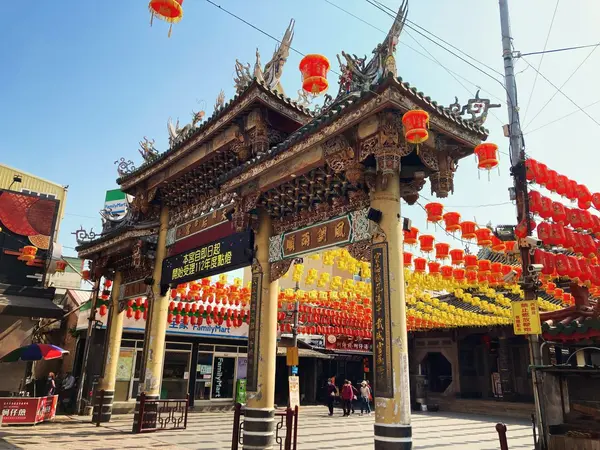
1. Lukang Old Street
Dwaal door smalle steegjes waar traditionele ambachten generaties lang hebben overleefd en waar de geuren van eetkraampjes door eeuwenoude tempelhoven drijven. Proef vers gemaakte oesteromeletten, kijk naar met de hand beschilderde lantaarns en verken de doolhofachtige straatjes die ooit piraten in verwarring brachten.
Korte feiten: De kronkelende steegjes zijn ontworpen als een doolhof om piraten in verwarring te brengen en bewoners te beschermen. Meer dan 200 historische tempels sieren het gebied, dat daarmee een van de hoogste tempeldichtheden van Taiwan heeft.
Hoogtepunten: Stap het doolhof van negen bochten en achttien steegjes binnen, waar de muren nauwelijks schouderbreed zijn, en je ontdekt een traditionele lantaarnwerkplaats die nog steeds bamboeframes gebruikt die met de hand zijn beschilderd door ambachtslieden van de vierde generatie. Het gekletter van houten hamers die ossenpezen tot traditionele slippers vormen, echoot door de steegjes, een ambacht dat hier al meer dan een eeuw standhoudt.
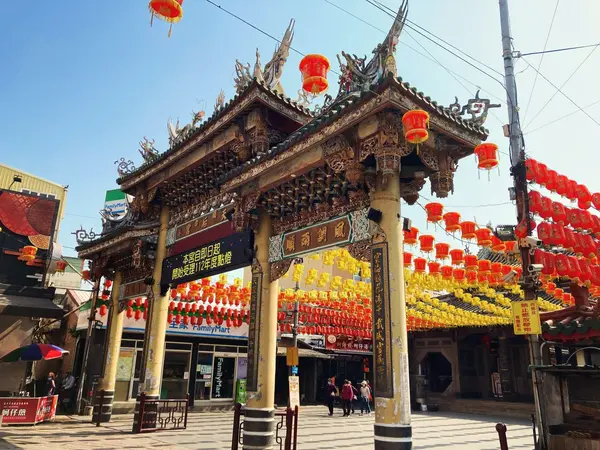
2. Lukang Tianhou Temple
Drie eeuwen kunstenaarschap en geloof komen samen in één tempel. Kijk hoe wierookrook langs eeuwenoude kalligrafie drijft terwijl locals naast je bidden.
Korte feiten: Een paar stenen drakenzuilen naast de hoofdingang werd drie eeuwen geleden uit enkele granietblokken gehouwen. Meer dan 10.000 pelgrims stromen tijdens de jaarlijkse verjaardagsvieringen van Mazu door deze poorten.
Hoogtepunten: Boven het hoofdaltaar gebruikt een achthoekig houten plafond, een zogenaamde bagua zaojing, 16 in elkaar grijpende beugellagen die zonder één spijker bij elkaar worden gehouden. Elk gebeeldhouwd paneel rond de rand beeldt een ander wonder uit het leven van de zeegodin uit, met het centrum dat bewust open is gelaten zodat gebeden recht omhoog kunnen stijgen.
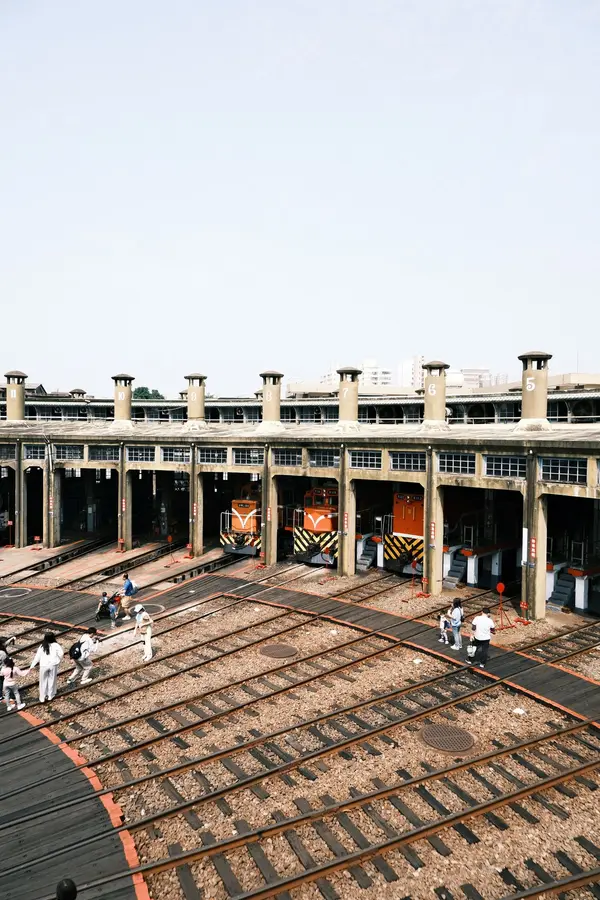
3. Changhua Roundhouse
De enige operationele locomotiefloods in Taiwan waar stoomlocomotieven nog binnenrijden voor onderhoud. Kijk hoe reusachtige ijzeren motoren draaien op de handbediende draaischijf en loop recht op de sporen af.
Korte feiten: Een van de laatste operationele stoomlocomotiefloodsen in Taiwan. Het waaiervormige ontwerp heeft twaalf sporen die vanuit een centrale draaischijf uitstralen. De draaischijf draait nog steeds en wordt handmatig bediend om locomotieven naar hun aangewezen stallen te draaien, als een gigantisch spoorwegkompas.
Hoogtepunten: In tegenstelling tot museumstukken achter glas is deze 102 jaar oude locomotiefloods nog steeds een volledig functionerende onderhoudswerkplaats waar monteurs nog steeds lagers smeren en vuurkisten stoken in levende stoommachines. Kijk vol ontzag toe hoe een locomotief van 100 ton de draaischijf oprijdt en met een mechanisch gekreun ronddraait, zich binnen twee minuten perfect uitlijnend met zijn parkeerstand.
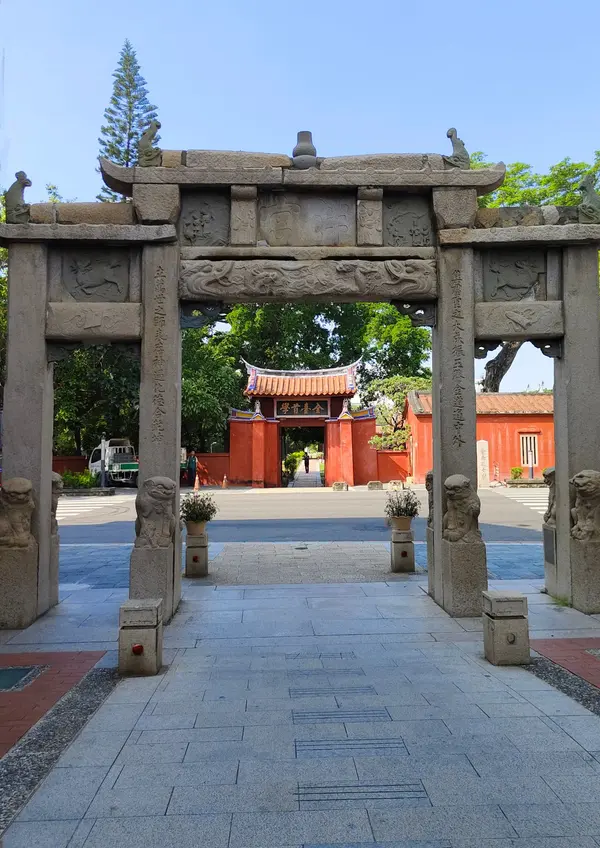
4. Changhua Confucius Temple
Step into a quiet courtyard where centuries of scholars once sought wisdom. Expect ornate carvings, a serene pond, and the faint scent of incense lingering in the air.
Korte feiten: Ongeveer 300 jaar aan academische ceremonies hebben plaatsgevonden onder deze golvende daken. Elk jaar eren twee grote ceremonies Confucius met muziek, dans en geofferde dieren, een traditie die sinds de Qing-dynastie grotendeels onveranderd is gebleven.
Hoogtepunten: Dat is een van de oudste Confuciustempels in Taiwan, en de verbleekte roodgroene verf op de zuilen vertelt het verhaal van eeuwen aan wierookrook. Kijk goed naar de nokken van het dak, je zult kleine keramische figuren van geleerden en onsterfelijken zien, elk daar geplaatst om de academische missie van de tempel te beschermen.
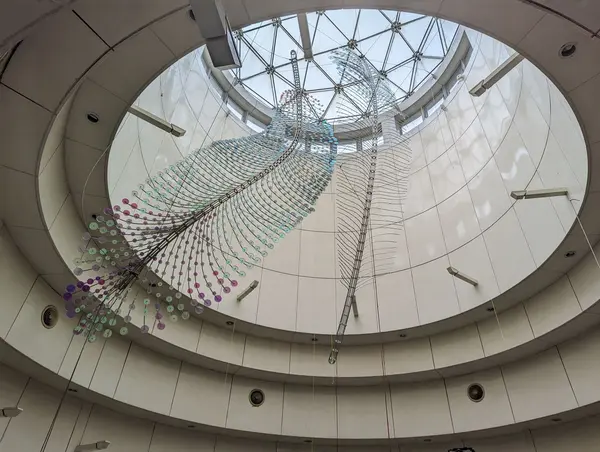
5. Taiwan Glass Gallery
Step into a world where everything glitters, from chandeliers to entire buildings. You'll walk through a glass cathedral, cross a transparent bridge, and watch artists blow molten glass into art before your eyes.
Korte feiten: "Ongeveer 2.000 glassculpturen, installaties en alledaagse objecten vullen de expositiezalen over meerdere verdiepingen. De collectie varieert van delicate geblazen vazen tot een volledige replica van een traditionele straatmarkt, allemaal gemaakt door Taiwanese ambachtslieden."
Hoogtepunten: "Het pronkstuk is een levensgrote replica van een glazen kathedraal, gemaakt van meer dan 2.000 afzonderlijke glaspanelen. Bezoekers kunnen letterlijk door het gloeiende, transparante interieur lopen. Op het dak vind je een glazen brug die over het park beneden loopt, waar je op een transparante vloer hoog boven de grond kunt staan met het hele complex onder je gespiegeld."
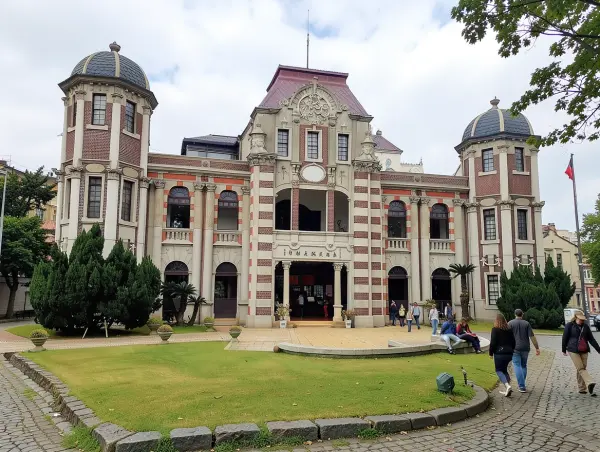
6. Lukang Folk Arts Museum
Stap binnen in een barok herenhuis uit 1919 waar ooit Taiwans machtigste familie woonde. Dwaal door kamers vol met 3.000 alledaagse voorwerpen, van zijden bruidsjurken tot honderd jaar oud speelgoed en keukengerei.
Korte feiten: Een herenhuis in barokstijl uit 1919 behoorde ooit toe aan de familie Koo, een van de invloedrijkste clans van Taiwan tijdens de Japanse koloniale periode. Meer dan 3.000 artefacten vullen de kamers, van een weelderig gebeeldhouwd bruidsbed tot vintage fonografen en antieke opiumpijpen.
Hoogtepunten: Het herenhuis zelf was de residentie van Koo Hsien-jung, de man die in 1895 beroemd de poorten van Taipei opende voor de Japanse troepen en daarmee voorgoed de koers van Taiwan veranderde. Bezoekers kunnen nog steeds de originele familietafel zien, gedekt met porselein, alsof de familie Koo net een formeel diner heeft verlaten.
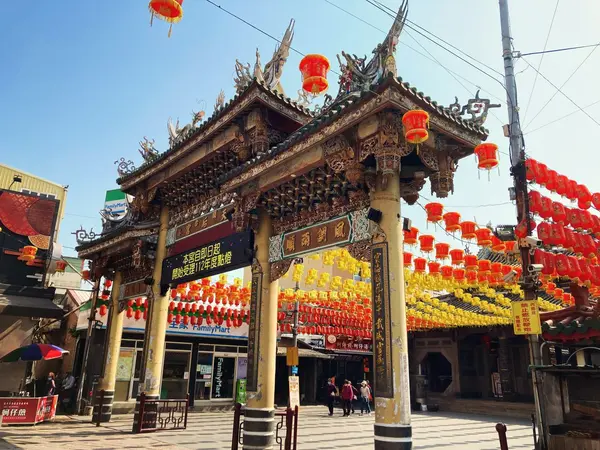
7. Qingshuiyan Temple
Een 300 jaar oude tempel waar eeuwenoude kamferbomen een natuurlijke bron bewaken en vuurvliegjes dansen in lentenachten. Dwaal door rustige binnenplaatsen, nip thee aan de bergbeek en zie monniken mos van stenen paden vegen.
Korte feiten: Drie oude kamferbomen overschaduwen de binnenplaatsen, een ervan is meer dan 300 jaar oud en strekt zich 20 meter breed uit. Een natuurlijke bron stroomt nog steeds naast het heiligdom, waaraan de tempel zijn naam ontleent die "helder water" betekent.
Hoogtepunten: Elke april flikkeren duizenden vuurvliegjes door de omliggende bospaden en veranderen de heuvel in een levend sterrenbeeld. De vaste kalligrafiemeester van de tempel geeft in het weekend gratis lessen, zodat bezoekers hun eigen wensen op houten plaquettes kunnen schilderen om bij de bron op te hangen.
8. Tianwei Highway Garden
Fiets door eindeloze velden met kassen vol bloemen waar Taiwans bloemenkwekers hun werk doen. Je kunt bij elke kwekerij stoppen, een orchidee in pot kopen voor minder dan 5 dollar en zien hoe de kwekers hem vers uit de kas inpakken.
Korte feiten: Meer dan 200 tuinwinkels en kwekerijen liggen hier langs de weg, waardoor het een van de grootste bloemenverzamelpunten van Azië is. Het gebied levert bijna 70% van de sierplanten en snijbloemen van Taiwan en verandert van kleur met elk seizoen, wanneer chrysanten, kerststerren en zonnebloemen om de beurt bloeien.
Hoogtepunten: In tegenstelling tot een enkele aangelegde tuin is dit een 4,8 kilometer lange levende marktplaats waar je door werkende kwekerijen en kassen dwaalt en direct koopt bij de telers die ze verzorgen. De echte magie gebeurt bij zonsondergang wanneer duizenden kleine feeënlichtjes die tussen de kassen zijn gespannen oplichten en het hele gebied in een gloeiend wonderland veranderen.
Where to Stay in Changhua, Taiwan
Selected by City Buddy based on guest reviews and proximity to top attractions
Search all hotels in Changhua, TaiwanPowered by agoda
Openingsdagen in Changhua, Taiwan
Welke van de topbezienswaardigheden op welke dag van de week gesloten zijn, de klassieke reisverpester, voor u gecontroleerd.
maandag: 3 van de 8 topbezienswaardigheden gesloten, plan musea dus voor een andere dag.
Gesloten op maandag · 3 gesloten, 5 geopend
Openingsdagen van Google Maps (gecontroleerd op 2026-06-27). Feestdagen, stakingen en seizoensuren kunnen verschillen, check de officiële website voordat u gaat.
Traditionele zoete gerechten
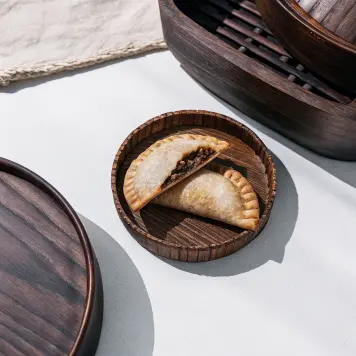
Lukang Ox Tongue Pastry (牛舌餅)
Despite its name, this pastry contains no ox tongue. It is a thin, crispy, maltose-filled biscuit shaped like an ox tongue, and Lukang is the most famous place in Taiwan to buy it.
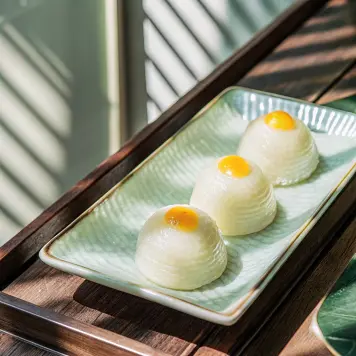
Phoenix Eye Cake (鳳眼糕)
This delicate, crumbly white pastry is made from premium glutinous rice flour and sugar. It gets its name from its oval shape resembling a phoenix eye, and it was once a tribute snack served to Qing Dynasty officials.
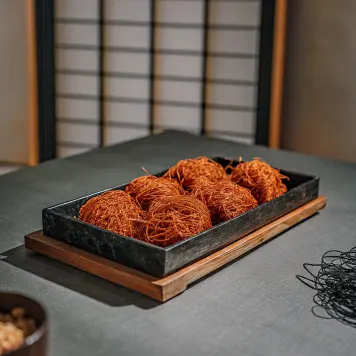
Dragon Beard Candy (龍鬚糖)
This traditional Chinese candy is made by pulling sugar into thousands of fine, hair-like strands, resembling a dragon's beard. It is filled with crushed peanuts, sesame seeds, and coconut, and Lukang is one of the best places to watch it made by hand.
Traditionele hartige gerechten
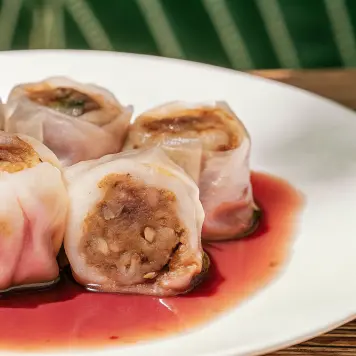
Changhua Meatballs (彰化肉圓)
Changhua meatballs are arguably the most famous ba wan in Taiwan. Unlike other versions, they are steamed then deep-fried, giving them a crispy exterior, and they are served with a sweet and savory brown sauce.
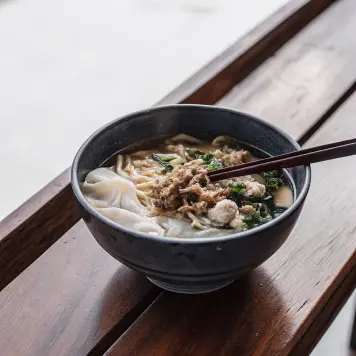
Cat and Mouse Noodles (貓鼠麵)
Despite its unusual name, this dish contains no cat or mouse. It was named after the nickname of its creator who was called "cat and mouse" for his agility, and the noodle soup features a rich, clear broth with ground pork and tender wontons.
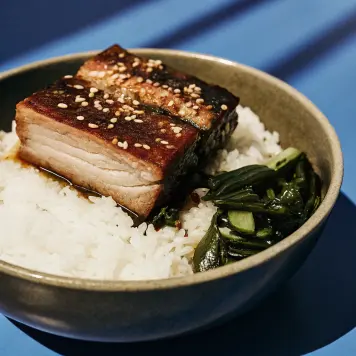
Changhua Braised Pork Rice (彰化爌肉飯)
Changhua is famous for its braised pork rice, featuring a massive, tender slab of pork belly slow-braised in soy sauce and spices. It is so beloved that many shops sell it as a late-night or breakfast staple, with some restaurants operating 24 hours a day.
Traditionele dranken
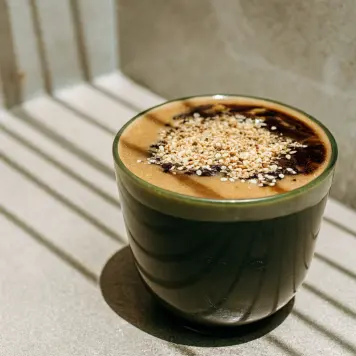
Mian Cha (麵茶)
Mian Cha is a warm, thick, porridge-like drink made from toasted wheat flour, sesame seeds, and sugar. It was originally a filling breakfast for farmers and is still a beloved nostalgic street drink in Lukang, Changhua.
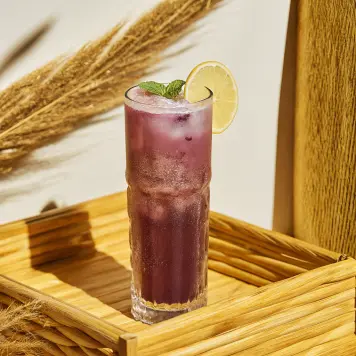
Sour Plum Drink (酸梅湯)
This tangy and refreshing drink is made by simmering smoked plums, hawthorn, licorice, and rock sugar for hours. It is a classic accompaniment to heavy street food in Changhua and is believed to aid digestion on hot days.
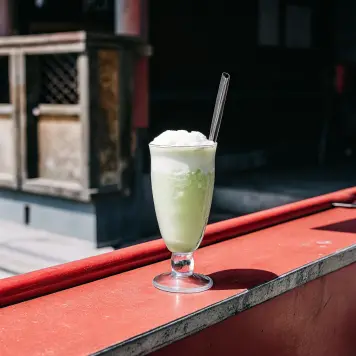
Mung Bean Shake (綠豆沙)
This creamy, slushy drink is made by blending cooked mung beans with ice and sugar until smooth. In Changhua's Lukang district, it is a wildly popular summer treat sold at iconic old-school stalls that have been operating for decades.
Ontvang een PDF met de populairste attracties in je e-mail
Ontvang een PDF met alle attracties, beoordelingen en tips. Perfect voor offline gebruik.
Meest populaire dagtochten
Lukang Old Town
Historic port town with ancient temples, narrow alleys, and traditional crafts
Baguashan Great Buddha
Iconic hilltop Buddha statue with panoramic city views and hiking trails
Taichung City
Vibrant city with night markets, museums, and Rainbow Village
Xitou Nature Area
Mountain forest reserve with bamboo groves and suspension bridges
Er komen
Treinstations
Taiwan Railway West Coast Line (TRA)
Taiwan High Speed Rail connecting Taipei to Kaohsiung
From Taichung HSR station, take local TRA train or bus to Changhua Station in about 15 minutes. From Taichung Airport, take bus to Changhua.
Nuttige informatie voor Changhua, Taiwan
Overzicht voor Changhua, Taiwan
Wil je een dag-voor-dag plan voor Changhua, Taiwan? Open de reisplanner
Wanneer ga je naar Changhua, Taiwan?
Kies je data en reisstijl om te krijgen:
Zijn er dingen die voor jou extra belangrijk zijn?
Selecteer alles wat van toepassing is
Vervoer
Hoe wil je je tussen plaatsen verplaatsen?
Plantaal: Nederlands