 CityBuddy
 Português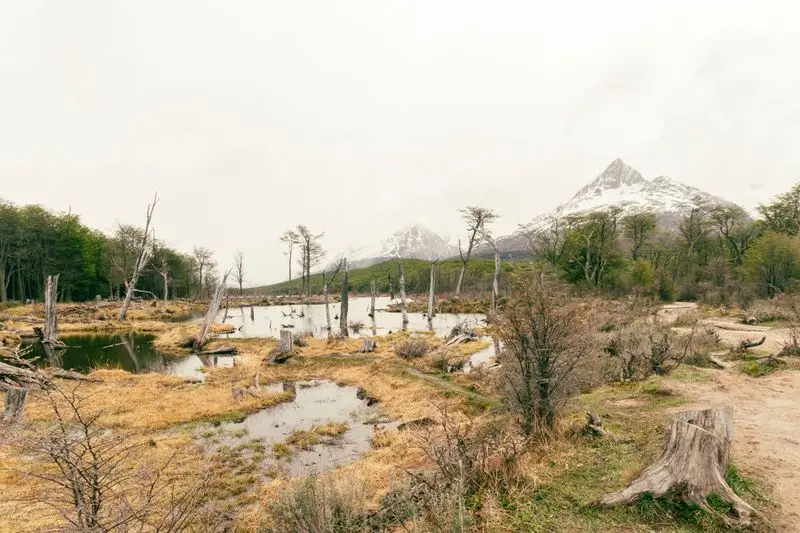
O que fazer em Patagonia, Argentina
Foto feita por Carolina Noir no Pexels.com
Quando visitar
Atrações mais populares em Patagonia, Argentina
A busca pelas melhores atividades na Patagônia, Argentina leva os viajantes ao Parque Nacional Los Glaciares, onde a Geleira Perito Moreno se estende por 250 quilômetros quadrados pelos Andes. Os caminhantes enfrentam as agulhas de granito de 3.405 metros do Monte Fitz Roy perto de El Chaltén, enquanto a caminhada no gelo sobre a face de 60 metros em avanço da geleira oferece um encontro inesquecível com a paisagem selvagem da Patagônia.
1. Perito Moreno Glacier
Poucos lugares permitem que você fique cara a cara com um gigante de gelo vivo e que geme. Você verá blocos do tamanho de casas se desprender e despencar no lago com um som semelhante a um trovão que rola.
Fatos rápidos: O campo de gelo de 250 quilômetros quadrados avança até 2 metros por dia, desprendendo constantemente enormes blocos nas águas turquesa abaixo. Ao contrário da maioria dos glaciares, que recuam, este mantém um equilíbrio aproximado, represando ocasionalmente um braço do lago e criando uma ponte de gelo que acaba por colapsar em um espetáculo natural ensordecedor.
Destaques: Cada poucos anos, a frente que avança empurra contra a península e forma uma represa natural, isolando um braço do lago. A pressão da água se acumula durante meses até que a ponte de gelo se rompe em um evento explosivo que atrai espectadores de todo o mundo para presenciar o colapso.
2. Monte Fitz Roy
Poucos picos na Terra exigem tanta paciência para uma única vista perfeita. Você caminhará por vales varridos pelo vento e florestas de lenga antes de ver o nascer do sol incendiando o granito.
Fatos rápidos: Erguendo-se 3.405 metros acima da estepa patagónica, suas agulhas de granito irregulares foram conquistadas pela primeira vez apenas em 1952 por uma expedição francesa. O povo tehuelche o chamava Chaltén, que significa "montanha fumante", porque as nuvens muitas vezes giram em torno do cume como fumaça de um incêndio.
Destaques: Ao amanecer, a face leste capta a primeira luz e brilla com um vermelho-alaranjado intenso durante aproximadamente 15 minutos, um fenômeno conhecido como "Fitz Roy en Fuego" entre os locais. Essa breve janela acontece apenas cerca de 60 dias por ano, quando as nuvens colaboran, o que o torna um dos espetáculos de luz más elusivos do planeta.
3. Cerro Torre
Contemple um dos picos mais desafiantemente verticais do planeta, uma torre tão íngreme que o gelo quase não consegue se aferrar. Você verá o nascer do sol pintar seu famoso cogumelo de gelo em tons de rosa e dourado.
Fatos rápidos: Nuvens de gelo de rime envolvem esta torre de granito durante todo o ano, esculpindo uma tampa de cogumelo congelada que cresce e desmorona com as estações. Os alpinistas a consideram a montanha mais difícil das Américas, com apenas cerca de 100 cumes bem-sucedidos já registrados.
Destaques: Observe atentamente o cume em um dia claro e você verá um cogumelo congelado de gelo rime que pode crescer mais de 30 pés de espessura. Os alpinistas esperam anos pela janela climática perfeita, sabendo que o vento aqui regularmente ultrapassa 160 quilômetros por hora.
4. Tierra del Fuego National Park
Os ventos patagónicos serpenteam pelas florestas subantárticas ao longo do Canal Beagle. Siga as trilhas dos castores através de turberas para enviar um cartão postal do literal fim do mundo.
Fatos rápidos: Trezentos castores percorrem o parque, descendentes de 20 casais importados do Canadá em 1946 para um comércio de peles que nunca chegou a prosperar. Uma pequena agência postal dentro do parque envia cartas carimbadas à mão com "Fin del Mundo" desde o que afirma ser o serviço postal más austral do mundo.
Destaques: A maioria dos visitantes não vê a remota Baía Lapataia, o extremo literal da Ruta 3 argentina, que se estende 3.000 quilômetros desde Buenos Aires. Fique à beira da água e poderá observar condores andinos montando as correntes térmicas sobre o Canal Beagle, com suas envergaduras de 3 metros projetando sombras sobre as turberas abaixo.
5. Peninsula Valdes
Um dos encontros de vida selvagem mais densos do planeta, onde as baleias saltam da água bem na beira da praia e os elefantes marinos lutam por território a poucos passos de você. Você caminhará entre um milhão de pinguins, verá orcas caçar entre as ondas e ouvirá a respiração de gigantes de 40 toneladas ecoando sobre a água.
Fatos rápidos: Todos os anos, entre junho e dezembro, mais de 2.000 baleias-francas-austrais migram para os golfos calmos ao redor desta península para acasalar e dar à luz. A costa também abriga o único lugar da Terra onde orcas encalham de propósito para caçar filhotes de leões-marinhos.
Destaques: Em Punta Norte, uma pequena família de orcas domina uma técnica de caça que não existe em nenhum outro lugar: elas deliberadamente jogam seus corpos de três toneladas na praia de seixos para agarrar filhotes de leões-marinhos e depois se contorcem de volta para a água antes da próxima onda. Ver uma orca de seis metros deslizar sobre pedras molhadas com as mandíbulas apertadas em torno de uma presa se debatendo é o tipo de momento cru da natureza que fica gravado na sua memória para sempre.
6. Cueva de las Manos
Em nenhum outro lugar da Terra você encontrará marcas de mãos de 10.000 anos deixadas por caçadores-recolectores num cânion remoto. Você caminhará ao lado de centenas de mãos estarcidas, cenas de caça e padrões geométricos que traçam a presença humana ao longo de 90 séculos.
Fatos rápidos: Cerca de 829 marcas de mãos cobrem as paredes da caverna, sendo 9 em cada 10 mãos esquerdas. A arte rupestre abrange quase 10.000 anos, com as camadas mais antigas datando de cerca de 9.000 a.C.
Destaques: Quase 800 das 829 mãos estêncil são mãos esquerdas, sugerindo que os artistas seguravam um tubo de sopro feito de osso ou cana oca na mão direita enquanto borrifavam pigmento com a boca. O pigmento vermelho ainda visível após 10.000 anos veio da hematita misturada com gordura de guanaco, e os artistas sopravam a cor através de um tubo em vez de pintá-la diretamente.
7. Nahuel Huapi Lake
Rema por águas tão claras que você consegue ver peixes a 15 metros abaixo do seu kayak. Florestas antigas, riachos alimentados por geleiras e picos imponentes se refletem em cada ondulação.
Fatos rápidos: O degelo glacial alimenta a enorme bacia de 557 quilômetros quadrados, tingindo suas águas com um azul turquesa impressionante que muda com as estações. Mais de 30 ilhas salpicam a superfície, incluindo uma onde um raro bosque de casca de canela brilla em laranja durante todo o ano.
Destaques: A 464 metros de profundidade, a coluna de água cria zonas onde a luz se desvanece até a escuridão total antes de tocar o fundo. Uma floresta de 300 anos de árvores retorcidas com casca de canela lisa, parecida ao papel, cresce na maior ilha.
8. Beagle Channel
Deslize por águas alimentadas por geleiras onde os leões marinos tomam sol sobre as boias e os pinguins se lançam sob a superfície. Aviste condores andinos voando em círculos ao redor de picos nevados enquanto seu barco navega entre ilhas intocadas por estradas.
Fatos rápidos: O Canal de Beagle se estende por 240 quilômetros através da Terra do Fogo, nomeado em homenagem ao HMS Beagle que levou Charles Darwin em sua famosa viagem. Pinguins, leões-marinhos e biguás povoam suas ilhas, enquanto geleiras desprendem blocos diretamente nas águas geladas vindas da Cordilheira Darwin ao redor.
Destaques: Na Isla Martillo, uma colônia de mais de 400 casais de pinguins-de-magalhães divide a costa com pinguins-gentoo, criando um berçário natural de pinguins que você pode observar a poucos metros de distância. O farol Les Éclaireurs, muitas vezes confundido com o "Farol do Fim do Mundo", fica em um pequeno ilhéu rochoso e foi construído com tijolos locais em 1920, com suas listras vermelhas e brancas piscando a cada 10 segundos para guiar navios pela passagem estreita.
9. Cerro Catedral
Esquie no maior parque de montanha da América do Sul, com 120 km de pistas com vista sobre o lago mais impressionante da Patagonia. Trace sulcos na neve fresca através de florestas antigas de lenga e depois saboree chocolate quente num refugio no alto da montanha.
Fatos rápidos: O maior centro de esqui da América do Sul se estende por 2.650 acres com 120 quilômetros de pistas preparadas. Uma rede de 35 elevadores leva os esquiadores a uma altitude de cume de 2.388 metros com vista para a vastidão azul profunda do Lago Nahuel Huapi.
Destaques: Os picos de granito característicos da montanha mudam de cor ao longo do dia, brilhando em rosa ao pôr do sol contra o céu patagônico que escurece. Nas manhãs claras de inverno, o cume oferece vistas através dos Andes até o Chile, com o cone do Volcán Lanín visível no horizonte sul.
Where to Stay in Patagonia, Argentina
Selected by City Buddy based on guest reviews and proximity to top attractions
Search all hotels in Patagonia, ArgentinaPowered by agoda
Dias de abertura em Patagonia, Argentina
Quais das principais atrações fecham em qual dia da semana, o clássico estraga-planos, verificado para você.
Boas notícias: todas as 3 atrações principais com horários conhecidos estão abertas todos os dias da semana.
Fechado em segunda-feira · 0 fechado, 3 aberto
Nada fecha em segunda-feira. Todas as 3 atrações com horários conhecidos estão abertas.
Dias de abertura do Google Maps (verificado em 2026-06-23). Feriados, greves e horários sazonais podem variar. Verifique o site oficial antes de ir.
Pratos doces tradicionais

Helado de Calafate
The calafate berry is a native Patagonian fruit with a deep purple color. Legend says that anyone who eats calafate berries will return to Patagonia one day.

Alfajor de Dulce de Leche
Argentina is the world's largest consumer of alfajores, with Patagonia producing some of the finest versions. These cookies sandwich a generous layer of dulce de leche and are often dipped in chocolate.

Torta de Chocolate de Bariloche
Bariloche, in the Patagonian Andes, is considered Argentina's chocolate capital. The region's alpine-style chocolate shops produce famously rich, dense chocolate cakes using local dairy and cacao.
Pratos salgados tradicionais
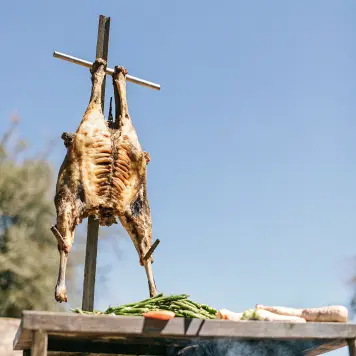
Cordero al Palenque
This iconic Patagonian dish features whole lamb slow-roasted on a metal cross or spit over an open fire for hours. The technique was adopted from the indigenous Tehuelche people and is central to Patagonian gaucho culture.
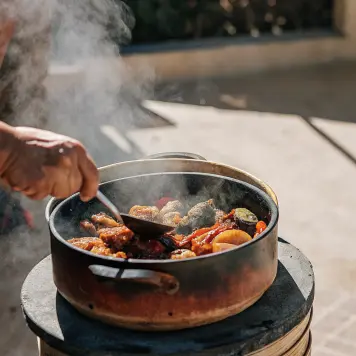
Curanto
Curanto is a traditional Mapuche cooking method where seafood, meats, potatoes, and vegetables are layered in a pit lined with hot stones and covered with leaves. It means "stewed in a hole" in the Mapuche language.

Trucha a la Patagónica
Patagonia's crystal-clear lakes and rivers are world famous for fly fishing. The region's rainbow and brown trout are typically grilled or pan-fried with lemon, garlic, and local herbs.
Bebidas tradicionais

Mate
Mate is the national drink of Argentina and is especially cherished in Patagonia's cold climate. The herbal infusion is sipped from a gourd through a metal straw and is deeply woven into social bonding rituals.
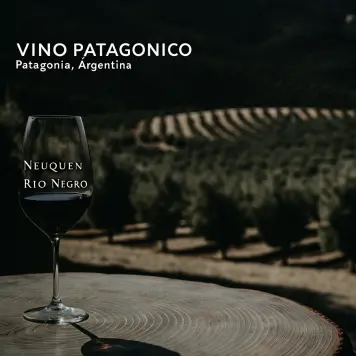
Vino Patagónico
The Patagonian wine region, particularly the Neuquén and Río Negro valleys, produces exceptional Pinot Noir and Malbec. These are some of the southernmost vineyards in the world, giving the wines a unique fresh and elegant character.

Licor de Calafate
This vibrant purple liqueur is made from macerating calafate berries in alcohol and sugar. It is a beloved digestif across Patagonia and is often served after meals or poured over vanilla ice cream as a dessert.
Perguntas frequentes sobre Patagonia, Argentina
A Patagônia Argentina é segura para viajantes?
Qual é a melhor época para visitar a Patagônia Argentina?
Quantos dias são recomendados na Patagônia Argentina?
É caro visitar a Patagônia Argentina?
Como se locomover pela Patagônia Argentina?
Receba um PDF com as atrações mais populares no seu e-mail
Receba um PDF com todas as atrações, avaliações e dicas. Perfeito para uso offline.
Passeios de um dia mais populares
Perito Moreno Glacier
Massive advancing glacier with breathtaking ice trekking and viewing walkways
El Chalten
Trekking capital of Argentina with stunning Cerro Torre and Fitz Roy peaks
Torres del Paine National Park
Iconic Chilean Patagonia park with granite towers, glaciers, and guanacos
Rio Gallegos
Coastal city for penguin colonies and Atlantic coastline views
Punta Arenas
Historic Chilean port city on the Strait of Magellan
Como chegar
Aeroportos
Estações de trem
Long distance buses to Rio Gallegos, El Chalten, and Puerto Natales
Limited freight and heritage rail service
Fly into El Calafate Airport (FTE) and take a shuttle bus to downtown for about 20 minutes. Renting a car is best for exploring remote Patagonia.
Informações úteis para Patagonia, Argentina
Visão geral de Patagonia, Argentina
Quer um plano dia a dia para Patagonia, Argentina? Abra o planejador de viagem
Quando você vai para Patagonia, Argentina?
Escolha suas datas e estilo de viagem para receber:
Algum destes é especialmente importante para você?
Selecione todos que se aplicam
Como se locomover
Como você quer se deslocar entre os lugares?
Idioma do plano: Português