 CityBuddy
 Português
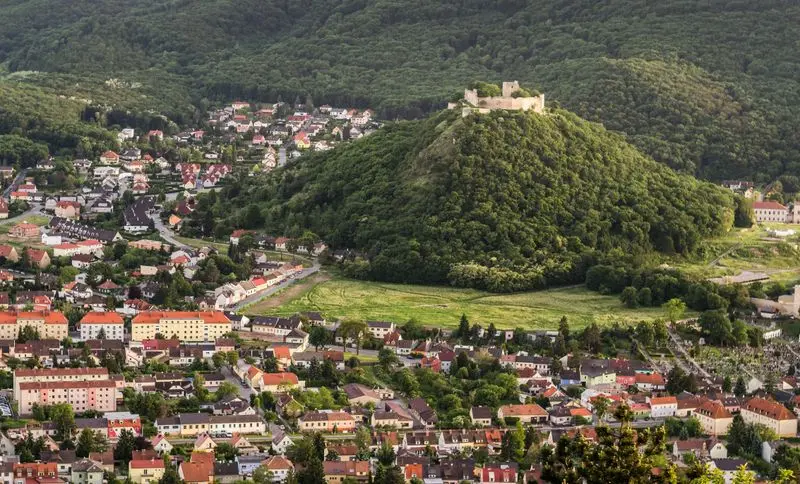
O que fazer em Hainburg an der Donau, Austria
Foto feita por Karol Czinege no Pexels.com
Quando visitar
Atrações mais populares em Hainburg an der Donau, Austria
Se você está procurando coisas para fazer em Hainburg an der Donau, na Áustria, comece pelo Burg Hainburg do século XIII, uma fortaleza no topo de uma colina com vista para o vale do rio Danúbio. Atravesse o portão medieval Wiener Tor e depois suba os 222 degraus da torre de observação Haymburgwarte para uma vista panorâmica da região de Wachau.
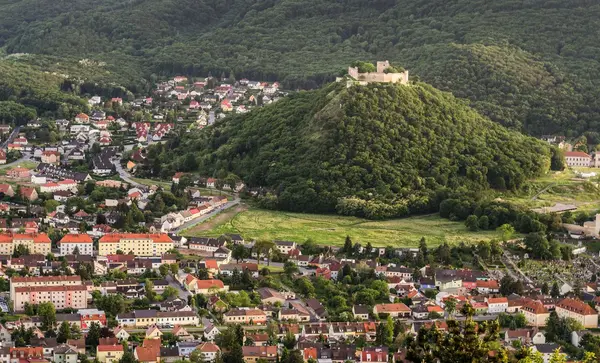
1. Burg Hainburg
Suba a muralha defensiva medieval mais longa da Áustria para ter vistas deslumbrantes do Danúbio em três países. Caminhe pelas mesmas ameias onde guardas outrora vigiavam a aproximação de exércitos.
Fatos rápidos: Empoleirada em uma colina acima do Danúbio, esta fortaleza medieval possui a maior muralha defensiva sobrevivente da Áustria, com 250 metros. Sua torre de menagem do século XII resistiu a vários cercos e oferece vistas de 360 graus para três países em dias claros.
Destaques: Ao contrário da maioria dos castelos restaurados, o interior da torre permanece deliberadamente cru: paredes de pedra áspera, escadas em espiral desgastadas e suportes de tocha medievais originais. Você pode ficar na mesma sala de guarda onde soldados examinavam o rio em busca de exércitos que se aproximavam há mais de 800 anos.
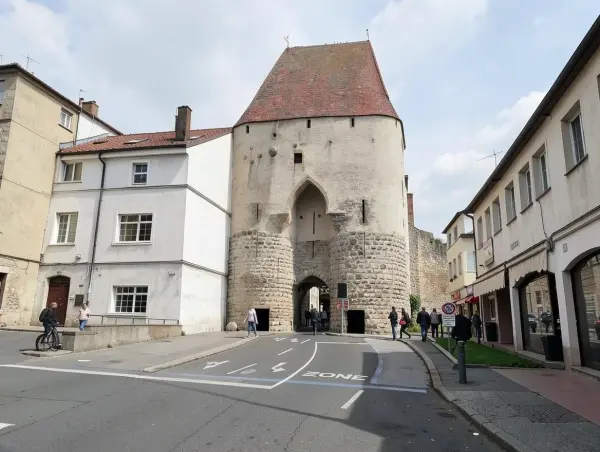
2. Wiener Tor
Fique onde soldados medievais outrora vigiavam a aproximação de exércitos ao longo do Danúbio. Suba a escada de pedra em espiral para um panorama abrangente sobre a Áustria, Eslováquia e Hungria de uma só vez.
Fatos rápidos: Two stone towers crown a hilltop overlooking the Danube River and Slovakian border. The 13th-century fortification once guarded the eastern edge of the Holy Roman Empire.
Destaques: Three heavy iron cannonballs from the 1683 Ottoman siege still stick out of the south tower's outer wall. Visitors can run their fingers over the impact craters, feeling the same dents left by artillery fire over 340 years ago.
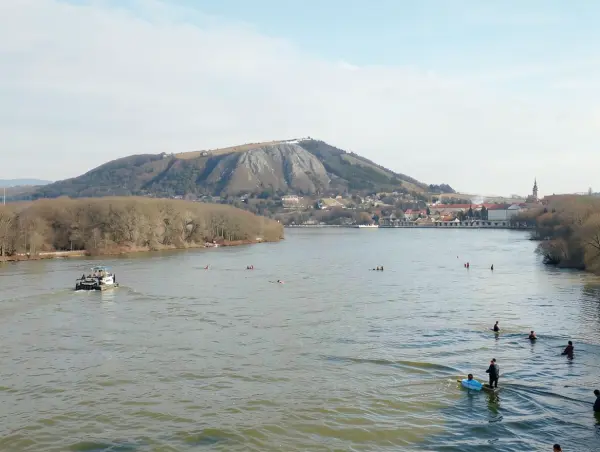
3. Braunsberg
Braunsberg recompensa você com um dos melhores mirantes de três países da Europa Central após uma curta caminhada subida. Siga a trilha por prados de flores silvestres e florestas de faias até as ruínas da fortaleza medieval no cume.
Fatos rápidos: Walking up the 443 steps to the top of the medieval tower rewards you with panoramic views where three countries meet: Austria, Slovakia, and Hungary. The fortress walls stretch over 500 meters and were built using limestone hauled from a quarry 8 kilometers away.
Destaques: The fortress was never conquered in battle, so its original Gothic architecture remains remarkably intact. Inside the tower, you can still see medieval graffiti scratched into the stone walls by bored guards from the 15th century.
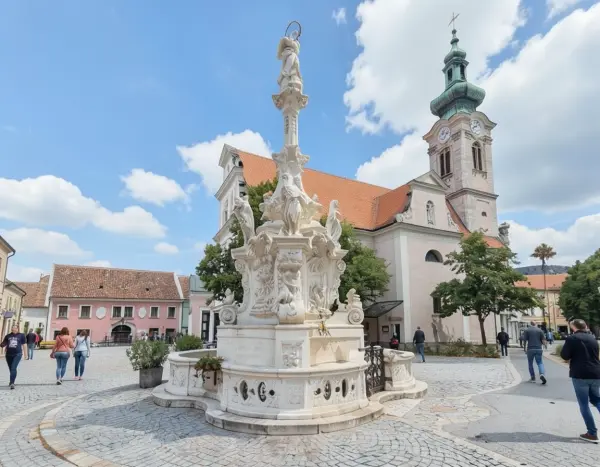
4. Pfarrkirche Hainburg
Entre em uma obra-prima gótica onde canteiros de pedra medievais deixaram seus segredos em cada pilar. Você ficará sob abóbadas nervuradas imponentes e descobrirá cadeiras de coro em madeira com cenas ocultas de 700 anos.
Fatos rápidos: The church towers over Hainburg with its 86-meter spire, visible from kilometers along the Danube. Its foundation stones were laid in the 13th century during a period when Hainburg served as a key border fortress for the Babenberg dynasty.
Destaques: Carved into the choir stalls are 42 unique misericordia seats, each featuring a different medieval scene of daily life, from grape harvesting to musicians playing bagpipes. These wooden carvings survived the Turkish sieges and Napoleonic wars, making them one of the best-preserved sets of their kind in Austria.
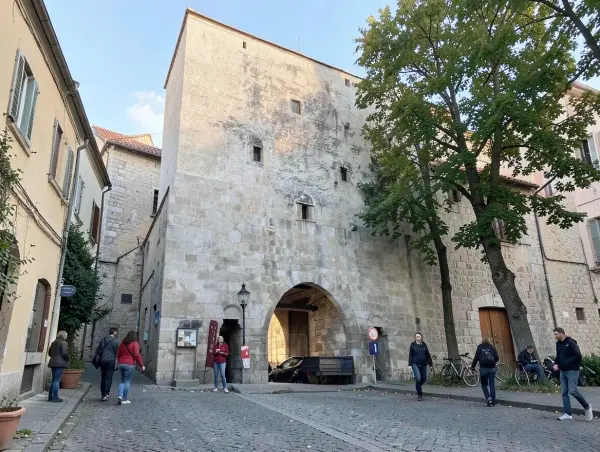
5. Stadtmuseum Hainburg
Entre em um monastério de 300 anos transformado em cápsula do tempo da vida regional. Você percorrerá desde ferramentas pré-históricas até uma mercearia completa do século XIX, tudo sob tetos de pedra abobadados.
Fatos rápidos: O museu ocupa um antigo mosteiro franciscano construído por volta de 1700, completo com um claustro preservado. Seu acervo abrange mais de 20 mil objetos, desde artefatos celtas encontrados no próximo Monte Braunsberg até exposições sobre o cerco otomano de 1683.
Destaques: Uma sala inteira recria uma farmácia de Hainburg dos anos 1920, com armários de nogueira originais, frascos com tampas de vidro e frascos de remédio rotulados à mão, ainda perfumados com ervas secas. Um canto escurecido exibe a "Vênus de Hainburg", uma estatueta de fertilidade em argila com 5 mil anos descoberta durante obras de construção locais.
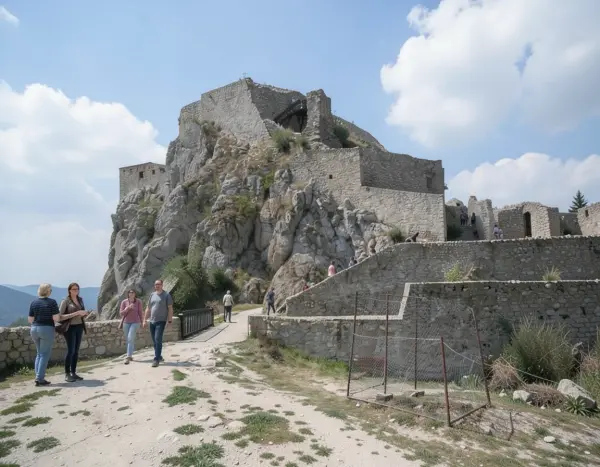
6. Devín Castle
Watch two mighty rivers collide from the top of a cliffside ruin. Climb the medieval keep, hunt for ghost stories, and soak up panoramic views across two countries.
Fatos rápidos: Guarding the meeting point of two major rivers, this clifftop ruin has seen Roman legionaries, Slavic princes, and Ottoman armies in its time. A gunpowder blast set by Napoleon's retreating troops leveled much of the fortress in 1810, yet the tall keep still stands watch over the water below.
Destaques: Locals swear the pale figure of the White Maiden still drifts through the ruins after dark, a ghost tied to the lonely tower perched on the sheer cliff. Stand at that tower's edge and the wind rips up from the river far below, the same gust that legend says pushed a desperate girl to her death centuries ago.
Where to Stay in Hainburg an der Donau, Austria
Selected by City Buddy based on guest reviews and proximity to top attractions
Search all hotels in Hainburg an der Donau, AustriaPowered by agoda
Dias de abertura em Hainburg an der Donau, Austria
Quais das principais atrações fecham em qual dia da semana, o clássico estraga-planos, verificado para você.
segunda-feira: 3 de 6 atrações principais fechadas. Planeje museus para outro dia.
Fechado em segunda-feira · 3 fechado, 3 aberto
Dias de abertura do Google Maps (verificado em 2026-09-22). Feriados, greves e horários sazonais podem variar. Verifique o site oficial antes de ir.
Pratos doces tradicionais
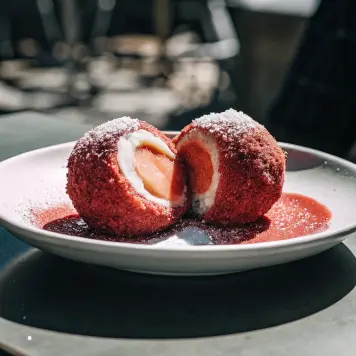
Marillenknödel
These apricot dumplings are a famous Austrian dessert from the Danube region. The apricots are wrapped in potato dough, boiled, and rolled in buttered breadcrumbs and powdered sugar.
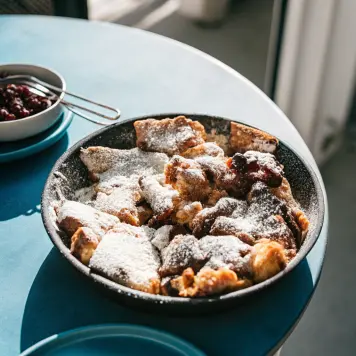
Kaiserschmarrn
This shredded caramelized pancake was supposedly named after Emperor Franz Joseph I, who loved it as a simple yet elegant dessert. It is often served with plum compote or apple sauce.

Topfenstrudel
Unlike the famous apple strudel, this version features a creamy quark cheese filling with raisins and lemon zest. Hainburg's location along the Danube made it a crossroads for this beloved pastry tradition.
Pratos salgados tradicionais

Wiener Schnitzel
Though named after Vienna, this breaded and fried veal cutlet is beloved throughout Lower Austria, including Hainburg. The city's location near the Slovakian border means local versions sometimes include a slight Hungarian paprika twist.

Schweinsbraten mit Knödel
This classic roast pork with crispy crackling and bread dumplings is a Sunday staple in Hainburg. The local beer from the region is often used to deglaze the roasting pan for a rich, flavorful gravy.
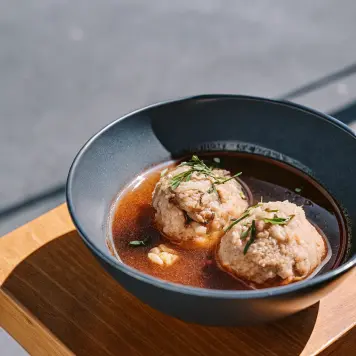
Leberknödelsuppe
This clear beef broth with liver dumplings is a traditional starter across Austrian taverns. In Hainburg, the dumplings are often made with a hint of marjoram and served with chives on top.
Bebidas tradicionais

Melange
This classic Viennese coffee drink, made with espresso and steamed milk topped with milk foam, is a daily ritual in Hainburg's cafés. It is traditionally served with a small glass of water on the side.
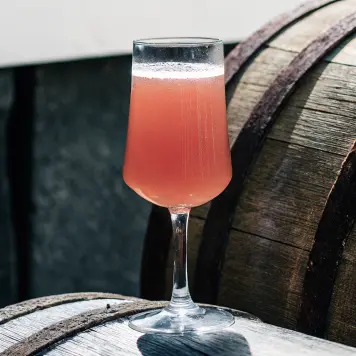
Sturm
Sturm is a partially fermented young wine enjoyed in autumn throughout the wine regions of Lower Austria near Hainburg. It is lightly fizzy, sweet, and only available for a few weeks each year during grape harvest season.

Almdudler
Often called Austria's national soft drink, this herbal lemonade is made from Alpine mountain herbs. It was created in 1957 and remains a beloved non-alcoholic refreshment in Hainburg and across the country.
Perguntas frequentes sobre Hainburg an der Donau, Austria
"Hainburg an der Donau, Austria é seguro?"
"Quantos dias em Hainburg an der Donau, Austria?"
"Melhor época para visitar Hainburg an der Donau, Austria?"
Is Hainburg an der Donau, Austria expensive?
"Como se locomover em Hainburg an der Donau, Austria?"
Receba um PDF com as atrações mais populares no seu e-mail
Receba um PDF com todas as atrações, avaliações e dicas. Perfeito para uso offline.
Passeios de um dia mais populares
Vienna
Austria's imperial capital with palaces, museums, and coffee houses
Devín Castle
Ruins of a historic castle at the confluence of Danube and Morava rivers
Carnuntum Archaeological Park
Open-air museum showcasing ancient Roman city ruins
Bratislava Forest Park
Large nature reserve with hiking trails and panoramic views
Como chegar
Estações de trem
Regional rail lines to Vienna and Bratislava
Main hub with connections to all major Austrian cities and international routes
From Vienna Airport, take the S-Bahn or Railjet to Wien Hauptbahnhof, then transfer to a regional train to Hainburg.
Informações úteis para Hainburg an der Donau, Austria
Visão geral de Hainburg an der Donau, Austria
Quer um plano dia a dia para Hainburg an der Donau, Austria? Abra o planejador de viagem
Quando você vai para Hainburg an der Donau, Austria?
Escolha suas datas e estilo de viagem para receber:
Algum destes é especialmente importante para você?
Selecione todos que se aplicam
Como se locomover
Como você quer se deslocar entre os lugares?
Idioma do plano: Português