 CityBuddy
 Português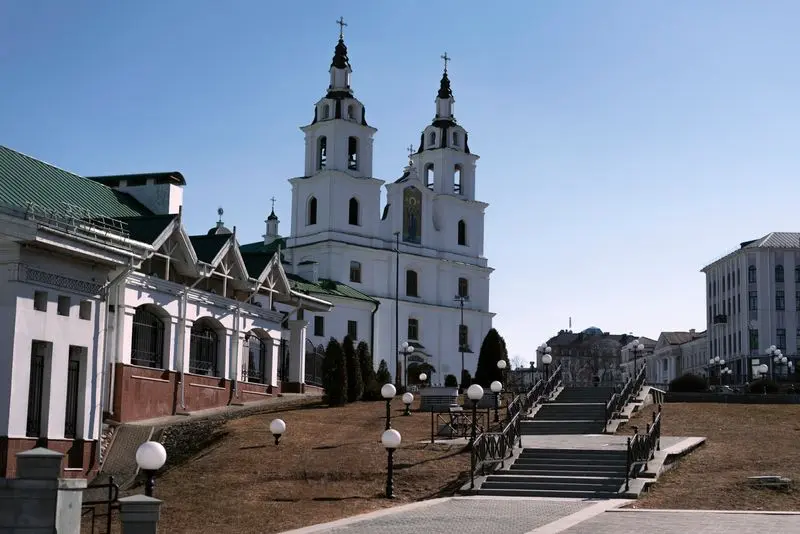
O que fazer em Minsk, Belarus
Foto feita por Vitali Adutskevich no Pexels.com
Quando visitar
Atrações mais populares em Minsk, Belarus
Ao procurar o que fazer em Minsk, na Bielorrússia, comece pela Praça da Independência, que abriga o imponente obelisco de granito de 70 metros e a Igreja Vermelha com suas marcantes torres neogóticas. Em seguida, visite a Biblioteca Nacional da Bielorrússia, um rombicuboctaedro de 74 metros que se transforma em um farol brilhante com 4.646 painéis de LED à noite. Uma curta caminhada leva à sombria Ilha das Lágrimas, um memorial aos soldados bielorrussos perdidos na guerra soviético-afegã.
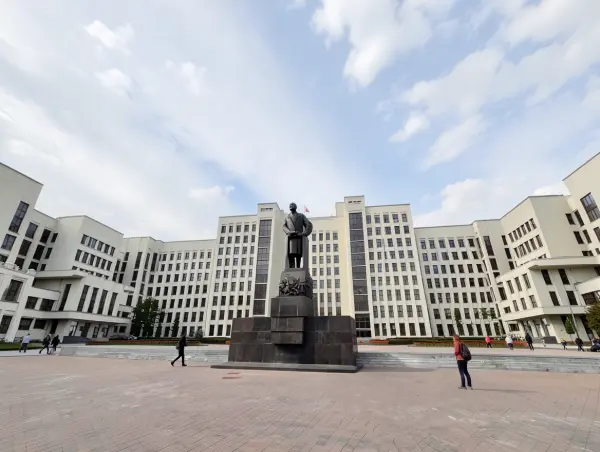
1. Independence Square
Onde a vida cotidiana se desenrola contra um cenário de história controversa. Caminhe pelas mesmas pedras do calçamento onde festivais, concertos e protestos silenciosos remodelaram a história de uma nação.
Fatos rápidos: A praça central tem 4,5 hectares e pode receber até 50 mil pessoas para concertos e eventos oficiais. Sua silhueta conta com a Igreja dos Santos Simão e Helena, uma impressionante igreja católica de tijolos vermelhos que sobreviveu às duas guerras mundiais e às campanhas antirreligiosas soviéticas.
Destaques: Tarde da noite, os paralelepípedos da praça ainda ecoam passos dos protestos de 2020, quando centenas de milhares de pessoas se reuniram pacificamente vestindo branco e segurando flores. A igreja vermelha brilha sob os holofotes enquanto a sede da KGB, nas proximidades, permanece em silêncio, criando uma estranha mistura de resiliência e tensão que você pode sentir no peito.
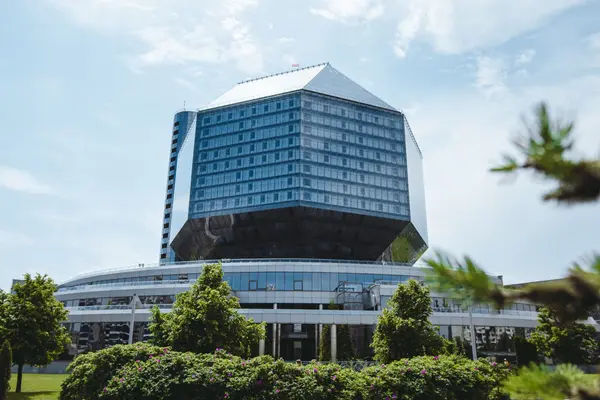
2. National Library of Belarus
Uma visita aqui significa estar dentro de um edifício gigante em forma de nave espacial que parece ao mesmo tempo futurista e estranhamente monumental. Pegue o elevador até o salão panorâmico e veja o pôr do sol pintar a cidade a 75 metros de altura.
Fatos rápidos: O formato rombicuboctaedro do edifício foi escolhido para lembrar um diamante, simbolizando o valor do conhecimento. Sua escala massiva é imediatamente aparente de perto: 20 andares de altura, a estrutura contém mais de 500.000 volumes e requer drones de limpeza especialmente projetados para manter sua fachada de vidro.
Destaques: Do mirante no 22º andar, a vista panorâmica transforma Minsk em uma grade geométrica de avenidas soviéticas e parques frondosos que se estendem até o horizonte. A cor exterior literalmente muda ao longo do dia, enquanto 18.000 metros quadrados de painéis de vidro refletem o céu bielorrusso em constante mudança.
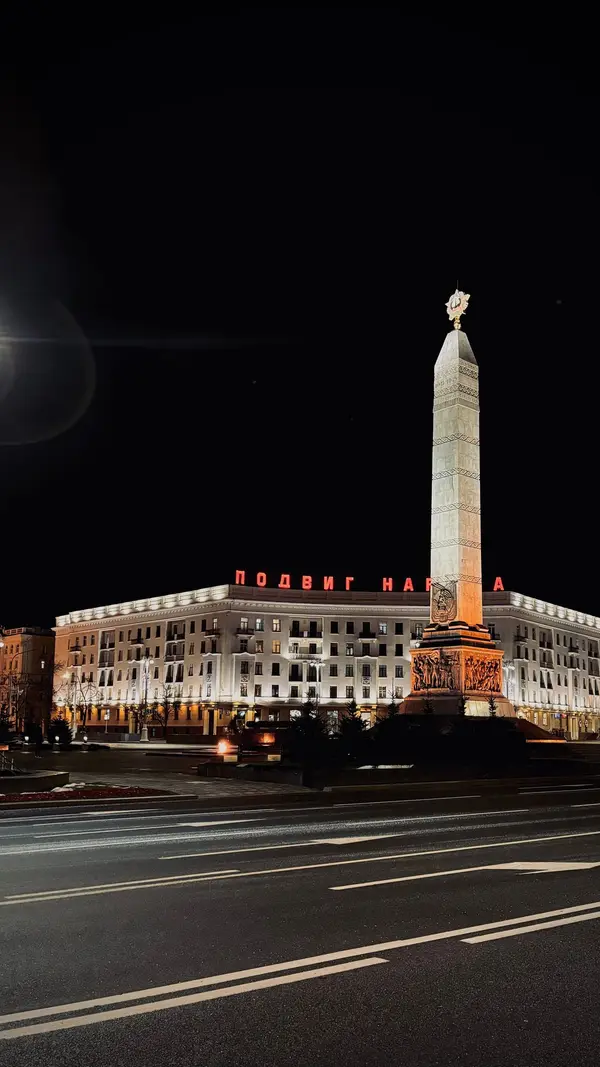
3. Victory Square
O coração cerimonial da capital, onde a Bielorrússia lembra seu passado de guerra. Fique entre o grande obelisco e a Chama Eterna enquanto os guardas marcham em formação precisa.
Fatos rápidos: Uma das maiores praças da Europa abrange quase 7 hectares, uma área equivalente a cerca de 10 campos de futebol. As pedras de granito da praça testemunham desde solenes desfiles militares até enormes shows de rock que atraem mais de 100.000 pessoas.
Destaques: No coração da praça ergue-se o Obelisco de granito de 38 metros encimado pela Ordem da Vitória, mas a parte verdadeiramente comovente são os três baixos-relevos de bronze ao redor de sua base. Cada painel retrata uma fase diferente da guerra: o chamado para lutar, a luta partidária nas florestas e o retorno vitorioso, com rostos humanos reais gravados no metal que parecem mudar de expressão conforme a luz do sol se desloca sobre eles.
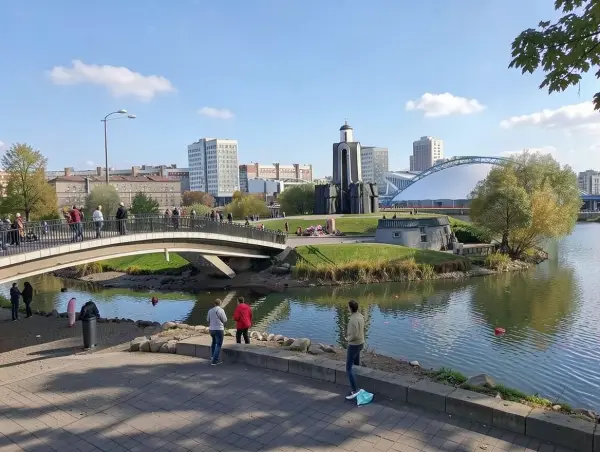
4. Island of Tears
Um memorial insular e silencioso que transforma o horror da guerra em algo profundamente pessoal. Atravesse a ponte em arco para encontrar uma capela que fisicamente inclina sob seus pés, um anjo de bronze chorando e 771 nomes gravados em pedra.
Fatos rápidos: Esta ilha artificial no rio Svisloch foi criada na década de 1950 para abrigar um complexo memorial. Os moradores locais a chamam de "Ostrov Slyoz" ou "Ilha das Lágrimas", pois acredita-se que as lágrimas de uma mãe enlutada tenham criado um riacho próximo.
Destaques: No interior da capela central, o chão se inclina para dentro como o convés de um navio afundando, um detalhe desorientador que reflete o caos da guerra. Uma figura de bronze de um anjo choroso fica de guarda do lado de fora, com água real escorrendo de seus olhos durante todo o ano.
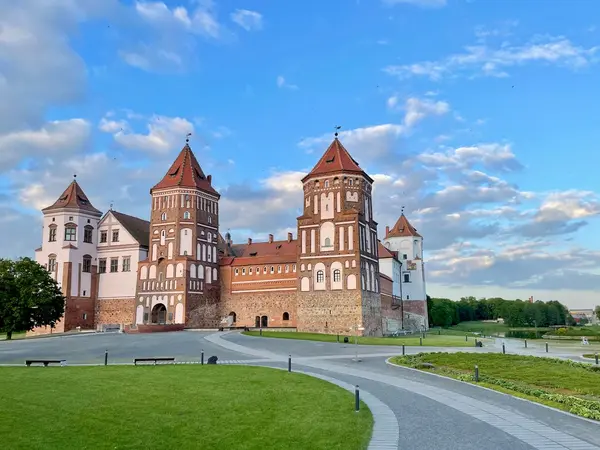
5. Mir Castle Complex
Três eras arquitetônicas colidem em uma única fortaleza, cada uma contando um capítulo diferente das lutas pelo poder no Leste Europeu. Percorra salões góticos, pátios renascentistas e jardins barrocos dentro das mesmas muralhas de pedra.
Fatos rápidos: Paredes de tijolo vermelho se erguem a 25 metros de altura, suas formas góticas se misturando com acréscimos renascentistas e barrocos de séculos posteriores. Mais de 30 estilos arquitetônicos diferentes estão entrelaçados neste único complexo, resultado de quase 500 anos de construção e reconstrução contínuas.
Destaques: Atravesse o portão principal e note a transição do tijolo vermelho para paredes caiadas, um truque de design deliberado que faz o castelo parecer maior por dentro. Túneis subterrâneos se estendem por mais de 200 metros sob o fosso, conectando o castelo a uma capela escondida que apenas um punhado de visitantes encontra.
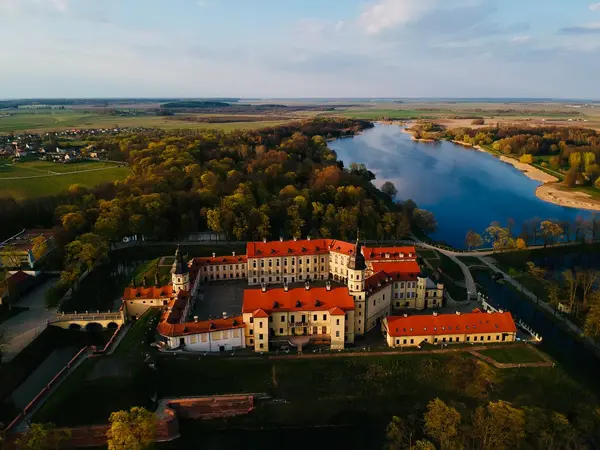
6. Nesvizh Castle
Entre em uma fortaleza de conto de fadas onde magnatas poloneses realizaram caçadas a ursos e reuniões secretas do conselho. Percorra grandes salões, túneis de masmorra assustadores e um parque francês cuidado com seu próprio lago.
Fatos rápidos: As torres de 34 metros de altura do castelo serviam tanto como fortificações de defesa quanto como uma declaração da imensa riqueza da família Radziwiłł. Mais de 200 salas no interior já foram conectadas por um sistema secreto de passagens subterrâneas que se estendia por mais de 40 quilômetros.
Destaques: Observe atentamente os tetos dentro do Salão Dourado: eles são pintados com uma técnica de trompe-l'oeil que faz a superfície plana parecer uma enorme cúpula com três andares de altura. Os afrescos ficaram escondidos sob camadas de gesso por décadas após a Segunda Guerra Mundial, sendo redescobertos apenas durante uma restauração nos anos 1990, quando trabalhadores acidentalmente quebraram uma parte e encontraram as pinturas originais do século XVI intactas.
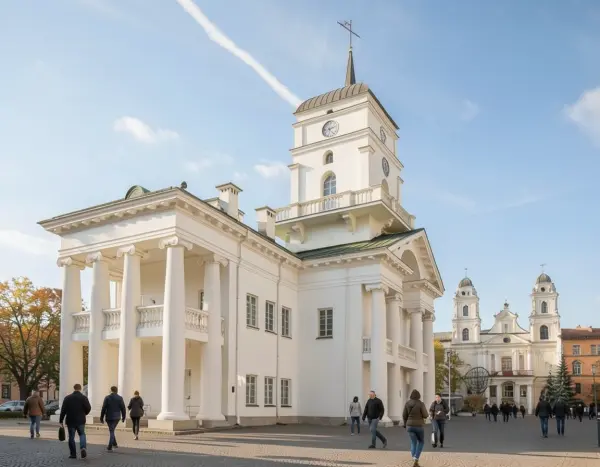
7. Minsk City Hall
O coração simbólico da soberania e do orgulho cívico de Minsk. Fique na praça de calçamento onde os conselhos municipais governaram, ouça o toque de trombeta a cada hora e explore os salões elegantes no interior.
Fatos rápidos: O edifício atual é uma reconstrução fiel de 2004 da prefeitura original de 1602, que foi demolida em 1857 por ordens do Império Russo. Sua torre do relógio toca a cada hora com uma melodia composta especificamente para Minsk, e a praça em frente abriga a árvore de Natal oficial da cidade a cada inverno.
Destaques: Observe a torre do relógio ao meio-dia, quando uma pequena porta se abre e uma figura de um trombeteiro emerge para tocar uma breve melodia, uma tradição revivida do século XVII. O porão do edifício ainda contém pedras de fundação originais de 1602, que podem ser vistas através de um painel de vidro no piso do salão principal.
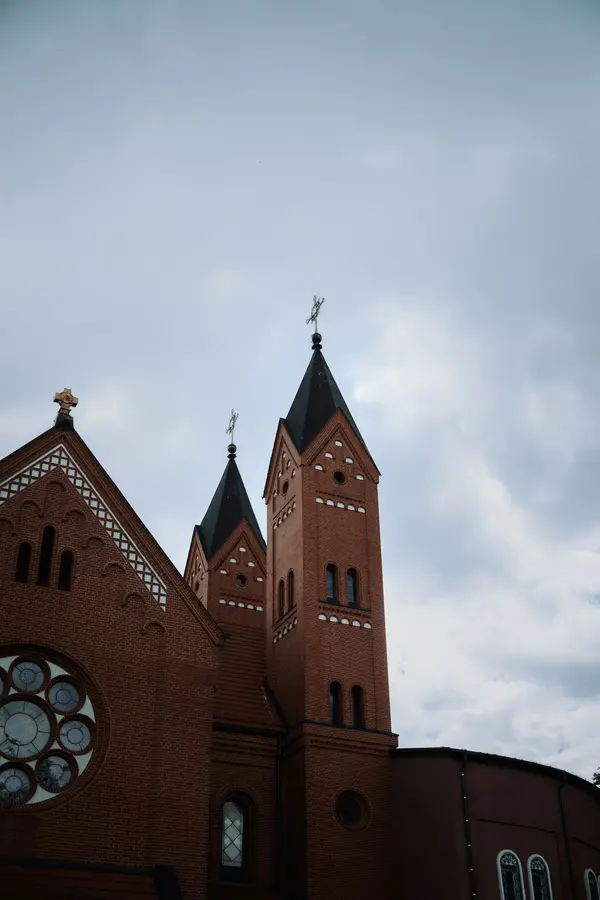
8. Church of Saints Simon and Helena
Uma das poucas igrejas católicas que sobreviveu intacta à era soviética, ainda realizando missas desde 1910. Você caminhará sob torres gêmeas de 80 metros até um interior pacífico de vitrais e mármore branco.
Fatos rápidos: A impressionante igreja católica vermelha e branca no centro de Minsk foi construída como um presente de uma família local rica e levou mais de cinco anos para ser concluída. Suas torres gêmeas se elevam a 80 metros de altura, tornando-as visíveis de grande parte do centro da cidade.
Destaques: Três vitrais de beleza assombrosa no interior retratam cenas das vidas de São Simão e Santa Helena, projetando vermelhos e azuis profundos sobre o piso de mármore ao meio-dia. O altar principal é esculpido em mármore branco italiano puro, uma característica surpreendente e extravagante para uma igreja nesta parte da Europa.
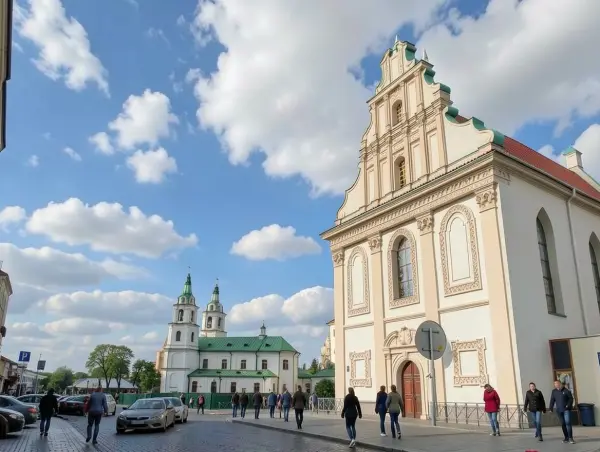
9. Upper City
Percorra três séculos de arquitetura concentrados em uma única colina inclinada. Ruas de paralelepípedos, cúpulas de catedrais e pátios escondidos revelam a alma antiga da capital.
Fatos rápidos: A Cidade Alta era o coração político e religioso da Minsk medieval, onde o conselho municipal e os comerciantes ricos se estabeleceram. Três antigos portões da cidade ainda permanecem aqui: o portão da Igreja da Ressurreição, o portão do convento das Bernardinas e o portão do campanário da Catedral do Espírito Santo.
Destaques: Na borda leste da praça, ergue-se uma prefeitura de tijolo vermelho reconstruída em 2004, exatamente onde a original foi construída após Minsk receber os direitos de Magdeburgo em 1499. Se você ficar nos degraus da prefeitura ao meio-dia, poderá ver uma pequena reconstituição do sinal medieval de trompete da cidade que outrora abria os dias de mercado.
10. Gorky Park
Um refúgio urbano extenso onde a história soviética encontra o lazer contemporâneo. Passeie por caminhos sombreados, ande em uma roda gigante de 54 metros e descubra esculturas realistas socialistas ao longo do rio.
Fatos rápidos: Estendendo-se por quase 40 hectares, este parque urbano oferece uma mistura de monumentalismo da era soviética e espaços modernos de lazer. Sua roda-gigante se eleva a 54 metros de altura, proporcionando aos passageiros vistas panorâmicas do rio Svisloch e do horizonte da cidade.
Destaques: Escondida à beira do rio, uma réplica de 17 metros da estátua do Pescador se destaca dramaticamente contra a água, um local querido para fotos pelos moradores. Nas proximidades, uma peculiar exposição ao ar livre apresenta esculturas da era soviética, incluindo um imponente busto de Lênin e mosaicos do realismo socialista que parecem congelados no tempo.
Where to Stay in Minsk, Belarus
Selected by City Buddy based on guest reviews and proximity to top attractions
Search all hotels in Minsk, BelarusPowered by agoda
Dias de abertura em Minsk, Belarus
Quais das principais atrações fecham em qual dia da semana, o clássico estraga-planos, verificado para você.
segunda-feira: 3 de 7 atrações principais fechadas. Planeje museus para outro dia.
Fechado em segunda-feira · 3 fechado, 4 aberto
Dias de abertura do Google Maps (verificado em 2026-08-05). Feriados, greves e horários sazonais podem variar. Verifique o site oficial antes de ir.
Pratos doces tradicionais

Kletski
Kletski are dumplings filled with sweet berries or poppy seeds. They are often served with sour cream and a dusting of sugar for a comforting dessert.
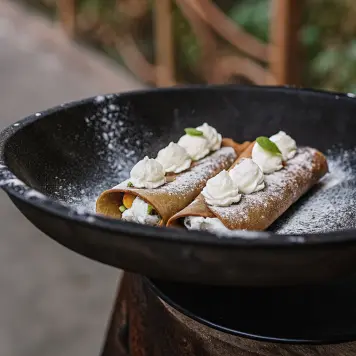
Nalisniki
These thin Belarusian crepes are typically filled with sweet cottage cheese, fruit, or jam. They are rolled up and lightly fried, then topped with sour cream or powdered sugar.

Kissel
Kissel is a thick, fruity dessert jelly made from berries such as cranberries or bilberries. It has been enjoyed in Belarus for centuries and is often served chilled with milk or cream.
Pratos salgados tradicionais

Draniki
Draniki are crispy potato pancakes that are considered the national dish of Belarus. They are typically served with sour cream and can be stuffed with meat, mushrooms, or cheese.

Machanka
Machanka is a rich, hearty sauce made from pork fat, flour, and sour cream, often served with thick Belarusian pancakes called bliny. It is a beloved comfort food in Minsk, especially during cold winters.
Kholodnik
Kholodnik is a cold beetroot soup, often bright pink in color, made with sour cream, fresh vegetables, and sometimes hard-boiled eggs. It is a refreshing summer staple in Belarusian cuisine.
Bebidas tradicionais

Kvass
Kvass is a slightly fermented, tangy beverage made from rye bread, sugar, and yeast. It has been a traditional Slavic drink for over a thousand years and is still sold from street kiosks across Minsk.
Kompot
Kompot is a sweet, non-alcoholic beverage made by boiling fresh or dried fruits like apples, cherries, and berries in water with sugar. It is commonly served cold as a refreshing drink with meals or at family gatherings.
Berezoviy Sok
Berezoviy Sok, or birch sap, is harvested in early spring by tapping birch trees. This clear, slightly sweet liquid is rich in minerals and vitamins and is believed to have cleansing and health-boosting properties.
Saiba antes de ir
Quanto custa um dia em Minsk e os golpes para evitar
Custo por pessoa por dia
Principais golpes para evitar
- Atravessadores de táxi não licenciados no desembarque. Passe direto pelos atravessadores e use o ponto oficial do lado de fora ou reserve pelo aplicativo Yandex Taxi ou Uber, onde a tarifa é mostrada antecipadamente.
- Casas de câmbio com taxas desfavoráveis. Use bancos ou seus caixas eletrônicos para câmbio de moeda e verifique o quadro de taxas antes de se comprometer. Recuse ofertas de "ajuda" de pessoas na rua.
- Batedores de carteira por distração. Mantenha as bolsas fechadas e à frente do corpo em multidões. Não pare para estranhos que pedem informações ou ajuda com formulários.
Opção mais barata: Ônibus 300E do aeroporto até o centro de Minsk (perto da estação ferroviária / metrô) (4 BYN)
Todos os golpes, preços justos e regrasPerguntas frequentes sobre Minsk, Belarus
"Minsk, Bielorrússia é seguro?"
"Quantos dias em Minsk, Bielorrússia?"
"Melhor época para visitar Minsk, Bielorrússia?"
"Minsk, Bielorrússia é caro?"
"Como se locomover em Minsk, Bielorrússia?"
Receba um PDF com as atrações mais populares no seu e-mail
Receba um PDF com todas as atrações, avaliações e dicas. Perfeito para uso offline.
Passeios de um dia mais populares
Mir Castle
UNESCO-listed 16th-century Gothic castle in the small town of Mir
Nesvizh Castle
Magnificent Renaissance palace and park complex, also UNESCO listed
Brest Fortress
Iconic WWII memorial complex and heroic fortress in Brest
Belovezhskaya Pushcha
Ancient primeval forest and UNESCO site home to European bison
Stalin Line Museum
Open-air military museum with WWII fortifications and equipment
Como chegar
Aeroportos
Estações de trem
Moscow, Warsaw, Berlin, Vilnius, Brest, regional routes
Bus 300E runs from the airport to Minsk Central Station in about 50 minutes. Taxis cost around 30-40 BYN.
Informações úteis para Minsk, Belarus
Visão geral de Minsk, Belarus
Quer um plano dia a dia para Minsk, Belarus? Abra o planejador de viagem
Quando você vai para Minsk, Belarus?
Escolha suas datas e estilo de viagem para receber:
Algum destes é especialmente importante para você?
Selecione todos que se aplicam
Como se locomover
Como você quer se deslocar entre os lugares?
Idioma do plano: Português