 CityBuddy
 Português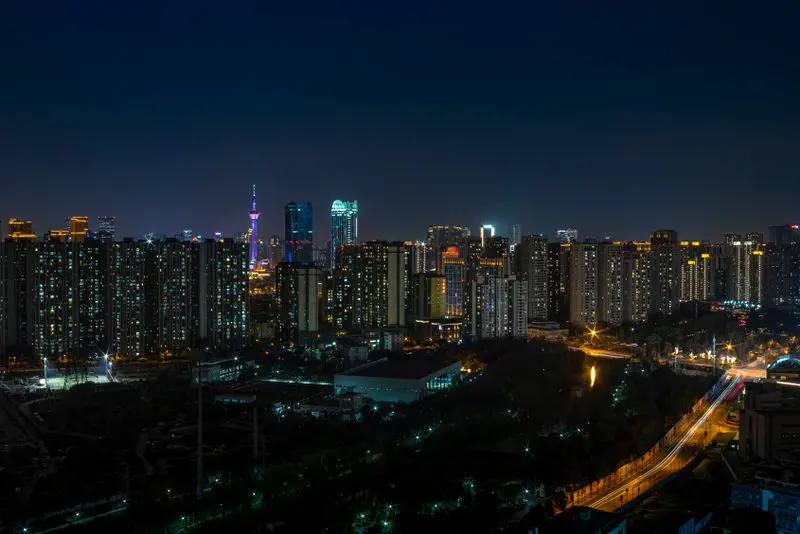
O que fazer em Chengdu, China
Foto feita por AG ZN no Pexels.com
Quando visitar
Chengdu é a #3 cidade para amantes da gastronomia do mundo, com base em nossos dados de centenas de destinos.
Atrações mais populares em Chengdu, China
Quando se fala em recomendações de pontos turísticos em Chengdu, o que mais atrai é a Chengdu Research Base of Giant Panda Breeding, onde vivem mais de 80 pandas gigantes, e o horário de alimentação da manhã é o mais movimentado. Depois, pode-se passear pelo Kuanzhai Alley (Wide and Narrow Alley), uma rua antiga da dinastia Qing composta pela rua larga, a rua estreita e a rua Jing, que preserva a atmosfera dos pátios do velho Chengdu. Já o Wuhou Shrine homenageia Zhuge Liang, o famoso chanceler do período dos Três Reinos, e em seu templo os ciprestes centenários erguem-se imponentes, com um forte senso de história. Esses três pontos turísticos englobam as experiências culturais e naturais mais essenciais de Chengdu.
1. Chengdu Research Base of Giant Panda Breeding
A experiência definitiva de observar de perto o tesouro nacional. Ver os pandas redondinhos roendo bambu cura o cansaço do dia inteiro. Caminhe pelas trilhas do bosque de bambus, dos filhotes adoráveis aos adultos se alimentando com calma, cada momento merece ser registrado.
Fatos rápidos: Mais de 100 pandas gigantes vivem aqui diariamente, e é possível ver desde filhotes recém-nascidos de cor rosada até pandas adultos. Este é também o maior centro de pesquisa de reprodução artificial de pandas gigantes do mundo, que já criou com sucesso mais de 300 pandas gigantes até hoje.
Destaques: Todas as manhãs são o momento mais mágico aqui: filhotes de panda com poucos meses emitem sons parecidos com latidos de cachorros dentro das incubadoras, e os tratadores realizam a cerimônia coletiva de amamentação da "creche de pandas". Ver com os próprios olhos mais de dez filhotes peludos de panda bebendo leite em fila é uma felicidade que simplesmente derrete qualquer um.
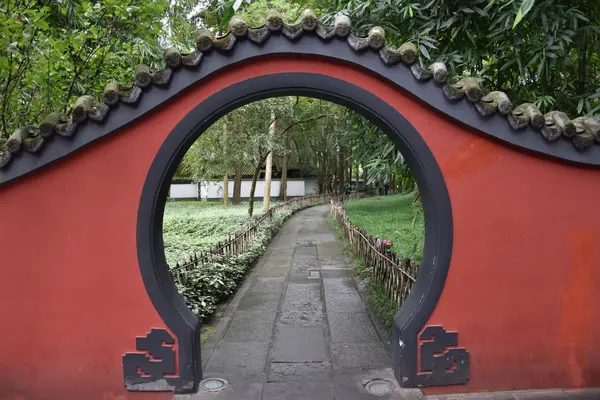
2. Wuhou Shrine
Entre no mundo lendário dos heróis dos Três Reinos e sinta a força espiritual de Zhuge Liang, que se dedicou até o fim. Atravesse as muralhas vermelhas e os ciprestes antigos, e converse com mil anos de história em meio ao incenso.
Fatos rápidos: No templo que ocupa 37 mil metros quadrados, preserva-se a "Estela das Três Maravilhas", com texto do chanceler Pei Du da dinastia Tang e caligrafia de Liu Gongchuo. Mais de 2 mil ciprestes antigos rodeiam os edifícios de muros vermelhos e telhados cinzas, sendo que um deles, com mais de 1700 anos, teria sido plantado pessoalmente por Zhuge Liang.
Destaques: No beiral do salão principal, há 47 estatuetas de cerâmica dos Três Reinos, cada uma com expressão facial diferente. Em dias de chuva, o esmalte ganha um brilho verde-azulado. Mais especial ainda é a mistura do aroma de sândalo do incensário com o perfume dos ciprestes, criando uma sensação de serenidade que atravessa milênios em todo o pátio.
3. Du Fu Thatched Cottage
Entre no local original da cabana de palha onde o poeta-santo morou quando se refugiou em Chengdu, e sinta o aroma de bambu e terra. No pátio cercado de bambus, tome uma xícara de chá gaiwan e ouça os locais recitando os poemas de Du Fu em dialeto de Sichuan.
Fatos rápidos: Mais de 2 milhões de turistas visitam todos os anos este jardim sereno que homenageia o santo da poesia. No interior, mais de 800 dísticos emparelhados e mais de 150 estelas de pedra formam a mais concentrada floresta de estelas de caligrafia com o tema de Du Fu na China.
Destaques: No lago de lótus em frente à cabana de palha vivem dezenas de tartarugas reunidas do centro histórico de Chengdu, que já moram aqui há mais de vinte anos. Os moradores locais as chamam de "guardiãs do santo da poesia". Todos os anos, no terceiro dia do terceiro mês do calendário lunar, o jardim dispõe os quatro tesouros do estudo para que os visitantes copiem os poemas de Du Fu em frente à cabana, com papel e tinta totalmente gratuitos.
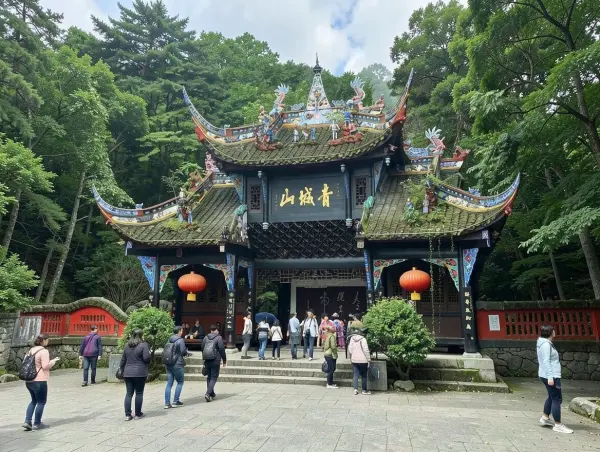
4. Mount Qingcheng
Quer sentir a força silenciosa da cultura taoista nas montanhas verdejantes? Suba os degraus de pedra, os sinos da manhã no antigo templo, as fontes cristalinas e os cantos de pássaros, por todo o caminho há paisagens que fazem você esquecer a agitação da cidade.
Fatos rápidos: A montanha Qingcheng se divide em montanha da frente e montanha de trás. Na frente, os templos taoístas se multiplicam e os incensos queimam com fartura; atrás, é mais tranquila e selvagem. Este é um dos berços do taoísmo na China, com 36 templos taoístas ainda existentes por toda a montanha, fundados originalmente na dinastia Han Oriental.
Destaques: Na névoa da manhã em frente ao Pavilhão Laojun, é possível ver as figuras de branco dos monges taoístas praticando tai chi, ora aparecendo ora desaparecendo, como se atravessassem mil anos. Mais encantador ainda: na ravina Wulong, na parte de trás da montanha, o som do riacho se entrelaça com o canto dos pássaros, e pelo caminho ainda se pode cruzar com macacos selvagens, um cenário que não fica nada atrás de qualquer romance de artes marciais.
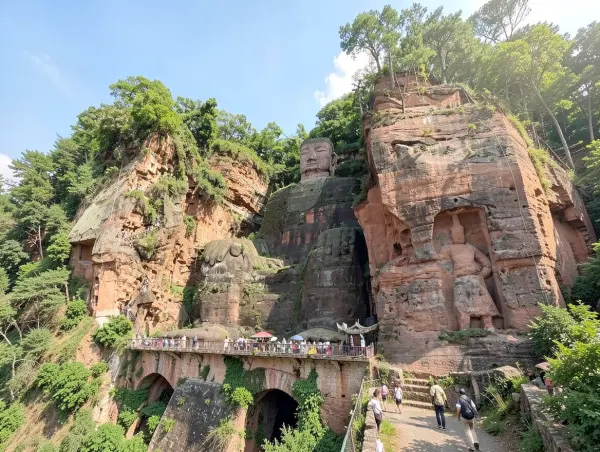
5. Leshan Giant Buddha
Veja com os próprios olhos a maior estátua de Buda esculpida em pedra do mundo e sinta a obra-prima dos artesãos da dinastia Tang. Siga a trilha em nove curvas da cabeça aos pés do Buda e ouça o eco milenar na confluência de três rios.
Fatos rápidos: Esta escultura rupestre de 71 metros de altura fica no encontro de três rios e é mais alta do que um prédio de 20 andares: somente o peito do pé tem o tamanho de duas quadras de basquete. A construção do grande Buda levou 90 anos, concluída por três gerações de artesãos, e sobre ele já foi erguida uma construção de 13 andares para protegê-lo da ação do vento e da chuva.
Destaques: O grande Buda passou por uma obra de restauração que durou 20 anos, durante a qual os artesãos encontraram no topo de sua cabeça mais de mil tijolos originais da dinastia Tang. Ainda mais impressionante: dentro das orelhas e dos cabelos do grande Buda há um sistema de drenagem oculto, engenhosamente projetado pelos artesãos da dinastia Tang, que permite que essa enorme figura continue sentada imponente após mil anos de ventos e chuvas.
6. Sanxingdui Museum
Entre num reino antigo misterioso nunca registrado na história e veja com os próprios olhos uma civilização do bronze de 3.000 anos atrás que supera a imaginação. A árvore divina de bronze de três metros, as máscaras de olhos protuberantes, cada relíquia transforma a sua percepção da civilização chinesa.
Fatos rápidos: Mais de mil máscaras de bronze, árvores divinas e marfins vieram à luz em dois poços de sacrifício em 1986, cada um com formas estranhas, totalmente diferentes dos bronzes das planícies centrais. Os arqueólogos ainda não encontraram nenhum registro escrito, e a que reino antigo essas relíquias pertenciam e por que foram enterradas continuam sendo um mistério não resolvido.
Destaques: A árvore divina de bronze tem 3,96 metros de altura, dividida em três camadas de galhos, cada uma com nove pássaros divinos, e no topo fica uma criatura auspiciosa, a árvore inteira vai do chão ao teto na sala de exposição. O mais estranho são aquelas máscaras de olhos salientes, com os globos oculares projetando-se 16 centímetros para fora, muito parecidas com a imagem de alienígenas, fazendo cada visitante diante delas soltar um suspiro de espanto.
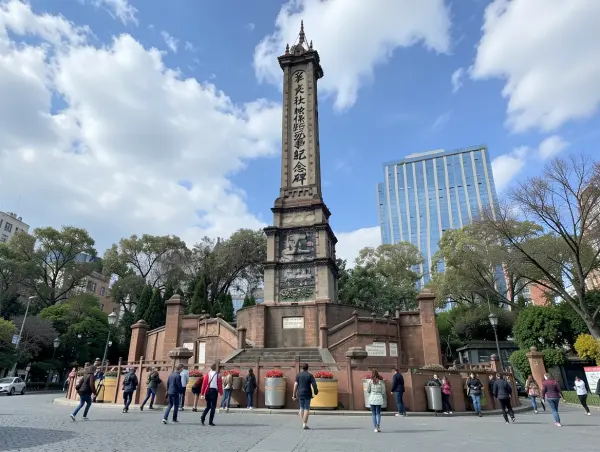
7. People's Park
Quer mergulhar num segundo no ritmo lento do velho Chengdu? Venha tomar chá, limpar os ouvidos e ver os passantes distraídos, meio dia passa num piscar de olhos.
Fatos rápidos: Um oásis no centro da cidade com mais de 70 mu de área, atraindo dezenas de milhares de moradores diariamente para tomar chá, dançar e jogar mahjong. O bosque centenário de ginkgos no parque fica todo dourado no outono, sendo o refúgio de lazer mais acessível e querido pelos moradores de Chengdu.
Destaques: No fundo do parque, a Casa de Chá Heming funciona desde 1923. Cadeiras de bambu, bule de cobre e chá em tigela com tampa custam apenas alguns reais, e você pode ficar o dia inteiro sem ser incomodado. Aos domingos de manhã, o clube de inglês e o cantinho dos encontros acontecem ao mesmo tempo. Senhores de cabelos brancos conversando fluentemente em inglês com estudantes estrangeiros: uma cena que provavelmente só se vê aqui em toda a China.
Where to Stay in Chengdu, China
Selected by City Buddy based on guest reviews and proximity to top attractions
Search all hotels in Chengdu, ChinaPowered by agoda
Pratos doces tradicionais
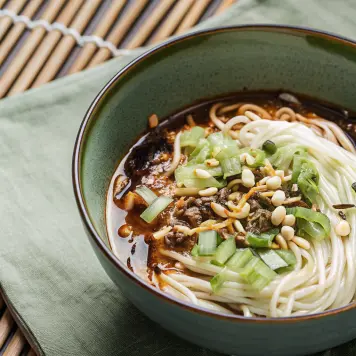
Dandan Mian (Dan Dan Noodles)
Despite being a noodle dish, Dandan Mian is often served as a sweet and savory street food. Its name comes from the bamboo pole (dan dan) that street vendors used to carry the noodles and sauce on their shoulders.

Three Balls (San Da Pao)
San Da Pao, or Three Big Bangs, is a Chengdu dessert made from glutinous rice that makes three loud sounds when prepared. The pounding and shaking of the rice cakes create a theatrical performance as the vendor calls out each bang.
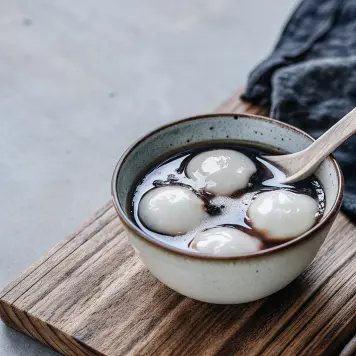
Sweet Rice Balls (Tangyuan)
Tangyuan are glutinous rice balls filled with black sesame paste or sweet bean paste, often served in a warm ginger syrup. In Chengdu, these are especially popular during the Lantern Festival as their round shape symbolizes family togetherness.
Pratos salgados tradicionais
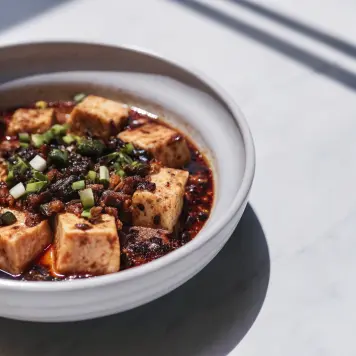
Mapo Tofu
This iconic Chengdu dish features soft tofu in a fiery sauce of doubanjiang (fermented bean paste) and Sichuan peppercorns. It is named after an elderly pockmarked woman (ma po) who supposedly invented the recipe in a small Chengdu eatery.
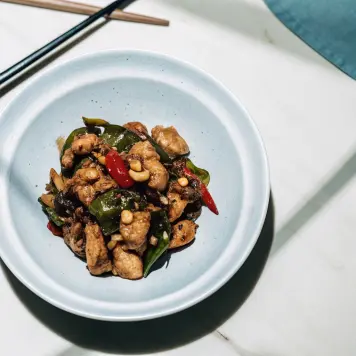
Kung Pao Chicken (Gong Bao Ji Ding)
This dish originated in Chengdu and is named after Ding Baozhen, a Qing Dynasty governor whose title was "Gong Bao" (Palace Guardian). The original recipe uses only chicken, peanuts, and chili peppers without the vegetables often added in Western adaptations.
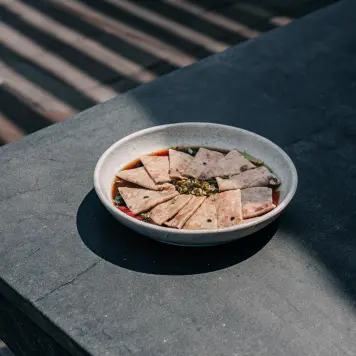
Fuqi Feipian (Husband and Wife Lung Slices)
Despite its literal name meaning "husband and wife lung slices," this dish actually contains no lung tissue but rather thinly sliced beef and offal. It was created by a married couple who sold the spicy, numbing cold beef dish from a pushcart in Chengdu.
Bebidas tradicionais
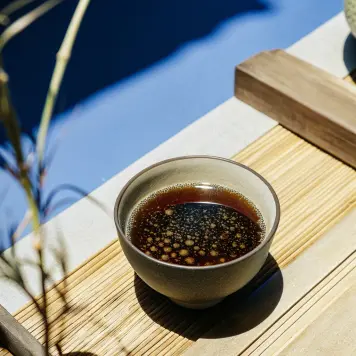
Sichuan Buckwheat Tea (Ku Qiao Cha)
Ku Qiao Cha is a nutty, slightly bitter tea made from roasted tartary buckwheat grown in the highlands of Sichuan. It is caffeine free and believed to help with digestion, especially after eating Chengdu's famously spicy food.

Suan Mei Tang (Sour Plum Drink)
This tangy, sweet beverage is made from smoked plums, rock sugar, and licorice root, and is a cherished Chengdu summer drink. It is said to have been invented during the Song Dynasty to cool down emperors in the heat.
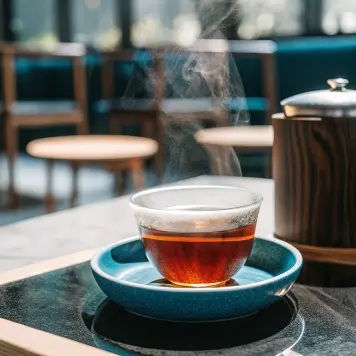
Gaiwan Tea (Covered Bowl Tea)
The gaiwan, a lidded bowl used for brewing and drinking tea, is inseparable from Chengdu's teahouse culture where locals spend hours sipping, socializing, and playing mahjong. Chengdu has the most teahouses of any city in China, with thousands dotting its streets and parks.
Perguntas frequentes sobre Chengdu, China
Viajar para Chengdu é seguro?
Quantos dias são ideais para visitar Chengdu?
Qual é a melhor época para viajar para Chengdu?
Viajar para Chengdu é caro?
Como se locomover pela área urbana de Chengdu?
Receba um PDF com as atrações mais populares no seu e-mail
Receba um PDF com todas as atrações, avaliações e dicas. Perfeito para uso offline.
Passeios de um dia mais populares
Leshan Giant Buddha
Home to the world's largest stone Buddha statue carved into a cliff face.
Mount Qingcheng
Ancient Taoist mountain with lush greenery and serene temples.
Dujiangyan Irrigation System
Ancient irrigation system still in use, a UNESCO World Heritage site.
Panda Base (Bifengxia)
Giant panda breeding and research center in a lush valley setting.
Mount Emei
Sacred Buddhist mountain with stunning sunrise views and monasteries.
Como chegar
Aeroportos
Estações de trem
High-speed rail to Xi'an, Chongqing, Guangzhou, Shanghai, Beijing
High-speed rail to Leshan, Mount Emei, Kunming
High-speed rail to Dujiangyan, Qingchengshan
From Shuangliu Airport (CTU), take Metro Line 10 to city center in 30 minutes. Tianfu Airport (TFU) is farther; use the Airport Express Bus or Metro Line 18.
Informações úteis para Chengdu, China
Visão geral de Chengdu, China
Quer um plano dia a dia para Chengdu, China? Abra o planejador de viagem
Quando você vai para Chengdu, China?
Escolha suas datas e estilo de viagem para receber:
Algum destes é especialmente importante para você?
Selecione todos que se aplicam
Como se locomover
Como você quer se deslocar entre os lugares?
Idioma do plano: Português