 CityBuddy
 Português
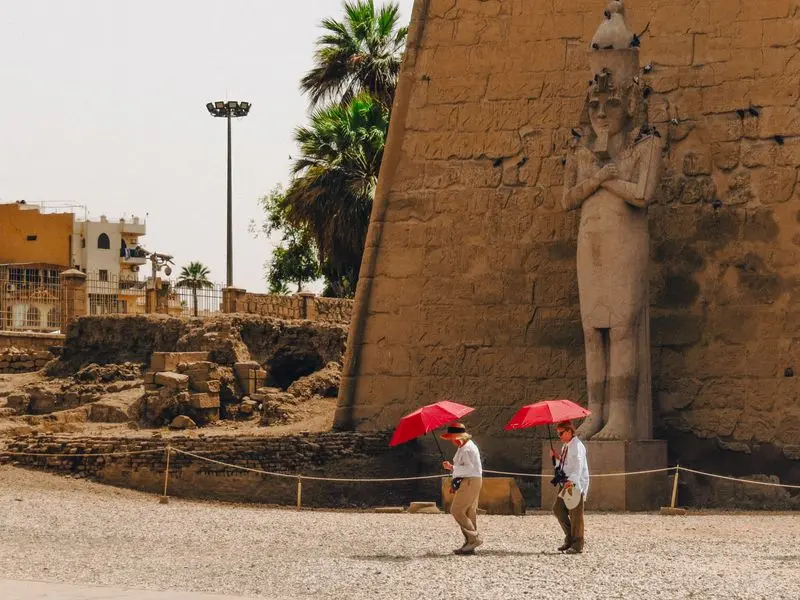
O que fazer em Luxor, Egypt
Foto feita por Mert Çelik no Pexels.com
Quando visitar
Atrações mais populares em Luxor, Egypt
Se você procura coisas para fazer em Luxor, no Egito, comece pelo Templo de Karnak, o maior complexo de templos do mundo, com mais de 100 hectares. Siga para o Rio Nilo até o Vale dos Reis, onde 63 tumbas dos faraós o aguardam. Por fim, visite o Templo Funerário de Hatshepsut em Deir el-Bahri, com suas colunatas em três terraços.
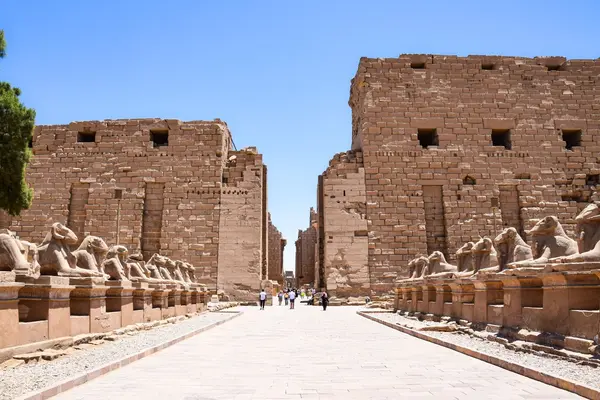
1. Karnak Temple
Os antigos egípcios construíram algo tão colossal que o mundo ainda hoje admira. Caminhe entre as 134 colosales colunas, onde a luz da manhã e a pedra brilham tanto que fazem esquecer o tempo.
Fatos rápidos: Quase dois mil anos de construção resultaram em um único complexo de templos, formado por mais de trinta faraós. No salão hipostilo há 134 colossais colunas de pedra; as maiores têm 23 metros de altura e quase 15 metros de circunferência.
Destaques: O salão principal é grande o suficiente para que a basílica de São Pedro, em Roma, e a Notre-Dame de Paris coubessem ambas dentro ao mesmo tempo. A luz da manhã, passando pelas aberturas altas do clerestório, tinge de laranja-avermelhado profundo as superfícies das colunas de 23 metros, como se a própria pedra estivesse viva.
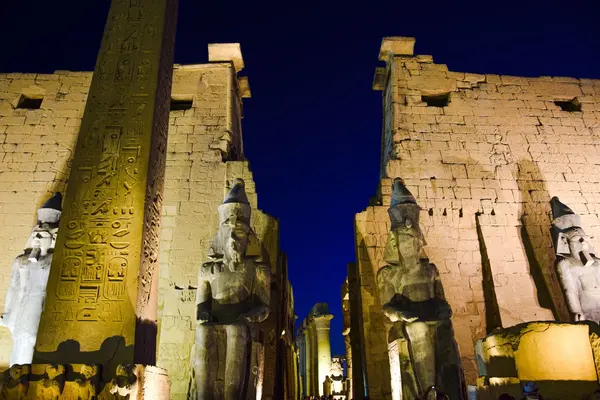
2. Luxor Temple
The only temple of ancient Egypt that can be visited in the evening, and it is even more mystical when illuminated. Enjoy the solitude of the 3000-year-old walls among the rows of sphinxes.
Fatos rápidos: O empreendimento arquitetônico dirigido por Ramsés é apenas uma parte do que existe hoje, pois Alexandre, o Grande, os romanos e os sultões mamelucos também acrescentaram ao complexo. Ao pôr do sol, toda a fachada brilha em um rosa dourado, enquanto a fileira de esfinges conduz da entrada até o pátio principal.
Destaques: Mostram nas pedras o lugar onde um certo arqueólogo encontrou em 1882 uma parede pintada que preservava as cores originais das paredes do templo. A maioria dos visitantes passa por ela, porém se você estiver no pátio central sob a luz da noite, quase vê diante de si os sacerdotes desfilando entre os dois obeliscos de Amenófis III.
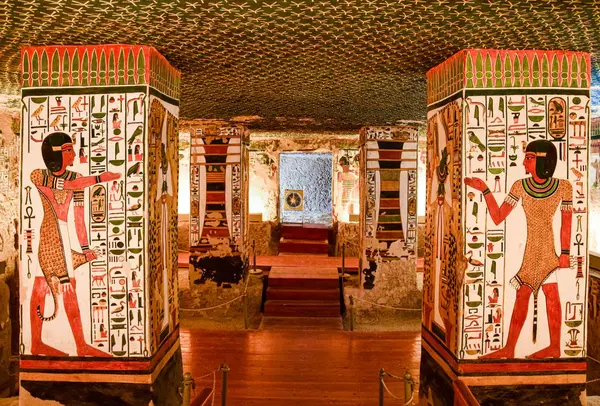
3. Valley of the Kings
Among the royal tombs of the pharaohs, nowhere else can you see the final resting place of so many of Egypt's greatest rulers. You can sink into a world of gilded walls and hieroglyphs while the desert wind blows over the valley.
Fatos rápidos: Mais de 60 tumbas de faraós e membros da realeza foram esculpidas nas falésias desnudas, mas somente o túmulo de Tutankamón foi encontrado completamente intacto, com mais de 5.000 tesoros no interior. O maior complexo, o KV5, se abre a mais de 120 câmaras, e os investigadores acreditam que outros túmulos podem ainda estar ocultos sob o vale.
Destaques: In Tutankhamun's tomb, visitors can enter the chamber where Howard Carter found the golden mask, and the frescoes on its walls still glow in vivid colors after 3,000 years. The entrances to the tombs open at the end of stepped corridors carved into the hillside, where the cool air and the scenes from the Book of the Dead almost carry you back in time.
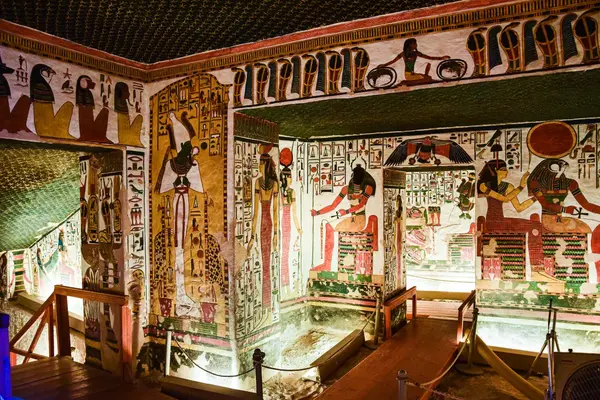
4. Valley of the Queens
Here you can glimpse Egypt's most beautiful tomb paintings, made for the wives of the pharaohs. The colors shine as if they were painted yesterday, even though they are more than three thousand years old.
Fatos rápidos: Cerca de 90 túmulos de rainhas e filhos reais se estendem aqui, incluindo o impressionante local de sepultamento de Nefertari, esposa de Ramsés II. As cores nas paredes das câmaras funerárias permaneceram tão vivas que muitos pensam que foram restauradas recentemente.
Destaques: O teto do túmulo de Nefertari (QV66) está repleto de estrelas douradas que brilham sobre um fundo preto como a noite, como se você estivesse olhando para um céu noturno real. As pinturas murais são tão detalhadas que os pesquisadores ainda hoje decifram novas sequências de hieróglifos nos corredores de 18 metros de comprimento.
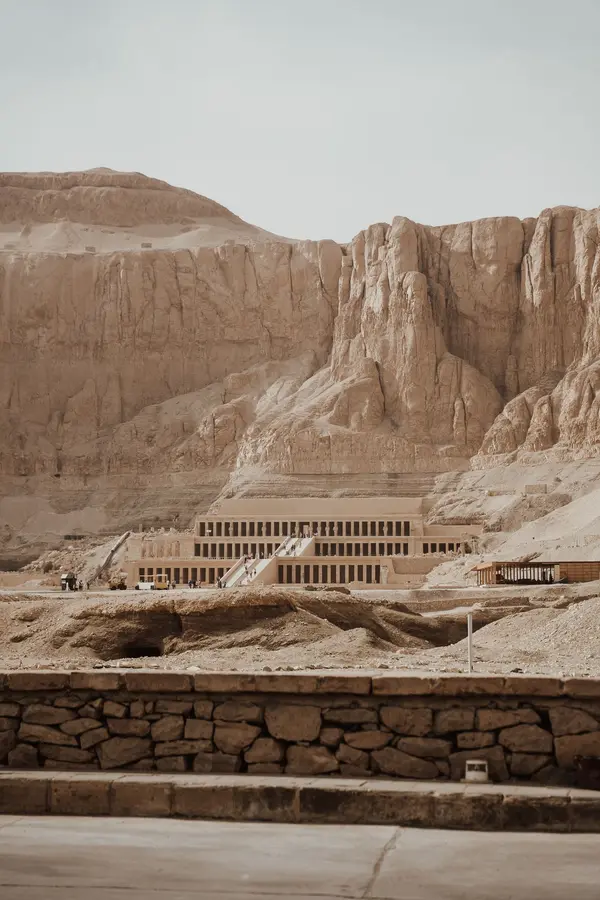
5. Mortuary Temple of Hatshepsut
The three-story temple nestled into the rock face pays tribute to ancient Egypt's most famous female pharaoh. As you ascend between the terraces, incredible reliefs and desert panoramas unfold before you.
Fatos rápidos: A fachada esculpida na rocha deste templo em terraços que se eleva em três níveis tem mais de 97 metros de largura e é envolvida pelos penhascos de calcário que se erguem atrás dela. A estrutura de 3500 anos foi o centro funerário da única rainha-faraó de grande poder na história egípcia.
Destaques: Local de sepultamento de uma governante feminina com título real, que queria ser reconhecida como homem, por isso se fez retratar com barba e insígnias de faraó. Entre os relevos que decoram as paredes está a representação da expedição a Punt, que mostra em imagens em tamanho real os barcos carregados de árvores de incenso e os habitantes de terras distantes.
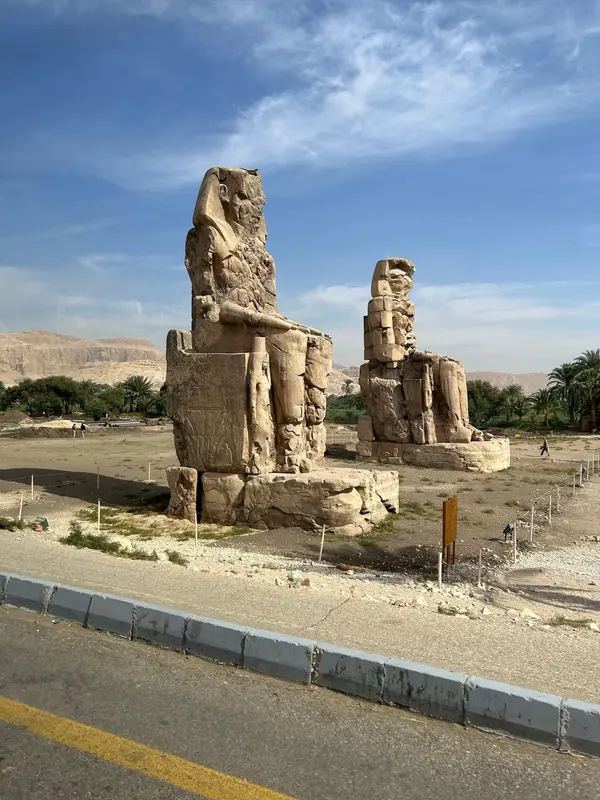
6. Colossi of Memnon
One of the world's oldest tourist attractions, which even the ancient Romans traveled to see. At dawn, the golden light of the sun emerging behind the statues offers a nearly haunting sight.
Fatos rápidos: Two colossal stone statues guard the site, each 18 meters tall and weighing about 720 tons, at the entrance to the mortuary temple of Pharaoh Amenhotep III. Of the statues raised in the 14th century BC, the northern one used to emit a strange, singing sound at dawn, which the Greeks called the song of Memnon.
Destaques: After the earthquake of AD 27, one of the statues made a hissing, weeping sound at dawn, which Roman tourists listened to for hours in reverence. The sound was caused by the morning dew flowing through the cracks, and it continued until the restoration of AD 199, when the imperial repair silenced it forever.
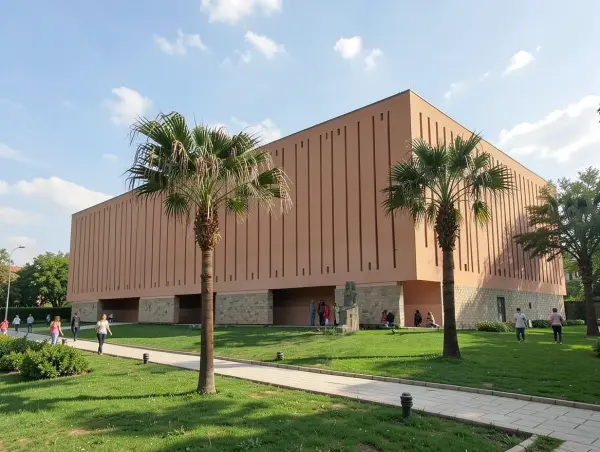
7. Luxor Museum
In few places can you see the most beautiful objects of the pharaohs' world this close. In a modern museum setting, standing directly in front of the artifacts, you can discover the heights of Egyptian art.
Fatos rápidos: The collection features only a few hundred objects, but every single one is of outstanding quality, which is why it is considered one of the best small museums in the world. The exhibition showcases the masterpieces of the age of the pharaohs in a modern museum layout with excellent lighting, something that can hardly be found anywhere else in Egypt.
Destaques: The biggest sensation is the two royal mummies from Tutankhamun's tomb, which were brought here in 2019 and can now be viewed in a separate hall in climate-controlled glass cases. The other wonder of the museum is the crocodile hall statues from the reign of Amenhotep III, which were found in the twentieth century in a single hiding place preserved in flawless condition.
8. Mummification Museum
One of the world's most extraordinary mummy collections awaits you, where you can see real human bodies preserved for millennia up close. You will learn how the embalmers prepared the bodies and what rituals accompanied the burial.
Fatos rápidos: Here more than 150 mummies and animal remains are preserved, including crocodiles that were offered to Sobek, the god of fertility. The collection also displays the royal mummy from the tomb of the former high priest Masaharta, which is still in a stunning state of preservation.
Destaques: The most striking sight is the mummy of a young man who was buried with a wide smile, his face preserving that expression for more than three thousand years. In one part of the exhibition, the entire embalming process is shown with real tools, clay vessels, and original fabric remnants, so you can almost see the priests at work before your eyes.
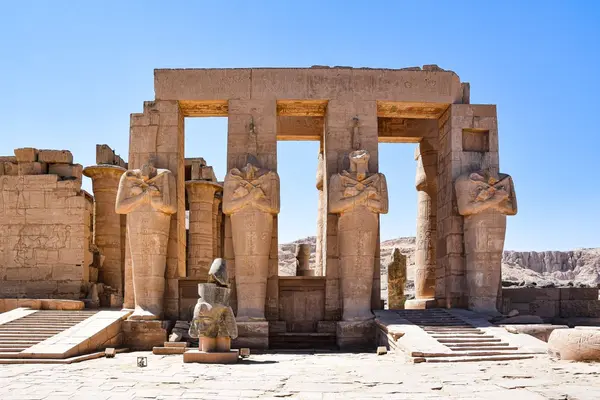
9. Ramesseum
O colosso gigante caído de 19 metros reflete a natureza titanesca do faraó e inspirou também Shelley. O pylon superior e a antigua luz brilham sobre o antigo Egito.
Fatos rápidos: O soneto Ozymandias do poeta inglês Shelley se inspirou no colosso gigante caído no chão, que representava Ramsés II. O colosso tinha cerca de 19 metros de altura e quase 1.000 toneladas; só a cabeza media 2,5 metros de longo.
Destaques: A cabeça do colosso, de cerca de 2,5 metros de altura e 7 toneladas, ainda jaz no chão, e Shelley tomou esta cabeça como musa do soneto. O ornamento astronómico do tetto representa a deusa do céu, Nut, e permaneceu completamente intacto durante quase 3.000 anos.
Where to Stay in Luxor, Egypt
Selected by City Buddy based on guest reviews and proximity to top attractions
Search all hotels in Luxor, EgyptPowered by agoda
Dias de abertura em Luxor, Egypt
Quais das principais atrações fecham em qual dia da semana, o clássico estraga-planos, verificado para você.
Boas notícias: todas as 8 atrações principais com horários conhecidos estão abertas todos os dias da semana.
Fechado em segunda-feira · 0 fechado, 8 aberto
Nada fecha em segunda-feira. Todas as 8 atrações com horários conhecidos estão abertas.
Dias de abertura do Google Maps (verificado em 2026-09-09). Feriados, greves e horários sazonais podem variar. Verifique o site oficial antes de ir.
Pratos doces tradicionais

Umm Ali
Umm Ali is Egypt's beloved bread pudding, made with puff pastry, milk, sugar, and nuts, then baked until golden and gooey. Legend says the dish was invented in the 13th century when the wife of a sultan created it to celebrate his victory.
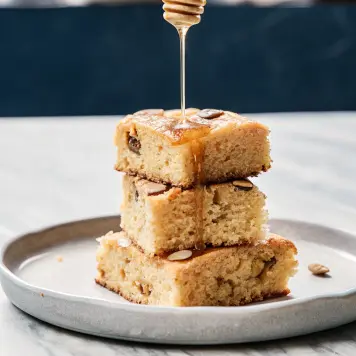
Basbousa
Basbousa is a dense semolina cake soaked in sweet syrup and often topped with almonds or coconut. In Luxor it is usually served warm with a drizzle of creamy honey syrup and a sprinkle of pistachios.
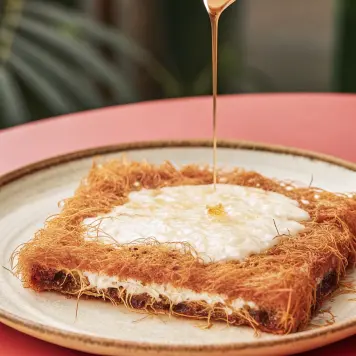
Kunafa
Kunafa features crispy shredded pastry wrapped around a molten layer of sweet cheese or cream. Street vendors in Luxor spin the golden threads by hand and serve it piping hot with sugar syrup poured over the top.
Pratos salgados tradicionais
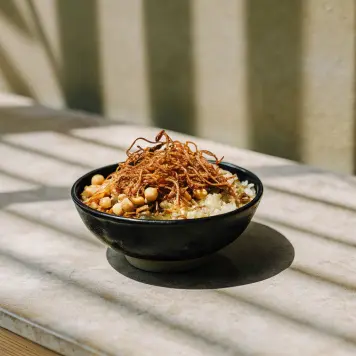
Koshari
Koshari is Egypt's national comfort dish, layering rice, lentils, macaroni, chickpeas, and crispy fried onions under a spicy tomato sauce. In Luxor it is a beloved street food eaten at any time of day.
Fattah
Fattah is a festive dish of tender mutton or beef layered over crispy toasted bread and rice, finished with a garlicky vinegar-tomato sauce. Across Luxor it is the traditional centerpiece of Eid al-Adha celebrations.
Molokhia
Molokhia is a velvety green soup made from finely chopped jute leaves cooked with garlic and coriander, usually served over rice with rabbit or chicken. It is a signature of Upper Egypt, where families in Luxor have perfected the recipe for generations.
Bebidas tradicionais
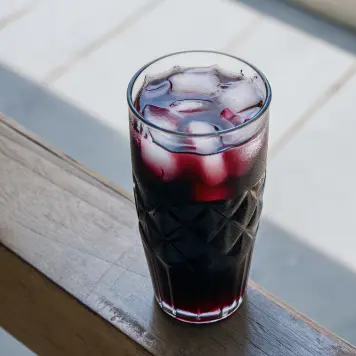
Karkade
Karkade is a deep red hibiscus drink that is famously served ice cold in Luxor and Aswan. Locals drink it for its tart, cranberry-like flavor and believe it helps beat the desert heat and lower blood pressure.
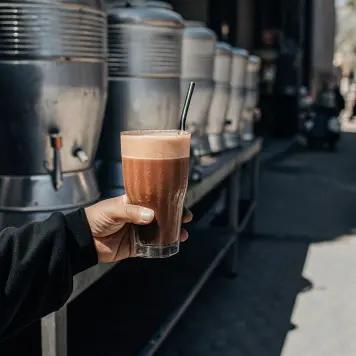
Tamr Hindi
Tamr Hindi is a sweet and tangy tamarind juice that has been enjoyed in Egypt since ancient times. Street vendors in Luxor chill it in big glass urns and serve it year-round as a refreshing cooler.
Sahlab
Sahlab is a warming, thick milk drink made from orchid root powder, sugar, and rosewater, topped with cinnamon and crushed nuts. It is a cozy winter favorite in Luxor's cafes and tea houses.
Perguntas frequentes sobre Luxor, Egypt
Luxor, no Egito, é seguro?
Quantos dias vale a pena passar em Luxor?
Qual é a melhor época para visitar Luxor?
Luxor, no Egito, é caro?
Como se locomover em Luxor?
Receba um PDF com as atrações mais populares no seu e-mail
Receba um PDF com todas as atrações, avaliações e dicas. Perfeito para uso offline.
Passeios de um dia mais populares
Valley of the Kings
Pharaonic rock tombs on the West Bank, home of Tutankhamun's burial chamber.
Dendera Temple
Remarkably preserved temple of Hathor near Qena, north of Luxor.
Esna Temple
Ptolemaic temple of Khnum partly below street level in Esna town.
Edfu Temple
Grand Ptolemaic temple of Horus, the best preserved in Egypt.
Abydos Temple
Memorial temple of Seti I with the famous king list carvings.
Como chegar
Aeroportos
Estações de trem
Cairo, Aswan, and Qena on the Nile Valley line
Local commuter stops between Luxor and Aswan
Take a taxi or minibus from the airport into town; use the public ferry to reach West Bank sites.
Informações úteis para Luxor, Egypt
Visão geral de Luxor, Egypt
Quer um plano dia a dia para Luxor, Egypt? Abra o planejador de viagem
Quando você vai para Luxor, Egypt?
Escolha suas datas e estilo de viagem para receber:
Algum destes é especialmente importante para você?
Selecione todos que se aplicam
Como se locomover
Como você quer se deslocar entre os lugares?
Idioma do plano: Português