 CityBuddy
 Português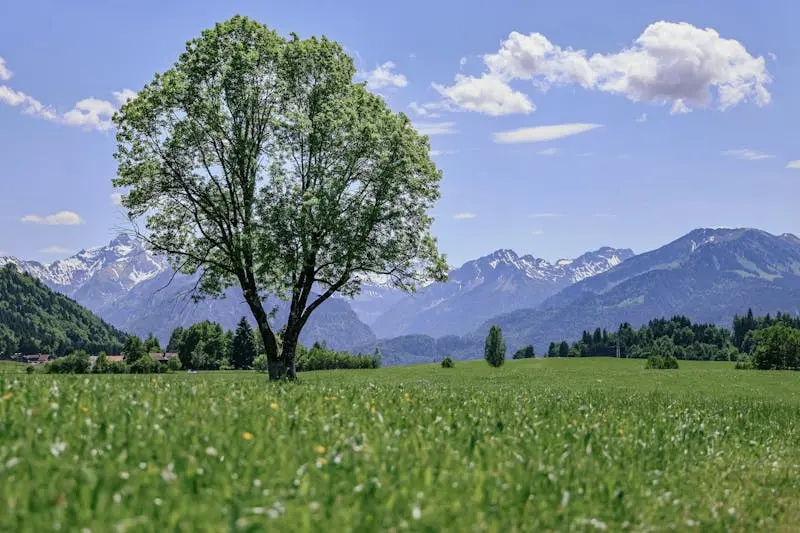
O que fazer em Bavaria, Germany
Foto feita por Studio Lichtfang no Pexels.com
Quando visitar
Quando você vai para Bavaria, Germany?
Escolha suas datas e estilo de viagem para receber:
Algum destes é especialmente importante para você?
Selecione todos que se aplicam
Plan language: PortuguêsBavaria is the #1 city for healthcare in the world, based on our data across hundreds of destinations.
Atrações mais populares em Bavaria, Germany
Ao considerar o que fazer na Baviera, Alemanha, comece com o conto de fadas do Castelo de Neuschwanstein, que inspirou a Disney e fica no topo de uma colina acidentada perto de Füssen. Em Munique, junte-se aos locais no Hofbräuhaus, um salão de cerveja de 500 anos que serve canecas de um litro. A Marienplatz abriga o famoso Glockenspiel com seus 43 sinos e 32 figuras em tamanho real.
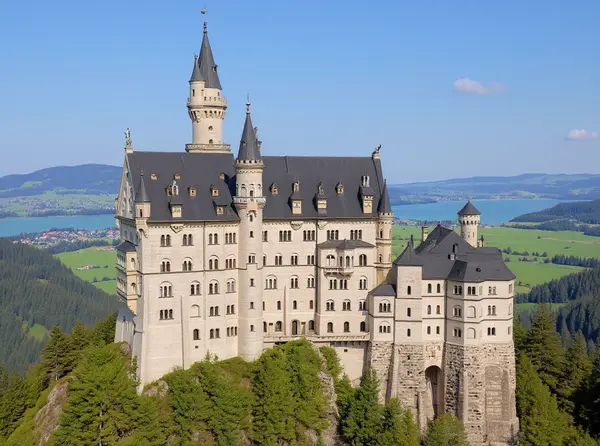
1. Neuschwanstein Castle
Step into the real-life inspiration behind Disney's Sleeping Beauty castle. You'll wander through opulent halls adorned with swan motifs and gaze out over Bavarian Alps from a king's private balcony.
Fatos rápidos: O rei Ludwig II passou apenas 172 dias em seu refúgio de conto de fadas antes de sua misteriosa morte em 1886. O interior elaborado do castelo nunca foi totalmente concluído, com apenas 14 cômodos finalizados dos mais de 200 planejados.
Destaques: A sala do trono foi projetada para se parecer com uma fantástica basílica bizantina, mas não tem trono de verdade, apenas uma plataforma vazia onde nunca foi instalado um. Da ponte Marienbrücke, você pode ver o castelo empoleirado dramaticamente acima de uma cachoeira de 45 metros no Desfiladeiro de Pöllat.
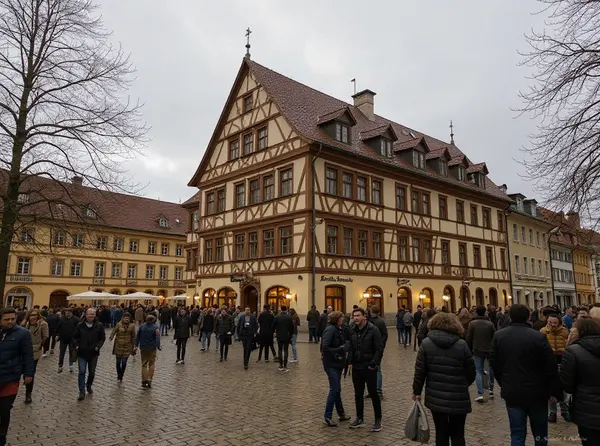
2. Hofbräuhaus
Raise a liter-sized stein under the same painted ceiling where locals and travelers have clinked glasses since the 1600s. You'll hear oompah music, share long wooden tables with strangers who become friends, and taste a beer brewed fresh on the premises.
Fatos rápidos: Todos os dias, aproximadamente 10.000 litros de cerveja passam pelas torneiras aqui, todos fabricados no local de acordo com a Lei de Pureza Bávara de 1516. O edifício sobreviveu a duas guerras mundiais e foi reconstruído após a Segunda Guerra Mundial com tijolos originais resgatados dos escombros.
Destaques: Uma banda de metais toca ao vivo todas as noites às 18h, e os clientes regulares têm seus próprios canecos pessoais trancados em armários particulares ao longo das paredes. Procure pelas mesas reservadas "Stammtisch" onde os locais de Munique se reúnem toda quinta-feira há décadas, algumas famílias abrangendo quatro gerações.
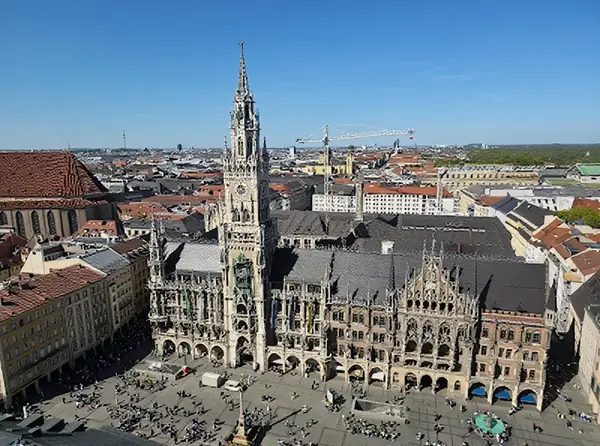
3. Marienplatz
Watch 43 bells ring and 32 figures dance across three stories of the Glockenspiel. Feel the pulse of Munich as locals gather on cobblestones beneath the Gothic town hall.
Fatos rápidos: Três personagens originais do século XIV ainda dançam em volta do mastro durante o Schäfflertanz anual. A praça atrai mais de 1,5 milhão de pessoas todo mês de dezembro só pelo seu mercado de Natal.
Destaques: No nível superior do Glockenspiel, figuras em tamanho real reencenam o casamento de 1568 do Duque Guilherme V, enquanto abaixo, os tanoeiros realizam sua dança tradicional em homenagem aos sobreviventes da peste de 1517. O carrilhão toca diariamente às 11h e ao meio-dia, atraindo multidões que ouvem os 43 sinos e veem as 32 figuras se moverem em três níveis.
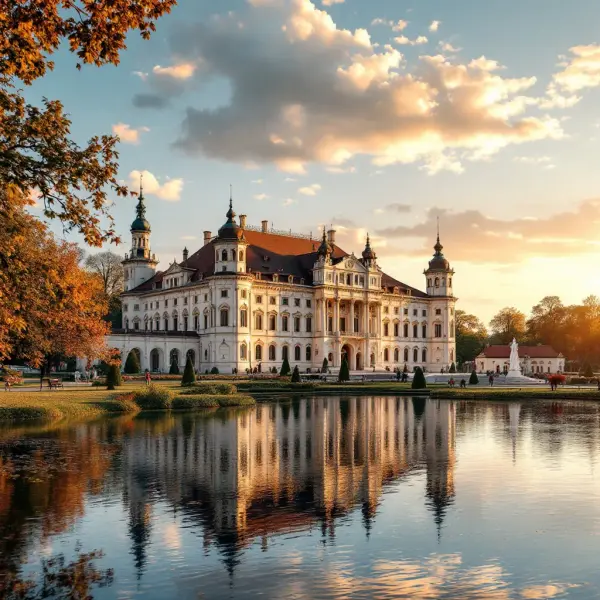
4. Nymphenburg Palace
Roam through opulent halls where Bavarian royalty once escaped the summer heat, then stroll into flowering gardens larger than Monaco. You'll find glittering carriage collections, a hidden porcelain workshop, and canals perfect for a lazy afternoon boat ride.
Fatos rápidos: Originalmente construído como residência de verão para a dinastia Wittelsbach, sua fachada de 200 metros de comprimento foi projetada para rivalizar com Versalhes. O pavilhão central do palácio abriga a famosa Galeria das Belezas, com 36 retratos de mulheres do século XIX escolhidas exclusivamente pelo rei Ludwig I por seu charme e caráter.
Destaques: Escondido na ala sul do palácio está o Marstallmuseum, que abriga a mais requintada coleção de carruagens e trenós reais do mundo, incluindo um trenó dourado em forma de concha que Ludwig II usava para passear à noite com tochas acesas. Dê uma olhada no vizinho Museu de Porcelana de Nymphenburg para ver como a porcelana pintada à mão é produzida no local há mais de 260 anos, com artesãos ainda trabalhando nos mesmos fornos hoje.
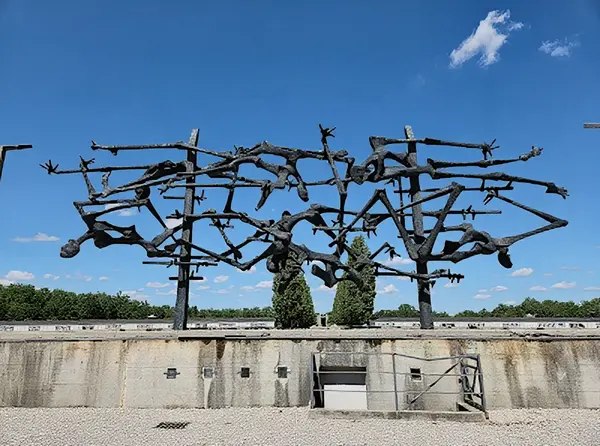
5. Dachau Concentration Camp Memorial Site
Stand where history changed course at the site that defined Nazi terror before Auschwitz. You'll walk through the original gate, see the remaining foundations of 34 barracks, and hear survivor testimonies.
Fatos rápidos: Mais de 200.000 prisioneiros de 30 nações foram mantidos aqui durante o regime nazista, mas apenas uma fração aparece nas fotografias famosas. O local hoje recebe mais de 800.000 visitantes por ano que atravessam o mesmo portão com o lema cínico "Arbeit macht frei."
Destaques: Os barracões dos prisioneiros foram dispostos em uma grade precisa para que os guardas pudessem atirar em qualquer fileira de uma única torre de vigia, um detalhe arquitetônico perturbador que ainda se pode traçar no chão hoje. O que torna isso genuinamente inquietante é caminhar pelo mesmo cascalho que os prisioneiros pisaram na chegada, ouvindo o estalar sob seus pés exatamente como eles ouviam.
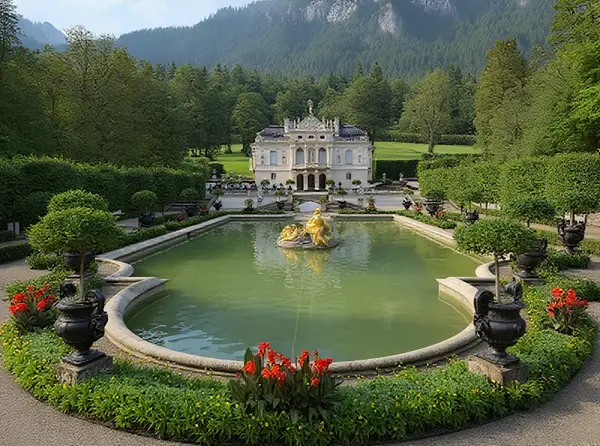
6. Linderhof Palace
Step into a fairy-tale palace where a king built his own private fantasy world. You'll wander through glittering halls, a hidden cave with an artificial lake, and perfectly manicured gardens.
Fatos rápidos: O rei Ludwig II gastou mais de 2 milhões de marcos neste retiro, mais da metade disso foi apenas para os elaborados jardins e fontes. O palácio foi sua menor, porém mais ornamentada residência, com todas as superfícies internas cobertas por folhas de ouro, espelhos e entalhes intrincados.
Destaques: A famosa Gruta de Vênus, uma caverna artificial de 10 metros construída dentro dos terrenos do palácio, possui uma cachoeira, luzes de vidro colorido que mudam de cor através do espectro e um lago com um barco em forma de cisne. Ludwig mandava que o remassem através deste lago interno enquanto ouvia as óperas de Wagner ecoando pelas paredes da caverna.
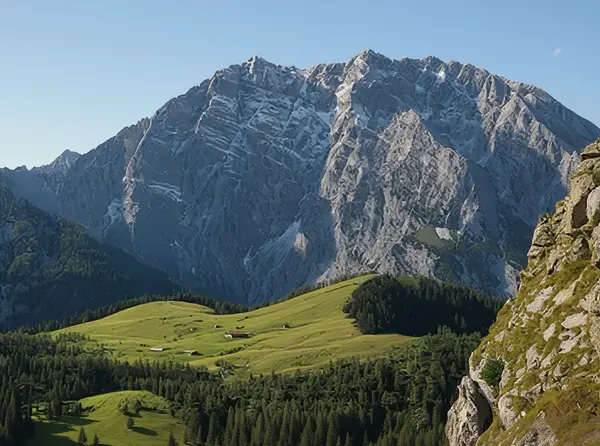
7. Bavarian Alps
Raw alpine wilderness where jagged peaks meet flower-carpeted meadows. Hike past thundering waterfalls, crystal-clear mountain lakes, and grazing cows with enormous brass bells.
Fatos rápidos: Alguns dos picos mais altos da Europa atravessam estas encostas, com o Zugspitze alcançando o céu a 2.962 metros. Mais de 4.000 espécies de plantas e animais prosperam nos prados alpinos e penhascos de calcário, incluindo a esquiva águia-real.
Destaques: Os agricultores daqui ainda praticam a transumância tradicional, movendo 50.000 vacas para pastagens altas a cada verão, usando cocares elaborados e sinos esculpidos à mão que podem pesar até 30 libras. O soar de centenas de chocalhos ecoando pelos vales ao nascer do sol durante a descida do outono é um som que você não esquecerá.
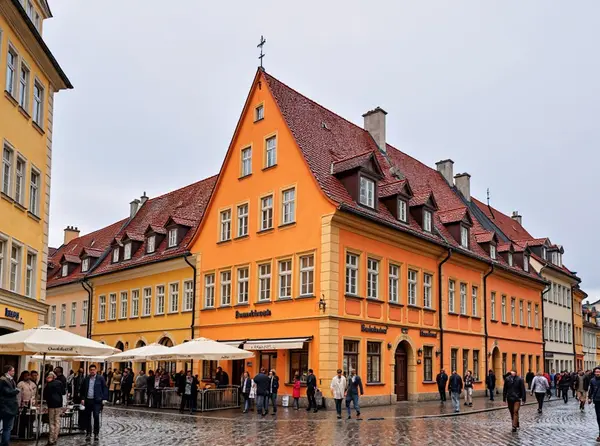
8. Bamberg Old Town
Wander a medieval city that somehow feels frozen in time, with canals crisscrossing cobblestone lanes. You'll stumble upon half-timbered houses, a 900-year-old cathedral, and locals sipping rauchbier in candlelit taverns.
Fatos rápidos: O centro histórico está situado em sete colinas, cada uma coroada com uma igreja, o que lhe valeu o apelido de "Roma Francônia." Mais de 2.000 edifícios medievais e barrocos sobreviveram à Segunda Guerra Mundial praticamente intactos, tornando-o um dos centros históricos mais bem preservados da Alemanha.
Destaques: Duas vezes por ano, todo o centro histórico fica com cheiro de cebola assada durante a Sandkirchweih, um festival folclórico realizado há mais de 900 anos. Você também pode encontrar a menor estátua do mundo de um leão pintado de vermelho, escondida à vista de todos no Rathaus do século XV.
Where to Stay in Bavaria, Germany
Selected by City Buddy based on guest reviews and proximity to top attractions
Search all hotels in Bavaria, GermanyPowered by agoda
Pratos doces tradicionais

Schwarzwälder Kirschtorte
This famous Black Forest cake layers chocolate sponge with cherries and whipped cream. It gets its name from the Schwarzwald region and the cherry brandy known as Kirschwasser that gives it its distinctive flavor.
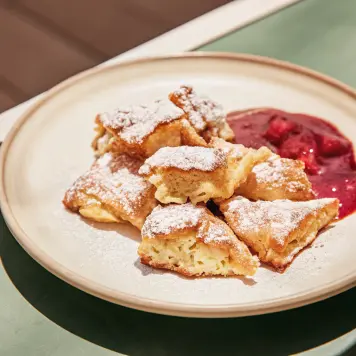
Kaiserschmarrn
This shredded pancake dessert is served with applesauce or plum compote. Legend says Emperor Franz Joseph I loved this fluffy treat, which is why it is named after him.
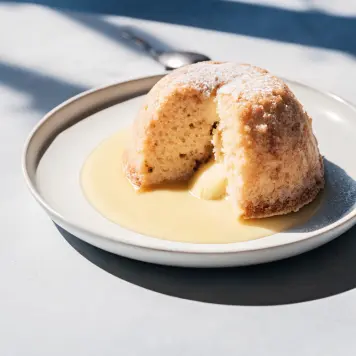
Dampfnudel
These steamed yeast dumplings are a Bavarian classic, often served with vanilla sauce or poppy seed butter. They are surprisingly light and fluffy despite their dense appearance.
Pratos salgados tradicionais
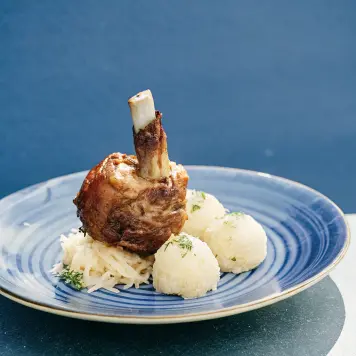
Schweinshaxe
This roasted pork knuckle has a famously crispy crackling exterior and tender meat inside. It is a staple at Oktoberfest and is traditionally served with potato dumplings and sauerkraut.

Weißwurst
Bavaria's famous white sausage is made from minced veal and pork back bacon. By tradition it should be eaten before noon, as it was made fresh daily and had no preservatives for the afternoon.

Leberkäse
Despite its name meaning "liver cheese," this Bavarian meat loaf contains no liver or cheese. It is made from finely ground corned beef, pork, and bacon, baked until it has a dark brown crust.
Bebidas tradicionais
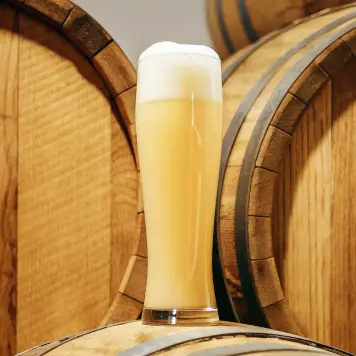
Weißbier
Bavaria's iconic wheat beer is unfiltered and naturally cloudy. It is traditionally served in a tall, narrow vase-shaped glass to showcase its golden haze and thick white foam head.

Obstler
This clear fruit brandy is a traditional Bavarian digestif, often made from apples, pears, or plums. It is commonly produced by small family distilleries in the Bavarian countryside.

Apfelschorle
This refreshing mix of apple juice and sparkling mineral water is the most popular non-alcoholic drink in Bavaria. It is enjoyed by people of all ages and is often served at family gatherings and festivals alike.
Frequently Asked Questions about Bavaria, Germany
"Baviera, Alemanha, é segura?"
"Quantos dias na Baviera, Alemanha?"
"Melhor época para visitar a Baviera, Alemanha?"
"A Baviera, Alemanha, é cara?"
"Como se locomover na Baviera, Alemanha?"
Receba um PDF com as atrações mais populares no seu e-mail
Receba um PDF com todas as atrações, avaliações e dicas. Perfeito para uso offline.
Passeios de um dia mais populares
Neuschwanstein Castle
Fairytale 19th-century castle perched on a rugged hilltop
Salzburg, Austria
Mozart's birthplace with baroque architecture and alpine views
Rothenburg ob der Tauber
Well-preserved medieval town on the Romantic Road
Garmisch-Partenkirchen
Alpine resort with Zugspitze, Germany's highest peak
Rent a car in Bavaria, Germany
Como chegar
Estações de trem
ICE, EC, regional trains connecting to all major German cities
ICE and IC connections to Berlin, Frankfurt, and Munich
From Munich Airport, take the S-Bahn S1 or S8 to Munich Central Station. Direct train connections to Bavarian towns are frequent and reliable.
Encontre voos para Bavaria, Germany
Clique para obter eSim para Bavaria, Germany
A forma mais fácil e acessível de ter internet móvel onde quer que você viaje.
Comentários (8)
Buy a Bayern Ticket at the DB machines for unlimited regional trains. Best 24 euros you'll spend for day trips around.
Overpriced and crowded in peak season. August was a mistake. Beautiful region but too many tourists everywhere.
Three days in Bavaria felt rushed. Wish I had at least a week to really explore the small towns and mountains.
Bavaria blew me away. The beer gardens alone are worth the trip, everything felt so relaxed and beautiful.
Skip the restaurant right at Marienplatz. Walk 5 minutes toward Sendlinger Tor, way better schnitzel for half the price.