 CityBuddy
 Português
O que fazer em Trier, Germany
Foto feita por Rodolfo Gaion no Pexels.com
Quando visitar
Atrações mais populares em Trier, Germany
Coisas para fazer em Trier, Alemanha incluem explorar a antiga Porta Nigra, um imponente portão romano que data de 180 d.C. Visite a Catedral de Trier, com sua deslumbrante arquitetura românica e arte inestimável. Não perca a vizinha Igreja de Nossa Senhora, conhecida por sua beleza gótica e significado histórico.
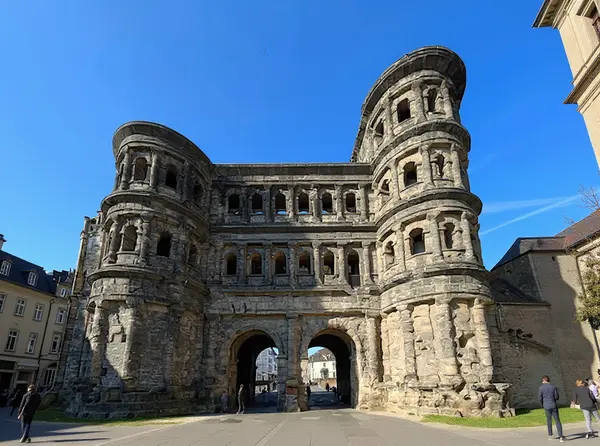
1. Porta Nigra
Portão romano espetacular que mostra o passado imperial de Trier. Atravesse arcos imponentes, suba os níveis superiores e veja a cidade das antigas muralhas de pedra.
Fatos rápidos: Você pode ver enormes blocos de arenito cinza formando o maior portão de cidade romano ao norte dos Alpes, a estrutura se erguendo a aproximadamente 30 metros. Dentro de uma torre, viveu um eremita chamado Simeão, que mais tarde foi enterrado ali, um sepultamento que transformou o local em uma igreja de peregrinação por cerca de 800 anos.
Destaques: Suba rampas estreitas de pedra e sinta o arenito irregular sob os pés, a alvenaria romana original ainda fixada por grampos de ferro que você pode traçar com os dedos. Em uma reviravolta medieval surpreendente, um eremita chamado Simeão foi enterrado dentro de uma câmara e seu túmulo manteve o portão como local de culto por cerca de 800 anos, deixando camadas de graffiti e marcas devocionais que os visitantes ainda podem ver hoje.
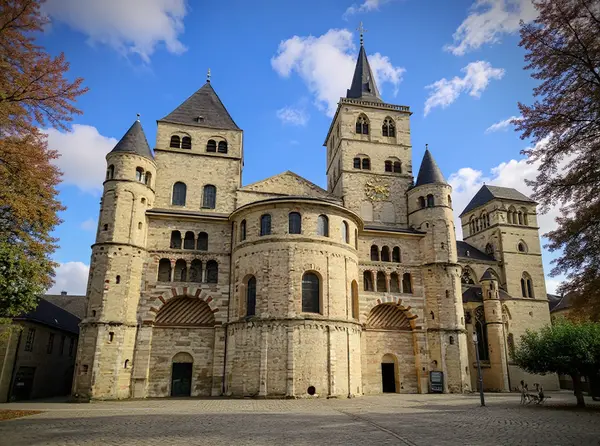
2. Trier Cathedral
A catedral mais antiga da Alemanha, sobreposta por história romana, medieval e barroca. Explore a nave elevada, o Tesouro Imperial e a relíquia da Santa Túnica.
Fatos rápidos: Olhe para cima e veja uma mistura de estilos onde pilares românicos robustos encontram abóbadas góticas arejadas, um mosaico que reflete séculos de mudanças. Uma relíquia famosa, a Túnica Sagrada, atrai peregrinos e visitantes curiosos ao tesouro e à capela.
Destaques: Entre furtivamente na pequena capela norte e encontrará a Túnica Sagrada guardada sob luz baixa, o tecido com nervuras levemente visível por trás do vidro protetor. Um único candeeiro ilumina a túnica durante raras exibições, e muitos visitantes dizem que o silêncio e o ar fresco fazem os detalhes das costuras parecerem quase luminosos.
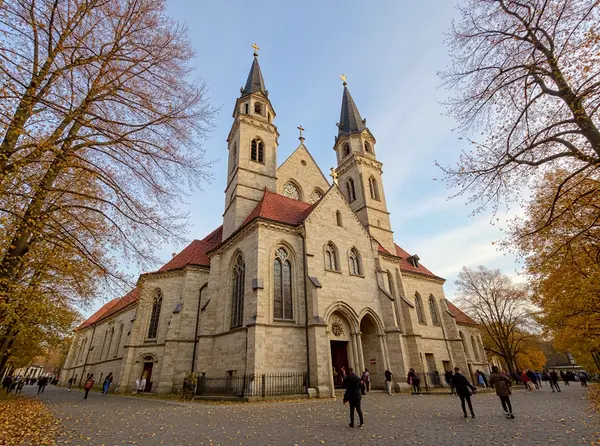
3. Church of Our Lady (Liebfrauenkirche)
Liebfrauenkirche
Igreja medieval emblemática que combina a solidez românica com a altura gótica. Caminhe sob pedras abobadadas, estude esculturas seculares e encontre jardins tranquilos de claustro.
Fatos rápidos: Uma das primeiras igrejas góticas ao norte dos Alpes, o edifício combina a solidez românica com abóbadas góticas elevadas, de modo que a luz do sol entra pelas tracerias e colore o interior. Parte integrante de um conjunto do Patrimônio Mundial da UNESCO com monumentos romanos próximos, é possível sentir mais de mil anos de história em camadas quando os passos ecoam por capitéis esculpidos e lajes desgastadas.
Destaques: Entre e, por volta das 15h, o sol do fim da tarde entra pelas altas janelas com traceria, banhando capitéis esculpidos e lajes frias em tons de ouro quente e azul profundo. Guias locais frequentemente apontam um sulco raso em um pilar norte, onde os moradores alisaram a pedra com oferendas por mais de 200 anos; você pode sentir a superfície polida sob a ponta dos dedos.
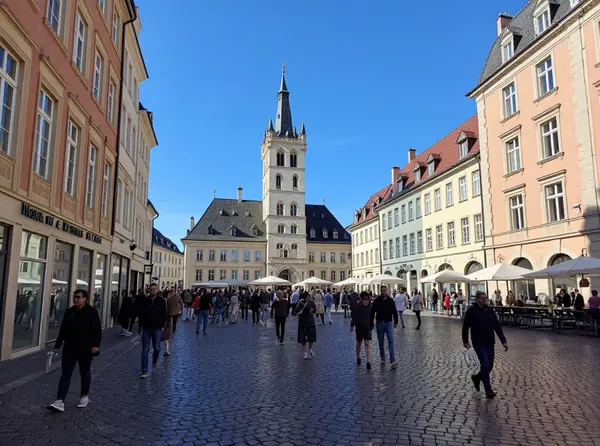
4. Hauptmarkt
Coração histórico do mercado de Trier, vibrante com feiras e arquitetura medieval. Espere fontes, casas coloridas com empenas, cafés ao ar livre e um animado mercado de sábado.
Fatos rápidos: As pedras do calçamento ressoam com o barulho das carroças dos vendedores e as conversas, enquanto barracas coloridas derramam flores, artesanato e taças de Riesling local ao ar livre. Uma fonte de mercado patinada ancora o espaço, oferecendo um dos pontos de encontro preferidos dos moradores e fotógrafos que amam uma silhueta ousada na hora dourada.
Destaques: Agrupamentos brilhantes de aproximadamente cem barracas de madeira lotam a praça todo inverno para o mercado de Natal, enchendo o ar com vinho quente, canela e castanhas assadas sob fios de lâmpadas quentes. Se você examinar a base da fonte, pode notar pequenas marcas de pedreiro e iniciais entalhadas, um registro silencioso dos artesãos que moldaram a praça, capturando a luz do sol em fendas inesperadas.
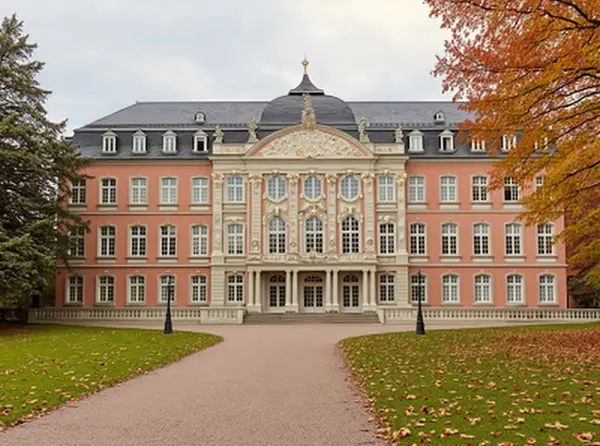
5. Electoral Palace (Kurfürstliches Palais)
Kurfürstliches Palais
Palácio barroco elegante com um jardim formal cuidado que reflete o passado aristocrático de Trier. Percorra salas grandiosas, fotografe a fachada e depois relaxe junto ao lago refletor.
Fatos rápidos: Você pode percorrer enormes salões abobadados com tetos dourados, onde passos cerimoniais ainda parecem ecoar pela pedra. Contrastes surpreendentes entre fundações medievais e extravagantes floreios barrocos aparecem a cada esquina, e um jardim isolado oferece um lugar tranquilo para sentar e observar a luz se espalhar sobre a pedra antiga.
Destaques: Ao entrar no salão principal de banquetes, você quase pode sentir o cheiro de cera e casca de laranja. Uma história local conta que o Eleitor Clemens Wenceslaus certa vez recebeu cerca de 400 convidados para um baile de máscaras ali. Procure o pequeno corredor escondido com 12 degraus de pedra gastos. Os moradores dizem que os estudantes costumavam correr por eles em dias de festa, as bordas desgastadas ainda brilhando sob os pés.
Where to Stay in Trier, Germany
Selected by City Buddy based on guest reviews and proximity to top attractions
Search all hotels in Trier, GermanyPowered by agoda
Dias de abertura em Trier, Germany
Quais das principais atrações fecham em qual dia da semana, o clássico estraga-planos, verificado para você.
sábado: 1 de 4 atrações principais fechadas. Planeje museus para outro dia.
Fechado em sábado · 1 fechado, 3 aberto
Dias de abertura do Google Maps (verificado em 2026-02-24). Feriados, greves e horários sazonais podem variar. Verifique o site oficial antes de ir.
Pratos doces tradicionais

Quetschekuchen
A plum cake made with local damson plums, Quetschekuchen celebrates the Moselle harvest and is a seasonal favorite in Trier cafés and bakeries, especially in autumn.

Rheinischer Apfelkuchen
Rhenish apple cake, often spiced and served with whipped cream, is a homey, much-loved dessert found throughout Trier and the surrounding Rhineland-Palatinate region.

Dampfnudel with vanilla sauce
Steamed yeast dumplings served hot with vanilla sauce or fruit compote, Dampfnudeln are a comforting traditional dessert enjoyed at family meals and local festivals in the region.
Pratos salgados tradicionais
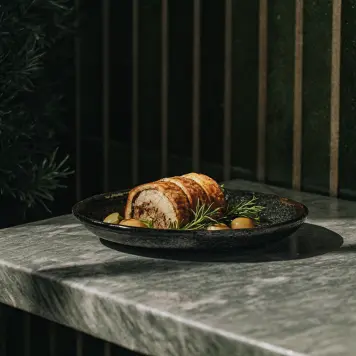
Saumagen
Originally from the Palatinate but widely eaten across Rhineland-Palatinate, Saumagen is a hearty stuffed pork-and-potato dish that became famous nationally and is still served in traditional Trier restaurants.

Himmel und Erde
Himmel und Erde, meaning Heaven and Earth, combines mashed potatoes and apple purée with blood sausage or fried bacon, offering a sweet and savory contrast typical of Rhineland cuisine and common in Trier.
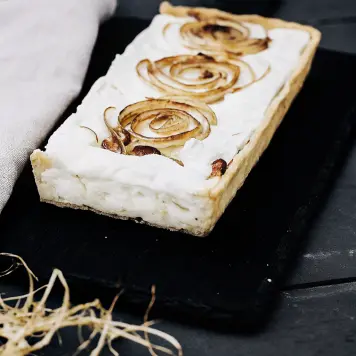
Zwiebelkuchen
Onion tart made with a yeasted or flaky crust topped with caramelized onions and bacon, Zwiebelkuchen is a staple at Moselle wine festivals and pairs perfectly with local new wine.
Bebidas tradicionais
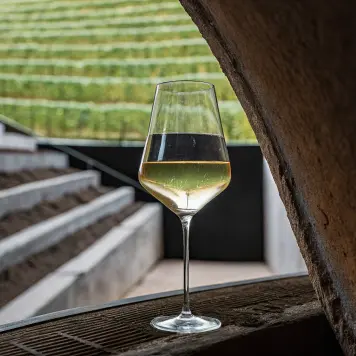
Mosel Riesling
Riesling from the Moselle is world-renowned, its crisp acidity and mineral notes come from steep slate terraces that define Trier's wine culture and seasonal festivals.

Federweißer
Federweißer is a young, partially fermented grape must available in autumn during the grape harvest, commonly enjoyed in Trier with savory pastries and at wine festivals.

Mosel Sekt
Locally produced sparkling wine, Mosel Sekt is the region's bubbly choice for celebrations and offers a fruit-driven, mineral character that reflects Trier's vineyards.
Saiba antes de ir
Quanto custa um dia em Trier e os golpes para evitar
Custo por pessoa por dia
Perguntas frequentes sobre Trier, Germany
Is Trier, Germany safe for travelers?
How many days should I spend in Trier, Germany?
What is the best time to visit Trier, Germany?
Is Trier, Germany expensive to visit?
How to get around Trier, Germany?
Receba um PDF com as atrações mais populares no seu e-mail
Receba um PDF com todas as atrações, avaliações e dicas. Perfeito para uso offline.
Passeios de um dia mais populares
Luxembourg City, Luxembourg
Grand Ducal Palace, Old Town, compact international capital.
Bernkastel-Kues (Mosel Valley), Germany
Picturesque wine village, half-timbered houses, river views.
Burg Eltz (Eltz Castle), Germany
Well-preserved medieval castle in a forested valley.
Koblenz and Deutsches Eck, Germany
Confluence of Mosel and Rhine, cable car to Ehrenbreitstein.
Saarbrücken, Germany
Regional capital with French influence, shops and museums.
Como chegar
Aeroportos
Estações de trem
Regional and Intercity services to Koblenz, Luxembourg, Saarbrücken and Cologne
From Luxembourg Airport take train or shuttle to Trier; from Hahn use airport bus; Trier Hbf is walkable from center.
Informações úteis para Trier, Germany
Visão geral de Trier, Germany
Compare Trier com outros destinos
Preços, segurança, clima e principais atrações lado a lado, com uma recomendação para cada tipo de viajante.
Quer um plano dia a dia para Trier, Germany? Abra o planejador de viagem
Quando você vai para Trier, Germany?
Escolha suas datas e estilo de viagem para receber:
Algum destes é especialmente importante para você?
Selecione todos que se aplicam
Como se locomover
Como você quer se deslocar entre os lugares?
Idioma do plano: Português