 CityBuddy
 Português
O que fazer em Tabriz, Iran
Foto feita por Murat Marangoz no Pexels.com
Quando visitar
Atrações mais populares em Tabriz, Iran
Entre as coisas para fazer em Tabriz, explorar o Complexo do Bazar Histórico de Tabriz, listado no Patrimônio Mundial da UNESCO, vem em primeiro lugar. Neste bazar coberto, que ultrapassa 1 milhão de metros quadrados, há mais de 20 caravançarás. Depois, visite a Mesquita Azul (Mescid-i Kebud), construída em 1465 e famosa por seus azulejos. No centro da cidade, a fortaleza Arg-e Tabriz, com 28 metros de altura, recebe você com sua imponência histórica.
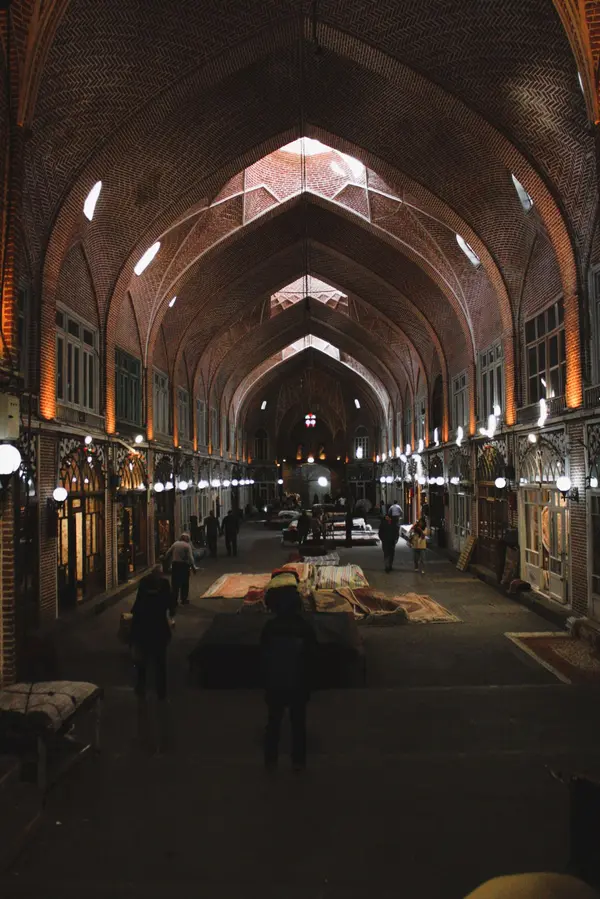
1. Tabriz Historic Bazaar Complex
Prepare-se para se perder no maior e mais antigo bazar coberto do Irã. Você vai viajar no tempo entre caravançarais centenários, passagens abobadadas e tapetes feitos à mão.
Fatos rápidos: Este mercado coberto, que é um dos pontos de parada comercial mais importantes da Rota da Seda desde o século XIV, se assemelha a um enorme labirinto com corredores que ultrapassam 7 quilômetros. A estrutura, que abriga mais de 20 hospedarias, cerca de 30 mesquitas e inúmeras caravanas, está na Lista do Patrimônio Mundial da UNESCO.
Destaques: Ao parar no meio do mercado e olhar ao redor, você perceberá que está no ponto onde 24 mercados cobertos diferentes se cruzam. Cada mercado (hacı) tem seu próprio mundo de metalurgia, cheiros e cores; o cheiro de lã e seda do mercado de tapetes se mistura com os aromas intensos dos vendedores de especiarias.
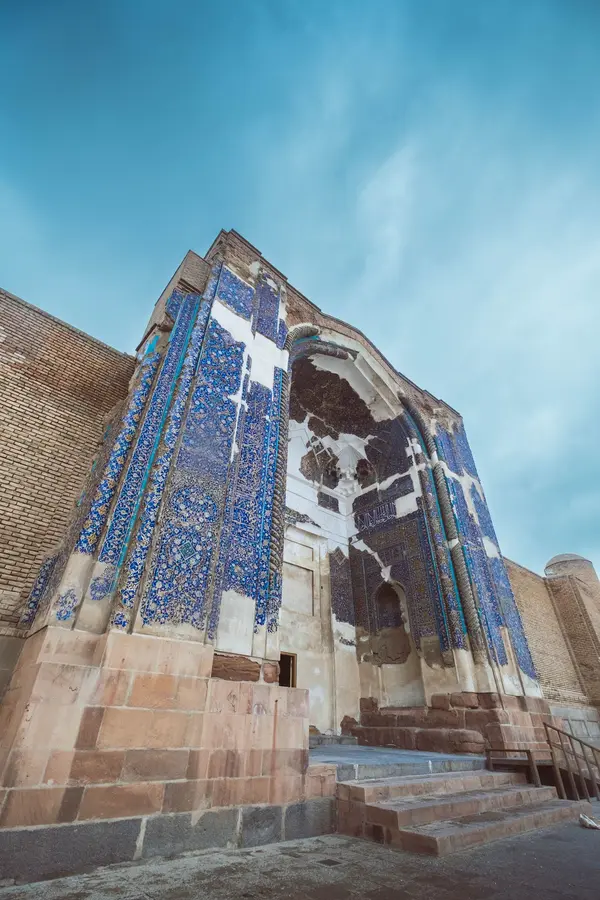
2. Blue Mosque (Masjed-e Kabud)
Masjed-e Kabud
Uma das maiores e mais antigas mesquitas do Irã, esta construção famosa por seus azulejos turquesa vai encantar você. Um ambiente sereno espera por você com o enorme mihrab de mármore e o som da água ecoando ao redor da piscina octogonal.
Fatos rápidos: A construção da mesquita foi iniciada em 1465 por ordem de Jahan Shah, mas após sua morte foi concluída pelo governante aq qoyunlu Uzun Hasan. Embora os azulejos turquesa da fachada externa tenham caído com o tempo, parte do trabalho em azulejo do interior chegou até os dias atuais, e alguns desses azulejos influenciaram o arquiteto Victor Horta, considerado um precursor do movimento Art Nouveau.
Destaques: Na parede da qibla da mesquita, há um enorme mihrab de mármore sem igual no Irã. Mas o que realmente encanta são as gárgulas de mármore esculpidas em forma de cabeça de leão, dispostas ao redor da piscina octogonal na entrada da mesquita: a água que flui de cada uma delas acrescenta um som místico ao pátio da mesquita.
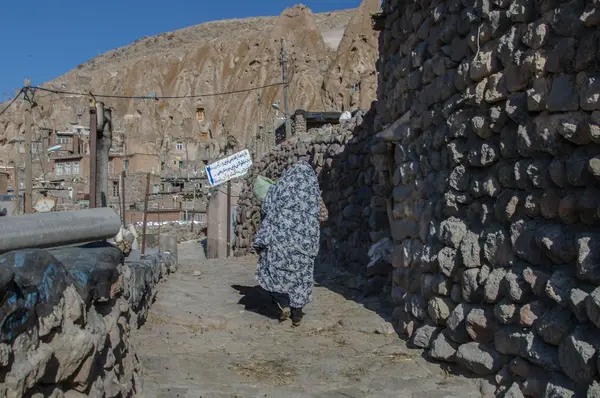
3. Kandovan Village
Como seria viver em casas esculpidas não por mãos humanas, mas por montanhas vulcânicas? Apreciando o chá preparado em salões de pedra com o ar puro da montanha, você se verá milhares de anos no passado.
Fatos rápidos: Em casas escavadas nas rochas, pessoas e animais vivem lado a lado, e algumas das casas ainda são usadas como celeiros à moda antiga. Cada casa é ligada à outra por passagens como túneis, e os vizinhos podem se alcançar sem bater na porta.
Destaques: As paredes das casas da vila chegam a 2 metros de espessura; no verão, o interior permanece fresco como um ar condicionado natural, enquanto no inverno não é necessário aquecer. Além disso, cada casa tem pequenas chaminés no topo, e devido à diferença de temperatura que chega a 40 graus no inverno, dessas chaminés sai vapor, não fumaça.
4. El Goli (Shah Goli) Park
Num dia quente de verão, você vai fugir do barulho da cidade e se encontrar à beira de um lago fresco. Junto com milhares de pessoas, você tomará seu chá enquanto observa a silhueta das montanhas refletida no lago.
Fatos rápidos: Com seu lago artificial de 55.000 metros quadrados que reflete as montanhas ao sul como um espelho, oferece um oásis fresco no centro da cidade. Este parque, que recebe mais de 30.000 pessoas nas noites de verão, é o primeiro destino dos moradores para apreciar um chá.
Destaques: O pavilhão hexagonal no meio do lago, que na verdade era o palácio de verão dos príncipes no período cajar, parece flutuar no centro da piscina. Agora você pode se sentar ali, saborear um chá quente e observar as carpas de vários tamanhos deslizando sob seus pés.
5. Azerbaijan Museum
Abra as portas de um tesouro difícil de carregar. Em cada sala, uma viagem a um período diferente espera por você.
Fatos rápidos: Esta magnífica estrutura no coração de Tabriz fica a apenas 5 minutos a pé do maior bazar coberto do Irã. O museu, que abriga 18 seções diferentes, pulsa como o coração cultural da região há mais de 500 anos.
Destaques: As portas de bronze de 2,5 toneladas que recebem você na entrada deslumbram com seu trabalho minucioso e são adornadas com 12 painéis, cada um contando uma história diferente. A múmia do Homem do Sal, com 2.000 anos, foi encontrada na região de Zanjan, no Irã, e ainda é possível distinguir os traços das tatuagens em seu corpo.
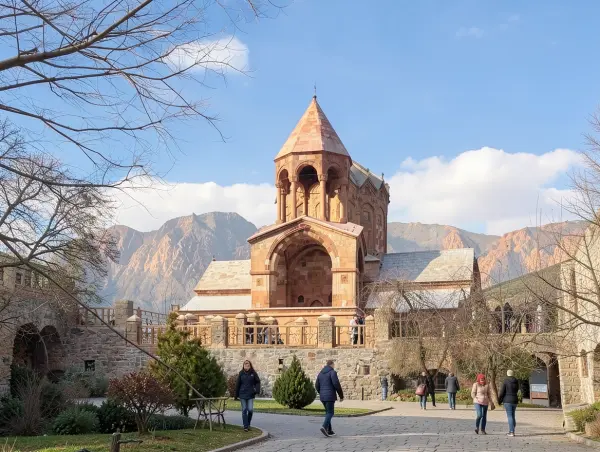
6. Saint Stepanos Monastery
Este mosteiro místico escondido entre as montanhas do Irã carrega mil anos de silêncio em suas paredes de pedra. Os visitantes ficam encantados com seus arcos que se estendem ao céu e seu magnífico pátio.
Fatos rápidos: O lendário mosteiro que inspirou os experimentos de voo de Hezarfen Ahmed Çelebi oferece um silêncio atemporal com suas paredes de pedra do século VII. A estrutura, que carrega vestígios de quatro civilizações diferentes, é conhecida como uma das construções cristãs mais antigas do Irã.
Destaques: Quando você para à sombra do plátano que se ergue no pátio, encontra uma cápsula do tempo perdida entre inscrições em armênio e persa gravadas nas pedras. Debaixo de cada pedra há uma oração, atrás de cada arco um sussurro centenário escondido.
Where to Stay in Tabriz, Iran
Selected by City Buddy based on guest reviews and proximity to top attractions
Search all hotels in Tabriz, IranPowered by agoda
Dias de abertura em Tabriz, Iran
Quais das principais atrações fecham em qual dia da semana, o clássico estraga-planos, verificado para você.
sexta-feira: 1 de 5 atrações principais fechadas. Planeje museus para outro dia.
Fechado em sexta-feira · 1 fechado, 4 aberto
Dias de abertura do Google Maps (verificado em 2026-08-12). Feriados, greves e horários sazonais podem variar. Verifique o site oficial antes de ir.
Pratos doces tradicionais
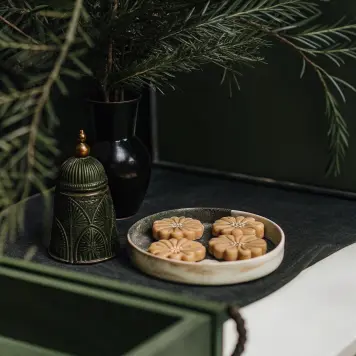
Tabrizi Lovuez (Lavashak)
This chewy, sweet almond and cardamom confection originated in Tabriz centuries ago and is traditionally shaped into small, flower-like discs using carved wooden molds.
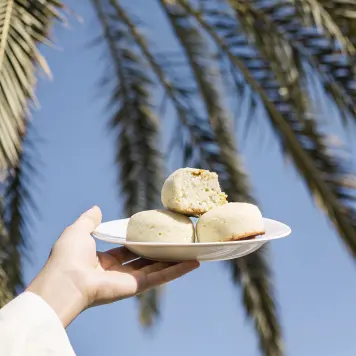
Qurabiye Tabrizi
Unlike other Persian cookies, Tabriz's qurabiye is made with chickpea flour and rosewater, giving it a unique melt-in-your-mouth texture and floral aroma.
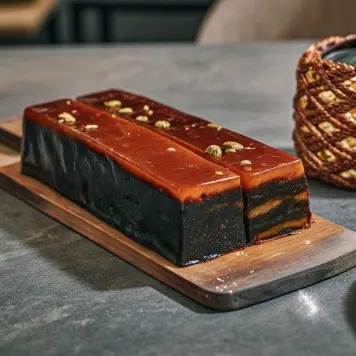
Halva Siah (Black Halva)
This dark, dense halva from Tabriz gets its rich color from caramelized sugar and is uniquely flavored with saffron, cardamom, and sometimes a hint of cinnamon.
Pratos salgados tradicionais

Kufteh Tabrizi
Touted as Iran's largest meatball, Kufteh Tabrizi can be as big as a grapefruit and is stuffed with a hidden surprise of hard-boiled egg, dried fruits, and nuts inside.
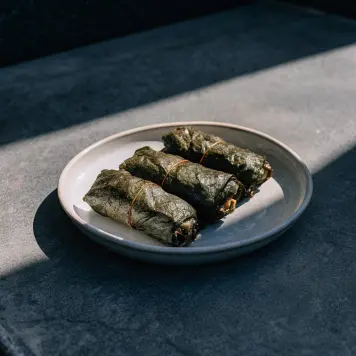
Dolma (Dolmeh) Tabrizi
Tabriz is famous for its vine leaf dolma, where the filling of rice, herbs, and minced lamb is uniquely seasoned with sour grape juice for a distinct tangy flavor.

Ash-e Dough (Yogurt Soup)
This hearty Tabrizi soup uniquely combines yogurt with fresh herbs, chickpeas, and fried mint oil, and it is traditionally served cold during hot summer months.
Bebidas tradicionais

Aragh Sagi (Distilled Raisin Drink)
Despite its rustic name, this traditional Tabrizi spirit is made from distilled raisins and is often infused with cinnamon or cardamom for warmth.

Khakshir Sharbat
Made from the seeds of the hawthorn plant, this refreshing Tabrizi drink turns gelatinous and is traditionally sweetened with honey or sugar for a cooling summer beverage.

Tabrizi Doogh
Unlike plain doogh elsewhere, Tabrizi doogh is carbonated and seasoned with dried mint and crushed black pepper, creating a uniquely fizzy and savory yogurt drink.
Perguntas frequentes sobre Tabriz, Iran
Tebriz, no Irã, é segura?
Quantos dias devo ficar em Tebriz?
Qual é a melhor época para visitar Tebriz?
Tebriz, no Irã, é cara?
Como posso me locomover em Tebriz?
Receba um PDF com as atrações mais populares no seu e-mail
Receba um PDF com todas as atrações, avaliações e dicas. Perfeito para uso offline.
Passeios de um dia mais populares
Kandovan Village
Ancient troglodyte village with cone-shaped rock houses still inhabited today.
Lake Urmia
One of the largest saltwater lakes in the world, a unique natural wonder.
Babak Fort
Historic mountain fortress with stunning views of the Arasbaran forests.
Takht-e Soleyman
UNESCO World Heritage site featuring ancient Zoroastrian fire temple ruins.
Arasbaran Forests
Lush biosphere reserve with diverse wildlife and scenic hiking trails.
Como chegar
Aeroportos
Estações de trem
Tehran to Tabriz, Istanbul to Tabriz (via Ankara)
From Tabriz Airport, take a taxi or airport shuttle to the city center (15 minutes). Trains from Tehran take about 7 hours.
Informações úteis para Tabriz, Iran
Visão geral de Tabriz, Iran
Quer um plano dia a dia para Tabriz, Iran? Abra o planejador de viagem
Quando você vai para Tabriz, Iran?
Escolha suas datas e estilo de viagem para receber:
Algum destes é especialmente importante para você?
Selecione todos que se aplicam
Como se locomover
Como você quer se deslocar entre os lugares?
Idioma do plano: Português