 CityBuddy
 Português
Golpes e fraudes turísticas em Jerusalem, Israel: como evitá-los
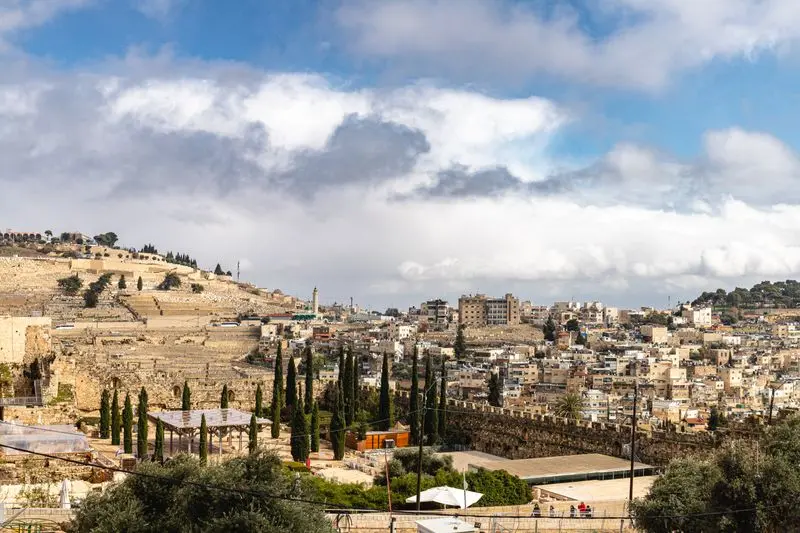
Foto feita por Виктор Соломоник no Pexels.com
Jerusalem is generally safe for tourists, though crowded holy sites and transport hubs attract opportunistic pickpockets and overcharging. The main risks are unofficial airport drivers, taxi fare haggling, and pushy souvenir vendors. Stick to the official taxi rank, use ticketing apps, and decline dynamic currency conversion at ATMs.
Atualizado em novembro de 2026
Golpes comuns em Jerusalem, Israel e como evitá-los
1. Unofficial terminal drivers
Como funciona: Drivers approach passengers inside the arrivals hall or just outside, skip the queue, and quote inflated flat rates for the ride to the centre.
Como evitar: Walk to the official taxi rank and use the meter or the published fixed fare. Refuse anyone who approaches you directly.
2. Meter not switched on
Como funciona: Some metered taxis offer a 'negotiated' price that is far above the meter for the same route, especially for visitors from the airport or hotels.
Como evitar: Insist the meter is switched on before the journey or agree a fair fixed fare in advance. Check the map route on your phone.
3. Pushy souvenir vendors
Como funciona: Vendors near the Old City gates and markets bundle items, quote inflated prices, and pressurize tourists to buy without clear pricing.
Como evitar: Compare prices in a few shops and walk away if pressured. Pay after confirming the total in shekels.
4. Olive wood and artifact overpricing
Como funciona: Sellers in the Old City present carved items or small artifacts as rare or antique to justify prices far above their real value.
Como evitar: Treat such claims with caution and negotiate firmly. Genuine rare items are not sold from street stalls.
5. Friendly stranger guides
Como funciona: Strangers offer to 'guide' you through holy sites or to a 'special' shop, then lead you somewhere that demands payment or high prices.
Como evitar: Politely decline unsolicited guides and follow official signage or licensed tour operators.
6. Unpriced menus
Como funciona: Some restaurants near major sights hand out menus without prices or add service charges that were not stated up front.
Como evitar: Ask for a menu with prices and confirm whether service is included before ordering.
7. Unlicensed currency exchange
Como funciona: Street exchangers and some booths near the Old City offer poor rates or add hidden commission for tourist currency.</|DSML|parameter>
Como evitar: Use bank ATMs or licensed exchange counters and always check the displayed rate before handing over money.
Ingressos oficiais para as principais atrações em Jerusalem, Israel
Evite vendedores de rua: reserve ingressos e passeios oficiais com cancelamento gratuito.
Do aeroporto ao centro da cidade
Ben Gurion Airport
Preço justo do táxi (oficial, diurno): 300 ₪ - 350 ₪ (83 € - 97 €). Use the official taxi rank outside arrivals and agree on the meter or fixed fare before departing. Refuse drivers who approach you inside the terminal or offer flat 'tourist' rates. Official metered fares to the centre run roughly 300-350 ILS.
Melhor alternativa: Sherut taxi (shared minibus, line 485) or the train via Tel Aviv (16 ₪ (4,41 €), cerca de 80 min)
Transportes públicos: bilhetes, validação e multas
- Bilhete simples
- 5,50 ₪ (1,52 €) (Single ride on the Jerusalem Light Rail or Egged bus, valid for 90 minutes)
- Regras de validação
- On the Light Rail, validate your ticket at the machines on the platform before boarding; buses are validated when you tap or insert the card at the driver. Sherut taxis accept payment similar to buses. Travel without a valid ticket is treated as fare evasion.
- Multa sem bilhete válido
- 60 ₪ (16,55 €). Fines for travelling without a valid ticket are issued on the spot by inspectors. Paying immediately may reduce the amount.
- Pagar com cartão
- Contactless bank cards and the Rav-Kav app work on the Light Rail and buses, with daily fare caps on some services.
Gorjetas e taxas de serviço
Gorjeta: Tipping 10-15% is standard in restaurants. Rounding up is common for taxis and cafes.
Cobertura e taxas de serviço: Many restaurants add a service charge (about 10-15%) to the bill, so check before adding an extra tip. Cover or bread charges are less common but may appear; always confirm the bill includes menu prices before ordering.
Cartões, caixas eletrônicos e câmbio de moeda
Always choose to be charged in Israeli shekels and decline dynamic currency conversion at the terminal. Prefer ATMs attached to major banks over standalone machines in tourist areas, which may charge higher fees. Exchange booths near the Old City gates often give poor rates; use a card or bank ATM instead.
Áreas onde se recomenda atenção redobrada
- Old City and surrounding holy sites: Keep bags closed and valuables secure in crowded areas, particularly around the Western Wall and Church of the Holy Sepulchre, where pickpocketing is most common.
- Central bus station area and light rail stops late at night: Exercise normal caution late at night and keep belongings close. Be alert on the light rail during rush hours.
Número de emergência
100
Planejando seu orçamento?
Perguntas frequentes sobre Jerusalem, Israel
Jerusalem, Israel é seguro para turistas?
Quanto custa um táxi do aeroporto até o centro de Jerusalem, Israel?
Preciso validar os bilhetes de transporte público em Jerusalem, Israel?
A gorjeta é esperada em Jerusalem, Israel?
Qual é o número de emergência em Jerusalem, Israel?
Baseado em experiências de viajantes amplamente relatadas e orientações oficiais. Os preços são aproximados e podem variar; verifique as tarifas atuais na chegada. Atualizado em novembro de 2026.