 CityBuddy
 Português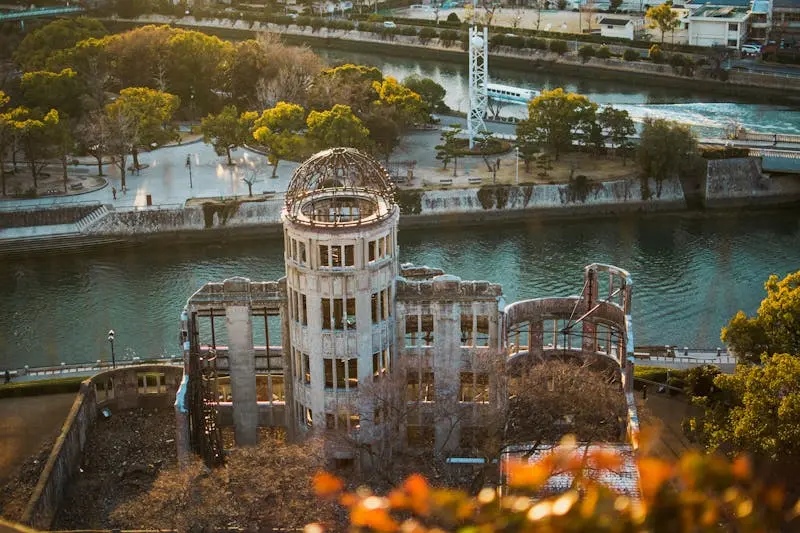
O que fazer em Hiroshima, Japan
Foto feita por Hoi Wai no Pexels.com
Quando visitar
Hiroshima é a #12 cidade mais segura do mundo, com base em nossos dados de centenas de destinos.
Atrações mais populares em Hiroshima, Japan
Coisas para fazer em Hiroshima, Japão, incluem visitar a Cúpula da Bomba Atômica, uma lembrança tocante a apenas 2 km do centro da cidade. Explore o Museu Memorial da Paz de Hiroshima para uma poderosa lição de história. Passeie pelo Parque Memorial da Paz, um espaço sereno de 120.000 metros quadrados que homenageia a resiliência e a esperança.
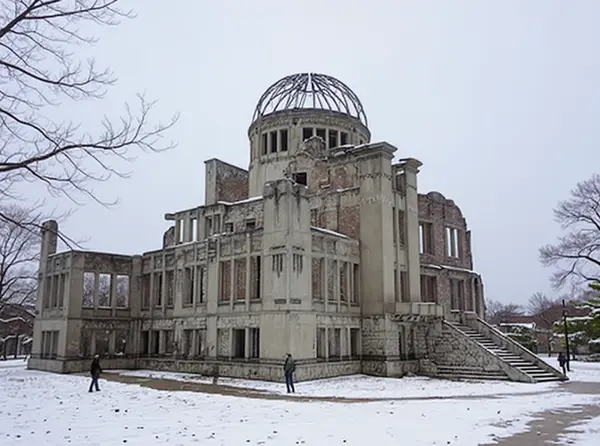
1. Atomic Bomb Dome
Um memorial poderoso da devastação da guerra e resiliência humana. Caminhe entre ruínas preservadas, leia placas e sinta a atmosfera solene.
Fatos rápidos: Uma ruína esquelética coroando o parque à beira do rio, com tijolos expostos e aço retorcido formando uma silhueta estranhamente calma contra o céu. Os visitantes frequentemente param em silêncio enquanto a luz do sol filtra pelas janelas quebradas e os pombos repousam entre a estrutura de ferro, oferecendo um contraste surpreendentemente pacífico ao passado pesado do local.
Destaques: Nas proximidades, uma tradição atrai estudantes internacionais que dobram mais de 50.000 guindastes de papel por ano, muitos com nomes e pequenas orações que ondulam ao vento. Uma luz alaranjada aquece o ambiente pelas janelas estilhaçadas, transformando o vidro quebrado em pequenos espelhos enquanto o suave murmúrio do rio e passos à distância fazem o lugar parecer estranhamente vivo.
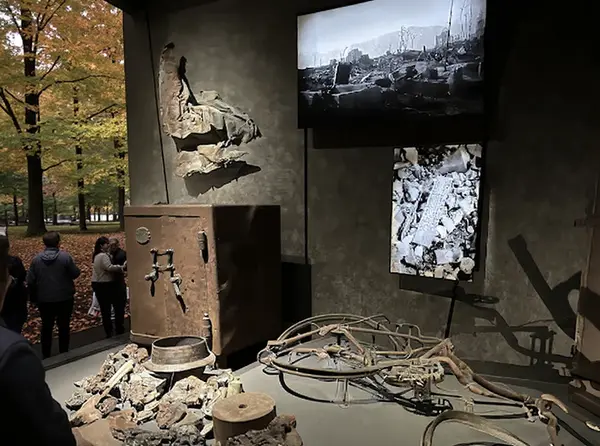
2. Hiroshima Peace Memorial Museum
Museu impactante que documenta o bombardeio atômico de 1945 e promove a paz. Veja artefatos originais, testemunhos de sobreviventes e exposições cuidadosamente curadas.
Fatos rápidos: Dentro das exibições, objetos pessoais como roupas queimadas, uma roda de bicicleta deformada e um relógio de pulso derretido parado às 8h15 trazem o impacto humano da explosão em foco nítido. Áudios guiados e testemunhos de testemunhas são oferecidos em diversos idiomas, e muitos visitantes relatam um silêncio nas galerias que torna os sons comuns da cidade surpreendentemente próximos depois.
Destaques: Uma exibição homenageia Sadako Sasaki com uma corda preservada de 1.000 guindastes de origami, enquanto grupos escolares e visitantes deixam dezenas de milhares mais do lado de fora, reunidos em pacotes coloridos que se acumulam como confetes. Sentindo um leve aroma de incenso e vendo o papel brilhante captar a luz, você pode ler pequenos nomes e datas escritos à mão em alguns guindastes, uma resposta tátil e contínua às histórias humanas por trás das exposições.
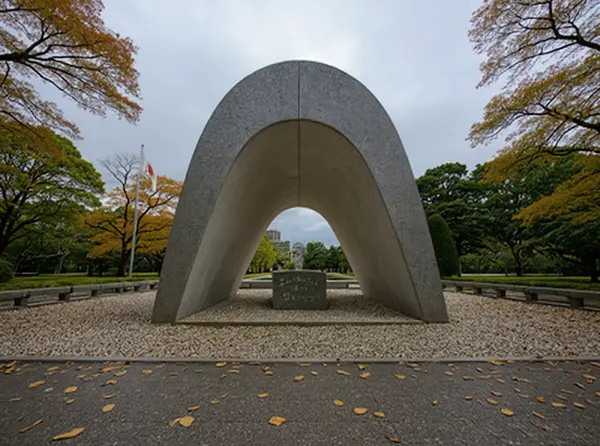
3. Peace Memorial Park
Memorial ao ar livre marcante que narra a história e resiliência de Hiroshima. Caminhe por caminhos tranquilos, veja o Domo da Bomba Atômica, o cenotáfio e exposições comoventes no museu.
Fatos rápidos: Uma ruína esquelética com cúpula sobe entre árvores de ginkgo, preservada como uma silhueta silenciosa e marcante da explosão. Os visitantes caminham por caminhos arborizados passando por um cenotáfio de pedra curva e um rio, avistando dezenas de estátuas e uma chama mantida como juramento simbólico contra armas nucleares.
Destaques: Uma estátua de bronze de uma menina está envolta em guindastes de origami coloridos, ligados à história de Sadako Sasaki que pretendia dobrar 1.000 guindastes de papel como desejo de recuperação. Ao redor da chama silenciosa você pode ouvir um sussurro suave e sentir cheiro de óleo, detalhes sensoriais que fazem o juramento de eliminar armas nucleares parecer inesperadamente imediato enquanto pacotes de guindastes ainda chegam de mais de 100 países.
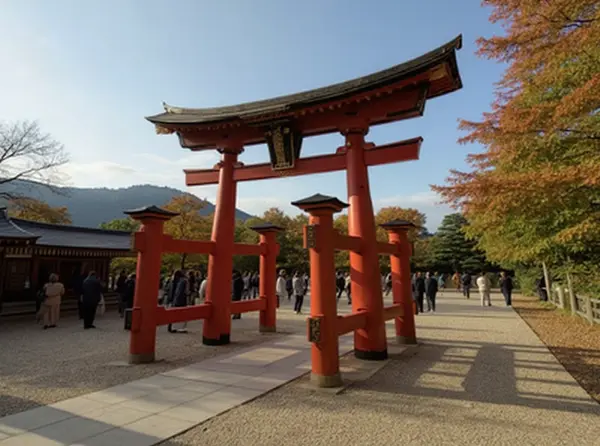
4. Itsukushima Shrine
Um torii vermelho que surge do mar emoldura vistas costeiras inesquecíveis. Passeie pelas passarelas do santuário nas marés que mudam e observe os cervos domésticos no passeio pela ilha.
Fatos rápidos: Um torii vívido vermelhão parece flutuar na baía na maré alta, oferecendo um reflexo perfeitamente enquadrado que fotógrafos perseguem ao nascer do sol. Multidões aumentam durante as flores de cerejeira e as cores do outono, com pessoas lado a lado à beira-mar para capturar a silhueta espelhada do portão.
Destaques: Um torii de 16,6 metros parece pairar quando a maré sobe, depois na maré baixa você pode caminhar pela areia molhada e ficar sob seus pilares esculpidos enquanto gaivotas circulam acima. Os locais ainda celebram o festival Kangen-sai lançando dezenas de barcos laqueados, músicos em túnicas de seda tocando música antiga da corte à luz de tochas enquanto o som se propaga sobre a água.
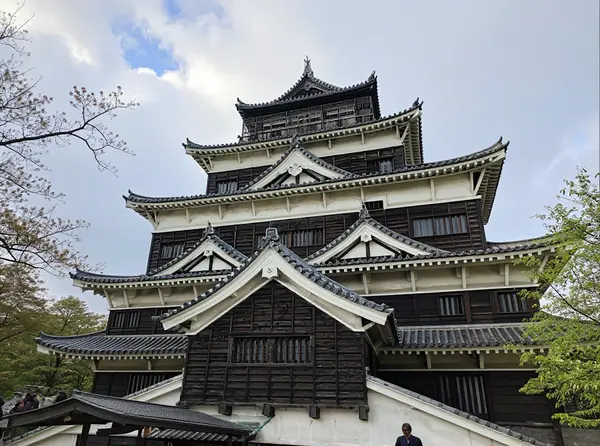
5. Hiroshima Castle
Mergulhe na história da era samurai no Castelo de Hiroshima. Suba na torre reconstruída para ver exposições do museu e amplas vistas da cidade.
Fatos rápidos: Olhe para cima para ver ornamentos shachihoko banhados a ouro brilhando ao longo da linha do telhado, pequenas esculturas destinadas a afastar o fogo. Uma torre principal de cinco andares abriga exposições de armaduras samurais e mapas históricos, e o fosso junto com torres reconstruídas tornam o passeio surpreendentemente fotogênico.
Destaques: Suba até o deck de observação do quinto andar para uma vista panorâmica de 360 graus da cidade, e em dias excepcionalmente claros aviste o torii de Miyajima a cerca de 20 quilômetros do outro lado da baía. Uma fotografia assombrosa de 1945 perto da entrada captura apenas a base de pedra após a explosão de 6 de agosto, o contraste dando à armadura samurai preservada e aos mapas de papel no museu uma escala humana inesperadamente íntima.
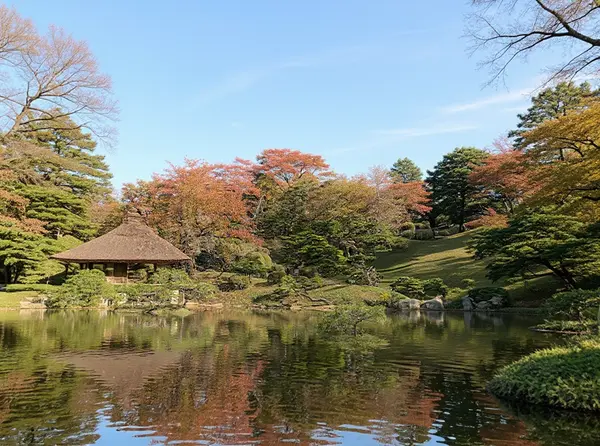
6. Shukkeien Garden
Jardim clássico japonês tranquilo no centro de Hiroshima, com paisagens em miniatura, casas de chá e lagoas refletoras. Caminhe por trilhas sinuosas, fotografe flores de cerejeira na primavera e bordos no outono.
Fatos rápidos: Caminhos tranquilos serpenteiam por paisagens em miniatura, onde lanternas de pedra aparecem entre margens cobertas de musgo e bordos pontuam cada vista. Exibições sazonais vão de flores de cerejeira pálidas a bordos flamejantes, enquanto carpas deslizam sob pontes de madeira que dobram reflexos em lavagens vivas de tinta.
Destaques: Atravesse um portão baixo e o jardim se transforma em um diorama vivo, onde um único lago central enquadra ilhas em miniatura, pontes minúsculas e uma poda tão precisa que cada colina parece um pincel. Na névoa da manhã cedo o ar tem um leve sabor de pedra molhada e chá verde, e agachado perto você pode ouvir o suave bater das caudas de carpa enquanto lanternas ondulam na água.
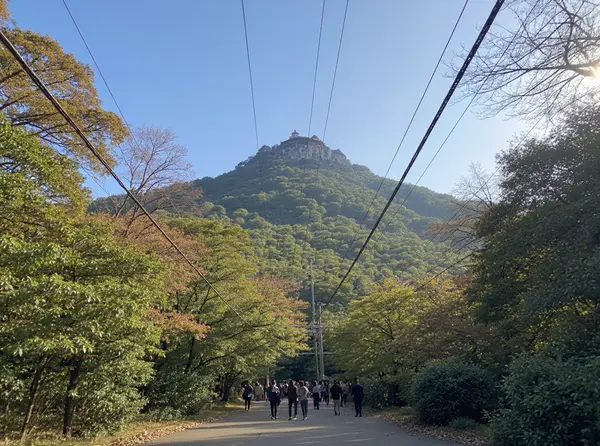
7. Mount Misen
Panoramas costeiros deslumbrantes e florestas antigas de cedro no pico sagrado de Miyajima. Faça trilhas ou use o teleférico para visitar templos, uma chama eterna e vistas amplas do Mar Interior de Seto.
Fatos rápidos: Escondido entre cedros antigos, o cume recompensa os caminhantes com um panorama de 360 graus de dezenas de pequenas ilhas e vias aquáticas em forma de fita. Trilhas íngremes sobem cerca de 535 metros, e macacos selvagens curiosos às vezes observam das pedras sombreadas enquanto brisas com cheiro de pinho carregam um leve toque de sal.
Destaques: Uma pequena sala no topo da montanha mantém uma 'chama eterna' que a tradição atribui ao monge Kūkai em 806, e uma faísca dessa chama foi usada para acender uma chama memorial pela paz em 1964. Aproximando-se, você sente o ar quente e cheira incenso enquanto fumaça de bronze envolve estátuas de madeira envelhecidas que peregrinos ainda tocam para ter sorte.
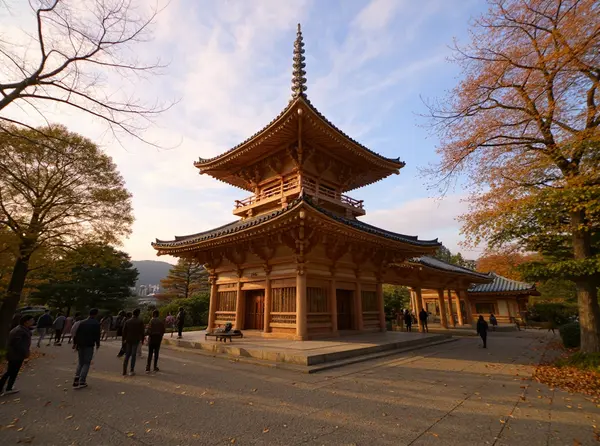
8. Hiroshima Orizuru Tower
Vistas panorâmicas de Hiroshima mais uma experiência interativa de origami com tsuru. Dobre seu próprio Orizuru no local, vá ao deck da cobertura e veja o Parque Memorial da Paz de cima.
Fatos rápidos: Um deck de observação fica no alto da cidade, oferecendo vistas amplas onde vidro moderno encontra a sombria silhueta de uma ruína com cúpula do outro lado do rio. Visitantes podem dobrar um guindaste de papel e adicioná-lo a uma exibição comunitária, um ritual que preenche as paredes com milhares de peças coloridas de origami a cada ano.
Destaques: Suba ao terraço do telhado e o vento traz o leve cheiro metálico do rio distante, enquanto cada ângulo enquadra a cúpula arruinada como uma fotografia suspensa no tempo. Funcionários locais recolhem os guindastes dobrados dos visitantes em pacotes de cerca de 1.000 para exposições mensais ou doações, uma prática que transforma pulsações de papel individuais em longas sequências de cores e desejos escritos à mão.
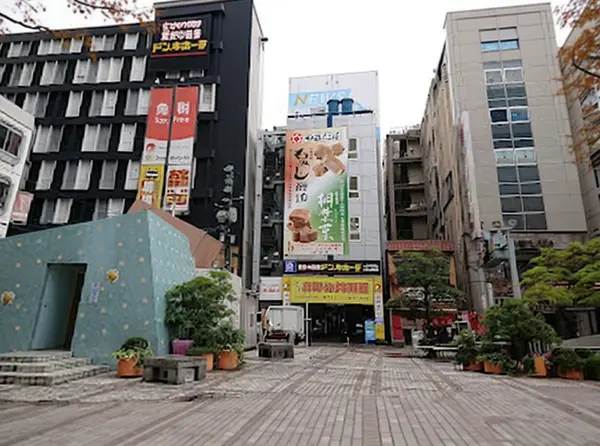
9. Okonomimura
Centro movimentado de okonomiyaki no estilo autêntico de Hiroshima com balcões de alimentação animados. Experimente várias versões dos vendedores enquanto assiste os chefs grelhando na chapa teppan.
Fatos rápidos: Um edifício compacto esconde mais de 25 pequenas cozinhas em bancas empilhadas por alguns andares, cada uma servindo sua própria versão de uma panqueca salgada em camadas. Chapas de ferro quente fazem barulho com repolho, macarrão, massa e porco, enquanto o ar se enche de molho doce e salgado e maionese enquanto os chefs viram os pratos um após o outro.
Destaques: Um balcão regularmente monta até cinco panquecas em um único pedido, cada virada soltando vapor, aroma de gergelim e um leve queimado na sala. Frequentadores anotam combinações favoritas num quadro negro comunitário, listando molho duplo, redemoinho de maionese e macarrão extra, e você pode apontar para um nome rabiscado como 'Especial da Mamãe' para pedir o prato assinatura do chef.
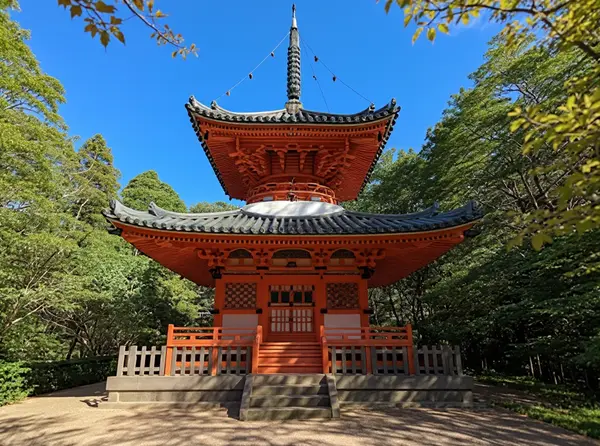
10. Mitaki-dera
Templo tranquilo escondido em um vale coberto de musgo, perfeito para cores de outono e reflexão silenciosa. Caminhe por trilhas sombreadas, ouça o som das cachoeiras e fotografe o Jizo de pedra e a pagode de três andares.
Fatos rápidos: Abrigado por antigos cedros e bordos, o terreno é cortado por três cachoeiras cintilantes que suavizam o ruído da cidade em suaves águas. Visitantes percorrem caminhos cobertos de musgo passando por lanternas de pedra desgastadas e flores sazonais, encontrando hortênsias vívidas no verão e bordos flamejantes no outono.
Destaques: Um trilho coberto de musgo leva você a um alcance de braço da cascata principal, onde névoa fresca, pedras pingando e o toque baixo de sinos de templo se misturam numa atmosfera surpreendentemente íntima. Ao anoitecer, pequenas velas âmbar abrigadas em lanternas de pedra lançam luz tremeluzente sobre budas esculpidos, e alguns anciãos silenciosamente colocam uma moeda única na oferta enquanto a luz das velas se espalha sobre o granito molhado.
Where to Stay in Hiroshima, Japan
Selected by City Buddy based on guest reviews and proximity to top attractions
Search all hotels in Hiroshima, JapanPowered by agoda
Dias de abertura em Hiroshima, Japan
Quais das principais atrações fecham em qual dia da semana, o clássico estraga-planos, verificado para você.
Boas notícias: todas as 8 atrações principais com horários conhecidos estão abertas todos os dias da semana.
Fechado em segunda-feira · 0 fechado, 8 aberto
Nada fecha em segunda-feira. Todas as 8 atrações com horários conhecidos estão abertas.
Dias de abertura do Google Maps (verificado em 2026-02-24). Feriados, greves e horários sazonais podem variar. Verifique o site oficial antes de ir.
Pratos doces tradicionais
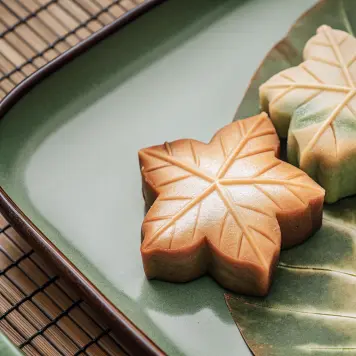
Momiji Manju
A maple-leaf-shaped cake filled with sweet red bean paste, Momiji Manju originated on Miyajima and became the region's most iconic souvenir sweet.
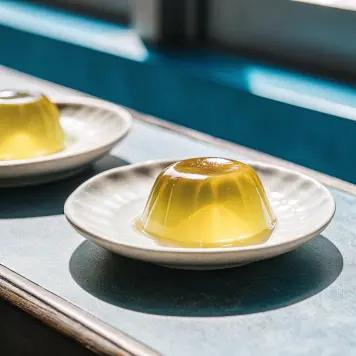
Hassaku Jelly
Made from hassaku, a tart citrus grown around Hiroshima, these jellies and candies capture the bright, tangy flavor local orchards are famous for.

Setouchi Lemon Cake
Using lemons grown on islands in the Seto Inland Sea, these light lemon cakes showcase Hiroshima's reputation for citrus and pair beautifully with tea.
Pratos salgados tradicionais

Hiroshima-style Okonomiyaki
The Hiroshima-style pancake is layered with batter, large amounts of cabbage, pork, and often soba or udon noodles, distinguishing it from the Osaka version and making it a beloved local comfort food.
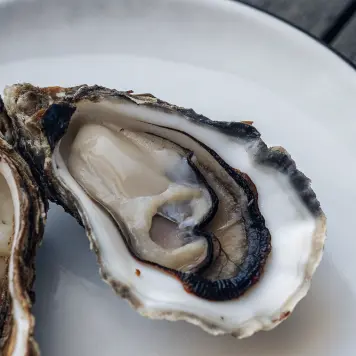
Kaki (Hiroshima Oysters)
Hiroshima produces around half of Japan's oysters, and locals enjoy them fresh, grilled, deep-fried, or simmered in nabe during the winter season.
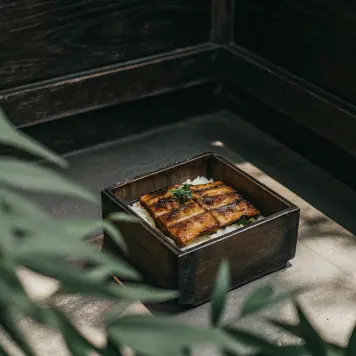
Anago Meshi
A specialty of Miyajima, anago meshi features grilled conger eel glazed with a sweet soy sauce over rice, commonly sold as a local bento and souvenir.
Bebidas tradicionais

Saijo Sake
The Saijo area in Higashihiroshima is famous for its century-old breweries and mellow, well-balanced sake, making it one of Japan's most respected sake regions.

Setouchi Lemon Chu-hai
A refreshing highball made with local Setouchi lemons and shochu, lemon chu-hai highlights Hiroshima's citrus produce and is popular in summer festivals and izakayas.
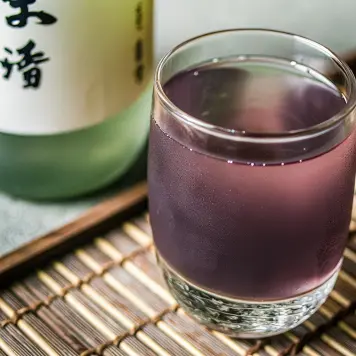
Umeshu (Plum Wine)
Homemade and locally produced umeshu are common in Hiroshima, offering a sweet, fruity liqueur traditionally served on the rocks or with soda.
Saiba antes de ir
Quanto custa um dia em Hiroshima e os golpes para evitar
Custo por pessoa por dia
Perguntas frequentes sobre Hiroshima, Japan
Qual é a melhor época para visitar Hiroshima, Japão?
Hiroshima, Japão é segura para viajantes?
Quão caro é viver ou se hospedar em Hiroshima, Japão?
Como se locomover em Hiroshima, Japão?
Água da torneira é segura para beber em Hiroshima?
Receba um PDF com as atrações mais populares no seu e-mail
Receba um PDF com todas as atrações, avaliações e dicas. Perfeito para uso offline.
Passeios de um dia mais populares
Miyajima (Itsukushima)
Famous floating torii, shrine, island hikes and views.
Iwakuni (Kintaikyo Bridge)
Historic wooden bridge, castle, and riverside scenery.
Onomichi
Canal-side town, temple walks, gateway to Shimanami Kaido.
Kurashiki (Bikan Quarter)
Preserved merchant district, canals, art museums.
Himeji
Iconic UNESCO castle, well preserved feudal architecture.
Como chegar
Aeroportos
Estações de trem
Sanyo Shinkansen, JR Sanyo Line, local lines and trams
Sanyo Shinkansen, JR Sanyo Line
JR Sanyo Line, ferry access to Miyajima
From Hiroshima Airport take the airport limousine bus to Hiroshima Station, about 45 minutes.
Informações úteis para Hiroshima, Japan
Visão geral de Hiroshima, Japan
Quer um plano dia a dia para Hiroshima, Japan? Abra o planejador de viagem
Quando você vai para Hiroshima, Japan?
Escolha suas datas e estilo de viagem para receber:
Algum destes é especialmente importante para você?
Selecione todos que se aplicam
Como se locomover
Como você quer se deslocar entre os lugares?
Idioma do plano: Português