 CityBuddy
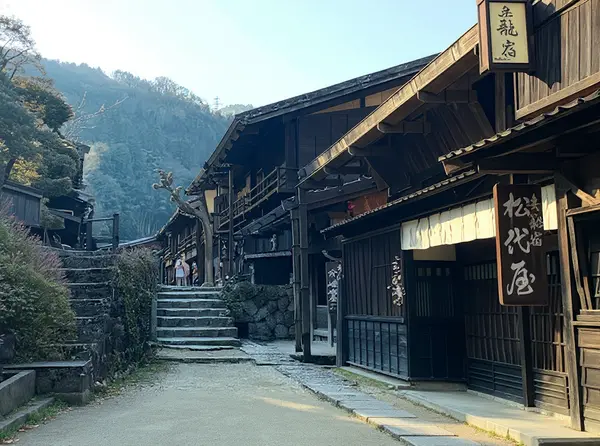
Tsumago-juku
Melhor época para visitar
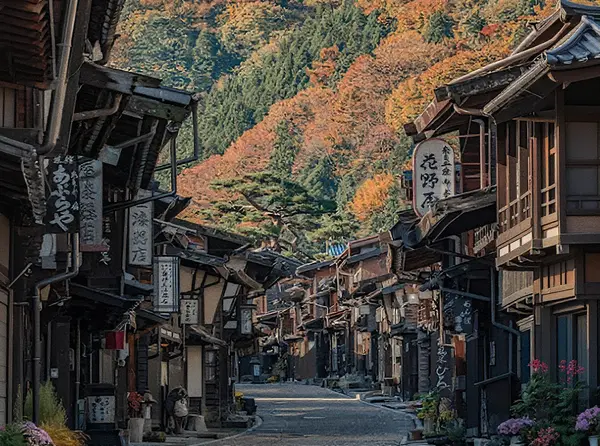
Visitas no início da manhã revelam o charme tranquilo antes da chegada das multidões, enquanto o outono mostra folhagem flamejante que contrasta com os prédios escuros de madeira.
Dicas para economizar
A visita é gratuita, com taxas modestas opcionais para entrar em certos prédios históricos ou ficar em pousadas; caminhar pela vila não custa nada, permitindo um dia econômico.
Recomendado para
Amantes de história, Entusiastas da fotografia, Viajantes culturais
Planeje sua visita
2-3 horas
Sobre
Fatos rápidos: A vila preserva mais de 20 construções do período Edo que margeiam um trecho de 4 quilômetros, antes uma parada vital para viajantes na Trilha Nakasendo. Mais de 200.000 visitantes percorrem essas ruas a cada ano, absorvendo o artesanato antigo e as fachadas de madeira.
Destaques: Os anfitriões locais seguem rigorosamente regras que proíbem carros e outdoors modernos para manter a atmosfera congelada no tempo, fazendo com que cada passo pareça entrar em um museu vivo. A vila oferece até hospedagem em pousadas históricas onde os viajantes podem dormir sobre tatamis e comer cafés da manhã tradicionais japoneses feitos com ingredientes locais.
Dicas de quem conhece
- Use sapatos confortáveis para andar sobre paralelepípedos irregulares e trilhas de terra.
- Visite o museu local da cidade postal para uma visão da vida no período Edo sem as multidões.
- Evite fins de semana para experimentar a atmosfera serena da vila.
- Fotografe as icônicas placas de madeira perto da ponte no início da manhã para uma luz mais suave.
Where to Stay in Kiso
Selected by City Buddy based on guest reviews and proximity to top attractions
Search all hotels in KisoPowered by agoda
Mais atrações em Kiso
Todas as atrações em Kiso →
Most popular itineraries!
Browse trip plans created by other travelers