CityBuddy
Fisherman's Camp
Melhor época para visitar
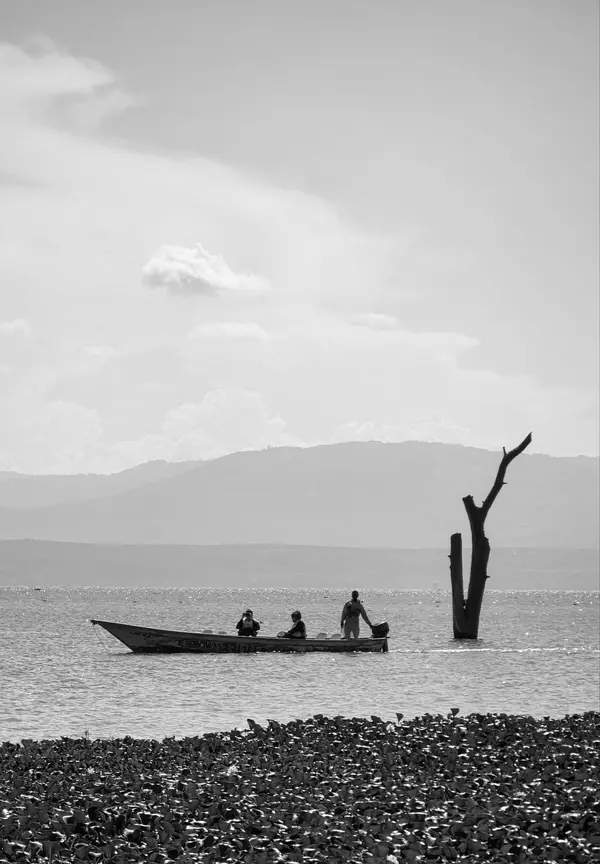
Dry months from June to October and January to February deliver sunny, wind-softened days; arrive by mid-morning when hippos still wallow in view and boat traffic is thin.
Dicas para economizar
Day visitors pay roughly 500 Kenyan shillings (about $4), while self-catering campsites run about 1,000 shillings per person. Stock up on water and snacks in Naivasha town first, where prices run about half of what the camp shop charges.
Recomendado para
Nature lovers, Wildlife photographers, Backpackers and campers, Safari couples
Planeje sua visita
Half day to overnight
Sobre
Fatos rápidos: Aproximadamente meia tonelada por hipopótamo, e todas as noites eles saem do lago para pastar nos mesmos gramados onde dormem as tendas de safári. Mais de 400 espécies de aves circulam por esta margem de água doce, e o acampamento aquece seus chuveiros com painéis solares em vez de geradores a diesel.
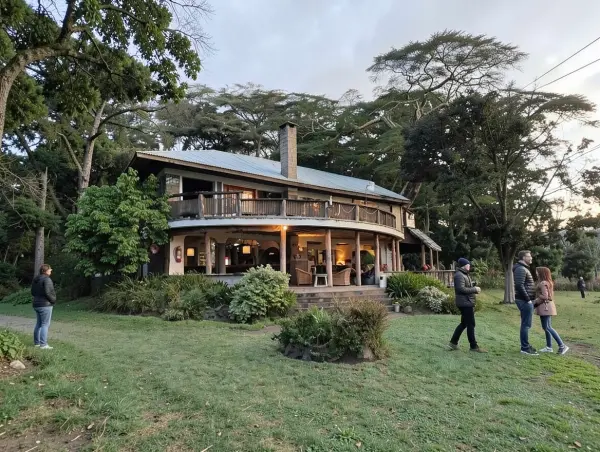
Destaques: Depois do anoitecer, hipopótamos de meia tonelada pastam a poucos metros da sua tenda, seus grunhidos e mastigações atravessando a lona diretamente. Um guarda noturno acompanha cada hóspede passando pelo rebanho, iluminando com uma lanterna a grama aberta, sem nenhuma cerca no meio, apenas o gramado úmido chegando à beira da água.
Dicas de quem conhece
- Pack a headlamp and stick to the lit paths once the sun drops, because hippos own the lawns after dark.
- Book the dawn boat crossing to Crescent Island's heronry, when cormorants and ibis swarm in the hundreds.
- Skip weekends and Kenyan school holidays, when Nairobi day-trippers pack the lawn; midweek afternoons feel almost empty.
- Bring warm layers even in dry season, since the lake breeze turns sharp the moment the sun slips behind Mau Escarpment.
Where to Stay in Naivasha
Selected by City Buddy based on guest reviews and proximity to top attractions
Search all hotels in NaivashaPowered by agoda