 CityBuddy
 Português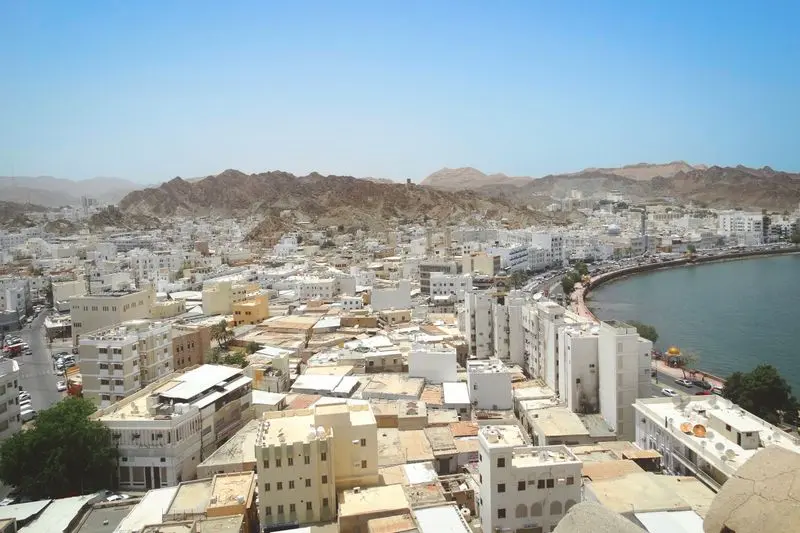
O que fazer em Muscat, Oman
Foto feita por Joerg Hartmann no Pexels.com
Quando visitar
Quando você vai para Muscat, Oman?
Escolha suas datas e estilo de viagem para receber:
Algum destes é especialmente importante para você?
Selecione todos que se aplicam
Plan language: PortuguêsAtrações mais populares em Muscat, Oman
Para as melhores coisas para fazer em Mascate, Omã, comece pela Grande Mesquita do Sultão Qaboos, que possui um candelabro de 14 metros e o segundo maior tapete tecido à mão do mundo, com 4.343 metros quadrados. Em seguida, explore as vielas sinuosas do Muttrah Souq em busca de incenso e prata, seguido por um passeio de 3 quilômetros ao longo da Muttrah Corniche ao pôr do sol.
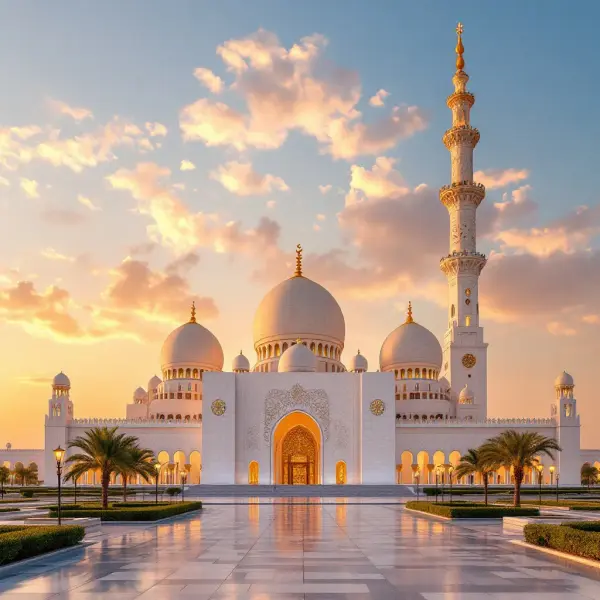
1. Sultan Qaboos Grand Mosque
Uma das poucas mesquitas em Omã aberta a não muçulmanos, e ela para você no ato com sua pura escala e artesanato. Caminhe sobre o segundo maior tapete feito à mão do mundo sob um candelabro de 14 metros de cristal Swarovski e ouro.
Fatos rápidos: The main prayer carpet is the second largest single-piece carpet in the world, weighing 21 tons and hand-knotted by 600 Iranian women over four years. Five chandeliers dangle inside, with the largest hanging in the main prayer hall measuring 14 meters tall and weighing 8.5 tons, made of Swarovski crystals and 24-karat gold plating.
Destaques: Step inside the main prayer hall and look down: the carpet covers 4,343 square meters in one seamless piece, with a color palette that subtly shifts depending on the time of day and angle of light through the crystal chandeliers above. The 35 doors are carved from solid teak wood with intricate brass inlays, and each one opens into a different mosaic-tiled courtyard that reflects the changing sky.
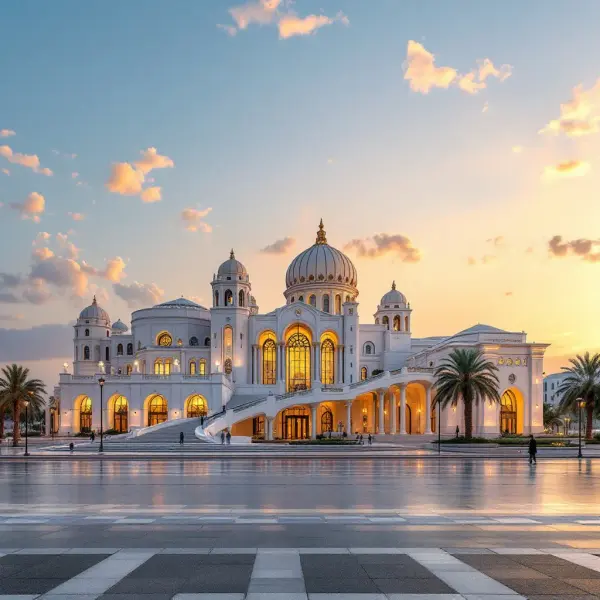
2. Royal Opera House Muscat
Um dos grandes palcos culturais do Golfo, onde a tradição omani encontra a arte global. Assista de tudo, de óperas de Puccini a contações de histórias beduínas tradicionais sob um teto de 48.000 cristais Swarovski.
Fatos rápidos: Its ornate facade combines Omani fort architecture with Italian marble and gold leaf, a blend you won't see anywhere else. The 1,100-seat auditorium hosts everything from traditional Omani camel dance performances to the Vienna Philharmonic.
Destaques: Walk through the grand foyer and you'll notice the subtle scent of frankincense diffusing through the air, a sensory nod to Oman's ancient trading heritage. The custom-built 3,736-pipe organ was designed to perfectly harmonize with both Arabic maqam scales and Western classical compositions, a feat that took three years to engineer.
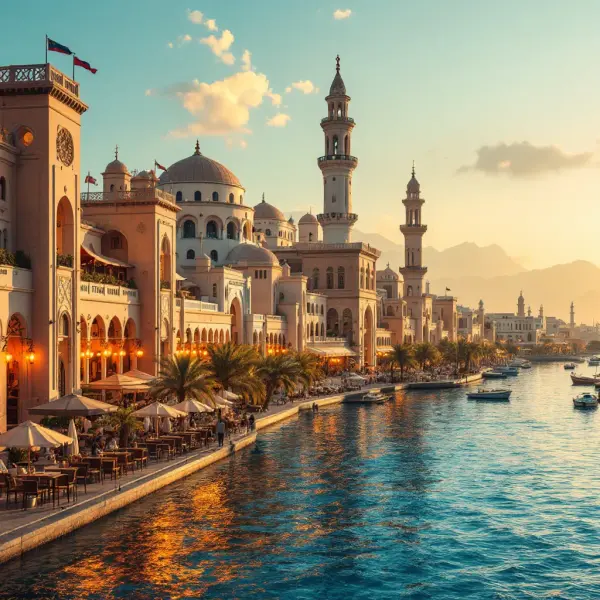
3. Muttrah Souq
Perde-se em um labirinto de mais de 200 barracas onde o cheiro de incenso e açafrão paira no ar. Negocie punhais de prata, têxteis vintage e tâmaras frescas enquanto observa artesãos trabalhando a poucos passos de distância.
Fatos rápidos: Over 200 shops cram into this covered labyrinth where merchants have been trading frankincense, spices, and textiles for centuries. You'll find Omani silver jewelry, embroidered khanjars (ceremonial daggers), and a dedicated perfume souq where attars are mixed fresh daily.
Destaques: Squeeze through the narrow alley to the back corner where a single elderly silversmith still hand-engraves bridal jewelry using techniques passed down through five generations. His tiny workshop, barely three meters wide, produces pieces that take two full weeks to complete and cost less than mass-produced imports from India.
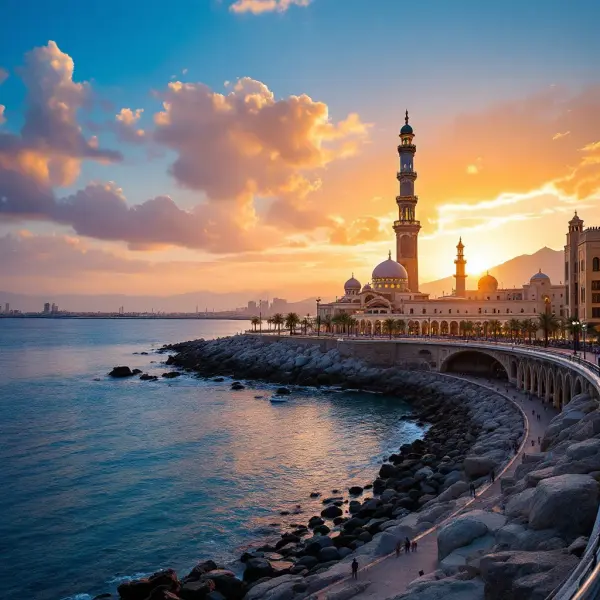
4. Muttrah Corniche
Percorra um calçadão voltado para o mar onde aromas de incenso vêm de dhows que passam e pescadores descarregam a pesca da manhã. Veja o sol se pôr atrás do palácio do sultão enquanto famílias omanis compartilham kahwa e tâmaras à beira-mar.
Fatos rápidos: The 3-kilometer promenade curves along the Gulf of Oman and connects the old port with the fish market, where fishermen haul in yellowfin tuna daily. Friday mornings transform the waterfront into an open-air souk, hundreds of Omani families and expats gather for breakfast, walking, and people-watching.
Destaques: At dusk during spring and autumn, the sun sets directly behind the Sultan's Al Alam Palace at the corniche's western end, creating a 15-minute window of golden light that paints the white-and-gold palace facade. Locals call this the "golden hour of Al Alam," and photographers arrive an hour early to claim the benches near the fish market for the unobstructed view.
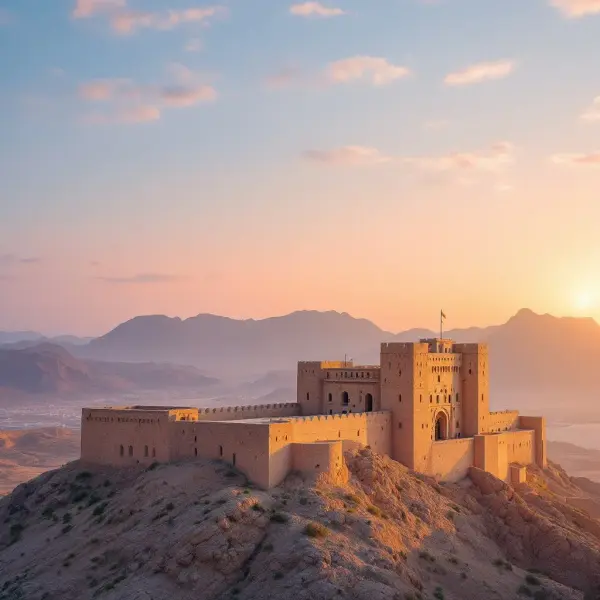
5. Al Jalali Fort
Uma fortaleza do século XVI agarrada a um penhasco com vistas panorâmicas do mar e canhões originais ainda no lugar. Suba as estreitas escadarias de pedra, explore os salões restaurados e aprecie o deslumbrante porto do terraço.
Fatos rápidos: Perched on a rocky outcrop overlooking the Gulf of Oman, this fortress was originally built by the Portuguese in the 1580s to protect Muscat's harbor. Its twin watchtowers and dramatic cliffside position once housed cannons that could fire warning shots across the entire bay.
Destaques: Unlike most forts that feel like dusty museums, this one still has a working drawbridge and original Portuguese cannons aimed at the sea. Walk the narrow stairways to the rooftop at sunset and watch the city lights flicker on across the harbor below.
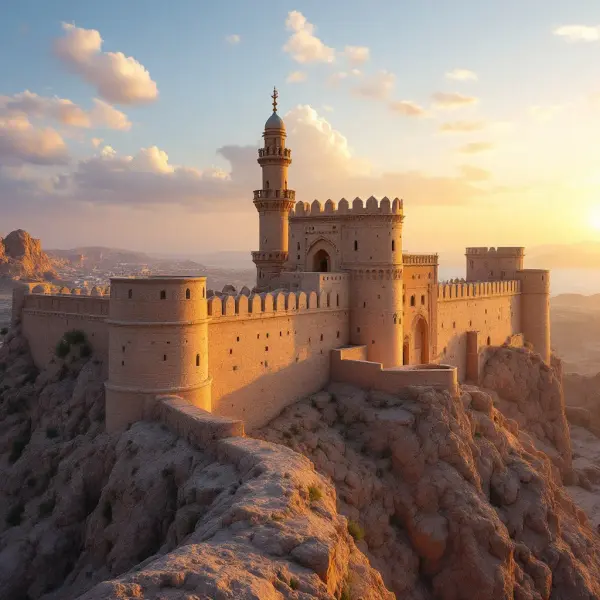
6. Al Mirani Fort
Observe o passado marítimo de Omã de uma fortaleza no topo de um penhasco que um dia guardou todo o porto abaixo. Suba as escadas estreitas, explore as plataformas de canhões e veja os dhows passarem de um posto de sentinela de 400 anos.
Fatos rápidos: Perched on a rocky outcrop overlooking the port, this fort has guarded Muscat's harbor since at least the 16th century. Its twin, Al Jalali Fort, sits directly across the bay, and together they once chained the harbor entrance shut to control access.
Destaques: Look closely at the base of the fort walls and you'll spot the original Portuguese cannonballs still embedded in the stone from centuries-old sieges. The fort's interior retains a working Portuguese water cistern that still catches rainfall, just as it did when built by the colonial engineers in the 1580s.
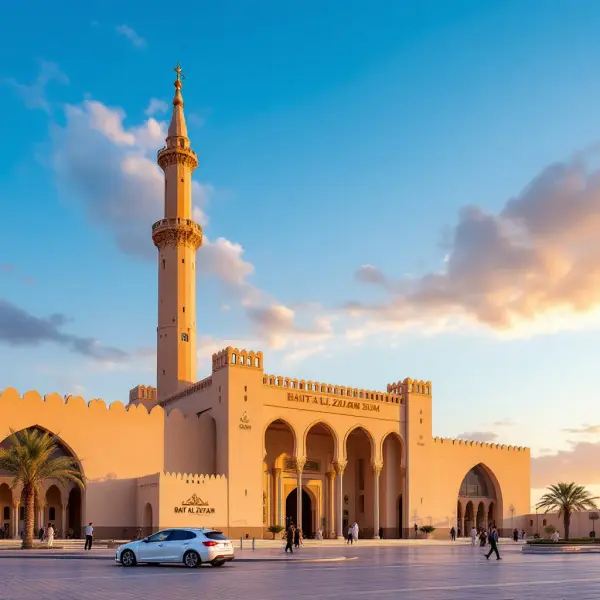
7. Bait Al Zubair Museum
Entre no mundo privado da vida familiar omani através de três gerações. Você percorrerá quatro casas tradicionais repletas de joias de prata, espadas antigas e o aroma de incenso.
Fatos rápidos: Three generations of the Zubair family collected over 5,000 artifacts spanning Omani history, from ancient jewelry to coffee pots used in Bedouin hospitality rituals. The museum's four houses each recreate a different slice of Omani life, including a fully furnished traditional palm-frond house and a weaponry gallery with 500 ceremonial khanjar daggers.
Destaques: Most visitors walk right past the small door in the main house that leads to the women's majlis, a secluded sitting room where Omani women once entertained female guests away from male eyes. The ceiling here is painted with vibrant geometric patterns in red and gold, and the cushions still carry the faint scent of frankincense from decades of use.
8. Qurum Beach
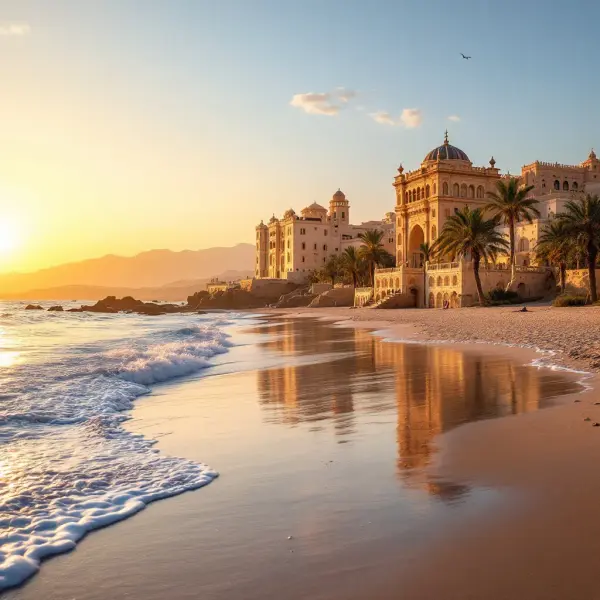
O refúgio litorâneo favorito de Mascate, onde os locais vêm para relaxar. Afunde os dedos dos pés na areia escura e macia, veja os dhows passarem e petisque milho grelhado dos vendedores da praia enquanto o sol se derrete no Golfo.
Fatos rápidos: Stretching nearly 4 kilometers along the Sea of Oman, this sandy crescent draws thousands of weekend picnickers and sunset strollers. Three distinct sections offer different experiences: a lively central area with food carts and play zones, plus quieter Eastern and Western ends for peaceful walks.
Destaques: After sunset, the beach transforms into a lively social scene where Omani families spread out carpets, light small fires, and share fresh grilled seafood from nearby vendors. The distinctively dark sand, rich in mineral content from the surrounding Hajar Mountains, creates striking contrast against the turquoise water during golden hour.
9. National Museum of Oman
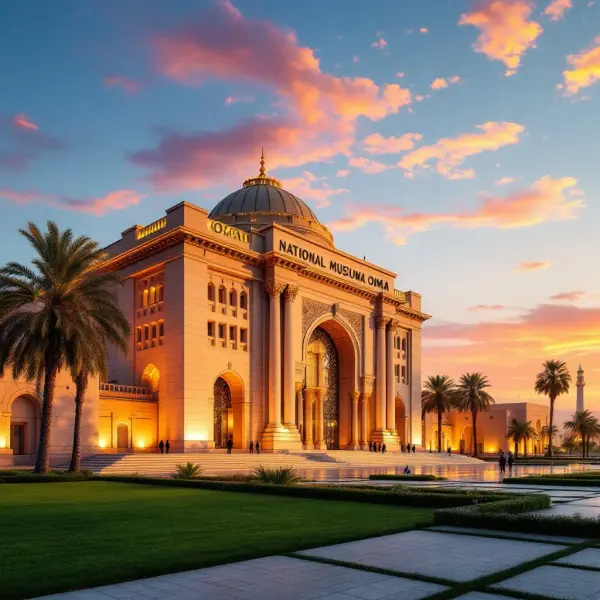
Entre na história de Omã através de 800 objetos que abrangem 7.000 anos. Percorra nove galerias repletas de tesouros da terra e do mar, de queimadores de incenso a canhões portugueses.
Fatos rápidos: Nine distinct galleries spread across two floors showcase 7,000 years of Omani history, from prehistoric tools to modern maritime artifacts. Over 800 objects are on display, including a giant incense burner used at the Sultan's palace and a 16th-century Portuguese cannon recovered from the sea.
Destaques: The museum houses the sword of Imam Faisal bin Turki, a ceremonial weapon set with diamonds and gold that still carries the faint scent of frankincense from centuries of use. A massive 3D holographic projection of the ancient frankincense trade routes brings the desert caravans to life, letting you watch virtual camels crossing the Rub al Khali without a single word on screen.
10. Wadi Shab
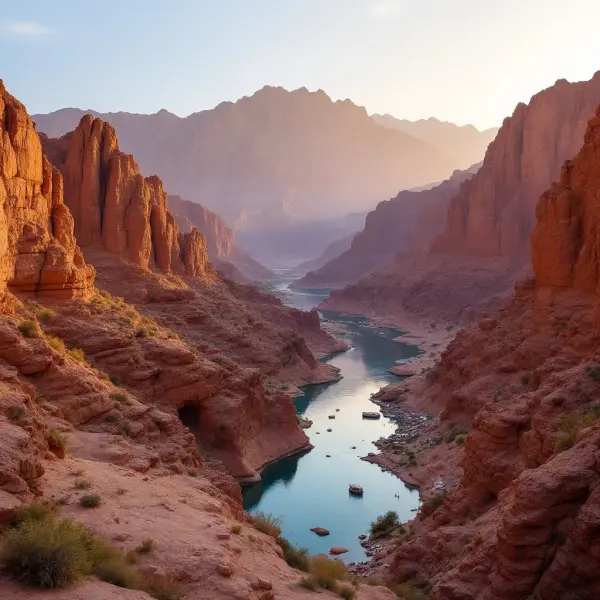
Uma caminhada por palmeiras e muros de pedra termina com uma cascata em uma caverna onde você pode nadar. Vadeie por piscinas turquesa, escalando pedras e flutue até um esconderijo.
Fatos rápidos: Swimming through a narrow canyon leads you to a stunning waterfall hidden inside a cave. The crystal-clear turquoise water stays a refreshing 25°C year-round, making it perfect for a dip any season.
Destaques: Inside that cave, shafts of sunlight pierce through openings in the rock ceiling, creating natural spotlights on the emerald pool below. Stand directly underneath one of these light beams and the water glows an electric blue that shifts as clouds pass overhead.
Where to Stay in Muscat, Oman
Selected by City Buddy based on guest reviews and proximity to top attractions
Search all hotels in Muscat, OmanPowered by agoda
Pratos doces tradicionais
Halwa Omani
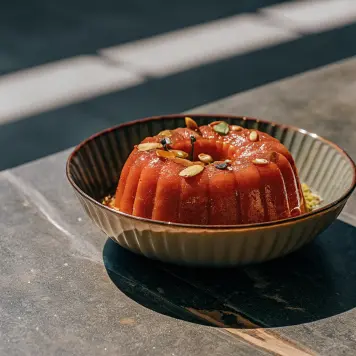
Halwa Omani is a gelatinous, rosewater flavored confection made with sugar, ghee, and nuts. It is considered a national symbol of hospitality and is often served to guests with Omani coffee.
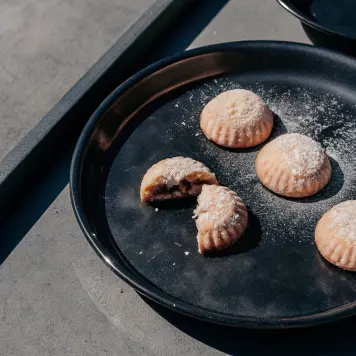
Mamoul
Mamoul are delicate semolina shortbread cookies stuffed with dates, walnuts, or pistachios. They are traditionally made for Eid celebrations and are often dusted with powdered sugar.
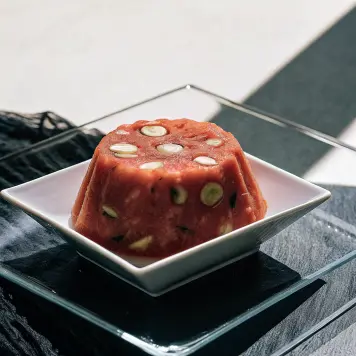
Loquat Halwa
Loquat Halwa is a unique Omani dessert made from the locally grown loquat fruit, which has a sweet and tangy flavor. It is less common than other halwas but highly prized by locals for its distinct taste.
Pratos salgados tradicionais
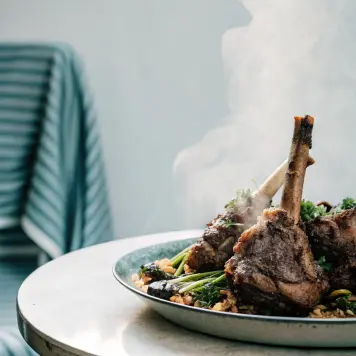
Shuwa
Shuwa is a festive dish of marinated lamb or goat slow cooked for up to 48 hours in an underground sand oven. The meat becomes so tender it falls off the bone, and it is typically served during Eid and weddings.
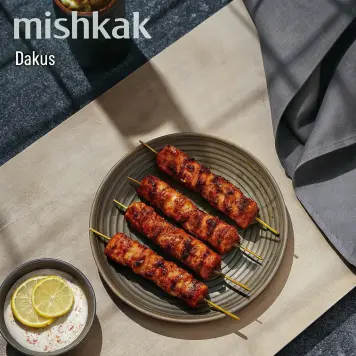
Mishkak
Mishkak are spicy, grilled fish or chicken skewers marinated in a tangy blend of chili, turmeric, and lemon. These popular street food skewers are often served with a garlicky dipping sauce called "dakus."
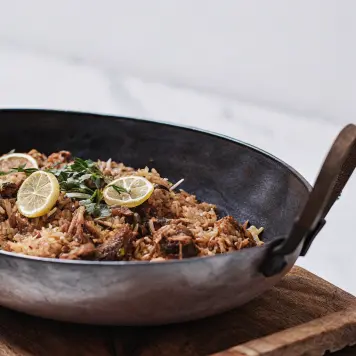
Majboos
Majboos is a fragrant rice dish cooked with spiced meat, usually chicken or lamb, and flavored with saffron, cardamom, and dried limes. It is considered the national comfort food of Oman and is similar to biryani but with a distinct Omani spice profile.
Bebidas tradicionais
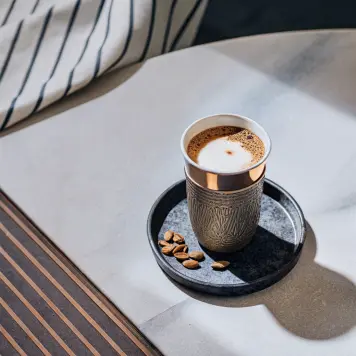
Omani Kahwa
Omani Kahwa is a lightly roasted coffee brewed with cardamom, saffron, and rosewater, giving it a golden hue and aromatic flavor. It is traditionally served in small handleless cups and is a cornerstone of Omani hospitality.

Laban
Laban is a tangy, thin buttermilk drink often blended with salt and mint to refresh in the intense Omani heat. It is commonly served alongside spicy rice dishes like Majboos to cool the palate.

Sahlab
Sahlab is a warm, creamy milk drink thickened with orchid root powder and flavored with cinnamon, rosewater, and nuts. It is a beloved winter beverage in Muscat, often enjoyed as a comforting dessert drink.
Frequently Asked Questions about Muscat, Oman
"Muscat, Omã é seguro?"
"Quantos dias ficar em Muscat, Omã?"
"Melhor época para visitar Muscat, Omã?"
"Muscat, Omã é caro?"
"Como se locomover em Muscat, Omã?"
Receba um PDF com as atrações mais populares no seu e-mail
Receba um PDF com todas as atrações, avaliações e dicas. Perfeito para uso offline.
Passeios de um dia mais populares
Como chegar
Aeroportos
Muscat has no train service. From the airport, take a taxi or pre-book a ride. Taxis cost around 10-15 OMR to the city center.
Encontre voos para Muscat, Oman
Clique para obter eSim para Muscat, Oman
A forma mais fácil e acessível de ter internet móvel onde quer que você viaje.
Comentários (10)
Grand Mosque is free to enter but you have to cover up fully. They lend abayas at the entrance but arrive early before tour groups flood it.
Most ATMs charge high fees. Bring enough cash from the airport and use cards at malls only. Saved me a ton in random surcharges.
Muttrah Souq is overwhelming in the best way. Got lost for hours. Just be ready to haggle and ignore the pushy shopkeepers.
Food scene surprised me a lot. Spiced rice and grilled seafood everywhere for cheap. Skip the hotel buffets and eat where locals eat.
Would come back just for the wadis and mountains nearby. Muscat itself is clean and pretty but the real magic is outside the city.