 CityBuddy
 Português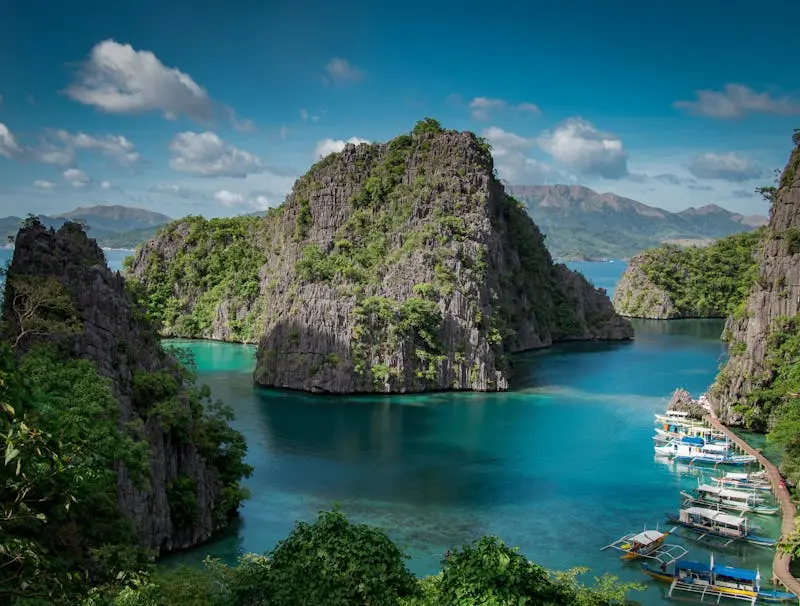
O que fazer em Coron, Philippines
Foto feita por Leon Macapagal no Pexels.com
Quando visitar
Atrações mais populares em Coron, Philippines
Entre as principais atividades para se fazer em Coron, Filipinas, estão explorar o Lago Kayangan, conhecido por suas águas cristalinas e falésias de calcário impressionantes. Nadar nas refrescantes piscinas azuis da Lagoa Gêmea, separadas por uma estreita parede de rocha. Relaxar nas Fontes Termais de Maquinit, uma das poucas fontes termais de água salgada do mundo, perfeitas após um dia de aventura.
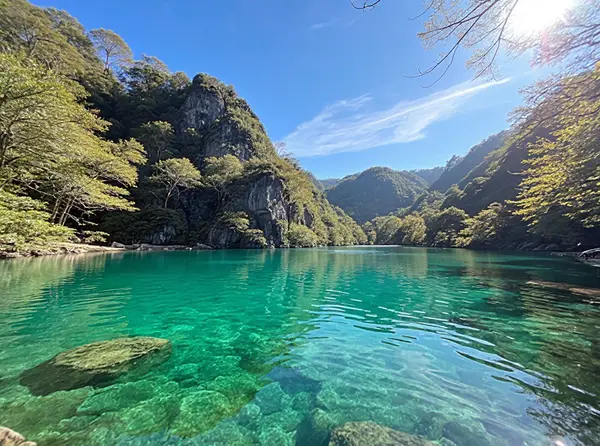
1. Kayangan Lake
Falésias de calcário e água esmeralda fazem do Lago Kayangan uma piscina natural inesquecível. Suba degraus íngremes de madeira até o mirante, depois nade e faça snorkel em águas cristalinas.
Fatos rápidos: Água clara e espelhada revela penhascos de calcário íngremes e uma termoclina subaquática que faz as camadas superficiais parecerem quentes enquanto as zonas mais profundas permanecem frescas. Uma escada íngreme e uma pequena escalada levam você a um mirante onde lagoas esmeraldas e formações cársticas irregulares compõem um panorama insular famoso pelas fotos.
Destaques: Suba uma curta escada de pedra e olhe para um reservatório de água vidro, verde-menta onde você pode distinguir peixes prateados e grandes pedras de calcário a 2 a 3 metros abaixo da superfície. Alguns barqueiros locais ainda contam uma história curiosa sobre uma escada de madeira que tinha exatamente 72 degraus, então se você chegar por volta das 6:00 da manhã pode pegar os penhascos brilhando em dourado e ouvir os guias contarem a história enquanto a água cheira levemente a sal e algas.
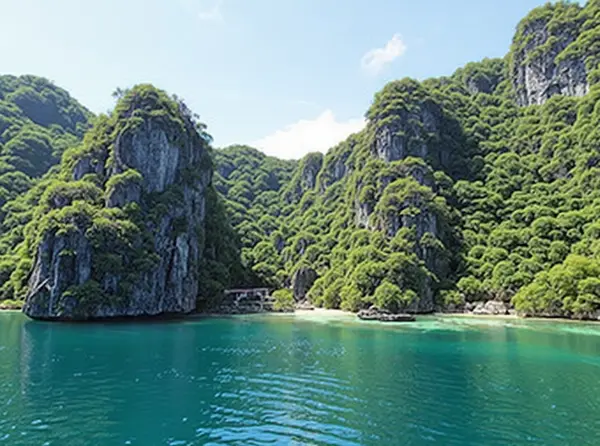
2. Twin Lagoon
Falésias de calcário emolduram duas piscinas turquesas interligadas que valem a visita. Nade ou suba pela abertura rochosa, faça snorkel sobre os corais e capture fotos dramáticas da lagoa.
Fatos rápidos: Água turquesa passa por uma estreita fenda de calcário, criando duas piscinas conectadas onde os nadadores deslizam do calor iluminado pelo sol para um azul fresco e sombreado. Os visitantes frequentemente remam ou fazem snorkel acima de bordas de coral escondidas e podem atravessar um túnel baixo em marés calmas, fazendo toda a experiência parecer um cartão-postal secreto para nadar.
Destaques: Nade através de uma estreita fenda de calcário com cerca de 1,5 metro de largura na maré baixa, depois nade para uma piscina turquesa iluminada pelo sol onde a água é visivelmente mais fria e as paredes pingam com samambaias e cracas alaranjadas brilhantes. Barqueiros experientes costumam gritar uma curta e divertida indicação para sincronizar a passagem com a maré, e ao meio-dia o sol atravessa a garganta em raios dourados que transformam a água em vidro líquido.
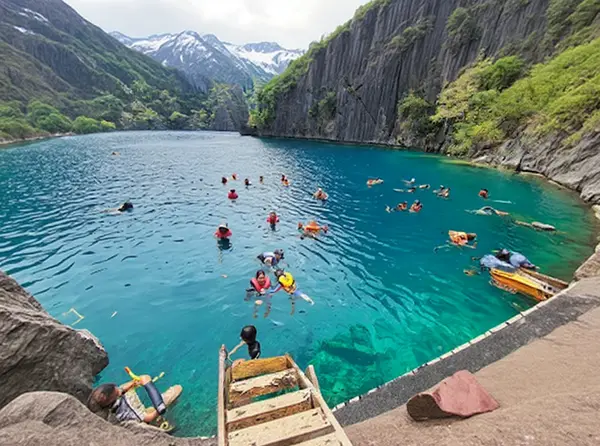
3. Barracuda Lake
Camadas dramáticas de turquesa e uma termoclina impressionante fazem do Lago Barracuda um local incomum para nadar e mergulhar. Nade por camadas quentes e frias sob imponentes paredes de calcário.
Fatos rápidos: Um mergulho ali parece surreal porque a água doce quente flutua sobre água salgada mais densa, criando termoclinas e haloclinas acentuadas onde as temperaturas e a flutuabilidade podem mudar de repente. Penhascos de calcário e pináculos subaquáticos captam a luz inclinada, produzindo reflexos assustadores e cenários de outro mundo que atraem mergulhadores experientes em busca de uma mistura única de águas calmas e paisagens submersas dramáticas.
Destaques: Água doce aquecida pelo sol a cerca de 28-30°C fica sobre uma camada de água salgada a 18-20°C, então quando você mergulha além da haloclina a cerca de 3 a 6 metros seus ouvidos estalam e um frio salgado repentino morde sua pele enquanto a luz se fragmenta em bandas ondulantes e aquareladas. Guias locais têm um ritual divertido onde contam regressivamente "tres, dos, uno" antes de empurrar mergulhadores nervosos através da fronteira vítrea, e muitos juram que a haloclina faz sua respiração soar como uma nota de piano enquanto as bolhas se esticam e cintilam.
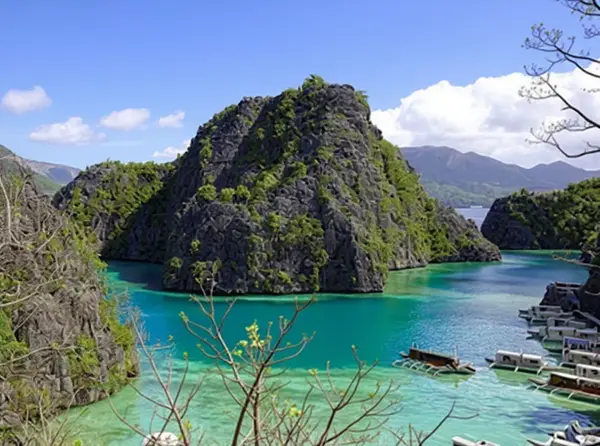
4. Siete Pecados Marine Park
Sete pequenas ilhotas rodeadas por recifes rasos, perfeitas para snorkel fácil. Faça snorkel direto do barco sobre corais coloridos e peixes de recife curiosos.
Fatos rápidos: Jardins de coral vibrantes ondulam sob águas cristalinas, fazendo com que os praticantes de snorkel sintam que estão flutuando por uma pequena catedral subaquática onde peixes-palhaço e anêmonas apresentam um espetáculo. Um grupo de ilhotas rasas abriga pontos de mergulho de fácil acesso que atraem consistentemente tartarugas marinhas, cardumes de fusileiros e dramáticos corais em forma de bombinhas ideais para mergulhadores iniciantes.
Destaques: Durante a maré baixa, o recife raso de coral revela mais de 20 tartarugas de casco de tartaruga e verdes residentes dormindo sob uma filigrana de coral chifre de veado, suas barbatanas e cristas das conchas brilhando em bronze nos raios de sol que penetram de 10 a 15 metros de profundidade. Os barqueiros locais ainda tocam um sino de latão gasto chamado 'Sino da Tita' antes de cada snorkel, uma tradição peculiar iniciada por um pescador chamado Carlo em 1978 que acreditava que o som acalmava o mar. Você pode sentir o cheiro de diesel e óleo de coco no ar quente da manhã enquanto os guias passam fatias de manga para dar sorte.
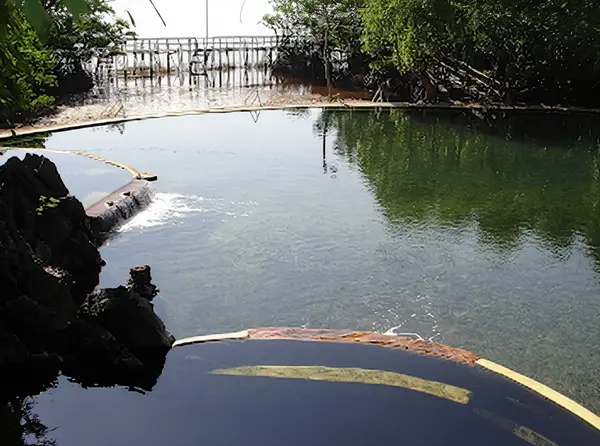
5. Maquinit Hot Springs
Piscinas quentes de água salgada aquecidas por nascentes vulcânicas naturais, com vistas estreladas sobre a baía. Relaxe em água mineral quente enquanto observa barcos e um céu noturno brilhante.
Fatos rápidos: Piscinas minerais fumegantes aninhadas entre manguezais combinam o calor geotérmico com a água do mar, produzindo um banho relaxante e naturalmente salgado que é surpreendentemente quente mesmo na maré baixa. Visite após o anoitecer e você encontrará estrelas cintilantes, multidões mais silenciosas e o suave coro das águas e insetos noturnos amplificando a calma.
Destaques: Água térmica quente e salgada que atinge cerca de 40°C flui para uma lagoa margeada por manguezais, para que você possa deslizar entre piscinas fumegantes e rápidos mergulhos na água do mar a 28°C para um choque revigorante. Famílias locais muitas vezes escolhem o banho noturno ao pôr do sol, trocando fofocas e pequenos petiscos grelhados sob lâmpadas fracas enquanto as crianças pulam nas prateleiras de calcário reveladas na maré baixa.
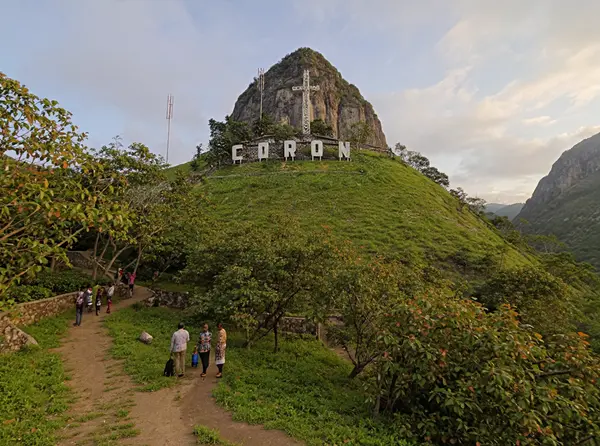
6. Mount Tapyas (Mt. Tapyas)
Mt. Tapyas
Vistas panorâmicas do topo sobre a cidade de Coron e o Mar de Sulu recompensam a subida. Alcance a cruz gigante após 700 degraus para fotos ao nascer do sol ou na hora dourada.
Fatos rápidos: Extensos karsts de calcário e um mosaico de lagoas azuis se revelam após subir aproximadamente 700 degraus de pedra, oferecendo um dos mirantes mais dramáticos acima do porto. Fotógrafos cobiçam as silhuetas douradas do topo, e a subida recompensa você com brisas salgadas do mar além de água de coco gelada vendida por ambulantes na base.
Destaques: Você sobe 724 degraus de pedra desgastados para alcançar um topo coroado por uma grande cruz branca, onde o vento carrega um spray salgado e o panorama se abre sobre karsts de calcário irregulares e lagoas azul-cobalto. Ao anoitecer, moradores e visitantes param para acender pequenas velas e amarrar fitas coloridas nas grades, um ritual simples que dizem homenagear pescadores perdidos e adiciona um suave som de tilintar ao pôr do sol.
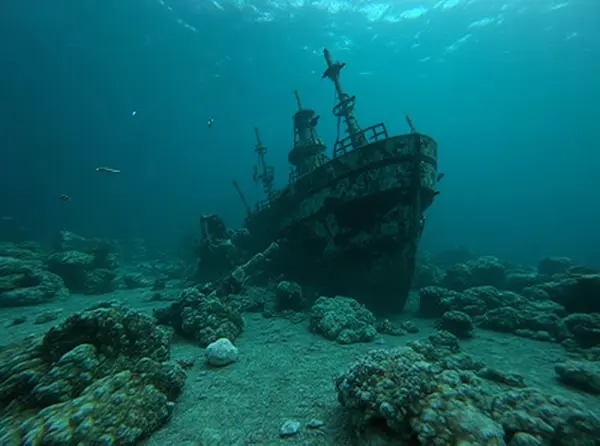
7. Coron Bay Wrecks (WWII Japanese shipwrecks, e.g., Okikawa Maru)
WWII Japanese shipwrecks, e.g., Okikawa Maru
Mergulhe na história da Segunda Guerra Mundial entre naufrágios japoneses cobertos de corais nas águas cristalinas de Coron. Faça snorkel ou mergulho através de corredores de navios intactos e recifes coloridos.
Fatos rápidos: Um mergulhador pode flutuar por cascos cobertos de corais onde feixes de luz solar transformam porões de carga em câmaras fantasmagóricas e fotogênicas, enquanto peixes curiosos atravessam vigias quebradas. Mais de uma dúzia de naufrágios de aço estão em águas surpreendentemente rasas, então mergulhadores de superfície e fotógrafos podem capturar imagens íntimas de hélices, caldeiras e padrões de ferrugem rendados.
Destaques: Abaixo da água cristalina, um casco de aço de 120 metros se abre a cerca de 30 metros de profundidade, seus porões ainda repletos de chassis enferrujados de caminhões Mitsubishi e garrafas laqueadas de saquê, enquanto a luz solar através das posições de canhão faz o sedimento suspenso brilhar como neve lenta. Mergulhadores locais têm uma tradição peculiar de colocar um pequeno tsuru de papel na cabine do oficial como oferenda de boa sorte, e ao amanhecer cardumes de xaréu e um enorme peixe-papagaio verde-patrulham o naufrágio como passageiros barulhentos.
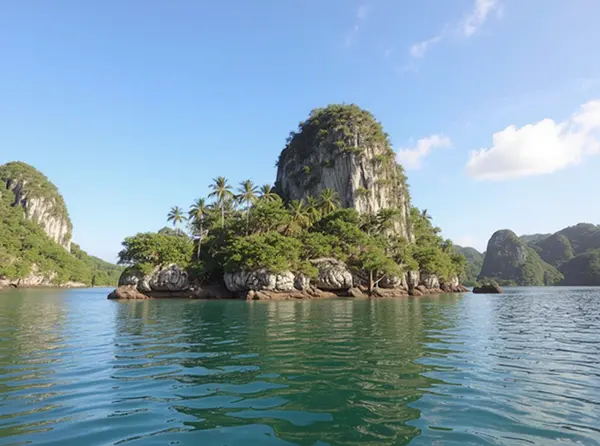
8. Black Island
Coron
Falésias de calcário e uma enseada de areia branca fazem da Ilha Black um local perfeito para snorkel e fotos. Espere águas claras, uma curta caminhada em caverna marinha e uma rápida subida ao mirante.
Fatos rápidos: Falésias de calcário aquecidas pelo sol escondem um labirinto de cavernas e uma lagoa cristalina onde mergulhadores de superfície flutuam sobre jardins de corais vibrantes e cardumes de peixes neon que se movem rapidamente. Uma crista ventilada concede vistas panorâmicas do pôr do sol que explodem em laranja e magenta, e os guias locais frequentemente se orgulham de visibilidade acima de 20 metros em dias calmos, permitindo ver a vida subaquática com clareza cristalina.
Destaques: Na maré baixa, você pode rastejar por um túnel estreito de calcário com cerca de 20 metros de comprimento, onde um único feixe de luz solar corta a água transformando-a em um azul-turquesa semelhante a uma joia, e a caverna ecoa com o bater suave de dezenas de morcegos. Os moradores mantêm uma tradição peculiar de deixar garrafas de vidro pintadas na costa de seixos pretos, cada uma carimbada com um nome e ano, algumas já desbotadas há mais de 30 anos como pequenas cápsulas do tempo.
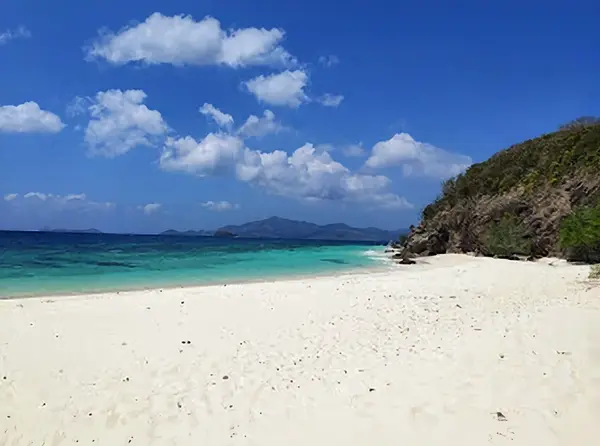
9. Malcapuya Island
Areia branca e imaculada e água turquesa clara fazem de Malcapuya um refúgio tropical. Caminhe por praias largas, faça snorkel em trechos de corais e relaxe sob as árvores pandanus.
Fatos rápidos: Areia branca e fina se desenrola como um tapete macio ao longo de praias em formato de meia-lua, enquanto a água clara passa de turquesa claro a safira profunda e revela jardins de corais vibrantes. Visitantes mergulham com snorkel diretamente da areia para ver peixes de recife coloridos e raias graciosas, e a ilha inteira é pequena o suficiente para ser percorrida a pé em menos de 30 minutos.
Destaques: Imagine caminhar sobre areia branca como açúcar que range sob os pés, a água se espalhando em três faixas cristalinas de verde-água claro, turquesa e azul-cobalto profundo sob o sol do meio-dia. Na maré baixa, um fino banco de areia aparece, convidando você a um pequeno esporão de palmeiras onde barcos banca desgastados pintados de azul e vermelho balançam como brinquedos, e se você ouvir com atenção, pode escutar pescadores trocando nomes e histórias em tagalo rápido enquanto aves marinhas circulam no alto.
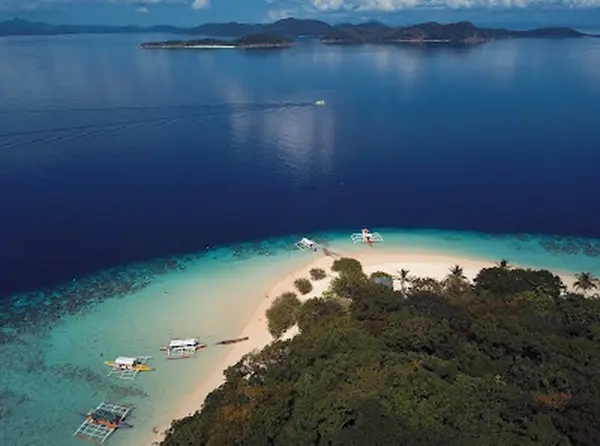
10. Banana Island (and nearby Bulog Dos Island)
and nearby Bulog Dos Island
Areia branca e macia e rasos turquesa calmos fazem da Ilha Banana e da vizinha Bulog Dos o local perfeito para uma parada relaxante na ilha. Espere snorkels fáceis sobre recifes rasos, banhos de sol e amplas vistas do mar.
Fatos rápidos: Praias emolduradas por palmeiras dão lugar a um banco de areia branca como açúcar que brilha na maré baixa, criando um playground raso perfeito para caminhar na água e fotos do pôr do sol. Abaixo da água cristalina, mergulhadores de superfície encontram jardins de corais vibrantes, cardumes agitados de peixes de recife e a ocasional tartaruga verde deslizando pelas águas rasas.
Destaques: Na maré baixa, um banco de areia branco e estreito liga as duas ilhotas por aproximadamente 10 a 15 minutos, a água na altura do tornozelo ao joelho e tão clara que você pode contar estrelas-do-mar laranja brilhantes e ver juvenis de xaréu reluzindo abaixo. As famílias locais mantêm uma tradição peculiar de deixar pequenas conchas pintadas à mão com nomes e anos, como "Ana 2007" e "Mang Jose 2014", escondidas sob as palmeiras, e pescadores às vezes sopram búzios ao anoitecer para chamar todos de volta para um churrasco improvisado de peixe recém-pescado.
Where to Stay in Coron, Philippines
Selected by City Buddy based on guest reviews and proximity to top attractions
Search all hotels in Coron, PhilippinesPowered by agoda
Dias de abertura em Coron, Philippines
Quais das principais atrações fecham em qual dia da semana, o clássico estraga-planos, verificado para você.
Boas notícias: todas as 3 atrações principais com horários conhecidos estão abertas todos os dias da semana.
Fechado em segunda-feira · 0 fechado, 3 aberto
Nada fecha em segunda-feira. Todas as 3 atrações com horários conhecidos estão abertas.
Dias de abertura do Google Maps (verificado em 2026-02-22). Feriados, greves e horários sazonais podem variar. Verifique o site oficial antes de ir.
Pratos doces tradicionais

Halo-halo
Halo-halo means "mix" and is famous for its rainbow of layers, shaved ice, and sweet bites, making it the perfect cold puzzle to solve on a hot Coron afternoon.
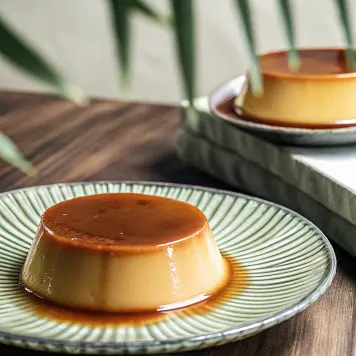
Leche flan
Leche flan is a silky, caramel-topped custard with Spanish roots, and in Coron it often shows up as a rich finish to meals or a glossy topping in halo-halo.
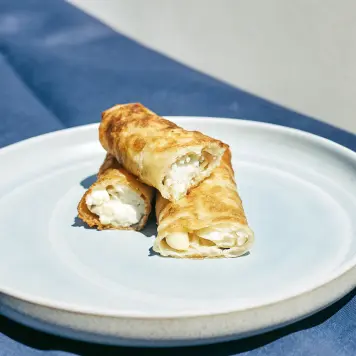
Turon
Turon is a crunchy banana spring roll made with saba bananas and caramelized sugar, it tastes like a portable banana pie that sizzles on street-side griddles.
Pratos salgados tradicionais
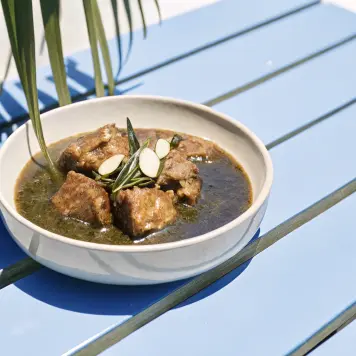
Adobo
Adobo uses vinegar, soy, garlic, and peppercorns to preserve and flavor meat, and each cook in Coron treats adobo like a personal signature with small but telling twists.
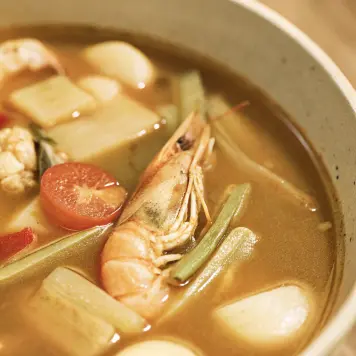
Sinigang
Sinigang is a tangy sour soup traditionally soured with tamarind or local fruits, and in Coron it often stars fresh seafood from nearby waters for an extra briny lift.
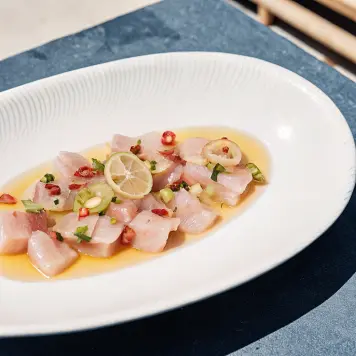
Kinilaw
Kinilaw is the Filipino ceviche that highlights the ocean's freshness, marinating raw fish in vinegar or calamansi with chili and ginger for a bright, uncooked bite.
Bebidas tradicionais
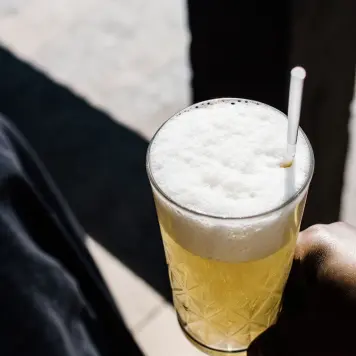
Tuba
Tuba is a coconut palm sap wine tapped fresh from the tree, it can be enjoyed sweet and frothy straight away or left to ferment into a stronger, tangy drink.

Calamansi juice
Calamansi juice is a tiny citrus powerhouse, its bright, aromatic juice is the island's go-to for refreshing drinks and for giving seafood an instant lift.
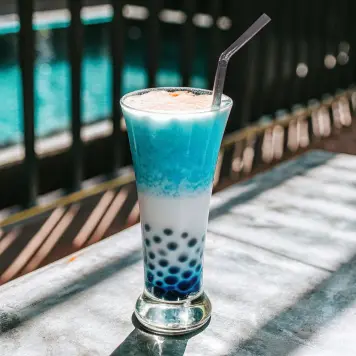
Sago't gulaman
Sago't gulaman mixes chewy tapioca pearls with jelly and sweet syrup, it is a wildly satisfying, textured thirst-quencher beloved at market stalls.
Perguntas frequentes sobre Coron, Philippines
Quando é a melhor época para visitar Coron, Filipinas?
Coron, Filipinas, é caro para viajantes?
Como se locomover em Coron, Filipinas?
Quantos turistas visitam Coron, Filipinas anualmente?
Coron, Filipinas, é seguro para turistas?
Receba um PDF com as atrações mais populares no seu e-mail
Receba um PDF com todas as atrações, avaliações e dicas. Perfeito para uso offline.
Passeios de um dia mais populares
Kayangan Lake (Coron Island)
Scenic limestone lake with crystal-clear water and viewpoint
Malcapuya Island
White-sand beaches and shallow reefs for snorkeling
Culion Island
Historic town with colonial sites and quiet beaches
Como chegar
Aeroportos
Estações de trem
From USU airport take a 20–30 min shared van or private transfer to Coron town; pre-book in high season.
Informações úteis para Coron, Philippines
Visão geral de Coron, Philippines
Quer um plano dia a dia para Coron, Philippines? Abra o planejador de viagem
Quando você vai para Coron, Philippines?
Escolha suas datas e estilo de viagem para receber:
Algum destes é especialmente importante para você?
Selecione todos que se aplicam
Como se locomover
Como você quer se deslocar entre os lugares?
Idioma do plano: Português