 CityBuddy
 Português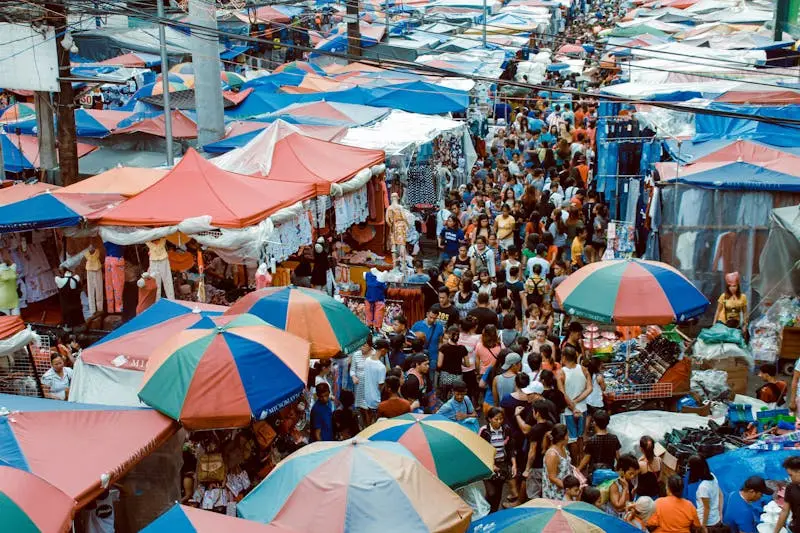
O que fazer em Manila, Philippines
Foto feita por NIC LAW no Pexels.com
Quando visitar
Manila é a #14 cidade mais acolhedora para estrangeiros do mundo, com base em nossos dados de centenas de destinos.
Atrações mais populares em Manila, Philippines
Principais coisas para fazer em Manila, Filipinas, incluem explorar Intramuros, a histórica cidade murada que remonta ao período colonial espanhol. Visite o Forte Santiago, uma cidadela com rica história a apenas 600 metros da costa. Não perca a Igreja e Museu San Agustín, a mais antiga igreja de pedra do país, que oferece artefatos fascinantes e arquitetura impressionante.
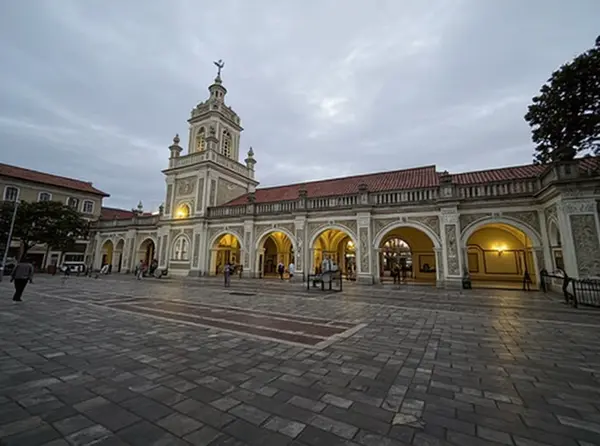
1. Intramuros (Historic Walled City)
Historic Walled City
Entre em séculos de história filipina por trás de imponentes muros de pedra. Passeie por ruas de paralelepípedos, igrejas coloniais, museus e desfrute de vistas do pôr do sol das muralhas.
Fatos rápidos: A luz do sol incide sobre paredes de pedra cobertas de musgo, carruagens puxadas por cavalos clip-clop sobre paralelepípedos, e cafés espalham música acústica pelas praças estreitas. Mais de uma dúzia de fortificações restauradas e edifícios coloniais agora abrigam museus, galerias de arte, e jardins no terraço, tornando o passeio uma imersão em uma cápsula do tempo viva.
Destaques: Caminhe pelas ruas de paralelepípedos aquecidas pelo sol, passando pela Igreja de San Agustin, concluída em 1607, e sob o portal arqueado do Forte Santiago, onde canhões espanhóis enferrujados do século XVII ainda apontam para a baía e o Santuário Rizal marca a cela onde José Rizal foi mantido antes de sua execução em 1896. Durante o dia, carruagens puxadas por cavalos clip-clop sobre as pedras e oficinas colocam em movimento dezenas de bicicletas de bambu para tours, o ar impregnado de óleo de fritura, jasmim e o leve toque metálico do rio, permitindo sentir três séculos de cheiros e histórias sobrepostos ao mesmo tempo.
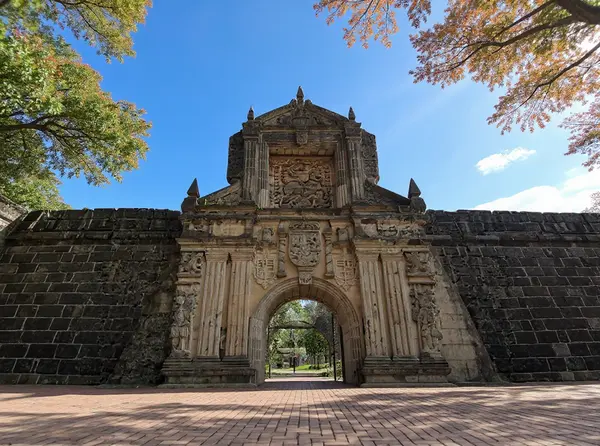
2. Fort Santiago
Fortaleza de pedra de Fort Santiago revela o passado colonial espanhol e da guerra em Manila. Caminhe por pátios arborizados, veja o Santuário Rizal e contemple o rio Pasig a partir das antigas muralhas.
Fatos rápidos: Paredes grossas de pedra vulcânica e um fosso silencioso criam um silêncio cinematográfico, onde a arquitetura colonial e as cicatrizes da guerra ainda podem ser sentidas sob os pés. Os visitantes costumam pausar no pequeno museu e na cela estreita onde José Rizal escreveu seus últimos poemas, imaginando o silêncio antes de sua marcha final.
Destaques: Entre na cela escura onde José Rizal passou suas últimas noites antes da execução em 30 de dezembro de 1896, as paredes de tijolos ásperos ainda arranhadas com nomes e um leve aroma metálico dos antigos canhões. Todo dia 30 de dezembro, centenas de estudantes e membros de lojas maçônicas se reúnem para colocar coroas de flores e acender velas no pequeno marco de mármore, o silêncio quebrado apenas por uma trombeta solitária que toca o lamento nacional.
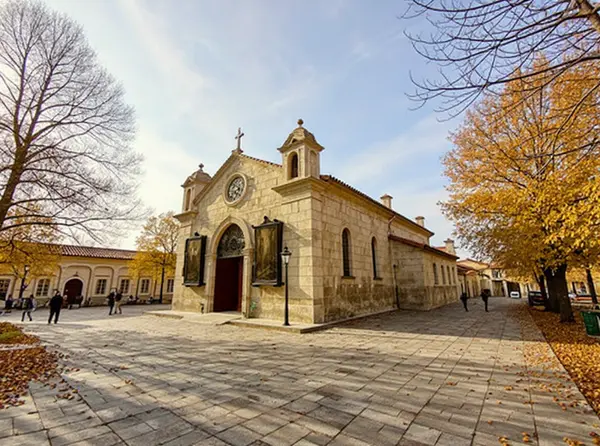
3. San Agustin Church and Museum
Entre na Manila da era espanhola na Igreja de San Agustin, um marco barroco da UNESCO. Maravilhe-se com altares dourados, tetos trompe l'oeil e um museu compacto de artefatos coloniais.
Fatos rápidos: Ao entrar, você será impactado pela pedra quente e amarelada e pela ornamentação barroca luxuosa, enquanto os tetos trompe-l'œil parecem respirar com nuvens pintadas. No andar de cima, um museu compacto abriga séculos de tesouros eclesiásticos, desde vestes bordadas até relicários brilhantes, e todo o edifício sobreviveu notavelmente aos bombardeios que devastaram grande parte do bairro.
Destaques: Construída em 1607, a basílica de pedra está de pé há mais de 400 anos e sob a sua nave encontra-se o túmulo do conquistador Miguel López de Legazpi cujo epitáfio esculpido você ainda pode sentir com os dedos. Nas salas escuras do museu, um sussurro de cera de abelha e papel antigo paira sobre vitrines que guardam vestes dos séculos XVII e XVIII, vasos litúrgicos de prata e santos processionais de madeira cujos rostos policromados rachados brilham sob uma única lâmpada.
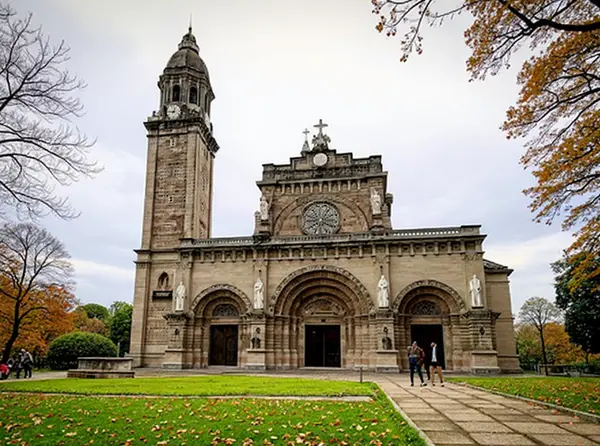
4. Manila Cathedral
Viva séculos de história de Manila em uma grande catedral colonial no coração de Intramuros. Admire detalhes restaurados barrocos e românicos, vitrais e um interior tranquilo.
Fatos rápidos: A luz do sol que atravessa altos vitrais coloridos espalha cores pelo mármore polido, e a acústica do teto abobadado torna as apresentações de órgão e coro especialmente ressonantes. Placas silenciosas e reparos na pedra contam uma história dramática de sobrevivência a múltimos terremotos e danos de guerra, enquanto uma imagem venerada de séculos atrás atrai peregrinos e visitantes curiosos igualmente.
Destaques: Entre e você estará em uma igreja que foi reconstruída oito vezes desde o século XVI, então os pisos de mármore, colunas neoclássicas e entalhes barrocos formam uma linha do tempo em camadas que você pode ler com os olhos. Em muitas tardes, um coro envelhecido pratica hinos gregorianos até que a luz do sol através dos vitrais transforme o corredor em faixas de rubi e ouro, e os paroquianos frequentemente colocam pequenos bilhetes dobrados na grade de ferro perto do altar, com as bordas do papel suavizadas por anos de incenso.
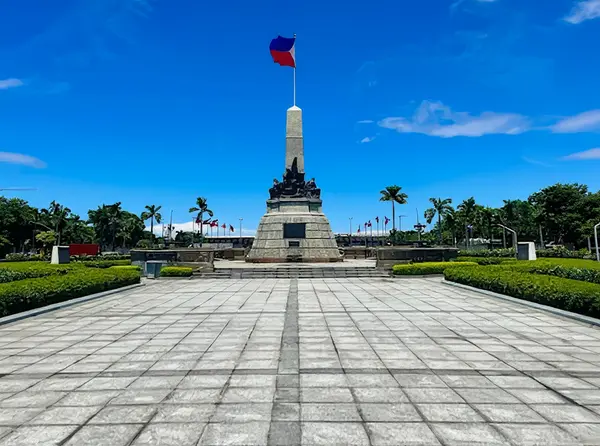
5. Rizal Park (Luneta)
Luneta
Parque histórico no coração de Manila, onde a memória nacional encontra a vida cotidiana. Caminhe pelo Monumento Rizal, jardins relaxantes e praças animadas para fotos e observação de pessoas.
Fatos rápidos: A luz da manhã revela grandes gramados verdes entrelaçados com fontes ornamentais e alamedas sombreadas, onde moradores praticam tai chi e famílias fazem piquenique entre acácias em flor. Um monumento nacional dramático ancorando o centro atrai multidões para cerimônias e reflexão silenciosa, enquanto bandos de pombos acrescentam à vibrante trilha sonora urbana.
Destaques: Bem no centro está um monumento de bronze de 12,8 metros dedicado a José Rizal, onde os locais deixam silenciosamente pequenas velas e guirlandas de sampaguita após o pôr do sol, a cera e o perfume das flores se misturando ao ar da noite. No dia 30 de dezembro, centenas a milhares se reúnem antes do amanhecer para uma cerimônia de colocação de coroas e hasteamento de bandeira, corais escolares cantam o hino nacional, e vendedores ambulantes vendem pequenas bandeiras de papel e bolos de arroz por cerca de 10 a 20 pesos.
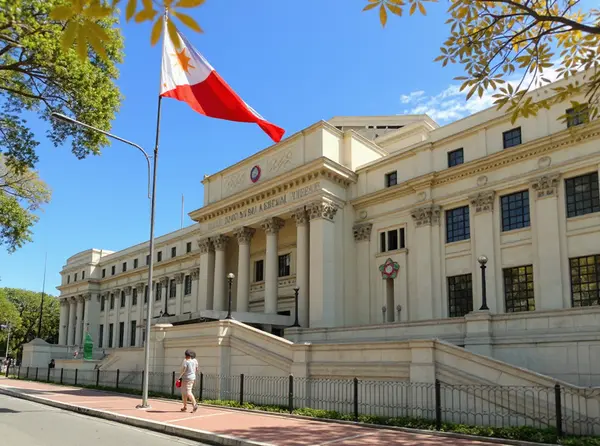
6. National Museum of the Philippines (National Museum Complex)
National Museum Complex
Explore a arte, a história e a biodiversidade das Filipinas em um complexo central. Veja o Spoliarium de Juan Luna, a Árvore da Vida de História Natural e artefatos culturais ricos.
Fatos rápidos: Ao entrar, você será impressionado por vastos salões neoclássicos que exibem o Spoliarium de Juan Luna ao lado de impressionantes trabalhos em ouro pré-colonial e tecidos ricamente tecidos. Cantos tranquilos convidam a um estudo prolongado de espécimes fósseis, objetos cerimoniais e pinturas monumentais, fazendo a visita parecer um resumo compacto de séculos de cultura.
Destaques: Fique sob a pálida rotunda neoclássica e o Spoliarium de Juan Luna domina sua visão, uma tela de cerca de 4 por 7 metros cujos tons escuros e destaques carmesins se aprofundam quando os conservadores trabalham suavemente em seu verniz, liberando um leve aroma de terebintina. A pintura conquistou uma medalha de ouro em Madrid em 1884, um triunfo que os guias ainda contam como um despertar do orgulho nacionalista filipino, e ouvir essa história enquanto a galeria silencia torna a cena surpreendentemente cinematográfica.

7. Manila Ocean Park
Veja de perto a vida marinha das Filipinas em um grande aquário interativo. Caminhe por um longo túnel de vidro, assista a shows de alimentação e conheça pinguins.
Fatos rápidos: Luzes azuis brilhantes e um túnel de vidro curvo permitem que você observe tubarões e arraias deslizando a poucos centímetros acima de sua cabeça, fazendo o passeio parecer um cartão-postal subaquático. Mais de 3.000 animais marinhos habitam tanques temáticos, e as alimentações diárias transformam fatos que poderiam estar em salas de aula em experiências práticas e de coração acelerado.
Destaques: Todas as noites o aquário diminui as luzes para azul oceano e encena uma "serenata de alimentação" onde um cardume de cerca de 200 sardinhas reluzentes é coreografado para nadar ao longo do túnel de vidro, a água sussurrando como chuva distante enquanto famílias pressionam suas mãos contra o acrílico. O mergulhador veterano Kuya Danny narra o espetáculo em tagalo, oferecendo às crianças corajosas a chance de sentir a pele fresca e aveludada de um pepino-do-mar e ensinando os nomes locais dos peixes, o que sempre transforma gritos em conversas orgulhosas e arregaladas.
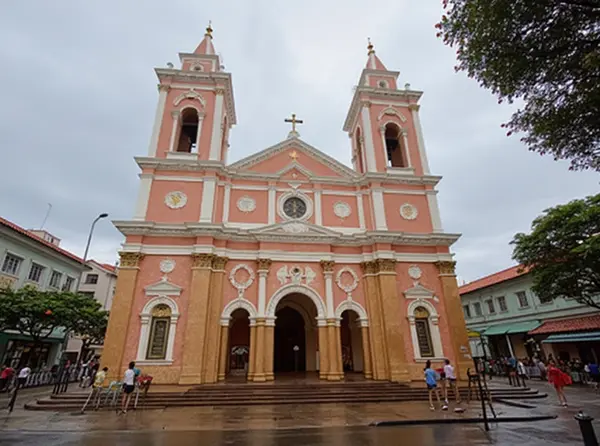
8. Binondo Church (Minor Basilica of San Lorenzo Ruiz)
Minor Basilica of San Lorenzo Ruiz
Viva séculos de história católica sino-filipina na Igreja de Binondo. Admire o interior barroco ornamentado e testemunhe as devoções locais de perto.
Fatos rápidos: Uma névoa quente de incenso e lanternas coloridas recebe os visitantes, revelando uma mistura surpreendente de altares barrocos e motivos decorativos chineses. Muitos vêm para venerar o primeiro santo canonizado do país, e casamentos animados e rituais comunitários mantêm os corredores vibrando com devoção.
Destaques: Fundada em 1596 para servir comerciantes chinês-filipinos, a igreja é uma das paróquias mais antigas do país e ainda se enche de incenso denso e do tilintar de rosários de madeira durante a grande festa de 28 de setembro. Uma prática local peculiar faz com que os visitantes coloquem petições dobradas e pequenas fitas vermelhas de oração nas grades de ferro ao redor das capelas laterais, permitindo ver dezenas de bilhetes manuscritos e caudas de fitas desbotadas a esvoaçar nas correntes de ar.
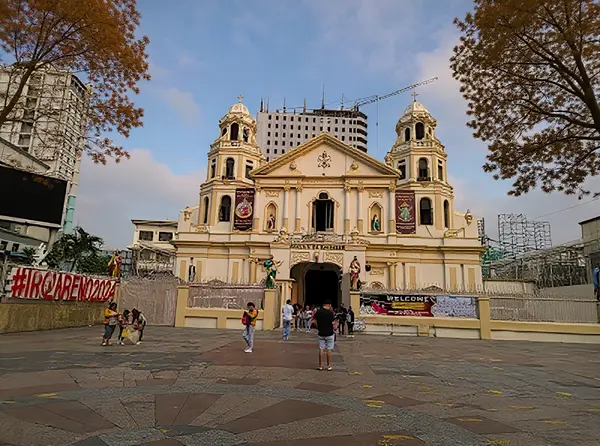
9. Quiapo Church (Minor Basilica of the Black Nazarene)
Minor Basilica of the Black Nazarene
Presencie uma profunda devoção popular e a história viva de Manila na Basílica Menor do Nazareno Negro. Participe de missas vibrantes, oferendas votivas à luz de velas e veja de perto a imagem do Nazareno Negro.
Fatos rápidos: Multidões se apertam por corredores perfumados e iluminados por velas para tocar uma imagem de madeira escura, criando um trovão de orações e oferendas sussurradas que vibram por toda a igreja cheia. Devotos lendários atribuem inúmeras petições atendidas à estátua, e a procissão anual atrai centenas de milhares que se empurram pelas ruas para um breve contato com a figura sagrada.
Destaques: Sob nuvens de fumaça de vela e o tilintar metálico de terços, os fiéis pressionam lenços desbotados e pequenas toalhas contra uma estátua de Cristo em tamanho real feita de madeira escura, que se diz datar do século XVII, esperando que o pano receba uma bênção. A cada janeiro, cerca de 1 milhão de devotos participam da frenética procissão Traslacion, corpos apertados ombro a ombro por mais de 12 horas enquanto as pessoas gritam orações e tentam tocar a carreta ou sua corda para reivindicar um milagre.

10. Divisoria Market (shopping district)
shopping district
Encontre pechinchas imbatíveis em roupas, tecidos e acessórios no mercado mais movimentado de Manila. Navegue por vielas coloridas e lotadas enquanto experimenta comida de rua e negocia preços baixos.
Fatos rápidos: Ruas estreitas pulsam com um labirinto empilhado de barracas oferecendo desde tecidos a eletrônicos baratos, fazendo do pechinchar um esporte. Caçadores experientes adoram vasculhar os recipientes de atacado e carrinhos de comida de rua, conquistando ofertas em grande quantidade e achados curiosos em meio aos constantes chamados dos vendedores.
Destaques: Fileiras de barracas se espremem tão próximas que você pode sentir o cheiro de alho de um vendedor grelhando bolinhas de peixe, enquanto um vendedor próximo oferece lâmpadas LED idênticas por apenas ₱10, rolos de tecido empilhados a dez pés de altura sob luzes fluorescentes zumbindo. Compradores experientes têm um ritual divertido: eles fazem uma contagem regressiva de "último preço" com três toques rápidos no balcão, e quando o vendedor gira uma caneta verde o negócio está fechado, transformando a negociação em uma performance à beira da rua.
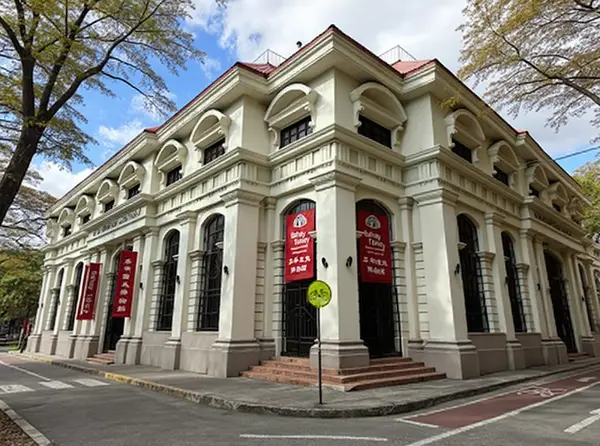
11. Visit Bahay Tsinoy Museum
Descubra o rico patrimônio dos chineses filipinos por meio de artefatos raros e histórias vívidas. Entre na história com sons e imagens que dão vida ao passado.
Fatos rápidos: O local apresenta as histórias de mais de 1,2 milhões de chineses filipinos e sua influência na cultura e história das Filipinas. As exposições incluem registros ancestrais intrincados e artefatos que datam de mais de 300 anos.
Destaques: Os visitantes podem experimentar uma exposição sonora única onde instrumentos chineses tradicionais são tocados ao lado dos sons antigos das ruas de Manila, criando um efeito imersivo de viagem no tempo. Um destaque inclui um diorama detalhado do distrito de Binondo como era no início dos anos 1900 com mais de 500 figuras em miniatura.
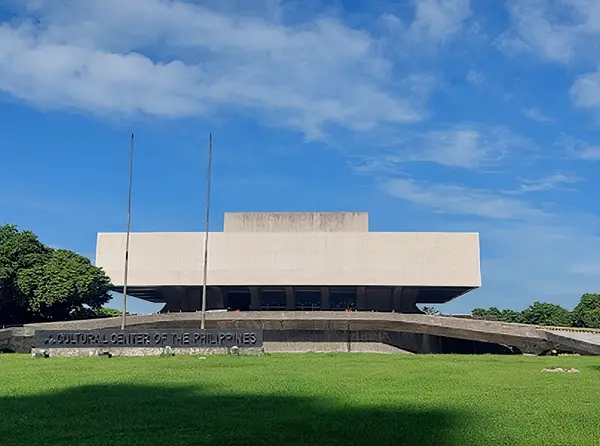
12. Cultural Center of the Philippines
Vivencie o pulsar das artes cênicas filipinas. Assista a peças dinâmicas, concertos e exposições em um ambiente arquitetonicamente único que celebra a cultura local.
Fatos rápidos: Uma característica marcante deste local é o tanghalang nicanor abelardo, um teatro conhecido pelo seu design acústico que permite que cada palavra e nota alcance claramente o último assento. Mais de 50 apresentações e exposições de arte acontecem aqui mensalmente, atraindo artistas e público de todo o país.
Destaques: Veja os artistas passarem uma tocha cerimonial antes de cada grande evento para honrar a arte filipina, uma tradição iniciada pelo diretor cultural original. O teatro principal acomoda 1.800 pessoas e possui um lustre feito de conchas de capiz, refletindo o artesanato local sob as luzes.
Where to Stay in Manila, Philippines
Selected by City Buddy based on guest reviews and proximity to top attractions
Search all hotels in Manila, PhilippinesPowered by agoda
Dias de abertura em Manila, Philippines
Quais das principais atrações fecham em qual dia da semana, o clássico estraga-planos, verificado para você.
segunda-feira: 9 de 19 atrações principais fechadas. Planeje museus para outro dia.
Fechado em segunda-feira · 9 fechado, 10 aberto
Dias de abertura do Google Maps (verificado em 2026-03-14). Feriados, greves e horários sazonais podem variar. Verifique o site oficial antes de ir.
Pratos doces tradicionais

halo-halo
Halo-halo literally means 'mix', it evolved from Japanese shaved ice and Filipino sweet preserves, and today its rainbow layers topped with leche flan or ube ice cream are a summer symbol across Manila.
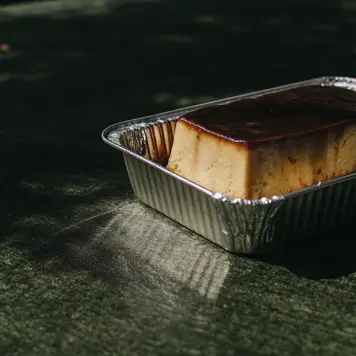
leche flan
Leche flan in the Philippines is denser and richer than its Spanish cousin because cooks use many egg yolks and condensed milk, and it is traditionally steamed in a tin mold called a llanera for a silky, custardy texture.

ube halaya
Ube halaya is a vivid purple jam made from purple yam, its color and nutty-sweet flavor turned it into a signature ingredient that elevates everything from halo-halo to pastries and ice cream.
Pratos salgados tradicionais
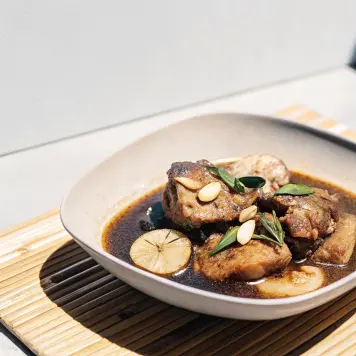
adobo
Adobo is more a method than a single recipe, vinegar and soy sauce preserve and flavor meat, and nearly every Filipino family in Manila guards a version they call their own.

sisig
Sisig began as a resourceful Kapampangan dish made from pig's head and ears, it was revived as a sizzling, tangy bar favorite in Manila and is often finished with a raw egg on the hot plate.
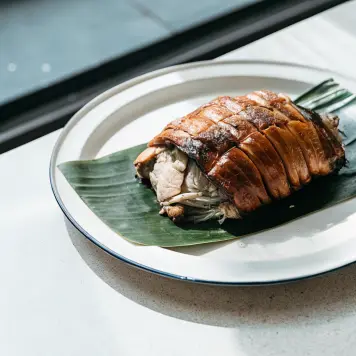
lechon
Lechon, a whole roasted pig with crackling skin and juicy meat, is the unmistakable centerpiece of Filipino fiestas and its carving announces celebration across Manila.
Bebidas tradicionais

sago't gulaman
Sago't gulaman pairs chewy tapioca pearls with jiggly agar jelly in a sweet brown sugar syrup, it became a beloved street drink because it is both refreshing and texturally playful.

buko juice
Buko juice is the clear, slightly sweet water from young coconuts, sold straight from halved shells by vendors and prized as a natural electrolyte on hot Manila days.

tuba
Tuba is freshly tapped coconut sap that ferments into a mildly alcoholic palm wine, it has long been woven into Filipino rituals and fiestas and can be distilled into the stronger spirit lambanog.
Saiba antes de ir
Quanto custa um dia em Manila e os golpes para evitar
Custo por pessoa por dia
Principais golpes para evitar
- Motoristas de aeroporto sem licença. Use o balcão oficial de táxi cupom dentro do terminal ou reserve pelo Grab no aplicativo antes de sair das chegadas.
- Adulteração de taxímetro. Verifique se o taxímetro foi zerado ao iniciar e se a tarifa corresponde à bandeirada diurna publicada. Prefira o Grab para preço fixo.
- Casas de câmbio com taxas ruins. Use agências bancárias ou casas de câmbio respeitáveis com taxas publicadas. Conte seus pesos no balcão antes de sair.
Taxi justo do aeroporto: 700 ₱ - 1 000 ₱ (10 € - 14 €)
Opção mais barata: Airport Jeepney ou o ônibus oficial do aeroporto/UV Express para áreas centrais como Baclaran ou estação de MRT Taft (50 ₱)
Todos os golpes, preços justos e regrasPerguntas frequentes sobre Manila, Philippines
Melhor época para visitar Manila, Filipinas?
Manila, Filipinas, é cara?
Como se locomover em Manila, Filipinas?
Manila, Filipinas, é segura para visitar?
Quantos turistas visitam Manila anualmente?
Receba um PDF com as atrações mais populares no seu e-mail
Receba um PDF com todas as atrações, avaliações e dicas. Perfeito para uso offline.
Passeios de um dia mais populares
Tagaytay (Taal view)
Cool ridge with panoramic views of Taal Volcano.
Taal Volcano (via Talisay)
Boat trip to the volcanic island on Taal Lake.
Pagsanjan Falls (Laguna)
Scenic gorge and classic canoe (shooting the rapids) trip.
Anilao (Mabini, Batangas)
Popular snorkeling/diving spot with clear waters.
Como chegar
Estações de trem
PNR South Main Line (to Laguna, Lucena, Bicol)
MRT-3 / LRT-2 (major Metro Manila interchange)
LRT-1 / connecting buses to airport/Metro
From NAIA take a metered taxi or Grab; expect heavy traffic—allow 1–2 hours.
Informações úteis para Manila, Philippines
Visão geral de Manila, Philippines
Quer um plano dia a dia para Manila, Philippines? Abra o planejador de viagem
Quando você vai para Manila, Philippines?
Escolha suas datas e estilo de viagem para receber:
Algum destes é especialmente importante para você?
Selecione todos que se aplicam
Como se locomover
Como você quer se deslocar entre os lugares?
Idioma do plano: PortuguêsMost popular itineraries for Manila, Philippines
Browse trip plans created by other travelers
14-Day Authentic Philippines Adventure for Budget Backpackers
Discover the Philippines off the beaten path from Manila's local streets to Balabac's rugged islands and Boracay's hidden coves in this budget-friendly, authentic 14-day journey.
15-Day Manila Spring Immersion
Discover Manila’s rich history, vibrant culture, and local flavors in this 15-day spring adventure through famous landmarks and authentic experiences.