 CityBuddy
 Português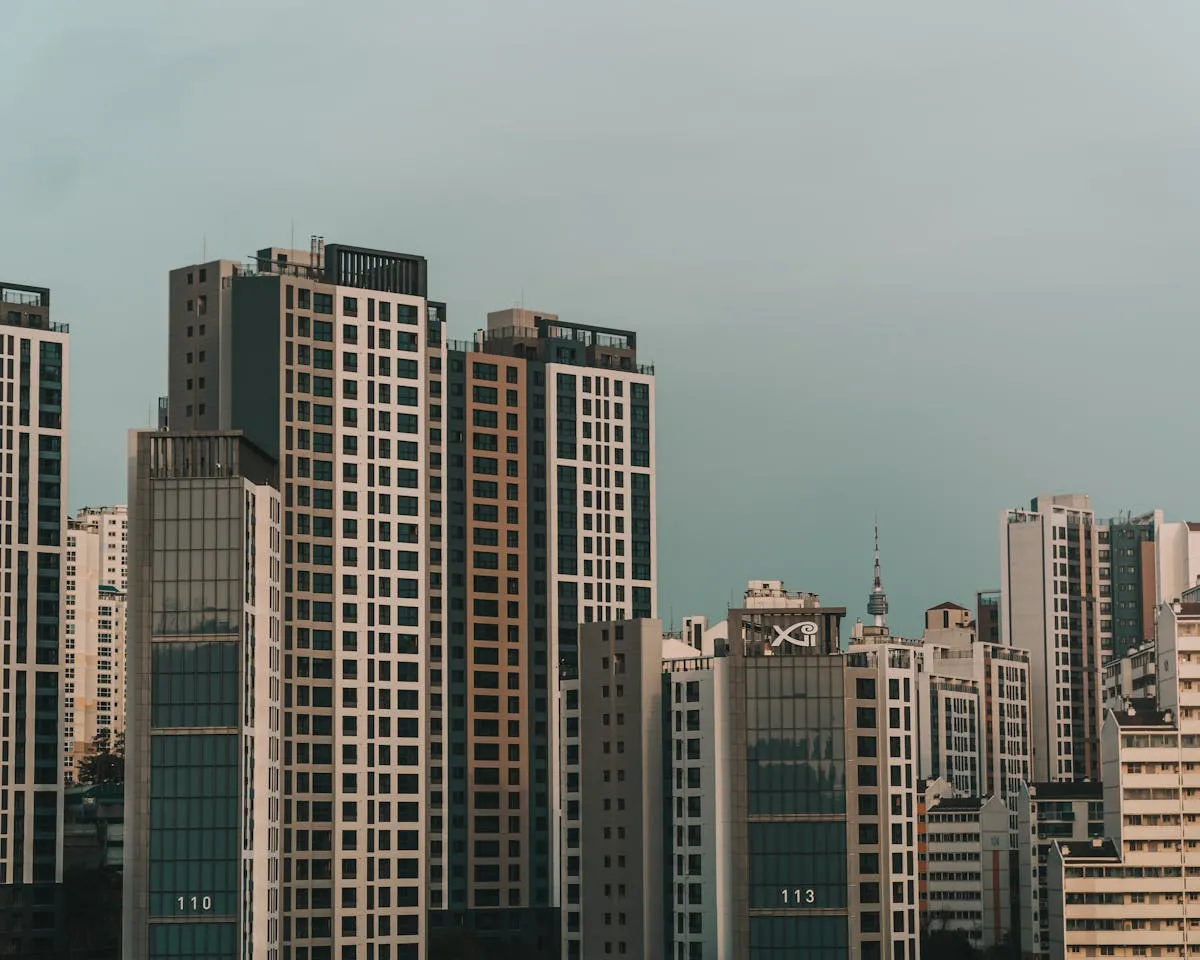
O que fazer em Seoul, South Korea
Foto feita por Jakob Jin no Pexels.com
Quando visitar
Seoul é a #6 cidade para amantes da gastronomia do mundo, com base em nossos dados de centenas de destinos.
Atrações mais populares em Seoul, South Korea
As melhores coisas para fazer em Seul, Coreia do Sul, incluem explorar o sereno Huwon (Jardim Secreto) dentro do Palácio Changdeokgung, passear pelas ruas tradicionais da Vila Bukchon Hanok e fazer compras na Rua de Compras de Myeongdong, onde mais de 1.000 lojas oferecem uma variedade de moda e cosméticos, a uma curta caminhada das movimentadas praças da cidade.
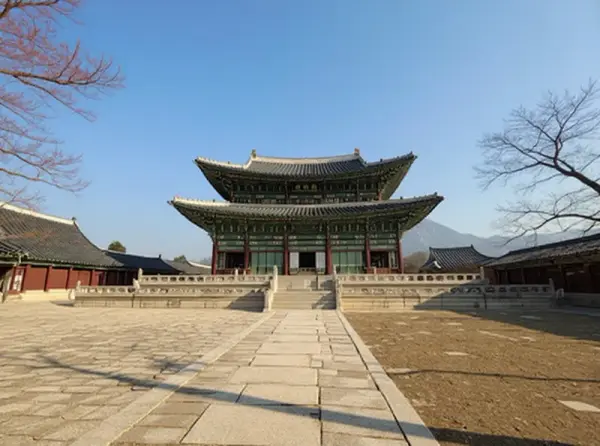
1. Gyeongbokgung Palace
Fatos rápidos: O amanhecer doura telhados de telha e beirais pintados vividamente, enquanto guardas do palácio em uniformes coloridos realizam a troca da guarda que enche o pátio de tambores e fanfarra. Visitantes podem passear por salões restaurados e jardins, com mais de mil artefatos e estruturas reconstruídas ajudando a recriar cerimônias reais e a vida cotidiana da corte.
Destaques: Imagine atravessar um portão concluído pela primeira vez em 1395, onde pilares laqueados de vermelho e padrões dancheong centenários brilham em turquesa e carmim sob o sol. Use um hanbok e a taxa de entrada de aproximadamente 3.000 won é dispensada, e você pode assistir a uma vívida Cerimônia de Troca da Guarda Real no portão principal, com trompas de metal, estandartes de seda e batidas de tambor que fazem a praça vibrar sob seus pés.
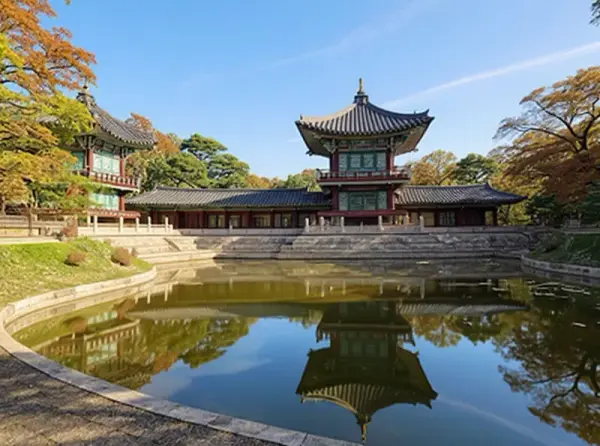
2. Changdeokgung Palace and Huwon (Secret Garden)
Secret Garden
Fatos rápidos: Passarelas de pedra frescas, o cheiro de pinho e lagos espelhados dão ao terreno uma atmosfera íntima e reflexiva, onde carpas deslizam sob beirais de madeira ornamentados. Um jardim real escondido se desenrola por caminhos sinuosos e árvores antigas, oferecendo pavilhões isolados e um silêncio que ainda parece um refúgio particular para quem explora.
Destaques: Concluído em 1405, o complexo real esconde um jardim traseiro de 78 acres onde reis certa vez faziam flutuar taças laqueadas por um riacho sinuoso para que cortesãos as pegassem e improvisassem poemas. Em manhãs silenciosas, o pavilhão de madeira sobre o lago Buyongji rodeado de lótus cheira levemente a resina de pinho, e os jardineiros ainda seguem planos de poda da era Joseon para manter vistas que combinam com pinturas de séculos atrás.
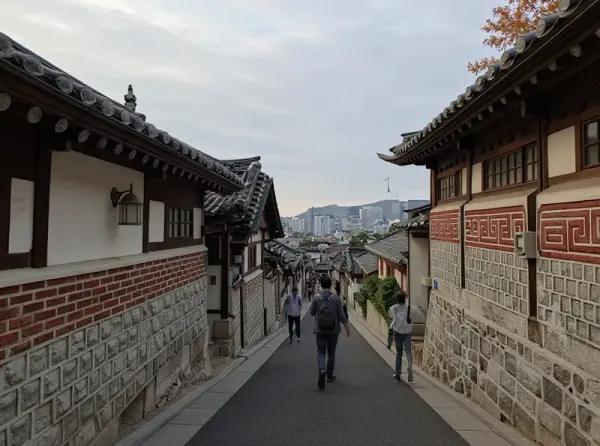
3. Bukchon Hanok Village
Fatos rápidos: A luz da manhã se espalha por fileiras de telhados baixos de telha e vigas de madeira, transformando vielas estreitas em um mosaico cinematográfico de sombra e textura. Muitas das centenas de casas tradicionais ainda são habitadas ou servem como pequenos museus, cafés, galerias e pousadas que os visitantes podem entrar ou onde podem se hospedar.
Destaques: Vielas de pedra sinuosas atravessam cerca de 900 hanoks de madeira, onde telhados curvos de telha e janelas de papel de arroz cor de mel fazem a luz do fim da tarde parecer xarope quente e o leve cheiro de pinho e brasas de ondol paira no ar. Muitos desses hanoks ainda são casas de família, não museus, então os moradores colocam cartazes educados pedindo silêncio e sem fotos com flash, e alguns abrem suas portas para cerimônias lentas de chá que recompensam visitantes respeitosos com assoalhos que rangem e xícaras de chá de cevada torrada.
4. Insadong
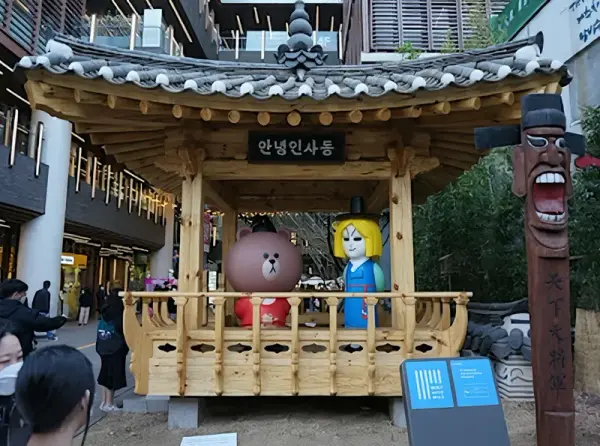
Fatos rápidos: Andando pelas vielas estreitas, você sentirá o cheiro de castanhas assadas e chá, enquanto lojas de artesãos exibem cerâmicas delicadas e caligrafia. Ruas exclusivas para pedestres nos fins de semana trazem apresentações pop-up e pechinchas surpreendentes em barracas de antiguidades, oferecendo uma mistura vibrante de velho e novo.
Destaques: Andando pela viela principal, você encontrará um complexo comercial espiralado ao ar livre construído em 2004, onde uma passarela contínua envolve um pátio ensolarado ladeado por dezenas de pequenas oficinas que vendem leques pintados à mão, cartões postais de hanji e pequenos artigos de metal que você pode ver serem martelados. Após o anoitecer, casas de chá aconchegantes que acomodam menos de dez pessoas servem chá de jujuba doce e encorpado de potes de barro, enquanto um idoso calígrafo em um banquinho dobrável se oferece para carimbar sua nova compra com seu selo vermelho laqueado, um pequeno ritual que os locais tratam como uma bênção.
5. Myeongdong Shopping Street
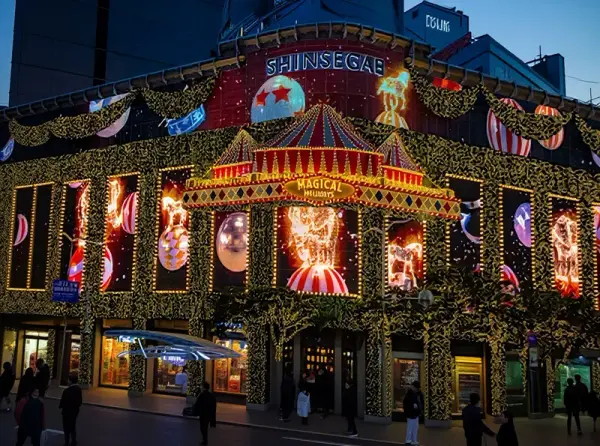
Fatos rápidos: Letreiros de neon e um burburinho incessante de vendedores de rua criam uma sobrecarga sensorial, com infinitos balcões de beleza e barracas de souvenirs que fazem a caça por pechinchas parecer uma caça ao tesouro. Espere multidões nos fins de semana que chegam a dezenas de milhares, além de barracas de comida noturna que servem tteokbokki chiando e hotteok regado a mel que mantêm as pessoas vagando por horas.
Destaques: Às 21h, a principal avenida de pedestres se enche de mais de 300 carrinhos de comida de rua vendendo tteokbokki chiando, hotteok fofinho e mandu salgado, enquanto letreiros de neon e caixas de som de K-pop transformam o ar em uma mistura efervescente de doce e salgado. Comerciantes antigos seguem um costume peculiar de jogar amostras extras de skincare ou um pedaço de hotteok grátis para compradores que barganham com um sorriso, e você frequentemente encontra danças improvisadas sob postes de luz enquanto as multidões mastigam e torcem.
6. N Seoul Tower (Namsan Seoul Tower)
Namsan Seoul Tower
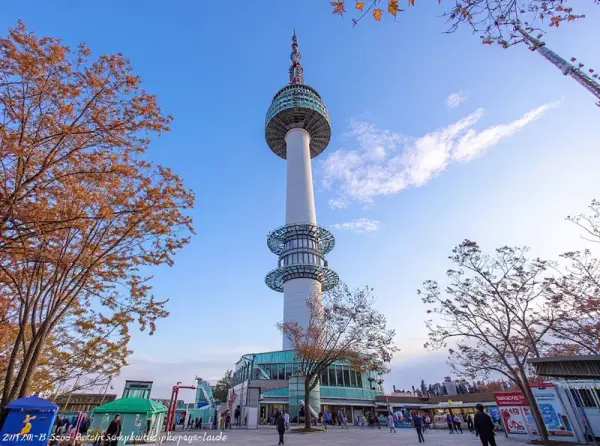
Fatos rápidos: Plataformas de observação com piso de vidro proporcionam uma emoção de vertigem enquanto as ruas da cidade encolhem sob seus pés, enquanto a iluminação LED coreografa shows de cores vibrantes que mudam a silhueta após o anoitecer. Casais do bairro prendem pequenos cadeados em grades próximas, criando um mosaico cintilante de promessas que rende fotos noturnas irresistíveis e um ritual local surpreendente.
Destaques: No mirante, casais e amigos prendem mais de 10.000 cadeados coloridos nas cercas de tela, alguns gravados com nomes e datas e outros pintados com pequenos corações que brilham ao sol. Após o anoitecer, a silhueta esbelta de 236 metros da torre percorre arco-íris de LEDs programados, centenas de luzes em sequências coreografadas enquanto uma brisa com cheiro de pinho e o zumbido distante da cidade fazem o lugar inteiro parecer uma festa de luz particular.
7. Dongdaemun Design Plaza (DDP)
DDP
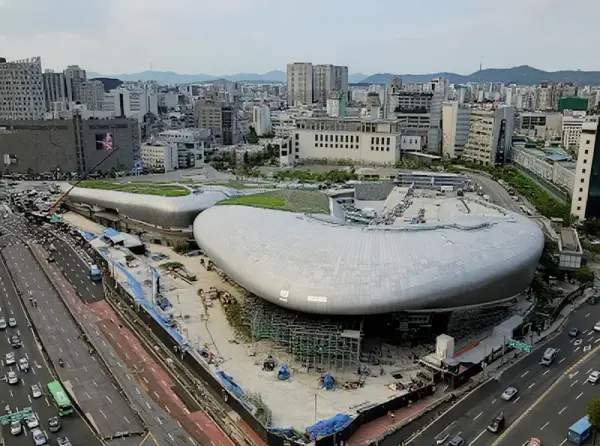
Fatos rápidos: Ao entrar, você sentirá como se estivesse caminhando por uma escultura de prata fluida, com curvas perfeitas e superfícies refletivas que espalham a luz em padrões mutáveis. LEDs brilhantes e um jardim na cobertura criam cantos tranquilos de admiração, enquanto desfiles de moda rotativos e exposições digitais mantêm o ambiente surpreendentemente animado.
Destaques: A estrutura swooping e futurista de Zaha Hadid parece metal derretido congelado no meio do fluxo, seus painéis de alumínio lisos e corredores arredondados capturando reflexos de neon e passos como um espelho líquido. Após o anoitecer, o local se torna uma colmeia noturna da moda: mercados atacadistas e estilistas freelancers negociam tecidos e protótipos até de madrugada, e exposições ocasionais espalham milhares de minúsculas "rosas" de LED que piscam sob os pés como uma constelação lenta.
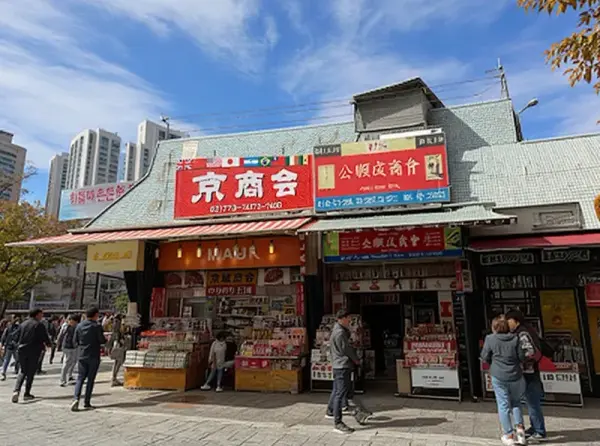
8. Namdaemun Market
Fatos rápidos: Compradores famintos serpenteiam por vielas estreitas onde barracas exalam aromas sizzling de comida de rua e letreiros de neon acenam para caçadores de pechinchas. Vendedores frequentemente exibem milhares de pequenos produtos por tipo, então você pode barganhar por tudo, desde têxteis vintage até utensílios de cozinha peculiares sem perder o ritmo.
Destaques: Percorra as vielas e você encontrará mais de 10.000 barracas minúsculas onde vendedores gritam ofertas, o ar é denso com o cheiro de gergelim torrado e o vapor doce de hotteok chiando em chapas às 4h da manhã; barganhar se torna um teatro animado enquanto atacadistas descarregam caixas de plástico na luz do amanhecer. Peça um desconto e veja um vendedor anotar um preço em um recibo amarelado com uma caneta azul, então colocar uma xícara fumegante de tteokbokki ou soondae em suas mãos como uma amostra grátis, o pequeno ritual geralmente transformando um preço negociado em um sorriso.
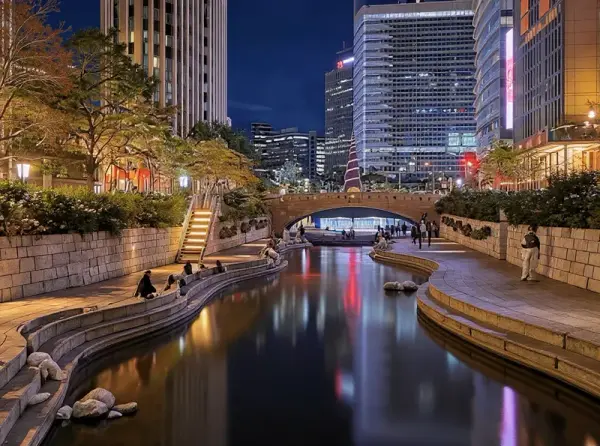
9. Cheonggyecheon Stream
Fatos rápidos: Caminhando ao longo do riacho urbano restaurado, você pode ouvir a água gotejante suavizar o rugido da cidade e observar peixinhos correndo entre as pedras de passagem. Iluminação noturna e pontes graciosas transformam um canal de concreto antes enterrado em uma fita verde e calma que atrai milhões de visitantes anualmente.
Destaques: Após uma ousada restauração em 2005, o canal de 10,9 quilômetros que havia sido enterrado sob rodovias se tornou um riacho raso e borbulhante ladeado por 22 pontes, onde o som constante da água abafa as buzinas dos carros e você pode ver esculturas de peixes de bronze e degraus de pedra cobertos de musgo. Ao anoitecer, dezenas de obras de arte iluminadas por LED e lanternas de papel sazonais flutuam na superfície, enquanto o ar carrega o cheiro mineral e fresco de pedra molhada e o aroma doce e fermentado de tteok vindo de barracas de rua, fazendo com que os passeios noturnos pareçam um mercado ribeirinho tranquilo escondido entre torres de vidro.
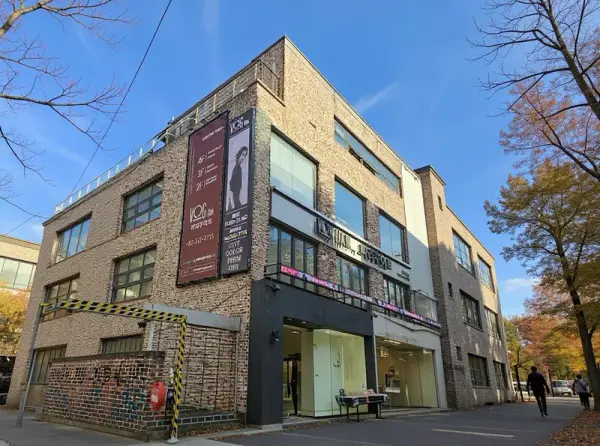
10. Hongdae (Hongik University Street)
Hongik University Street
Fatos rápidos: Ruas iluminadas por neon pulsando com artistas de rua ao vivo, bandas independentes e círculos de dança espontâneos transformam as noites em um festival de rua sem fim. Vagando entre pequenas galerias e cafés pop-up, você descobre zines peculiares, barracas de moda experimental e comida de rua que funde sabores tradicionais com toques modernos ousados.
Destaques: À noite, as ruas se transformam em um festival indie, com pelo menos 15 apresentações de rua amontoadas em um quarteirão de três ruas, letreiros de neon zumbindo acima e o aroma quente de tteokbokki picante e massa frita no ar. Um ritual local peculiar tem estudantes prendendo pequenos cadeados pintados e bilhetes escritos à mão em uma grade de metal baixa perto do parquinho, alguns cadeados datados de 2001 com rabiscos de caneta glitter e adesivos desbotados nas bordas.
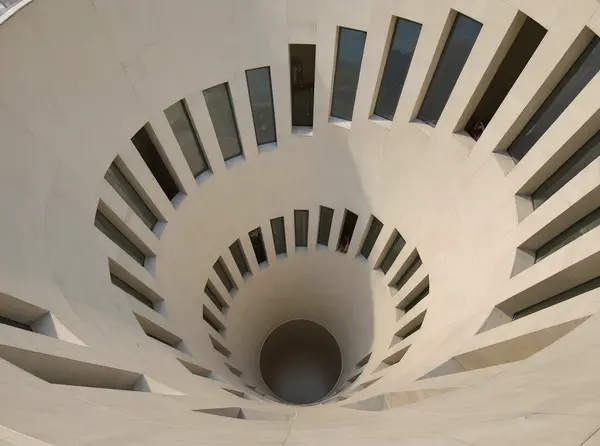
11. Visit Leeum Samsung Museum of Art
Explore mais de 10.000 obras de arte que combinam artesanato coreano antigo e arte moderna global. Experimente o contraste impressionante entre arquitetura inovadora e beleza atemporal.
Fatos rápidos: Flui através de uma arquitetura museológica que combina a estética tradicional coreana com linhas modernas, mais de 10.000 peças de arte estão aqui abrigadas, incluindo cerâmicas antigas e trabalhos contemporâneos. Os visitantes frequentemente notam como os três edifícios separados do museu oferecem experiências artísticas distintas, desde a arte tradicional coreana até peças modernas internacionais.
Destaques: O museu apresenta uma rara coleção de cerâmicas coreanas destacada por um sereno jardim de inspiração asiática onde é possível avistar esculturas em pedra únicas que datam de séculos atrás. Um dos edifícios foi projetado pelo famoso arquiteto Mario Botta, cujas formas geométricas ousadas contrastam fortemente com as outras estruturas projetadas por Jean Nouvel e Rem Koolhaas.
Where to Stay in Seoul, South Korea
Selected by City Buddy based on guest reviews and proximity to top attractions
Search all hotels in Seoul, South KoreaPowered by agoda
Dias de abertura em Seoul, South Korea
Quais das principais atrações fecham em qual dia da semana, o clássico estraga-planos, verificado para você.
segunda-feira: 2 de 9 atrações principais fechadas. Planeje museus para outro dia.
Fechado em segunda-feira · 2 fechado, 7 aberto
- Changdeokgung Palace and Huwon (Secret Garden)
- Visit Leeum Samsung Museum of Art
Dias de abertura do Google Maps (verificado em 2026-04-25). Feriados, greves e horários sazonais podem variar. Verifique o site oficial antes de ir.
Pratos doces tradicionais
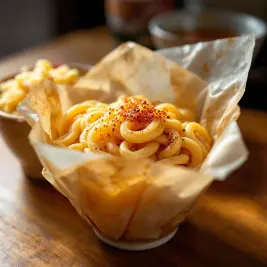
Hotteok
Hotteok are warm street pancakes filled with molten brown sugar, chopped nuts and cinnamon, and their syrupy interior spills out in a way that makes biting one a joyful, sticky ritual on Seoul's winter streets.
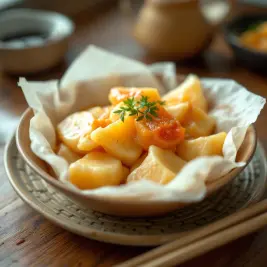
Yakgwa
Yakgwa are flower-shaped honey cookies fried and soaked in syrup, originally enjoyed at royal banquets and festive ceremonies, and their dense, chewy texture has kept them a celebratory treat for centuries.
Pratos salgados tradicionais

Kimchi
Kimchi ferments vegetables into a tangy, spicy powerhouse of probiotics and vitamins, and Koreans have developed hundreds of regional varieties that change with the seasons.
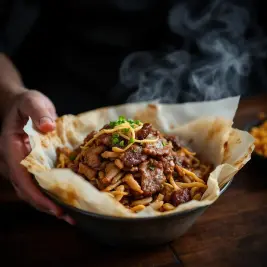
Bulgogi
Bulgogi is thinly sliced beef marinated in soy, sugar, garlic and sesame, grilled quickly until the edges caramelize, and it was historically a special-occasion dish that brings sweet and smoky notes to the table.
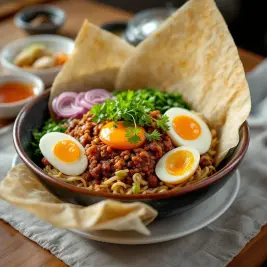
Bibimbap
Bibimbap layers rice with colorful vegetables, meat and gochujang for a balance of texture and flavor, and when served in a sizzling stone bowl it develops a crunchy, prized crust of rice.
Bebidas tradicionais
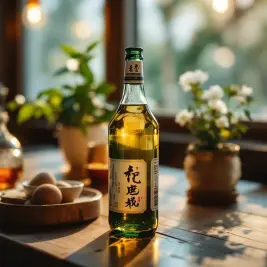
Soju
Soju is a clear, subtly sweet spirit sipped alongside meals, and it is the best-selling liquor in the world by volume, outselling many global favorites.

Makgeolli
Makgeolli is a milky, lightly fizzy rice wine once favored by farmers, its cloudy, unfiltered body carries tangy sweetness and live cultures that give it a rustic, probiotic quality.

Korean tea
Korean teas range from roasted barley boricha to delicate green tea and floral infusions, and the darye tea ceremony emphasizes simplicity and respect, making tea a practice of calm and seasonal appreciation.
Perguntas frequentes sobre Seoul, South Korea
Qual é a melhor época para visitar Seul, Coreia do Sul?
Seul, Coreia do Sul, é cara para os viajantes?
Quão segura é a água da torneira em Seul, Coreia do Sul?
Como os turistas normalmente se locomovem em Seul, Coreia do Sul?
Quantos turistas visitam Seul, Coreia do Sul a cada ano?
Receba um PDF com as atrações mais populares no seu e-mail
Receba um PDF com todas as atrações, avaliações e dicas. Perfeito para uso offline.
Passeios de um dia mais populares
Nami Island (Gapyeong)
Scenic island with tree-lined paths and a popular filming site.
DMZ / Panmunjom
Guided tours to the DMZ and the Joint Security Area.
Suwon — Hwaseong Fortress
UNESCO fortress with walls, gates and historic downtown.
Incheon — Chinatown & Songdo
Coastal city with modern Songdo and historic Chinatown.
Jeonju Hanok Village
Traditional hanok village famous for food and culture.
Como chegar
Estações de trem
Gyeongbu KTX, AREX, multiple subway lines
KTX (to Busan/Gwangju), ITX and regional services
Take the AREX Express from Incheon to Seoul Station (≈43 min) or airport limousine buses for direct hotel stops.
Informações úteis para Seoul, South Korea
Visão geral de Seoul, South Korea
Quer um plano dia a dia para Seoul, South Korea? Abra o planejador de viagem
Quando você vai para Seoul, South Korea?
Escolha suas datas e estilo de viagem para receber:
Algum destes é especialmente importante para você?
Selecione todos que se aplicam
Como se locomover
Como você quer se deslocar entre os lugares?
Idioma do plano: PortuguêsMost popular itineraries for Seoul, South Korea
Browse trip plans created by other travelers
11-Day Autumn Adventure in Seoul & Busan for Nature and Culture Lovers
Discover vibrant cityscapes, serene nature parks, hiking trails, rich history, and cultural gems on this immersive autumn journey from Seoul to Busan.
4-Day Summer Seoul Highlights and Summer Delights
Experience the vibrant culture, historic palaces, bustling markets, and trendy neighborhoods of Seoul in summer. Join a free walking tour to start, explore traditional and modern gems, and enjoy summer-specific activities.