 CityBuddy
 Português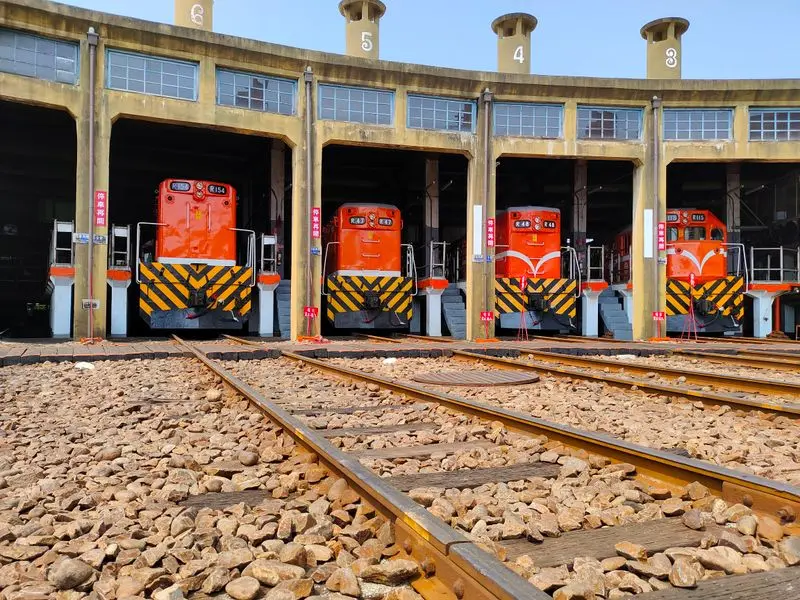
O que fazer em Changhua, Taiwan
Foto feita por 瑞宏 簡 no Pexels.com
Quando visitar
Atrações mais populares em Changhua, Taiwan
Visitantes em busca de atividades em Changhua, Taiwan, encontrarão uma combinação envolvente de história e cultura. O Grande Buda de Baguashan, com 22 metros, fica no topo de uma colina com vista para a cidade. A Rua Antiga de Lukang preserva um templo de 300 anos e um bairro de comerciantes com arquitetura tradicional. A Rotunda de Changhua, construída em 1922, oferece passeios diários para entusiastas de trem.
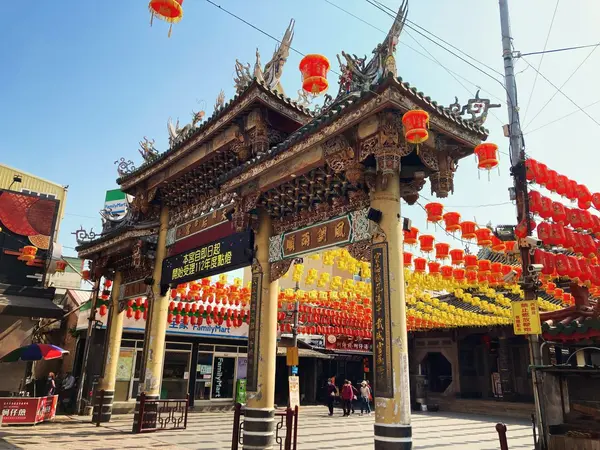
1. Lukang Old Street
Percorra becos estreitos onde artesanatos tradicionais sobrevivem há gerações e aromas de barracas de comida flutuam pelos pátios de templos antigos. Prove omeletes de ostra feitos na hora, veja lanternas sendo pintadas à mão e explore as vielas labirínticas que um dia confundiram piratas.
Fatos rápidos: Os becos sinuosos foram projetados como um labirinto para confundir piratas e proteger os moradores. Mais de 200 templos históricos salpicam a área, dando a ela uma das maiores densidades de templos de Taiwan.
Destaques: Entre no labirinto de nove curvas e dezoito becos, onde as paredes estreitam até quase a largura de um ombro, e você descobrirá uma oficina tradicional de lanternas que ainda usa molduras de bambu pintadas à mão por artesãos de quarta geração. O barulho dos martelos de madeira moldando tendões de boi em chinelos tradicionais ecoa pelos becos, um ofício que sobrevive aqui há mais de um século.
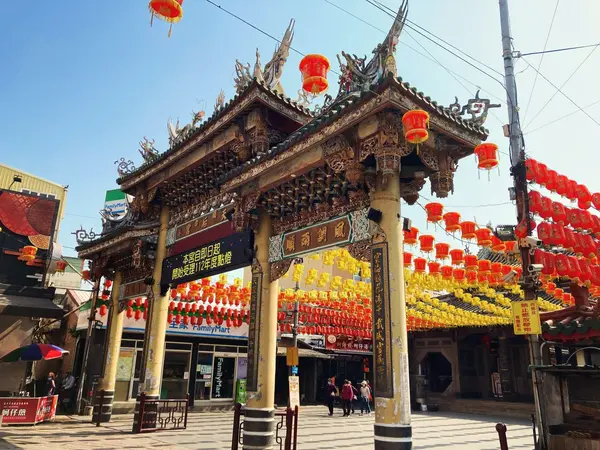
2. Lukang Tianhou Temple
Três séculos de arte e fé convergem em um único templo. Veja a fumaça de incenso passar pela caligrafia antiga enquanto moradores locais rezam ao seu lado.
Fatos rápidos: Um par de pilares de pedra em forma de dragão ladeando a entrada principal foram esculpidos em blocos únicos de granito há três séculos. Mais de 10 mil peregrinos passam por esses portões durante as celebrações anuais do aniversário de Mazu.
Destaques: Acima do altar principal, um teto octogonal de madeira chamado bagua zaojing usa 16 camadas de encaixes entrelaçados mantidos juntos sem um único prego. Cada painel esculpido ao redor da borda representa um milagre diferente da vida da deusa do mar, com o centro deixado intencionalmente aberto para que as orações possam subir diretamente.
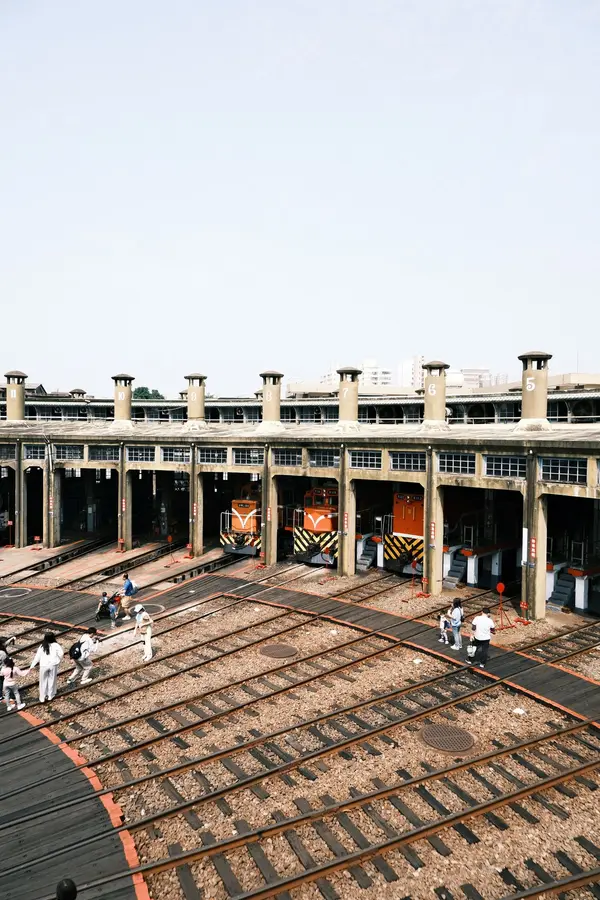
3. Changhua Roundhouse
A única rotunda em operação em Taiwan onde locomotivas a vapor ainda chegam para manutenção. Veja motores gigantes de ferro girarem na plataforma giratória manual e caminhe até bem perto dos trilhos.
Fatos rápidos: Uma das últimas rotundas de locomotivas a vapor em funcionamento de Taiwan, seu projeto em forma de leque abriga uma dúzia de trilhos que irradiam de um carrossel central. O carrossel ainda gira hoje, operado manualmente para manobrar as locomotivas até seus compartimentos designados, como uma bússola ferroviária gigante.
Destaques: Ao contrário das peças de museu trancadas atrás de vidro, esta rotunda de 102 anos continua sendo um depósito de manutenção totalmente funcional, onde os mecânicos ainda lubrificam rolamentos e alimentam as fornalhas de locomotivas a vapor vivas. Observe com admiração uma locomotiva de 100 toneladas subir no carrossel e girar com um gemido mecânico, alinhando-se perfeitamente ao seu compartimento em menos de dois minutos.
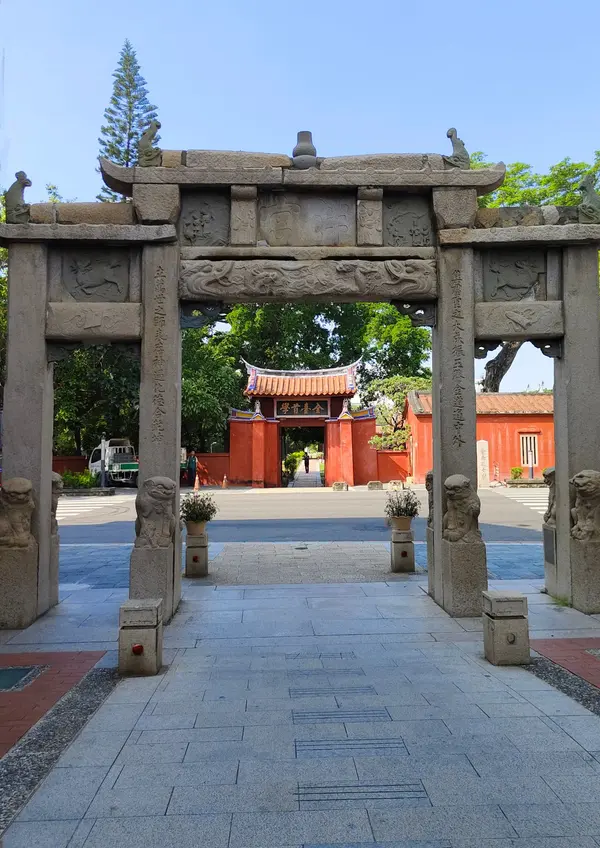
4. Changhua Confucius Temple
Entre em um pátio tranquilo onde séculos de estudiosos já buscaram sabedoria. Espere entalhes ornamentados, um lago sereno e o leve aroma de incenso pairando no ar.
Fatos rápidos: Aproximadamente 300 anos de cerimônias acadêmicas aconteceram sob estes telhados curvos imponentes. Todos os anos, duas grandes cerimônias homenageiam Confúcio com música, dança e animais sacrificados, uma tradição que permanece praticamente inalterada desde a dinastia Qing.
Destaques: É um dos templos de Confúcio mais antigos de Taiwan, e a tinta vermelha e verde desbotada nos pilares conta a história de séculos de fumaça de incenso. Olhe atentamente para os cumes do telhado, você verá pequenas figuras de cerâmica de estudiosos e imortais, cada uma colocada ali para proteger a missão acadêmica do templo.
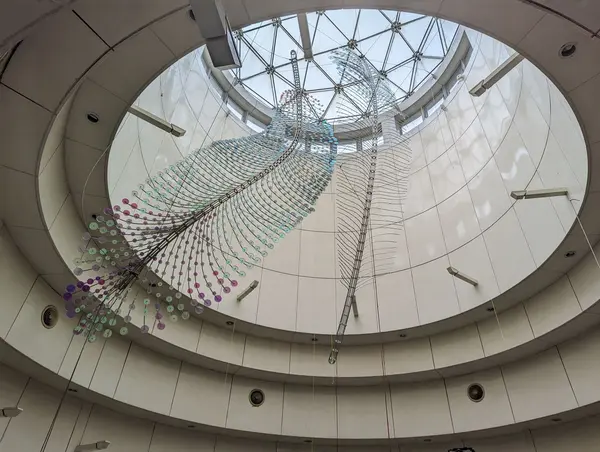
5. Taiwan Glass Gallery
Entre em um mundo onde tudo brilha, de lustres a prédios inteiros. Você caminhará por uma catedral de vidro, cruzará uma ponte transparente e verá artistas soprando vidro derretido até virar arte diante dos seus olhos.
Fatos rápidos: Aproximadamente 2.000 esculturas de vidro, instalações e objetos do dia a dia preenchem os salões de exposição de vários andares aqui. A coleção varia de delicados vasos soprados a uma réplica completa em vidro de um mercado de rua tradicional, todas criadas por artesãos taiwaneses.
Destaques: A joia da coroa é uma réplica em escala real de uma catedral de vidro feita com mais de 2.000 painéis de vidro individuais, e os visitantes podem realmente caminhar pelo seu interior brilhante e translúcido. No terraço, você encontrará uma ponte de vidro que se estende sobre o parque abaixo, permitindo que você fique em um piso transparente bem acima do chão, com todo o complexo refletido sob você.
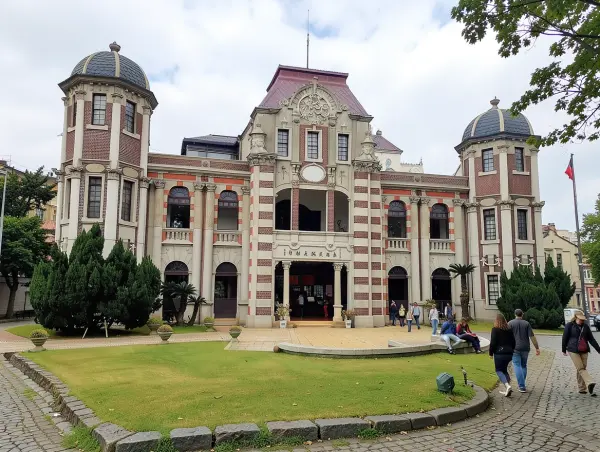
6. Lukang Folk Arts Museum
Entre em uma mansão barroca de 1919 onde a família mais poderosa de Taiwan já viveu. Percorra salas repletas de 3.000 artefatos do cotidiano, de vestidos de noiva de seda a brinquedos centenários e utensílios de cozinha.
Fatos rápidos: Uma mansão em estilo barroco de 1919 pertenceu à família Koo, um dos clãs mais influentes de Taiwan durante a era colonial japonesa. Mais de 3.000 artefatos enchem os cômodos, desde uma luxuosa cama de casamento entalhada até fonógrafos antigos e cachimbos de ópio.
Destaques: A própria mansão foi a residência de Koo Hsien-jung, o homem que famosamente abriu os portões de Taipei para as forças japonesas em 1895, mudando para sempre a trajetória de Taiwan. Os visitantes ainda podem ver a mesa de jantar original da família com porcelanas, como se os Koos tivessem acabado de se levantar de um jantar formal.
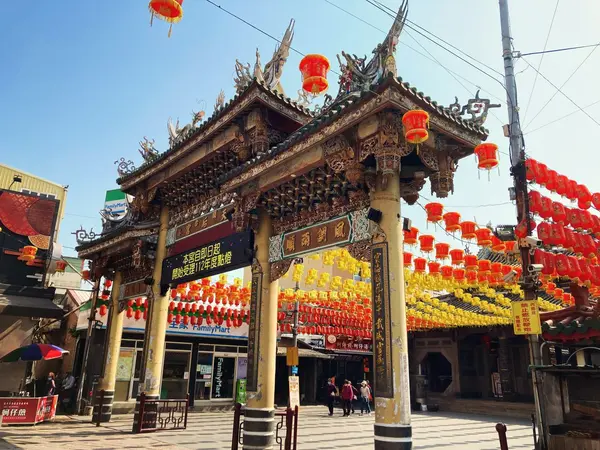
7. Qingshuiyan Temple
Um templo de 300 anos onde antigas árvores de cânfora guardam uma nascente natural e vagalumes dançam nas noites de primavera. Percorra pátios tranquilos, tome chá junto ao riacho da montanha e veja monges varrendo musgo dos caminhos de pedra.
Fatos rápidos: Três antigas árvores de cânfora fazem sombra nos pátios, uma delas com mais de 300 anos e 20 metros de largura. Uma nascente natural ainda corre ao lado do santuário, dando ao templo seu nome, que significa "água clara".
Destaques: Todo mês de abril, milhares de vaga-lumes piscam pelos caminhos da floresta ao redor, transformando a encosta em uma constelação viva. O mestre de caligrafia residente do templo dá aulas gratuitas nos fins de semana, permitindo que os visitantes pintem seus próprios desejos em placas de madeira para pendurar junto à nascente.
8. Tianwei Highway Garden
Pedale por campos infinitos de estufas cheias de flores onde os produtores de flores de Taiwan fazem seu trabalho. Você pode parar em qualquer viveiro, comprar uma orquídea em vaso por menos de US$ 5 e ver os produtores embrulhá-la recém-saída da estufa.
Fatos rápidos: Mais de 200 lojas de jardinagem e viveiros alinham-se nas estradas aqui, tornando este um dos maiores centros de distribuição de flores da Ásia. A área fornece quase 70% das plantas ornamentais e flores cortadas de Taiwan, mudando de cores a cada estação enquanto crisântemos, poinsétias e girassóis florescem em seus devidos tempos.
Destaques: Diferente de um único jardim bem cuidado, este é um mercado vivo de 4,8 quilômetros onde você percorre viveiros e estufas em funcionamento, comprando diretamente dos produtores que os cultivam. A mágica real acontece ao entardecer, quando milhares de pequenas luzes de fada penduradas entre as estufas acendem, transformando toda a área em um paraíso brilhante.
Where to Stay in Changhua, Taiwan
Selected by City Buddy based on guest reviews and proximity to top attractions
Search all hotels in Changhua, TaiwanPowered by agoda
Dias de abertura em Changhua, Taiwan
Quais das principais atrações fecham em qual dia da semana, o clássico estraga-planos, verificado para você.
segunda-feira: 3 de 8 atrações principais fechadas. Planeje museus para outro dia.
Fechado em segunda-feira · 3 fechado, 5 aberto
Dias de abertura do Google Maps (verificado em 2026-06-27). Feriados, greves e horários sazonais podem variar. Verifique o site oficial antes de ir.
Pratos doces tradicionais
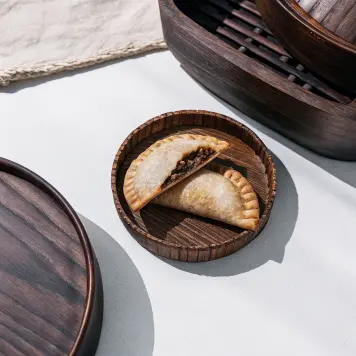
Lukang Ox Tongue Pastry (牛舌餅)
Despite its name, this pastry contains no ox tongue. It is a thin, crispy, maltose-filled biscuit shaped like an ox tongue, and Lukang is the most famous place in Taiwan to buy it.
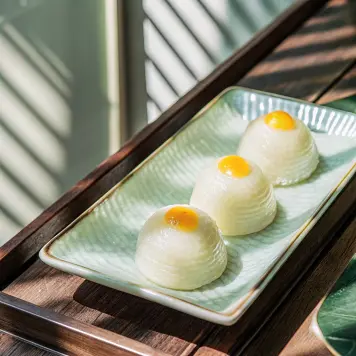
Phoenix Eye Cake (鳳眼糕)
This delicate, crumbly white pastry is made from premium glutinous rice flour and sugar. It gets its name from its oval shape resembling a phoenix eye, and it was once a tribute snack served to Qing Dynasty officials.
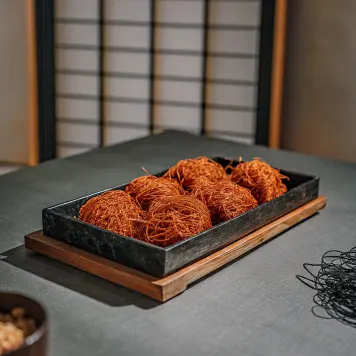
Dragon Beard Candy (龍鬚糖)
This traditional Chinese candy is made by pulling sugar into thousands of fine, hair-like strands, resembling a dragon's beard. It is filled with crushed peanuts, sesame seeds, and coconut, and Lukang is one of the best places to watch it made by hand.
Pratos salgados tradicionais
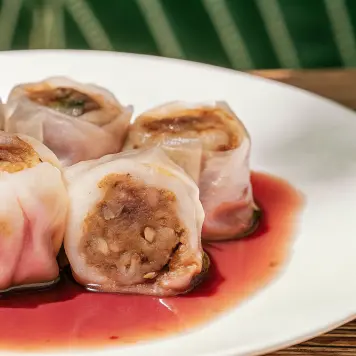
Changhua Meatballs (彰化肉圓)
Changhua meatballs are arguably the most famous ba wan in Taiwan. Unlike other versions, they are steamed then deep-fried, giving them a crispy exterior, and they are served with a sweet and savory brown sauce.
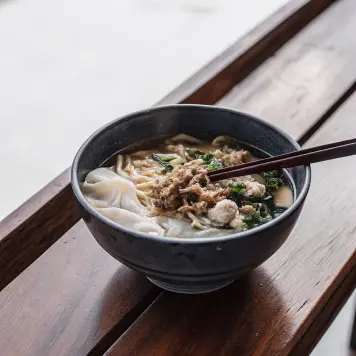
Cat and Mouse Noodles (貓鼠麵)
Despite its unusual name, this dish contains no cat or mouse. It was named after the nickname of its creator who was called "cat and mouse" for his agility, and the noodle soup features a rich, clear broth with ground pork and tender wontons.
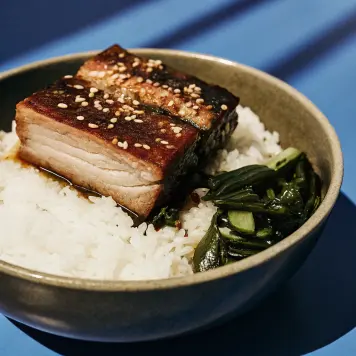
Changhua Braised Pork Rice (彰化爌肉飯)
Changhua is famous for its braised pork rice, featuring a massive, tender slab of pork belly slow-braised in soy sauce and spices. It is so beloved that many shops sell it as a late-night or breakfast staple, with some restaurants operating 24 hours a day.
Bebidas tradicionais
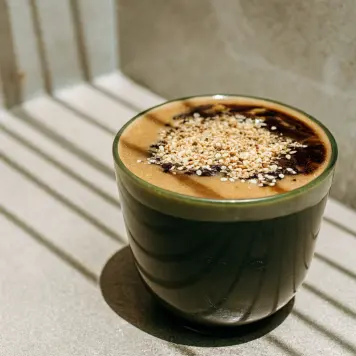
Mian Cha (麵茶)
Mian Cha is a warm, thick, porridge-like drink made from toasted wheat flour, sesame seeds, and sugar. It was originally a filling breakfast for farmers and is still a beloved nostalgic street drink in Lukang, Changhua.

Sour Plum Drink (酸梅湯)
This tangy and refreshing drink is made by simmering smoked plums, hawthorn, licorice, and rock sugar for hours. It is a classic accompaniment to heavy street food in Changhua and is believed to aid digestion on hot days.
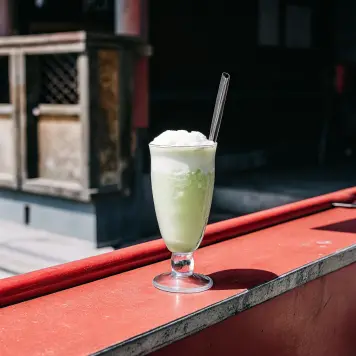
Mung Bean Shake (綠豆沙)
This creamy, slushy drink is made by blending cooked mung beans with ice and sugar until smooth. In Changhua's Lukang district, it is a wildly popular summer treat sold at iconic old-school stalls that have been operating for decades.
Receba um PDF com as atrações mais populares no seu e-mail
Receba um PDF com todas as atrações, avaliações e dicas. Perfeito para uso offline.
Passeios de um dia mais populares
Lukang Old Town
Historic port town with ancient temples, narrow alleys, and traditional crafts
Baguashan Great Buddha
Iconic hilltop Buddha statue with panoramic city views and hiking trails
Taichung City
Vibrant city with night markets, museums, and Rainbow Village
Xitou Nature Area
Mountain forest reserve with bamboo groves and suspension bridges
Como chegar
Estações de trem
Taiwan Railway West Coast Line (TRA)
Taiwan High Speed Rail connecting Taipei to Kaohsiung
From Taichung HSR station, take local TRA train or bus to Changhua Station in about 15 minutes. From Taichung Airport, take bus to Changhua.
Informações úteis para Changhua, Taiwan
Visão geral de Changhua, Taiwan
Quer um plano dia a dia para Changhua, Taiwan? Abra o planejador de viagem
Quando você vai para Changhua, Taiwan?
Escolha suas datas e estilo de viagem para receber:
Algum destes é especialmente importante para você?
Selecione todos que se aplicam
Como se locomover
Como você quer se deslocar entre os lugares?
Idioma do plano: Português