CityBuddy
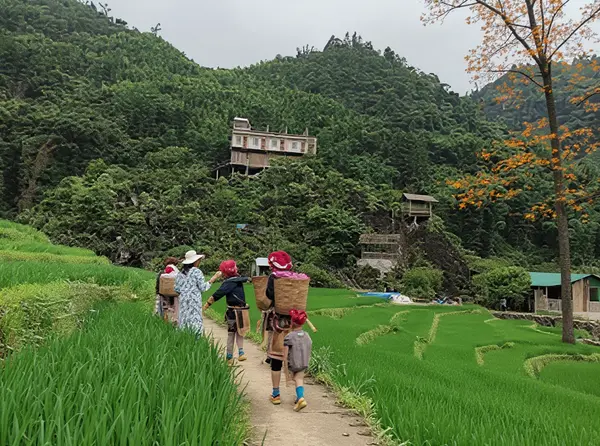
Ta Phin Village (Bản Tả Phìn)
Melhor época para visitar
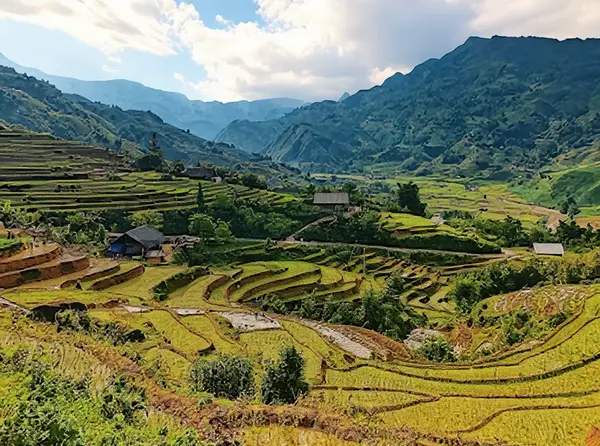
Early morning or late afternoon for soft light, cooler air, and fewer day-trippers. October-November shows golden rice terraces; February-April brings clearer skies and spring blooms.
Dicas para economizar
Small local entrance fee or voluntary donation is common, usually under 50,000 VND; no national park pass required. Bargain politely on home-visit fees and buy textiles directly from makers to save money.
Recomendado para
Cultural travelers, Photography enthusiasts, Slow travelers, Families with older children
Planeje sua visita
2-3 hours
Sobre
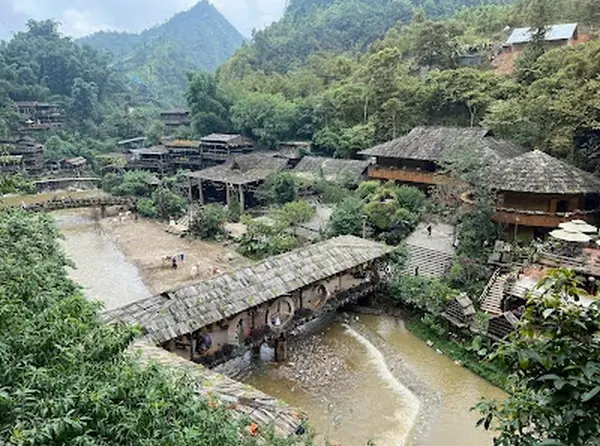
Fatos rápidos: Steep stone lanes thread between wooden stilt houses, where Red Dao and Black Hmong women sell indigo-dyed textiles and tiny mirrored coin embroideries. A smoky scent of wood fires mixes with fresh herbs, and lively markets awake with bargaining in a chorus of local dialects.
Destaques: A Red Dao elder named Hoa will sometimes demonstrate hand-mixing indigo, counting three handfuls of leaves and letting the vat rest exactly five hours to reach its deep, velvety blue. Morning brings a rhythmic ritual as women beat hemp on wooden boards, the percussive sound carrying across the valley for nearly a kilometer and making the whole place feel alive and private.
Dicas de quem conhece
- Wear sturdy shoes and a light rain jacket, trails can be muddy after rain.
- Visit in the early morning or late afternoon for the best light and far fewer tour groups.
- Carry small-denomination Vietnamese dong for entrance fees, tips, and purchases; ATMs are scarce in the village.
- Skip staged photo stalls and always ask permission before photographing people, offering a small tip if they agree.
Where to Stay in Sapa
Selected by City Buddy based on guest reviews and proximity to top attractions
Search all hotels in SapaPowered by agoda