 CityBuddy
 العربية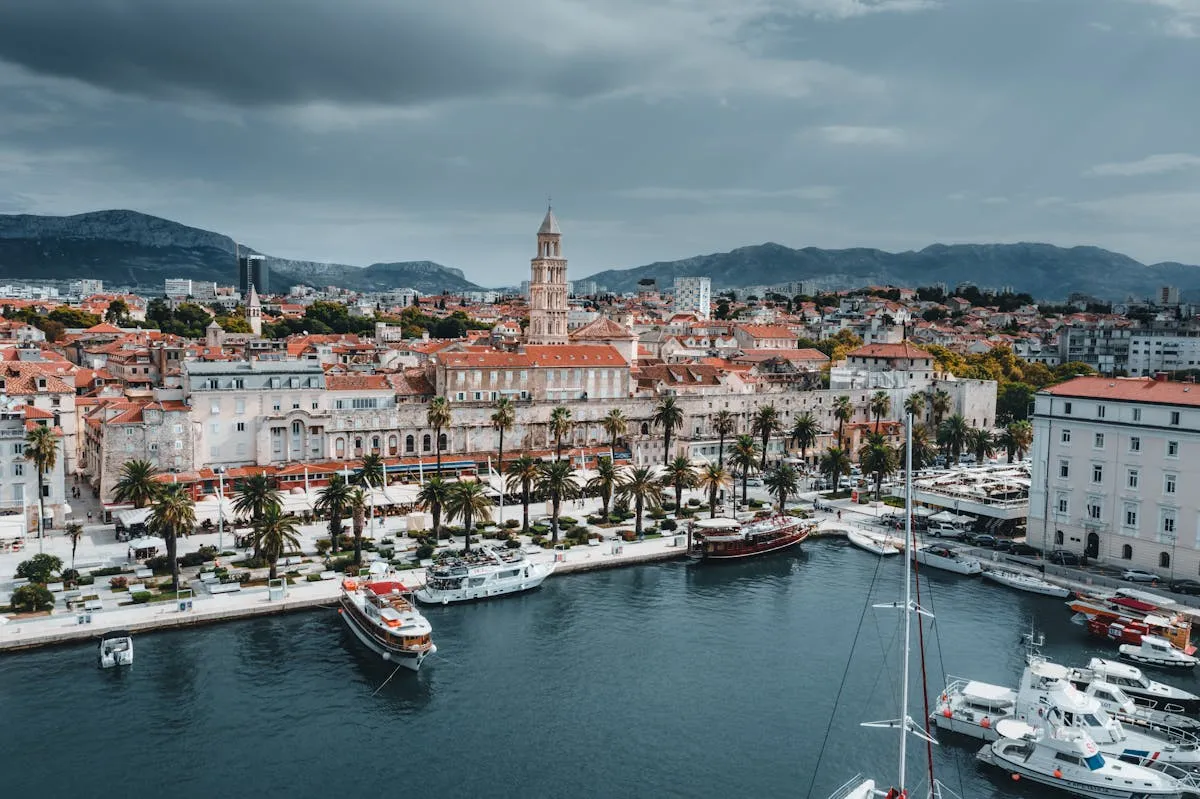
أشياء يمكنك القيام بها في Split, Croatia
الصورة من تصوير Luciann Photography على Pexels.com
متى تزور
أشهر المعالم في Split, Croatia
تشمل الأنشطة التي يمكن القيام بها في سبليت، كرواتيا، استكشاف قصر ديوكلتيانوس، وهو بناء روماني ضخم في قلب المدينة، وصعود برج جرس كاتدرائية القديس دومنيوس للاستمتاع بإطلالات على البلدة القديمة. كما يوفر التنزه على طول الكورنيش الحيوي ريفا مكانًا مثاليًا للاسترخاء والاستمتاع بنسيم البحر الأدرياتيكي.
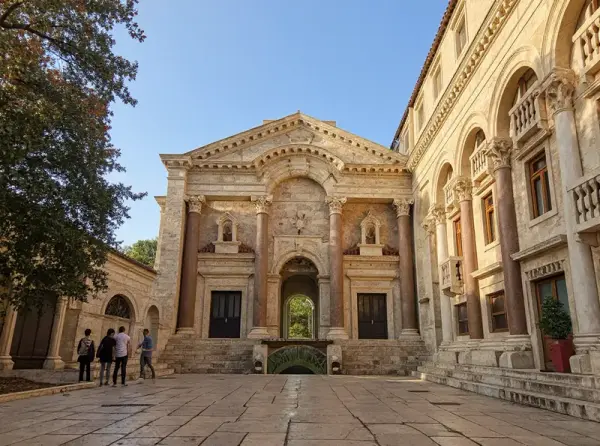
1. Diocletian's Palace
تجول داخل قصر إمبراطور روماني حي واشعر بـ 1700 عام من التاريخ. انزل إلى البنى التحتية، تسلق برج الجرس، وتمش في شوارع رخامية نابضة بالحياة.
حقائق سريعة: تجول في الأزقة الجيرية وستسمع طبقات من التاريخ تحت قدميك، حيث تندمج الأعمدة الرومانية في الواجهات العادية وترتفع كاتدرائية من ضريح إمبراطوري. تحتل المقاهي والمتاجر المحلية أقبية أصلية لا تزال تفوح منها رائحة ملح البحر والخبز المخبوز، ويقدر صانعو الأفلام الغرف تحت الأرض السليمة لأجوائها السينمائية.
النقاط البارزة: مجمع تقاعد بني حوالي عام 305 ميلادي للإمبراطور ديوكلتيانوس لا يزال يبدو مأهولا بشكل غريب، بجدران حجرية سمكها متر ونصف، وأرضيات رخامية مصقولة بالشمس، وأزقة ضيقة حيث تتردد أصداء خطى قرون مثل طبلة بطيئة جوفاء. كل مساء يجتمع مغنو الكلابا المحليون في الرواق المركزي ليصدحوا بتناغمات كابيلا متعددة الطبقات تلتصق بالأقبية الباردة المضاءة بالشموع أدناه، والهواء الرطب المليء برائحة إكليل الجبل في الأقبية تحت الأرض ضاعف مرة كموقع لتصوير مسلسل صراع العروش.
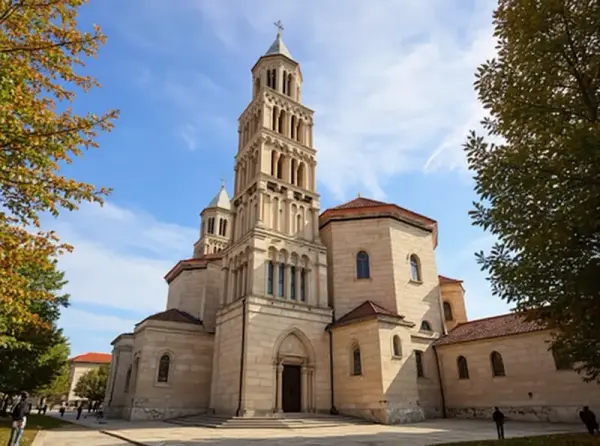
2. Cathedral of Saint Domnius (Katedrala Svetog Duje)
Katedrala Svetog Duje
ضريح روماني تحول إلى كاتدرائية سبليت، حيث تلتقي طبقات الإمبراطورية والإيمان. تسلق برج الجرس لإطلالات شاملة على المدينة والبحر، واستكشف الخزينة المزخرفة.
حقائق سريعة: يتوهج الحجر الجيري الذهبي عند الغسق، وصعود ضيق إلى برج الجرس يفتح إطلالات شاملة تخيط الجدران الرومانية بالميناء الحيوي وأسقف القرميد الأحمر. في الداخل، أعيد استخدام أعمدة ونقوش ضريح إمبراطوري لتصبح ملاذا مسيحيا، لذا فإن كل قوس وفسيفساء يبدو وكأنه محادثة متعددة الطبقات بين الحرفيين الرومان والبنائين في العصور الوسطى.
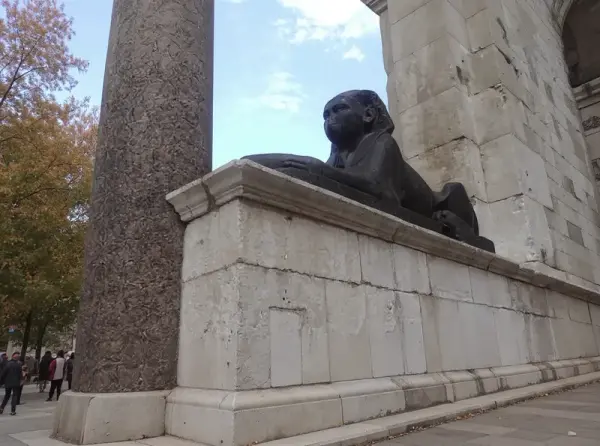
النقاط البارزة: اصعد برج الجرس الذي يبلغ ارتفاعه 57 مترا للحصول على بانوراما مذهلة حيث يلتقي الحجر الروماني الدافئ بالشمس بالأسقف ذات القرميد الأحمر، واكتشف تماثيل أبو الهول المصرية الصغيرة ونقوشا لاتينية متآكلة كانت تزين ضريح الإمبراطور ديوكلتيانوس من القرن الرابع. ادخل إلى الداخل وسيقف المذبح داخل تلك القاعة الإمبراطورية المستديرة بالذات، لذا يمكنك تمرير أصابعك على الأعمدة المضلعة المنحوتة في العصور القديمة المتأخرة وتتخيل كيف وطأت أقدام الأباطرة والعباد في العصور الوسطى نفس الرخام المتآكل.
3. Peristyle (Peristil)
Peristil
قف في فناء إمبراطوري روماني عمره 1700 عام، محفوظ بشكل لا تشوبه شائبة. استمع إلى المطربين الأحياء تحت الرواق، وصور برج الجرس المطوق بأعمدة رخامية.
حقائق سريعة: ادخل إلى ساحة رخامية مضيئة حيث يميل ضوء الشمس بين الأروقة المعمدة، ويصبح صدى الخطى في كثير من الأحيان موسيقى تصويرية مرتجلة. لا يزال الموسيقيون والممثلون المحليون يستخدمون المساحة لعروض مجانية، والفحص الدقيق يكشف عن نقوش متآكلة وشظايا فسيفساء مطمورة في أحجار الرصف.
النقاط البارزة: مرر يدك على ألواح الرخام الرومانية الأصلية، بعضها مصقول ومشرق بحوالي 1700 عام من الخطى المتواصلة، وشاهد ضوء أواخر المساء يتدفق عبر الرواق مثل كشاف دافئ. عند الغسق، لا تزال مجموعات الكلابا المحلية المكونة من 5 إلى 12 مغنيا تتجمع لتقديم غناء كابيلا متعدد الأجزاء دون تضخيم، حيث ترتد الأصوات عن الحجر بوضوح بحيث يمكنك تمييز النغمات الفردية وإحصاء التناغمات بالأذن.
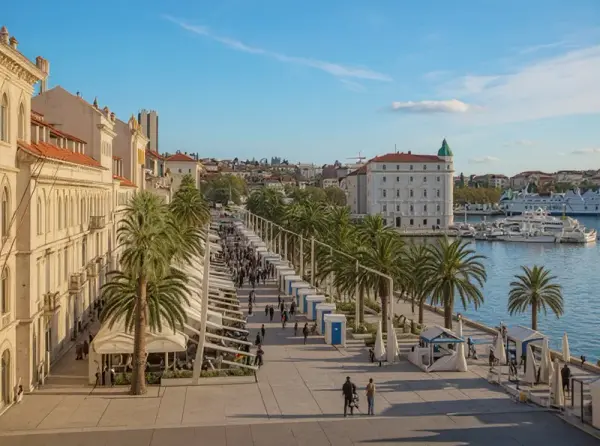
4. Riva (Split Waterfront Promenade)
Split Waterfront Promenade
واجهة سبليت البحرية بمقاهيها المظللة بأشجار النخيل وإطلالاتها على القصر. تمش على الواجهة البحرية، شاهد العبارات وفناني الشارع، واستمتع بالحياة الدالماسية.
حقائق سريعة: الرخام الدافئ تحت أشعة الشمس يجعل مدرجات المقاهي تلمع، بينما تخلق أشجار النخيل واستعراض القوارب المنتظم خلفية مفعمة بالحيوية لمشاهدة الناس. استمع إلى غناء الكلابا العفوي وقعقعة الكؤوس، وهي موسيقى تصويرية مالحة تحول نزهة مسائية إلى طقس ليلي.
النقاط البارزة: في ليالي الصيف، تتجمع مجموعات كابيلا صغيرة من 6 إلى 8 مغنين تحت أشجار الدلب ويتبادلون القصائد الدالماسية القديمة، أصواتهم المتناغمة المتقاربة تطفو فوق المد لدرجة أن المارة يتوقفون في منتصف الحديث. تتلألأ بلاطات الحجر الجيري البيضاء تحت أشعة الشمس عند الظهيرة، وتضع المقاهي كراسيها على بعد بوصات من الماء، ويمكنك تذوق رذاذ البحر المالح الممزوج بالإسبريسو وجيلاتو الليمون في الهواء.
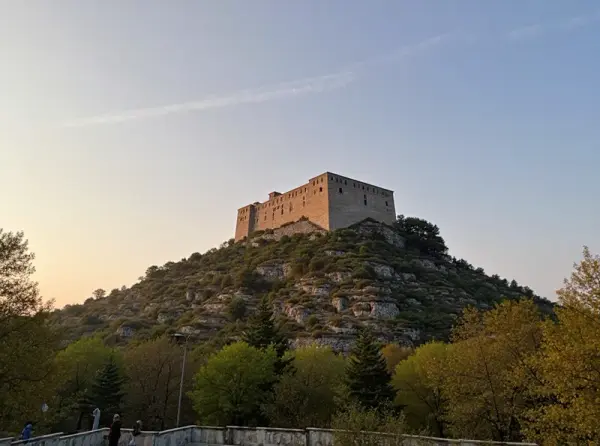
5. Marjan Hill / Marjan Forest Park (Vidilica viewpoint)
Vidilica viewpoint
إطلالات بانورامية على سبليت والبحر الأدرياتيكي من تل مغطى بأشجار الصنوبر تجعل فيديليكا تستحق الصعود. ممرات قصيرة شديدة الانحدار تؤدي إلى مصاطب حجرية مثالية لتصوير شروق الشمس وغروبها.
حقائق سريعة: الحجر الدافئ تحت الشمس والهواء المليء برائحة الصنوبر يؤطران نقطة مراقبة على قمة تل تقدم إطلالات بحرية شاملة وشبكة مدهشة من المسارات حيث يركض السكان المحليون ويتنزهون العائلات. على طول المسارات ستلاحظ كنائس صغيرة، وآبار قديمة، وسلالم رومانية مخبأة، بقع هادئة حيث يفوق زقزقة العصافير ورائحة إكليل الجبل ثرثرة السياح.
النقاط البارزة: اصعد حوالي 200 درجة حجرية تتعرج عبر مسارات عطرها الصنوبر وستجد أن السكان المحليين تركوا منذ زمن بعيد أصدافا صغيرة ملونة وعملات معدنية مدسوسة في شق ضحل، وهي قرابين طريفة يقال إنها تهدئ عائلات الصيادين. عند غروب الشمس، تصب نقطة المراقبة ضوءا برتقاليا على الأسقف ذات القرميد الأحمر وصولا إلى جزر براتش وشولتا، وفي الأمسيات الهادئة يمكنك سماع لحن كابيلا قديم ينساب من عازف جيتار منفرد على المنحدرات، رفيع ومالح مثل الهواء.
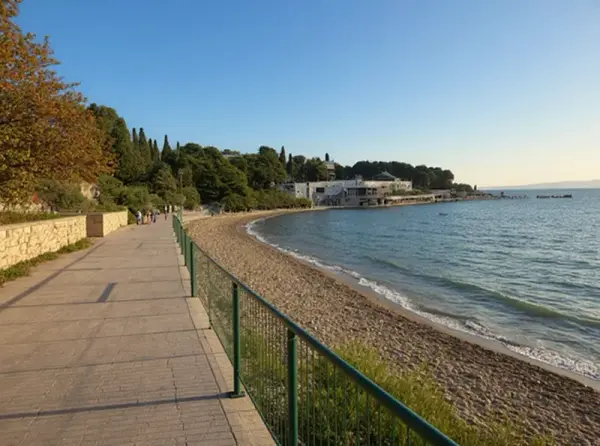
6. Bačvice Beach
شاطئ رملي حصوي على بعد خطوات من بلدة سبليت القديمة، مثالي للاستحمام الشمسي والسباحة السريعة. ماء دافئ ضحل، ألعاب بيجيجين الحية، بارات شاطئية وموسيقى مسائية.
حقائق سريعة: الرمال الناعمة والمياه الضحلة الدافئة تجعلها مثالية للخوض ومشاهدة الناس، بينما تحافظ المقاهي القريبة وحانات الشاطئ على الطاقة مفعمة بالحيوية حتى الليل. يلعب السكان المحليون لعبة كرة حافية القدمين تسمى بيسيجين في الأمواج مباشرة، مشهد غريب ممتع للمشاهدة بقدر ما هو ممتع للمشاركة.
النقاط البارزة: تقليد محلي يسمى بيسيجين، اخترع عام 1908، لا يزال يجذب من 5 إلى 12 لاعبا حفاة إلى المياه التي تصل إلى الكاحل لإبقاء كرة مطاطية صغيرة مرتفعة باستخدام الأيدي المقوسة فقط، مع قاعدة صارمة تمنع الكرة من ملامسة الماء. عند غروب الشمس تفوح رائحة الملح والسمك المقلي، وتصفع أشجار النخيل الكرة مثل الطبول اليدوية، ويتكئ المتفرجون على درجات حجرية دافئة يحتسون الإسبريسو وهم يهتفون بألقاب مثل ماتي وإيفان.
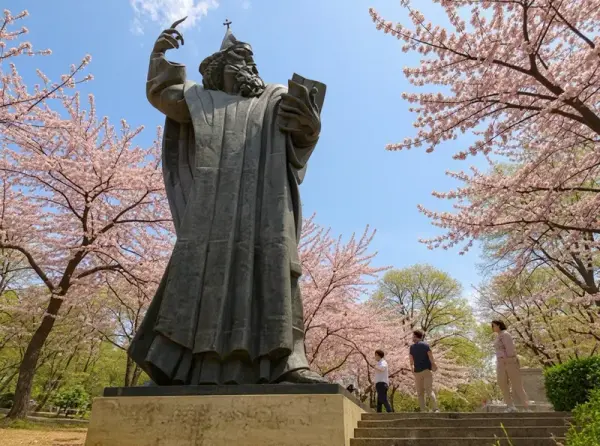
7. Statue of Gregory of Nin (Grgur Ninski)
Grgur Ninski
تمثال جريء لأسقف من العصور الوسطى مرتبط بالفولكلور المحلي وتاريخ سبليت. قف بجانب الشكل العملاق، افرك إصبع قدمه لجلب الحظ واستمتع بأعمال الحجر في القصر.
حقائق سريعة: مرر يدك على طول البرونز المصقول وشعر بالإبهام المتآكل الذي تركه عدد لا يحصى من الزوار، وهي طقوس مرحة يدعي الكثيرون أنها تجلب الحظ. أكثر من مليون كف صقلوا بقعة واحدة على التمثال، محولين زاوية هادئة إلى معلم غير رسمي محبوب للصور.
النقاط البارزة: النحات إيفان ميستروفيتش صمم التمثال البرونزي الهائل في عام 1929؛ يبلغ ارتفاعه ما يزيد قليلا عن ثمانية أمتار، وقد تم فرك إصبع قدم كبير حتى أصبح أملس وذهبي على مر الأجيال. يضغط الطلاب المحليون والسياح بكفهم على إصبع القدم الدافئ الأملس لجلب الحظ قبل الامتحانات أو الرحلات؛ وتتناقض البقعة اللامعة بشكل لافت مع الزنجار الأخضر المحيط عندما تضرب الشمس في الظهيرة.
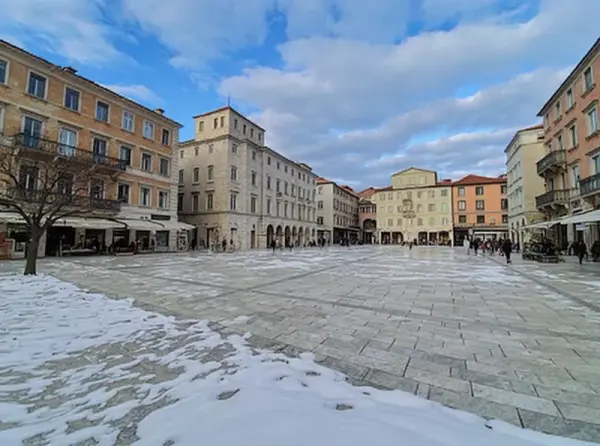
8. People's Square (Pjaca)
Pjaca
ساحة مدينة تاريخية بهندسة معمارية فينيسية ومقاه نابضة بالحياة. تمش في الساحة المرصوفة بالرخام، شاهد موسيقيي الشارع والسكان المحليين وهم يلعبون الشطرنج.
حقائق سريعة: الأحجار المرصوفة والواجهات العصر النهضوي ومدرجات المقاهي تعطي الساحة الرئيسية شعور غرفة معيشة مفتوحة حيث يتسكع السكان المحليون على القهوة ويمر الموسيقيون عبر الحشد. غالبا ما يسمع الزوار برج ساعة قديمة يدق فوق الأسواق المفعمة بالحياة، والمهرجانات الموسيقية الموسمية تملأ التقويم بحفلات غير متوقعة، وأكشاك الطعام، ومسيرات الأزياء التنكرية.
النقاط البارزة: في الساعة الذهبية، تتوهج أحجار الساحة الجيرية المتآكلة بلون العسل الذهبي، ويمكنك سماع صرير المصاريع الخشبية بينما يرتب الباعة أطباق السردين المدخن ومرطبانات مربى التين. عادة محلية طريفة تقضي بأن يدور الأزواج حول البئر المركزية ثلاث مرات بينما يعزف عازف أكورديون اسمه ماركو رقصة بولكا بطيئة ويلقي الجمهور فريتول صغير مغطى بالسكر في الهواء من أجل الضحك والحظ.
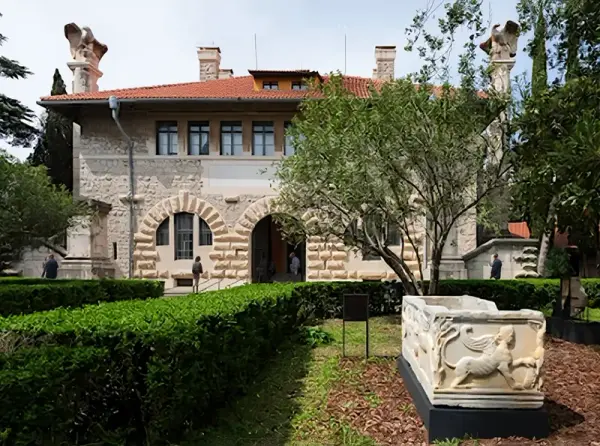
9. Archaeological Museum Split (Arheološki muzej Split)
Arheološki muzej Split
تحف رومانية قديمة وكنوز دالماسية تعيد الحياة إلى الماضي. تمش بين التوابيت الحجرية والفسيفساء والعروض التفاعلية التي تتتبع تاريخ سبليت الطويل.
حقائق سريعة: ادخل إلى صالات عرض خافتة باردة حيث يجعل الهدوء والأضواء الكاشفة الخافتة التمثال الروماني المنحوت بدقة يبدو حيا بشكل مذهل. الكنوز المخفية تتراوح بين الأواني الزجاجية الرقيقة والنقوش المنحوتة، وتجتمع معا لتروي قصصا حية عن الحياة اليومية والدين والحرفية عبر القرون.
النقاط البارزة: يمكنك التجول بين عشرات الأحجار الجنائزية الرومانية ورؤوس البورتريه الرخامية المسحوبة من سالونا القريبة، الكثير منها متآكل ومليء بالبقع الخضراء من الأشنات، ونقوشها اللاتينية لا تزال مقروءة بعد أكثر من 1800 عام. تقليد محلي غريب ما زال حيا: قبل المغادرة، يلمس العديد من الزوار بهدوء قطع الفسيفساء الباردة لفسيفساء سفينة متآكلة من القرن الثالث لتمني الحظ للصيادين، وهي لفتة لا تزال تترك بصمات خافتة على الحجر.
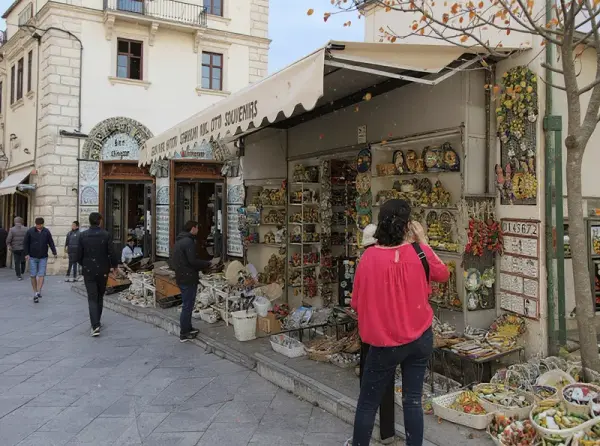
10. Green Market (Pazar)
Pazar
منتجات دالماسية طازجة وتجارة محلية نابضة بالحياة تمنحك طعماً حقيقياً لسبليت. توقع أكشاكاً ملونة وبائعين ودودين ووجبات خفيفة مغرية من الشارع.
حقائق سريعة: تتفجر أكشاك الصباح بالألوان والثرثرة بينما يرتب الباعة أكوام الطماطم الناضجة تحت الشمس والتين وجبال الزيتون في سلال منسوجة، بينما تتطاير رائحة القهوة الطازجة عبر الممرات. يحب الباعة المحليون تبادل الوصفات والقصص مع الزوار، وغالبا ما تسمع لهجات دالماسية تمتزج مع السياح المساومين على أفضل منتجات الموسم.
النقاط البارزة: صل إلى هناك بحلول السابعة صباحا وستشاهد الباعة المسنين يرتبون الطماطم التراثية في أهرامات مشرقة تحت الشمس، يعلنون الأسعار بإيقاع تشاكافي ناعم بينما يتكثف الهواء برائحة زيت الزيتون والخبز الدافئ والنكهة المالحة للأنشوجة. السكان المحليون يقسمون أن كشك عائلة واحدة بقي في نفس الأيدي لثلاثة أجيال وما زال يزن المشتريات على ميزان نحاسي مصقول حتى يعكس شروق الشمس، وفي الأيام البطيئة يتبادل الجيران مرطبانات الزيتون المنزلي أو مربى الليمون كهدايا بدلا من دفع النقود.
Where to Stay in Split, Croatia
Selected by City Buddy based on guest reviews and proximity to top attractions
Search all hotels in Split, CroatiaPowered by agoda
أيام الافتتاح في Split, Croatia
ما هي أبرز المعالم المغلقة في أي يوم من أيام الأسبوع، المشكلة الكلاسيكية التي تفسد الرحلة، وقد تحققنا منها لك.
الأربعاء: 1 من أصل 8 من المعالم البارزة مغلقة، خطط لزيارة المتاحف في يوم آخر.
مغلق يوم الأربعاء · 1 مغلق, 7 مفتوح
أيام الافتتاح من Google Maps (تم التحقق في 2026-02-19). قد تختلف العطلات الرسمية والإضرابات وساعات العمل الموسمية، تحقق من الموقع الرسمي قبل الذهاب.
الأطباق الحلوة التقليدية

Fritule
Fritule are tiny, rum- and citrus-scented fried dough balls dusted with powdered sugar, traditionally served at Christmas and family gatherings across Split.
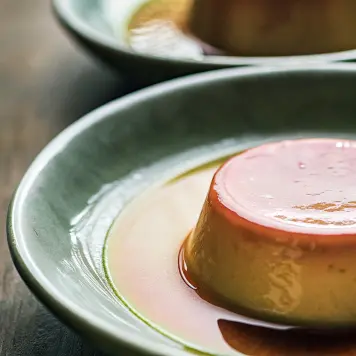
Rozata
Rožata is a silky caramel custard flavored with rose liqueur or rose water, and it traces its roots to Dalmatian convents where it was a celebratory dessert.

Krostule
Kroštule are crisp, ribbon-like fried pastries with Venetian roots, twisted into knots and always dusted with sugar for festive occasions.
الأطباق المالحة التقليدية
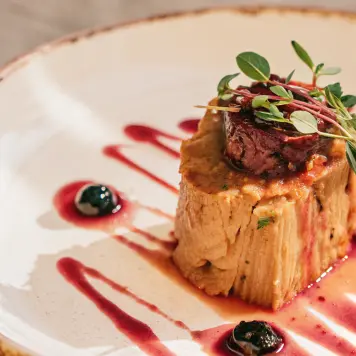
Pasticada
Pašticada is a slow-braised, marinated beef stew cooked for hours in a sweet-and-sour sauce with prunes and red wine, often prepared for weddings and holidays.
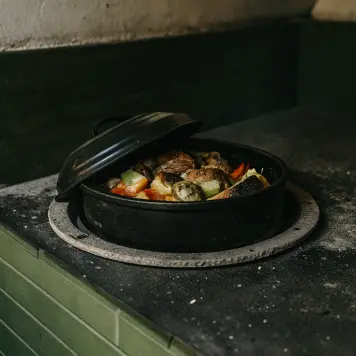
Peka
Peka is a rustic cooking method where meat, seafood and vegetables are slow-roasted under a bell covered with hot coals, producing an intense smoky flavor you cannot replicate in a regular oven.
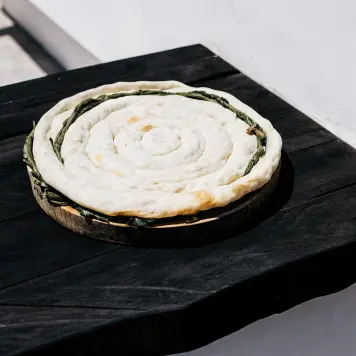
Soparnik
Soparnik is a paper-thin chard and onion pie from the Poljica region near Split, and it is recognized in Croatia as an important element of cultural heritage.
المشروبات التقليدية

Rakija
Rakija is a potent fruit brandy often made from plums, grapes or herbs, traditionally homemade and served as a welcoming toast and a folk remedy.
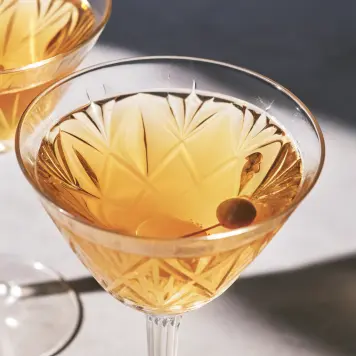
Maraschino
Maraschino is a clear cherry liqueur made from the native Marasca cherry, it was once a luxury exported across Europe and gives a floral, almond-like finish to cocktails.
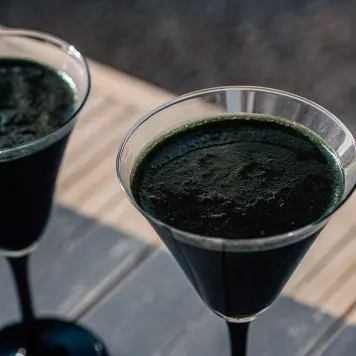
Pelinkovac
Pelinkovac is a bitter herbal liqueur dominated by wormwood, it is sipped as a digestive and features in many Croatian after-dinner customs.
اعرف قبل أن تذهب
كم تكلفة يوم في Split، والاحتيالات التي يجب تجنبها
أبرز الاحتيالات التي يجب تجنبها
- عروض سيارات الأجرة عند مدخل المحطة. تجاوز جميع العروض واستخدم موقف سيارات الأجرة الرسمي بالخارج، أو احجز عبر تطبيق Bolt الذي يعرض الأجرة مسبقاً.
- رسوم إضافية لشرفات ريفا. اطلب دائماً رؤية القائمة بالأسعار قبل الجلوس، وتأكد من وجود رسوم شرفة. راجع الفاتورة سطراً بسطر.
- السرقة من الجيوب في المناطق المزدحمة. أبقِ الحقائب مغلقة بالسحاب وأمامك في الزحام. لا تضع الهواتف أو المحافظ في الجيوب الخلفية. كن يقظاً عند الصعود إلى العبارات والحافلات.
سيارة أجرة عادلة من المطار: €35 - €45
خيار أرخص: خط حافلة المطار المكوكية رقم 37 الذي تشغله بروميت سبليت، من خارج المحطة إلى محطة الحافلات الرئيسية بالقرب من الميناء والمدينة القديمة. (€5)
كل عمليات الاحتيال والأسعار العادلة والقواعدالأسئلة الشائعة حول Split, Croatia
ما هو أفضل وقت لزيارة سبليت، كرواتيا؟
هل سبليت، كرواتيا مكلفة للسياح؟
ما مدى أمان مياه الصنبور في سبليت، كرواتيا؟
كم عدد السياح الذين يزورون سبليت سنوياً؟
كيف هي وسائل النقل العام في سبليت، كرواتيا؟
احصل على ملف PDF بأشهر المعالم يُرسل إلى بريدك الإلكتروني
احصل على ملف PDF يحتوي على جميع المعالم، التقييمات، والنصائح. مثالي للاستخدام دون اتصال.
أشهر الرحلات اليومية
Trogir
Well-preserved medieval town with UNESCO-listed old town.
Krka National Park
Famous waterfalls with swimming areas and walking trails.
Hvar (town)
Vibrant island town with beaches, nightlife and historic sites.
Brač (Supetar / Bol)
Island known for Zlatni Rat beach and traditional stone villages.
Šibenik
Historic coastal city with St. James Cathedral (UNESCO).
كيفية الوصول
محطات القطار
Main line to Zagreb; regional services toward Šibenik/Knin
Airport shuttle bus to Split bus/train station ~30–40 min; taxis cost more.
معلومات مفيدة عن Split, Croatia
نظرة عامة عن Split, Croatia
قارن Split مع وجهات أخرى
الأسعار والسلامة والطقس وأبرز المعالم جنبًا إلى جنب، مع توصية لكل نوع من المسافرين.
تريد خطة يومًا بيوم لـ Split, Croatia؟ افتح مخطط الرحلة
متى ستذهب إلى Split, Croatia؟
اختر تواريخك وأسلوب السفر لتحصل على:
هل هناك أي من هذه الأمور مهمة جداً لك؟
اختر كل ما ينطبق
التنقل
كيف تفضل التنقل بين الأماكن؟
لغة الخطة: العربية