 CityBuddy
 العربية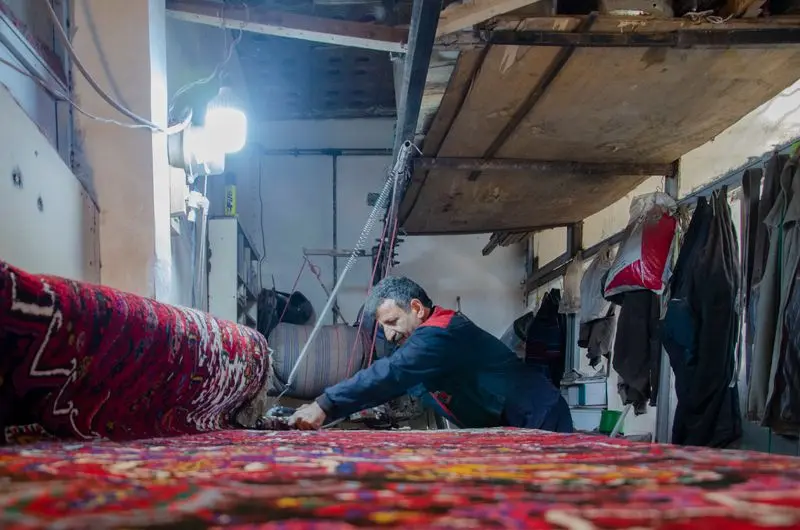
أشياء يمكنك القيام بها في Tabriz, Iran
الصورة من تصوير Murat Marangoz على Pexels.com
متى تزور
أشهر المعالم في Tabriz, Iran
من بين الأشياء التي يمكن القيام بها في تبريز، يأتي اكتشاف مجمع بازار تبريز التاريخي المدرج في قائمة التراث العالمي لليونسكو في المقام الأول. يضم هذا البازار المغلق، الذي تتجاوز مساحته مليون متر مربع، أكثر من 20 خانًا. ثم قم بزيارة المسجد الأزرق (مسجد كبود) الذي بُني عام 1465 ويشتهر ببلاطه المزخرف. أما قلعة أرغ تبريز، التي يبلغ ارتفاعها 28 مترًا في وسط المدينة، فتستقبلك بعظمتها التاريخية.
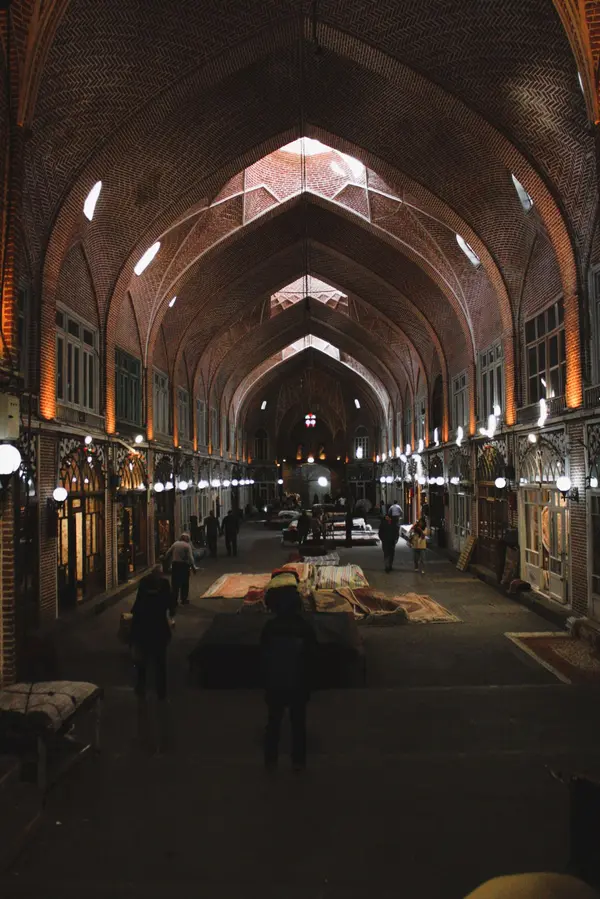
1. Tabriz Historic Bazaar Complex
استعدوا للضياع في أقدم وأكبر بازار مغطى في إيران. ستخوضون رحلة عبر الزمن بين خانات عمرها قرون وممرات مقببة وسجاد مصنوع يدوياً.
حقائق سريعة: هذه السوق المغطاة، التي تُعد منذ القرن الرابع عشر واحدة من أهم محطات التجارة على طريق الحرير، تشبه متاهة عملاقة بممراتها التي تتجاوز 7 كيلومترات. البناء الذي يضم أكثر من 20 خانًا ونحو 30 مسجدًا وأعدادًا لا تُحصى من خانات القوافل، مدرج في قائمة التراث العالمي لليونسكو.
النقاط البارزة: عندما تقف في وسط السوق وتنظر حولك، ستلاحظ أنك تقف في النقطة التي تلتقي فيها 24 سوقًا مغطى مختلفًا. لكل سوق (خان) عالمه الخاص من الصناعات المعدنية والروائح والألوان؛ تمتزج رائحة الصوف والحرير في سوق السجاد مع النكهات الحادة لباعة التوابل.
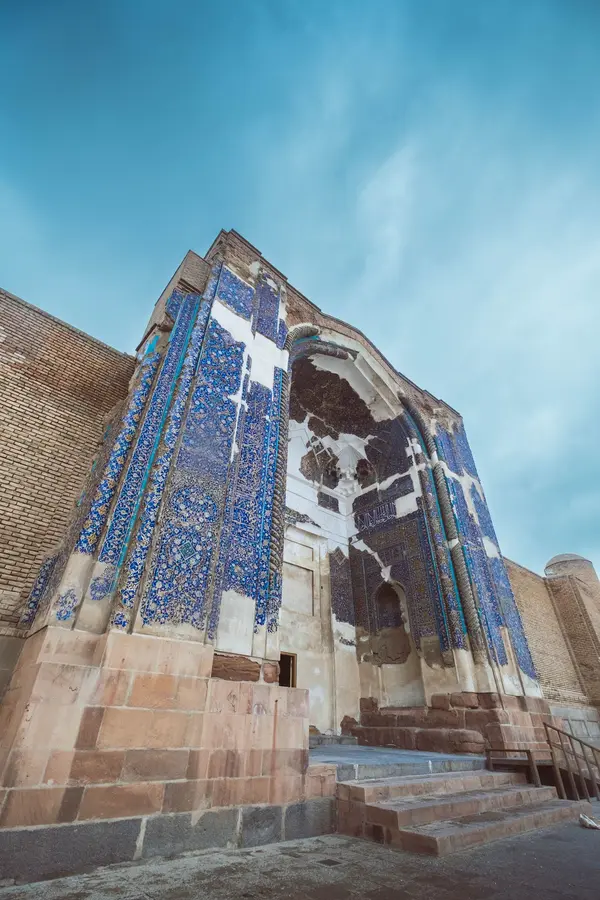
2. Blue Mosque (Masjed-e Kabud)
Masjed-e Kabud
أحد أكبر وأقدم مساجد إيران، هذا البناء الشهير بقيشه الفيروزي سيسحركم. تنتظركم أجواء مليئة بالهدوء مع أصوات الماء المترددة حول المحراب الرخامي الضخم والبركة المثمنة.
حقائق سريعة: بدأ بناء المسجد عام 1465 بأمر من جهان شاه، لكنه اكتمل بعد وفاته على يد الحاكم الآق قويونلو أوزون حسن. ورغم أن البلاط الفيروزي على واجهته الخارجية قد تقادم مع الزمن، إلا أن جزءاً من أعمال البلاط في الداخل لا يزال قائماً حتى اليوم، وقد أثر بعض هذا البلاط في المعمار فيكتور هورتا، الذي يُعتبر رائد تيار الفن الجديد.
النقاط البارزة: في جدار القبلة بالمسجد يوجد محراب رخامي عملاق لا مثيل له في إيران. لكن ما هو آسر حقاً هو أحواض الرخام المنحوتة على شكل رؤوس أسود، المصطفة حول البركة المثمنة عند مدخل المسجد. فالماء المتدفق من كل واحد منها يضفي صوتاً روحانياً على صحن المسجد.
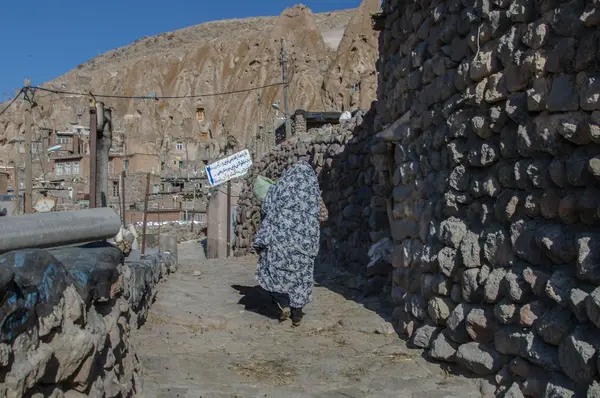
3. Kandovan Village
كيف تكون الحياة في بيوت نحتتها الجبال البركانية لا يد البشر؟ بينما تحتسون الشاي المنقوع في الغرف الحجرية مع هواء الجبال النقي، ستجدون أنفسكم قبل آلاف السنين.
حقائق سريعة: في البيوت المنحوتة في الصخور، يعيش البشر والحيوانات جنبًا إلى جنب، وما زال بعضها يُستخدم كإسطبلات على الطريقة القديمة. كل بيت مرتبط بالآخر عبر ممرات تشبه الأنفاق، حيث يستطيع الجيران الوصول إلى بعضهم دون طرق الأبواب.
النقاط البارزة: تصل جدران البيوت في القرية إلى سماكة مترين، فتبقى داخلها باردة في الصيف كالتكييف الطبيعي، ولا حاجة للتدفئة في الشتاء. كما توجد مداخن صغيرة فوق كل بيت، وبسبب فارق الحرارة الذي يصل إلى 40 درجة في الشتاء، يخرج من فتحات هذه المداخن بخار وليس دخانًا.
4. El Goli (Shah Goli) Park
في يوم صيفي حار، ستهربون من ضجيج المدينة لتجدوا أنفسكم على ضفة بحيرة باردة. بينما تحتسون الشاي مع آلاف الناس، ستشاهدون صورة الجبال المنعكسة على البحيرة.
حقائق سريعة: بحيرته الاصطناعية البالغة 55 ألف متر مربع، التي تعكس الجبال الشاهقة جنوبًا كالمرآة، تقدم واحة باردة في قلب المدينة تمامًا. هذه الحديقة، التي تستقبل أكثر من 30 ألف شخص في أمسيات الصيف، هي المحطة الأولى لأهل المنطقة للاستمتاع بتناول الشاي.
النقاط البارزة: الجناح السداسي وسط البحيرة كان في الواقع قصرًا صيفيًا للأمراء في العصر القاجاري، ويبدو وكأنه يطفو في منتصف الحوض. الآن يمكنك الجلوس هنا وتناول الشاي الساخن، وفي الوقت نفسه مشاهدة أسماك الشبوط الصغيرة والكبيرة وهي تسبح تحت قدميك.
5. Azerbaijan Museum
افتحوا أبواب كنز يصعب تحمله. في كل غرفة تنتظركم رحلة إلى عصر مختلف.
حقائق سريعة: هذا البناء الرائع في قلب تبريز، يقع على بُعد 5 دقائق فقط سيرًا على الأقدام من أكبر سوق مغطى في إيران. المتحف الذي يضم 18 قسمًا مختلفًا، ما زال ينبض كقلب ثقافي للمنطقة منذ أكثر من 500 عام.
النقاط البارزة: الأبواب البرونزية التي يبلغ وزنها 2.5 طن وتستقبلك عند المدخل، تُبهر العيون بدقتها في الصنعة، وهي مزينة بـ12 لوحًا يحكي كل واحد منها قصة مختلفة. المومياء المعروفة برجل الملح والتي يبلغ عمرها 2000 عام، عُثر عليها في منطقة زنجان بإيران، وما زالت آثار الوشوم على جسده واضحة.
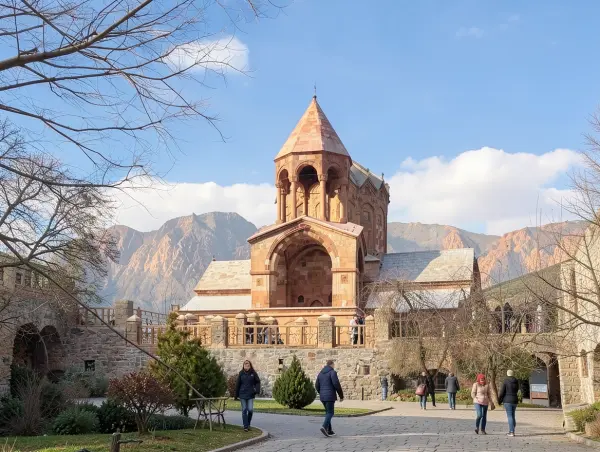
6. Saint Stepanos Monastery
هذا الدير الصوفي المختبئ بين جبال إيران يحمل في جدرانه الحجرية صمتاً عمره ألف عام. يفتتن الزوار بأقواسه الممتدة نحو السماء وفنائه الفخم.
حقائق سريعة: الدير الأسطوري الذي ألهم محاولات الطيران لهزارفن أحمد جلبي، يقدم صمتًا يتجاوز الزمن بجدرانه الحجرية العائدة إلى القرن السابع. البناء الذي يحمل آثار أربع حضارات مختلفة، معروف كأحد أقدم المباني المسيحية في إيران.
النقاط البارزة: عندما تقف في ظل شجرة الدلب التي ترتفع في الفناء، تجد كبسولة زمن ضائعة بين النقوش الأرمنية والفارسية المنحوتة على الحجارة. تحت كل حجر تختبئ دعاء، وخلف كل قوس همسة عمرها قرن.
Where to Stay in Tabriz, Iran
Selected by City Buddy based on guest reviews and proximity to top attractions
Search all hotels in Tabriz, IranPowered by agoda
أيام الافتتاح في Tabriz, Iran
ما هي أبرز المعالم المغلقة في أي يوم من أيام الأسبوع، المشكلة الكلاسيكية التي تفسد الرحلة، وقد تحققنا منها لك.
الجمعة: 1 من أصل 5 من المعالم البارزة مغلقة، خطط لزيارة المتاحف في يوم آخر.
مغلق يوم الجمعة · 1 مغلق, 4 مفتوح
أيام الافتتاح من Google Maps (تم التحقق في 2026-08-12). قد تختلف العطلات الرسمية والإضرابات وساعات العمل الموسمية، تحقق من الموقع الرسمي قبل الذهاب.
الأطباق الحلوة التقليدية
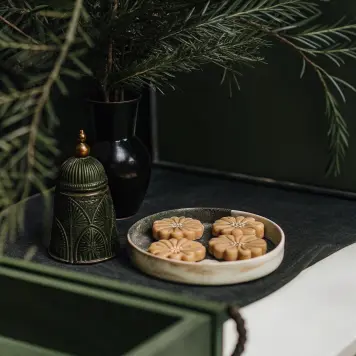
Tabrizi Lovuez (Lavashak)
This chewy, sweet almond and cardamom confection originated in Tabriz centuries ago and is traditionally shaped into small, flower-like discs using carved wooden molds.
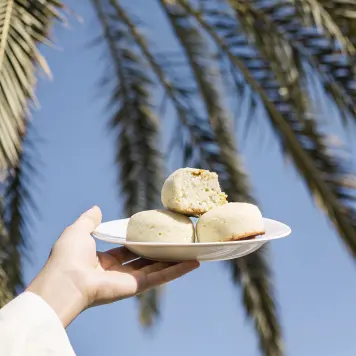
Qurabiye Tabrizi
Unlike other Persian cookies, Tabriz's qurabiye is made with chickpea flour and rosewater, giving it a unique melt-in-your-mouth texture and floral aroma.
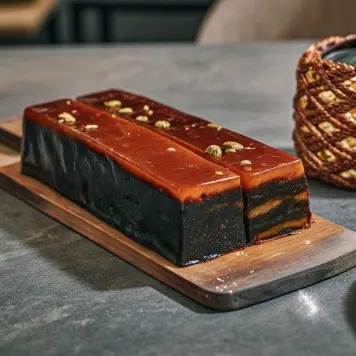
Halva Siah (Black Halva)
This dark, dense halva from Tabriz gets its rich color from caramelized sugar and is uniquely flavored with saffron, cardamom, and sometimes a hint of cinnamon.
الأطباق المالحة التقليدية

Kufteh Tabrizi
Touted as Iran's largest meatball, Kufteh Tabrizi can be as big as a grapefruit and is stuffed with a hidden surprise of hard-boiled egg, dried fruits, and nuts inside.
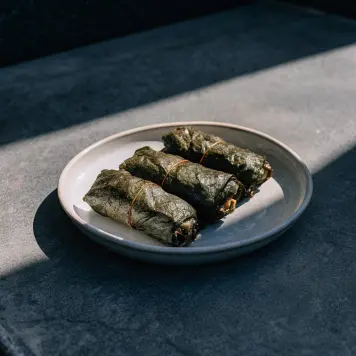
Dolma (Dolmeh) Tabrizi
Tabriz is famous for its vine leaf dolma, where the filling of rice, herbs, and minced lamb is uniquely seasoned with sour grape juice for a distinct tangy flavor.
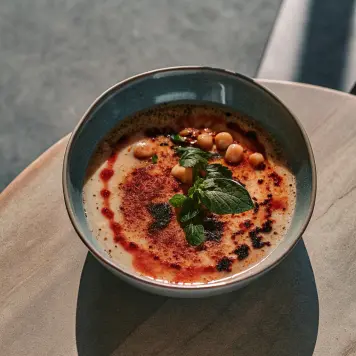
Ash-e Dough (Yogurt Soup)
This hearty Tabrizi soup uniquely combines yogurt with fresh herbs, chickpeas, and fried mint oil, and it is traditionally served cold during hot summer months.
المشروبات التقليدية

Aragh Sagi (Distilled Raisin Drink)
Despite its rustic name, this traditional Tabrizi spirit is made from distilled raisins and is often infused with cinnamon or cardamom for warmth.
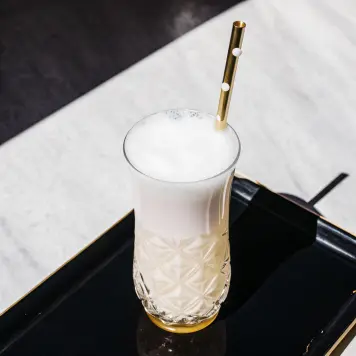
Khakshir Sharbat
Made from the seeds of the hawthorn plant, this refreshing Tabrizi drink turns gelatinous and is traditionally sweetened with honey or sugar for a cooling summer beverage.
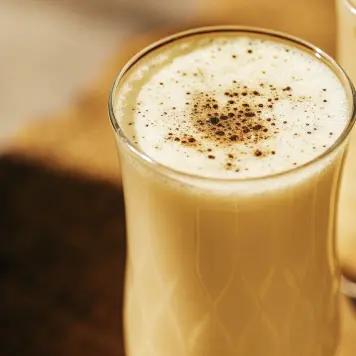
Tabrizi Doogh
Unlike plain doogh elsewhere, Tabrizi doogh is carbonated and seasoned with dried mint and crushed black pepper, creating a uniquely fizzy and savory yogurt drink.
الأسئلة الشائعة حول Tabriz, Iran
هل تبريز، إيران آمنة؟
كم يومًا يجب أن أبقى في تبريز؟
ما هو أفضل وقت لزيارة تبريز؟
هل تبريز، إيران باهظة الثمن؟
كيف يمكنني التنقل في تبريز؟
احصل على ملف PDF بأشهر المعالم يُرسل إلى بريدك الإلكتروني
احصل على ملف PDF يحتوي على جميع المعالم، التقييمات، والنصائح. مثالي للاستخدام دون اتصال.
أشهر الرحلات اليومية
Kandovan Village
Ancient troglodyte village with cone-shaped rock houses still inhabited today.
Lake Urmia
One of the largest saltwater lakes in the world, a unique natural wonder.
Babak Fort
Historic mountain fortress with stunning views of the Arasbaran forests.
Takht-e Soleyman
UNESCO World Heritage site featuring ancient Zoroastrian fire temple ruins.
Arasbaran Forests
Lush biosphere reserve with diverse wildlife and scenic hiking trails.
كيفية الوصول
المطارات
محطات القطار
Tehran to Tabriz, Istanbul to Tabriz (via Ankara)
From Tabriz Airport, take a taxi or airport shuttle to the city center (15 minutes). Trains from Tehran take about 7 hours.
معلومات مفيدة عن Tabriz, Iran
نظرة عامة عن Tabriz, Iran
تريد خطة يومًا بيوم لـ Tabriz, Iran؟ افتح مخطط الرحلة
متى ستذهب إلى Tabriz, Iran؟
اختر تواريخك وأسلوب السفر لتحصل على:
هل هناك أي من هذه الأمور مهمة جداً لك؟
اختر كل ما ينطبق
التنقل
كيف تفضل التنقل بين الأماكن؟
لغة الخطة: العربية