 CityBuddy
 العربية
أشياء يمكنك القيام بها في Kumano, Japan
الصورة من تصوير Marcu Ioachim على Pexels.com
متى تزور
متى ستذهب إلى Kumano, Japan؟
اختر تواريخك وأسلوب السفر لتحصل على:
هل هناك أي من هذه الأمور مهمة جداً لك؟
اختر كل ما ينطبق
Plan language: العربيةأشهر المعالم في Kumano, Japan
أشياء يمكنك القيام بها في كومانو، اليابان، تشمل المشي لمسافات طويلة عبر طرق كومانو كودو للحج القديمة التي تمتد لأكثر من 200 كيلومتر عبر الجبال المقدسة. قم بزيارة ضريح كومانو ناتشي تايشا، وهو ضريح كبير بالقرب من شلالات ناتشي الرائعة التي يبلغ ارتفاعها 133 مترًا. يقع معبد سيغانتو-جي في الجوار، ويوفر إطلالات هادئة وتاريخًا روحانيًا.
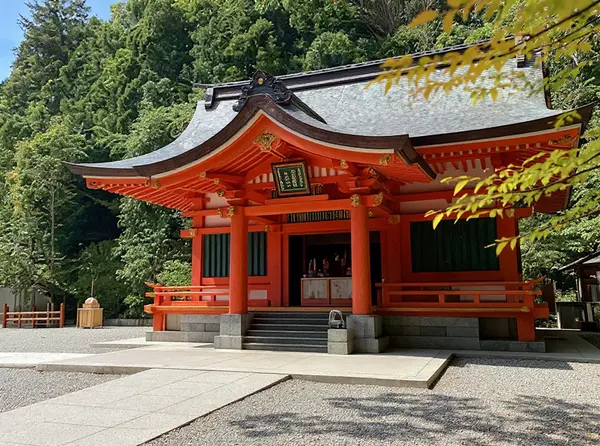
1. Kumano Nachi Taisha
تلتقي الطبيعة بالروحانية في ضريح شلال مذهل بارتفاع 133 مترًا. اختبر الطقوس المقدسة ومسارات الغابات البكر مع كل خطوة.
حقائق سريعة: شلال ناتشي المقدس العملاق، الذي يبلغ ارتفاعه 133 مترًا، يتدفق بشكل مهيب خلف الضريح الرئيسي، مما يخلق خلفية طبيعية دراماتيكية. يشكل هذا الموقع جزءًا من طريق كومانو كودو للحج، الذي استقطب أكثر من مليون حاج سنويًا لعدة قرون.
النقاط البارزة: يدخل الزوار إلى عالم روحي حيث يمتزج هدير الشلال مع أشجار السرو القديمة، التي يُعتقد أنها مسكن الأرواح الأجدادية. تشمل الطقوس الفريدة تزيين الشلال بحبال شيميناوا، التي ترمز إلى التطهير والحماية الإلهية عبر الفصول.
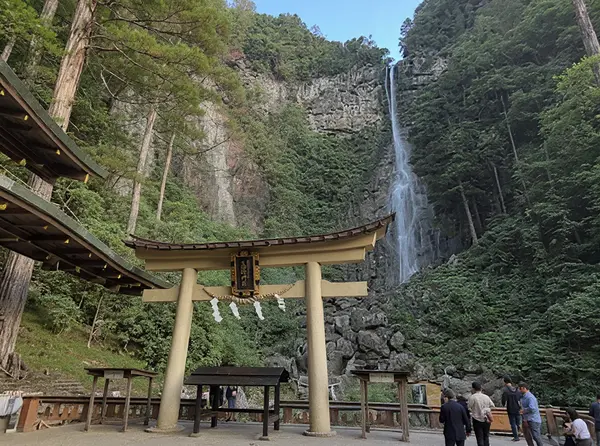
2. Nachi Falls
شاهق بارتفاع 133 مترًا، تنتظرك شلالات قوية من المياه. اختبر طقوسًا مقدسة وإطلالات غابات هادئة تنعش روحك.
حقائق سريعة: يسقط الشلال مسافة 133 مترًا، مما يجعله واحدًا من أعلى الشلالات أحادية السقوط في اليابان. يجذب ما يقرب من 1.2 مليون زائر سنويًا يأتون للاستمتاع بتدفقه المتواصل ورذاذه الضبابي.
النقاط البارزة: يُعتقد أن رذاذ الماء المتطاير من الشلال يجلب الحظ السعيد والصحة، مما ألهم طقوسًا فريدة حيث يلتقط الزوار القطرات على أوراق الشجر لرشها على أنفسهم. في الخريف، تتحول الغابة المحيطة إلى ألوان حمراء وذهبية نارية، لتؤطر الشلال بألوان موسمية خلابة.
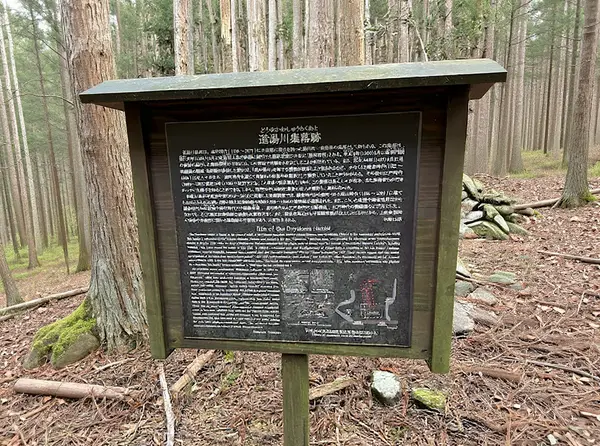
3. Kumano Kodo Pilgrimage Routes
اتبع خطى الحجاج القدامى عبر الغابات الهادئة. اختبر مسارات الجبال السلمية والتقاليد المقدسة عن كثب.
حقائق سريعة: تتقاطع مسارات قديمة عبر غابات الأرز الكثيفة وتربط بين ثلاثة أضرحة رئيسية عبر 100 كيلومتر من التضاريس الوعرة. سار الحجاج في هذه الطرق لأكثر من 1000 عام، متتبعين خطى الأباطرة والرهبان على حد سواء.
النقاط البارزة: عند السير على درجات حجرية مغطاة بالطحالب، يمكن للمسافرين سماع رنين جرس بعيد من ضريح كومانو هاياتاما تايشا، وهي طقوس يُعتقد أنها تطهر الروح. تنمو هنا عشبة جبلية سرية تدعى "كومانو-تشا" فقط، ويقوم السكان المحليون بتحضيرها كشاي مهدئ يعتز به الحجاج.
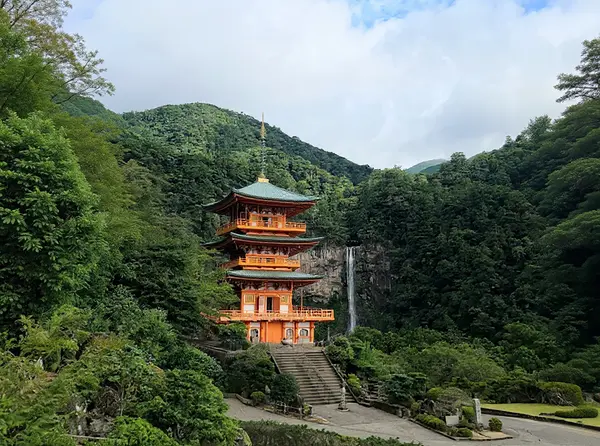
4. Seiganto-ji Temple
اختبر مزيجًا فريدًا من الهندسة المعمارية النابضة بالحياة وقوة الطبيعة. امشِ تحت المياه المتدفقة وانغمس في الأجواء الروحانية القديمة.
حقائق سريعة: معبد سيغانتو-جي هو جزء من طريق حج مقدس تمتد جذوره لأكثر من 1200 عام. غالبًا ما يمر الزوار بشلال قريب، يُعتقد أنه يطهر الجسد والروح قبل دخول المعبد.
النقاط البارزة: تبعد الباغودا الحمراء الزاهية للمعبد 15 مترًا فقط عن شلال دراماتيكي، وهو مزيج غير معتاد يخلق جوًا ضبابيًا ساحرًا. تقول الأسطورة أن الشلال ظهر بعد أن ضرب راهب صخرة بعصاه، مما يضفي هالة من الغموض على الموقع.
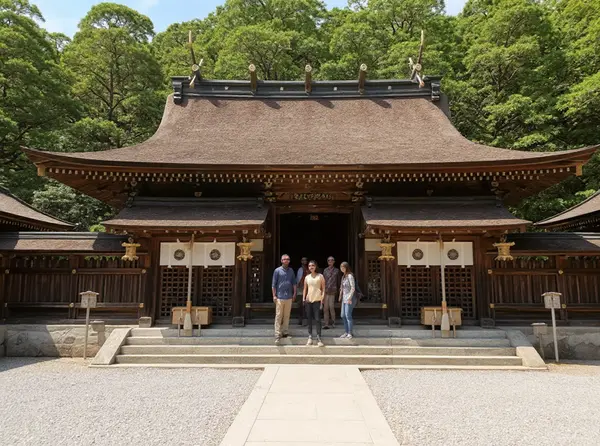
5. Hongu Taisha Shrine
اختبر موقع حج مقدس بأجواء روحانية عميقة. امشِ تحت أشجار الأرز القديمة وشاهد طقوس المشي على النار الفريدة.
حقائق سريعة: الضريح هو جزء من شبكة كومانو سانزان التي تضم ثلاثة أضرحة رئيسية تجذب أكثر من مليوني حاج سنويًا. يمكن للزوار العثور على أشجار أرز قديمة يزيد عمرها عن 800 عام تصطف على طول الطريق المؤدي إليه، لتشكل نفقًا طبيعيًا مهيبًا.
النقاط البارزة: تُؤدى طقوس غامضة كل 60 عامًا حيث يمشي الكهنة 30 كيلومترًا حفاة على النار لتجديد القوة الروحية للضريح. سقف الضريح المصنوع من القش، وهو أحد أكبر الأسقف في اليابان، يغطي مساحة تبلغ 39 في 11 مترًا، مما يخلق silhouette معمارية مذهلة على خلفية الغابة.
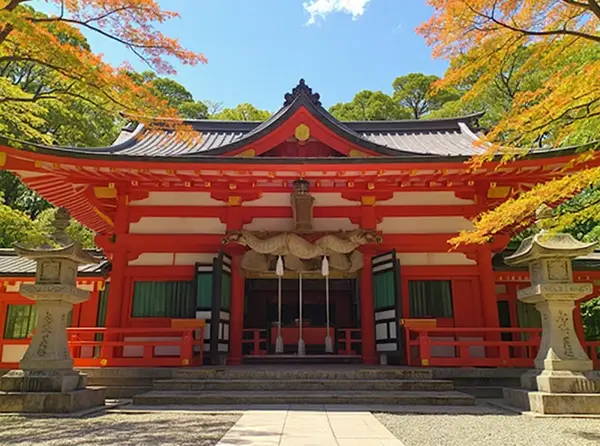
6. Kumano Hayatama Taisha
انطلق إلى ملاذ روحاني محاط بأشجار الأرز القديمة. اختبر طقوسًا آسرة حيث يلتقي التقليد بالطبيعة.
حقائق سريعة: تخيل أنك تمشي تحت شجرة أرز عملاقة يزيد عمرها عن 800 عام وتقف عند مدخل الضريح. يضم الضريح قطعة أثرية ثمينة: المرآة المقدسة التي تمثل روح إلهة الشمس أماتيراسو، وهي شخصية رئيسية في الأساطير اليابانية.
النقاط البارزة: طقس مقدس يسمى "مهرجان النار" يضيء الضريح كل صيف بمواكب الشعلة التي تجذب أكثر من 30,000 شخص. تمتزج هندسة الضريح بشكل متناغم مع الغابة القديمة المحيطة به، مما يخلق جواً هادئاً يجعلك تشعر وكأنك عدت بالزمن إلى الوراء.
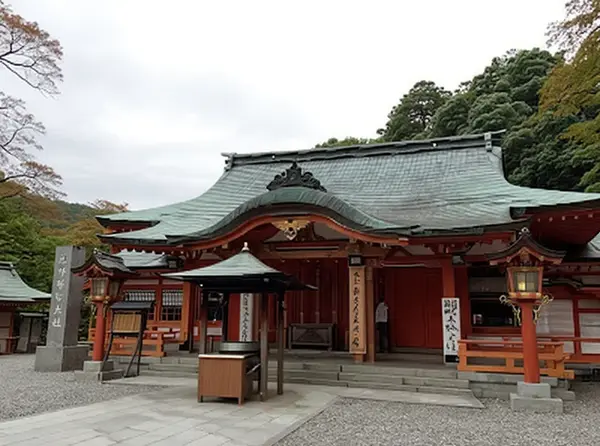
7. Kumano Nachi Taisha Treasure Hall
استكشف القطع الأثرية المقدسة التي تعود لقرون والأناشيد الهادئة. اشعر بروح السكينة من خلال التماثيل واللفائف القديمة.
حقائق سريعة: يضم قاعة الكنوز أكثر من 100 قطعة أثرية دينية تشمل السوترا القديمة والتماثيل التي يعود تاريخها إلى القرن العاشر. يمكن للزوار رؤية المخطوطات والذخائر التي تم الحفاظ عليها بعناية عبر قرون من الحج.
النقاط البارزة: من بين المعروضات، يبرز تمثال من القرن الرابع عشر لإله منحوت من خشب الكافور بتفاصيل معقدة على ردائه. توجد غرفة هادئة تتيح للزوار تجربة الترانيم البوذية التقليدية من خلال صوت محيطي، مما يخلق جوا روحانيا غامرا.
Where to Stay in Kumano, Japan
Selected by City Buddy based on guest reviews and proximity to top attractions
Search all hotels in Kumano, JapanPowered by agoda
الأطباق الحلوة التقليدية
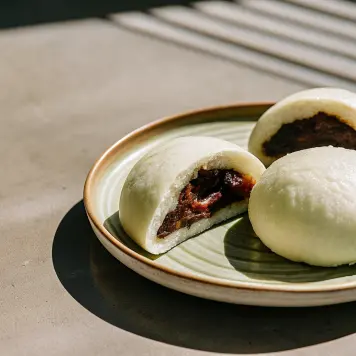
Kumano Manju
Kumano Manju is a steamed bun filled with sweet red bean paste, traditionally enjoyed during festivals and pilgrimages in the Kumano region. Its fluffy texture and rich flavor make it a beloved local treat.
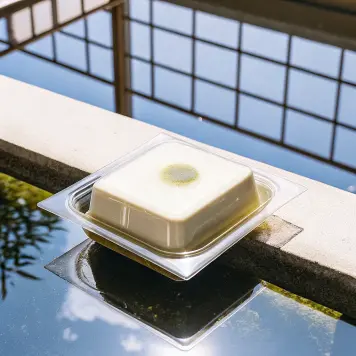
Uiro
Uiro is a jelly-like sweet made from rice flour and sugar, often flavored with subtle regional ingredients like yuzu or matcha. It is admired for its smooth, chewy texture and delicate sweetness.
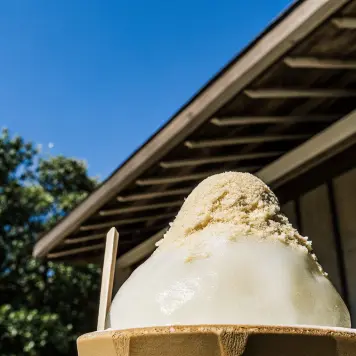
Kuzumochi
Kuzumochi is a refreshing dessert made from kudzu starch, served chilled with kinako (roasted soybean flour) and kuromitsu syrup. It is a traditional sweet that offers a cool relief in Kumano's warmer months.
الأطباق المالحة التقليدية
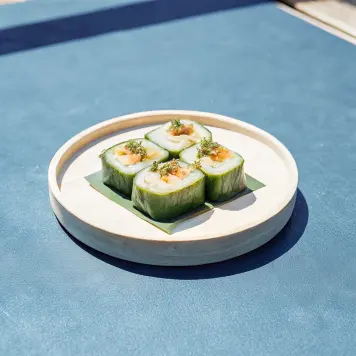
Mehari-zushi
Mehari-zushi is a traditional Kumano sushi wrapped in pickled mustard leaves, known for its tangy and savory flavor profile. This dish originated as a portable meal for workers and pilgrims, embodying the local culinary tradition.
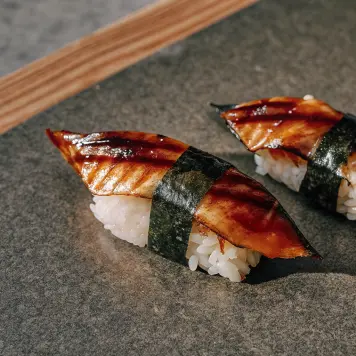
Kumano Saba-zushi
Kumano Saba-zushi features vinegared mackerel atop sushi rice wrapped in kelp, reflecting the region's rich fishing culture. It is praised for its umami-packed taste and was historically made for long journeys.
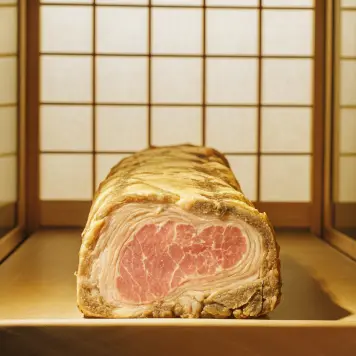
Yamato Beef
Yamato Beef from the Kumano area is celebrated for its tenderness and rich marbling, often grilled or prepared in sukiyaki style. This premium beef highlights the excellence of Kumano's livestock farming.
المشروبات التقليدية

Kumano Umeshu
Kumano Umeshu is a sweet plum wine made with locally harvested ume plums, offering a perfect balance of tartness and sweetness. It is a traditional drink enjoyed for its refreshing taste and digestive benefits.
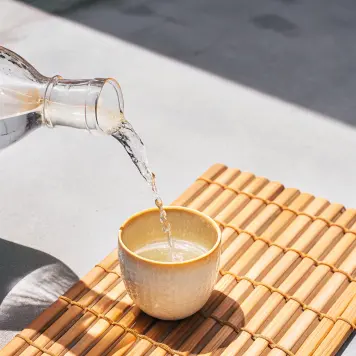
Kumano Sake
Kumano Sake is brewed using pristine water from the Kumano mountains, renowned for its clean and crisp flavor profile. This sake represents the region's dedication to high-quality rice wine production.

Sansho Tea
Sansho Tea is made from the aromatic pepper leaves native to Kumano, prized for its unique citrusy and spicy flavor. It is traditionally consumed for its warming and medicinal properties.
Frequently Asked Questions about Kumano, Japan
هل مدينة كومانو في اليابان آمنة للمسافرين؟
كم يوماً يجب أن أقضيها في كومانو، اليابان؟
ما هو أفضل وقت لزيارة كومانو، اليابان؟
هل كومانو في اليابان مكلفة للسياح؟
كيف أتنقل في كومانو، اليابان؟
احصل على ملف PDF بأشهر المعالم يُرسل إلى بريدك الإلكتروني
احصل على ملف PDF يحتوي على جميع المعالم، التقييمات، والنصائح. مثالي للاستخدام دون اتصال.
أشهر الرحلات اليومية
Kumano Nachi Taisha
Famous shrine known for Nachi Waterfall, the tallest waterfall in Japan.
Kawayu Onsen
Popular hot spring area located along the river, great for relaxation.
كيفية الوصول
المطارات
محطات القطار
JR Kisei Line
From Kansai Airport, take the train to Shin-Osaka, then JR Kisei Line to Kumano Station.
ابحث عن رحلات إلى Kumano, Japan
انقر للحصول على eSim لـ Kumano, Japan
أسهل وأرخص طريقة للحصول على إنترنت محمول أينما سافرت.
التعليقات (9)
Not many ATMs around, so carry enough cash when heading to the rural parts of Kumano or you'll be stuck.
Stayed in Kumano for a weekend, weather was muggy but locals are super friendly. Town feels a bit sleepy though, maybe better for a chill getaway.
Kumano's nature trails are stunning but be ready for sudden rain even in spring. Loved the peaceful vibe but plan for at least 3 days to explore well.
The seafood in Kumano was fresh but pricey. Street food options are limited, so bring snacks if you want to save money.
If you buy bus tickets from the local shop rather than the bus driver, you save 20%. It isn’t obvious so watch out for this little trick.