 CityBuddy
 العربية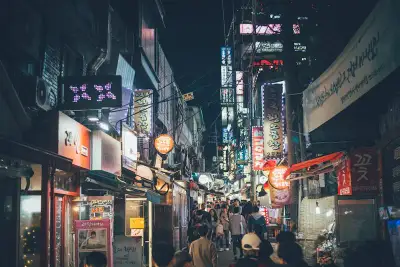
أشياء يمكنك القيام بها في Shinjuku, Japan
الصورة من تصوير Tan Danh على Pexels.com
متى تزور
Shinjuku هي #2 مدينة للحياة الليلية في العالم، بناءً على بياناتنا عبر مئات الوجهات.
أشهر المعالم في Shinjuku, Japan
أفضل الأنشطة التي يمكن القيام بها في شينجوكو، اليابان تتراوح بين ملاذات هادئة ومغامرات مضاءة بالنيون. تجول في حديقة شينجوكو غيون الوطنية التي تبلغ مساحتها 58 فدانًا، وهي تمزج بين أنماط الحدائق الفرنسية واليابانية. اصعد بالمصعد المجاني لمسافة 202 مترًا إلى مبنى حكومة العاصمة طوكيو للاستمتاع بإطلالات بانورامية على المدينة. ثم ادخل إلى أومويدي يوكوتشو، وهو زقاق ضيق يضم 60 مطعم شواء صغيرًا يقدم أطباق الياكيتوري منذ الحرب العالمية الثانية.
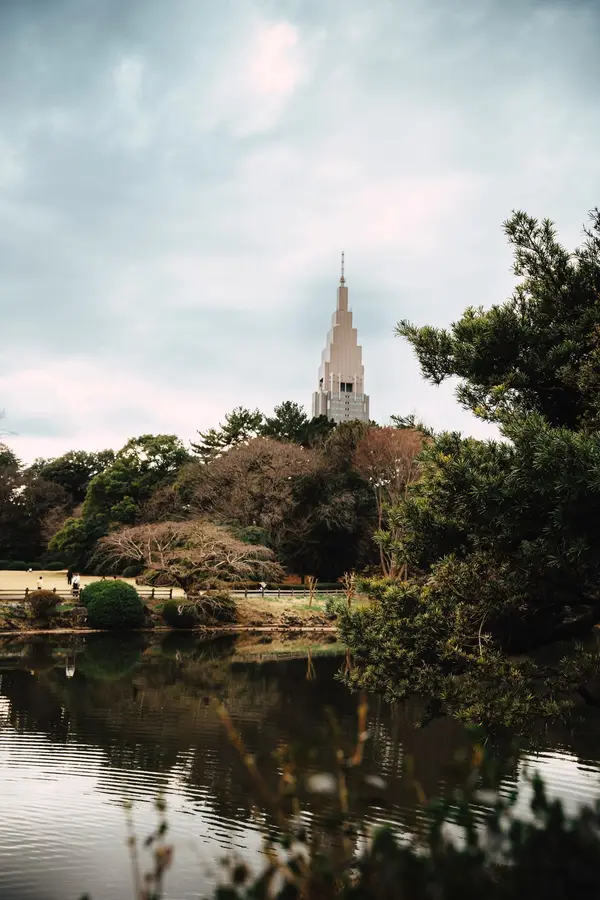
1. Shinjuku Gyoen National Garden
اهرب من فوضى النيون في طوكيو إلى 58 هكتاراً من الحدائق الهادئة حيث أزهار الكرز وأشجار الصنوبر القديمة تؤطر ثلاث مناظر طبيعية مصممة بإتقان. تجول بين حديقة فرنسية نظامية، وبيت شاي ياباني، ومرج إنجليزي في ظهيرة واحدة.
حقائق سريعة: عبر مساحتها البالغة 58 هكتارًا، تتعايش ثلاثة أنماط حدائقية متميزة: حديقة فرنسية رسمية، وحديقة إنجليزية طبيعية، وحديقة يابانية تقليدية مع بركة كبيرة. تزدهر هنا أكثر من 20,000 شجرة من جميع أنحاء العالم، بما في ذلك نحو 1,500 شجرة كرز تتفتح كل ربيع.
النقاط البارزة: إنها مثال نادر باقٍ على حديقة كبيرة من أوائل القرن العشرين في طوكيو، وكانت ذات يوم مقر إقامة خاص لأحد اللوردات الإقطاعيين قبل أن تُمنح للعائلة الإمبراطورية. يضم قسم الحديقة اليابانية التقليدية جناحًا خشبيًا حيث يمكنك الجلوس ومشاهدة أسماك الكوي تدور تحتك أثناء احتساء شاي الماتشا الذي يقدمه مرتدو الكيمونو.
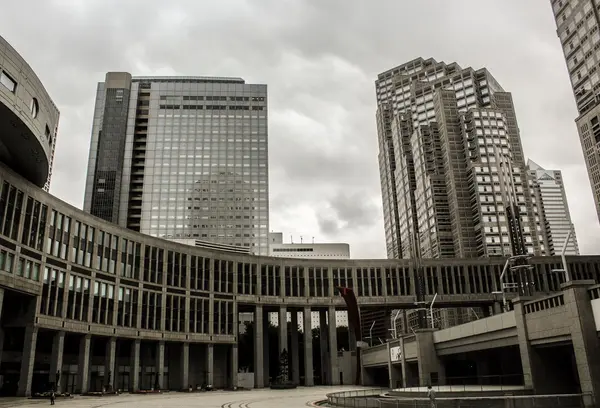
2. Tokyo Metropolitan Government Building
منصتان للمشاهدة مجانيتان مع أفضل إطلالة على أفق طوكيو. اصعد بالمصعد 45 طابقاً وشاهد جبل فوجي يظهر في الأفق بينما تمتد المدينة تحت قدميك.
حقائق سريعة: تقدم منصات المراقبة المجانية في الطابق 45 من كلا البرجين إطلالات بانورامية تمتد حتى جبل فوجي في الأيام الصافية. صمم المبنى ليشبه كاتدرائية قوطية، بارتفاع برجيه التوأمين 243 مترًا، وواجهته المغطاة بـ 12,000 نافذة عاكسة.
النقاط البارزة: اصعد قبل غروب الشمس مباشرة وشاهد طوكيو تتحول من الطابق 45 مع إضاءة أضواء المدينة بالأسفل بينما لا تزال السماء تحتفظ بألوانها. تظل منصة المراقبة الجنوبية مفتوحة حتى الساعة 11 مساءً وتقدم مزاجًا مختلفًا تمامًا ليلاً، مع حشود أقل بكثير وأفق المدينة المتلألئ كأنه لوحة إلكترونية.
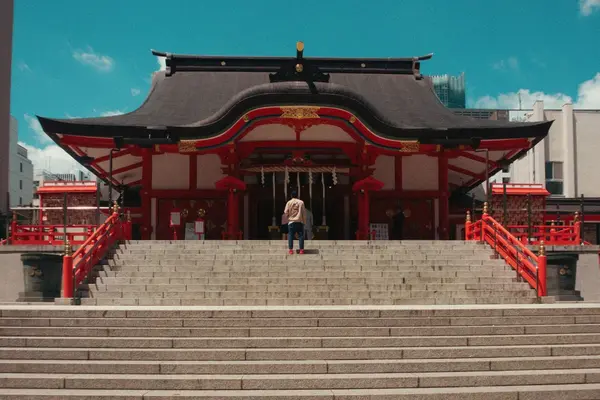
3. Hanazono Shrine
اعثر على واحة من السكينة وسط فوضى النيون في شينجوكو في ضريح أرست هذه المنطقة منذ القرن السابع عشر. مر بجانب الخرسانة الشاهقة واكتشف السكان المحليين وهم يرمون العملات ويصفقون بأيديهم ويهمسون بأمنياتهم للآلهة.
حقائق سريعة: يستضيف ضريح هانازونو أكثر من 300 تاجر خلال أسواقه السنوية للسلع المستعملة، مما يجذب الآلاف من الباحثين عن الصفقات كل نهاية أسبوع. هذا الضريح المخصص لآلهة الازدهار التجاري والحظ الجيد يقع في وسط ناطحات السحاب الحديثة ومنطقة الترفيه في شينجوكو.
النقاط البارزة: في ليلة رأس السنة، يُقرع جرس الضريح الضخم الذي يزن 500 كيلوغرام 108 مرات على يد متطوعين، وكل قرع يرمز إلى تطهير رغبة بشرية وفقًا للتقاليد البوذية. يتردد صدى الصوت عبر ممرات شينجوكو الخرسانية، مما يخلق تصادمًا صوتيًا سرياليًا بين الطقوس القديمة والحداثة المضاءة بالنيون.
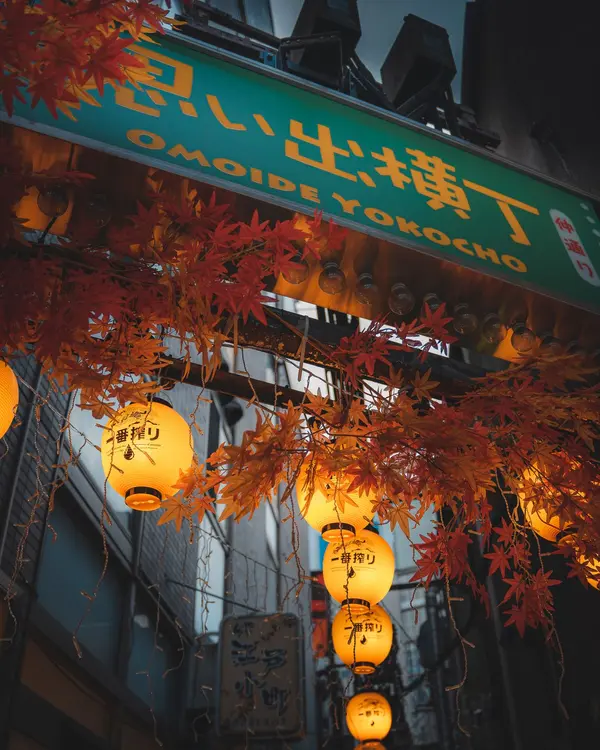
4. Omoide Yokocho
اقتحم كبسولة زمنية مدخنة مضاءة بالفوانيس حيث تشوي طوكيو أفضل ياكيتوري في حياتك. احتسِ على كرسي صغير أمام المنضدة واطلب أسياخاً وبيرة باردة وشاهد الطهاة وهم يروّون الفحم المتوهج على بعد بوصات من وجهك.
حقائق سريعة: حوالي 60 من حانات الياكيتوري الصغيرة المدخنة مطوية في شبكة الأزقة الضيقة هذه بالقرب من محطة شينجوكو. يجلس السكان المحليون على المقاعد هنا منذ أيام السوق السوداء بعد الحرب في أربعينيات القرن الماضي، عندما نشأت المنطقة لأول مرة.
النقاط البارزة: واحدة من آخر الجيوب الناجية من طوكيو القديمة، نجا هذا الزقاق بطريقة ما من إعادة التطوير التي حولت الحي المحيط إلى غابة من ناطحات السحاب الزجاجية. لا تزال رائحة الدجاج المشوي على الفحم وصلصة الصويا تفوح في الهواء، تمامًا كما كانت قبل 70 عامًا، ولا تزال بعض المحلات تحصل على أسياخها من نفس الموردين العائليين.
5. Golden Gai
أكثر من 200 بار صغير مكتظة في ستة أزقة مضاءة بالفوانيس، كل مساحة تتسع لعدد قليل من الأشخاص. تجول في الممرات الضيقة، واقتحم بار ويسكي يتسع لأربعة مقاعد، وتبادل القصص مع السكان المحليين حتى ساعات الفجر.
حقائق سريعة: مخبأة بين ناطحات السحاب في شينجوكو، تشكل هذه المتاهة المكونة من 200 حانة صغيرة ستة أزقة ضيقة نجت من إعادة الإعمار بعد الحرب. تستوعب معظم الحانات 4-6 أشخاص فقط، مما يجبر الغرباء على الدخول في محادثات حميمية أثناء احتساء الويسكي أو الساكي.
النقاط البارزة: لا تزال العديد من الحانات هنا تُدار من قبل مالكين متقدمين في السن اعتنوا بالمنضدة نفسها لأكثر من 50 عامًا، ويرفض بعضهم خدمة أي شخص يبدو أصغر من 30 عامًا. في إحدى الحانات، هناك قطة المنزل التي تقرر موعد آخر طلب بالقفز على حجرف العميل للإشارة إلى أن وقت المغادرة قد حان.
6. Samurai Museum
اقترب من معدات الساموراي الحقيقية أكثر من أي مكان آخر في طوكيو. ستمسك سيوفاً عمرها 700 عام، وتجرب الدروع، وتشاهد عروضاً حية للسيوف يومياً.
حقائق سريعة: أكثر من 13,000 قطعة أثرية تغطي 700 عام من تاريخ الساموراي، من فترة كاماكورا حتى عصر إيدو. يمكن للزوار التعامل مع سيوف الساموراي الحقيقية وتجربة الدروع الأصلية تحت إشراف الموظفين.
النقاط البارزة: مُرمم دروع ساموراي متقاعد يعتني شخصيًا بالمجموعة ويقوم أحيانًا بعرض عملية ارتداء بدلة درع كاملة التي تستغرق 45 دقيقة. لا تزال أرضية الكيندو الخشبية في المتحف تحمل علامات الخدوش والانبعاجات من عقود من الممارسة من قبل أندية الكيندو الجامعية في طوكيو.
7. Shinjuku Ni-chome
لا يوجد مكان آخر يحشر هذه الطاقة الكويرية في بضعة مبانٍ مضاءة بالنيون. تنقل بين بارات صغيرة حيث يشارك السكان المحليون أطباق الإدامامي ويصبون مشروبك التالي قبل أن تنهي الأول.
حقائق سريعة: مع أكثر من 300 حانة ونادٍ ومطعم صغير مكتظة في بضعة مباني فقط، تتمتع هذه المنطقة الصغيرة بواحد من أعلى تركيزات أماكن مجتمع الميم في أي مكان في العالم. أكثر من 30 في المئة من الحانات هنا عبارة عن مؤسسات صغيرة تتسع لأقل من 10 أشخاص، مما يجعل كل ليلة تبدو وكأنها حفلة خاصة.
النقاط البارزة: العديد من الحانات تُدار من قبل ملكات دراغ كوين متقاعدات يقدمن المشروبات على نفس المنضدة التي تتسع لعشرة مقاعد منذ الثمانينيات، ويتذكرن كل زبون دائم بالاسم. يمكنك الدخول إلى حانة صغيرة في الطابق السفلي تتسع لأربعة مقاعد في منتصف الليل وتجد نجمة كباريه سابقة تبلغ من العمر 70 عامًا تغني لإديت بياف أثناء تحضير هايبولك.
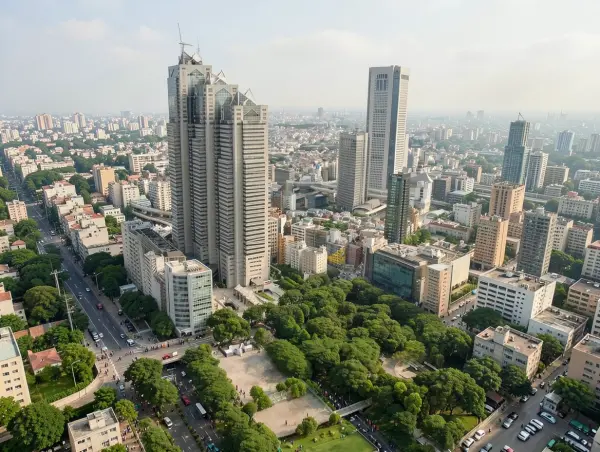
8. Shinjuku Central Park
ملاذ أخضر غارق بين ناطحات السحاب، يقدم مقاعد في الصف الأمامي لباليه طوكيو الحضري. احصل على قهوة، واجد مقعداً، وشاهد الموظفين وهم يغفون، والغربان وهي تتآمر، وأزهار الكرز وهي تنجرف عبر الخرسانة والزجاج.
حقائق سريعة: تقع أكثر محطات شينجوكو ازدحامًا على جانب واحد من هذا الممر الأخضر، ومع ذلك تظل الحديقة هادئة بشكل مفاجئ مع أكثر من 700 شجرة كرز تصطف على جانبي مساراتها. ما كان في السابق قطعة أرض خالية كانت بانتظار ملعب رياضي لم يُبنَ تحول إلى هذا الامتداد الأخضر البالغ مساحته 2.25 هكتار الذي يربط بين اثنتين من أكبر مناطق ناطحات السحاب في المدينة.
النقاط البارزة: في أيام الأسبوع حوالي وقت الغداء، سترى موظفي المكاتب يأخذون قيلولة على العشب ببدلاتهم، وهي طقوس هادئة في طوكيو تبدو وكأنها مصممة بعناية. تعمل الحديقة أيضًا كمعرض فني مفتوح مع منشآت دوارة من متحف طوكيو أوبرا سيتي القريب، لذا تتغير المنحوتات كل بضعة أشهر.
Where to Stay in Shinjuku, Japan
Selected by City Buddy based on guest reviews and proximity to top attractions
Search all hotels in Shinjuku, JapanPowered by agoda
أيام الافتتاح في Shinjuku, Japan
ما هي أبرز المعالم المغلقة في أي يوم من أيام الأسبوع، المشكلة الكلاسيكية التي تفسد الرحلة، وقد تحققنا منها لك.
الاثنين: 1 من أصل 8 من المعالم البارزة مغلقة، خطط لزيارة المتاحف في يوم آخر.
مغلق يوم الاثنين · 1 مغلق, 7 مفتوح
أيام الافتتاح من Google Maps (تم التحقق في 2026-07-03). قد تختلف العطلات الرسمية والإضرابات وساعات العمل الموسمية، تحقق من الموقع الرسمي قبل الذهاب.
الأطباق الحلوة التقليدية
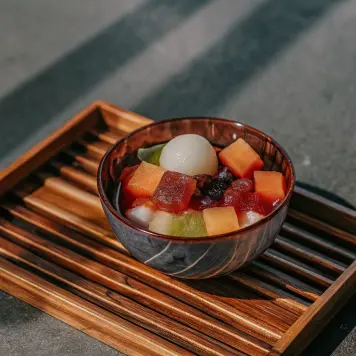
Anmitsu
Anmitsu features small cubes of agar jelly, sweet red bean paste, mochi, and fresh fruit all served with a drizzle of kuromitsu, a dark sugar syrup that originated as a medicine in the Edo period.
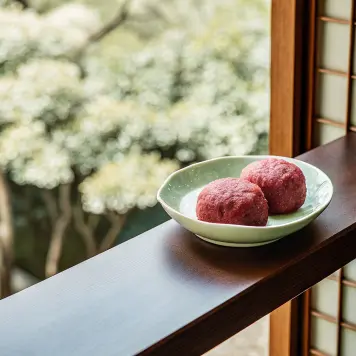
Ohagi (Botamochi)
Ohagi is a traditional sweet made from glutinous rice coated in sweet azuki bean paste, and its name changes to botamochi in spring depending on the seasonal flower in bloom.
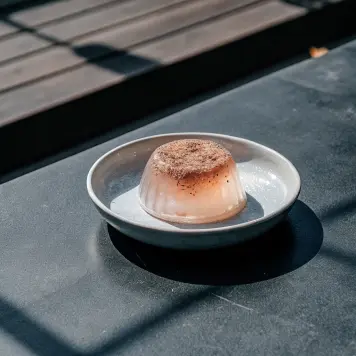
Kuzumochi
Unlike regular mochi made from rice, kuzumochi is made from kuzu (arrowroot) starch giving it a uniquely translucent, jelly-like texture, and it is often served with kinako (roasted soybean flour) and kuromitsu.
الأطباق المالحة التقليدية
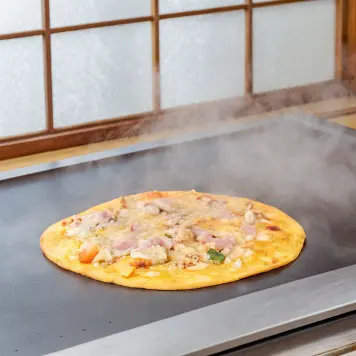
Monjayaki
Monjayaki is a thin, runny savory pancake cooked on a hot griddle that is famously associated with Tokyo's shitamachi (old town) culture, and Shinjuku has some of the best monjayaki specialty restaurants in the city.
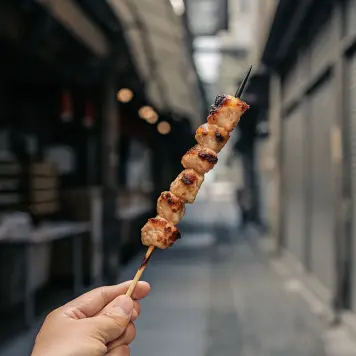
Yakitori
Shinjuku's Omoide Yokocho (Memory Lane) is legendary for its tiny yakitori stalls where skewers of chicken are grilled over charcoal, and the smoky alleyway has been a beloved dining destination since the post-war era.
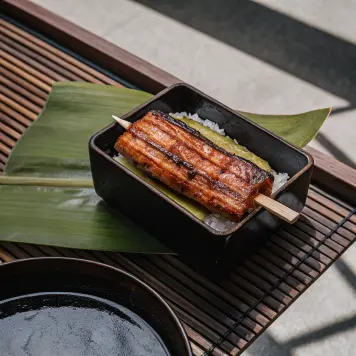
Unagi no Kabayaki
This dish features grilled eel glazed with a sweet soy-based sauce, and Shinjuku is home to some of Tokyo's most historic unagi restaurants that have been serving it continuously since the 1800s.
المشروبات التقليدية
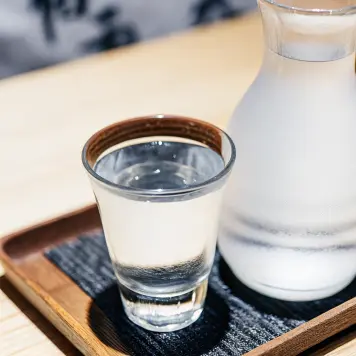
Sake
Sake is Japan's iconic rice wine, and Shinjuku's many izakaya (Japanese pubs) offer extensive sake selections where you can enjoy everything from fruity ginjo to rich, aged koshu varieties.
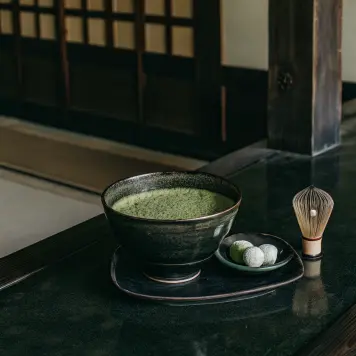
Matcha (Ceremonial Green Tea)
Matcha is a finely ground powder of specially grown green tea leaves, and Shinjuku's traditional tea houses offer this vibrant drink alongside the district's famous wagashi (Japanese sweets) for a perfect pairing.

Shochu
Shochu is a distilled spirit typically made from barley, sweet potato, or rice, and it is a staple at Shinjuku's drinking establishments where it is enjoyed on the rocks, with water, or mixed with hot water.
الأسئلة الشائعة حول Shinjuku, Japan
هل شينجوكو، اليابان آمنة؟
كم يوماً تحتاج في شينجوكو، اليابان؟
ما هو أفضل وقت لزيارة شينجوكو، اليابان؟
هل شينجوكو، اليابان باهظة الثمن؟
كيفية التنقل في شينجوكو، اليابان؟
احصل على ملف PDF بأشهر المعالم يُرسل إلى بريدك الإلكتروني
احصل على ملف PDF يحتوي على جميع المعالم، التقييمات، والنصائح. مثالي للاستخدام دون اتصال.
أشهر الرحلات اليومية
Kamakura
Historic coastal town with Great Buddha statue and serene temples
Hakone
Hot spring resort with views of Mount Fuji and Lake Ashi
Yokohama
Port city with Chinatown, Minato Mirai waterfront and gardens
كيفية الوصول
محطات القطار
JR Yamanote Line, JR Chuo Line, Odakyu Line, Keio Line, Tokyo Metro Marunouchi Line
Highway bus connections to airports and other cities
From Haneda Airport take the Limousine Bus (45 min) or train via Yamanote Line. From Narita take the Narita Express (80 min) directly to Shinjuku Station.
معلومات مفيدة عن Shinjuku, Japan
نظرة عامة عن Shinjuku, Japan
تريد خطة يومًا بيوم لـ Shinjuku, Japan؟ افتح مخطط الرحلة
متى ستذهب إلى Shinjuku, Japan؟
اختر تواريخك وأسلوب السفر لتحصل على:
هل هناك أي من هذه الأمور مهمة جداً لك؟
اختر كل ما ينطبق
التنقل
كيف تفضل التنقل بين الأماكن؟
لغة الخطة: العربية