 CityBuddy
 العربية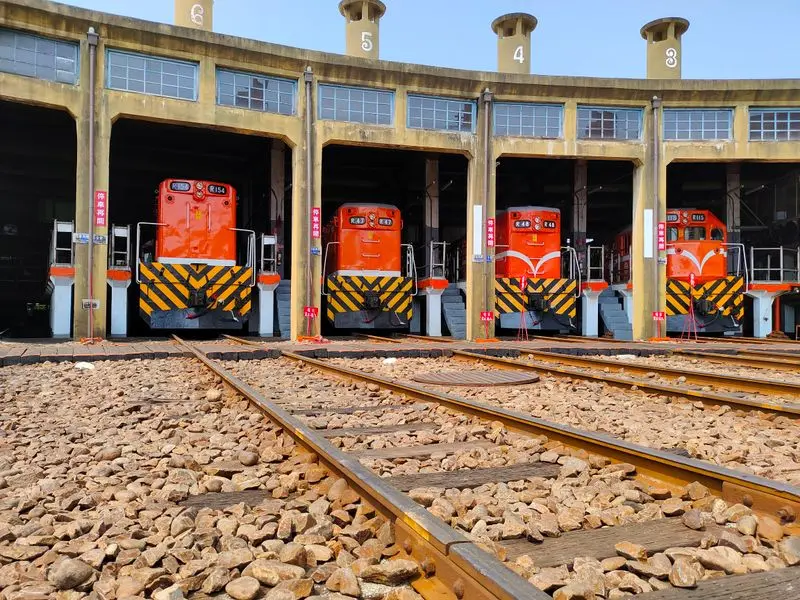
أشياء يمكنك القيام بها في Changhua, Taiwan
الصورة من تصوير 瑞宏 簡 على Pexels.com
متى تزور
أشهر المعالم في Changhua, Taiwan
سيكتشف الزوار الباحثون عن أنشطة في تشانغهوا، تايوان مزيجاً جذاباً من التاريخ والثقافة. يتربع بوذا باغواشان العظيم الذي يبلغ ارتفاعه 22 متراً على قمة تل يطل على أرجاء المدينة. يحافظ شارع لوكانغ القديم على معبد عمره 300 عام وحيٍّ تجاري بعمارة تقليدية. وتقدم مستودع تشانغهوا الدائري، الذي بُني عام 1922، جولات يومية لهواة القطارات.
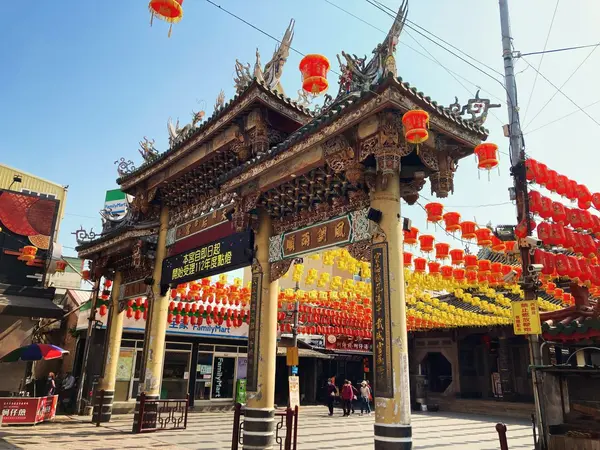
1. Lukang Old Street
تجوّل في الأزقة الضيقة حيث صمدت الحرف التقليدية لأجيال وتتسرّب روائح أكشاك الطعام عبر ساحات المعابد القديمة. تذوّق أومليت المحار الطازج، شاهد الفوانيس وهي ترسم باليد، واستكشف الممرات المتاهة التي أربكت القراصنة ذات يوم.
حقائق سريعة: صُممت الأزقة المتعرجة لتكون متاهة تربك القراصنة وتحمي السكان. ينتشر أكثر من 200 معبد تاريخي في المنطقة، ما يمنحها واحدة من أعلى كثافات المعابد في تايوان.
النقاط البارزة: ادخل إلى متاهة الأزقة الثمانية عشر ذات المنعطفات التسعة حيث تضيق الجدران حتى عرض كتف واحد بالكاد، وستكتشف ورشة فوانيس تقليدية ما تزال تستخدم إطارات من الخيزران يرسمها حرفيون من الجيل الرابع يدوياً. يتردد صدى قرع المطارق الخشبية التي تشكل أوتار الثيران إلى خف تقليدي في الأزقة، وهي حرفة استمرت هنا لأكثر من قرن.
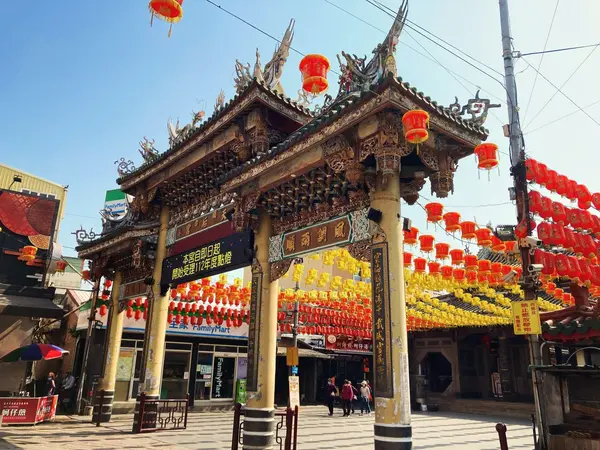
2. Lukang Tianhou Temple
ثلاثة قرون من الفن والإيمان تلتقي في معبد واحد. شاهد دخان البخور يتصاعد متجاوزًا الخطوط القديمة بينما يصلّي السكان المحليون بجانبك.
حقائق سريعة: عمودا تنين من الحجر يحيطان بالمدخل الرئيسي، نحتا من كتلتين من الجرانيت قبل ثلاثة قرون. يمر أكثر من 10,000 حاج عبر هذه البوابات خلال الاحتفالات السنوية بعيد ميلاد الإلهة مازو.
النقاط البارزة: فوق المذبح الرئيسي، يستخدم سقف خشبي مثمن الأضلاع يُسمى باغوا زاو جينغ 16 طبقة من الأقواس المتشابكة متماسكة دون مسمار واحد. تصور كل لوحة منحوتة حول الحافة معجزة مختلفة من حياة إلهة البحر، مع ترك المركز مفتوحاً عمداً حتى تصعد الصلوات مباشرة إلى الأعلى.
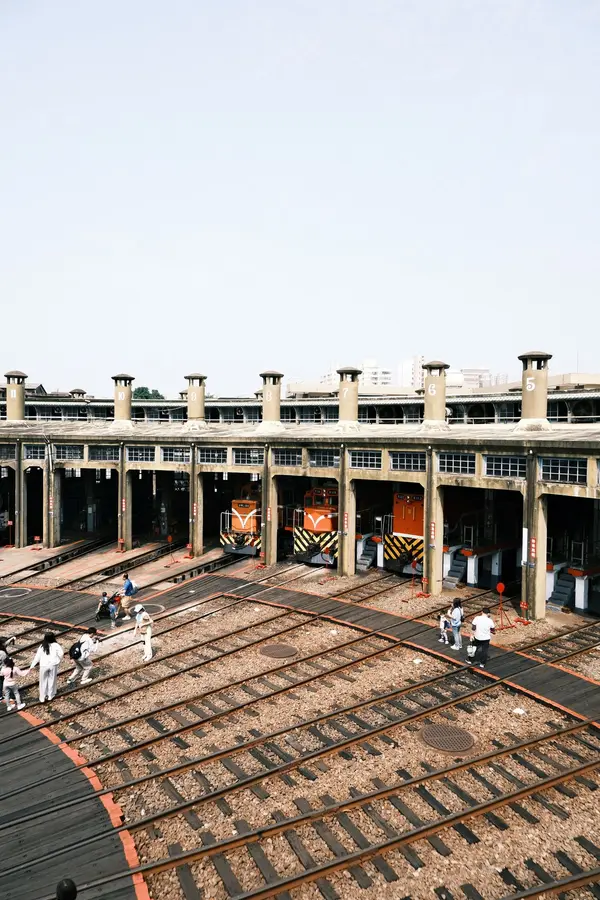
3. Changhua Roundhouse
المستودع الدائري الوحيد العامل في تايوان حيث ما تزال القاطرات البخارية تدخل للصيانة. شاهد المحركات الحديدية الضخمة تدور على القرص الدوّار اليدوي واقترب حتى السكة الحديدية.
حقائق سريعة: واحدة من آخر المستودعات الدائرية العاملة لقاطرات البخار في تايوان، يحمل تصميمها على شكل مروحة اثني عشر مساراً تشع من قرص دوار مركزي. ما يزال القرص الدوار يدور حتى اليوم، ويُشغل يدوياً ليدير القاطرات إلى حظائرها المخصصة مثل بوصلة سكك حديدية عملاقة.
النقاط البارزة: على عكس القطع المتحفية المحبوسة خلف الزجاج، ما يزال هذا المستودع الدائري البالغ من العمر 102 عاماً ورشة صيانة تعمل بكامل طاقتها، حيث ما يزال الميكانيكيون يشحمون المحامل ويغذون صناديق النار في محركات بخارية حية. شاهد بذهول قاطرة تزن 100 طن تصعد على القرص الدوار وتدور مع أنين ميكانيكي، فتصطف بشكل مثالي في حظيرتها في أقل من دقيقتين.
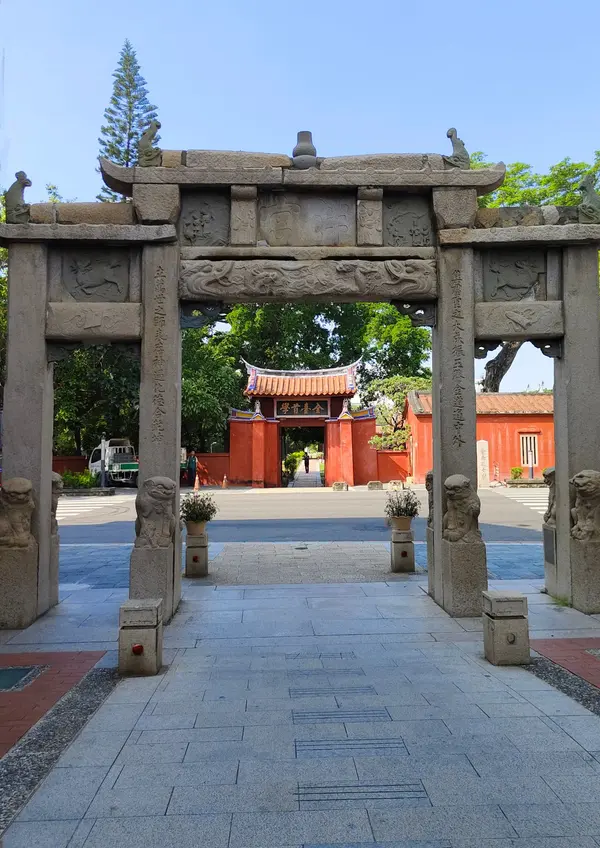
4. Changhua Confucius Temple
ادخل إلى ساحة هادئة حيث سعى العلماء على مر القرون إلى الحكمة. توقع نقوشاً مزخرفة وبركة هادئة ورائحة بخور خفيفة تعلق في الهواء.
حقائق سريعة: ما يقرب من 300 عام من الاحتفالات العلمية جرت تحت هذه الأسقف المقعرة المترامية. في كل عام، يُقام حفلان كبيران لتكريم كونفوشيوس بالموسيقى والرقص والقرابين الحيوانية، وهو تقليد ظل دون تغيير إلى حد كبير منذ عهد أسرة تشينغ.
النقاط البارزة: يُعد هذا من أقدم معابد كونفوشيوس في تايوان، والطلاء الأحمر والأخضر الباهت على الأعمدة يروي قصة قرون من دخان البخور. انظر عن قرب إلى حواف السقف، سترى تماثيل خزفية صغيرة للعلماء والخلود، وُضع كل واحد منها لحماية المهمة الأكاديمية للمعبد.
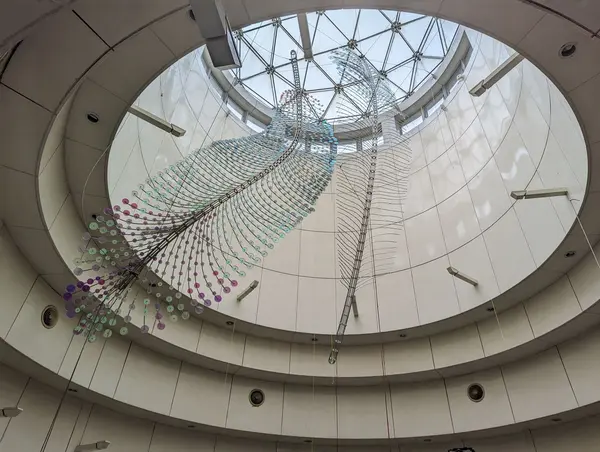
5. Taiwan Glass Gallery
ادخل إلى عالم يلمع فيه كل شيء، من الثريات إلى المباني بأكملها. ستتجول في كاتدرائية زجاجية وستعبر جسراً شفافاً وستشاهد الفنانين ينفخون الزجاج المنصهر ليتحول إلى فن أمام عينيك.
حقائق سريعة: حوالي 2000 منحوتة زجاجية وتركيبات وأدوات يومية تملأ قاعات العرض متعددة الطوابق هنا. تتنوع المجموعة من المزهريات المنفوخة الرقيقة إلى نسخة زجاجية كاملة من سوق تقليدي، وكلها مصنوعة على أيدي حرفيين تايوانيين.
النقاط البارزة: جوهرة التاج هي نسخة كاملة من كاتدرائية زجاجية مبنية من أكثر من 2000 لوح زجاجي فردي، ويمكن للزوار فعلاً المشي عبر داخلها المتوهج والشفاف. على السطح، ستجد جسراً زجالياً يمتد عبر الحديقة بالأسفل، مما يتيح لك الوقوف على أرضية شفافة عالياً فوق الأرض مع انعكاس المجمع كاملاً تحتك.
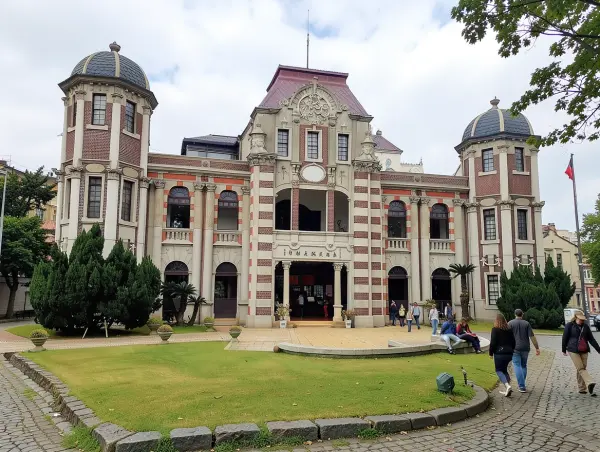
6. Lukang Folk Arts Museum
ادخل إلى قصر باروكي يعود لعام 1919 حيث عاشت أقوى عائلة في تايوان. تجوّل في غرف مليئة بـ3,000 قطعة أثرية يومية، من فساتين الزفاف الحريرية إلى ألعاب عمرها قرن وأدوات المطبخ.
حقائق سريعة: قصر على الطراز الباروكي يعود لعام 1919، وكان مملوكاً لعائلة كو، إحدى أقوى العشائر التايوانية خلال الحقبة الاستعمارية اليابانية. أكثر من 3,000 قطعة أثرية تملأ الغرف، بدءاً من سرير زفاف منحوت فخم إلى أسطوانات الحاكي العتيقة وأنابيب الأفيون القديمة.
النقاط البارزة: القصر نفسه كان مقر إقامة كو هسين-جونغ، الرجل الذي فتح بوابات تايبيه للقوات اليابانية عام 1895، مما غيّر مسار تايوان إلى الأبد. لا يزال الزوار يستطيعون رؤية طاولة طعام العائلة الأصلية المزينة بالخزف الصيني، وكأن عائلة كو قد غادرت للتو عشاءً رسمياً.
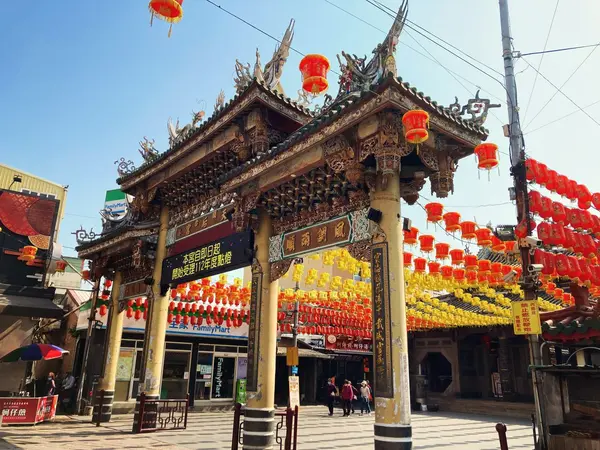
7. Qingshuiyan Temple
معبد عمره 300 عام تحرس فيه أشجار الكافور القديمة نبعًا طبيعيًا وترقص فيه اليراعات في أمسيات الربيع. تجوّل في الساحات الهادئة، ارتشف الشاي بجانب جدول الجبل، وشاهد الرهبان يكنسون الطحالب عن الممرات الحجرية.
حقائق سريعة: ثلاث أشجار كافور عريقة تظلل الأفنية، واحدة منها عمرها أكثر من 300 عام وتمتد بعرض 20 متراً. ما يزال ينبوع طبيعي يتدفق بجانب المزار، ليمنح المعبد اسمه الذي يعني "الماء الصافي".
النقاط البارزة: في كل أبريل، يتوهج آلاف اليراعات عبر مسارات الغابة المحيطة، محولين التلة إلى كوكبة حية. يقدم معلم الخط المقيم في المعبد دروساً مجانية في عطلات نهاية الأسبوع، ليسمح للزوار برسم أمنياتهم على ألواح خشبية يعلقونها بجانب النبع.
8. Tianwei Highway Garden
اركب الدراجة عبر حقول لا نهاية لها من البيوت الزجاجية المليئة بالزهور حيث يؤدي مزارعو الزهور في تايوان عملهم. يمكنك التوقف عند أي مشتل، شراء أوركيدا مزروعة في أصيص بأقل من 5 دولارات، ومشاهدة المزارعين وهم يغلّفونها طازجة من البيت الزجاجي.
حقائق سريعة: تصطف على جانبي الطرق هنا أكثر من 200 متجر لبيع الحدائق ومشاتل، مما يجعلها واحدة من أكبر مراكز توزيع الزهور في آسيا. تزود هذه المنطقة ما يقرب من 70% من نباتات الزينة والزهور المقطوفة في تايوان، وتتغير ألوانها مع كل موسم حيث تتناوب الأقحوان والبونسيتيا وعباد الشمس على التفتح.
النقاط البارزة: على عكس حديقة واحدة مشذبة، هذه سوق حية تمتد على مسافة 4.8 كيلومترات حيث تتجول بين المشاتل العاملة والبيوت الزجاجية، وتشتري مباشرة من المزارعين الذين يعتنون بها. يحدث السحر الحقيقي عند الغسق عندما تتوهج آلاف الأضواء الخرافية الصغيرة المعلقة بين البيوت الزجاجية، لتحول المنطقة بأكملها إلى أرض عجائب مضيئة.
Where to Stay in Changhua, Taiwan
Selected by City Buddy based on guest reviews and proximity to top attractions
Search all hotels in Changhua, TaiwanPowered by agoda
أيام الافتتاح في Changhua, Taiwan
ما هي أبرز المعالم المغلقة في أي يوم من أيام الأسبوع، المشكلة الكلاسيكية التي تفسد الرحلة، وقد تحققنا منها لك.
الاثنين: 3 من أصل 8 من المعالم البارزة مغلقة، خطط لزيارة المتاحف في يوم آخر.
مغلق يوم الاثنين · 3 مغلق, 5 مفتوح
أيام الافتتاح من Google Maps (تم التحقق في 2026-06-27). قد تختلف العطلات الرسمية والإضرابات وساعات العمل الموسمية، تحقق من الموقع الرسمي قبل الذهاب.
الأطباق الحلوة التقليدية
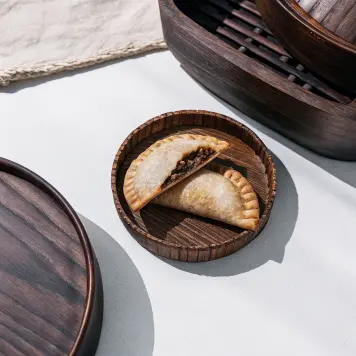
Lukang Ox Tongue Pastry (牛舌餅)
Despite its name, this pastry contains no ox tongue. It is a thin, crispy, maltose-filled biscuit shaped like an ox tongue, and Lukang is the most famous place in Taiwan to buy it.
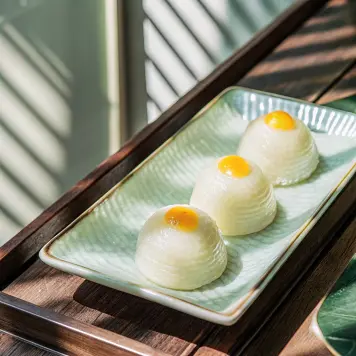
Phoenix Eye Cake (鳳眼糕)
This delicate, crumbly white pastry is made from premium glutinous rice flour and sugar. It gets its name from its oval shape resembling a phoenix eye, and it was once a tribute snack served to Qing Dynasty officials.
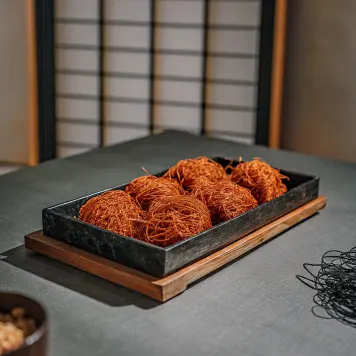
Dragon Beard Candy (龍鬚糖)
This traditional Chinese candy is made by pulling sugar into thousands of fine, hair-like strands, resembling a dragon's beard. It is filled with crushed peanuts, sesame seeds, and coconut, and Lukang is one of the best places to watch it made by hand.
الأطباق المالحة التقليدية

Changhua Meatballs (彰化肉圓)
Changhua meatballs are arguably the most famous ba wan in Taiwan. Unlike other versions, they are steamed then deep-fried, giving them a crispy exterior, and they are served with a sweet and savory brown sauce.
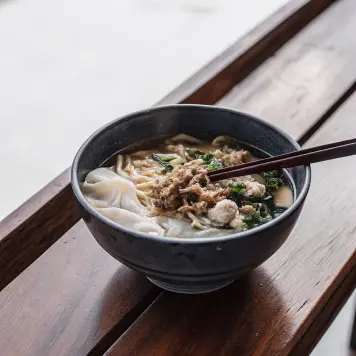
Cat and Mouse Noodles (貓鼠麵)
Despite its unusual name, this dish contains no cat or mouse. It was named after the nickname of its creator who was called "cat and mouse" for his agility, and the noodle soup features a rich, clear broth with ground pork and tender wontons.
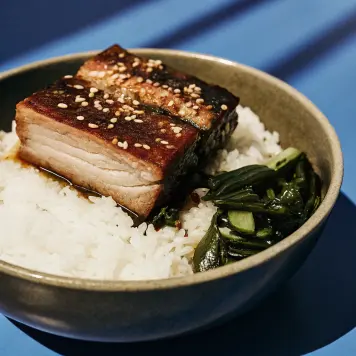
Changhua Braised Pork Rice (彰化爌肉飯)
Changhua is famous for its braised pork rice, featuring a massive, tender slab of pork belly slow-braised in soy sauce and spices. It is so beloved that many shops sell it as a late-night or breakfast staple, with some restaurants operating 24 hours a day.
المشروبات التقليدية
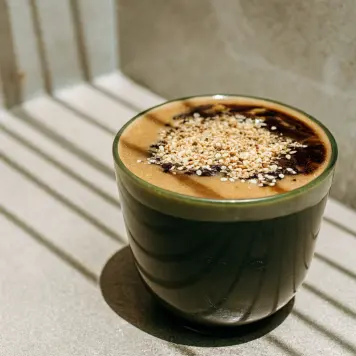
Mian Cha (麵茶)
Mian Cha is a warm, thick, porridge-like drink made from toasted wheat flour, sesame seeds, and sugar. It was originally a filling breakfast for farmers and is still a beloved nostalgic street drink in Lukang, Changhua.

Sour Plum Drink (酸梅湯)
This tangy and refreshing drink is made by simmering smoked plums, hawthorn, licorice, and rock sugar for hours. It is a classic accompaniment to heavy street food in Changhua and is believed to aid digestion on hot days.
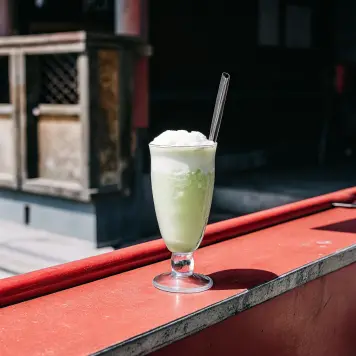
Mung Bean Shake (綠豆沙)
This creamy, slushy drink is made by blending cooked mung beans with ice and sugar until smooth. In Changhua's Lukang district, it is a wildly popular summer treat sold at iconic old-school stalls that have been operating for decades.
احصل على ملف PDF بأشهر المعالم يُرسل إلى بريدك الإلكتروني
احصل على ملف PDF يحتوي على جميع المعالم، التقييمات، والنصائح. مثالي للاستخدام دون اتصال.
أشهر الرحلات اليومية
Lukang Old Town
Historic port town with ancient temples, narrow alleys, and traditional crafts
Baguashan Great Buddha
Iconic hilltop Buddha statue with panoramic city views and hiking trails
Taichung City
Vibrant city with night markets, museums, and Rainbow Village
Xitou Nature Area
Mountain forest reserve with bamboo groves and suspension bridges
كيفية الوصول
محطات القطار
Taiwan Railway West Coast Line (TRA)
Taiwan High Speed Rail connecting Taipei to Kaohsiung
From Taichung HSR station, take local TRA train or bus to Changhua Station in about 15 minutes. From Taichung Airport, take bus to Changhua.
معلومات مفيدة عن Changhua, Taiwan
نظرة عامة عن Changhua, Taiwan
تريد خطة يومًا بيوم لـ Changhua, Taiwan؟ افتح مخطط الرحلة
متى ستذهب إلى Changhua, Taiwan؟
اختر تواريخك وأسلوب السفر لتحصل على:
هل هناك أي من هذه الأمور مهمة جداً لك؟
اختر كل ما ينطبق
التنقل
كيف تفضل التنقل بين الأماكن؟
لغة الخطة: العربية