 CityBuddy
 Español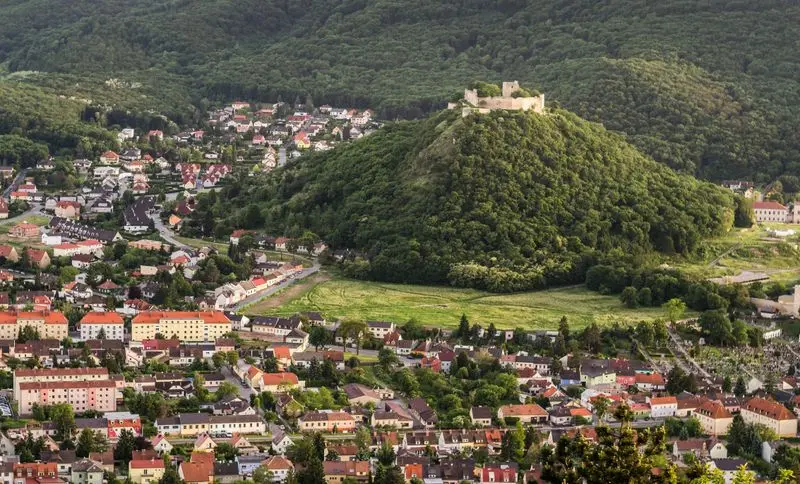
Qué hacer en Hainburg an der Donau, Austria
Foto realizada por Karol Czinege en Pexels.com
Cuándo visitar
¿Cuándo vas a Hainburg an der Donau, Austria?
Elige tus fechas y estilo de viaje para obtener:
¿Alguno de estos es especialmente importante para ti?
Selecciona todos los que apliquen
Plan language: EspañolAtracciones más populares en Hainburg an der Donau, Austria
Si buscas cosas que hacer en Hainburg an der Donau, Austria, comienza por el Burg Hainburg del siglo XIII, una fortaleza en la cima de una colina con vistas al valle del río Danubio. Atraviesa la puerta medieval Wiener Tor y luego sube los 222 escalones de la torre de observación Haymburgwarte para disfrutar de una vista panorámica de la región de Wachau.
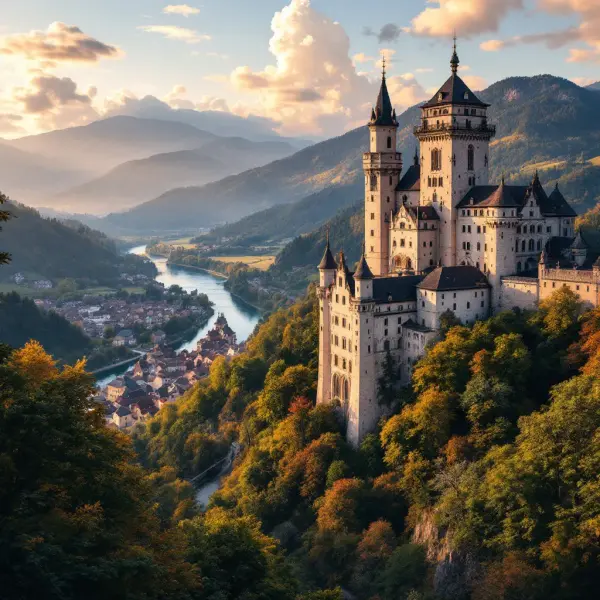
1. Burg Hainburg
Climb Austria's longest medieval defensive wall for jaw dropping Danube views across three countries. Walk the same battlements where guards once watched for approaching armies.
Datos rápidos: Ubicada en una colina sobre el Danubio, esta fortaleza medieval cuenta con el muro defensivo más largo que se conserva en Austria, con 250 metros. Su torre del siglo XII resistió múltiples asedios y ofrece vistas de 360 grados a tres países en días despejados.
Destacados: A diferencia de la mayoría de los castillos restaurados, el interior de la torre permanece deliberadamente crudo: muros de piedra rugosa, escaleras de caracol desgastadas y soportes originales de antorchas medievales. Puedes pararte en la misma sala de guardia donde los soldados escudriñaban el río en busca de ejércitos enemigos hace más de 800 años.
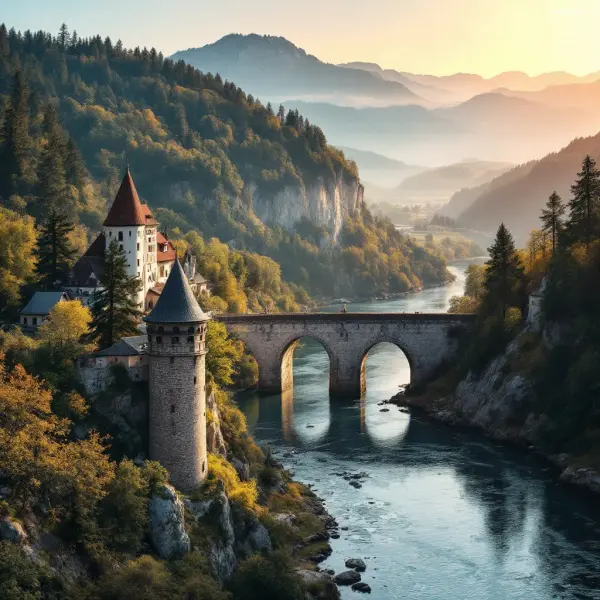
2. Wiener Tor
Stand where medieval soldiers once watched for approaching armies along the Danube. Climb the winding stone staircase for a sweeping panorama over Austria, Slovakia, and Hungary all at once.
Datos rápidos: Dos torres de piedra coronan una colina con vista al río Danubio y la frontera eslovaca. La fortificación del siglo XIII una vez protegió el borde oriental del Sacro Imperio Romano Germánico.
Destacados: Tres pesadas balas de cañón de hierro del asedio otomano de 1683 todavía sobresalen del muro exterior de la torre sur. Los visitantes pueden pasar los dedos sobre los cráteres de impacto, sintiendo las mismas marcas dejadas por la artillería hace más de 340 años.
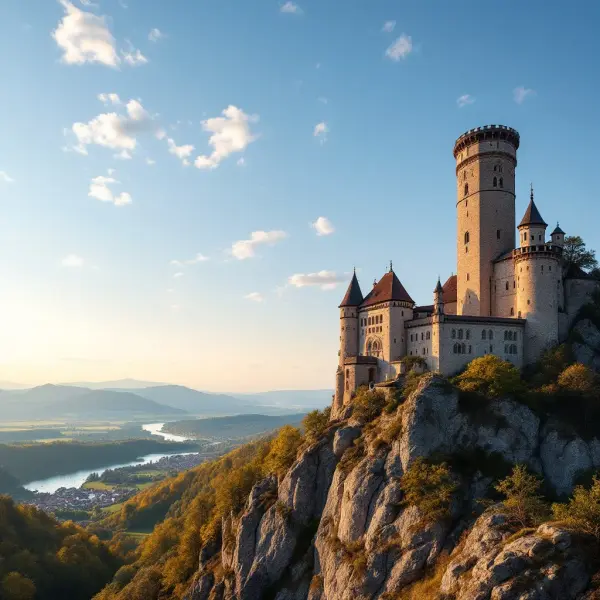
3. Braunsberg
Braunsberg rewards you with one of Central Europe's best three-country viewpoints after a short uphill walk. Follow the trail through wildflower meadows and beech forests to reach the medieval fortress ruins at the summit.
Datos rápidos: Walking up the 443 steps to the top of the medieval tower rewards you with panoramic views where three countries meet: Austria, Slovakia, and Hungary. The fortress walls stretch over 500 meters and were built using limestone hauled from a quarry 8 kilometers away.
Destacados: The fortress was never conquered in battle, so its original Gothic architecture remains remarkably intact. Inside the tower, you can still see medieval graffiti scratched into the stone walls by bored guards from the 15th century.
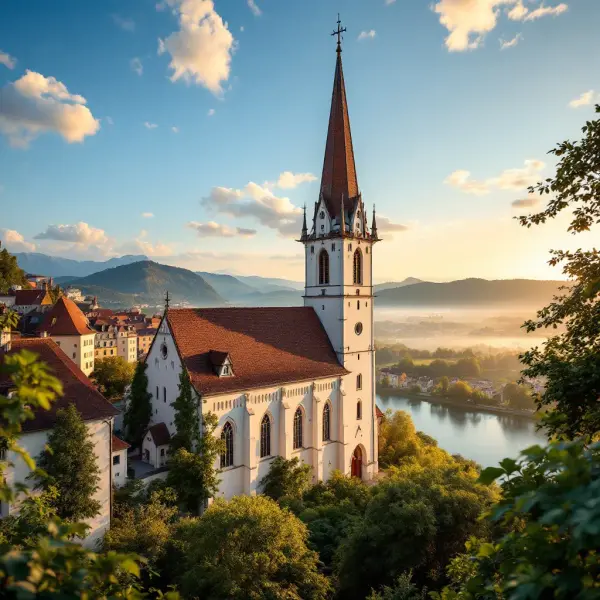
4. Pfarrkirche Hainburg
Step inside a Gothic masterpiece where medieval stone carvers left their secrets in every pillar. You will stand beneath towering ribbed vaults and discover wooden choir stalls with 700-year-old hidden scenes.
Datos rápidos: The church towers over Hainburg with its 86-meter spire, visible from kilometers along the Danube. Its foundation stones were laid in the 13th century during a period when Hainburg served as a key border fortress for the Babenberg dynasty.
Destacados: Carved into the choir stalls are 42 unique misericordia seats, each featuring a different medieval scene of daily life, from grape harvesting to musicians playing bagpipes. These wooden carvings survived the Turkish sieges and Napoleonic wars, making them one of the best-preserved sets of their kind in Austria.
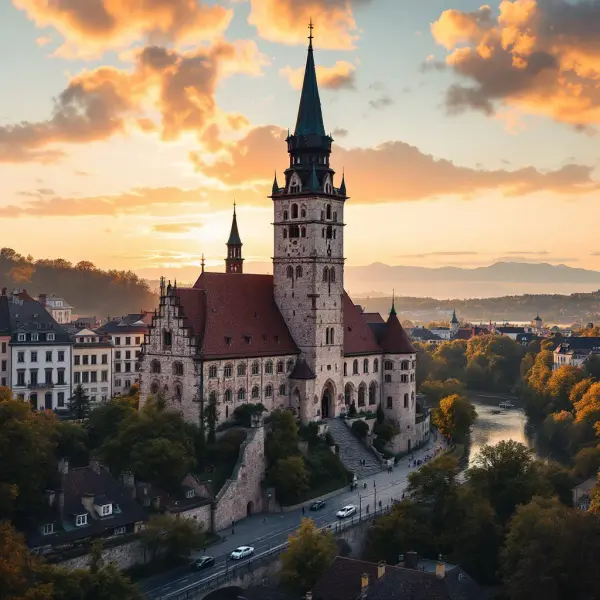
5. Stadtmuseum Hainburg
Step inside a 300-year-old monastery turned time capsule of regional life. You'll wander from prehistoric tools to a full 19th-century grocer's shop, all under vaulted stone ceilings.
Datos rápidos: The museum occupies a former Franciscan monastery built around 1700, complete with a preserved cloister courtyard. Its collections span over 20,000 objects, from Celtic artifacts found on nearby Mount Braunsberg to exhibits about the 1683 Ottoman siege.
Destacados: One entire room recreates a 1920s Hainburg pharmacy with original walnut cabinets, glass-stoppered jars, and hand-labeled remedy bottles still fragrant with dried herbs. A darkened corner displays the "Hainburg Venus," a 5,000-year-old clay fertility figurine discovered during local construction work.
Where to Stay in Hainburg an der Donau, Austria
Selected by City Buddy based on guest reviews and proximity to top attractions
Search all hotels in Hainburg an der Donau, AustriaPowered by agoda
Platos dulces tradicionales
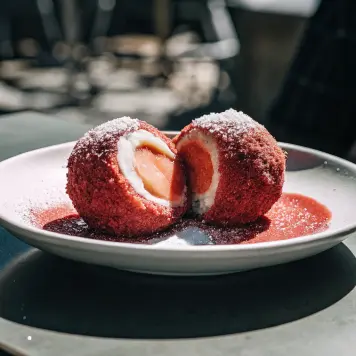
Marillenknödel
These apricot dumplings are a famous Austrian dessert from the Danube region. The apricots are wrapped in potato dough, boiled, and rolled in buttered breadcrumbs and powdered sugar.
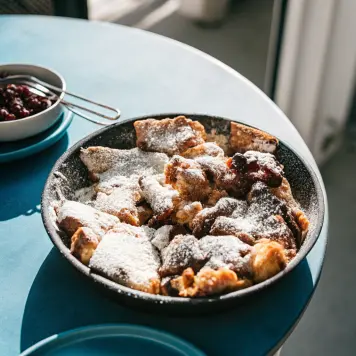
Kaiserschmarrn
This shredded caramelized pancake was supposedly named after Emperor Franz Joseph I, who loved it as a simple yet elegant dessert. It is often served with plum compote or apple sauce.

Topfenstrudel
Unlike the famous apple strudel, this version features a creamy quark cheese filling with raisins and lemon zest. Hainburg's location along the Danube made it a crossroads for this beloved pastry tradition.
Platos salados tradicionales

Wiener Schnitzel
Though named after Vienna, this breaded and fried veal cutlet is beloved throughout Lower Austria, including Hainburg. The city's location near the Slovakian border means local versions sometimes include a slight Hungarian paprika twist.

Schweinsbraten mit Knödel
This classic roast pork with crispy crackling and bread dumplings is a Sunday staple in Hainburg. The local beer from the region is often used to deglaze the roasting pan for a rich, flavorful gravy.
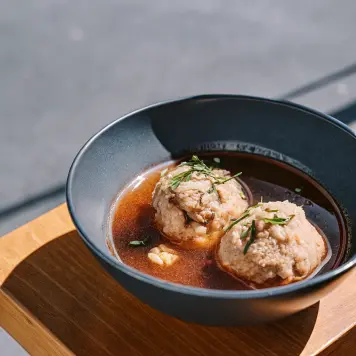
Leberknödelsuppe
This clear beef broth with liver dumplings is a traditional starter across Austrian taverns. In Hainburg, the dumplings are often made with a hint of marjoram and served with chives on top.
Bebidas tradicionales

Melange
This classic Viennese coffee drink, made with espresso and steamed milk topped with milk foam, is a daily ritual in Hainburg's cafés. It is traditionally served with a small glass of water on the side.
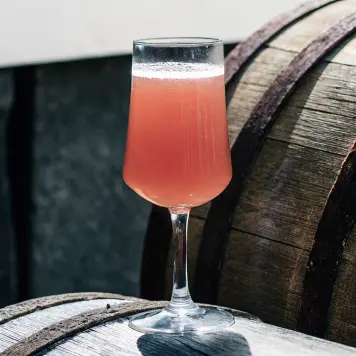
Sturm
Sturm is a partially fermented young wine enjoyed in autumn throughout the wine regions of Lower Austria near Hainburg. It is lightly fizzy, sweet, and only available for a few weeks each year during grape harvest season.

Almdudler
Often called Austria's national soft drink, this herbal lemonade is made from Alpine mountain herbs. It was created in 1957 and remains a beloved non-alcoholic refreshment in Hainburg and across the country.
Frequently Asked Questions about Hainburg an der Donau, Austria
"¿Es seguro Hainburg an der Donau, Austria?"
"¿Cuántos días en Hainburg an der Donau, Austria?"
"¿Mejor época para visitar Hainburg an der Donau, Austria?"
"¿Es caro Hainburg an der Donau, Austria?"
"¿Cómo moverse por Hainburg an der Donau, Austria?"
Recibe un PDF con las atracciones más populares en tu correo electrónico
Obtén un PDF con todas las atracciones, valoraciones y consejos. Perfecto para uso sin conexión.
Excursiones de un día más populares
Vienna
Austria's imperial capital with palaces, museums, and coffee houses
Devín Castle
Ruins of a historic castle at the confluence of Danube and Morava rivers
Carnuntum Archaeological Park
Open-air museum showcasing ancient Roman city ruins
Bratislava Forest Park
Large nature reserve with hiking trails and panoramic views
Rent a car in Hainburg an der Donau, Austria
Cómo llegar
Estaciones de tren
Regional rail lines to Vienna and Bratislava
Main hub with connections to all major Austrian cities and international routes
From Vienna Airport, take the S-Bahn or Railjet to Wien Hauptbahnhof, then transfer to a regional train to Hainburg.
Encuentra vuelos a Hainburg an der Donau, Austria
Haz clic para obtener eSim para Hainburg an der Donau, Austria
La forma más fácil y económica de tener internet móvil dondequiera que viajes.
Comentarios (8)
The Danube bike path goes right through here. Perfect spot to stop for a coffee if you're cycling Vienna to Bratislava.
Really charming old town with the castle ruins up top. Stayed one night and that felt enough for most people.
Honestly kind of sleepy. Beautiful streets but not much going on after 5pm unless you're there for a hike.
Weather was drizzly and gray when I went in October. I bet it's gorgeous in spring with the hills all green.
Had lunch at a little cafe near the Rathaus. Prices were surprisingly fair for Austria. Goulash was solid.