 CityBuddy
 Español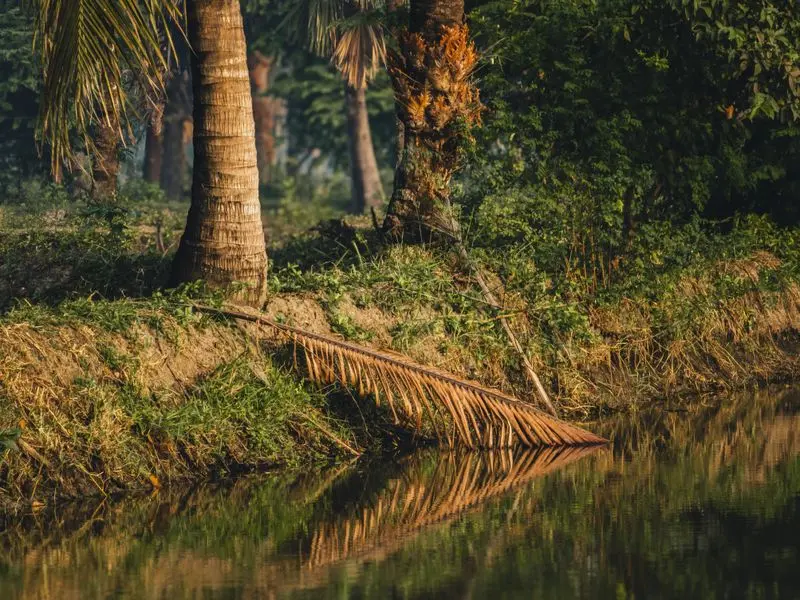
Qué hacer en Bagerhat, Bangladesh
Foto realizada por Tonmoy Bhakta en Pexels.com
Cuándo visitar
Atracciones más populares en Bagerhat, Bangladesh
Cuando se pregunta por las mejores cosas que hacer en Bagerhat, Bangladés, la primera respuesta es la Mezquita de las Sesenta Cúpulas (Shat Gambuj Masjid). Esta enorme mezquita del siglo XVII con 81 cúpulas impresiona con su arquitectura de ladrillo. Justo al lado se encuentra el Museo de Bagerhat, que exhibe hallazgos locales, mientras que el Mausoleo de Khan Jahan Ali, a pocos cientos de metros, ofrece una visión del fundador de la ciudad.
1. Sixty Dome Mosque (Shat Gambuj Masjid)
Shat Gambuj Masjid
Una de las mezquitas de ladrillo más grandes del mundo se esconde en un tranquilo pueblo. Aquí sientes el susurro de la historia entre 60 columnas y 81 cúpulas.
Datos rápidos: "Más de 60 cúpulas coronan el techo de esta enorme mezquita del siglo XV, pero en realidad hay 81 pequeñas cúpulas en su interior. Los gruesos muros y las 60 columnas crean una atmósfera increíblemente fresca, incluso bajo el sol abrasador de Bangladesh."
Destacados: "El secreto está en las paredes: ladrillos de más de 2 metros de grosor absorben el calor del día y lo irradian durante la noche, por lo que el suelo se mantiene agradablemente fresco. Cada una de las 60 columnas está colocada con precisión matemática, de modo que la luz cae exactamente a través de los estrechos arcos, creando un patrón cambiante de sombras y sol a lo largo del día."
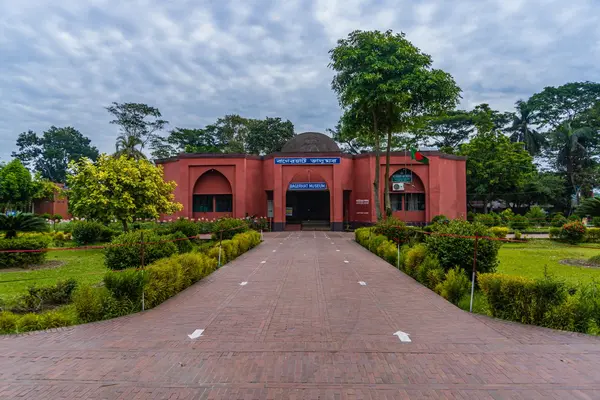
2. Bagerhat Museum
Viaja 600 años atrás en el tiempo y descubre las historias detrás de la ciudad de mezquitas de Khan Jahan Ali. Explora entre monedas raras, arte de terracota y antiguas inscripciones en piedra que revelan una cultura sultaní desaparecida.
Datos rápidos: El museo alberga una impresionante colección de más de 400 monedas raras, algunas que datan del período del sultanato del siglo XIII. Aquí te encuentras cara a cara con placas de terracota originales que fueron rescatadas de los muros en ruinas de las mezquitas.
Destacados: Acércate a los exquisitos relieves de terracota que representan guerreros a caballo y mujeres danzantes. Tienen más de 600 años, pero los detalles son nítidos como si se hubieran hecho ayer. Uno de los objetos más fascinantes es un viejo cañón con inscripciones árabes que cuenta una historia de navegación y guerra en el Bengala medieval.
3. Mausoleum of Khan Jahan Ali
Step inside a 600-year-old brick tomb where prayers still echo daily. Feel the cool, dark stillness under a single dome while history and devotion merge around you.
Datos rápidos: The 15th-century brick tomb of Khan Jahan Ali, a Muslim saint and general, anchors a complex that includes a single-domed mosque and a giant tank. Its dark red terracotta bricks have survived centuries of monsoon rains without any cement, held together by a lime and molasses mortar.
Destacados: The massive stone sarcophagus inside sits alone in the cool, dim interior while dozens of bats cling to the ceiling above, their chatter echoing off the bare brick walls. Visitors often end up sharing the space with locals who come to pray and offer small tributes, so the site pulses with living devotion rather than feeling like a museum piece.
4. Nine Dome Mosque
A 15th-century architectural marvel where 60 pillars hold nine domes aloft. Feel the cool brick under bare feet and trace carved terracotta patterns that have survived five centuries.
Datos rápidos: This 15th-century structure features nine domes arranged in three rows, a rare layout for a mosque of its era. Its 60 thick pillars carry the entire roof without any central dome support, and the terracotta brickwork shimmers gold in late afternoon light.
Destacados: Walk inside and you'll find 60 slender pillars supporting the roof in tight grid formation, each one hand-carved from local brick and mortar. The mosque's nine domes sit in a perfect 3x3 pattern, but the real trick is that none of them touch the walls, creating a floating canopy effect that feels impossibly modern for its age.
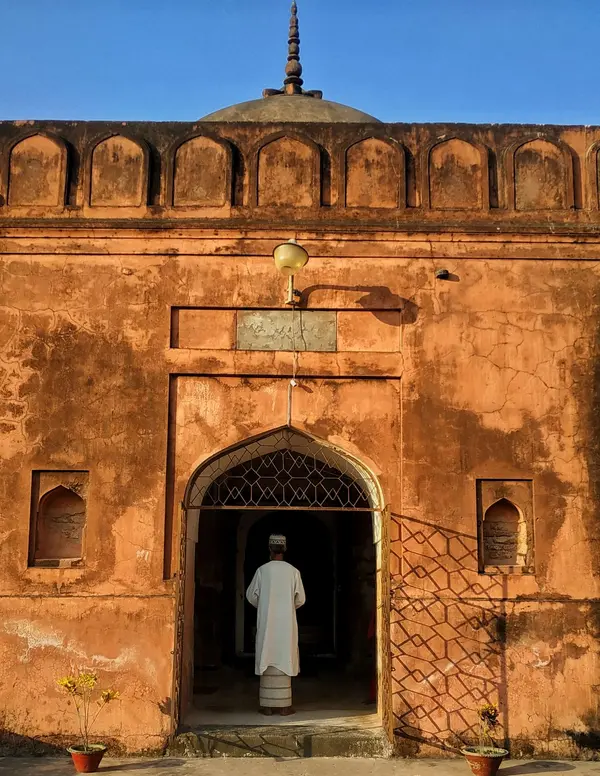
5. Zinda Pir Mosque
A quiet brick jewel among Bagerhat's grand monuments. Visitors find intricate terracotta carvings and a living prayer space that still hums with daily life.
Datos rápidos: La mezquita Zinda Pir se encuentra en el corazón del distrito histórico de mezquitas de Bagerhat, una zona Patrimonio Mundial de la UNESCO. Su estructura de ladrillo de una sola cúpula sigue el estilo clásico de la Sultanía con ornamentación de terracota.
Destacados: A diferencia de la enorme mezquita de las Sesenta Cúpulas cercana, esta es íntima y personal, con muros que presentan intrincados relieves florales en terracota desgastada. La silueta achaparrada y abovedada resulta casi escultórica, y los lugareños aún se reúnen aquí para rezar, conectándote directamente con siete siglos de culto continuo.
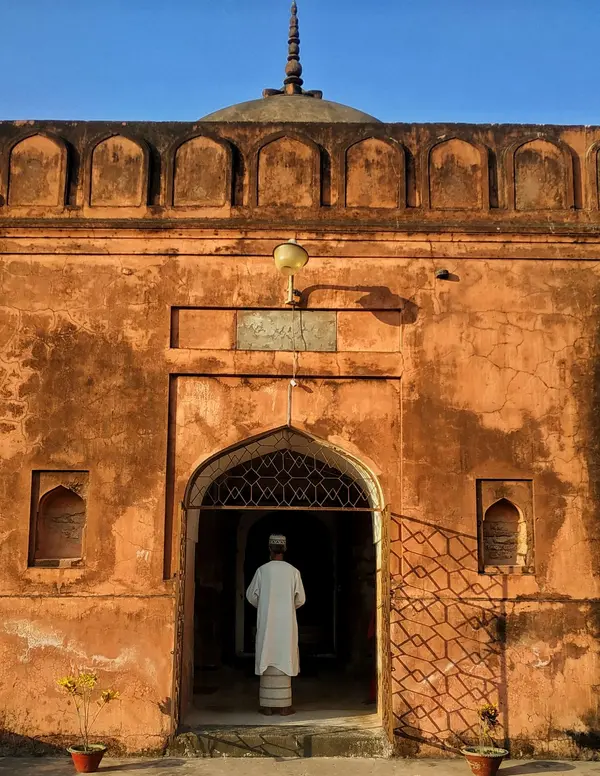
6. Ronbijoypur Mosque
Una de las mezquitas más fascinantes de Bangladesh se esconde aquí con 15 cúpulas que se elevan como olas hacia el cielo. Cruza las antiguas puertas de madera y adéntrate en un patio silencioso donde el tiempo se detiene.
Datos rápidos: Con sus 15 cúpulas en forma de terreno, parece un ser vivo que se despliega sobre el paisaje. A solo 6 kilómetros al norte de la histórica ciudad de mezquitas de Bagerhat se encuentra esta joya arquitectónica del siglo XV.
Destacados: Imagina una mezquita que no tiene una o dos cúpulas, sino 15, todas dispuestas en un patrón geométrico que captura la luz de la tarde de una manera muy especial. Cada cúpula tiene su propio ángulo sutil, por lo que las sombras bailan de manera diferente sobre la mampostería, dependiendo de dónde esté el sol.
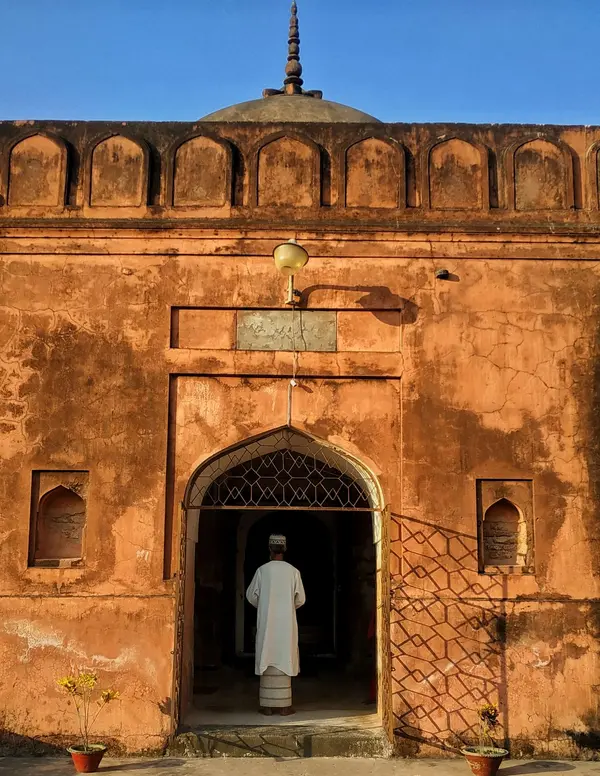
7. Chunakhola Mosque
A quiet slice of 15th century Bengal covered in hand-molded terracotta art. Wander the small prayer hall and trace the brick patterns that have survived over 500 monsoon seasons.
Datos rápidos: This 15th century mosque uses a distinctive combination of terracotta bricks and curved Bengali roofs that set it apart from other Sultanate-era structures in the region. Its single domed prayer hall can hold roughly 30 worshippers at a time, making it one of the more intimate surviving monuments in Bagerhat.
Destacados: Unlike the more famous Sixty Dome Mosque nearby, this structure carries a small crescent moon finial on its dome that most visitors walk right past, so close your eyes and imagine the original glazed tiles that once covered its exterior walls. The curved eaves mimic the shape of a traditional village hut, a rare surviving example of how local builders blended folk architecture with royal mosque design.
Where to Stay in Bagerhat, Bangladesh
Selected by City Buddy based on guest reviews and proximity to top attractions
Search all hotels in Bagerhat, BangladeshPowered by agoda
Días de apertura en Bagerhat, Bangladesh
Cuáles de las mejores atracciones cierran cada día de la semana, el clásico arruina-viajes, ya comprobado por ti.
domingo: 1 de 5 atracciones principales cerradas. Planifica los museos para otro día.
Cerrado el domingo · 1 cerradas, 4 abiertas
Días de apertura según Google Maps (verificado el 2026-06-13). Los días festivos, las huelgas y los horarios de temporada pueden variar. Consulta la web oficial antes de ir.
Platos dulces tradicionales

Patishapta Pitha
Patishapta Pitha is a traditional Bengali rice flour crepe rolled with a coconut and jaggery filling, often enjoyed during the winter harvest festival of Poush Parbon.

Chomchom
Chomchom is a popular Bengali sweet made from fermented milk and sugar syrup, and Bagerhat is known for its unique local variations of this classic treat.
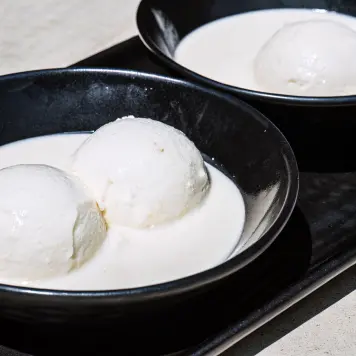
Malai Kachagolla
Malai Kachagolla is a soft, milky sweet cheese dessert originating from the region near Bagerhat, particularly famous in the adjacent town of Nokla.
Platos salados tradicionales

Shorshe Ilish
Shorshe Ilish is hilsa fish cooked in a rich mustard gravy, and it is considered a national treasure in Bangladesh, especially cherished in the riverine areas of Bagerhat.

Bhuna Khichuri
Bhuna Khichuri is a fragrant risotto-like dish of rice and lentils slow-cooked with warm spices, traditionally served during rainy days and religious festivals across Bagerhat.
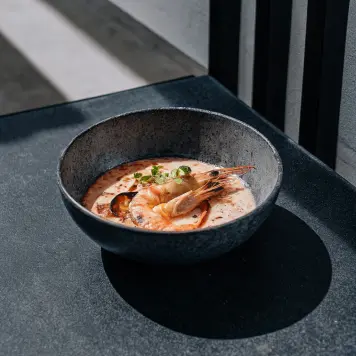
Chingri Malai Curry
Chingri Malai Curry is a creamy prawn curry made with coconut milk and mild spices, a signature coastal dish from the Sundarbans region near Bagerhat.
Bebidas tradicionales

Ghol
Ghol is a refreshing traditional buttermilk drink lightly spiced with salt, ginger, and green chili, commonly enjoyed in rural Bagerhat to beat the heat.

Tal Sharbat
Tal Sharbat is a sweet and cooling drink made from the sap of the date palm tree, a seasonal favorite harvested in the winter months across the Bagerhat district.

Laban
Laban is a traditional Bengali salted yogurt drink, often flavored with mint or roasted cumin, that aids digestion and is widely consumed in Bagerhat's countryside.
Preguntas frecuentes sobre Bagerhat, Bangladesh
¿Es Bagerhat, Bangladés seguro para viajar?
¿Cuántos días necesito en Bagerhat, Bangladés?
¿Cuál es la mejor época para visitar Bagerhat, Bangladés?
¿Es caro viajar a Bagerhat, Bangladés?
¿Cómo me muevo por Bagerhat, Bangladés?
Recibe un PDF con las atracciones más populares en tu correo electrónico
Obtén un PDF con todas las atracciones, valoraciones y consejos. Perfecto para uso sin conexión.
Excursiones de un día más populares
Sundarbans Mangrove Forest
World's largest mangrove forest and UNESCO World Heritage site.
Khulna City
Major city with markets, museums, and the Khulna Divisional Museum.
Sixty Dome Mosque (Shat Gambuj Masjid)
Historic 15th century mosque and UNESCO site in Bagerhat itself.
Chandramahal
Historic palace ruins with scenic river views near Bagerhat.
Cómo llegar
Aeropuertos
Estaciones de tren
Khulna to Bagerhat line, connecting to Dhaka and other major cities.
From Dhaka, take a bus or train to Khulna (5-6 hours), then a local bus or car to Bagerhat (45 minutes). Local rickshaws are common for getting around.
Información útil para Bagerhat, Bangladesh
Resumen de Bagerhat, Bangladesh
¿Quieres un plan día a día para Bagerhat, Bangladesh? Abre el planificador de viajes
¿Cuándo vas a Bagerhat, Bangladesh?
Elige tus fechas y estilo de viaje para obtener:
¿Alguno de estos es especialmente importante para ti?
Selecciona todos los que apliquen
Cómo moverse
¿Cómo quieres moverte entre los lugares?
Idioma del plan: Español