 CityBuddy
 Español
Qué hacer en Hrodna, Belarus
Foto realizada por Vladimir Srajber en Pexels.com
Cuándo visitar
Atracciones más populares en Hrodna, Belarus
Las mejores actividades para hacer en Hrodna, Bielorrusia, se centran en su notable concentración de arquitectura medieval y barroca. Recorre los terrenos de la Iglesia de Kalozha de los Santos Boris y Gleb del siglo XI, la estructura más antigua que se conserva en la ciudad. Contrástala con la Catedral de San Francisco Javier del siglo XVII, cuyas agujas de 100 metros de altura dominan el horizonte. Visita tanto el Castillo Viejo de Hrodna como el Castillo Nuevo de Hrodna, ubicados uno al lado del otro en la orilla elevada del río Niemen.
1. Hrodna Old Castle
Donde siglos de historia polaca, lituana y bielorrusa chocan dentro de una sola fortaleza. Recorre salas donde una vez durmieron reyes y toca muros marcados por fuego de cañón real.
Datos rápidos: Las columnas se alzan en tres estilos arquitectónicos distintos, ya que cada siglo dejó su huella en los muros de piedra. Las balas de cañón del asedio de 1656 siguen incrustadas en las fortificaciones exteriores cerca de la puerta principal.
Destacados: Un pasadizo secreto bajo el castillo lo conectaba en su día con el monasterio bernardino al otro lado del río Niemen, permitiendo a los soldados moverse sin ser vistos. Sube a la torre suroeste al atardecer, cuando la luz baja convierte el río en oro líquido y todo el horizonte de Hrodna se despliega ante ti.
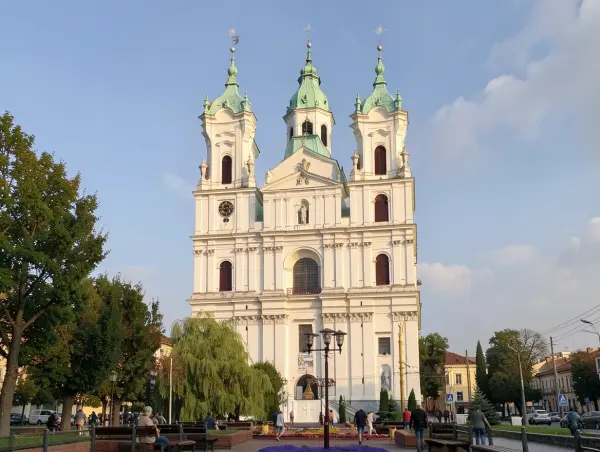
2. St. Francis Xavier Cathedral
Una obra maestra barroca imponente que sobrevivió a dos guerras mundiales y al ateísmo soviético casi intacta. Cruzar sus puertas revela uno de los interiores eclesiásticos originales del siglo XVIII más completos de Europa.
Datos rápidos: Una de las torres de iglesia barrocas más altas del mundo se eleva a 65 metros y puede verse desde kilómetros de distancia. La catedral cuenta con un raro ciclo de frescos del siglo XVIII que sobrevive, pintado por un solo artista a lo largo de una década.
Destacados: Entra y mira hacia arriba: los frescos del techo parecen ondularse como tela, pintados con tal habilidad ilusionista que el yeso plano parece abultarse y plegarse. La leyenda local afirma que el artista cayó de su andamio tres veces mientras realizaba la obra, pero nunca se rompió un solo hueso.
3. Kalozha Church of Sts. Boris and Gleb
Entra en una de las iglesias ortodoxas más antiguas de Europa del Este, aún activa después de siglos de historia. Estarás dentro de un santuario donde los muros de piedra rugosa, la luz parpadeante de las velas y los grafitis antiguos cuentan historias de fieles medievales.
Datos rápidos: Las paredes están decoradas con miles de cruces de piedra de colores brillantes y azulejos cerámicos incrustados directamente en la mampostería. Cientos de grafitis antiguos únicos cubren el interior, dejados por los fieles a lo largo de los últimos 800 años.
Destacados: A diferencia de cualquier otra iglesia ortodoxa superviviente de esa época, las paredes exteriores nunca fueron enlucidas, dejando los intrincados patrones de piedras pulidas de colores y placas de cerámica vidriada completamente expuestos a los elementos. Observa de cerca la fachada y verás pequeñas cruces de piedra, azulejos verdes y amarillos, e incluso fragmentos de mármol, todos dispuestos en diseños geométricos que brillan de manera diferente según cambia la luz del sol.
4. Soviet Square
Observa la luz del sol bailar sobre los adoquines en el punto de encuentro central de Hrodna, donde convergen siglos de historia. Siente el pulso de la vida urbana mientras los lugareños charlan en bancos bajo castaños y los niños persiguen palomas por la plaza de piedra geométrica.
Datos rápidos: La plaza alberga una llamativa estatua de Lenin que sigue siendo un punto focal, contrastando con los coloridos edificios del siglo XIX que la rodean. Su pavimento presenta un patrón circular único que crea una ilusión óptica cuando se observa desde arriba.
Destacados: En el centro se alza una de las últimas estatuas de Lenin que quedan en Bielorrusia, a la que los lugareños han apodado cariñosamente "Abuelo", con flores frescas que a menudo aparecen en su base tanto de residentes mayores como de parejas jóvenes. La plaza se transforma al anochecer cuando las fachadas históricas circundantes brillan en ámbar gracias a la iluminación oculta, revelando detalles arquitectónicos intrincados invisibles durante el día.
5. Drama Theatre
Entra en una obra maestra del diseño modernista soviético donde cada actuación se siente íntima, incluso en una sala de 700 butacas. Espera arquitectura dramática, acústica sorprendente y una programación rotativa de teatro, ballet y espectáculos experimentales.
Datos rápidos: El Teatro Dramático de Hrodna acoge más de 300 representaciones cada temporada, llenando casi todos los asientos de sus salas con capacidad para 700 personas. La fachada blanca austera del edificio y sus líneas geométricas se inspiraron en el modernismo soviético de los años 60, lo que lo hace destacar frente a la arquitectura más antigua de la ciudad.
Destacados: Pocos visitantes se dan cuenta de que el auditorio principal fue diseñado con un foso de orquesta retráctil que desaparece bajo el suelo del escenario, permitiendo que el espacio se transforme para obras íntimas o producciones de ballet completas. Durante los espectáculos de invierno, las ventanas de suelo a techo del vestíbulo capturan el parque nevado exterior, creando un telón de fondo escénico que cambia con cada estación.
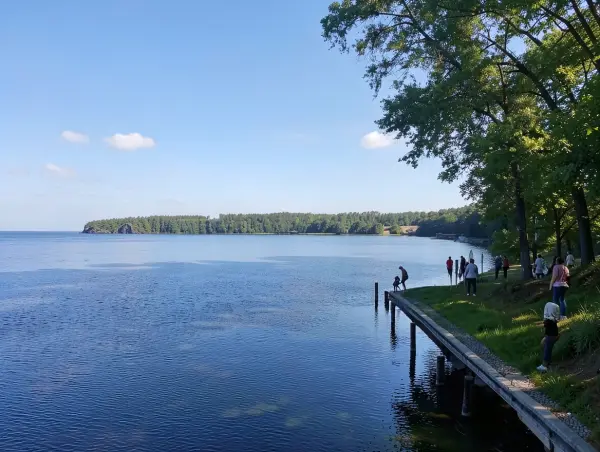
6. Augustow Canal
Flota por un curso de agua forestal prístino que apenas ha cambiado desde la década de 1830. Pedalea por caminos de sirga sombreados, atraviesa esclusas manuales y observa águilas volando sobre serenos corredores verdes.
Datos rápidos: Extendiéndose 101 kilómetros a través de Polonia y Bielorrusia, esta vía fluvial del siglo XIX conecta los ríos Vístula y Niemen a través de 18 esclusas y 22 compuertas. Los ingenieros diseñaron el canal con tal precisión que sus mecanismos originales de esclusas, operados a mano con vigas de madera, siguen funcionando después de casi 200 años.
Destacados: A diferencia de la mayoría de los canales, este se abre paso a través de una reserva de la biosfera incluida en la UNESCO donde castores, nutrias y águilas de cola blanca patrullan las aguas junto a los barcos que pasan. Las esclusas cambian de elevación hasta 3 metros cada una, y puedes ver los mecanismos originales de manivela cobrar vida chirriando mientras el agua retumba a través de compuertas de roble centenarias.
7. Museum of Religion History
¿Dónde más puedes recorrer un monasterio de 300 años y ver desde rollos de la Torá medievales hasta propaganda atea soviética en una misma tarde? Avanzarás por corredores de piedra resonantes junto a iconos iluminados con velas, y luego entrarás en un patio silencioso donde los monjes una vez cultivaban hierbas.
Datos rápidos: Ubicado en un antiguo complejo de monasterio católico romano del siglo XVII, la colección del museo abarca más de 2.000 artefactos en cuatro exposiciones permanentes. Los visitantes pueden ver Biblias impresas raras, objetos litúrgicos judíos y un interior de sinagoga del siglo XIX reconstruido.
Destacados: Una sala exhibe una única habitación completamente cubierta de frescos pintados a mano que representan escenas bíblicas, donde los pigmentos originales aún brillan en tonalidades de ocre y lapislázuli. El ático del museo guarda una polvorienta colección de artefactos religiosos de la era soviética que los lugareños conservaron en secreto durante el ateísmo impuesto por el estado.
Where to Stay in Hrodna, Belarus
Selected by City Buddy based on guest reviews and proximity to top attractions
Search all hotels in Hrodna, BelarusPowered by agoda
Días de apertura en Hrodna, Belarus
Cuáles de las mejores atracciones cierran cada día de la semana, el clásico arruina-viajes, ya comprobado por ti.
lunes: 1 de 3 atracciones principales cerradas. Planifica los museos para otro día.
Cerrado el lunes · 1 cerradas, 2 abiertas
Días de apertura según Google Maps (verificado el 2026-08-04). Los días festivos, las huelgas y los horarios de temporada pueden variar. Consulta la web oficial antes de ir.
Platos dulces tradicionales

Krambambula
Krambambula is a spiced honey liqueur often used in desserts and believed to have originated in the Grand Duchy of Lithuania. Its name comes from a popular 18th century drinking song.

Sochen with poppy seeds
Sochen is a thin unleavened flatbread traditionally baked for Christmas Eve and served with a sweet poppy seed filling. In Hrodna, locals often add crushed nuts and dried apples for extra flavor.
Draniki with apple and cinnamon
While draniki are usually savory potato pancakes, in Hrodna they are often sweetened with grated apple and cinnamon. They are served with sour cream or honey as a beloved local dessert.
Platos salados tradicionales

Draniki
Draniki are crispy potato pancakes that are considered the national dish of Belarus. In Hrodna, they are often served with sour cream, fried onions, or mushroom sauce.
Machanka
Machanka is a thick, hearty gravy made from pork fat, flour, and sour cream, traditionally served with thick Belarusian pancakes called bliny. It is a rustic winter comfort food beloved in the Hrodna region.
Kolduny
Kolduny are stuffed dumplings similar to pierogi, filled with meat and mushrooms. In Hrodna, the local version is sometimes called "magic dumplings" and was a favorite of the Polish-Lithuanian nobility.
Bebidas tradicionales

Krambambula (drink version)
This spiced honey liqueur is one of the most famous beverages from the Hrodna region. It was historically brewed by Dominican monks in the city and is still made today with honey, spices, and alcohol.

Bierzo
Bierzo is a traditional Belarusian birch sap drink collected in early spring. Hrodna locals tap birch trees in March for this refreshing, slightly sweet beverage that is believed to cleanse the blood.
Kvass
Kvass is a fermented rye bread drink that is a staple across Belarus. In Hrodna, it is often homemade with local rye bread and flavored with mint, berries, or dried fruits.
Preguntas frecuentes sobre Hrodna, Belarus
¿Es seguro Hrodna, Bielorrusia para los turistas?
¿Cuántos días en Hrodna, Bielorrusia son suficientes?
¿Cuál es la mejor época para visitar Hrodna, Bielorrusia?
¿Es caro visitar Hrodna, Bielorrusia?
¿Cómo moverse por Hrodna, Bielorrusia?
Recibe un PDF con las atracciones más populares en tu correo electrónico
Obtén un PDF con todas las atracciones, valoraciones y consejos. Perfecto para uso sin conexión.
Excursiones de un día más populares
Mir Castle
A UNESCO World Heritage castle with Gothic and Renaissance architecture.
Nesvizh Castle
Historic palace and park complex, another UNESCO listed site.
Augustow Canal
Scenic 19th century canal connecting Belarus and Poland, great for walks and boat trips.
Bialowieza Forest
Ancient primeval forest and UNESCO site, home to European bison.
Cómo llegar
Estaciones de tren
Minsk, Brest, Vilnius, Warsaw
From Grodno Airport, take a taxi or bus to city center (20 min). From Minsk, take a direct train (4h) or bus (4.5h).
Información útil para Hrodna, Belarus
Resumen de Hrodna, Belarus
¿Quieres un plan día a día para Hrodna, Belarus? Abre el planificador de viajes
¿Cuándo vas a Hrodna, Belarus?
Elige tus fechas y estilo de viaje para obtener:
¿Alguno de estos es especialmente importante para ti?
Selecciona todos los que apliquen
Cómo moverse
¿Cómo quieres moverte entre los lugares?
Idioma del plan: Español