 CityBuddy
 Español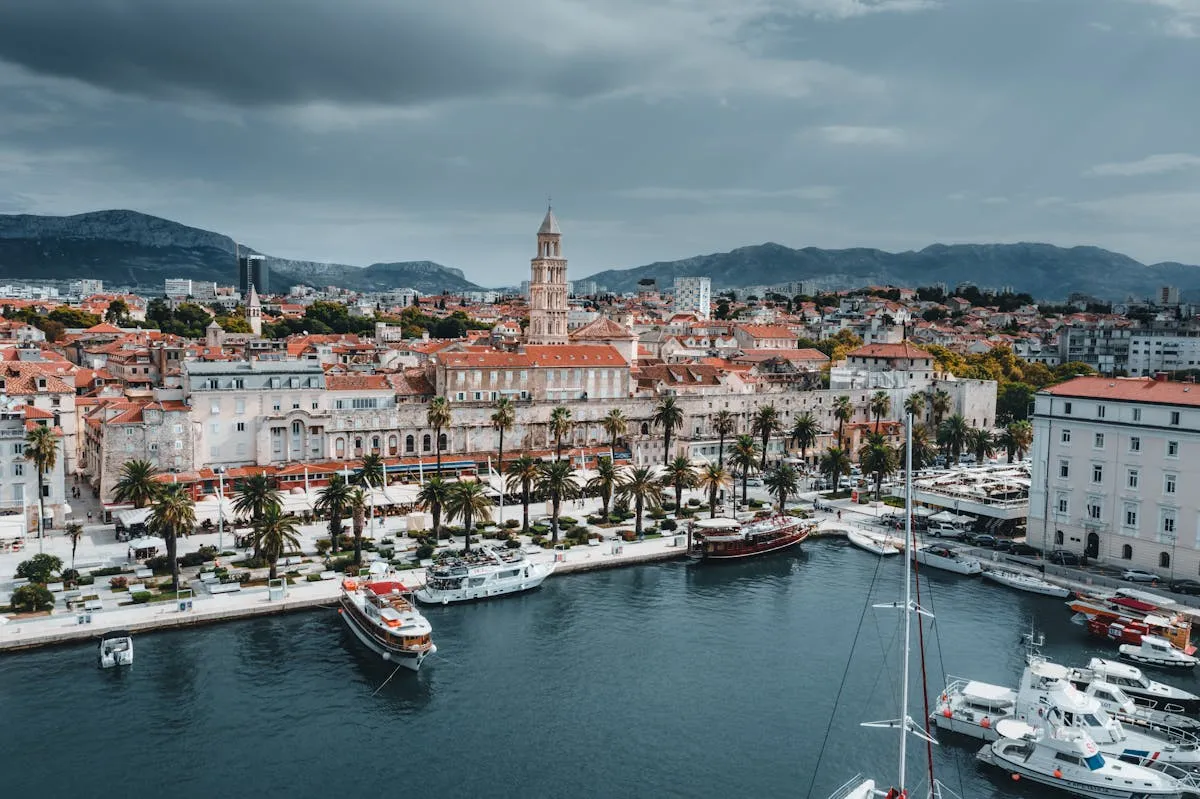
Qué hacer en Split, Croatia
Foto realizada por Luciann Photography en Pexels.com
Cuándo visitar
Atracciones más populares en Split, Croatia
Las cosas que hacer en Split, Croacia incluyen explorar el Palacio de Diocleciano, una enorme estructura romana en el corazón de la ciudad, y subir al campanario de la Catedral de San Domnio para disfrutar de vistas del casco antiguo. Pasear por Riva, el animado paseo marítimo, ofrece un lugar perfecto para relajarse y disfrutar de la brisa del mar Adriático.
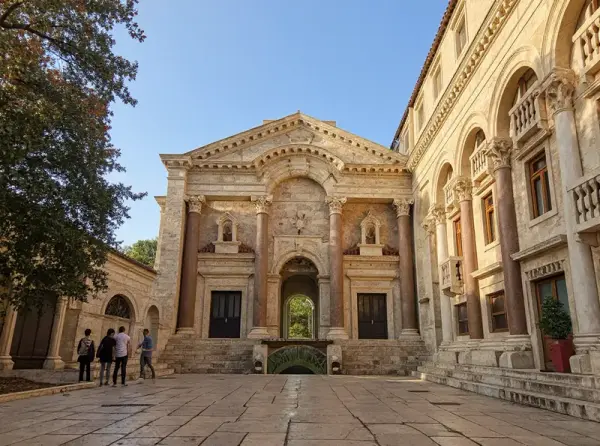
1. Diocletian's Palace
Pasea dentro del palacio de un emperador romano vivo y siente 1,700 años de historia. Desciende a las Subestructuras, sube a la torre del campanario y recorre calles de mármol llenas de vida.
Datos rápidos: Pasea por callejones de piedra caliza y escucharás capas de historia bajo tus pies, donde columnas romanas se entrelazan con fachadas comunes y una catedral se alza desde un mausoleo imperial. Cafés y tiendas locales ocupan bodegas originales que aún huelen a sal marina y pan recién horneado, y los cineastas valoran las cámaras subterráneas intactas por su atmósfera cinematográfica.
Destacados: Un complejo de retiro construido alrededor del año 305 d.C. para el emperador Diocleciano aún se siente curiosamente habitado, con muros de piedra de 1.5 metros de grosor, suelos de mármol pulidos por el sol y callejones estrechos donde siglos de pisadas resuenan como un tambor lento y hueco. Cada noche, cantantes locales de klapa se reúnen en el peristilo central para soltar armonías a cappella estratificadas que se aferran a las frescas bodegas iluminadas por velas de abajo, y el aire húmedo con aroma a romero en las bóvedas subterráneas alguna vez fue escenario de Juego de Tronos.
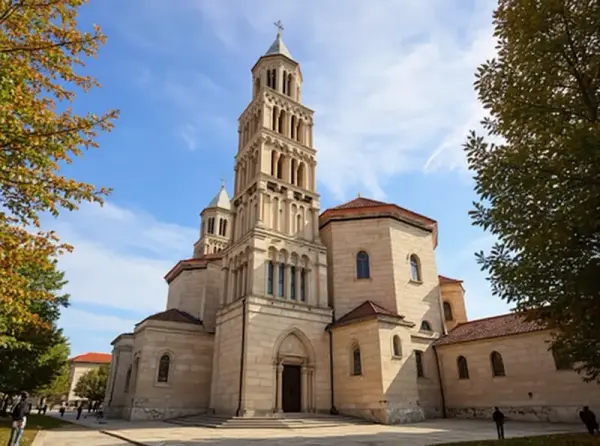
2. Cathedral of Saint Domnius (Katedrala Svetog Duje)
Katedrala Svetog Duje
Un mausoleo romano transformado en la catedral de Split, donde se encuentran capas de imperio y fe. Sube a la torre del campanario para disfrutar de vistas panorámicas de la ciudad y el mar, y explora el tesoro ornamentado.
Datos rápidos: La piedra caliza dorada brilla al atardecer y una estrecha subida al campanario se abre a vistas panorámicas que enlazan muros romanos con el puerto animado y los tejados de tejas rojas. En el interior, las columnas y relieves tallados de un mausoleo imperial fueron reutilizados en un santuario cristiano, así cada arco y mosaico se lee como una conversación superpuesta entre artesanos romanos y constructores medievales.
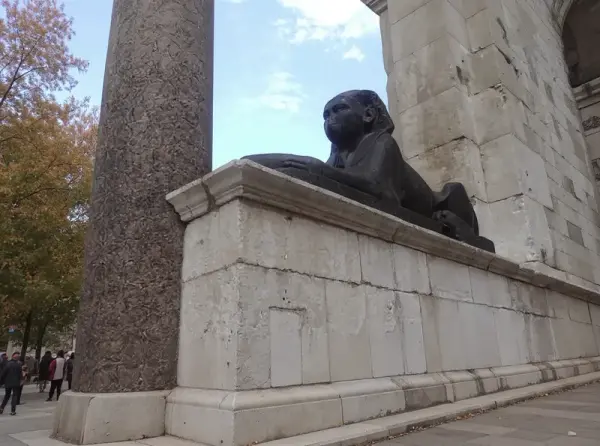
Destacados: Sube al campanario de 57 metros para disfrutar de un panorama vertiginoso donde la piedra romana calentada por el sol se encuentra con los tejados de tejas rojas, y observa pequeñas esfinges egipcias y inscripciones latinas desgastadas que una vez decoraron el mausoleo del emperador Diocleciano en el siglo IV. Entra y el altar se encuentra dentro de esa misma rotonda imperial, así puedes pasar los dedos por columnas estriadas talladas en la Antigüedad Tardía e imaginar cómo emperadores y fieles medievales pisaban ese mismo mármol gastado.
3. Peristyle (Peristil)
Peristil
Párate en un patio imperial romano de 1,700 años, impecablemente conservado. Escucha cantantes en vivo bajo la columnata y fotografía la torre del campanario enmarcada por columnas de mármol.
Datos rápidos: Entra en una plaza luminosa de mármol donde la luz del sol se cuela entre pórticos con columnas y el eco de los pasos a menudo se convierte en una banda sonora improvisada. Músicos y actores locales aún usan el espacio para actuaciones gratuitas, y una inspección cercana revela inscripciones desgastadas y fragmentos de mosaicos ocultos en los adoquines.
Destacados: Pasa la mano sobre losas originales de mármol romano, algunas pulidas brillantemente por cerca de 1,700 años de pasos constantes, y observa cómo la luz de la tarde fluye a través del pórtico como un cálido foco. Al anochecer, los grupos locales de klapa entre 5 y 12 cantantes se reúnen para ofrecer a cappella multi-partes sin amplificar, donde las voces rebotan en la piedra tan claramente que puedes distinguir los armónicos e incluso contar las armonías al oído.
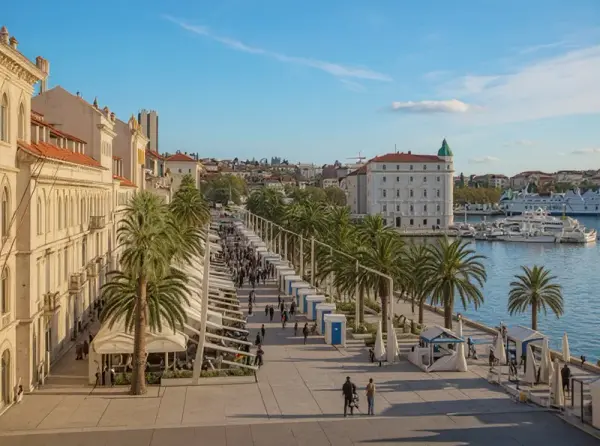
4. Riva (Split Waterfront Promenade)
Split Waterfront Promenade
El pulso frente al mar de Split con cafés bordeados de palmeras y vistas al palacio. Camina por el paseo marítimo, observa los ferris y artistas callejeros, y disfruta de la vida dálmata.
Datos rápidos: El mármol calentado por el sol bajo los pies hace brillar las terrazas de los cafés, mientras palmeras y un desfile constante de barcos crean un fondo animado para observar a la gente. Escucha el canto espontáneo de klapa y el tintineo de copas, una banda sonora salada que convierte un paseo nocturno en un ritual habitual.
Destacados: En las noches de verano, pequeños grupos de klapa de 6 a 8 cantantes se reúnen bajo los plátanos y cantan viejas baladas dálmatas, sus voces en armonía cercana flotan sobre la marea y hasta los transeúntes se detienen en medio de sus conversaciones. Las losas de piedra caliza blanca y seca brillan al mediodía, los cafés colocan las sillas a pocos centímetros del agua, y se puede saborear la espuma salina mezclada con espresso y helado de limón en el aire.
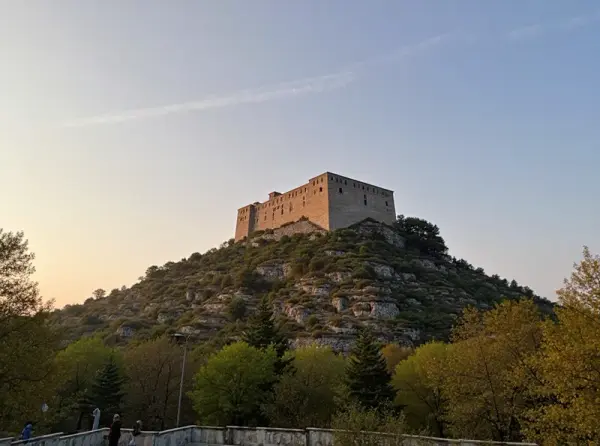
5. Marjan Hill / Marjan Forest Park (Vidilica viewpoint)
Vidilica viewpoint
Vistas panorámicas de Split y el Adriático desde una cresta cubierta de pinos hacen que Vidilica valga la pena la subida. Senderos cortos cuesta arriba conducen a terrazas de piedra perfectas para fotos al amanecer y atardecer.
Datos rápidos: La piedra calentada por el sol y el aire con aroma a pino enmarcan un mirador en la cima de una cresta que ofrece vistas panorámicas al mar y un sorprendente laberinto de senderos donde los locales corren y las familias hacen picnic. A lo largo de los caminos encontrarás pequeñas capillas, viejas cisternas y escalones romanos escondidos, lugares tranquilos donde el canto de los pájaros y el aroma a romero superan el murmullo de los turistas.
Destacados: Sube los aproximadamente 200 escalones de piedra que zigzaguean por senderos perfumados de pino y verás que los locales hace tiempo que dejan pequeñas conchas pintadas y monedas encajadas en una grieta poco profunda, una ofrenda peculiar que se dice calma a las familias de los pescadores. Al atardecer, el mirador derrama luz naranja sobre los tejados de tejas rojas y hacia las islas de Brač y Šolta. En las noches tranquilas puedes escuchar una melodía antigua de klapa que baja de un guitarrista solitario en los acantilados, tenue y salada como el aire.
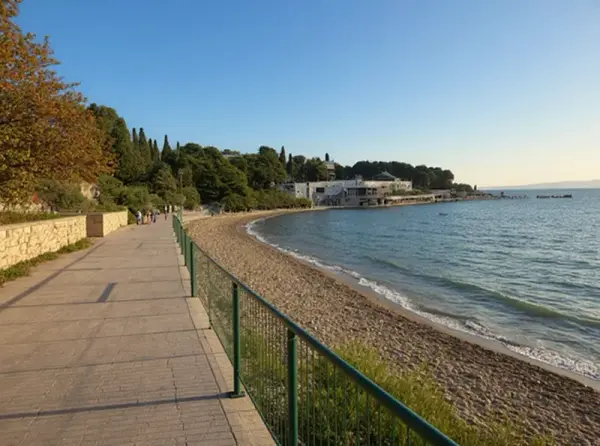
6. Bačvice Beach
Playa de arena y guijarros a pasos del casco antiguo de Split, perfecta para tomar el sol y nadar rápidamente. Agua cálida y poco profunda, juegos activos de picigin, bares de playa y música por la noche.
Datos rápidos: La arena pulverulenta y el agua poco profunda y cálida la hacen ideal para vadear y observar a la gente, mientras los cafés y bares de playa cercanos mantienen la energía animada hasta la noche. Los lugareños juegan un juego de pelota descalzos llamado picigin justo en la rompiente, un espectáculo curioso que es tan divertido de ver como de participar.
Destacados: Una tradición local llamada picigin, inventada en 1908, aún atrae a entre 5 y 12 jugadores descalzos a aguas a la altura del tobillo para mantener una pequeña pelota de goma en el aire usando solo las manos en forma de copa, con la estricta regla de que la pelota nunca debe tocar el agua. Al atardecer el lugar huele a sal y pescado frito, las palmas golpean la pelota como tambores de mano y los espectadores se apoyan en los cálidos escalones de piedra caliza mientras beben espresso y gritan apodos como Mate e Ivan.
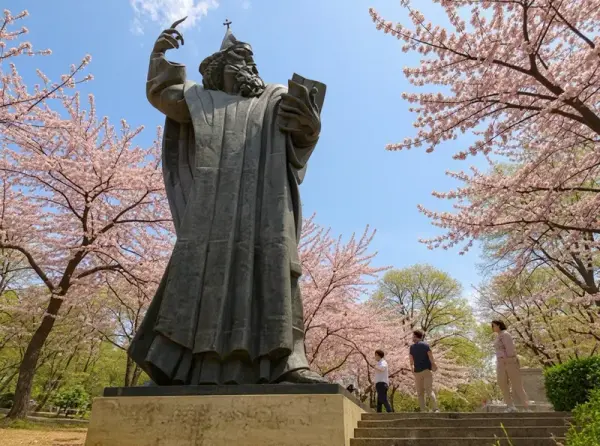
7. Statue of Gregory of Nin (Grgur Ninski)
Grgur Ninski
Una audaz estatua medieval de un obispo vinculada al folclore local y la historia de Split. Párate junto a la figura gigante, frota su dedo del pie para la suerte y admira la piedra del palacio.
Datos rápidos: Pasa tu mano por el bronce pulido y siente el pulgar desgastado dejado por innumerables visitantes, un ritual juguetón que muchos dicen trae suerte. Más de un millón de palmas han pulido un punto en la figura, convirtiendo un rincón tranquilo en un punto de referencia informal amado para las fotos.
Destacados: El escultor Ivan Meštrović moldeó la colosal figura de bronce en 1929; se eleva a poco más de ocho metros, y un dedo del pie sobredimensionado ha sido frotado hasta quedar liso y dorado por generaciones de manos. Estudiantes locales y turistas presionan una palma contra ese dedo cálido y resbaladizo para la suerte antes de exámenes o viajes; el lugar brillante contrasta vívidamente con la pátina verde que lo rodea cuando el sol está en su punto máximo al mediodía.
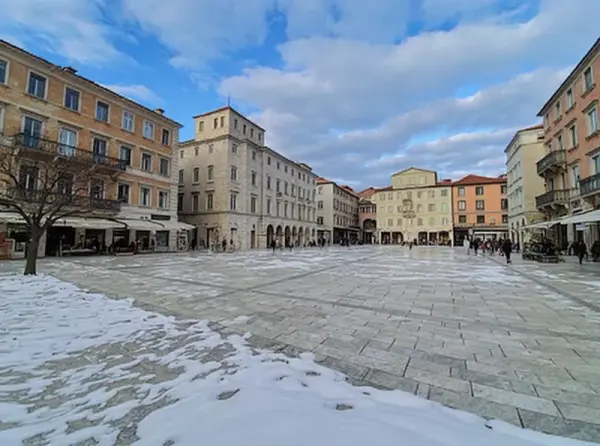
8. People's Square (Pjaca)
Pjaca
Plaza histórica de la ciudad con arquitectura veneciana y cafés animados. Pasea por la plaza pavimentada de mármol, observa músicos callejeros y locales jugando ajedrez.
Datos rápidos: Adoquines, fachadas renacentistas y terrazas de cafés dan a la plaza principal la sensación de una sala de estar al aire libre donde los locales se quedan tomando café y los músicos se deslizan entre la multitud. Los visitantes suelen escuchar el repique de un antiguo reloj de torre sobre mercados animados, y los festivales estacionales llenan el calendario con conciertos inesperados, puestos de comida y desfiles de disfraces.
Destacados: En la hora dorada, los gastados adoquines de piedra caliza de la plaza brillan con un tono dorado miel, y se pueden oír las contraventanas de madera al cerrarse mientras los vendedores organizan bandejas de sardinas ahumadas y frascos de mermelada de higo. Una costumbre local peculiar hace que las parejas rodeen el pozo central tres veces mientras un acordeonista llamado Marko toca una polka lenta y la multitud lanza pequeñas fritule azucaradas al aire para traer risas y suerte.
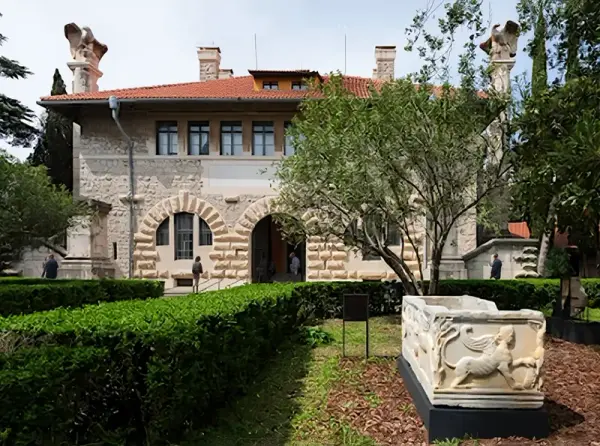
9. Archaeological Museum Split (Arheološki muzej Split)
Arheološki muzej Split
Artefactos romanos antiguos y tesoros dálmatas que dan vida al pasado. Camina entre sarcófagos, mosaicos y exhibiciones interactivas que trazan la larga historia de Split.
Datos rápidos: Entra en galerías tenues y frescas donde el silencio y los suaves focos hacen que una estatua romana finamente cincelada parezca sorprendentemente viva. Los tesoros escondidos van desde delicados objetos de vidrio hasta inscripciones talladas, que juntos cuentan historias vívidas de la vida diaria, la religión y la artesanía a lo largo de los siglos.
Destacados: Puedes deambular entre docenas de piedras funerarias romanas y cabezas de retratos de mármol extraídas de la cercana Salona, muchas desgastadas y picadas por líquenes verdosos, con inscripciones latinas aún legibles después de más de 1.800 años. Sobrevive un hábito local curioso: antes de irse, muchos visitantes presionan silenciosamente las frescas teselas de un mosaico de barco del siglo III desgastado para desear buena suerte a los pescadores, un gesto que todavía deja huellas dactilares en la piedra.
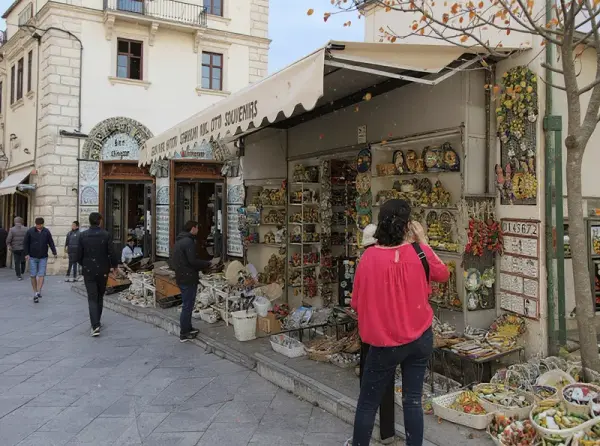
10. Green Market (Pazar)
Pazar
Productos frescos dálmatas y comercio local animado que ofrecen un verdadero sabor de Split. Espera puestos coloridos, vendedores amigables y tentadores bocados callejeros.
Datos rápidos: Los puestos matutinos estallan en color y charla mientras los vendedores apilan tomates maduros al sol, higos y montañas de aceitunas en cestas tejidas, mientras el aroma de café recién hecho se esparce por los pasillos. Los vendedores locales disfrutan intercambiando recetas e historias con los visitantes, y a menudo se escuchan dialectos dálmatas mezclándose con turistas que regatean para conseguir lo mejor de la temporada.
Destacados: Llega antes de las 7 de la mañana y verás a vendedores mayores organizar tomates de herencia en pirámides brillantes al sol, anunciando precios con un suave ritmo chacaviano mientras el aire se llena de aceite de oliva, pan caliente y el sabor salado de las anchoas. Los locales juran que un puesto familiar lleva tres generaciones en las mismas manos y aún pesa las compras en una balanza de latón pulida hasta reflejar el amanecer, y en días tranquilos los vecinos intercambian frascos de aceitunas curadas en casa o mermelada de limón como favores en lugar de pagar en efectivo.
Where to Stay in Split, Croatia
Selected by City Buddy based on guest reviews and proximity to top attractions
Search all hotels in Split, CroatiaPowered by agoda
Días de apertura en Split, Croatia
Cuáles de las mejores atracciones cierran cada día de la semana, el clásico arruina-viajes, ya comprobado por ti.
miércoles: 1 de 8 atracciones principales cerradas. Planifica los museos para otro día.
Cerrado el miércoles · 1 cerradas, 7 abiertas
Días de apertura según Google Maps (verificado el 2026-02-19). Los días festivos, las huelgas y los horarios de temporada pueden variar. Consulta la web oficial antes de ir.
Platos dulces tradicionales

Fritule
Fritule are tiny, rum- and citrus-scented fried dough balls dusted with powdered sugar, traditionally served at Christmas and family gatherings across Split.
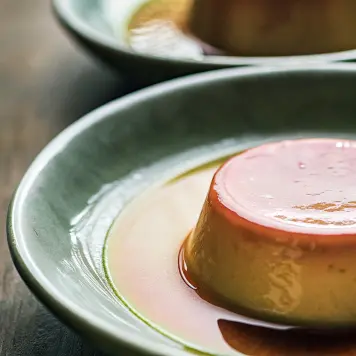
Rozata
Rožata is a silky caramel custard flavored with rose liqueur or rose water, and it traces its roots to Dalmatian convents where it was a celebratory dessert.

Krostule
Kroštule are crisp, ribbon-like fried pastries with Venetian roots, twisted into knots and always dusted with sugar for festive occasions.
Platos salados tradicionales
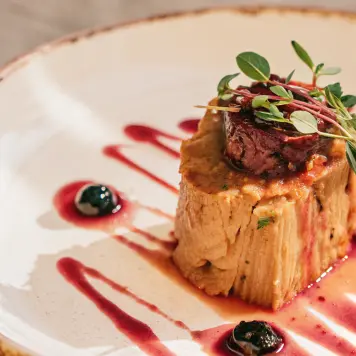
Pasticada
Pašticada is a slow-braised, marinated beef stew cooked for hours in a sweet-and-sour sauce with prunes and red wine, often prepared for weddings and holidays.
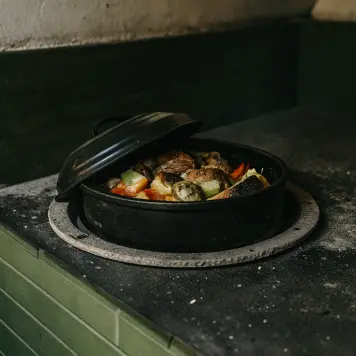
Peka
Peka is a rustic cooking method where meat, seafood and vegetables are slow-roasted under a bell covered with hot coals, producing an intense smoky flavor you cannot replicate in a regular oven.
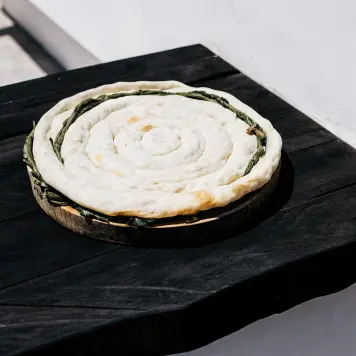
Soparnik
Soparnik is a paper-thin chard and onion pie from the Poljica region near Split, and it is recognized in Croatia as an important element of cultural heritage.
Bebidas tradicionales

Rakija
Rakija is a potent fruit brandy often made from plums, grapes or herbs, traditionally homemade and served as a welcoming toast and a folk remedy.

Maraschino
Maraschino is a clear cherry liqueur made from the native Marasca cherry, it was once a luxury exported across Europe and gives a floral, almond-like finish to cocktails.
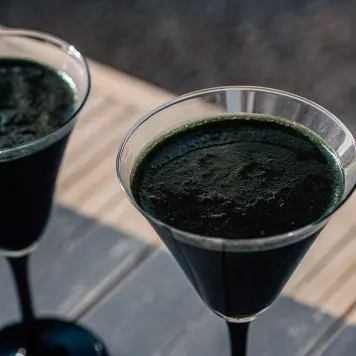
Pelinkovac
Pelinkovac is a bitter herbal liqueur dominated by wormwood, it is sipped as a digestive and features in many Croatian after-dinner customs.
Infórmate antes de ir
Cuánto cuesta un día en Split y las estafas que debes evitar
Costo por persona por día
Principales estafas a evitar
- Ofertas de taxis al acercarse en la terminal. Pasa de largo todas las ofertas y usa la parada oficial de taxis fuera, o reserva a través de la aplicación Bolt que muestra la tarifa de antemano.
- Recargos por terraza en la Riva. Pide siempre ver el menú con precios antes de sentarte y confirma si hay cargo por terraza. Revisa la cuenta línea por línea.
- Carterismo en zonas concurridas. Mantén los bolsos cerrados y delante de ti entre las multitudes. No guardes teléfonos ni carteras en los bolsillos traseros. Estate alerta al subir a ferris y autobuses.
Taxi justo desde el aeropuerto: 35 € - 45 €
Opción más barata: Autobús lanzadera del aeropuerto línea 37 operado por Promet Split, desde fuera de la terminal hasta la estación principal de autobuses cerca del puerto y el casco antiguo. (5 €)
Todas las estafas, precios justos y normasPreguntas frecuentes sobre Split, Croatia
¿Cuál es el mejor momento para visitar Split, Croacia?
¿Es Split, Croacia, caro para los turistas?
¿Qué tan segura es el agua del grifo en Split, Croacia?
¿Cuántos turistas visitan Split anualmente?
¿Cómo es el transporte público en Split, Croacia?
Recibe un PDF con las atracciones más populares en tu correo electrónico
Obtén un PDF con todas las atracciones, valoraciones y consejos. Perfecto para uso sin conexión.
Excursiones de un día más populares
Trogir
Well-preserved medieval town with UNESCO-listed old town.
Krka National Park
Famous waterfalls with swimming areas and walking trails.
Hvar (town)
Vibrant island town with beaches, nightlife and historic sites.
Brač (Supetar / Bol)
Island known for Zlatni Rat beach and traditional stone villages.
Šibenik
Historic coastal city with St. James Cathedral (UNESCO).
Cómo llegar
Estaciones de tren
Main line to Zagreb; regional services toward Šibenik/Knin
Airport shuttle bus to Split bus/train station ~30–40 min; taxis cost more.
Información útil para Split, Croatia
Resumen de Split, Croatia
Comparar Split con otros destinos
Precios, seguridad, clima y principales atracciones lado a lado, con un veredicto para cada tipo de viajero.
¿Quieres un plan día a día para Split, Croatia? Abre el planificador de viajes
¿Cuándo vas a Split, Croatia?
Elige tus fechas y estilo de viaje para obtener:
¿Alguno de estos es especialmente importante para ti?
Selecciona todos los que apliquen
Cómo moverse
¿Cómo quieres moverte entre los lugares?
Idioma del plan: Español