 CityBuddy
 Español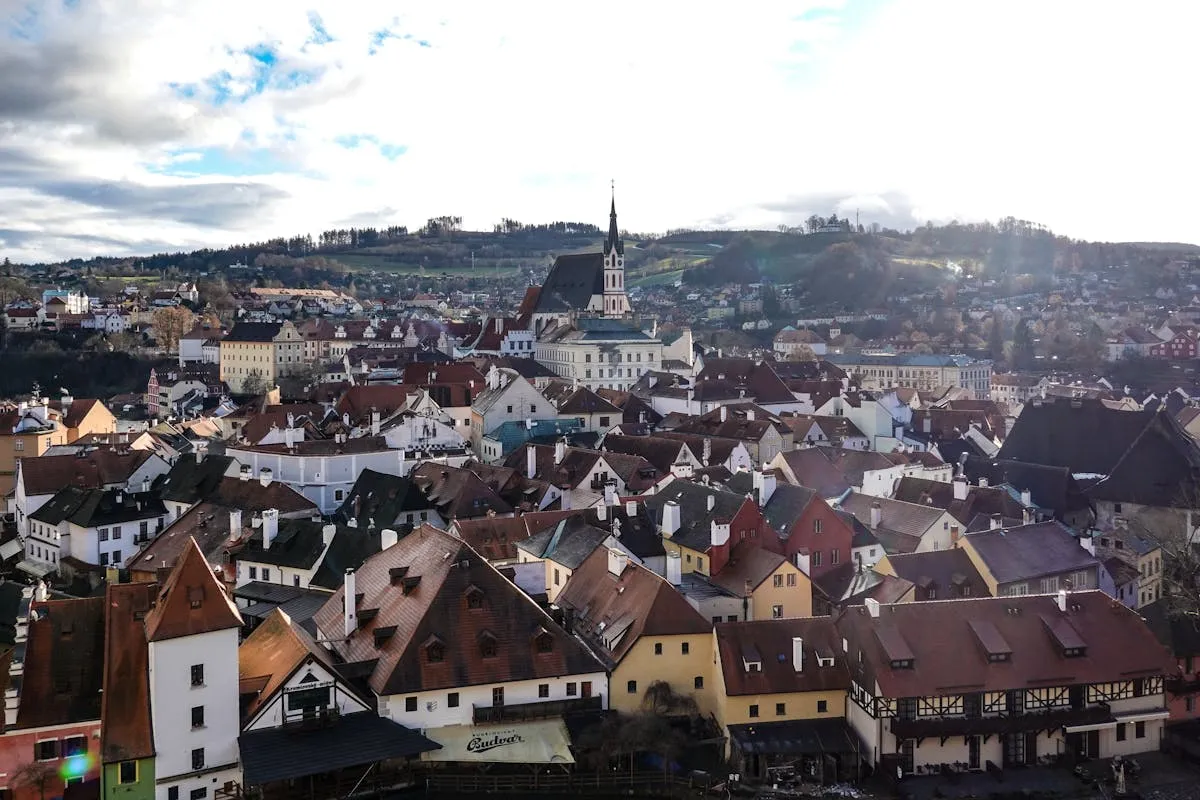
Qué hacer en Český Krumlov, Czechia
Foto realizada por Magda Ehlers en Pexels.com
Cuándo visitar
Atracciones más populares en Český Krumlov, Czechia
Las cosas que hacer en Český Krumlov, Chequia, incluyen explorar el vasto Castillo de Český Krumlov, situado sobre el río Vltava con su arquitectura renacentista y barroca. Pasee por el centro histórico, declarado Patrimonio de la Humanidad por la UNESCO, caracterizado por calles empedradas y casas coloridas. No se pierda el Museo Fotoatelier Seidel, que ofrece una visión de la historia de la fotografía temprana.
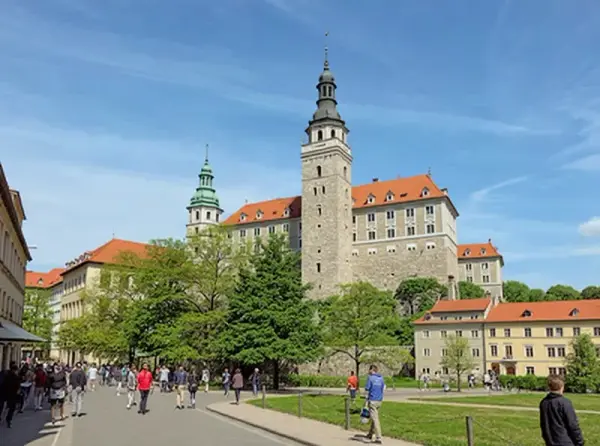
1. Český Krumlov Castle (Zámek Český Krumlov)
Zámek Český Krumlov
Uno de los mayores complejos de castillos de Europa Central con arquitectura gótica, renacentista y barroca superpuesta. Pasea por los patios, sube a la torre para disfrutar de vistas al pueblo y recorre los jardines junto al río.
Datos rápidos: Escalar los empinados patios revestidos de mosaicos te recompensa con un teatro barroco cuya maquinaria original del escenario aún funciona, ofreciendo un raro vistazo a un espectáculo histórico vivo. Un pasillo en la torre serpenteante enmarca vistas del río como cintas y esconde más de 300 habitaciones escondidas en la ladera, por lo que deambular se siente como desbloquear capítulos secretos con cada escalera.
Destacados: Un teatro barroco del siglo XVIII escondido en un patio aún utiliza la maquinaria original del escenario y telones pintados a mano, y durante funciones especiales las butacas se iluminan con la luz de decenas de velas mientras los decorados pintados giran al unísono. Una tradición viva ha mantenido osos pardos en el foso del castillo desde el siglo XVI, así que puedes asomarte por el parapeto para verlos caminar torpemente en la hierba debajo mientras el río Vltava susurra alrededor de la curva.
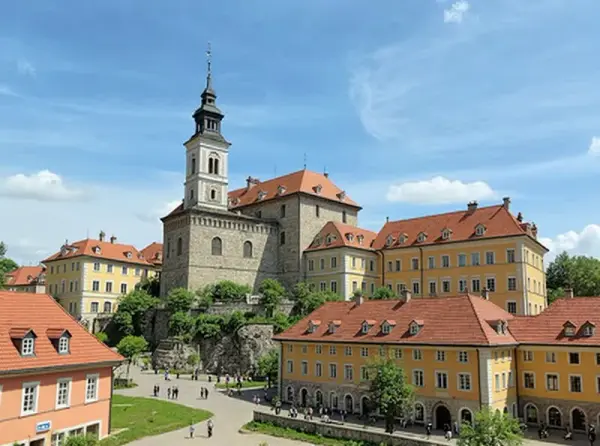
2. Historic Centre of Český Krumlov (Staré Město) — UNESCO World Heritage Site
Calles medievales, un castillo junto al río y fachadas barrocas hacen que Český Krumlov sea inolvidable. Recorre callejones empedrados, sube a la torre del castillo y contempla el Vltava.
Datos rápidos: Deambular por el laberinto de callejones empedrados es como entrar en un cuento viviente, donde fachadas pastel, techos de tejas rojas y una lenta curva del río crean una atmósfera medieval de postal. Un teatro barroco con un escenario giratorio original todavía ofrece actuaciones llenas de ambiente, y los patios escalonados del castillo recompensan a los exploradores curiosos con vistas inesperadas sobre todo el pueblo.
Destacados: Pasea por los callejones color miel que se han enrollado alrededor de un núcleo del siglo XIII, donde las piedras desgastadas hacen clic bajo tus pies y un río en forma de lazo abraza tan de cerca los tejados rojos que puedes ver cisnes deslizarse frente a las ventanas de los cafés. Detrás de los muros sobrevive un pequeño teatro barroco de los años 1760 con maquinaria original del escenario, telones pintados a mano y unas 100 butacas de madera. Así que durante las actuaciones íntimas de verano escuchas crujir los engranajes y hueles el aceite y el polvo mientras parpadea la luz de las velas.
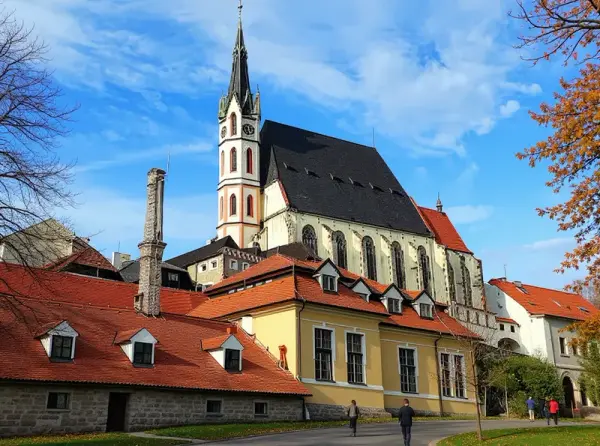
3. St. Vitus Church (Kostel sv. Víta)
Kostel sv. Víta
Iglesia gótica junto al río con frescos medievales y un ambiente tranquilo. Entra para admirar las paredes pintadas y disfruta de las vistas calmadas del pueblo y el castillo.
Datos rápidos: Dentro de la imponente nave se pueden escuchar ecos susurrantes que hacen que incluso unos pocos pasos retumben como un pequeño coro, mientras la luz de los vitrales pinta la piedra con tonos de joya. Sube por una estrecha escalera en espiral para observar retablos barrocos y fragmentos de frescos que revelan siglos de cambios en los gustos, y no te pierdas las sorprendentes esculturas funerarias del siglo XVI escondidas en las capillas laterales.
Destacados: Detrás de la nave abovedada y tenue, una sola piedra en el suelo, no más grande que un plato para cenar, está pulida y brillante por siglos de rodillas y dedos y atrapa la luz de las velas como un pequeño espejo negro. Los más viejos todavía apoyan la frente en esa piedra y susurran un nombre antes de la misa. Dicen que el registro parroquial anotará a esa persona en el siguiente recordatorio, y el aire al amanecer siempre huele a cera de abejas y piedra fría.
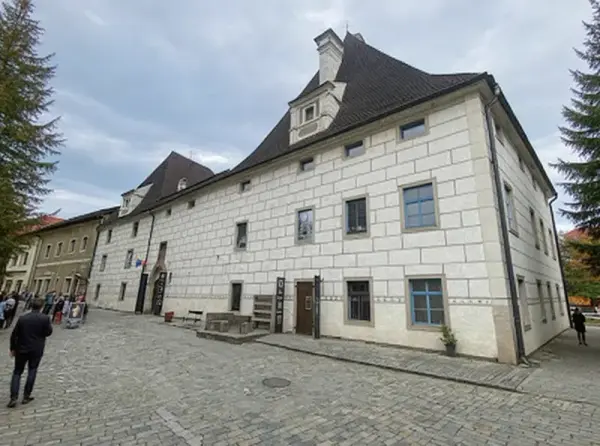
4. Egon Schiele Art Centrum
Dibujos originales de Schiele y exposiciones contemporáneas que invitan a la reflexión revelan la conexión local del artista. Recorre galerías íntimas, ve exposiciones temporales y sube a la torre para vistas del pueblo.
Datos rápidos: Entra y las habitaciones te sorprenden con dibujos angulares y crudos y colores eléctricos que hacen que los retratos parezcan impactantemente vivos. Una colección sorprendente de más de 300 obras, además de exposiciones contemporáneas rotativas, significa que cada visita revela algo nuevo para los amantes del arte figurativo expresivo.
Destacados: Al entrar, el aire huele ligeramente a papel antiguo y aceite de linaza, la tenue luz de la galería hace que las líneas de tiza y los frágiles bordes marrones de una pila de dibujos centenarios parezcan venas vivas. En tardes tranquilas, un guía te entregará una lupa pequeña y, inclinándose conspirativamente, señalará una fecha escrita a lápiz de 1912 y una huella dactilar apenas visible en el margen, una pequeña historia silenciosa que convierte el papel blanco en un momento vivido por alguien.
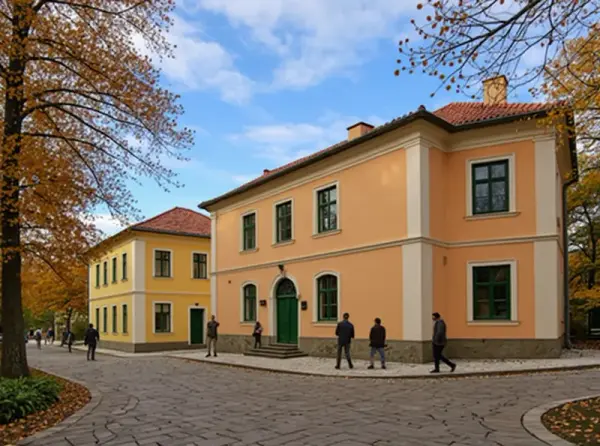
5. Museum Fotoatelier Seidel (Muzeum Fotoateliér Seidel)
Muzeum Fotoateliér Seidel
Entra en un estudio fotográfico del siglo XIX conservado que exhibe equipos originales y retratos familiares. Explora el cuarto oscuro, negativos de vidrio y escenarios de estudio montados de cerca.
Datos rápidos: Entra en un estudio iluminado cálidamente y sentirás el silencio del meticuloso trabajo en cuarto oscuro, mientras estantes con negativos de vidrio y cámaras antiguas parecen susurrar historias familiares. Los curadores han preservado una porción sorprendentemente grande del archivo original, así que decenas de retratos y cientos de negativos sobreviven intactos y te permiten seguir historias personales a través de generaciones.
Destacados: Entra en el antiguo estudio y el olor a revelador y madera encerada te golpea, mientras estantes con cámaras de madera y latón y álbumes de retratos coloreados a mano aún llevan las notas a lápiz y los sellos de estudio de Josef Seidel. En ciertos recorridos guiados un guía te entregará una cámara de placa de latón original y mostrará cómo un negativo de vidrio se materializa lentamente bajo una lámpara roja, la imagen plateada aparece como un fantasma justo ante tus ojos.
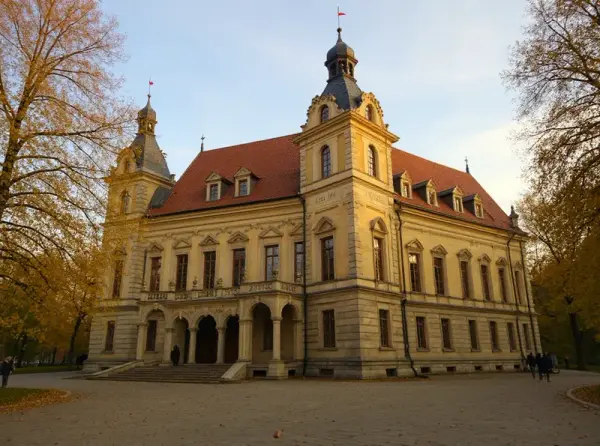
6. Baroque Theatre (Zámecké barokní divadlo)
Zámecké barokní divadlo
Un raro teatro de la corte del siglo XVIII en funcionamiento con maquinaria escénica original y telones pintados. Entra en decorados de época y observa la técnica teatral histórica en acción.
Datos rápidos: Entra y escucha el silencio de los balcones iluminados por velas con telones pintados que aún se mueven gracias a la maquinaria original del escenario, dando a las representaciones una atmósfera táctil, casi mágica. Cientos de accesorios hechos a mano y trucos ingeniosos de escenario permanecen en su lugar, y en algunos espectáculos se utilizan instrumentos de época para que el sonido resulte sorprendentemente auténtico.
Destacados: Entrar es como retroceder más de 250 años, cuando la luz de las velas se acumulaba sobre nubes pintadas a mano y cajas doradas mientras el aroma de la cera de abejas y la madera vieja llenaba el aire. Una maquinaria original de cuerda y poleas aún mueve los planos de perspectiva durante las demostraciones, y el personal mantiene una peculiar costumbre tras escena: antes de cada temporada, un tramoyista toca la principal línea aérea tres veces para atraer la suerte.
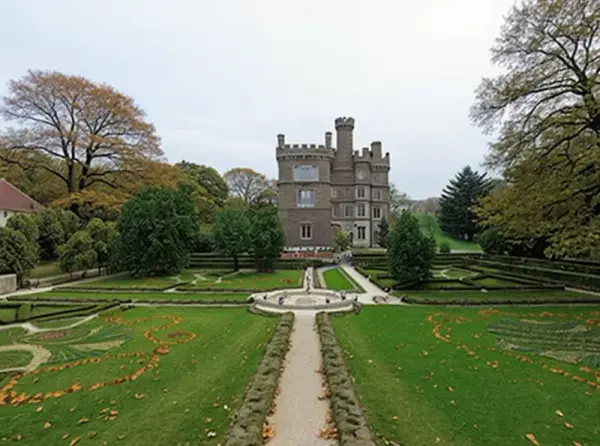
7. Český Krumlov Castle Gardens (Zámecká zahrada)
Zámecká zahrada
Terrazas renacentistas y vistas dramáticas del castillo coronan un jardín tranquilo junto al río. Pasea por senderos sombreados, parterres ornamentales y un jardín teatral barroco para fotos excelentes.
Datos rápidos: Pisar los céspedes en terrazas es como entrar en un escenario vivo donde antaño se representaban obras barrocas, con una gruta apartada y figuras esculpidas que aparecen alrededor de senderos serpenteantes. Sube al belvedere superior para obtener un panorama repentino de callejones recortados y parterres estacionales, rosas fragantes que dan paso a la sombra fresca de tilos mientras paseas.
Destacados: Sube el puente cubierto de cinco arcos desde la terraza superior y de repente encontrarás un escenario secreto barroco de madera donde la maquinaria original del siglo XVIII aún cruje bajo tus pies, el aroma del roble cálido y el aceite se eleva cuando el sol incide al mediodía. Los guías locales todavía susurran sobre la costumbre milenaria de atar una cinta a la puerta de hierro forjado del jardín, algunos visitantes dejan una con su nombre y fecha, y en las cálidas noches de verano las rosas perfuman el aire tan intensamente que puedes saborear miel en la lengua.
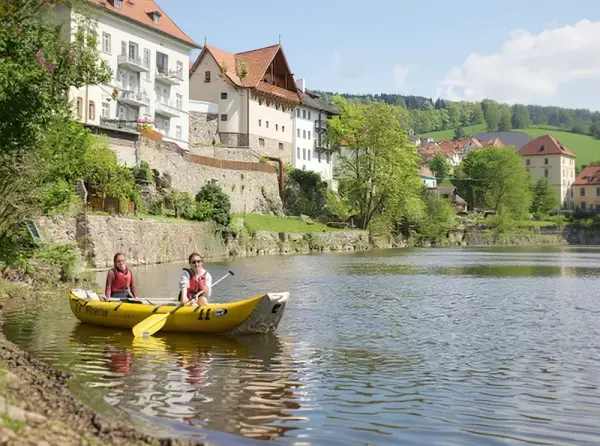
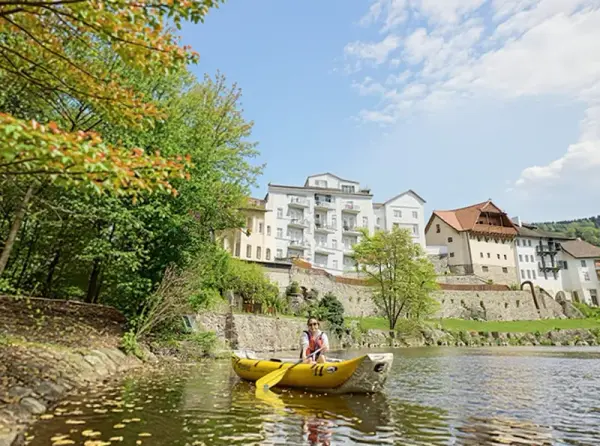
8. Vltava River (rafting/kayaking and riverfront)
rafting/kayaking and riverfront
Vistas del río serpenteante y rápidos suaves hacen de Český Krumlov un patio de juegos al aire libre. Rema junto a la curva del castillo, cafés junto al río y puentes históricos para una aventura escénica y fácil.
Datos rápidos: Las cafeterías junto al río y las orillas arboladas hacen que remar se sienta como una postal en movimiento, con guías señalando cascadas ocultas y rincones perfectos para un picnic. Opta por una balsa tranquila o un kayak ágil, y a menudo verás docenas de botes navegando por curvas estrechas en tardes de verano concurridas, con risas y salpicaduras de remos que se suman al bullicio del río.
Destacados: Remar por la estrecha curva en forma de herradura del pueblo se siente como deslizarse por una postal viva: muros de castillo y techos de tejas rojas llenan las riberas del río, aparecen puentes de piedra en cada giro, y la corriente es lo suficientemente suave como para que la mayoría de los paseos cortos duren entre 20 y 40 minutos entre el punto principal de salida y llegada. Los operadores locales de balsas aún cuentan viejas historias de leñadores entre las curvas, y en las noches de verano pequeños grupos a menudo atan balsas de madera, encienden linternas y se deslizan silenciosamente bajo el resplandor amarillo mientras un guía canta canciones del río transmitidas por generaciones.
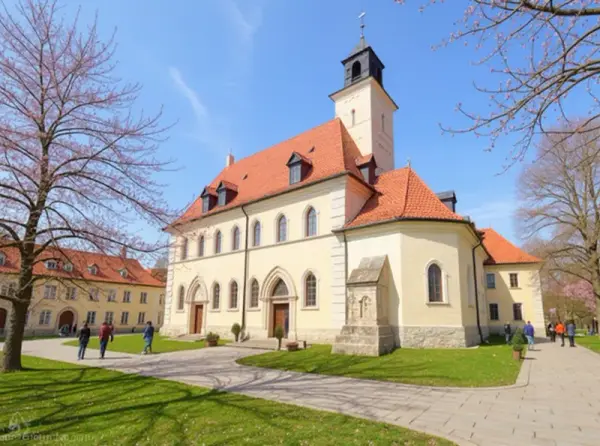
9. Latrán — historic street and neighborhood
El encanto medieval en casas renacentistas coloridas y fachadas barrocas hace que Latrán valga la pena visitar. Camina por callejones empedrados, explora tiendas artesanales y asómate a patios tranquilos.
Datos rápidos: Los callejones empedrados resuenan con el sonido de pasos y el aroma a café tostado, mientras fachadas barrocas y renacentistas coloridas se ciñen sobre patios escondidos. Un trazado de calles empinado e íntimo revela pequeñas tiendas artesanales, pubs familiares y puntos de vista inesperados que asoman sobre tejados de tejas rojas, recompensando a quien se aventura fuera de las rutas turísticas principales.
Destacados: Camina por la empinada calle empedrada y olerás humo de leña y brandy de ciruela, verás fachadas barrocas pintadas de albaricoque y verde azulado brillar con el sol de la tarde y podrás asomarte a pequeñas bodegas abovedadas donde los locales aún maduran queso y slivovice en tinajas de barro. Después del atardecer, unos diez letreros tallados en madera se balancean sobre las puertas, cada uno estampado con un nombre de gremio como Curtidor, Tonelero o Tejedor, una tradición peculiar que se dice ayudaba a los viajeros a encontrar un artesano en la época anterior a los números de casa.
10. Regional Museum in Český Krumlov (Regionální muzeum v Českém Krumlově)
Regionální muzeum v Českém Krumlově
Explora la historia local de Český Krumlov a través de disfraces, arte popular y hallazgos arqueológicos. Camina por galerías compactas que dan vida al pasado del pueblo.
Datos rápidos: Pasea por habitaciones acogedoras de época y encontrarás una impresionante colección de trajes folclóricos bohemios y muebles pintados a mano que hacen que el pasado se sienta tangible y vivido. Los curadores mantienen una colección asombrosa de marionetas, armas medievales y delicadas pinturas barrocas. Algunas piezas son tan pequeñas que las pasarás por alto a menos que te acerques mucho.
Destacados: Pide a un guía que te muestre el pequeño escenario de marionetas del siglo XIX escondido detrás de una puerta de cristal. Allí, 24 marionetas talladas a mano aún usan trajes descoloridos cosidos con hilo de oro y huelen ligeramente a alcanfor. En ciertas tardes, un curador dará cuerda al escenario y representará una escena de tres minutos. Las articulaciones de madera hacen clic como lluvia distante mientras una lámpara de gas proyecta luz ocre sobre los rostros pintados.
Where to Stay in Český Krumlov, Czechia
Selected by City Buddy based on guest reviews and proximity to top attractions
Search all hotels in Český Krumlov, CzechiaPowered by agoda
Días de apertura en Český Krumlov, Czechia
Cuáles de las mejores atracciones cierran cada día de la semana, el clásico arruina-viajes, ya comprobado por ti.
lunes: 3 de 5 atracciones principales cerradas. Planifica los museos para otro día.
Cerrado el lunes · 3 cerradas, 2 abiertas
Días de apertura según Google Maps (verificado el 2026-02-19). Los días festivos, las huelgas y los horarios de temporada pueden variar. Consulta la web oficial antes de ir.
Platos dulces tradicionales

trdelník
Trdelník is a spit cake baked on a rotating spit over an open flame, and its crisp, sugar-crusted exterior and hollow center make it perfect for filling with ice cream or cream.
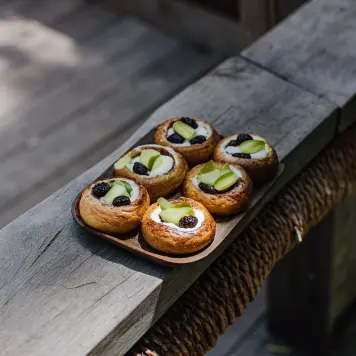
koláče
Koláče are small round pastries filled with fruit, poppy seed or sweet cheese, and they trace their roots to medieval Czech celebrations where they symbolized prosperity.
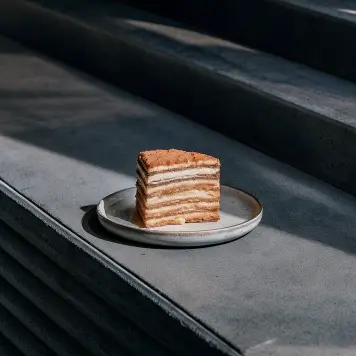
medovník
Medovník is a layered honey cake held together with sweet cream, and its caramelized, floral honey notes made it a favorite among Austro-Hungarian-era households.
Platos salados tradicionales
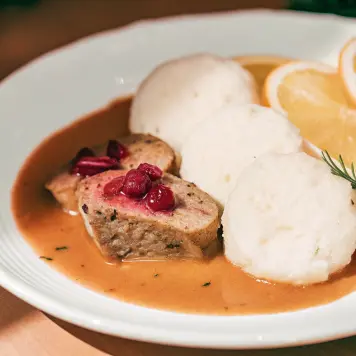
svíčková
Svíčková na smetaně is marinated beef sirloin braised in a creamy root-vegetable sauce, and it is traditionally served with a slice of lemon, cranberry compote and fluffy dumplings.
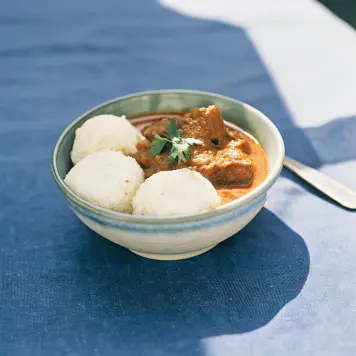
gulaš
Czech guláš is a paprika-scented beef stew slow-cooked until the meat almost melts, and it became a beloved comfort food often served with bread or dumplings.
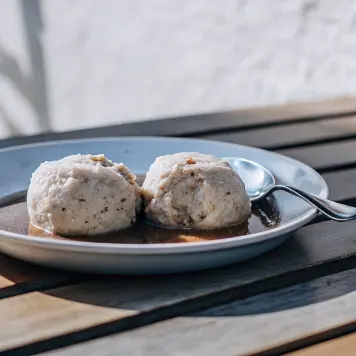
knedlíky
Knedlíky are steamed or boiled bread dumplings designed to soak up sauces, and locals will judge a restaurant by how light and springy its knedlíky are.
Bebidas tradicionales

Pilsner beer
Pilsner lager was invented in nearby Plzeň in 1842, and its golden clarity and crisp hop bite set the standard for modern pale lagers around the world.

Becherovka
Becherovka is an aromatic herbal liqueur from Karlovy Vary, and locals often sip it as a digestif after heavy meals to settle the stomach.

Slivovice
Slivovice is a potent plum brandy distilled from ripe plums, and it is traditionally offered for toasts and sometimes aged in wooden barrels for extra smoothness.
Preguntas frecuentes sobre Český Krumlov, Czechia
¿Es Český Krumlov, Chequia seguro para los viajeros?
¿Cuántos días debo pasar en Český Krumlov, Chequia?
¿Cuál es la mejor época para visitar Český Krumlov, Chequia?
¿Es caro visitar Český Krumlov, Chequia?
¿Cómo moverse por Český Krumlov, Chequia?
Recibe un PDF con las atracciones más populares en tu correo electrónico
Obtén un PDF con todas las atracciones, valoraciones y consejos. Perfecto para uso sin conexión.
Excursiones de un día más populares
České Budějovice
Regional capital with a large square and Budweiser brewery.
Hluboká nad Vltavou
Neo-Gothic castle with landscaped park and interiors.
Holašovice
UNESCO-listed traditional South Bohemian village.
Lipno nad Vltavou
Lake area with water sports and a treetop walkway.
Cómo llegar
Estaciones de tren
Regional line to České Budějovice (connects to national network)
Mainline connections: Prague, Linz and other Czech cities
From Prague Airport take bus/train to Prague, then a direct bus to Český Krumlov; book summer buses early.
Información útil para Český Krumlov, Czechia
Resumen de Český Krumlov, Czechia
¿Quieres un plan día a día para Český Krumlov, Czechia? Abre el planificador de viajes
¿Cuándo vas a Český Krumlov, Czechia?
Elige tus fechas y estilo de viaje para obtener:
¿Alguno de estos es especialmente importante para ti?
Selecciona todos los que apliquen
Cómo moverse
¿Cómo quieres moverte entre los lugares?
Idioma del plan: Español