 CityBuddy
 Español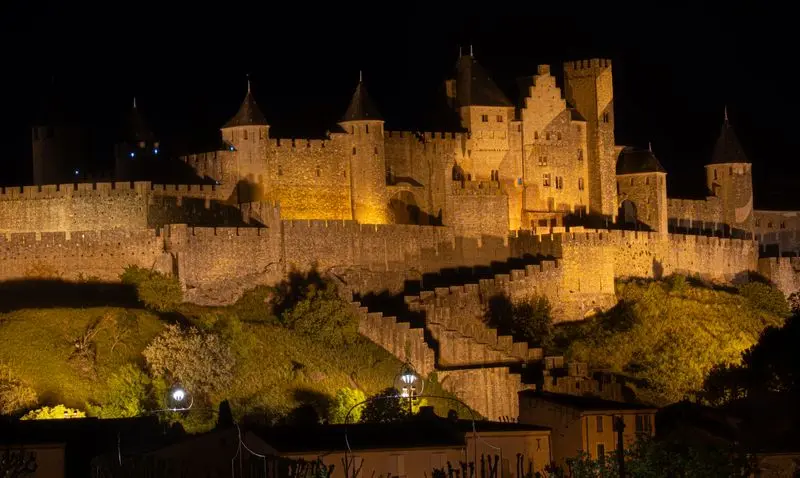
Qué hacer en Carcassonne, France
Foto realizada por Carlo Giovanni Ghiardelli en Pexels.com
Cuándo visitar
Atracciones más populares en Carcassonne, France
Si estás buscando cosas que hacer en Carcasona, Francia, visitar la ciudad medieval de Carcasona es una experiencia inolvidable. Esta fortaleza amurallada alberga el castillo condal del siglo XII y la basílica de San Nazario, con sus impresionantes vidrieras. No te pierdas el paseo por el antiguo puente Pont Vieux para disfrutar de una vista magnífica.
1. Cité de Carcassonne
El castillo fortificado más antiguo y grande de Europa te espera para explorar sus murallas y sus 52 torres. Vivirás la experiencia de caminar por callejones estrechos impregnados del aroma de la historia, con vistas panorámicas que te roban el aliento desde lo alto de las torres.
Datos rápidos: Esta legendaria fortaleza cuenta con 52 torres rodeadas por murallas con una longitud total de aproximadamente 3 kilómetros. Sufrió una enorme restauración en el siglo XIX dirigida por el arquitecto Viollet-le-Duc, quien añadió esos característicos techos cónicos que le otorgan su aspecto de cuento de hadas actual.
Destacados: A diferencia de lo que puedan pensar los visitantes, los altos techos cónicos de las torres no existían originalmente en la Edad Media, sino que fueron añadidos por el arquitecto Viollet-le-Duc durante su restauración del castillo en el siglo XIX. Imagina que estás al anochecer y miles de luces doradas brillan dentro de los muros de piedra transformando la ciudad fortificada en una escena que parece un cuadro de un artista genial.
2. Château Comtal
Un castillo medieval rodeado por 52 torres como guardianes silenciosos. Caminarás entre las murallas de piedra y olerás el aroma de la historia en cada rincón.
Datos rápidos: La muralla exterior del palacio se extiende por 3 kilómetros, y está rodeada por 52 torres de vigilancia. La restauración del palacio en el siglo XIX estuvo a cargo del arquitecto Viollet-le-Duc, quien también rediseñó la Estatua de la Libertad.
Destacados: Dentro de los gruesos muros de piedra, puedes poner tu oído en la pared y escuchar el rugido del agua que fluye en el foso del siglo XIII. El palacio nunca fue derrotado en ningún asedio a lo largo de su historia, gracias a su ingenioso diseño defensivo que hace que el atacante deambule en un laberinto de patios estrechos.
3. Basilique Saint-Nazaire
Una basílica que cuenta mil años de historia en cada rincón y esquina. Cruzarás una puerta de madera de 700 años y contemplarás luces que se cuelan por ventanas de vidrio que narran historias de reyes y santos.
Datos rápidos: La Basílica de San Nazario contiene una vidriera del siglo XIV que cuenta la historia de la Cruzada Cátara. El edificio se encuentra en el sitio de una antigua iglesia del siglo VI, y en sus muros aparecen inscripciones que narran historias de caballeros y reyes.
Destacados: Bajo los pies de los visitantes, en la nave de la iglesia, hay tres tumbas talladas en piedra de obispos del siglo XIII. Se pueden ver sus efigies con sus vestimentas episcopales completas. En la esquina noroeste, un rayo de sol matutino ilumina el gran rosetón de 8 metros de diámetro, reflejando sus colores azules y rojos sobre las columnas de piedra románicas.
4. Canal du Midi
Navega entre campos de girasoles y viñedos bajo la sombra de árboles antiguos. Sentirás que el tiempo se detiene mientras cruzas las esclusas de piedra de más de 350 años.
Datos rápidos: El canal se extiende a lo largo de 240 kilómetros y conecta el océano Atlántico con el mar Mediterráneo. Cuenta con 63 esclusas, 126 puentes y 7 acueductos, y la UNESCO lo inscribió en la lista de Patrimonio Mundial en 1996.
Destacados: Lo que realmente distingue a este canal son los plátanos que dan sombra a sus orillas, plantados por orden de Colbert en el siglo XVII para proteger a los transeúntes del calor del sol. Hay más de 40.000 árboles que forman un túnel verde encantador que hace que navegar en barco se sienta como viajar a través de una pintura al óleo en movimiento.
5. Porte Narbonnaise
La entrada más impresionante del castillo de Carcasona, donde la historia late en cada piedra. Camina entre las dos torres imponentes e imagina a los soldados medievales protegiendo la ciudad desde lo alto de las murallas.
Datos rápidos: La Puerta de Narbona es la entrada principal a la ciudad amurallada antigua y representa una de las puertas de fortaleza más destacadas de la Edad Media. La altura de las dos torres gemelas de la puerta es de aproximadamente 40 metros, y se caracteriza por su raro puente levadizo de piedra que aún funciona hasta el día de hoy.
Destacados: A diferencia de otras puertas defensivas, la Puerta de Narbona fue diseñada con dos enormes torres asimétricas deliberadamente para engañar a los atacantes y hacer del objetivo un blanco más difícil. Cuando te paras entre las dos torres y miras hacia arriba, notarás las aberturas para verter aceite hirviendo que aún son visibles en el techo de piedra.
6. Château de Lastours
Un castillo que te lleva en un viaje en el tiempo entre cuatro fortalezas asombrosas. Sube a las torres y disfruta de una vista panorámica de los verdes valles del Languedoc.
Datos rápidos: Está compuesta por cuatro castillos antiguos conectados entre sí, lo que la convierte en uno de los mayores complejos feudales del sur de Francia. El más antiguo de estos castillos data del siglo XI y resistió las guerras de los cruzados contra los cátaros.
Destacados: Imagina cuatro castillos de piedra erguidos en la cima de una colina, cada uno cuenta una historia diferente sobre épocas de caballeros y guerras. Cuando te paras entre sus muros en un día de niebla, sientes como si los ecos de las batallas antiguas aún susurraran en el viento.
7. Lac de la Cavayère
Un descanso indescriptible lejos del bullicio de la ciudad, donde los pinos aromáticos se encuentran con las aguas turquesas del lago. Aquí te encontrarás nadando en aguas cristalinas y tumbándote en arenas doradas bajo el cielo soleado del Languedoc.
Datos rápidos: El lago de la Cavayère se extiende sobre 35 hectáreas y está rodeado de pinos y viñedos, por los que es famosa la región de Languedoc. Este lago artificial se formó en los años setenta del siglo pasado para convertirse en el destino de relax favorito de los habitantes de Carcasona y sus visitantes.
Destacados: A pocos metros de profundidad bajo la superficie del agua cálida, se esconde un reino de carpas gigantes que nadan junto a los visitantes. Algunos de estos peces tienen más de 20 años y se consideran de los más grandes de los lagos del sur de Francia.
Where to Stay in Carcassonne, France
Selected by City Buddy based on guest reviews and proximity to top attractions
Search all hotels in Carcassonne, FrancePowered by agoda
Días de apertura en Carcassonne, France
Cuáles de las mejores atracciones cierran cada día de la semana, el clásico arruina-viajes, ya comprobado por ti.
Buenas noticias: las 6 atracciones principales con horario conocido abren todos los días de la semana.
Cerrado el lunes · 0 cerradas, 6 abiertas
Nada cierra el lunes. Las 6 atracciones con horario conocido están abiertas.
Días de apertura según Google Maps (verificado el 2026-06-16). Los días festivos, las huelgas y los horarios de temporada pueden variar. Consulta la web oficial antes de ir.
Platos dulces tradicionales
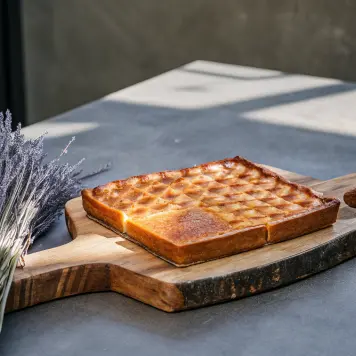
Carcassonne Honey Cake (Gâteau au Miel de Carcassonne)
This local honey cake is made with lavender honey from the nearby garrigue scrublands, giving it a distinct floral aroma that reflects the wild herbs of the Occitan landscape.

Crespèu (Carcassonne-style Crêpe)
These thin pancakes are traditionally filled with当地的 fruit jams or chestnut cream, and they have been a beloved street food at Carcassonne's medieval festivals for centuries.

Millas (Cornmeal Pudding)
Millas is a traditional cornmeal cake from the Languedoc region, often sweetened with local honey or brown sugar and sometimes flavored with orange blossom water, reflecting the area's Moorish culinary influences.
Platos salados tradicionales
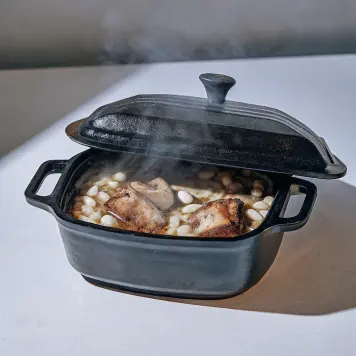
Cassoulet de Carcassonne
Unlike the Toulouse version, Carcassonne's cassoulet uniquely includes whole pieces of lamb and partridge alongside the traditional pork and duck confit, a recipe dating back to the Middle Ages.

Fricassée Carcassonnaise
This rich stew features chicken or rabbit cooked slowly in white wine with mushrooms and local herbs, and it has been a staple dish in Carcassonne homes for generations.
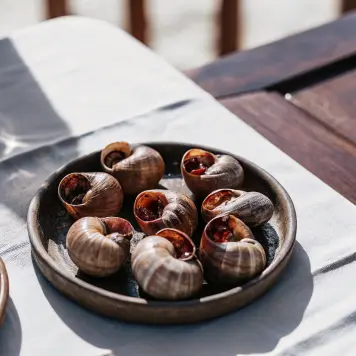
Cargolade (Grilled Snails)
A Languedoc specialty popular in Carcassonne, this dish involves grilling local land snails over vine clippings and serving them with a spicy garlic and tomato sauce called rouille.
Bebidas tradicionales

Blanquette de Limoux
This sparkling white wine from the nearby Limoux area was created by monks in 1531, predating Champagne by nearly a century and making it the world's oldest known sparkling wine.
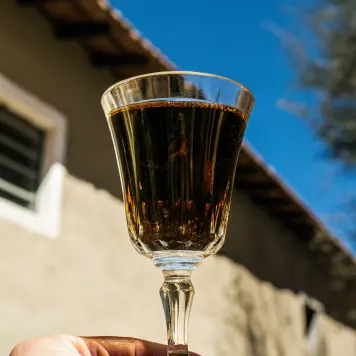
Cartagène
A traditional sweet aperitif from the Languedoc region, Cartagène is made by mixing unfermented grape must with brandy, creating a fortified wine that locals enjoy chilled before meals.

Pastis Carcassonnais
While pastis is famous in southern France, Carcassonne has its own variation infused with local aniseed and wild fennel from the surrounding hills, giving it a distinctly herbal profile.
Preguntas frecuentes sobre Carcassonne, France
¿Es segura la ciudad de Carcasona, Francia?
¿Cuántos días necesitas para visitar Carcasona, Francia?
¿Cuál es la mejor época para visitar Carcasona, Francia?
¿Es cara la ciudad de Carcasona, Francia?
¿Cómo desplazarse por la ciudad de Carcasona, Francia?
Recibe un PDF con las atracciones más populares en tu correo electrónico
Obtén un PDF con todas las atracciones, valoraciones y consejos. Perfecto para uso sin conexión.
Excursiones de un día más populares
Narbonne
Roman city with canal port, cathedral, and Les Halles market
Toulouse
Vibrant city known for space center, pink buildings, and cuisine
Albi
UNESCO city with massive brick cathedral and Toulouse-Lautrec museum
Montpellier
Lively university city with medieval streets and modern architecture
Cómo llegar
Estaciones de tren
TGV and TER lines to Toulouse, Montpellier, Narbonne, and Perpignan
A shuttle bus connects Carcassonne Airport to the train station and city center in about 15 minutes. From Toulouse Airport, take a shuttle to Toulouse Matabiau station then a TGV train to Carcassonne.
Información útil para Carcassonne, France
Resumen de Carcassonne, France
¿Quieres un plan día a día para Carcassonne, France? Abre el planificador de viajes
¿Cuándo vas a Carcassonne, France?
Elige tus fechas y estilo de viaje para obtener:
¿Alguno de estos es especialmente importante para ti?
Selecciona todos los que apliquen
Cómo moverse
¿Cómo quieres moverte entre los lugares?
Idioma del plan: Español