 CityBuddy
 Español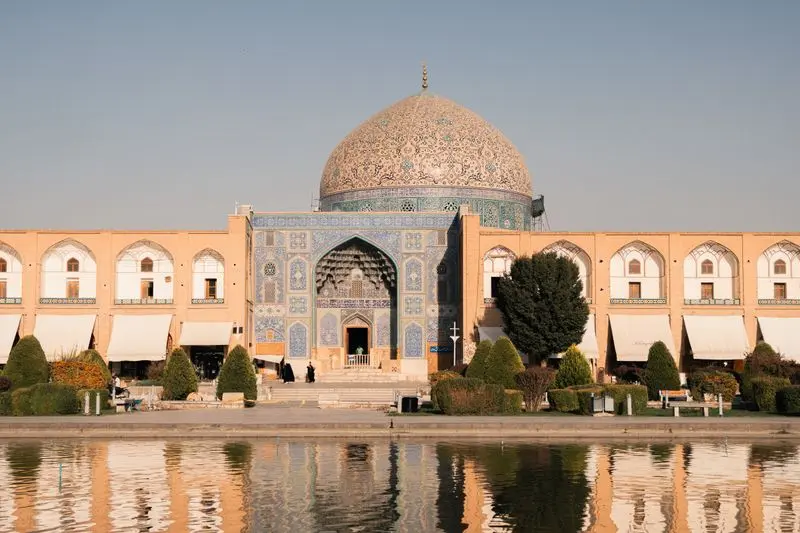
Qué hacer en Isfahan, Iran
Foto realizada por Faruk Tokluoğlu en Pexels.com
Cuándo visitar
Atracciones más populares en Isfahan, Iran
Cuando piensa en las cosas que hay que hacer en Isfahán, Irán, es imprescindible visitar la Plaza Naqsh-e Jahan, una de las plazas urbanas más grandes del mundo, con una superficie de 89.600 metros cuadrados. En ella destacan la Mezquita Sheikh Lotfollah, con sus hermosos azulejos, y la majestuosa Mezquita Imam, que cada día atrae a miles de visitantes con sus perfectas cúpulas acústicas.
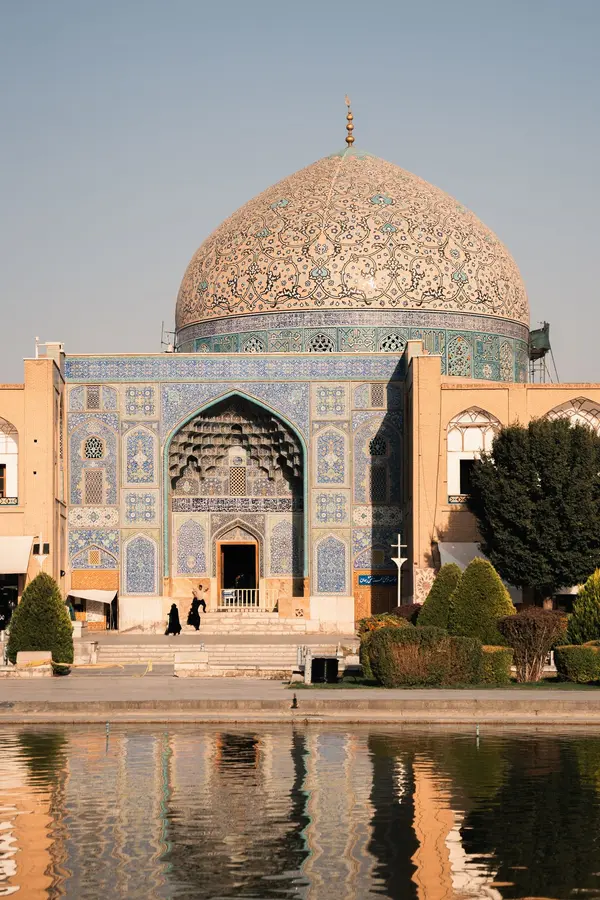
1. Sheikh Lotfollah Mosque
Vive un juego de luz que no encontrarás en ningún otro lugar del mundo. El visitante recorre un pasillo oscuro para contemplar de repente una cúpula que cambia de color como la pluma de un pavo real.
Datos rápidos: Bajo una cúpula de 32 metros de altura, la luz del día cambia a lo largo del día creando la ilusión de una cola de pavo real en las paredes interiores. La mezquita nunca tuvo un minarete porque fue construida exclusivamente para las necesidades de la familia real, no para oraciones públicas.
Destacados: En el centro de la cúpula, a una altura de 32 metros, hay una pequeña abertura en forma de pavo real a través de la cual, en ciertos momentos del día, penetra un rayo de sol. Ese haz de luz viaja por las paredes de la mezquita como si quisiera tocar cada adorno, y el equinoccio de primavera lo dirige exactamente hacia el nicho de oración.
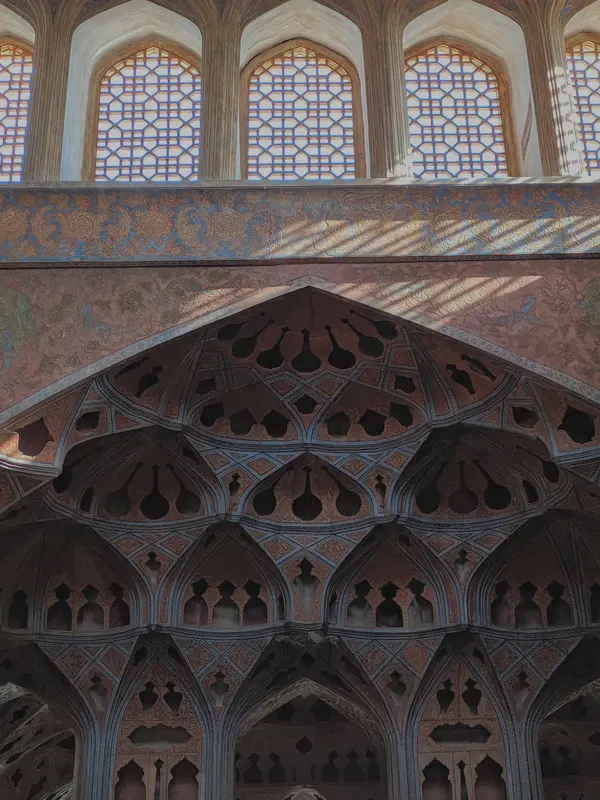
2. Ali Qapu Palace
La puesta de sol a través de las bóvedas de estalactitas de la terraza convierte cada toma en una obra maestra. Subes por unas escaleras de madera mientras bajo tus pies resuenan los sonidos de una antigua sala de música.
Datos rápidos: La sala con 18 columnas de madera servía como tribuna real para observar los partidos de polo abajo en la plaza Naqsh-e Jahan. Mejoraban la acústica con huecos en las paredes y en el techo con forma de instrumentos musicales, de modo que un susurro desde el escenario llega hasta la última fila.
Destacados: El detalle más mágico son los techos tallados en forma de laúdes y tamburas, que no solo tienen un aspecto espectacular, sino que además están moldeados deliberadamente para amplificar el sonido. Cuando los músicos tocan en los nichos del balcón, toda la terraza vibra como un altavoz vivo sobre la plaza de más de 400 años.
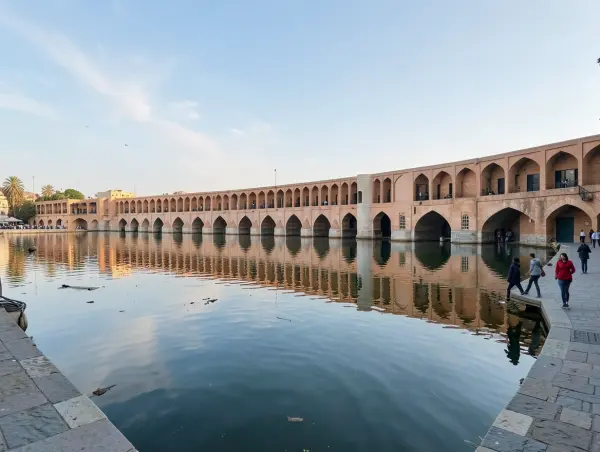
3. Si-o-se-pol Bridge
Ninguna puesta de sol en Isfahán está completa sin pasear por este puente de 33 arcos. Siente cómo la piedra centenaria se enfría bajo tus pies mientras cientos de lucecitas se encienden sobre el tranquilo río.
Datos rápidos: El puente con 33 arcos se extiende 298 metros sobre el río Zayandeh Rud. Su estructura de dos niveles permite pasear por el nivel superior para los peatones, mientras que el nivel inferior sirve como presa para regular el caudal del agua.
Destacados: Al anochecer, cuando se encienden los 33 arcos, todo el puente se convierte en una hilera de medias lunas doradas que titilan sobre el agua. Los poetas locales creen que cada arco tiene su propia acústica, pues un susurro desde un extremo del puente solo puede oírlo la persona que está en el arco opuesto.
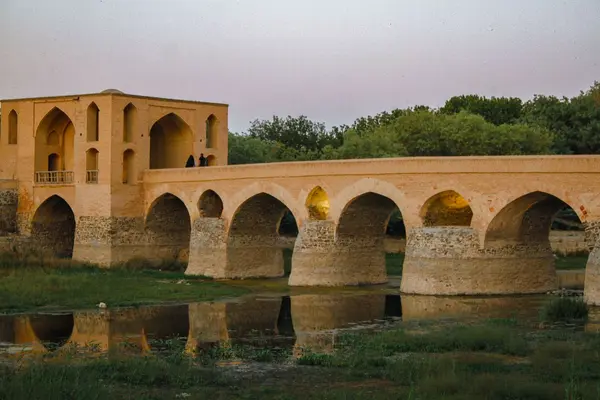
4. Khaju Bridge
El único puente del mundo que combina un paseo peatonal, una presa y una casa de té. Atraviesa sus arcos mientras el agua fluye silenciosamente bajo tus pies y siente el aliento de la época safávida.
Datos rápidos: Con 23 arcos y 7 metros de ancho, este puente también sirve como presa que regula el nivel del agua del río Zayandeh. Por la noche, sus arcos se iluminan con una luz cálida, y antiguamente en los nichos para sentarse se celebraban actuaciones con té y música en vivo.
Destacados: Shah Abbas II supervisó personalmente la construcción y solía venir aquí a tomar té al son de música tradicional mientras observaba el juego de luces sobre el agua. El pabellón central estaba reservado exclusivamente para el sha y sus invitados, y las escaleras a ambos lados del puente permitían a los transeúntes sentarse y disfrutar de la vista.
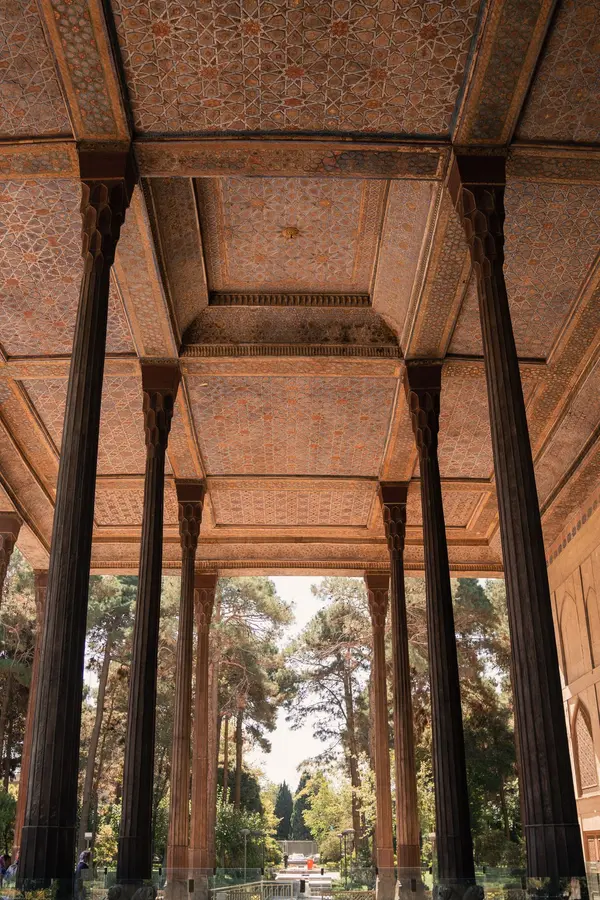
5. Chehel Sotoun Palace
Asómate a la sala donde los sah recibían a los embajadores extranjeros con vino y poesía. Paseas por estancias con frescos originales y decoraciones de nácar que tienen casi 400 años.
Datos rápidos: Veinte columnas de plátano rodean la terraza abierta, aunque el nombre se traduce como "Cuarenta columnas" por el efecto poético de su reflejo en el agua. Los frescos del interior del palacio representan batallas históricas y banquetes reales del período safávida, y algunos fueron restaurados tras sobrevivir al terremoto de 1853.
Destacados: Las puertas de madera de entrada, de 4,5 metros de altura, están decoradas con tallas de marfil y nácar, y cada una cuenta una escena simbólica distinta. Solo veinte columnas sostienen el techo, pero el espejo del estanque crea la ilusión de que son cuarenta, un truco deliberado de los arquitectos safávidas.
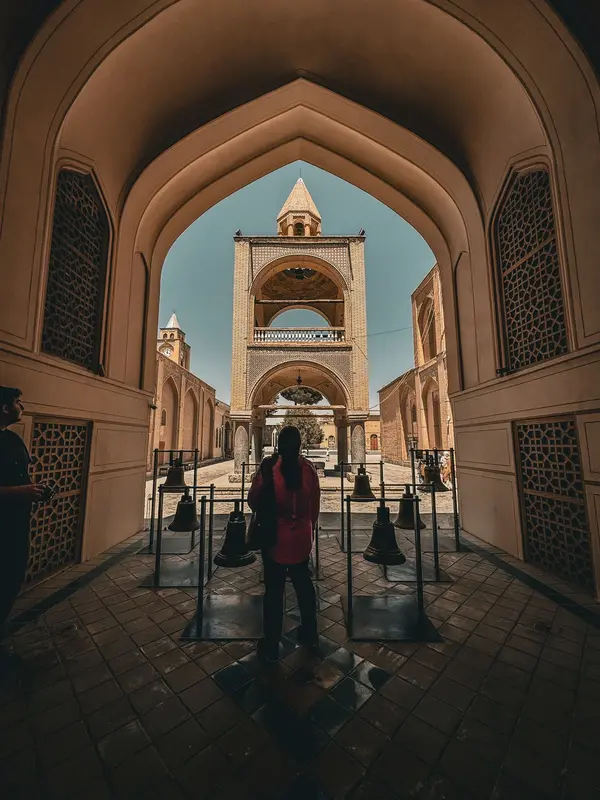
6. Vank Cathedral
El único lugar del mundo donde un altar cristiano se oculta tras una arabesca persa. Siente el aroma del incienso mientras paseas por un patio lleno de naranjas e historias susurrantes.
Datos rápidos: Dentro de esta catedral se esconde un mundo de arte que combina motivos cristianos e islámicos. Las paredes están cubiertas con más de 100 fastuosos frescos y tallados dorados que cuentan la historia de la comunidad armenia en el corazón de Persia.
Destacados: Después de entrar, notará que los techos están pintados con escenas del paraíso, mientras que los suelos muestran la vida cotidiana de los comerciantes armenios. Un fresco representa un ángel que lleva un turbante persa, un símbolo perfecto de la fusión cultural que no verá en ningún otro lugar.
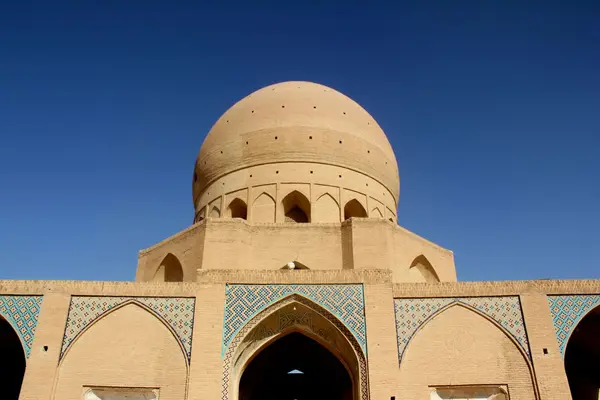
7. Jameh Mosque of Isfahan
Paseas por un museo vivo de mil años de arquitectura islámica. Cada uno de los cuatro portales del patio cuenta una historia especial a través de diferentes estilos de construcción de ladrillo y detalles ornamentales.
Datos rápidos: Las cúpulas de esta mezquita representan un verdadero laboratorio arquitectónico del arte islámico, donde se pueden apreciar estilos de hasta cuatro períodos históricos diferentes. Aquí se perfeccionaron las técnicas de construcción de cúpulas de ladrillo que más tarde se convertirían en el sello distintivo de la arquitectura persa.
Destacados: Debajo de la cúpula sur se esconde un fenómeno acústico: un susurro pronunciado en un extremo de la sala se escucha perfectamente en la pared opuesta más lejana, incluso cuando la sala está llena de gente. Los imanes utilizaron este secreto sonoro durante siglos para amplificar sus oraciones sin ningún dispositivo moderno.
8. Hasht Behesht Palace
Ocho cielos en un solo lugar: un palacio que te guía por los jardines persas mientras caminas por una sola planta. Recorre las estancias de diferentes colores y siente el aliento de la historia en los coloridos vitrales.
Datos rápidos: Con sus 32 metros de altura, este pabellón es en realidad bastante más bajo que el cercano palacio de Chehel Sotun, pero lo supera en la riqueza de sus techos pintados, en los que se entrelazan escenas de la vida en la corte, de la caza y de seres mitológicos. Aunque se llama "Ocho cielos", el palacio tiene solo cuatro plantas, y debe su nombre a las ocho estancias de la primera planta que simbolizan los ocho jardines paradisíacos de la mitología persa.
Destacados: En la primera planta, ocho estancias rodean la sala central, y cada una estuvo decorada en su día en un color distinto y dedicada a uno de los ocho jardines celestiales, lo que crea la impresión de atravesar un espectro de arcoíris al pasar de una habitación a otra. Es interesante que el palacio funcionaba como pabellón de verano: el agua de un canal subterráneo (qanat) fluía a través de un sistema de estanques en la planta baja, enfriando el aire de forma natural mucho antes de que existieran los aires acondicionados.
Where to Stay in Isfahan, Iran
Selected by City Buddy based on guest reviews and proximity to top attractions
Search all hotels in Isfahan, IranPowered by agoda
Días de apertura en Isfahan, Iran
Cuáles de las mejores atracciones cierran cada día de la semana, el clásico arruina-viajes, ya comprobado por ti.
Buenas noticias: las 7 atracciones principales con horario conocido abren todos los días de la semana.
Cerrado el lunes · 0 cerradas, 7 abiertas
Nada cierra el lunes. Las 7 atracciones con horario conocido están abiertas.
Días de apertura según Google Maps (verificado el 2026-07-23). Los días festivos, las huelgas y los horarios de temporada pueden variar. Consulta la web oficial antes de ir.
Platos dulces tradicionales
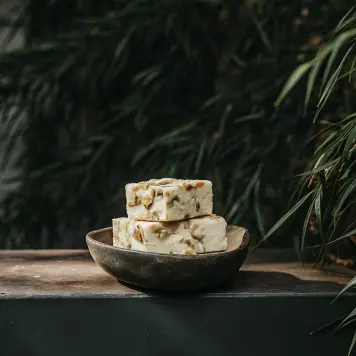
Gaz (Isfahanian Nougat)
Gaz is a famous Persian nougat made with pistachios, rose water, and the sap of the angebin plant, a desert shrub unique to the Isfahan region. This chewy, white confection has been produced in Isfahan for over 450 years.
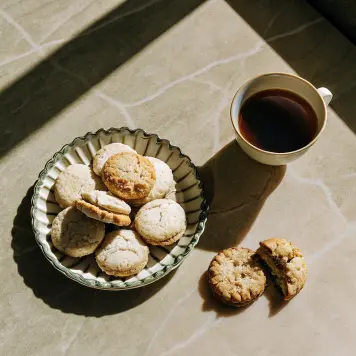
Koloocheh
Koloocheh is a soft, buttery cookie filled with a sweet mixture of walnuts, cinnamon, and cardamom, and it is a beloved specialty of Isfahan. These cookies are often enjoyed with a cup of Persian tea during gatherings and holidays.
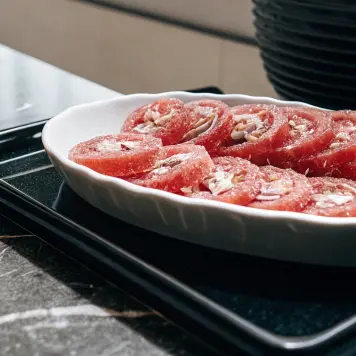
Poolaki
Poolaki are thin, crisp, disc-shaped candies made from sugar, rose water, and saffron or mint, originating from Isfahan. Their delicate, melt-in-the-mouth texture and subtle floral flavor make them a classic gift for visitors.
Platos salados tradicionales
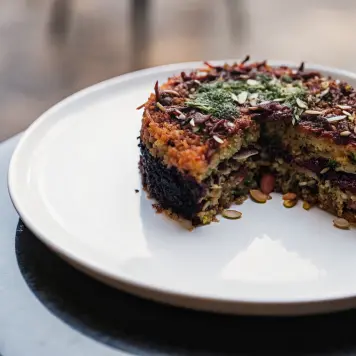
Berenj Polo (Rice with Saffron and Barberries)
This iconic Isfahani rice dish is layered with saffron, barberries, and slivered almonds, creating a vibrant, tart, and savory flavor. The crispy tahdig (golden rice crust) at the bottom is considered the best part by many locals.
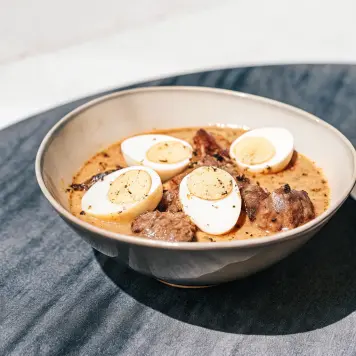
Khoresht-e Mast (Yogurt Stew)
Khoresht-e Mast is a unique Isfahani stew made from lamb, yogurt, saffron, and egg yolks, creating a rich, creamy, and tangy sauce. This ancient dish is said to date back to the Safavid era and is a proud specialty of Isfahan.
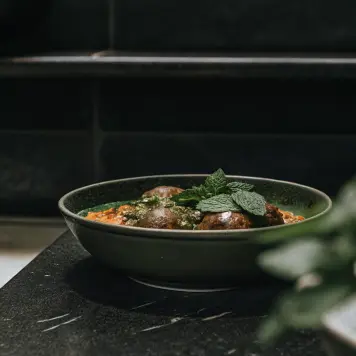
Bademjan (Isfahani Eggplant Stew)
Unlike other Persian eggplant stews, Isfahani Bademjan includes a distinctive addition of split peas, fried mint, and garlic, giving it a uniquely bold and herby profile. It is typically served over saffron rice and is a comfort food staple in local homes.
Bebidas tradicionales

Doogh
Doogh is a savory, carbonated yogurt drink flavored with mint, salt, and sometimes dried lime, and it is the quintessential refreshment of Isfahan. It is traditionally served alongside kebabs and rice dishes to aid digestion.

Sharbat-e Sekanjebin
This traditional Persian drink is made from a syrup of vinegar and honey or sugar, diluted with cold water and often served with fresh mint leaves and cucumber. It is beloved in Isfahan for its sweet and tangy taste, especially during hot summers.
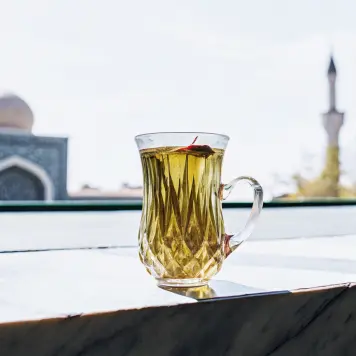
Chai-e Gol Mohammadi (Rose Tea)
Isfahan is famous for its fragrant rose tea, which blends black tea with dried rose buds and rose water for a delicate floral flavor. It is often sweetened with rock candy and sipped alongside traditional sweets like Gaz and Koloocheh.
Preguntas frecuentes sobre Isfahan, Iran
¿Es seguro Isfahán, en Irán, para los turistas?
¿Cuántos días se necesitan para visitar Isfahán?
¿Cuál es la mejor época para visitar Isfahán?
¿Es Isfahán caro para los viajeros?
¿Cómo moverse por Isfahán?
Recibe un PDF con las atracciones más populares en tu correo electrónico
Obtén un PDF con todas las atracciones, valoraciones y consejos. Perfecto para uso sin conexión.
Excursiones de un día más populares
Abyaneh Village
A historic red-hued village with traditional architecture and culture.
Kashan
City of historic houses, Fin Garden, and the ancient Tepe Sialk.
Persepolis
UNESCO ruins of the ceremonial capital of the Achaemenid Empire.
Varzaneh Desert
Scenic desert landscape with sand dunes and caravanserai.
Cómo llegar
Aeropuertos
Estaciones de tren
Main line connecting Tehran, Mashhad, and southern Iran
Taxis and ride-hailing apps available from the airport to the city center. The train station is south of the city near the bus terminal.
Información útil para Isfahan, Iran
Resumen de Isfahan, Iran
¿Quieres un plan día a día para Isfahan, Iran? Abre el planificador de viajes
¿Cuándo vas a Isfahan, Iran?
Elige tus fechas y estilo de viaje para obtener:
¿Alguno de estos es especialmente importante para ti?
Selecciona todos los que apliquen
Cómo moverse
¿Cómo quieres moverte entre los lugares?
Idioma del plan: Español