 CityBuddy
 Español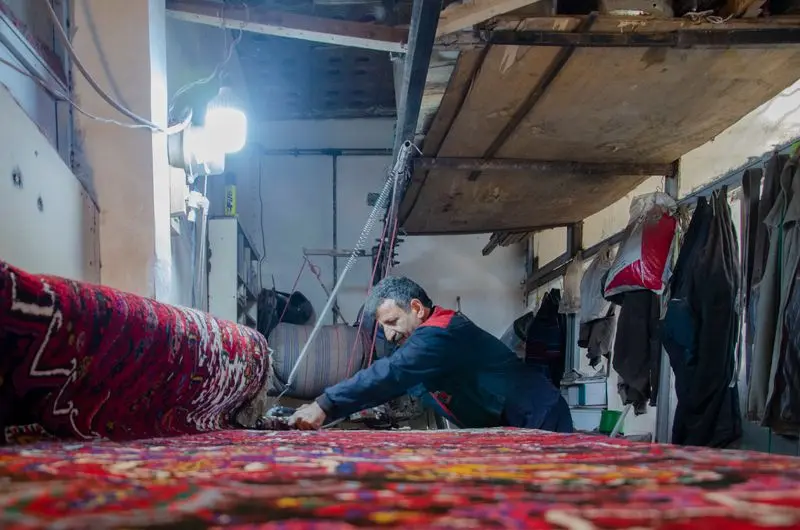
Qué hacer en Tabriz, Iran
Foto realizada por Murat Marangoz en Pexels.com
Cuándo visitar
Atracciones más populares en Tabriz, Iran
Entre las cosas que hacer en Tabriz, explorar el Complejo del Bazar Histórico de Tabriz, incluido en la lista del Patrimonio Mundial de la UNESCO, ocupa el primer lugar. Este bazar cubierto, que supera el millón de metros cuadrados, alberga más de 20 caravasares. Luego, visite la Mezquita Azul (Mescid-i Kebud), construida en 1465 y famosa por sus azulejos. Por su parte, la fortaleza de Arg-e Tabriz, de 28 metros de altura en el centro de la ciudad, le recibe con su esplendor histórico.
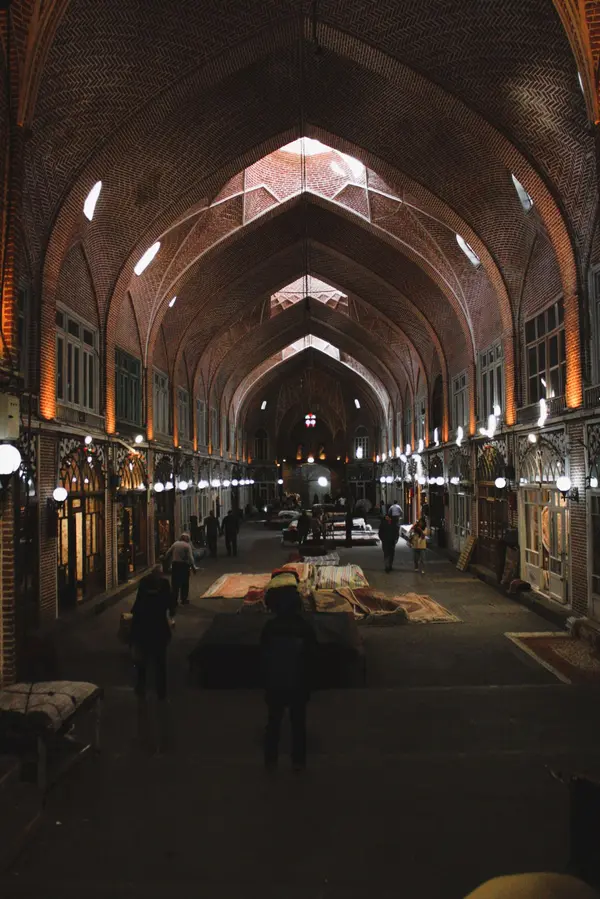
1. Tabriz Historic Bazaar Complex
Prepárate para perderte en el bazar cubierto más antiguo y grande de Irán. Viajarás en el tiempo entre caravasares centenarios, pasajes abovedados y alfombras hechas a mano.
Datos rápidos: Este bazar cubierto, uno de los puntos comerciales más importantes de la Ruta de la Seda desde el siglo XIV, parece un laberinto gigante con sus corredores que superan los 7 kilómetros. La estructura, que alberga más de 20 posadas, unas 30 mezquitas e innumerables caravasares, forma parte de la Lista del Patrimonio Mundial de la UNESCO.
Destacados: Cuando te detengas en el centro del bazar y mires a tu alrededor, notarás que estás en el punto donde se cruzan 24 mercados cubiertos diferentes. Cada mercado tiene su propio mundo de orfebrería, olores y colores; el aroma de lana y seda del mercado de alfombras se mezcla con los intensos aromas de los especieros.
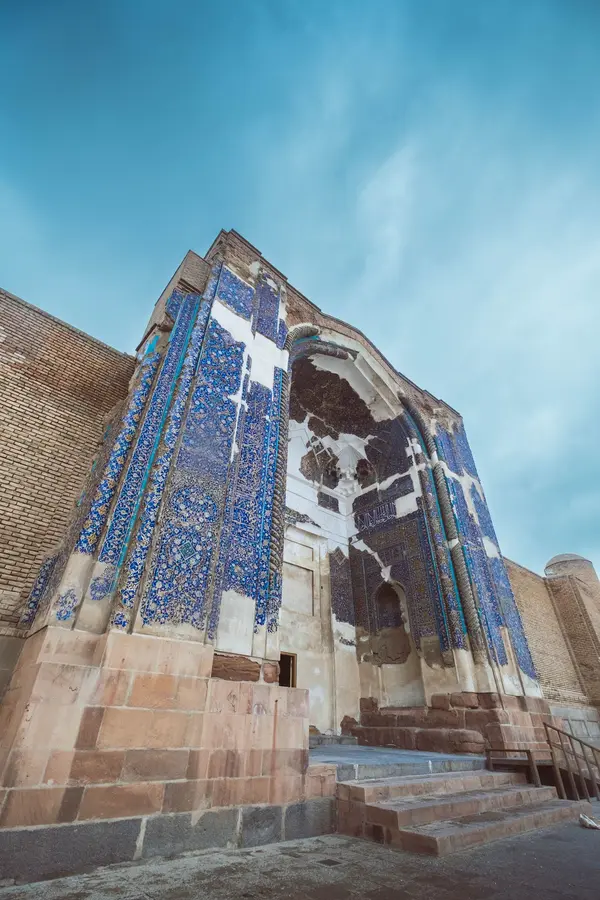
2. Blue Mosque (Masjed-e Kabud)
Masjed-e Kabud
Una de las mezquitas más grandes y antiguas de Irán, famosa por sus azulejos turquesa, te cautivará. Te espera una atmósfera serena con el enorme mihrab de mármol y el sonido del agua resonando alrededor de la alberca octogonal.
Datos rápidos: La construcción de la mezquita comenzó en 1465 por orden de Cihan Şah, pero tras su muerte fue completada por el gobernante akkoyunlu Uzun Hasan. Aunque los azulejos turquesa de la fachada exterior se han ido desprendiendo con el tiempo, parte del trabajo de azulejería del interior ha llegado hasta nuestros días, y algunos de estos azulejos influyeron en el arquitecto Victor Horta, considerado precursor del movimiento Art Nouveau.
Destacados: En el muro de la alquibla de la mezquita se encuentra un enorme mihrab de mármol sin igual en Irán. Pero lo verdaderamente fascinante son las gárgolas de mármol talladas en forma de cabeza de león que rodean la piscina octogonal de la entrada: el agua que fluye de cada una de ellas añade un sonido místico al patio de la mezquita.
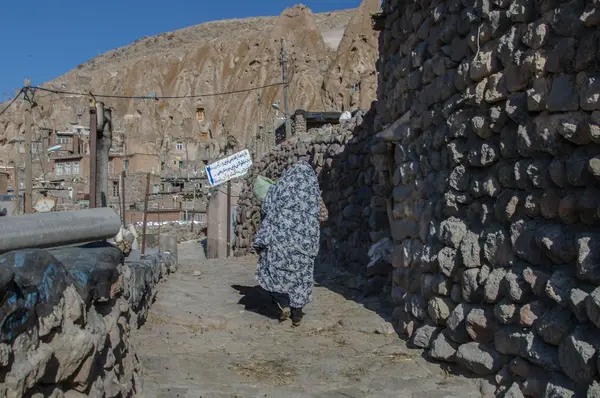
3. Kandovan Village
¿Cómo es vivir en casas talladas no por manos humanas, sino por montañas volcánicas? Mientras saboreas té infusionado en habitaciones de piedra con el aire puro de la montaña, te encontrarás hace miles de años.
Datos rápidos: En las casas talladas en la roca, personas y animales viven lado a lado, y algunas de las casas todavía se usan como establos a la antigua usanza. Cada casa está conectada a la otra por pasajes tipo túnel, los vecinos pueden llegar sin llamar a la puerta.
Destacados: Los muros de las casas del pueblo alcanzan los 2 metros de grosor, en verano el interior se mantiene fresco como un aire acondicionado natural, mientras que en invierno no hace falta calefacción. Además, cada casa tiene pequeñas chimeneas en la parte superior; debido a la diferencia de temperatura que llega hasta los 40 grados en invierno, por la boca de estas chimeneas no sale humo, sino vapor.
4. El Goli (Shah Goli) Park
En un caluroso día de verano, escaparás del ruido de la ciudad y te encontrarás a la orilla de un lago fresco. Junto a miles de personas, disfrutarás de tu té mientras contemplas el reflejo de las montañas en el lago.
Datos rápidos: Su lago artificial de 55.000 metros cuadrados, que refleja las montañas del sur como un espejo, ofrece un oasis fresco en pleno centro de la ciudad. Este parque, que recibe a más de 30.000 personas en las noches de verano, es la primera parada de los locales para disfrutar del té.
Destacados: El pabellón hexagonal en medio del lago era en realidad el palacio de verano de los príncipes durante la era Qajar y parece flotar sobre el agua. Ahora puede sentarse aquí, beber té caliente y observar las carpas de distintos tamaños que nadan bajo sus pies.
5. Azerbaijan Museum
Abre las puertas de un tesoro difícil de manejar. En cada sala te espera un viaje a una época distinta.
Datos rápidos: Esta magnífica estructura en el corazón de Tabriz se encuentra a solo 5 minutos a pie del bazar cubierto más grande de Irán. El museo, que alberga 18 secciones diferentes, sigue siendo el corazón cultural de la región desde hace más de 500 años.
Destacados: Las puertas de bronce de 2,5 toneladas que reciben al visitante en la entrada deslumbran por su fina artesanía y están decoradas con 12 paneles, cada uno de los cuales cuenta una historia diferente. La momia del hombre de sal de 2000 años de antigüedad que se exhibe fue encontrada en la región de Zanyán, en Irán, y aún se pueden distinguir los restos de sus tatuajes.
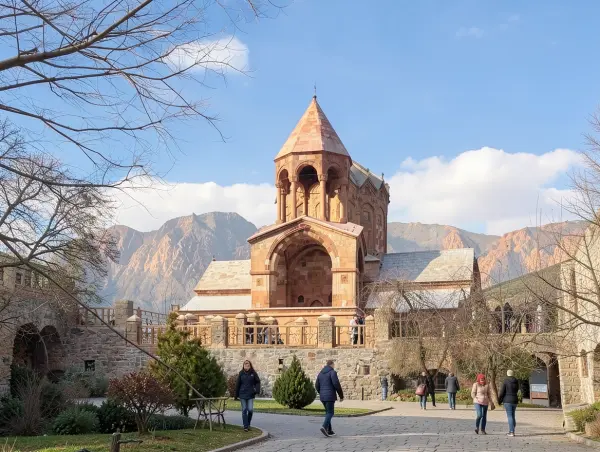
6. Saint Stepanos Monastery
Este monasterio místico, escondido entre las montañas de Irán, guarda un silencio de mil años en sus muros de piedra. Los visitantes quedan fascinados por sus arcos que se elevan hacia el cielo y su majestuoso patio.
Datos rápidos: El legendario monasterio que inspiró los intentos de vuelo de Hazarfen Ahmed Çelebi ofrece un silencio atemporal con sus muros de piedra del siglo VII. La estructura, que lleva las huellas de cuatro civilizaciones diferentes, es conocida como uno de los edificios cristianos más antiguos de Irán.
Destacados: Cuando te detienes bajo la sombra del plátano que se eleva en el patio, encuentras una cápsula del tiempo perdida entre inscripciones en armenio y persa grabadas en las piedras. Bajo cada piedra se esconde una oración, detrás de cada arco un susurro centenario.
Where to Stay in Tabriz, Iran
Selected by City Buddy based on guest reviews and proximity to top attractions
Search all hotels in Tabriz, IranPowered by agoda
Días de apertura en Tabriz, Iran
Cuáles de las mejores atracciones cierran cada día de la semana, el clásico arruina-viajes, ya comprobado por ti.
viernes: 1 de 5 atracciones principales cerradas. Planifica los museos para otro día.
Cerrado el viernes · 1 cerradas, 4 abiertas
Días de apertura según Google Maps (verificado el 2026-08-12). Los días festivos, las huelgas y los horarios de temporada pueden variar. Consulta la web oficial antes de ir.
Platos dulces tradicionales
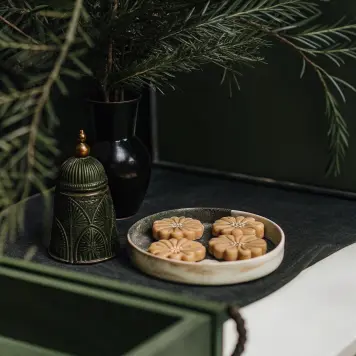
Tabrizi Lovuez (Lavashak)
This chewy, sweet almond and cardamom confection originated in Tabriz centuries ago and is traditionally shaped into small, flower-like discs using carved wooden molds.
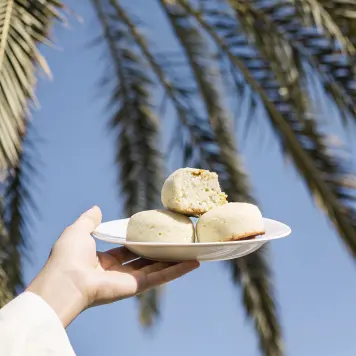
Qurabiye Tabrizi
Unlike other Persian cookies, Tabriz's qurabiye is made with chickpea flour and rosewater, giving it a unique melt-in-your-mouth texture and floral aroma.
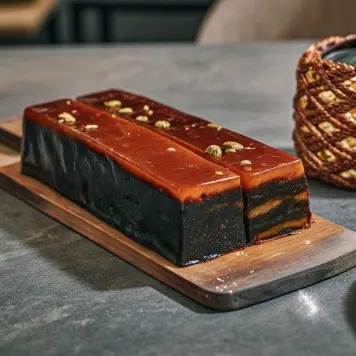
Halva Siah (Black Halva)
This dark, dense halva from Tabriz gets its rich color from caramelized sugar and is uniquely flavored with saffron, cardamom, and sometimes a hint of cinnamon.
Platos salados tradicionales

Kufteh Tabrizi
Touted as Iran's largest meatball, Kufteh Tabrizi can be as big as a grapefruit and is stuffed with a hidden surprise of hard-boiled egg, dried fruits, and nuts inside.
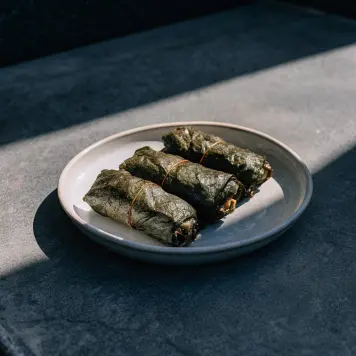
Dolma (Dolmeh) Tabrizi
Tabriz is famous for its vine leaf dolma, where the filling of rice, herbs, and minced lamb is uniquely seasoned with sour grape juice for a distinct tangy flavor.
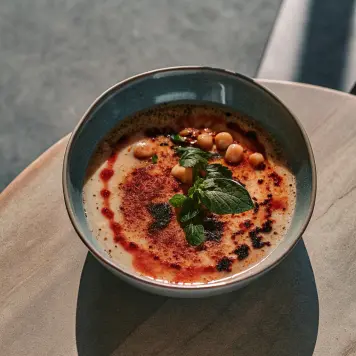
Ash-e Dough (Yogurt Soup)
This hearty Tabrizi soup uniquely combines yogurt with fresh herbs, chickpeas, and fried mint oil, and it is traditionally served cold during hot summer months.
Bebidas tradicionales

Aragh Sagi (Distilled Raisin Drink)
Despite its rustic name, this traditional Tabrizi spirit is made from distilled raisins and is often infused with cinnamon or cardamom for warmth.

Khakshir Sharbat
Made from the seeds of the hawthorn plant, this refreshing Tabrizi drink turns gelatinous and is traditionally sweetened with honey or sugar for a cooling summer beverage.

Tabrizi Doogh
Unlike plain doogh elsewhere, Tabrizi doogh is carbonated and seasoned with dried mint and crushed black pepper, creating a uniquely fizzy and savory yogurt drink.
Preguntas frecuentes sobre Tabriz, Iran
¿Es seguro Tabriz, Irán?
¿Cuántos días debo quedarme en Tabriz?
¿Cuál es la mejor época para visitar Tabriz?
¿Es caro Tabriz, Irán?
¿Cómo puedo desplazarme por Tabriz?
Recibe un PDF con las atracciones más populares en tu correo electrónico
Obtén un PDF con todas las atracciones, valoraciones y consejos. Perfecto para uso sin conexión.
Excursiones de un día más populares
Kandovan Village
Ancient troglodyte village with cone-shaped rock houses still inhabited today.
Lake Urmia
One of the largest saltwater lakes in the world, a unique natural wonder.
Babak Fort
Historic mountain fortress with stunning views of the Arasbaran forests.
Takht-e Soleyman
UNESCO World Heritage site featuring ancient Zoroastrian fire temple ruins.
Arasbaran Forests
Lush biosphere reserve with diverse wildlife and scenic hiking trails.
Cómo llegar
Aeropuertos
Estaciones de tren
Tehran to Tabriz, Istanbul to Tabriz (via Ankara)
From Tabriz Airport, take a taxi or airport shuttle to the city center (15 minutes). Trains from Tehran take about 7 hours.
Información útil para Tabriz, Iran
Resumen de Tabriz, Iran
¿Quieres un plan día a día para Tabriz, Iran? Abre el planificador de viajes
¿Cuándo vas a Tabriz, Iran?
Elige tus fechas y estilo de viaje para obtener:
¿Alguno de estos es especialmente importante para ti?
Selecciona todos los que apliquen
Cómo moverse
¿Cómo quieres moverte entre los lugares?
Idioma del plan: Español