 CityBuddy
 Español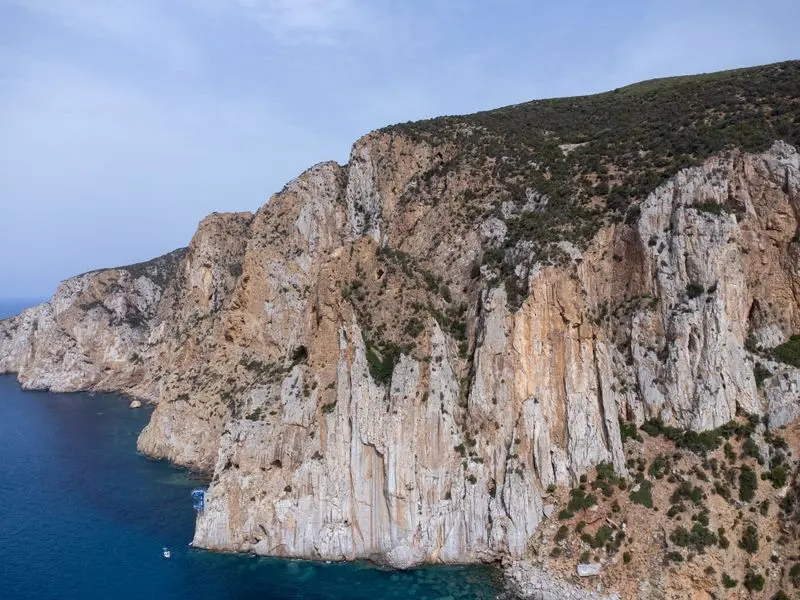
Qué hacer en Sardinia, Italy
Foto realizada por Anastasia Haritonov en Pexels.com
Cuándo visitar
Atracciones más populares en Sardinia, Italy
Las mejores actividades para hacer en Cerdeña, Italia, van desde descansar en las arenas de la Costa Esmeralda, que parecen del Caribe, hasta hacer senderismo por los espectaculares acantilados de piedra caliza sobre Cala Luna, una impresionante cala a la que solo se puede acceder a pie o en barco. No te pierdas Nuraghe Su Nuraxi, una fortaleza de la Edad de Bronce de 3500 años de antigüedad cerca de Barumini, y el mejor ejemplo de las misteriosas torres nurágicas de Cerdeña.
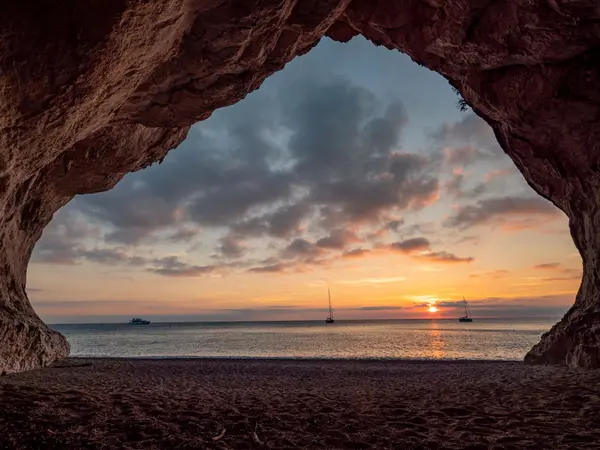
1. Cala Luna
Una playa tan perfectamente enmarcada por acantilados de caliza y cuevas marinas que parece el anfiteatro de la naturaleza. Vadea entre aguas cristalinas hacia grutas escondidas, luego recuéstate en orillas de guijarros que pasan del blanco al oro según avanza el día.
Datos rápidos: Cala Luna tiene una playa en forma de media luna situada bajo imponentes acantilados de piedra caliza llenos de cuevas que los pescadores usaban como refugio. Su nombre significa "Ensenada de la Luna", y la playa brilla con un brillo casi perlado cuando el sol de la tarde ilumina las piedras blancas y la arena fina.
Destacados: Las cuevas marinas en el extremo norte de la ensenada crean una cámara de eco natural: cuando las olas entran, el agua brilla de un turquesa eléctrico mientras la luz se filtra a través de aberturas submarinas. Puedes nadar directamente hacia estas grutas durante la marea alta, donde la oscuridad fresca huele a sal y piedra caliza, un marcado contraste con el abrasador sol sardo a solo metros de distancia.
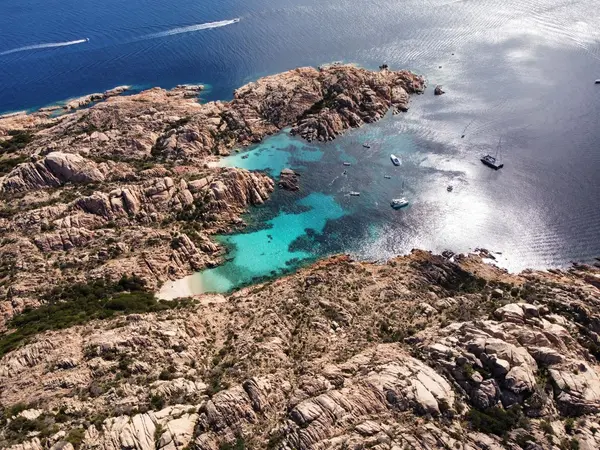
2. La Maddalena Archipelago
Nada en calas de un azul eléctrico accesibles solo en barco, donde el agua se mantiene tibia hasta octubre. Saltarás entre islas deshabitadas, harás esnórquel sobre arrecifes ocultos y comerás marisco recién pescado en playas vírgenes.
Datos rápidos: Siete islas principales y docenas de islotes más pequeños forman este parque nacional protegido en el Mediterráneo. Sus aguas turquesas y formaciones rocosas de granito rosa atraen a más de 500,000 visitantes al año para explorar en barco y a pie.
Destacados: Las costas de granito rosa del archipiélago cambian a través de una docena de tonos de rosa y ámbar a medida que el sol se mueve por el cielo durante el día. La familia de Napoleón Bonaparte se refugió aquí después de huir de Córcega en 1793, escondiéndose entre estas mismas ensenadas y playas.
3. Costa Smeralda
Aguas turquesa lamían playas de arena blanca y fina enmarcadas por escarpados acantilados de granito. Siente la cálida brisa mediterránea mientras paseas por pueblos de colores pastel salpicados de enebros y arrayanes.
Datos rápidos: Los 55 kilómetros de costa de la Costa Smeralda no fueron moldeados solo por la naturaleza, sino por un consorcio de inversores internacionales liderados por el príncipe Karim Aga Khan en los años sesenta. Las estrictas leyes de construcción exigen que todas las estructuras sigan los estilos arquitectónicos tradicionales sardos, utilizando únicamente granito local y piedra de corcho.
Destacados: El Pevero Golf Club, tallado directamente en la ladera de granito, cuenta con calles que cambian de color durante el día a medida que el sol se desplaza sobre el Mediterráneo. Las rondas vespertinas en este campo de 18 hoyos revelan ensenadas y playas escondidas accesibles solo a pie o en barco, invisibles desde la calle elevada.
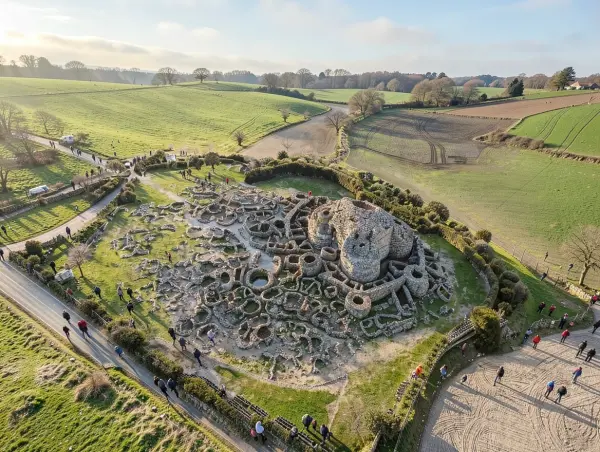
4. Nuraghe Su Nuraxi
Entra en una fortaleza de piedra de 3.500 años de antigüedad, anterior al Imperio Romano en más de un milenio. Te arrastrarás por pasadizos que apenas llegan a la rodilla, te erguirás bajo una perfecta cúpula de ménsula y recorrerás una aldea entera de la Edad de Bronce congelada en el tiempo.
Datos rápidos: Con tres pisos de altura y una cámara central aún cubierta por su techo original de 3,500 años de antigüedad construido con ménsulas, esta fortaleza de la Edad del Bronce fue edificada con más de 200,000 piedras sin ningún tipo de mortero. Su entrada inferior mide solo 1 metro de altura, obligando a cada visitante a agacharse, un diseño defensivo deliberado que hacía casi imposible atacar la torre.
Destacados: Durante la excavación en los años cincuenta, los arqueólogos descubrieron que toda la fortaleza había sido enterrada intencionalmente bajo toneladas de tierra y piedra después de ser abandonada, preservando perfectamente la torre central de 20 metros y las chozas del pueblo circundante. Aún se pueden ver los hornos de barro originales, las piedras de moler e incluso granos de cebada carbonizados exactamente donde cayeron cuando el pueblo nurágico selló el sitio alrededor del año 600 a.C.
5. Grotta di Nettuno
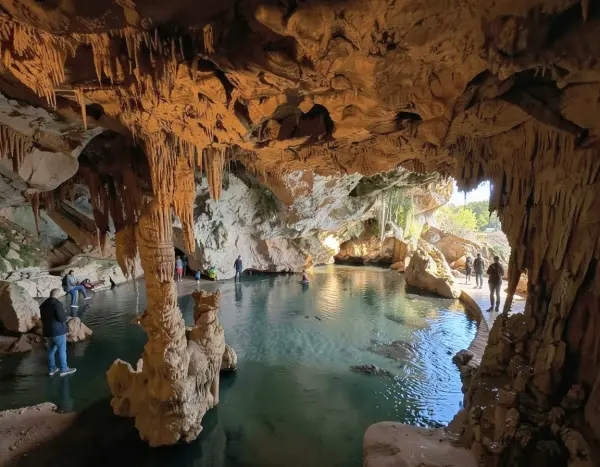
Un descenso de 654 escalones por un acantilado vertical lleva a una de las cuevas marinas más espectaculares del Mediterráneo. Dentro encontrarás piscinas esmeralda, estalactitas antiguas y el silencio sobrecogedor de una cámara similar a una catedral esculpida por el mar.
Datos rápidos: Tallada por las olas durante millones de años, esta cueva marina se extiende 120 metros de profundidad y alcanza alturas de 30 metros en su interior. Su nombre proviene del dios romano del mar, y los visitantes llegan a la entrada descendiendo 654 escalones tallados en el acantilado.
Destacados: En las tardes tranquilas de verano, la luz del sol se filtra a través de una abertura submarina creando un resplandor turquesa de otro mundo en las paredes de la cueva. La cueva alberga una población de raros camarones blancos de cueva que sobreviven en completa oscuridad, visibles solo cuando la linterna de un guía ilumina sus cuerpos translúcidos flotando en el agua.
6. Cala Goloritzé
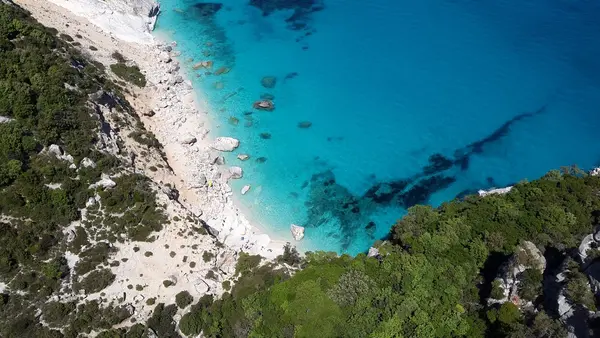
Una de las calas más fotografiadas de Cerdeña, accesible solo a pie o por mar. Una caminata empinada te recompensa con una deslumbrante agua turquesa y un dramático arco de caliza.
Datos rápidos: Farallones y un pináculo de piedra caliza de 143 metros enmarcan esta ensenada en la costa oriental de Cerdeña. Su playa de guijarros está compuesta de rocas blancas y lisas de dolomita que hacen que el agua brille de un turquesa casi eléctrico.
Destacados: La caminata de descenso implica rapelar por un acantilado vertical usando una cuerda fija en el tramo final. Cuando veas por primera vez el arco y la aguja de piedra natural de 40 metros que emerge del agua, entenderás por qué los paseos en barco no logran capturar completamente este lugar.
7. Castello di San Michele
Entra en una fortaleza medieval con impresionantes vistas de 360 grados sobre Cagliari y el Mediterráneo. Sube a las antiguas torres, explora las murallas y siente la historia en cada piedra.
Datos rápidos: Situada en la cima de una colina a 300 metros sobre Cagliari, esta fortaleza del siglo XIII ofrece vistas panorámicas del Golfo de los Ángeles. Sus cuatro torres defensivas tienen nombres y propósitos distintos, siendo la Torre San Pancrazio la más alta con 30 metros.
Destacados: Al atardecer, los muros de piedra caliza blanca brillan dorados mientras toda la ciudad de Cagliari se extiende abajo como un reino en miniatura. Pocos visitantes saben que pueden caminar por las antiguas murallas y encontrar las saeteras originales del siglo XIV aún perfectamente conservadas en la piedra.
8. Spaggia La Pelosa
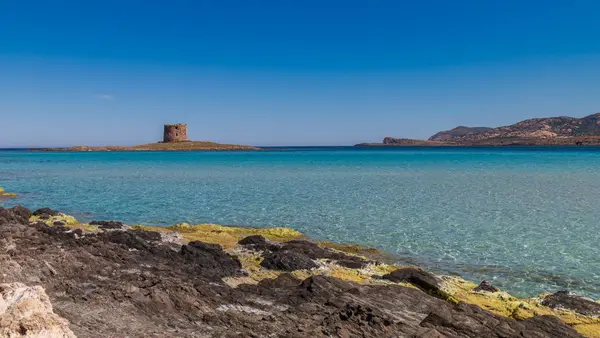
Arena suave como el talco y aguas poco profundas de un azul imposible hacen que parezca el Caribe, pero en el corazón del Mediterráneo. Flota en aguas cálidas y cristalinas mientras contemplas una antigua torre de vigilancia española encaramada en un promontorio rocoso.
Datos rápidos: Los bañistas caminan a través de agua turquesa que les llega a la cintura durante casi 200 metros antes de que se profundice, gracias a un fondo marino poco profundo y arenoso que se extiende lejos de la orilla. Cada verano, hasta 6,000 personas lo visitan a diario, atraídas por la arena blanca y fina que cruje bajo los pies y que en realidad está hecha de diminutos fragmentos de cuarzo y conchas.
Destacados: Mira al agua y verás el fondo arenoso salpicado de rayas negras: son antiguas praderas de Posidonia oceanica, que producen tanto oxígeno que los lugareños las llaman "los pulmones del Mediterráneo". Cada hoja libera pequeñas burbujas de oxígeno que se adhieren a tu piel mientras flotas, haciendo que te sientas como si nadaras a través de champán espumoso.
9. Cattedrale di Santa Maria
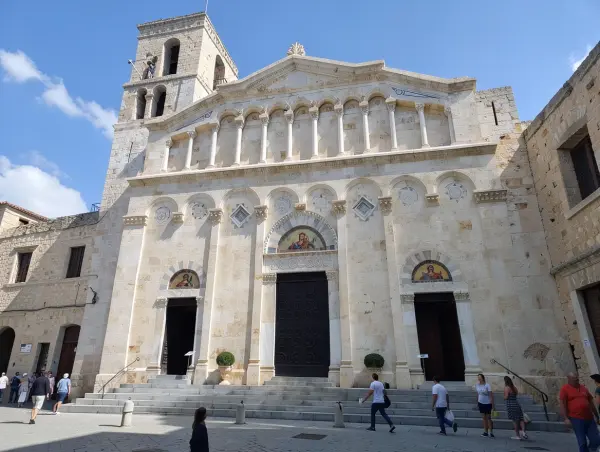
El culto se encuentra con la fortaleza en esta catedral en la cima de una colina tallada en la caliza de la isla. Siente la piedra fría bajo tus dedos mientras exploras criptas ocultas y subes a una torre que ha vigilado la ciudad durante 800 años.
Datos rápidos: En días despejados, el campanario del siglo XIV de la catedral ofrece vistas panorámicas que se extienden a través del Golfo de Cagliari hasta las montañas. La iglesia fue construida directamente en la roca del distrito de Castello, con sus cimientos anclados a la antigua piedra caliza.
Destacados: Escondida bajo el altar principal se encuentra la Cripta de los Mártires, una cámara de inquietante belleza donde los restos de 179 santos cristianos primitivos se exhiben tras un vidrio, sus huesos dispuestos en patrones ornamentados. Un solo rayo de sol golpea los sarcófagos de mármol exactamente al mediodía cada día, creando un resplandor etéreo que ha atraído a peregrinos durante siglos.
10. Mercato di San Benedetto
Los ingredientes más frescos de Cerdeña se reúnen bajo un mismo techo en el mercado de alimentos más espectacular de Europa. Pasea entre montañas de pecorino, jamón de jabalí colgado y pescadores que cortan atún recién capturado ante tus ojos.
Datos rápidos: Más de 200 vendedores llenan este enorme mercado cubierto, ocupando dos pisos con los mejores ingredientes de Cerdeña. Los pescadores entregan sus capturas directamente desde el Golfo de los Ángeles cada mañana, convirtiendo la sección de mariscos en un espectáculo de pescados locales brillantes.
Destacados: Los pescaderos aquí todavía usan un sistema de subasta tradicional con señales manuales para vender su pescado, una danza silenciosa de dedos y gestos que los turistas rara vez notan. Párate en los mostradores de mariscos alrededor de las 8 de la mañana para ver a los lugareños competir por el mismo pez espada brillante y bottarga que terminan en las mesas de los mejores restaurantes de Cagliari.
11. Poetto Beach
Ocho kilómetros de arena fina y agua increíblemente clara, a minutos del centro histórico de Cagliari. Flota en las aguas tranquilas y poco profundas con el Sella del Diavolo elevándose sobre ti, luego tómate una cerveza en un histórico quiosco de madera.
Datos rápidos: Extendiéndose 8 kilómetros a lo largo del Golfo de los Ángeles, esta playa urbana es donde los lugareños de Cagliari acuden para escapar del calor del verano. Las aguas permanecen inusualmente tranquilas y poco profundas gracias a la curva protectora del golfo, lo que la hace segura para bañistas de todas las edades.
Destacados: Cuatro históricos quioscos de madera, conocidos como "chioschi", han sido el centro de la vida social de la playa desde los años cincuenta, cada uno con sus propios seguidores fieles y personalidad distinta. Durante la hora dorada, el promontorio de Sella del Diavolo proyecta una sombra dramática sobre la bahía mientras los acantilados de piedra caliza brillan en ámbar, creando una escena que ha inspirado a pintores sardos durante décadas.
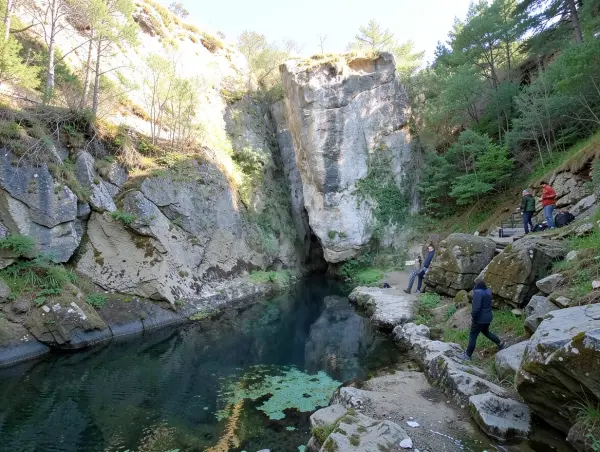
12. Su Gologone Spring
Sumérgete en uno de los manantiales kársticos más caudalosos de Europa, donde 300 litros de agua de un azul eléctrico brotan de la tierra cada segundo. Flotarás en un agua sorprendentemente fría y cristalina mientras los acantilados de caliza se elevan sobre ti en una catedral natural de roca.
Datos rápidos: El manantial bombea más de 300 litros de agua por segundo desde las profundidades subterráneas, alimentando el río Cedrino durante todo el año. Nadar en sus aguas a 8°C se siente como sumergirse en esmeralda líquida, una experiencia sorprendentemente fría pero inolvidable en un caluroso día de verano sardo.
Destacados: Los lugareños aún practican un antiguo ritual aquí: lanzar una moneda al manantial mientras piden un deseo, creyendo que el viaje del agua a través de 40 kilómetros de cuevas de piedra caliza subterráneas lleva sus esperanzas directamente al mar. En las mañanas sin viento, la superficie de la laguna refleja los acantilados de piedra caliza circundantes tan perfectamente que los nadadores parecen flotar entre dos mundos.
Qué reservar con antelación en Sardinia
Estos se agotan o requieren reserva. Resérvalos primero, en este orden.
- 1.Nuraghe Su NuraxiReserva con 3 días de antelaciónCon algunos días de antelación en verano
Where to Stay in Sardinia, Italy
Selected by City Buddy based on guest reviews and proximity to top attractions
Search all hotels in Sardinia, ItalyPowered by agoda
Días de apertura en Sardinia, Italy
Cuáles de las mejores atracciones cierran cada día de la semana, el clásico arruina-viajes, ya comprobado por ti.
lunes: 2 de 8 atracciones principales cerradas. Planifica los museos para otro día.
Cerrado el lunes · 2 cerradas, 6 abiertas
Días de apertura según Google Maps (verificado el 2026-07-02). Los días festivos, las huelgas y los horarios de temporada pueden variar. Consulta la web oficial antes de ir.
Platos dulces tradicionales
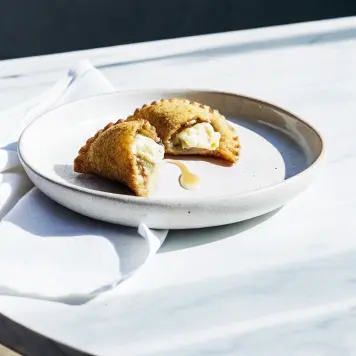
Seadas (or Sebadas)
These golden fried semolina turnovers are filled with fresh pecorino cheese and lemon zest, then drizzled with bitter honey. The surprising combination of cheese and honey creates a perfect sweet and salty balance.
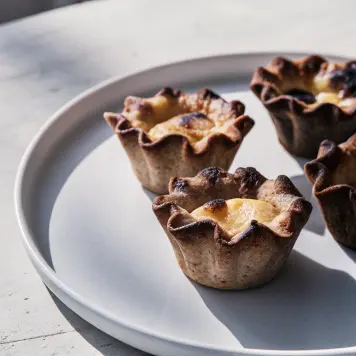
Pardulas
These small, basket-shaped Easter pastries are filled with fresh ricotta or sheep's cheese mixed with saffron and lemon zest. Their name comes from the Sardinian word for "little balls of dough."
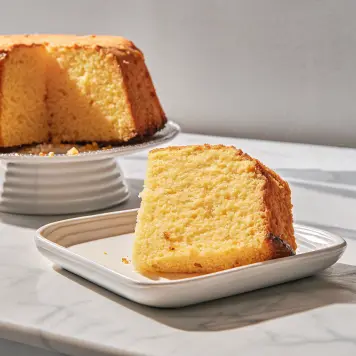
Ammutttu
This soft and aromatic almond cake from the town of Ovodda is infused with lemon and myrtle liqueur. It is traditionally baked for festive celebrations and has a wonderfully moist, dense texture.
Platos salados tradicionales
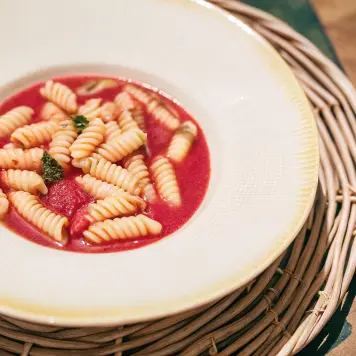
Malloreddus alla Campidanese
These distinctive Sardinian gnocchetti are ridged pasta shells made from semolina flour and water, typically served with a rich sausage and saffron tomato sauce. The ridges are traditionally created by pressing each piece against a woven basket.
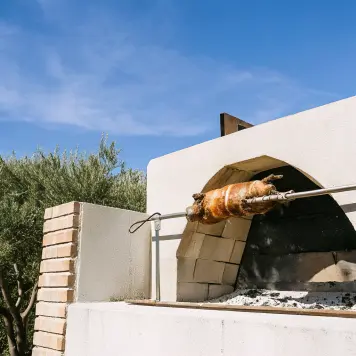
Porceddu (Suckling Pig)
This is Sardinia's most celebrated dish, a whole suckling pig slowly roasted on a spit over an aromatic wood fire until the skin is impossibly crisp. It is seasoned simply with myrtle, rosemary, and salt.
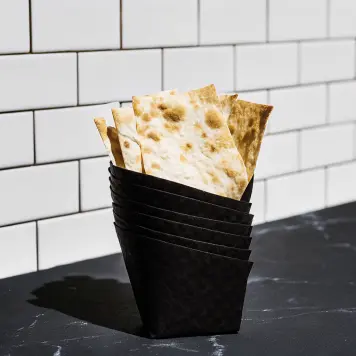
Pane Carasau
Known as "carta da musica" or sheet music bread for its paper-thin crispness, this ancient flatbread was originally made for shepherds who needed a non-perishable food. It stacks like sheets of paper and stays fresh for months.
Bebidas tradicionales

Mirto
This deep purple liqueur is made by macerating the berries of the wild myrtle plant that grows abundantly across Sardinia's hillsides. It is served ice cold as a digestivo after meals and is considered the island's signature drink.
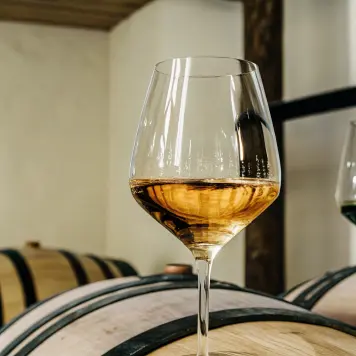
Vernaccia di Oristano
This unique fortified white wine is aged in chestnut barrels using a traditional method that allows a natural yeast layer (flor) to form on the surface. It develops a distinctive nutty, sherry-like flavor that has been prized since the Middle Ages.
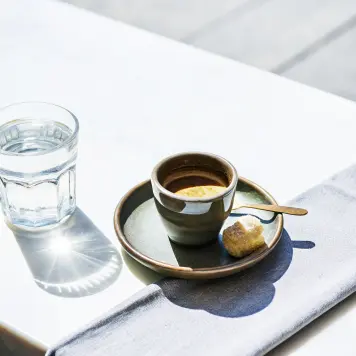
Su Caffè
This is Sardinia's version of an espresso shot served with a small glass of cold water and a cube of sugar on the side. Locals often dip the sugar cube in the water, place it on their tongue, and sip the coffee through it for a unique sensory experience.
Infórmate antes de ir
Cuánto cuesta un día en Sardinia y las estafas que debes evitar
Costo por persona por día
Principales estafas a evitar
- Unlicensed airport drivers. Walk to the official taxi rank only. Confirm the meter or fixed official fare before getting in. Never follow a driver into the parking lot.
- Pickpocketing in summer crowds. Keep bags closed and within reach at beaches and markets. Do not leave phones or wallets on cafe tables.
- Tourist menu pricing. Confirm the price before ordering, especially for seafood by weight. Check the menu lists the coperto before sitting down.
Taxi justo desde el aeropuerto: 25 € - 35 €
Opción más barata: ARST bus line from Cagliari airport to Piazza Matteotti or the city centre (1,30 €)
Todas las estafas, precios justos y normasPreguntas frecuentes sobre Sardinia, Italy
"¿Es segura Cerdeña, Italia?"
"¿Cuántos días en Cerdeña, Italia?"
"¿Mejor época para visitar Cerdeña, Italia?"
"¿Es cara Cerdeña, Italia?"
"¿Cómo moverse por Cerdeña, Italia?"
Recibe un PDF con las atracciones más populares en tu correo electrónico
Obtén un PDF con todas las atracciones, valoraciones y consejos. Perfecto para uso sin conexión.
Excursiones de un día más populares
Costa Smeralda
Luxurious coastline with turquoise waters, white sandy beaches, and high-end resorts near Olbia.
Alghero
Charming Catalan-influenced town with a historic old town and stunning sea views.
Nuraghe Su Nuraxi
UNESCO World Heritage site featuring ancient Bronze Age nuragic stone structures.
La Maddalena Archipelago
Stunning national park archipelago with pristine beaches and crystal clear waters.
Cagliari
Sardinia's capital with a rich history, Roman amphitheater, and vibrant marina district.
Cómo llegar
Aeropuertos
Estaciones de tren
Mainline to Olbia, Sassari, and Oristano
Connections to Cagliari and Sassari
Links to Alghero, Cagliari, and Porto Torres
From Cagliari Airport, take the ARST bus to Piazza Matteotti in the city center in about 10 minutes. Trains are limited, so renting a car is highly recommended for exploring.
Información útil para Sardinia, Italy
Resumen de Sardinia, Italy
¿Quieres un plan día a día para Sardinia, Italy? Abre el planificador de viajes
¿Cuándo vas a Sardinia, Italy?
Elige tus fechas y estilo de viaje para obtener:
¿Alguno de estos es especialmente importante para ti?
Selecciona todos los que apliquen
Cómo moverse
¿Cómo quieres moverte entre los lugares?
Idioma del plan: EspañolMost popular itineraries for Sardinia, Italy
Browse trip plans created by other travelers
7-Day Sardinia Autumn: Budget Backpacker's Hidden Gems
Explore Sardinia like a local this autumn: hike hidden coastal trails, swim in turquoise coves, feast on street-food pane carasau, and sleep under the stars in off-the-beaten-path villages from Costa Smeralda to the wild Golfo di Orosei.
5-Day Sardinian Food Lover's Autumn Escape
Savor Sardinia's rich culinary traditions across five autumn days, from Cagliari's bustling Mercato di San Benedetto to seaside seafood spots, a hands-on cooking class, and vineyard visits in the countryside.
5-Day Sardinia Autumn Journey for History Lovers
Uncover 5,000 years of Sardinian civilization this autumn, from mysterious Nuragic ruins and medieval castles to Baroque cathedrals and vibrant local markets, all framed by the island's golden fall light.
5-Day Sardinia Autumn: Ancient Nuraghe, Emerald Shores & Coastal Charm
Sip Cannonau wine as the Mediterranean sun softens over ancient stone towers, turquoise coves, and hilltop towns on this autumn escape to Sardinia.
5-Day Sardinia Summer Escape
From turquoise coves and white sand beaches to ancient Nuragic ruins and dramatic sea caves, this 5-day summer itinerary captures the best of Sardinia's coastal beauty and cultural treasures.