 CityBuddy
 Español
Qué hacer en Kumano, Japan
Foto realizada por Marcu Ioachim en Pexels.com
Cuándo visitar
¿Cuándo vas a Kumano, Japan?
Elige tus fechas y estilo de viaje para obtener:
¿Alguno de estos es especialmente importante para ti?
Selecciona todos los que apliquen
Plan language: EspañolAtracciones más populares en Kumano, Japan
Cosas que hacer en Kumano, Japón, incluyen recorrer las antiguas rutas de peregrinación Kumano Kodo, que abarcan más de 200 kilómetros a través de montañas sagradas. Visita Kumano Nachi Taisha, un gran santuario cerca de la impresionante cascada Nachi de 133 metros. El templo Seiganto-ji se encuentra cerca, ofreciendo vistas tranquilas e historia espiritual.
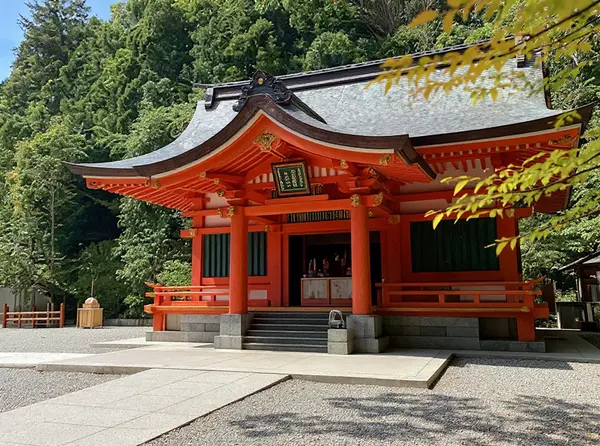
1. Kumano Nachi Taisha
"La naturaleza se encuentra con la espiritualidad en un espectacular santuario de cascada de 133 metros. Experimenta rituales sagrados y senderos vírgenes del bosque a cada paso."
Datos rápidos: Una gigantesca cascada sagrada llamada Cascada Nachi, que mide 133 metros, fluye majestuosamente detrás del santuario principal, creando un dramático telón de fondo natural. Este sitio forma parte de la ruta de peregrinación Kumano Kodo, que atrae a más de un millón de peregrinos cada año desde hace siglos.
Destacados: Los visitantes entran en un reino espiritual donde el rugido de la cascada se mezcla con los antiguos cipreses, que se cree son el hogar de los espíritus ancestrales. Los rituales únicos incluyen adornar la cascada con cuerdas shimenawa, que simbolizan la purificación y protección divina a través de las estaciones.
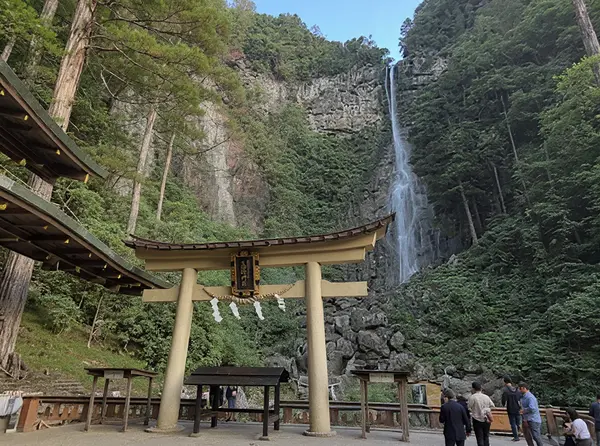
2. Nachi Falls
"Con 133 metros de altura, te espera una poderosa cascada de agua. Vive un ritual sagrado y unas vistas tranquilas del bosque que renuevan tu espíritu."
Datos rápidos: La cascada cae 133 metros, lo que la convierte en una de las cascadas de una sola caída más altas de Japón. Atrae a casi 1.2 millones de visitantes anualmente que vienen a admirar su cascada ininterrumpida y su bruma pulverizada.
Destacados: Se cree que el agua pulverizada de las cataratas trae buena suerte y salud, lo que inspira un ritual único donde los visitantes atrapan gotas en hojas para rociarse a sí mismos. En otoño, el bosque circundante se llena de tonos rojos y dorados intensos, enmarcando la cascada con un color estacional impresionante.
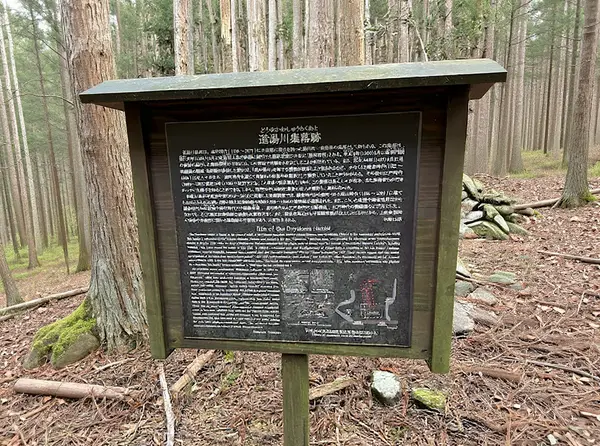
3. Kumano Kodo Pilgrimage Routes
"Sigue los pasos de peregrinos centenarios a través de serenos bosques. Experimenta senderos de montaña tranquilos y tradiciones sagradas de primera mano."
Datos rápidos: Caminos antiguos cruzan densos bosques de cedros y conectan tres santuarios principales a lo largo de 100 kilómetros de terreno accidentado. Los peregrinos han recorrido estas rutas por más de 1,000 años, siguiendo los pasos tanto de emperadores como de monjes.
Destacados: Al caminar por escalones de piedra cubiertos de musgo, los viajeros pueden oír el lejano sonido de una campana del santuario Kumano Hayatama Taisha, un ritual que se cree limpia el alma. Una hierba montañesa secreta llamada "kumano-cha" crece solo aquí y los locales la preparan en un té calmante muy apreciado por los peregrinos.
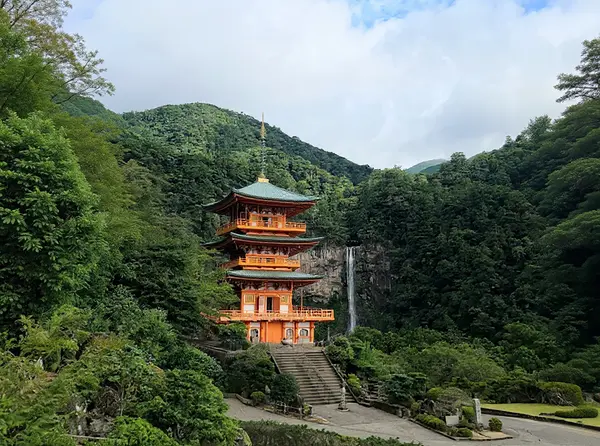
4. Seiganto-ji Temple
"Experimenta una mezcla única de arquitectura vibrante y el poder de la naturaleza. Camina bajo el agua que cae y sumérgete en vibras espirituales ancestrales."
Datos rápidos: Seiganto-ji forma parte de una ruta de peregrinación sagrada con raíces que se extienden por más de 1,200 años. Los visitantes a menudo pasan por una cascada cercana, que se cree purifica el cuerpo y el espíritu antes de entrar al templo.
Destacados: La vibrante pagoda roja del templo está a solo 15 metros de una cascada dramática, una combinación inusual que crea una atmósfera mágica y envuelta en niebla. La leyenda dice que la cascada fue revelada por un monje que golpeó una roca con su bastón, agregando un aura mística al lugar.
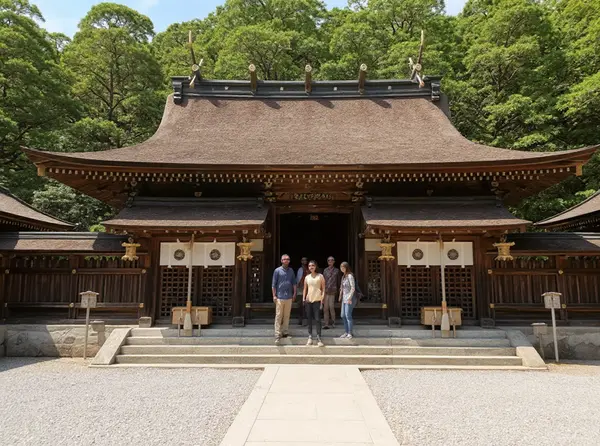
5. Hongu Taisha Shrine
"Vive un sitio de peregrinación sagrada con profundas vibras espirituales. Camina bajo cedros antiguos y sé testigo de rituales únicos de caminar sobre el fuego."
Datos rápidos: El santuario forma parte de una red de Kumano Sanzan con tres santuarios principales que atraen a más de 2 millones de peregrinos cada año. Los visitantes pueden encontrar antiguos cedros de más de 800 años bordeando el camino de acceso, creando un majestuoso túnel natural.
Destacados: Se realiza un ritual misterioso cada 60 años donde los sacerdotes caminan 30 kilómetros descalzos sobre el fuego para renovar el poder espiritual del santuario. El techo de paja del santuario, uno de los más grandes de Japón, cubre un área de 39 por 11 metros, creando una impresionante silueta arquitectónica contra el fondo del bosque.
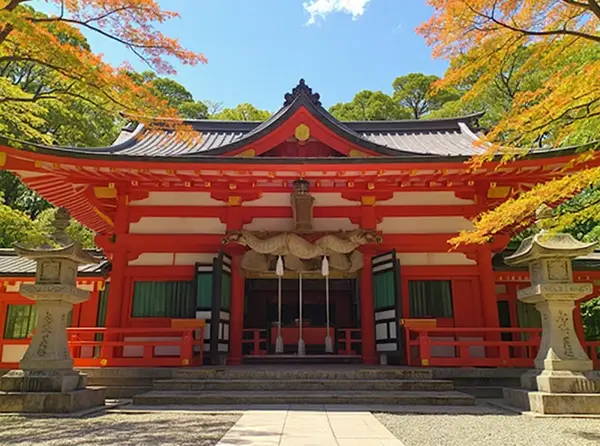
6. Kumano Hayatama Taisha
"Entra en un santuario espiritual rodeado de antiguos cedros. Vive cautivadores rituales donde la tradición se encuentra con la naturaleza."
Datos rápidos: Imagina caminar bajo un gran cedro de más de 800 años que se encuentra en la entrada del santuario. El santuario alberga un artefacto precioso: el espejo sagrado que representa el espíritu de la diosa del sol Amaterasu, una figura clave en la mitología japonesa.
Destacados: Un ritual sagrado llamado "Festival del Fuego" ilumina el santuario cada verano con procesiones de antorchas que atraen a más de 30,000 personas. La arquitectura del santuario se combina armoniosamente con el bosque antiguo que lo rodea, creando una atmósfera serena que parece un paso atrás en el tiempo.
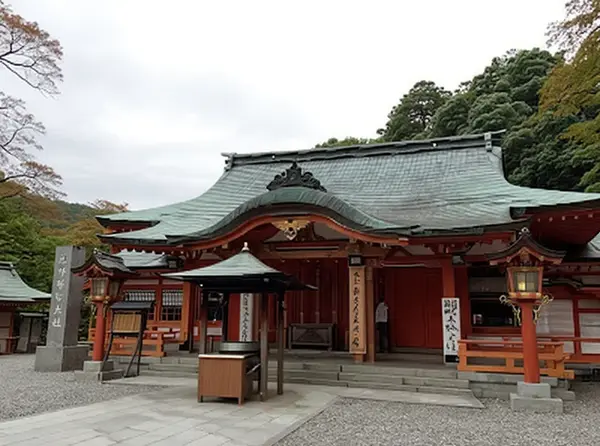
7. Kumano Nachi Taisha Treasure Hall
"Explora antiguos artefactos sagrados y cantos serenos. Siente el espíritu de calma a través de estatuas y pergaminos antiguos."
Datos rápidos: La Sala del Tesoro alberga más de 100 artefactos religiosos, incluyendo antiguos sutras y estatuas que datan del siglo X. Los visitantes pueden ver rollos y relicarios que han sido cuidadosamente preservados a través de siglos de peregrinaciones.
Destacados: Entre las exhibiciones, una estatua de una deidad del siglo XIV tallada en madera de alcanfor destaca por los intrincados detalles de sus vestiduras. Una sala silenciosa permite a los visitantes experimentar el canto budista tradicional a través de audio ambiental, creando una atmósfera espiritual envolvente.
Where to Stay in Kumano, Japan
Selected by City Buddy based on guest reviews and proximity to top attractions
Search all hotels in Kumano, JapanPowered by agoda
Platos dulces tradicionales
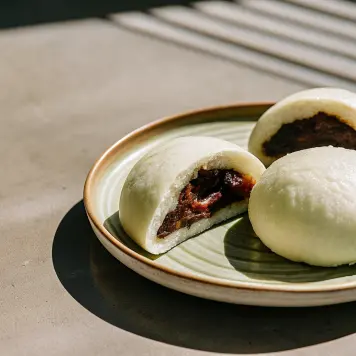
Kumano Manju
Kumano Manju is a steamed bun filled with sweet red bean paste, traditionally enjoyed during festivals and pilgrimages in the Kumano region. Its fluffy texture and rich flavor make it a beloved local treat.
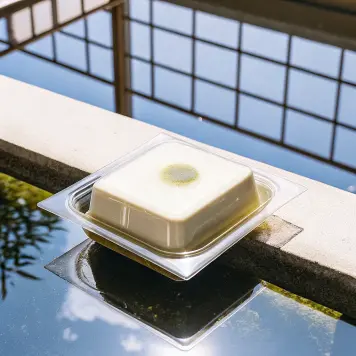
Uiro
Uiro is a jelly-like sweet made from rice flour and sugar, often flavored with subtle regional ingredients like yuzu or matcha. It is admired for its smooth, chewy texture and delicate sweetness.
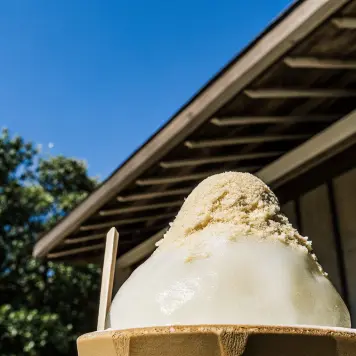
Kuzumochi
Kuzumochi is a refreshing dessert made from kudzu starch, served chilled with kinako (roasted soybean flour) and kuromitsu syrup. It is a traditional sweet that offers a cool relief in Kumano's warmer months.
Platos salados tradicionales
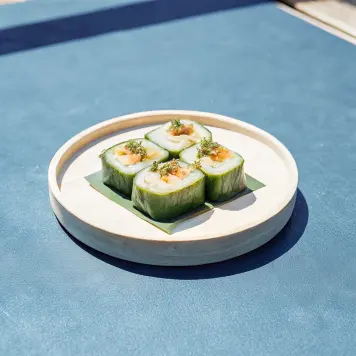
Mehari-zushi
Mehari-zushi is a traditional Kumano sushi wrapped in pickled mustard leaves, known for its tangy and savory flavor profile. This dish originated as a portable meal for workers and pilgrims, embodying the local culinary tradition.

Kumano Saba-zushi
Kumano Saba-zushi features vinegared mackerel atop sushi rice wrapped in kelp, reflecting the region's rich fishing culture. It is praised for its umami-packed taste and was historically made for long journeys.
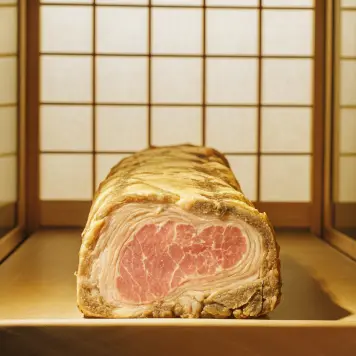
Yamato Beef
Yamato Beef from the Kumano area is celebrated for its tenderness and rich marbling, often grilled or prepared in sukiyaki style. This premium beef highlights the excellence of Kumano's livestock farming.
Bebidas tradicionales

Kumano Umeshu
Kumano Umeshu is a sweet plum wine made with locally harvested ume plums, offering a perfect balance of tartness and sweetness. It is a traditional drink enjoyed for its refreshing taste and digestive benefits.
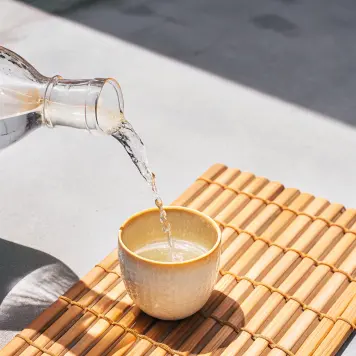
Kumano Sake
Kumano Sake is brewed using pristine water from the Kumano mountains, renowned for its clean and crisp flavor profile. This sake represents the region's dedication to high-quality rice wine production.

Sansho Tea
Sansho Tea is made from the aromatic pepper leaves native to Kumano, prized for its unique citrusy and spicy flavor. It is traditionally consumed for its warming and medicinal properties.
Frequently Asked Questions about Kumano, Japan
¿Es Kumano, Japón seguro para los viajeros?
¿Cuántos días debería pasar en Kumano, Japón?
¿Cuál es la mejor época para visitar Kumano, Japón?
¿Es Kumano, Japón caro para los turistas?
¿Cómo me desplazo por Kumano, Japón?
Recibe un PDF con las atracciones más populares en tu correo electrónico
Obtén un PDF con todas las atracciones, valoraciones y consejos. Perfecto para uso sin conexión.
Excursiones de un día más populares
Kumano Nachi Taisha
Famous shrine known for Nachi Waterfall, the tallest waterfall in Japan.
Kawayu Onsen
Popular hot spring area located along the river, great for relaxation.
Cómo llegar
Aeropuertos
Estaciones de tren
JR Kisei Line
From Kansai Airport, take the train to Shin-Osaka, then JR Kisei Line to Kumano Station.
Encuentra vuelos a Kumano, Japan
Haz clic para obtener eSim para Kumano, Japan
La forma más fácil y económica de tener internet móvil dondequiera que viajes.
Comentarios (9)
Not many ATMs around, so carry enough cash when heading to the rural parts of Kumano or you'll be stuck.
Stayed in Kumano for a weekend, weather was muggy but locals are super friendly. Town feels a bit sleepy though, maybe better for a chill getaway.
Kumano's nature trails are stunning but be ready for sudden rain even in spring. Loved the peaceful vibe but plan for at least 3 days to explore well.
The seafood in Kumano was fresh but pricey. Street food options are limited, so bring snacks if you want to save money.
If you buy bus tickets from the local shop rather than the bus driver, you save 20%. It isn’t obvious so watch out for this little trick.