 CityBuddy
 Español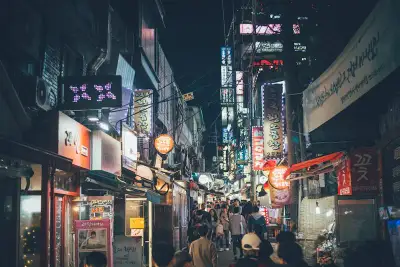
Qué hacer en Shinjuku, Japan
Foto realizada por Tan Danh en Pexels.com
Cuándo visitar
Shinjuku es la #2 ciudad para la vida nocturna del mundo, según nuestros datos de cientos de destinos.
Atracciones más populares en Shinjuku, Japan
Las mejores cosas para hacer en Shinjuku, Japón van desde escapes tranquilos hasta aventuras iluminadas con neón. Camine por el Jardín Nacional Shinjuku Gyoen, de 58 acres, que combina estilos de paisajismo francés y japonés. Suba al ascensor gratuito hasta los 202 metros del Edificio del Gobierno Metropolitano de Tokio para disfrutar de vistas panorámicas de la ciudad. Luego métase en Omoide Yokocho, un callejón estrecho con 60 pequeños asadores que sirven yakitori desde la Segunda Guerra Mundial.
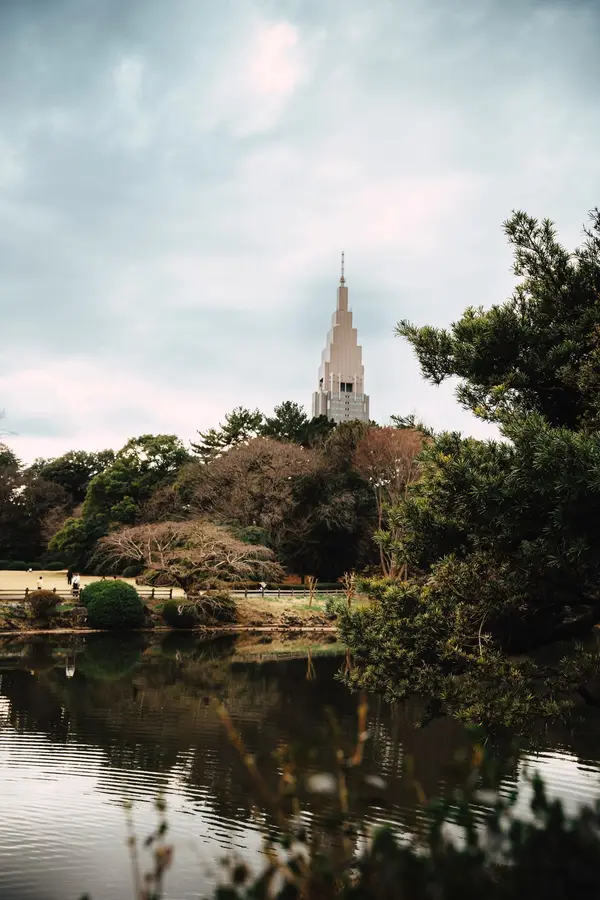
1. Shinjuku Gyoen National Garden
Escape el caos neón de Tokio hacia 58 hectáreas de jardines serenos donde los cerezos en flor y los pinos antiguos enmarcan tres paisajes perfectamente cuidados. Pasea entre un jardín formal francés, una casa de té japonesa y un prado inglés en una sola tarde.
Datos rápidos: Across its 58 sprawling hectares, three distinct garden styles coexist: a formal French garden, an English landscape garden, and a traditional Japanese garden with a large pond. Over 20,000 trees from around the world thrive here, including some 1,500 cherry trees that burst into bloom each spring.
Destacados: A rare surviving example of an early 20th century large-scale landscape garden in Tokyo, it was once the private residence of a feudal lord before being given to the imperial family. The traditional Japanese garden section features a wooden pavilion where you can sit and watch koi fish swirl beneath you while sipping matcha tea served by kimono-clad attendants.
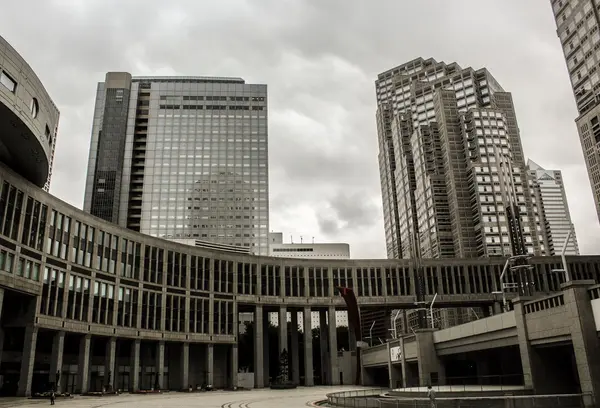
2. Tokyo Metropolitan Government Building
Dos miradores gratuitos con las mejores vistas del horizonte de Tokio. Sube el ascensor 45 pisos y observa el Monte Fuji aparecer en el horizonte mientras la ciudad se extiende bajo ti.
Datos rápidos: Las plataformas de observación gratuitas en el piso 45 de ambas torres ofrecen vistas panorámicas que se extienden hasta el Monte Fuji en días despejados. El edificio fue diseñado para parecerse a una catedral gótica, con sus torres gemelas que se elevan 243 metros y su fachada cubierta con 12,000 ventanas espejadas.
Destacados: Sube justo antes del atardecer y observa cómo Tokio se transforma desde el piso 45 mientras las luces de la ciudad se encienden abajo y el cielo aún conserva color. La plataforma de observación sur permanece abierta hasta las 11 p.m. y ofrece un ambiente completamente diferente por la noche, con muchas menos multitudes y el paisaje urbano brillando como una placa de circuito.
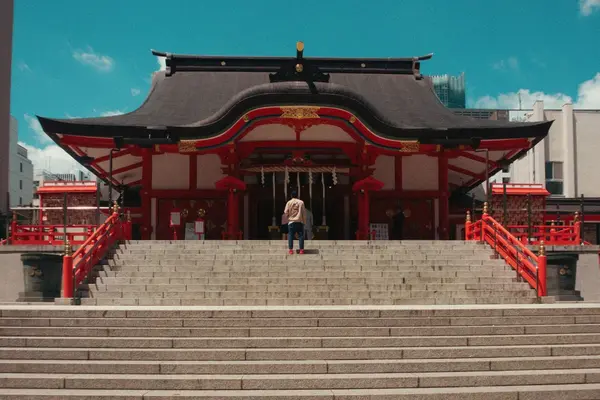
3. Hanazono Shrine
Encuentra un remanso de serenidad en medio del caos neón de Shinjuku en un santuario que ha anclado este barrio desde los años 1600. Pasea más allá del concreto imponente y descubre a los lugareños lanzando monedas, aplaudiendo y susurrando deseos a los dioses.
Datos rápidos: Hanazono Shrine hosts over 300 vendors during its annual flea markets, drawing thousands of bargain hunters each weekend. Dedicated to the gods of business prosperity and good fortune, this shrine sits in the middle of Shinjuku's modern high-rises and entertainment district.
Destacados: On New Year's Eve, the shrine's massive 500-kilogram bell is rung 108 times by volunteers, each strike symbolizing the cleansing of a human desire according to Buddhist tradition. The sound reverberates through the concrete canyons of Shinjuku, creating an surreal acoustic collision between ancient ritual and neon-lit modernity.
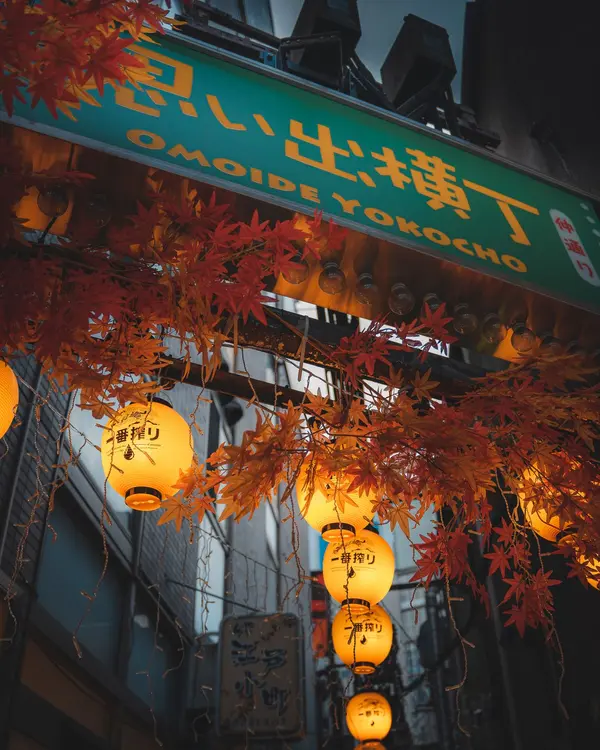
4. Omoide Yokocho
Entra en una cápsula del tiempo ahumada e iluminada por faroles donde Tokio asa el mejor yakitori de tu vida. Apriétate en un pequeño taburete de barra, pide brochetas y cerveza fría, y observa a los chefs abanicar brasas brillantes a centímetros de tu cara.
Datos rápidos: Roughly 60 tiny, smoky yakitori bars and restaurants are crammed into this narrow alley network near Shinjuku Station. Locals have been squeezing onto stools here since the postwar black market days of the 1940s, when the area first sprang up.
Destacados: One of the last surviving pockets of old Tokyo, this alley somehow escaped the redevelopment that turned the surrounding neighborhood into a forest of glass skyscrapers. The air still smells of charcoal-grilled chicken and soy sauce, just as it did 70 years ago, and some shops still source their skewers from the same family-run suppliers.
5. Golden Gai
Más de 200 bares diminutos repartidos en seis callejones iluminados por faroles, donde cada espacio apenas tiene sitio para un puñado de personas. Recorre pasadizos estrechos, métete en un bar de whisky de cuatro asientos y comparte historias con los lugareños hasta altas horas de la madrugada.
Datos rápidos: Tucked between Shinjuku's skyscrapers, this maze of 200 tiny bars occupies six narrow alleys that survived postwar reconstruction. Most bars seat only 4-6 people, forcing strangers into close conversation over whiskey or sake.
Destacados: Many bars here are still run by aging owners who've tended the same counter for 50+ years, with some refusing to serve anyone who looks under 30. One bar has a house cat that decides when last call happens by jumping onto the customer's lap to signal it's time to leave.
6. Samurai Museum
Acércate al equipo samurái real como en ningún otro lugar de Tokio. Sostendrás espadas de 700 años de antigüedad, probarás armaduras y verás demostraciones diarias de espadas en vivo.
Datos rápidos: Over 13,000 artifacts span 700 years of samurai history, from the Kamakura period through the Edo era. Visitors can handle real samurai swords and try on authentic armor under staff supervision.
Destacados: A retired samurai armor restorer personally maintains the collection and occasionally demonstrates the 45-minute process of dressing in a full suit of armor. The museum's wooden kendo floor still carries the scuff marks and dents from decades of practice by Tokyo's university kendo clubs.
7. Shinjuku Ni-chome
Ningún otro lugar concentra tanta energía queer en unas pocas cuadras iluminadas con neón. Salta entre bares pequeños donde los lugareños compran platos de edamame y te sirven la siguiente copa antes de que termines la primera.
Datos rápidos: With over 300 bars, clubs, and small restaurants packed into just a few blocks, this tiny district has one of the highest concentrations of LGBTQ+ venues anywhere in the world. More than 30 percent of the bars here are tiny operations seating fewer than 10 people, making every night feel like a private party.
Destacados: Many of the bars are run by retired drag queens who have been pouring drinks in the same 10-seat counter since the 1980s, and they remember every regular by name. You can walk into a four-seat basement bar at midnight and find a 70-year-old former cabaret star singing Edith Piaf while mixing your highball.
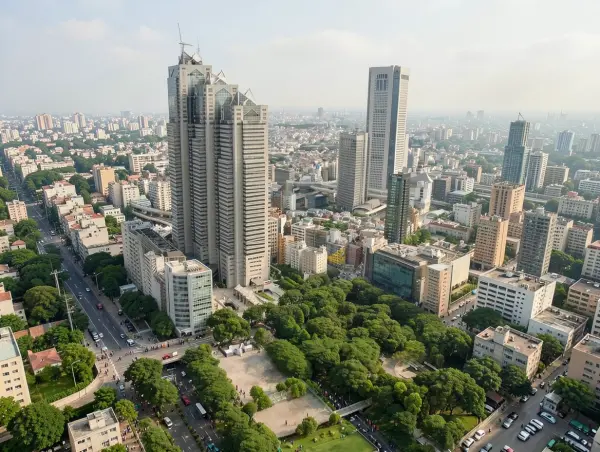
8. Shinjuku Central Park
Una escapada verde y frondosa entre rascacielos, con asientos de primera fila para el ballet urbano de Tokio. Toma un café, encuentra un banco y observa a los oficinistas dormir la siesta, a los cuervos conspirar y a los cerezos en flor flotar entre el concreto y el vidrio.
Datos rápidos: Shinjuku's busiest commuter hub sits on one side of this green corridor, yet the park stays surprisingly quiet with over 700 cherry trees lining its paths. What was once a vacant lot awaiting a never-built sports stadium transformed into this 2.25-hectare stretch of greenery that connects two of the city's major skyscraper districts.
Destacados: On weekdays around lunch, you'll see office workers napping on the grass in their suits, a quiet Tokyo ritual that feels almost choreographed. The park also doubles as an open-air art gallery with rotating installations from the nearby Tokyo Opera City Gallery, so the sculptures change every few months.
Where to Stay in Shinjuku, Japan
Selected by City Buddy based on guest reviews and proximity to top attractions
Search all hotels in Shinjuku, JapanPowered by agoda
Días de apertura en Shinjuku, Japan
Cuáles de las mejores atracciones cierran cada día de la semana, el clásico arruina-viajes, ya comprobado por ti.
lunes: 1 de 8 atracciones principales cerradas. Planifica los museos para otro día.
Cerrado el lunes · 1 cerradas, 7 abiertas
Días de apertura según Google Maps (verificado el 2026-07-03). Los días festivos, las huelgas y los horarios de temporada pueden variar. Consulta la web oficial antes de ir.
Platos dulces tradicionales
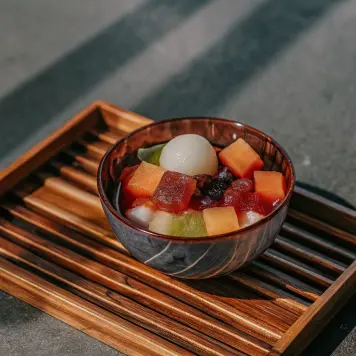
Anmitsu
Anmitsu features small cubes of agar jelly, sweet red bean paste, mochi, and fresh fruit all served with a drizzle of kuromitsu, a dark sugar syrup that originated as a medicine in the Edo period.
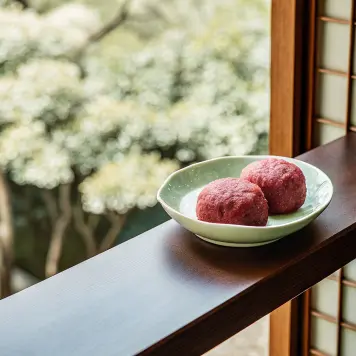
Ohagi (Botamochi)
Ohagi is a traditional sweet made from glutinous rice coated in sweet azuki bean paste, and its name changes to botamochi in spring depending on the seasonal flower in bloom.
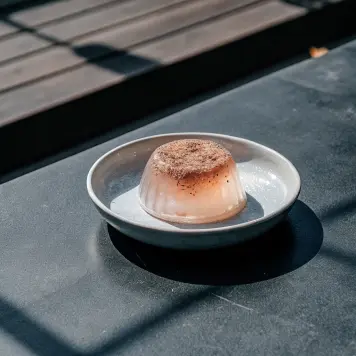
Kuzumochi
Unlike regular mochi made from rice, kuzumochi is made from kuzu (arrowroot) starch giving it a uniquely translucent, jelly-like texture, and it is often served with kinako (roasted soybean flour) and kuromitsu.
Platos salados tradicionales
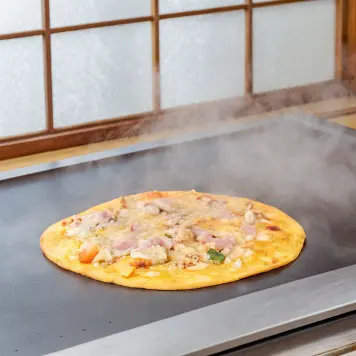
Monjayaki
Monjayaki is a thin, runny savory pancake cooked on a hot griddle that is famously associated with Tokyo's shitamachi (old town) culture, and Shinjuku has some of the best monjayaki specialty restaurants in the city.
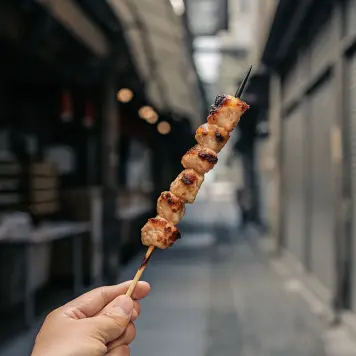
Yakitori
Shinjuku's Omoide Yokocho (Memory Lane) is legendary for its tiny yakitori stalls where skewers of chicken are grilled over charcoal, and the smoky alleyway has been a beloved dining destination since the post-war era.
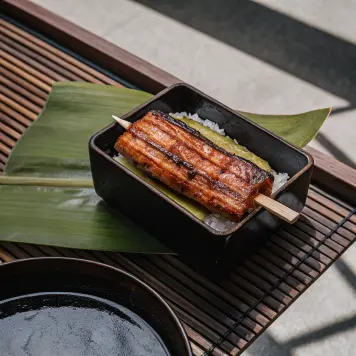
Unagi no Kabayaki
This dish features grilled eel glazed with a sweet soy-based sauce, and Shinjuku is home to some of Tokyo's most historic unagi restaurants that have been serving it continuously since the 1800s.
Bebidas tradicionales
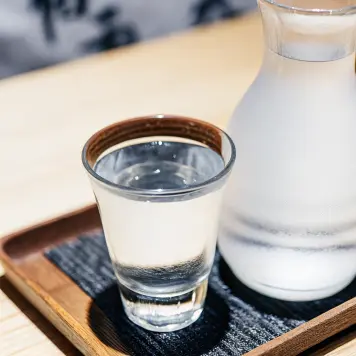
Sake
Sake is Japan's iconic rice wine, and Shinjuku's many izakaya (Japanese pubs) offer extensive sake selections where you can enjoy everything from fruity ginjo to rich, aged koshu varieties.
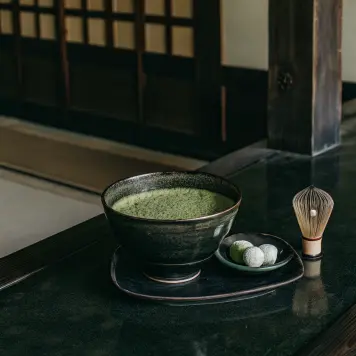
Matcha (Ceremonial Green Tea)
Matcha is a finely ground powder of specially grown green tea leaves, and Shinjuku's traditional tea houses offer this vibrant drink alongside the district's famous wagashi (Japanese sweets) for a perfect pairing.

Shochu
Shochu is a distilled spirit typically made from barley, sweet potato, or rice, and it is a staple at Shinjuku's drinking establishments where it is enjoyed on the rocks, with water, or mixed with hot water.
Preguntas frecuentes sobre Shinjuku, Japan
¿Es seguro Shinjuku, Japón?
¿Cuántos días en Shinjuku, Japón?
¿Cuál es la mejor época para visitar Shinjuku, Japón?
¿Es caro Shinjuku, Japón?
¿Cómo moverse por Shinjuku, Japón?
Recibe un PDF con las atracciones más populares en tu correo electrónico
Obtén un PDF con todas las atracciones, valoraciones y consejos. Perfecto para uso sin conexión.
Excursiones de un día más populares
Kamakura
Historic coastal town with Great Buddha statue and serene temples
Hakone
Hot spring resort with views of Mount Fuji and Lake Ashi
Yokohama
Port city with Chinatown, Minato Mirai waterfront and gardens
Cómo llegar
Estaciones de tren
JR Yamanote Line, JR Chuo Line, Odakyu Line, Keio Line, Tokyo Metro Marunouchi Line
Highway bus connections to airports and other cities
From Haneda Airport take the Limousine Bus (45 min) or train via Yamanote Line. From Narita take the Narita Express (80 min) directly to Shinjuku Station.
Información útil para Shinjuku, Japan
Resumen de Shinjuku, Japan
¿Quieres un plan día a día para Shinjuku, Japan? Abre el planificador de viajes
¿Cuándo vas a Shinjuku, Japan?
Elige tus fechas y estilo de viaje para obtener:
¿Alguno de estos es especialmente importante para ti?
Selecciona todos los que apliquen
Cómo moverse
¿Cómo quieres moverte entre los lugares?
Idioma del plan: Español