 CityBuddy
 Español
Qué hacer en Asunción, Paraguay
Foto realizada por Tara Winstead en Pexels.com
Cuándo visitar
Atracciones más populares en Asunción, Paraguay
Para conocer las mejores cosas que hacer en Asunción, Paraguay, comience en el Palacio de los López, el palacio presidencial de color rosa que se alza a lo largo del río Paraná. A solo cuatro cuadras hacia el interior, el Panteón Nacional de los Héroes alberga los restos de las figuras más importantes del país. Los amantes de la historia también deberían visitar la Casa de la Independencia, donde se gestó la libertad de Paraguay en 1811.
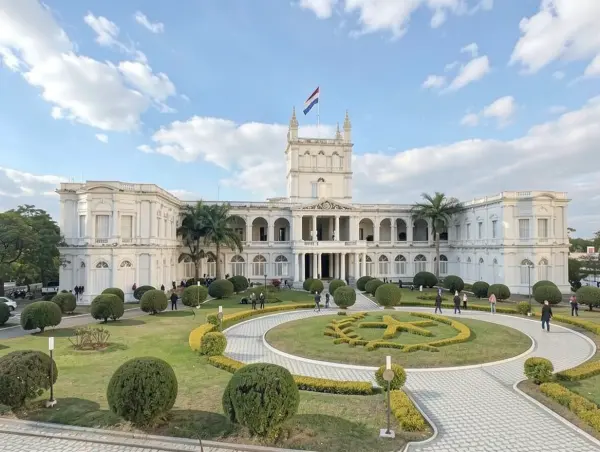
1. Palacio de los López
La sede de la presidencia de Paraguay ofrece una rara mirada al corazón político y la ambición arquitectónica del país. Caminarás por jardines cuidados, admirarás una fachada neoclásica con piedra rosa local y sentirás el peso silencioso de un edificio donde las decisiones nacionales se toman a diario.
Datos rápidos: Más de 700 trabajadores trabajaron día y noche para completar este palacio presidencial en solo tres años. Su distintiva fachada rosada proviene de una piedra local de color rosado que cambia de tonalidad a lo largo del día según la luz solar.
Destacados: El palacio se encuentra en el mismo lugar donde el primer presidente de Paraguay, Carlos Antonio López, tuvo una vez su residencia privada, lo que lo convierte en un vínculo directo con los primeros días de la independencia de la nación. Se dice que un sistema de túneles poco conocido bajo el edificio conecta con el cercano Panteón de los Héroes, aunque su extensión completa nunca ha sido mapeada públicamente.
2. Museo del Barro
¿Dónde más puedes rastrear toda la historia cultural de Paraguay a través del barro, la arcilla y las fibras tejidas? Espera figuras de fertilidad en cerámica del año 500 d.C., arte indígena psicodélico con plumas y máscaras de diablo de festivales, todo bajo un mismo techo.
Datos rápidos: Más de 4.000 piezas de cerámica llenan este museo, abarcando desde artefactos precolombinos hasta arte paraguayo contemporáneo. Su colección incluye intrincadas tallas de las misiones jesuíticas, obras textiles indígenas y una sorprendente variedad de objetos cotidianos de arcilla utilizados a lo largo de los siglos.
Destacados: Una sola sala alberga la exposición "Museo del Diablo": más de 200 máscaras de diablo utilizadas en festivales tradicionales paraguayos, cada una tallada a mano con expresiones que van desde lo cómico hasta lo aterrador. Las máscaras cuelgan del piso al techo, creando la inquietante sensación de que docenas de diablos diferentes observan a los visitantes desde todos los ángulos.

3. Costanera de Asunción
Ocho kilómetros de paraíso ribereño donde los locales vienen a respirar. Corre en bicicleta, trota, toma tereré y mira cómo el sol pinta el río Paraguay en tonos ardientes de naranja y carmesí.
Datos rápidos: Extendiéndose a lo largo de más de 8 kilómetros junto al río Paraguay, este paseo marítimo ofrece vistas panorámicas del río Paraguay y de la región del Chaco más allá. Las familias locales acuden en masa los fines de semana para tomar tereré, andar en bicicleta y observar los espectaculares atardeceres carmesí que pintan el río.
Destacados: Los domingos por la noche, el paseo se transforma en una enorme sala de estar al aire libre donde cientos de asuncenos instalan sillas plegables y mantas, compartiendo mate y mordisqueando chipa mientras el cielo se funde en naranjas y rosas ardientes sobre el río. La magia real ocurre durante el desfile anual de Carnaval, cuando el tramo de 4 kilómetros se convierte en un río de lentejuelas, plumas y tambores que rivaliza con la energía de Río pero sin multitudes de turistas.
4. Museo Nacional de Bellas Artes
El tesoro artístico más completo de Paraguay narra la historia del país a través de 3,000 pinturas, esculturas y dibujos. Recorre pasillos de mármol entre santos coloniales, íconos modernos de América Latina y un electrizante boceto de Picasso.
Datos rápidos: Alojado en un llamativo palacio neoclásico construido originalmente para un diplomático español, este museo resguarda más de 3.000 piezas que abarcan 500 años de historia del arte. Su colección incluye obras de maestros latinoamericanos como Tarsila do Amaral y artistas paraguayos como Carlos Colombino, junto con pinturas europeas de los siglos XVII al XIX.
Destacados: Una sala contiene una pared completa de la serie "El Infierno" de José Sánchez, una representación febril, casi alucinatoria, de las luchas sociales de Paraguay pintada con tal emoción cruda que los visitantes a menudo se detienen a mitad de paso. El museo también exhibe discretamente plumaria indígena y tallas de la era jesuítica, fusionando tradiciones coloniales, modernas y nativas de maneras que la mayoría de los museos sudamericanos pasan por alto.
Where to Stay in Asunción, Paraguay
Selected by City Buddy based on guest reviews and proximity to top attractions
Search all hotels in Asunción, ParaguayPowered by agoda
Días de apertura en Asunción, Paraguay
Cuáles de las mejores atracciones cierran cada día de la semana, el clásico arruina-viajes, ya comprobado por ti.
lunes: 2 de 2 atracciones principales cerradas. Planifica los museos para otro día.
Cerrado el lunes · 2 cerradas, 0 abiertas
Días de apertura según Google Maps (verificado el 2026-07-03). Los días festivos, las huelgas y los horarios de temporada pueden variar. Consulta la web oficial antes de ir.
Platos dulces tradicionales
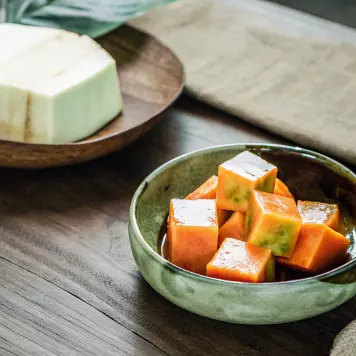
Dulce de Mamón
Dulce de Mamón is a sweet preserve made from papaya cooked in sugar syrup with cloves and cinnamon. It is often enjoyed with fresh cheese for a perfect balance of sweet and savory flavors.
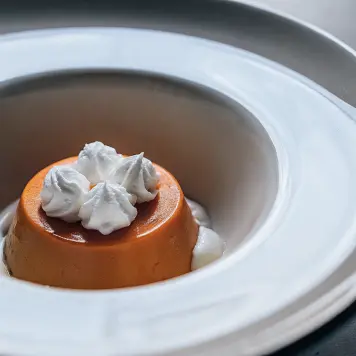
Kivevé
Kivevé is a thick, creamy dessert made from mashed butternut squash, milk, sugar, and corn flour. Its vibrant orange color and silky texture make it a beloved comfort dessert across Paraguay.
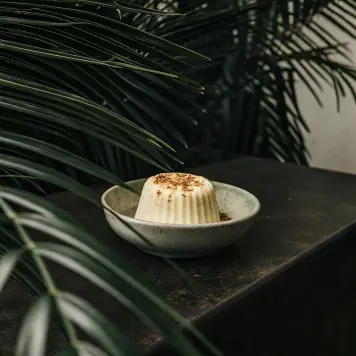
Mbaipy He'é
Mbaipy He'é is a traditional sweet corn pudding made with fresh corn, milk, sugar, and sometimes anise or cinnamon. Its name in Guarani literally translates to "sweet cornmeal."
Platos salados tradicionales
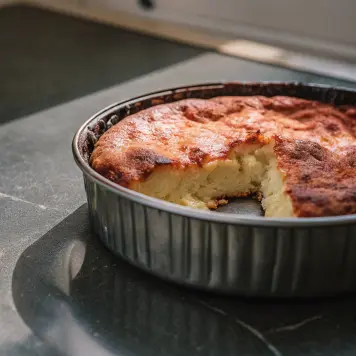
Chipa Guazú
Chipa Guazú is a savory corn and cheese casserole that resembles a thick, fluffy torte. It is distinct from chipa breads and is often served during family gatherings and holidays in Paraguay.
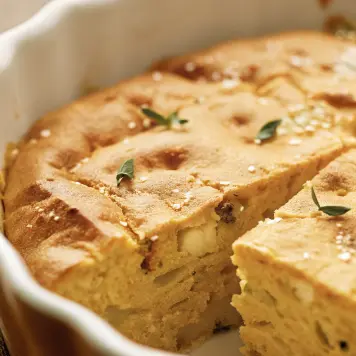
Sopa Paraguaya
Despite its name meaning "Paraguayan soup," Sopa Paraguaya is actually a dense, moist cornbread made with corn flour, cheese, eggs, and onions. It is considered the national dish of Paraguay.
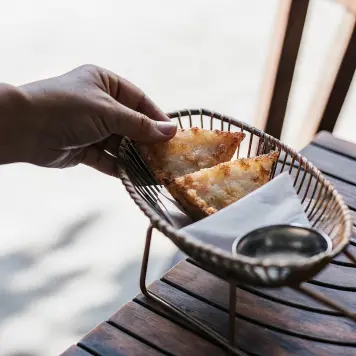
Mbejú
Mbejú is a thin, crispy cheese and starch pancake or flatbread made from manioc starch (tapioca) and cheese. The name comes from Guarani and means "cake" or "tortilla."
Bebidas tradicionales
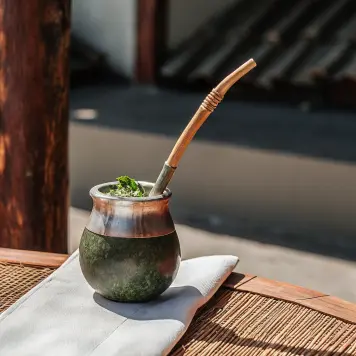
Tereré
Tereré is a cold version of yerba mate tea served in a gourd with cold water and often mixed with fresh herbs like mint or lemongrass. It is Paraguay's most iconic drink and a daily ritual, especially in the intense summer heat.
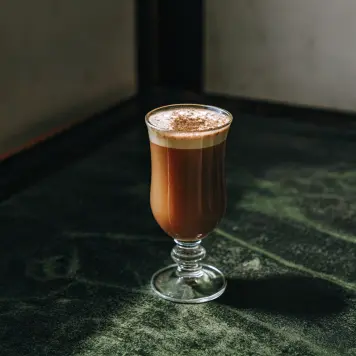
Mate Cocido
Mate Cocido is a warm, brewed version of yerba mate served like a tea, usually sweetened and enjoyed at breakfast. It is the cozy, winter counterpart to the cold tereré.
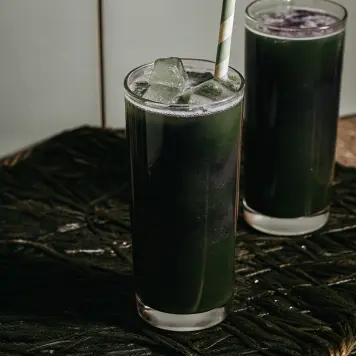
Mosto de Uva
Mosto de Uva is a fresh, non-alcoholic grape juice made from pressed grapes, popular in Paraguay's wine-growing regions. It is naturally sweet and often served with ice as a refreshing treat.
Preguntas frecuentes sobre Asunción, Paraguay
"¿Es segura Asunción, Paraguay?"
"¿Cuántos días en Asunción, Paraguay?"
"¿Mejor época para visitar Asunción, Paraguay?"
"¿Es cara Asunción, Paraguay?"
"¿Cómo moverse por Asunción, Paraguay?"
Recibe un PDF con las atracciones más populares en tu correo electrónico
Obtén un PDF con todas las atracciones, valoraciones y consejos. Perfecto para uso sin conexión.
Excursiones de un día más populares
Areguá
Colonial town known for strawberry festivals and ceramic crafts
San Bernardino
Popular lake resort town on Ypacaraí Lake with beaches and nightlife
Caacupé
Religious pilgrimage site with a stunning basilica and hilltop views
Encarnación
Southern city with Jesuit ruins, beaches, and carnival celebrations
Ciudad del Este
Shopping hub near Iguazu Falls with the massive Itaipu Dam
Cómo llegar
Aeropuertos
Estaciones de tren
Limited heritage rail; most long-distance travel is by bus
Taxis and ride-sharing apps like Uber are available from Silvio Pettirossi Airport to downtown in about 25 minutes.
Información útil para Asunción, Paraguay
Resumen de Asunción, Paraguay
¿Quieres un plan día a día para Asunción, Paraguay? Abre el planificador de viajes
¿Cuándo vas a Asunción, Paraguay?
Elige tus fechas y estilo de viaje para obtener:
¿Alguno de estos es especialmente importante para ti?
Selecciona todos los que apliquen
Cómo moverse
¿Cómo quieres moverte entre los lugares?
Idioma del plan: Español