 CityBuddy
 Español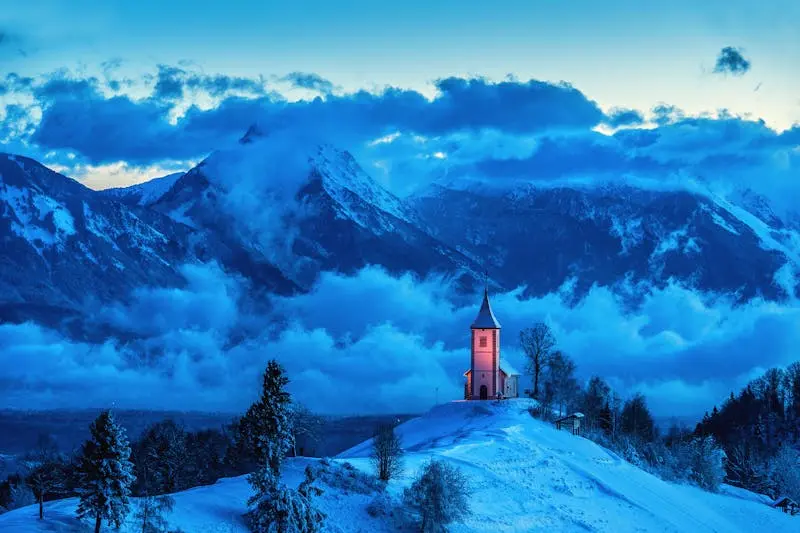
Qué hacer en Julian Alps, Slovenia
Foto realizada por Janez Podnar en Pexels.com
Atracciones más populares en Julian Alps, Slovenia
Las mejores actividades para hacer en Eslovenia incluyen explorar el lago Bled con su isla de cuento de hadas y castillo medieval, aventurarse en el vasto sistema subterráneo de la cueva de Postojna y hacer senderismo en el Parque Nacional de Triglav, que cubre 880 kilómetros cuadrados de impresionantes paisajes alpinos y diversa vida silvestre. Cada una ofrece una forma única de experimentar esta joya europea.
1. Triglav National Park
Julian Alps
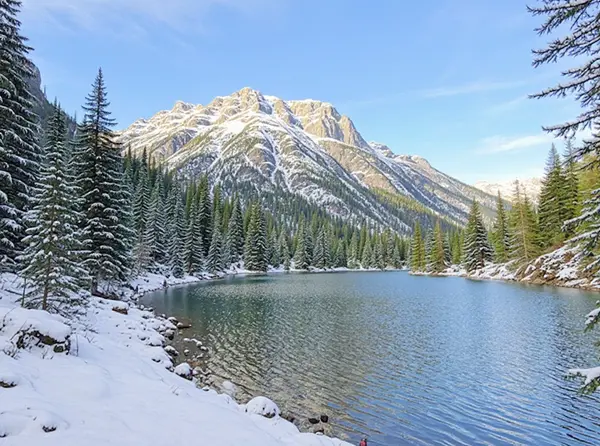
La aventura se encuentra con paisajes impresionantes aquí. Experimenta lagos serenos junto a imponentes acantilados montañosos en un día de asombro.
Datos rápidos: Un vibrante tapiz de vida alpina, el parque alberga más de 80 especies de mamíferos y 600 variedades de plantas. Su pico emblemático se eleva a casi 2.864 metros, cautivando a escaladores y amantes de la naturaleza por igual.
Destacados: Lagos esmeraldas como el Lago Bohinj brillan bajo picos dramáticos, creando escenas directas de cuentos de hadas. Criaturas alpinas raras como el águila dorada ofrecen destellos emocionantes de naturaleza salvaje sin domesticar.
Where to Stay in Julian Alps, Slovenia
Selected by City Buddy based on guest reviews and proximity to top attractions
Search all hotels in Julian Alps, SloveniaPowered by agoda
Platos dulces tradicionales
Potica
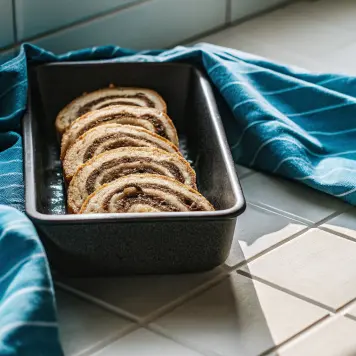
Potica is a traditional Slovenian rolled pastry filled with walnuts, honey, and spices, often enjoyed during festive occasions like Christmas and Easter. Its intricate swirls and rich flavors represent Slovenian culinary heritage.
Prekmurska Gibanica
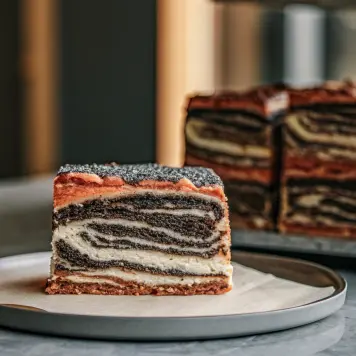
Prekmurska Gibanica is a layered cake from the Prekmurje region, made with poppy seeds, apples, walnuts, and cottage cheese. This dessert is famous for its multiple layers of different fillings, symbolizing the diversity of Slovenian cuisine.
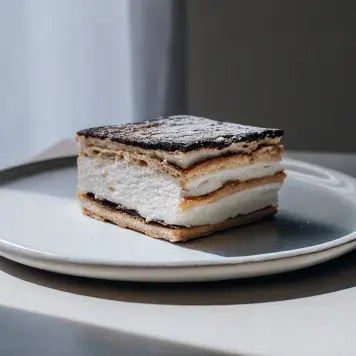
Kremna Rezina (Cream Slice)
Kremna Rezina, or Cream Slice, originated from the town of Bled and features layers of vanilla custard, whipped cream, and puff pastry. It is a beloved Slovenian dessert known for its light texture and rich taste.
Platos salados tradicionales
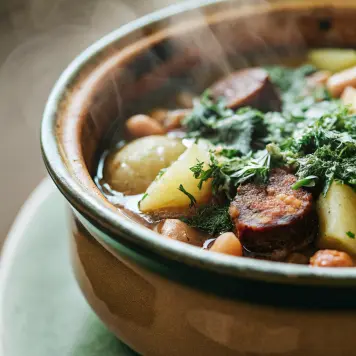
Jota
Jota is a hearty stew made with sauerkraut, beans, potatoes, and smoked pork, popular in the Slovenian Littoral region. This dish reflects the country's love for smoked meats and preserved vegetables.
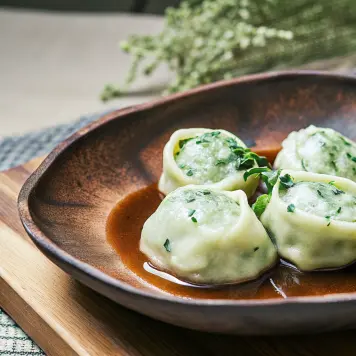
Idrijski Žlikrofi
Idrijski Žlikrofi are traditional Slovenian dumplings filled with herbed potato filling, served with lamb sauce. They are protected as a traditional food and showcase Idrija's culinary tradition.
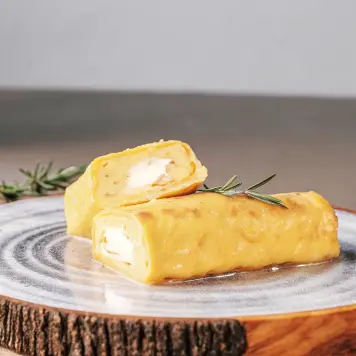
Štruklji
Štruklji are rolled dumplings or rolls made from dough and filled with various ingredients like cottage cheese, tarragon, or walnuts. This versatile dish is common across Slovenia and can be served savory or sweet.
Bebidas tradicionales
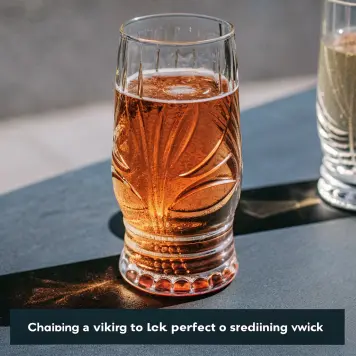
Cviček
Cviček is a unique Slovenian wine blend from the Lower Carniola region, known for its light, slightly sour taste and low alcohol content. It is enjoyed for its refreshing qualities and is a staple at Slovenian meals.
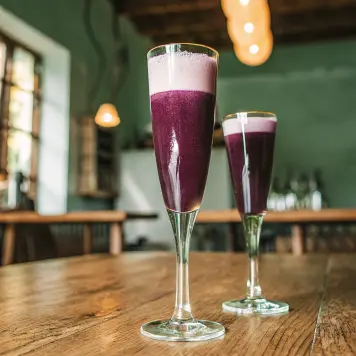
Borovničevec (Blueberry Liqueur)
Borovničevec is a traditional Slovenian blueberry liqueur, often homemade and enjoyed as a digestive or dessert drink. Its deep berry flavor is a favorite in many Slovenian households.
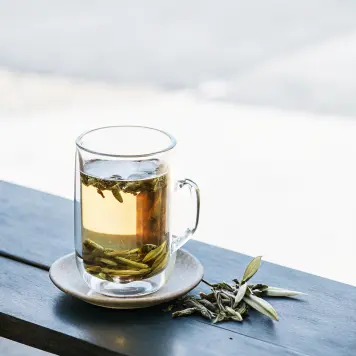
Slovenian Herbal Tea
Herbal teas made from a variety of wild Slovenian herbs like linden, chamomile, and sage are a common traditional beverage. These teas are valued for their soothing properties and connection to Slovenian natural landscapes.
Preguntas frecuentes sobre Julian Alps, Slovenia
¿Cuál es la mejor época para visitar Eslovenia?
¿Es caro visitar Eslovenia?
¿Cómo me desplazo por Eslovenia?
¿Es segura el agua del grifo para beber en Eslovenia?
¿Cuántos turistas visitan Eslovenia cada año?
Recibe un PDF con las atracciones más populares en tu correo electrónico
Obtén un PDF con todas las atracciones, valoraciones y consejos. Perfecto para uso sin conexión.
Información útil para Julian Alps, Slovenia
Resumen de Julian Alps, Slovenia
¿Quieres un plan día a día para Julian Alps, Slovenia? Abre el planificador de viajes
¿Cuándo vas a Julian Alps, Slovenia?
Elige tus fechas y estilo de viaje para obtener:
¿Alguno de estos es especialmente importante para ti?
Selecciona todos los que apliquen
Cómo moverse
¿Cómo quieres moverte entre los lugares?
Idioma del plan: EspañolMost popular itineraries for Julian Alps, Slovenia
Browse trip plans created by other travelers