 CityBuddy
 Español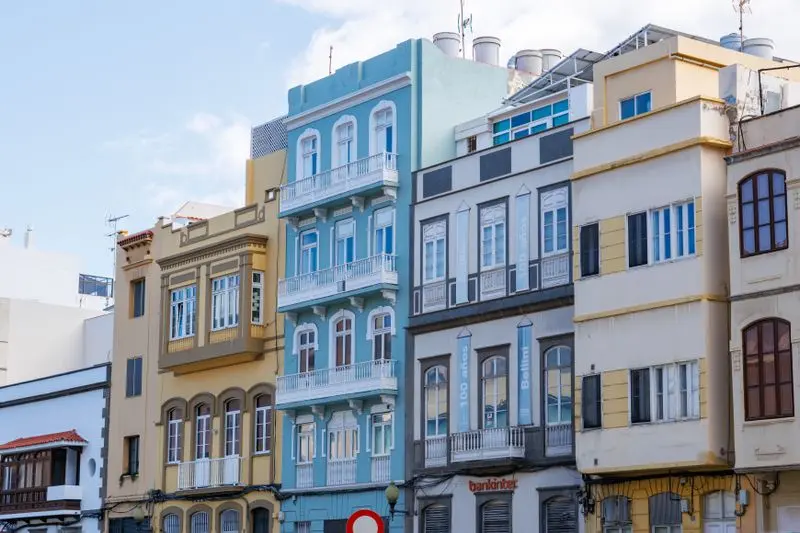
Qué hacer en Las Palmas de Gran Canaria, Spain
Foto realizada por Canary Vista ES en Pexels.com
Cuándo visitar
¿Cuándo vas a Las Palmas de Gran Canaria, Spain?
Elige tus fechas y estilo de viaje para obtener:
¿Alguno de estos es especialmente importante para ti?
Selecciona todos los que apliquen
Plan language: EspañolLas Palmas de Gran Canaria is the #19 most LGBTQ+ friendly city in the world, based on our data across hundreds of destinations.
Atracciones más populares en Las Palmas de Gran Canaria, Spain
Al considerar cosas que hacer en Las Palmas de Gran Canaria, España, empieza con la Playa de Las Canteras, una extensión de tres kilómetros de arena dorada con un arrecife natural. Explora la histórica Catedral de Santa Ana, cuya construcción comenzó en 1497, y visita el Museo Casa de Colón, donde supuestamente se hospedó Cristóbal Colón durante sus viajes.
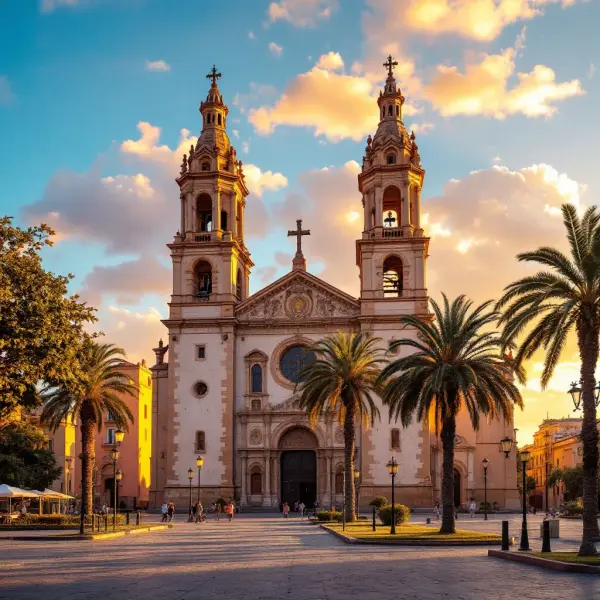
1. Catedral de Santa Ana
El corazón espiritual de Gran Canaria mezcla agujas góticas con luz sahariana. Pasea junto a 44 vidrieras mientras el sol del mediodía convierte las columnas de piedra en un caleidoscopio de color.
Datos rápidos: La iglesia se alza sobre un terreno que ha sido sagrado por más de 500 años, y el edificio actual se construyó tras la demolición de la estructura original del siglo XVI. Su fachada neogótica cuenta con 44 vitrales que inundan el interior de luz colorida durante todo el día.
Destacados: Entra y mira hacia arriba: el techo mudéjar de madera en la nave principal está pintado con intrincados patrones geométricos, una rara fusión canaria de estructura gótica y arte de inspiración islámica. El órgano de tubos de la iglesia, con más de 1,200 tubos, fue construido en la década de 1850 y aún hace vibrar los bancos durante la misa dominical.
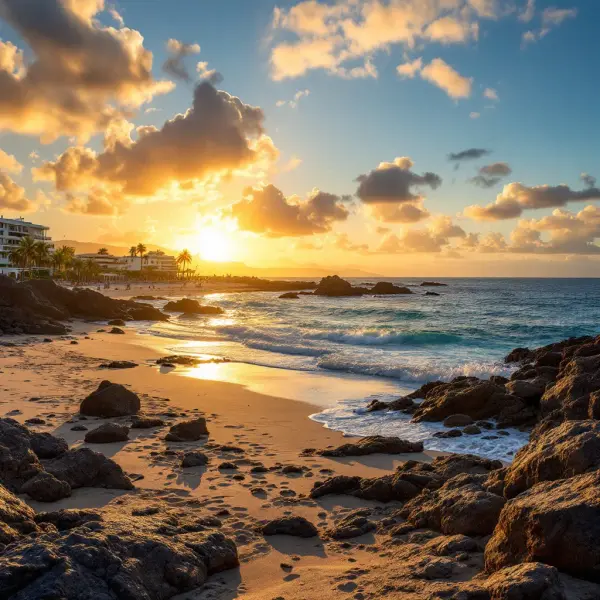
2. Playa de Las Canteras
Una playa urbana dorada con un arrecife volcánico que convierte la orilla en una gran piscina natural. Camina entre las olas, nada o únete a un partido de voleibol mientras el Atlántico acaricia tus pies.
Datos rápidos: La playa dorada de un kilómetro de largo está protegida por un arrecife natural llamado La Barra, que crea una laguna tranquila y perfecta para nadar con cualquier marea. Más de 50 redes de voleibol se instalan a diario a lo largo de la orilla, atrayendo a locales y turistas a animados partidos mientras cae el sol.
Destacados: La Barra, el arrecife rocoso que corre en paralelo a la costa, no es solo un rompeolas; crea una laguna poco profunda parecida a un acuario donde se pueden ver doradas, lisas e incluso rayas sin equipo de buceo. Con la marea baja, puedes caminar hasta las pozas de roca volcánica expuestas que parecen un parque de juegos natural secreto, completamente aislado de la ciudad que queda detrás de ti.
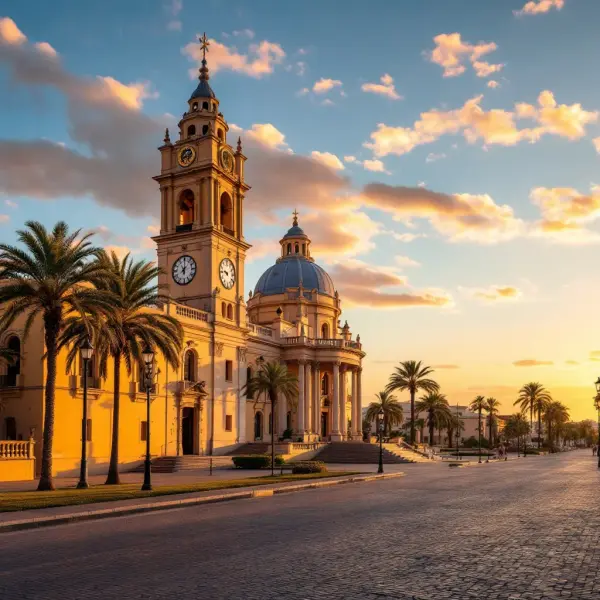
3. Museo Casa de Colón
Entra en la casa del siglo XV donde Colón se preparó para su travesía atlántica. Explora salas llenas de artefactos precolombinos, mobiliario de época y jardines tropicales que te transportan a la era de los descubrimientos.
Datos rápidos: Colón se detuvo aquí antes de su primer viaje a las Américas en 1492, y la casa se encuentra en el histórico barrio de Vegueta. El edificio combina estilos arquitectónicos gótico, mudéjar y renacentista, con un impresionante patio interior que cuenta con una escalera tallada en piedra canaria.
Destacados: Una de las posesiones más preciadas del museo es una primera edición de la carta de Cristóbal Colón en la que anuncia su descubrimiento del Nuevo Mundo, impresa en Barcelona en 1493. Los visitantes también pueden pararse en la misma habitación donde supuestamente se alojó el navegante, con techos originales de madera del siglo XV y vigas de drago canario aún sobre sus cabezas.
¿Has oído hablar de los tours a pie gratuitos?
Después de viajar a más de 30 países, hay algo que desearía que alguien me hubiera dicho desde el primer día y que cambió completamente cómo experimento las nuevas ciudades.
Tours a pie gratuitos. Sí, realmente gratis. No se necesita tarjeta de crédito. Sin trucos.
Guía local, 2-3 horas
Lugares principales, joyas ocultas, historias locales
100% basado en propinas
Los guías solo ganan propinas, así que dan lo mejor de sí
Das la propina que consideres justa
Al final, solo das la propina que consideres justa
He hecho estos tours en docenas de ciudades y han sido lo mejor de casi todos mis viajes. Si visitas Las Palmas de Gran Canaria, Spain, haz esto en tu primer día. Me lo agradecerás después.
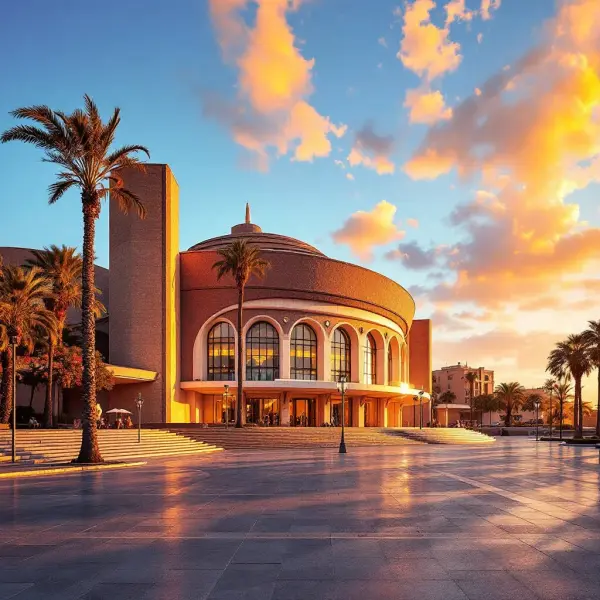
4. Auditorio Alfredo Kraus
Observa cómo el atardecer pinta el Atlántico a través de un muro de cristal antes de que suene la primera nota. Te sentarás dentro de una concha futurista mientras el océano se une prácticamente a la orquesta a través de ventanales de suelo a techo.
Datos rápidos: La sala de conciertos con forma de concha tiene capacidad para 1.658 personas y lleva el nombre del legendario tenor español Alfredo Kraus, nacido en Las Palmas. Su muro cortina de cristal ofrece vistas panorámicas del océano Atlántico, haciendo que el auditorio parezca flotar entre el mar y el cielo.
Destacados: La fachada de cristal de 40 metros del auditorio refleja los colores cambiantes del océano a lo largo del día, convirtiendo el propio edificio en un espectáculo de luz y agua. En los días de viento, la carcasa curva de hormigón canaliza la brisa del Atlántico a través de rejillas acústicas cuidadosamente diseñadas, creando un sistema de refrigeración natural que los ingenieros llamaron "escultura de sonido y viento".
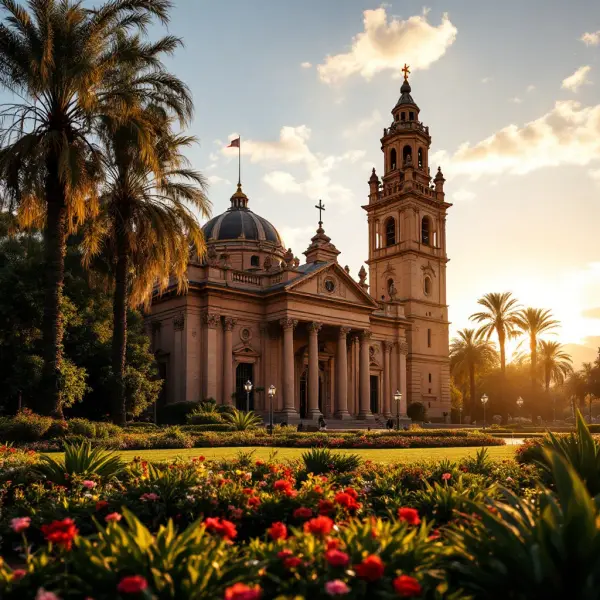
5. Parque de Santa Catalina
Escápate a un exuberante paraíso botánico donde dragos centenarios dan sombra a plazas animadas y los domingos por la mañana surge salsa espontánea. Recorre senderos serpenteantes entre flores tropicales, patios con fuentes y lugareños que juegan al dominó en mesas de piedra desgastadas.
Datos rápidos: Dos dragos gigantes, cada uno de más de 300 años, anclan la plaza principal del parque. Más de 80 especies de plantas tropicales y subtropicales prosperan aquí, creando un denso oasis urbano.
Destacados: Los domingos por la mañana, el parque se transforma en una pista de baile al aire libre donde los locales de todas las edades se reúnen para sesiones espontáneas de salsa y timba bajo los árboles de ficus. El mejor lugar es cerca del viejo quiosco de madera, donde los bancos de piedra elevados ofrecen vistas de primera fila de las parejas girando al ritmo de los tambores de conga en vivo.
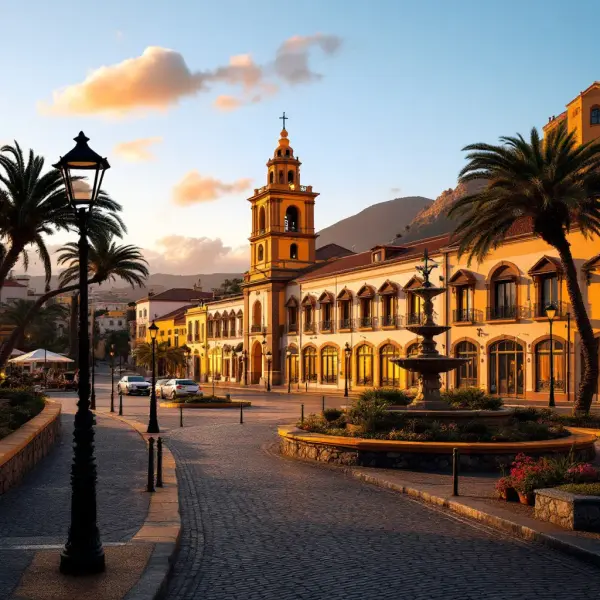
6. Barrio de Vegueta
Recorre el barrio más antiguo de Las Palmas, donde las calles adoquinadas susurran cinco siglos de historias. Tropezarás con plazas frondosas, mansiones coloniales pintadas en colores de sorbete y la colosal Catedral de Santa Ana que lo sostiene todo.
Datos rápidos: Calle Mayor de Triana, la arteria principal del barrio, fue la primera calle de las Islas Canarias en tener iluminación eléctrica en 1893. Las callejuelas empedradas del distrito esconden más de 500 años de historia continua, con el propio Colón deteniéndose aquí en 1492 para reparar la Pinta antes de continuar hacia el oeste.
Destacados: En la esquina de la Calle Colón y la Calle Mendizábal, verás una brillante placa de cerámica azul que marca el lugar donde supuestamente Colón rezó antes de su travesía transatlántica, aunque los lugareños aún debaten si la historia es realidad o folclore. El aire aquí huele a sal marina mezclada con churros fritos de un pequeño puesto en la esquina que opera desde 1927, usando la misma receta centenaria transmitida a través de cuatro generaciones.
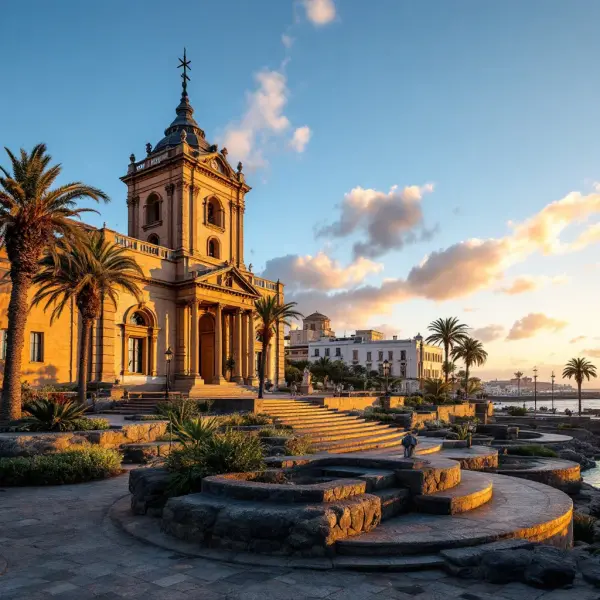
7. Museo Canario
Ponte cara a cara con los auténticos guanches que vivieron aquí antes de que Colón zarpara. Examinarás sus momias, cerámicas y cuchillas de obsidiana en un evocador edificio del siglo XIX que parece un gabinete de curiosidades.
Datos rápidos: Con alrededor de 1.200 cráneos de momias guanches precoloniales, la colección ofrece una ventana escalofriante a cómo estos pueblos indígenas trataban a sus muertos. Más de 5.000 artefactos recorren más de 1.500 años de historia canaria antes de la conquista española.
Destacados: Una sala alberga docenas de cráneos guanches cuidadosamente dispuestos, cada uno con distintos patrones de desgaste dental por masticar una resina vegetal en particular, contando historias que ningún registro escrito puede. Puedes pararte a centímetros de la mano desecada de una momia, con las uñas aún intactas después de 800 años, preservadas solo por grasas animales y minerales volcánicos de la isla.
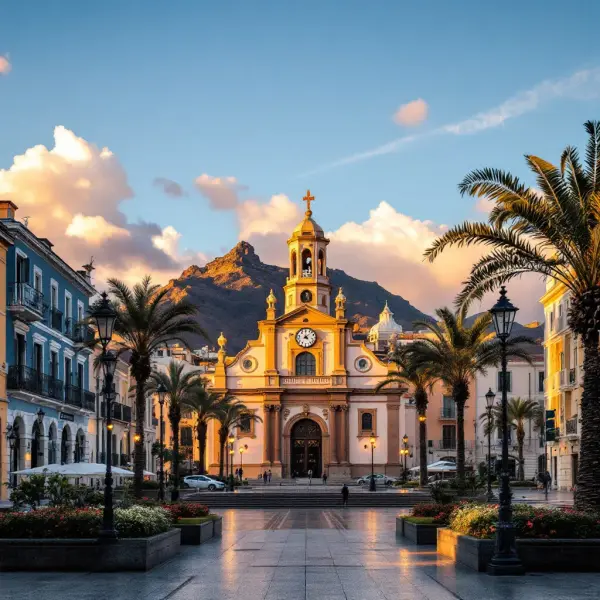
8. Plaza de Santo Domingo
Entra en un salón al aire libre donde los lugareños se reúnen bajo la sombra de un drago de 200 años. Disfruta de un café en una terraza mientras músicos callejeros tocan melodías tradicionales canarias.
Datos rápidos: Un par de perros negros tallados en piedra volcánica ha custodiado la fuente central desde 1894, observando en silencio a lugareños y visitantes por igual. La plaza alberga uno de los árboles más fotografiados de la isla, un imponente drago que extiende su copa como un paraguas verde sobre la plaza.
Destacados: Grabada en el pavimento de la plaza, una enorme rosa de los vientos de bronce se encuentra justo en el lugar donde las antiguas murallas tenían su puerta principal, señalando hacia el mar que trajo barcos de las Américas hace siglos. Los domingos por la mañana, artesanos y músicos locales se reúnen alrededor de la fuente, llenando el aire con el sonido de las cuerdas del timple mientras ancianos canarios juegan al dominó en las mesas de piedra a la sombra.
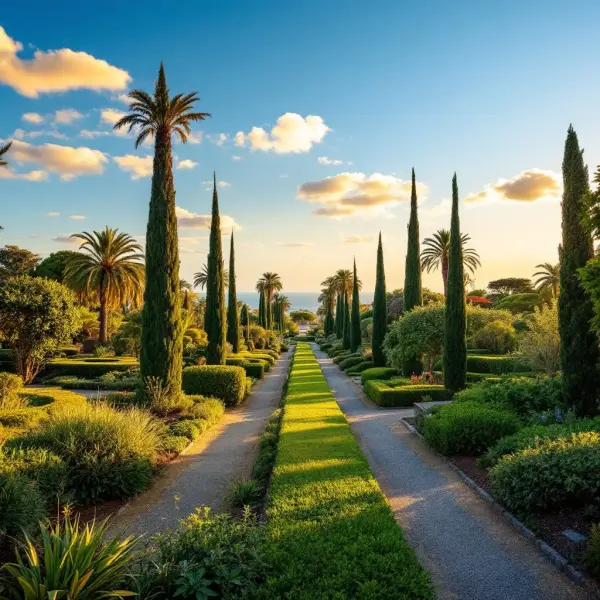
9. Jardín Botánico Canario Viera y Clavijo
Recorre un cañón volcánico repleto de plantas prehistóricas que no sobreviven en ningún otro lugar de la Tierra. Cruzarás puentes colgantes sobre un frondoso barranco, pasarás junto a dragos de 200 años y verás lagartos raros corretear por antigua roca volcánica.
Datos rápidos: El jardín se extiende sobre 10 hectáreas en una ladera volcánica con más de 500 especies de flora autóctona de las Islas Canarias, incluyendo 10 tipos de plantas en peligro de extinción que no se encuentran en ningún otro lugar de la Tierra. Dragos, algunos de más de 200 años, se elevan sobre cactus con forma de escultura y una red de puentes que cruzan un frondoso barranco.
Destacados: Un rincón escondido llamado "Jardín de los Dragos" alberga una colección de dragos centenarios cuya savia fue utilizada históricamente por los guanches indígenas para momificar a sus muertos. Colócate cerca del puente colgante durante la hora dorada y observa cómo los lagartos atlánticos salvajes toman el sol sobre la piedra volcánica mientras todo el valle de abajo se vuelve ámbar.
Where to Stay in Las Palmas de Gran Canaria, Spain
Selected by City Buddy based on guest reviews and proximity to top attractions
Search all hotels in Las Palmas de Gran Canaria, SpainPowered by agoda
Platos dulces tradicionales
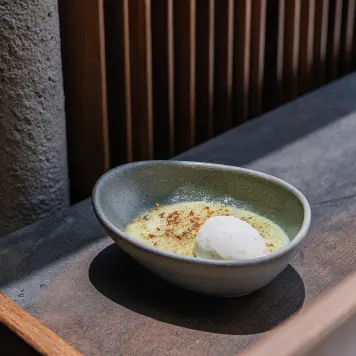
Bienmesabe
Bienmesabe literally means "tastes good to me" in Spanish. This creamy almond dessert is made with ground almonds, eggs, sugar, and lemon zest, often served with ice cream or as a cake filling.
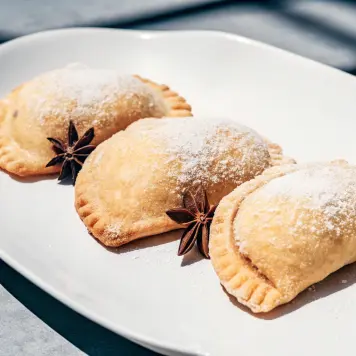
Truchas de Batata
These sweet potato filled pastries are a Christmas tradition in the Canary Islands. The dough is made with flour, olive oil, and anise, while the filling uses local sweet potato mixed with almonds and spices.
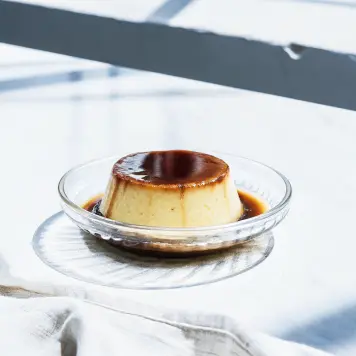
Quesillo
Quesillo is the Canarian version of flan, made with condensed milk, eggs, and caramel. Unlike traditional flan, it gets its name from its slightly porous, cheese-like texture.
Platos salados tradicionales
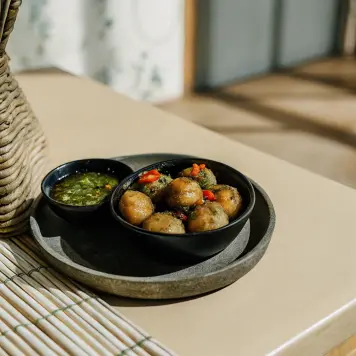
Papas Arrugadas con Mojo
This iconic Canarian dish features small potatoes boiled in heavily salted water until wrinkled, then served with mojo sauce. The two classic mojo varieties are mojo rojo, made with red peppers and cumin, and mojo verde, made with fresh cilantro or parsley.
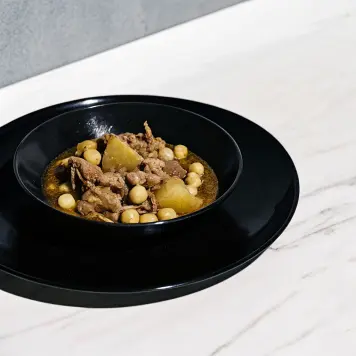
Ropa Vieja Canaria
Unlike its Cuban namesake, Ropa Vieja Canaria is made with shredded beef, chickpeas, and potatoes cooked together in a flavorful broth. The name means "old clothes" in Spanish, referring to the shredded appearance of the meat.
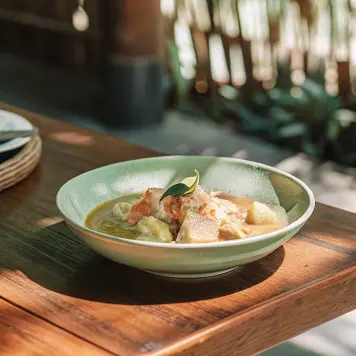
Sancocho Canario
This traditional fish stew is made with salted local fish such as cherne or vieja, served with sweet potatoes, gofio (toasted corn flour), and mojo sauce. It is a beloved Sunday meal in Las Palmas homes.
Bebidas tradicionales

Barraquito
Barraquito is a layered coffee drink unique to the Canary Islands, containing espresso, condensed milk, milk, cinnamon, and lemon zest. It is also known as "Cafe Barraquito" and is a staple of local cafes in Las Palmas.
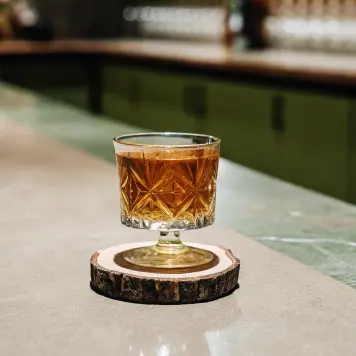
Ron de Miel
Ron de Miel is a honey rum produced in the Canary Islands, often served as a digestif or used in cocktails. It blends local rum with honey from the island's unique flora, creating a sweet and aromatic liqueur.
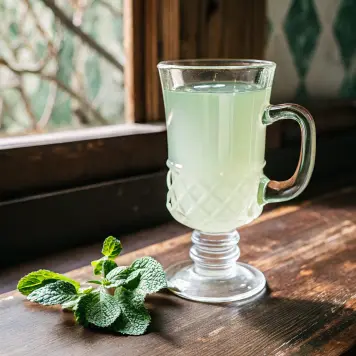
Poleo
Poleo is a traditional Canarian herbal tea made from the leaves of the poleo mint plant, which grows wild on the islands. It is commonly enjoyed after meals for its digestive properties and refreshing flavor.
Frequently Asked Questions about Las Palmas de Gran Canaria, Spain
¿Es segura Las Palmas de Gran Canaria, España?
¿Cuántos días se necesitan en Las Palmas de Gran Canaria, España?
¿Cuál es la mejor época para visitar Las Palmas de Gran Canaria, España?
¿Es cara Las Palmas de Gran Canaria, España?
¿Cómo moverse por Las Palmas de Gran Canaria, España?
Recibe un PDF con las atracciones más populares en tu correo electrónico
Obtén un PDF con todas las atracciones, valoraciones y consejos. Perfecto para uso sin conexión.
Excursiones de un día más populares
Maspalomas
Famous for its stunning sand dunes and Maspalomas lighthouse beach area.
Teror
Charming mountain town with traditional Canarian architecture and basilica.
Agaete
Coastal town known for natural pools, cliffs, and coffee plantations.
Tejeda
Scenic village in the mountains with almond trees and Roque Nublo views.
Puerto de Mogan
Picturesque fishing port called 'Little Venice' with canals and beaches.
Rent a car in Las Palmas de Gran Canaria, Spain
Cómo llegar
Aeropuertos
Estaciones de tren
Global bus lines to all parts of the island and airport connections
Regional and intercity bus lines connecting Las Palmas to south resorts
Gran Canaria Airport (LPA) is 21 km south of the city. Take the Global bus No. 60 or a taxi (25 min) to reach the center.
Encuentra vuelos a Las Palmas de Gran Canaria, Spain
Haz clic para obtener eSim para Las Palmas de Gran Canaria, Spain
La forma más fácil y económica de tener internet móvil dondequiera que viajes.
Información útil para Las Palmas de Gran Canaria, Spain
Resumen de Las Palmas de Gran Canaria, Spain
Most popular itineraries for Las Palmas de Gran Canaria, Spain
Browse trip plans created by other travelers
Comentarios (10)
Skip the restaurants right on Las Canteras beachfront. Walk two streets inland and you'll pay half the price for better food. La Marinera in La Isleta does amazing grilled fish.
I loved the beaches here, Las Canteras is huge and the water is warm even in winter. The old town Vegueta surprised me with its charm. Would visit again.
Best spot in the Canary Islands in my opinion. The weather is incredible year round and the food market in Vegueta is a must. Stayed 4 days which was perfect.
Bring cash for smaller restaurants and taxis, lots of places don't accept card for small amounts. Found that out the hard way. ATMs on Triana street have decent rates.
Go to the Vegueta market on Saturday morning for the best local produce and tapas. Arrive before 10 am to avoid queues for the popular stalls like Casa Montesdeoca.