 CityBuddy
 Español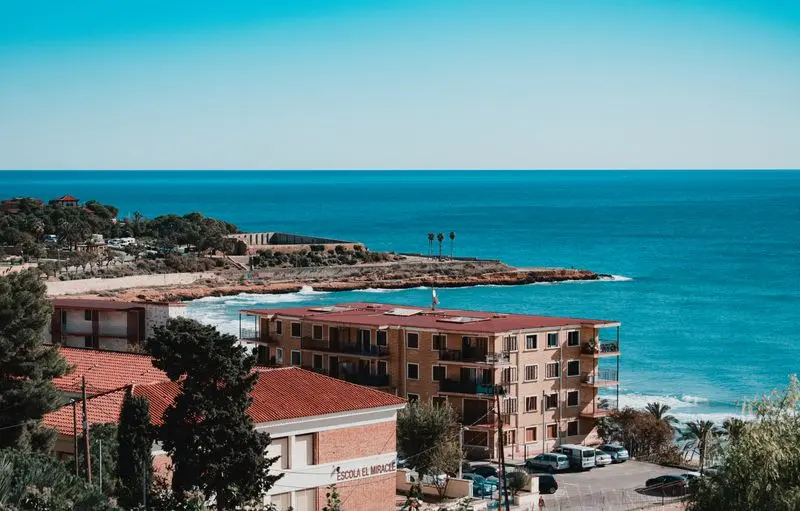
Qué hacer en Tarragona, Spain
Foto realizada por Santiago Boada en Pexels.com
Cuándo visitar
Atracciones más populares en Tarragona, Spain
Si buscas cosas que hacer en Tarragona, España, empieza por el Anfiteatro de Tarragona del siglo II, que domina el Mediterráneo con espacio para 15.000 espectadores. Luego recorre el circuito de 3,5 kilómetros de las Murallas Romanas, con algunas secciones que datan del año 200 a.C. Termina en el Balcó del Mediterrani para disfrutar de una amplia vista costera desde 40 metros sobre el nivel del mar.
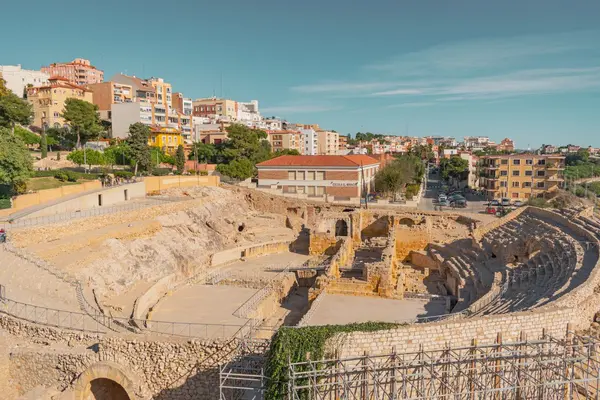
1. Tarragona Amphitheatre
Step into a 2,000-year-old Roman arena where gladiators once fought with the sea as their backdrop. You'll walk through the same stone archways and stand on sand where history's most dramatic moments unfolded.
Datos rápidos: Los romanos construyeron este anfiteatro alrededor del año 200 d. C. para organizar batallas de gladiadores y cacerías de animales. Los gladiadores lucharon y sangraron aquí mientras hasta 14.000 espectadores animaban desde los asientos de piedra con vistas al mar Mediterráneo.
Destacados: Después de que terminara la era de los gladiadores, aquí fueron ejecutados cristianos y más tarde se construyó una iglesia medieval directamente en los muros de piedra del anfiteatro. Aún se pueden ver los contornos tenues de los cimientos de la iglesia presionados contra la mampostería romana, una rara historia superpuesta en un solo marco.
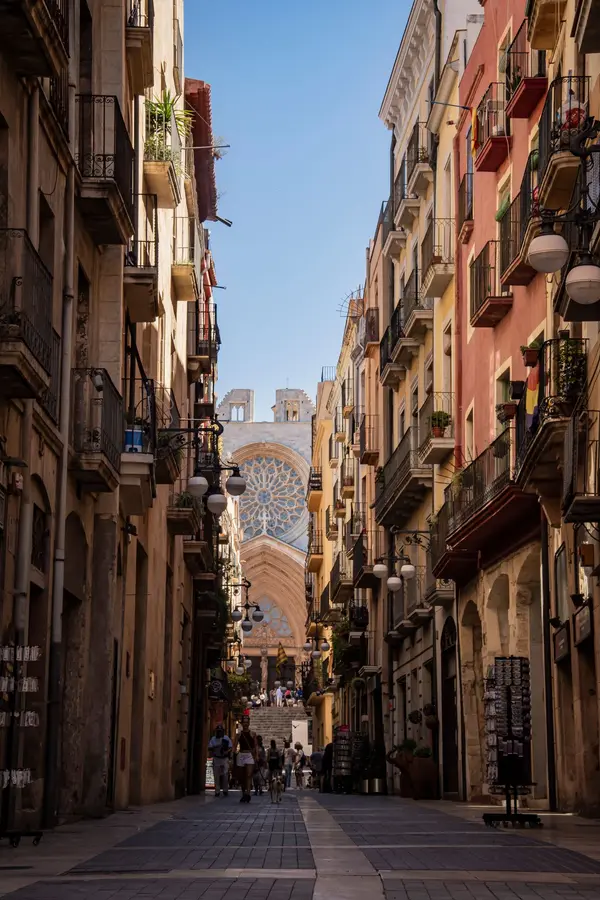
2. Tarragona Cathedral
Centuries of history carved into every stone, from Roman foundations to Gothic spires. Step inside to find a quiet cloister where the past feels almost touchable.
Datos rápidos: Two completely different architectural styles meet under one roof. The Gothic nave rises above a 12th-century Romanesque cloister where cats have been living for centuries.
Destacados: One stone inside the cloister wall shows a cat's paw print pressed into the mortar from over 800 years ago. Locals say the cathedral's resident cats are direct descendants of the mousers that kept the medieval monastery rodent-free.
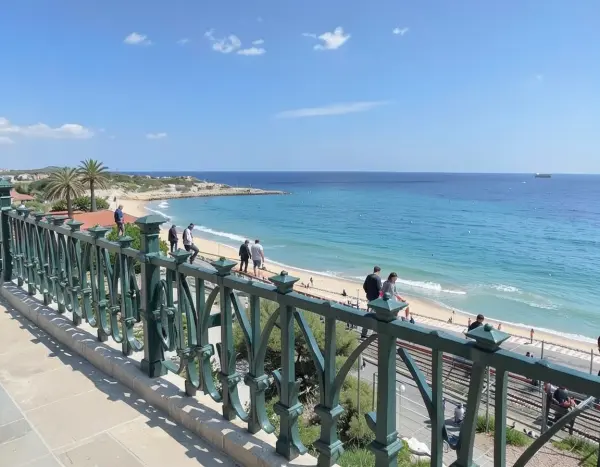
3. Balcó del Mediterrani
One of the best free viewpoints along the entire Catalan coast. Stand 60 meters above sea level and watch sailboats drift across a glittering Mediterranean horizon.
Datos rápidos: Situado a 60 metros sobre el Mediterráneo, este balcón ofrece vistas panorámicas que se extienden desde el puerto de Tarragona hasta la lejana costa de la Costa Daurada. El mirador se asienta sobre la antigua Muralla Ciclópea romana, construida con enormes bloques de piedra que pesan hasta 5 toneladas cada uno.
Destacados: Venga al atardecer y observe cómo las barandillas de piedra caliza del balcón capturan un cálido resplandor dorado mientras el mar se vuelve azul zafiro profundo abajo. En días despejados se puede divisar la silueta del Delta del Ebro, a 30 kilómetros de distancia, adentrándose en el horizonte.
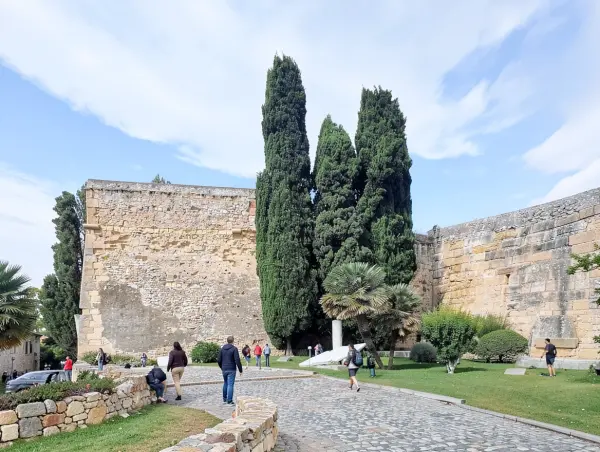
4. Roman Walls of Tarragona
Walk alongside 2,200-year-old Roman fortifications that once guarded the capital of an empire. Feel the rough, weathered stone under your fingertips as you trace the same perimeter Roman soldiers patrolled.
Datos rápidos: Estas murallas romanas se extienden por casi 3.5 kilómetros y alcanzan hasta 12 metros de altura en algunos lugares, lo que las convierte en una de las fortificaciones romanas mejor conservadas de España. Construidas originalmente entre los siglos III y II a.C., protegían la antigua ciudad de Tarraco, capital de la provincia romana de Hispania Citerior.
Destacados: Mira de cerca la base de las murallas cerca del Portal del Roser y verás enormes bloques de piedra originales, algunos de más de 6 toneladas, apilados sin mortero gracias a la pura precisión y la gravedad. La mampostería ciclópea de la muralla crea un contraste inquietante contra las estructuras medievales construidas encima siglos después, una historia en capas que puedes tocar literalmente.
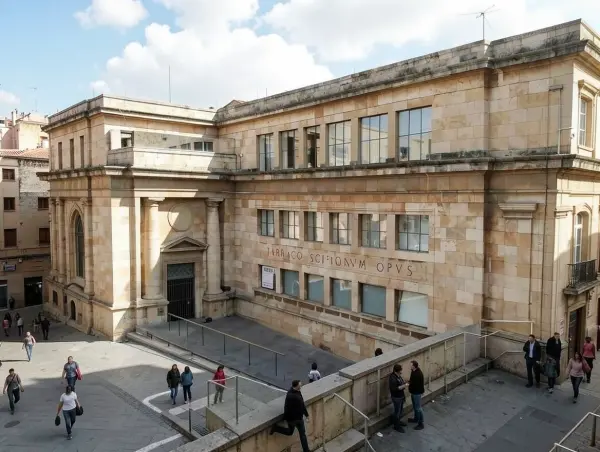
5. National Archaeological Museum of Tarragona
Wander through one of Spain's richest collections of Roman artifacts, from colossal sculptures to delicate everyday objects. You'll walk on glass floors above ancient Roman streets and come face-to-face with the legendary Medusa mosaic.
Datos rápidos: La colección alberga más de 25,000 objetos que abarcan la historia romana, con esculturas, mosaicos y artefactos cotidianos que cuentan la historia de la antigua Tarraco. Una de las piezas más impresionantes es un enorme mosaico de Medusa del siglo III, que cubre todo el suelo de una galería con detalles intrincados que aún se sienten vivos después de 1,700 años.
Destacados: Entra al salón principal y estarás justo encima de un tramo preservado del circo romano original por donde una vez rugían los carros. El suelo de cristal del museo te permite mirar hacia abajo los antiguos adoquines y canales de drenaje, haciéndote sentir como un arqueólogo descubriendo la ciudad capa por capa.
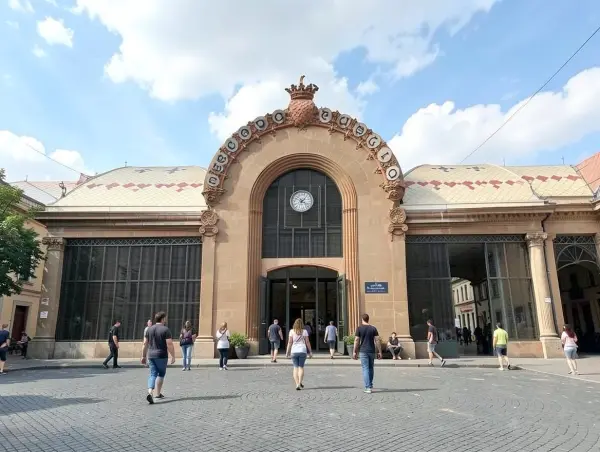
6. Mercat Central de Tarragona
Húndete en un siglo de cultura gastronómica catalana bajo un techo de hierro y vidrio. Recorre 50 puestos de aceitunas, queso y pescado recién llegado mientras los vendedores gritan sus precios.
Datos rápidos: Columnas de hierro fundido y una marquesina de cristal inundan de luz la nave, mientras unos 50 vendedores ofrecen pescado del día y productos locales. Restauradores, cocineros caseros y excursionistas regatean codo con codo por aceite de oliva, vermú y queso antes de las 10:00 la mayoría de las mañanas.
Destacados: Sube a la galería superior para observar la coreografía de cajas, básculas y cuchillos que se despliega abajo. En el centro, una linterna octogonal en el techo derrama luz solar sobre los jamones colgados, convirtiendo el pasillo más concurrido del mercado en un teatro dorado.
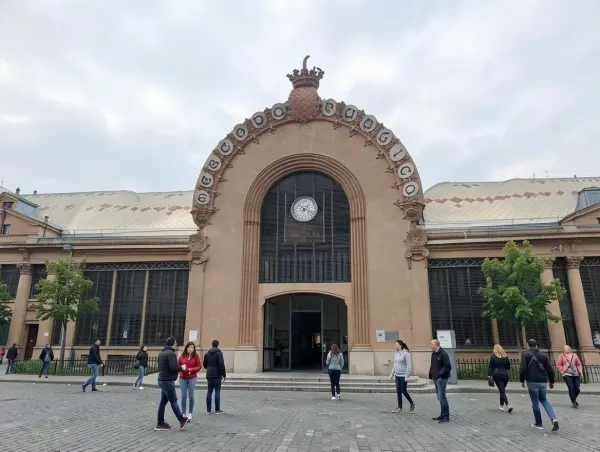
7. Mercat Central
Un mercado cubierto encaramado sobre una pista de carros romanos que aún reluce bajo tus pies. Sigue el aroma de gambas frescas y azafrán entre pasillos imponentes de hierro y ladrillo.
Datos rápidos: Josep Maria Jujol, el arquitecto que colaboró estrechamente con Gaudí, esbozó este mercado y lo levantó en un solo año, inaugurado en 1915. Los aurigas romanos corrieron con sus cuadrigas por este mismo terreno dos milenios antes de que abriera el primer puesto de fruta.
Destacados: Bajar al sótano te sumerge en el alto pasillo abovedado del circo romano, la larga galería por la que los espectadores subían hacia sus asientos en el siglo I d. C. Sobre tu cabeza, las finas bóvedas de ladrillo catalán y las rosetas de cerámica vidriada de Jujol curvan la luz de modo que el techo parece ondear como una vela.
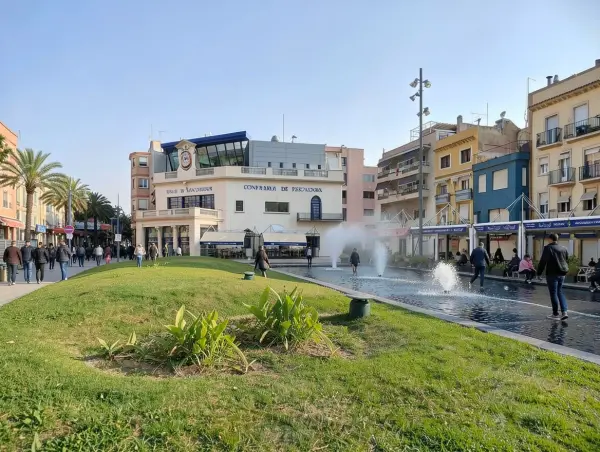
8. El Serrallo
Aquí es donde el puerto viejo se vuelve delicioso, sin neones y salado. Huele las sardinas a la parrilla junto al puerto al anochecer y observa cómo se descarga la captura de la noche a mano, barco por barco.
Datos rápidos: Un corazón de pescado en plena actividad late dentro de este modesto rincón del viejo puerto, y su subasta de la captura de la noche resuena cada mañana en una sala blanca. Los pescadores aún cuelgan las redes para secarlas a lo largo del muelle, y el humo de sus parrillas de sardinas al carbón sube directo hasta la mampostería romana de arriba.
Destacados: En el extremo del muelle, pequeños cascos familiares todavía lucen ojos pintados a mano en sus proas, un viejo conjuro destinado a ayudar a los barcos a ver los peces bajo la superficie. Ven a finales de junio para la fiesta de Sant Pere, cuando todo el barrio saca las mesas a la acera y fríe sardinas hasta la medianoche.
Where to Stay in Tarragona, Spain
Selected by City Buddy based on guest reviews and proximity to top attractions
Search all hotels in Tarragona, SpainPowered by agoda
Días de apertura en Tarragona, Spain
Cuáles de las mejores atracciones cierran cada día de la semana, el clásico arruina-viajes, ya comprobado por ti.
lunes: 2 de 6 atracciones principales cerradas. Planifica los museos para otro día.
Cerrado el lunes · 2 cerradas, 4 abiertas
Días de apertura según Google Maps (verificado el 2026-09-05). Los días festivos, las huelgas y los horarios de temporada pueden variar. Consulta la web oficial antes de ir.
Platos dulces tradicionales
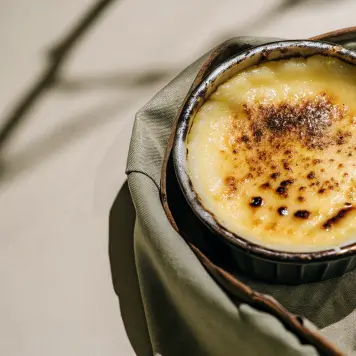
Crema Catalana
Crema Catalana is the Spanish sibling of crème brûlée, but with a distinct Catalan identity. It is traditionally served on Saint Joseph's Day (March 19) and flavored with cinnamon and lemon zest instead of vanilla.
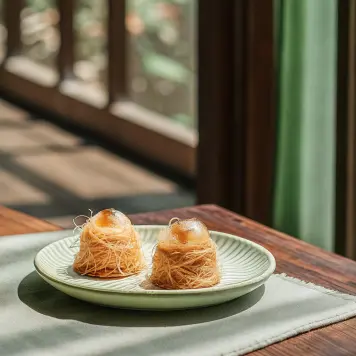
Pastissets de Cabell d'Àngel
These delicate pastries are filled with cabell d'àngel or angel's hair, a sweet jam made from pumpkin threads. The name literally means angel hair, referencing the translucent, stringy texture of the pumpkin preserve inside.

Carquinyolis
Carquinyolis are crunchy Catalan almond cookies similar to Italian biscotti, perfect for dunking in dessert wine. They are twice-baked for extra crunch and are a staple at festive gatherings across the Tarragona region.
Platos salados tradicionales

Calçots with Romesco Sauce
Calçots are a type of sweet green onion grilled over open flames until charred, a signature of Tarragona's province. Locals gather for massive calçotades (feasts) where these onions are eaten by peeling the burnt layers and dipping them in rich romesco sauce made from almonds and roasted peppers.
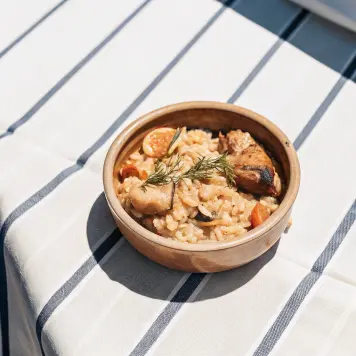
Arròs a la Cassola de Tarragona
This rustic casserole rice dish is Tarragona's take on paella, slow-cooked in a clay pot with local seafood, rabbit, and vegetables. The city's proximity to the Ebro Delta rice fields means the rice used is exceptionally fresh and flavorful.
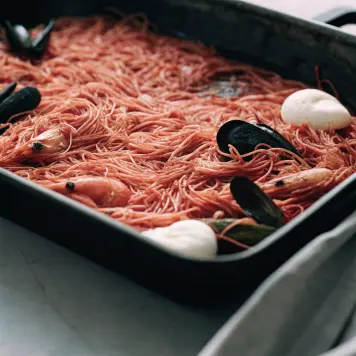
Fideuà
Fideuà is a beloved noodle-based dish similar to paella but made with short, thin vermicelli noodles instead of rice. It originated among fishermen on the Catalan coast who wanted a faster-cooking alternative to rice, and it is traditionally served with a dollop of garlicky allioli.
Bebidas tradicionales

Vermut de Tarragona
Tarragona has a deep-rooted vermouth tradition dating back to the 19th century, and local vermuterías are a cherished social ritual. The region's vermouth is made with macabeo or xarel·lo wine bases and a secret blend of local herbs, giving it a distinctive Mediterranean character.

Cava
While Cava is most famous in Penedès, much of this sparkling wine is actually produced from grapes grown in the vineyards around Tarragona. It is made using the traditional method (same as Champagne) but at a fraction of the cost, making it the go-to celebratory drink in Catalonia.

Ratafia
Ratafia is a traditional Catalan liqueur made by macerating green walnuts, herbs, and spices in brandy or aguardiente for months. It is often homemade in Tarragona's rural homes and is sipped as a digestif, believed to aid digestion after heavy meals.
Infórmate antes de ir
Cuánto cuesta un día en Tarragona y las estafas que debes evitar
Costo por persona por día
Principales estafas a evitar
- Pickpocketing in crowds. Keep bags closed and in front, leave valuables in the hotel, and avoid loose back pockets in crowded spaces.
- Unofficial offers near the station. Walk to the official taxi rank and require the meter, or book through an app for a clear price.
- Menu without prices. Confirm prices before ordering, ask if a cover or service charge applies, and check the bill line by line.
Taxi justo desde el aeropuerto: 110 € - 140 €
Todas las estafas, precios justos y normasPreguntas frecuentes sobre Tarragona, Spain
¿Es segura Tarragona, España?
¿Cuántos días en Tarragona, España son suficientes?
¿Cuál es la mejor época para visitar Tarragona, España?
¿Es cara Tarragona, España?
¿Cómo moverse por Tarragona, España?
Recibe un PDF con las atracciones más populares en tu correo electrónico
Obtén un PDF con todas las atracciones, valoraciones y consejos. Perfecto para uso sin conexión.
Excursiones de un día más populares
Barcelona
Vibrant capital of Catalonia with Gaudi architecture and world-class museums.
Salou
Popular coastal resort with beaches and PortAventura theme park.
Sitges
Charming seaside town with beaches, art galleries, and nightlife.
Reus
Modernist architecture hub and birthplace of architect Antoni Gaudi.
Delta de l'Ebre
Stunning natural park with rice fields, wetlands, and birdwatching.
Cómo llegar
Estaciones de tren
AVE high-speed rail from Barcelona, Madrid, and Valencia
Regional trains along the Costa Daurada coastline
From Barcelona Airport take the direct bus or train to Tarragona. Reus Airport is smaller with seasonal flights and bus connections to Tarragona.
Información útil para Tarragona, Spain
Resumen de Tarragona, Spain
Comparar Tarragona con otros destinos
Precios, seguridad, clima y principales atracciones lado a lado, con un veredicto para cada tipo de viajero.
¿Quieres un plan día a día para Tarragona, Spain? Abre el planificador de viajes
¿Cuándo vas a Tarragona, Spain?
Elige tus fechas y estilo de viaje para obtener:
¿Alguno de estos es especialmente importante para ti?
Selecciona todos los que apliquen
Cómo moverse
¿Cómo quieres moverte entre los lugares?
Idioma del plan: Español