 CityBuddy
 Español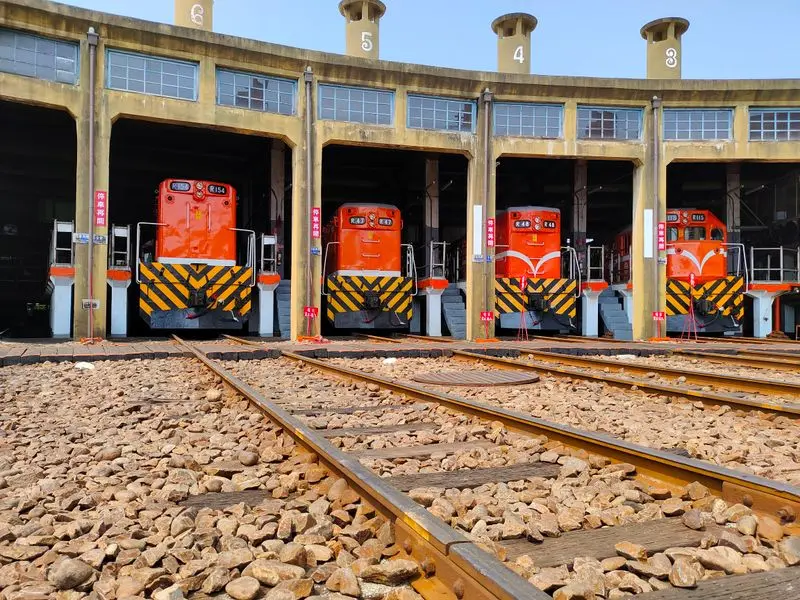
Qué hacer en Changhua, Taiwan
Foto realizada por 瑞宏 簡 en Pexels.com
Cuándo visitar
Atracciones más populares en Changhua, Taiwan
Los visitantes que buscan actividades en Changhua, Taiwán encontrarán una atractiva mezcla de historia y cultura. El Gran Buda de Baguashan, de 22 metros, se encuentra en la cima de una colina con vistas a la ciudad. La calle antigua de Lukang conserva un templo de 300 años de antigüedad y un barrio comercial con arquitectura tradicional. La rotonda de trenes de Changhua, construida en 1922, ofrece visitas diarias para los entusiastas de los trenes.
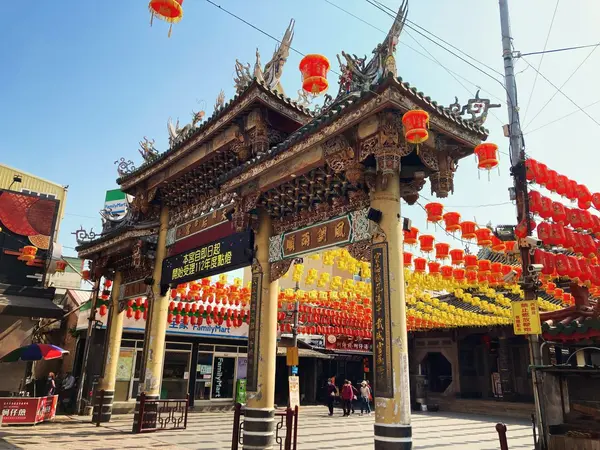
1. Lukang Old Street
Recorre callejones estrechos donde las artesanías tradicionales han sobrevivido por generaciones y los aromas de los puestos de comida flotan por los antiguos patios del templo. Prueba tortillas de ostras recién hechas, observa cómo pintan faroles a mano y explora los callejones laberínticos que una vez confundieron a los piratas.
Datos rápidos: Los callejones sinuosos fueron diseñados como un laberinto para confundir a los piratas y proteger a los residentes. Más de 200 templos históricos salpican la zona, lo que le otorga una de las mayores densidades de templos de Taiwán.
Destacados: Adéntrate en el laberinto de nueve giros y dieciocho callejones, donde las paredes se estrechan hasta casi el ancho de un hombro, y descubrirás un taller tradicional de faroles que todavía utiliza armazones de bambú pintados a mano por artesanos de cuarta generación. El traqueteo de los mazos de madera que moldean tendones de buey para hacer zapatillas tradicionales resuena por los callejones, un oficio que sobrevive aquí desde hace más de un siglo.
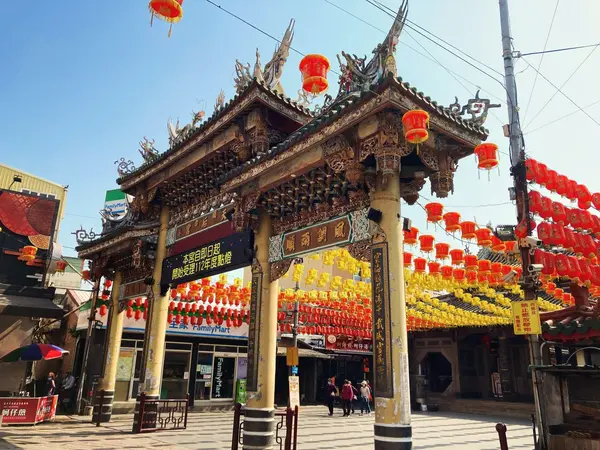
2. Lukang Tianhou Temple
Tres siglos de arte y fe convergen en un solo templo. Observa cómo el humo del incienso se desliza junto a la caligrafía antigua mientras los lugareños rezan a tu lado.
Datos rápidos: Un par de pilares de piedra con forma de dragones flanquean la entrada principal, tallados en bloques de granito macizo hace tres siglos. Más de 10,000 peregrinos cruzan estas puertas durante las celebraciones anuales del cumpleaños de Mazu.
Destacados: Sobre el altar principal, un techo octogonal de madera llamado bagua zaojing utiliza 16 niveles de soportes entrelazados sostenidos sin un solo clavo. Cada panel tallado alrededor del borde representa un milagro diferente de la vida de la diosa del mar, con el centro deliberadamente abierto para que las oraciones puedan ascender directamente.
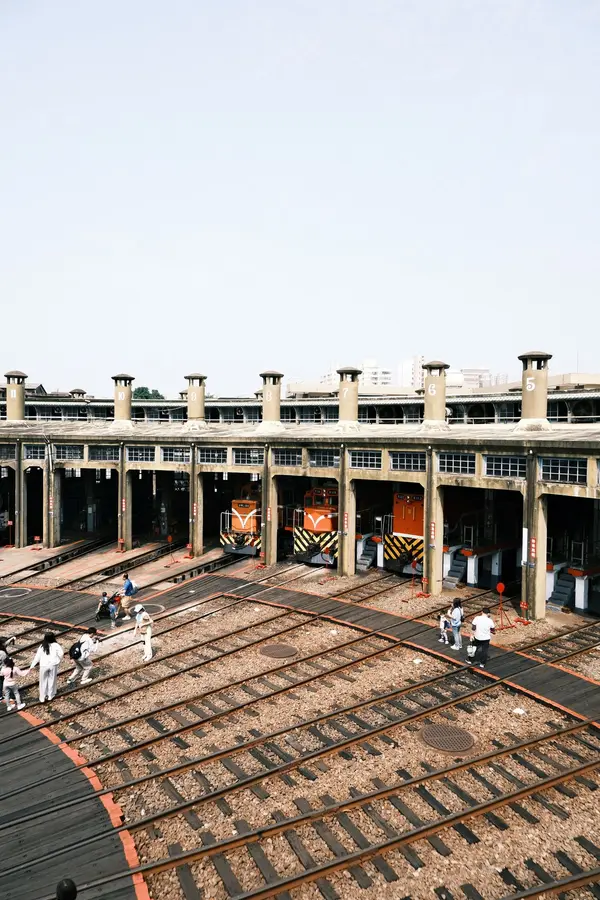
3. Changhua Roundhouse
La única rotonda ferroviaria en funcionamiento en Taiwán donde las locomotoras de vapor aún entran para recibir servicio. Observa cómo los gigantes motores de hierro giran en el plato giratorio manual y acércate hasta las vías.
Datos rápidos: Una de las últimas rotondas de locomotoras de vapor en funcionamiento de Taiwán. Su diseño en abanico alberga una docena de vías que irradian desde una plataforma giratoria central. La plataforma todavía gira hoy en día, operada manualmente para pivotar las locomotoras hacia sus dársenas designadas como una brújula ferroviaria gigante.
Destacados: A diferencia de las piezas de museo encerradas tras un cristal, esta rotonda de 102 años sigue siendo un depósito de mantenimiento totalmente funcional donde los mecánicos aún engrasan cojinetes y alimentan las cámaras de combustión de locomotoras de vapor vivas. Observa con asombro cómo una locomotora de 100 toneladas sube a la plataforma giratoria y rota con un gemido mecánico, alineándose perfectamente con su dársena de estacionamiento en menos de dos minutos.
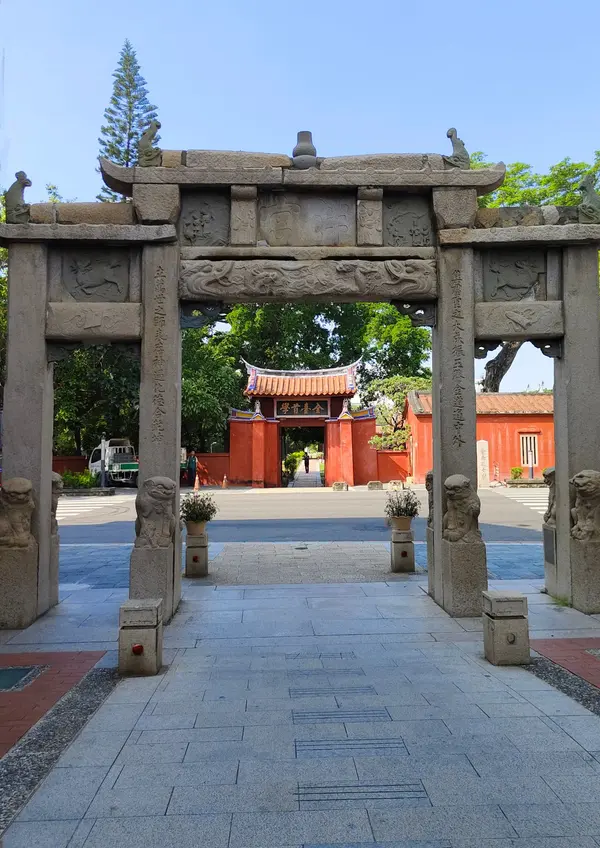
4. Changhua Confucius Temple
Step into a quiet courtyard where centuries of scholars once sought wisdom. Expect ornate carvings, a serene pond, and the faint scent of incense lingering in the air.
Datos rápidos: Aproximadamente 300 años de ceremonias académicas han tenido lugar bajo estos amplios techos curvados. Cada año, dos grandes ceremonias honran a Confucio con música, danza y animales sacrificados, una tradición que permanece en gran medida sin cambios desde la dinastía Qing.
Destacados: Es uno de los templos confucianos más antiguos de Taiwán, y la pintura descolorida rojo y verde de los pilares cuenta la historia de siglos de humo de incienso. Mira de cerca las aristas del techo, verás pequeñas figuras de cerámica de eruditos e inmortales, cada una colocada allí para proteger la misión académica del templo.
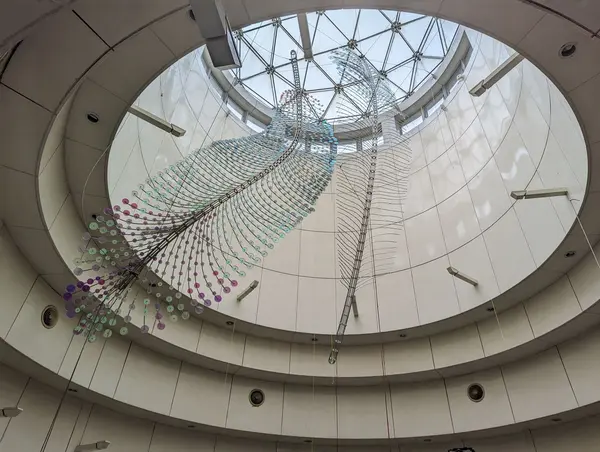
5. Taiwan Glass Gallery
Step into a world where everything glitters, from chandeliers to entire buildings. You'll walk through a glass cathedral, cross a transparent bridge, and watch artists blow molten glass into art before your eyes.
Datos rápidos: Aproximadamente 2,000 esculturas de vidrio, instalaciones y objetos cotidianos llenan las salas de exposición de varios pisos aquí. La colección va desde delicados jarrones soplados hasta una réplica completa de vidrio de un mercado callejero tradicional, todo elaborado por artesanos taiwaneses.
Destacados: La joya de la corona es una réplica a escala real de una catedral de vidrio hecha con más de 2,000 paneles de vidrio individuales, y los visitantes pueden caminar por su interior brillante y translúcido. En la azotea encontrarás un puente de vidrio que se extiende sobre el parque de abajo, permitiéndote estar de pie sobre un suelo transparente en lo alto, con todo el complejo reflejado bajo tus pies.
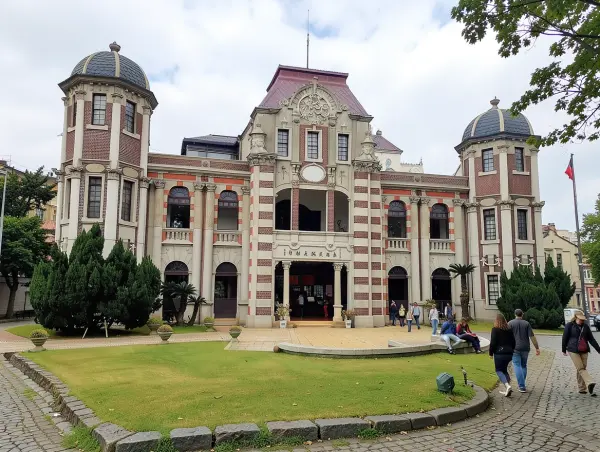
6. Lukang Folk Arts Museum
Entra a una mansión barroca de 1919 donde vivió la familia más poderosa de Taiwán. Recorre salas repletas de 3,000 objetos cotidianos, desde vestidos de novia de seda hasta juguetes centenarios y utensilios de cocina.
Datos rápidos: Una mansión de estilo barroco de 1919 perteneció a la familia Koo, uno de los clanes más influyentes de Taiwán durante la era colonial japonesa. Más de 3,000 objetos llenan las estancias, desde una lujosa cama nupcial tallada hasta fonógrafos antiguos y pipas de opio de época.
Destacados: La mansión en sí fue la residencia de Koo Hsien-jung, el hombre que abrió famosamente las puertas de Taipéi a las fuerzas japonesas en 1895, cambiando para siempre la trayectoria de Taiwán. Los visitantes aún pueden ver la mesa del comedor familiar original dispuesta con porcelana, como si los Koo acabaran de levantarse de una cena formal.
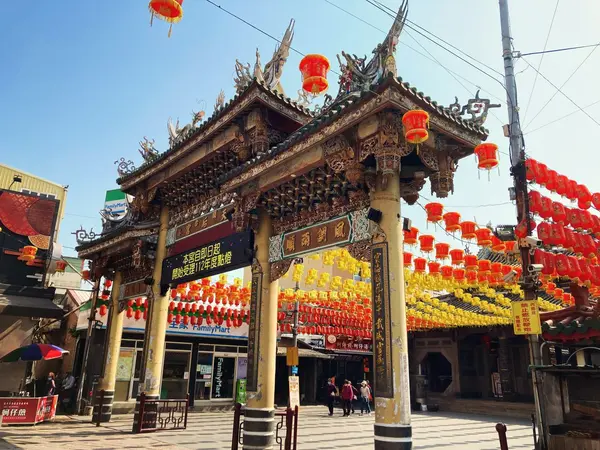
7. Qingshuiyan Temple
Un templo de 300 años donde los antiguos árboles de alcanfor custodian un manantial natural y las luciérnagas bailan en las noches de primavera. Recorre patios tranquilos, bebe té junto al arroyo de montaña y observa a los monjes barrer el musgo de los senderos de piedra.
Datos rápidos: Tres alcanfores antiguos dan sombra a los patios, uno de ellos con más de 300 años y una copa de 20 metros de ancho. Un manantial natural sigue fluyendo junto al santuario, dando al templo su nombre que significa "agua clara".
Destacados: Cada abril, miles de luciérnagas parpadean por los senderos del bosque circundante, convirtiendo la ladera en una constelación viviente. El maestro de caligrafía del templo ofrece clases gratuitas los fines de semana, permitiendo a los visitantes pintar sus propios deseos en tablillas de madera para colgarlas junto al manantial.
8. Tianwei Highway Garden
Pedalea entre campos infinitos de invernaderos repletos de flores donde trabajan los floricultores de Taiwán. Puedes detenerte en cualquier vivero, comprar una orquídea en maceta por menos de 5 dólares y ver cómo los cultivadores la envuelven recién salida del invernadero.
Datos rápidos: Más de 200 tiendas de jardinería y viveros bordean las carreteras aquí, convirtiendo esta zona en uno de los centros de distribución de flores más grandes de Asia. El área suministra casi el 70% de las plantas ornamentales y flores cortadas de Taiwán, cambiando de colores con cada temporada mientras los crisantemos, las pascuas y los girasoles florecen por turnos.
Destacados: A diferencia de un jardín cuidado y ordenado, este es un mercado vivo de 4.8 kilómetros donde puedes pasear entre viveros e invernaderos en funcionamiento, comprando directamente a los cultivadores que los cuidan. La verdadera magia ocurre al anochecer cuando miles de pequeñas luces de hadas colgadas entre los invernaderos se encienden, convirtiendo toda el área en un resplandeciente país de maravillas.
Where to Stay in Changhua, Taiwan
Selected by City Buddy based on guest reviews and proximity to top attractions
Search all hotels in Changhua, TaiwanPowered by agoda
Días de apertura en Changhua, Taiwan
Cuáles de las mejores atracciones cierran cada día de la semana, el clásico arruina-viajes, ya comprobado por ti.
lunes: 3 de 8 atracciones principales cerradas. Planifica los museos para otro día.
Cerrado el lunes · 3 cerradas, 5 abiertas
Días de apertura según Google Maps (verificado el 2026-06-27). Los días festivos, las huelgas y los horarios de temporada pueden variar. Consulta la web oficial antes de ir.
Platos dulces tradicionales
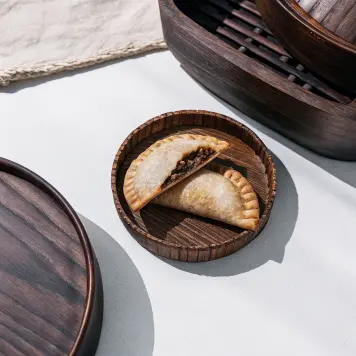
Lukang Ox Tongue Pastry (牛舌餅)
Despite its name, this pastry contains no ox tongue. It is a thin, crispy, maltose-filled biscuit shaped like an ox tongue, and Lukang is the most famous place in Taiwan to buy it.
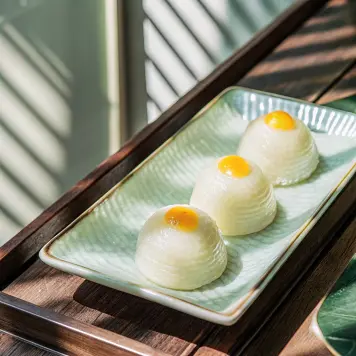
Phoenix Eye Cake (鳳眼糕)
This delicate, crumbly white pastry is made from premium glutinous rice flour and sugar. It gets its name from its oval shape resembling a phoenix eye, and it was once a tribute snack served to Qing Dynasty officials.
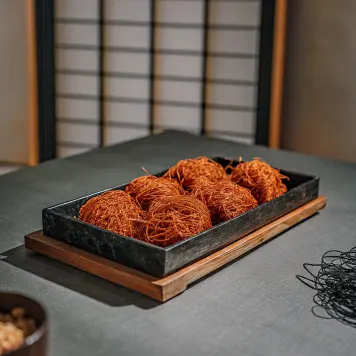
Dragon Beard Candy (龍鬚糖)
This traditional Chinese candy is made by pulling sugar into thousands of fine, hair-like strands, resembling a dragon's beard. It is filled with crushed peanuts, sesame seeds, and coconut, and Lukang is one of the best places to watch it made by hand.
Platos salados tradicionales
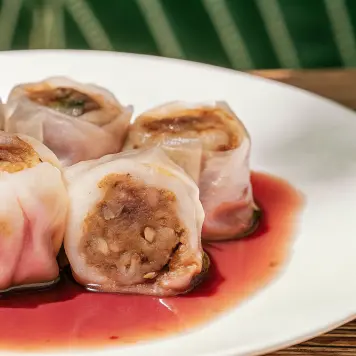
Changhua Meatballs (彰化肉圓)
Changhua meatballs are arguably the most famous ba wan in Taiwan. Unlike other versions, they are steamed then deep-fried, giving them a crispy exterior, and they are served with a sweet and savory brown sauce.
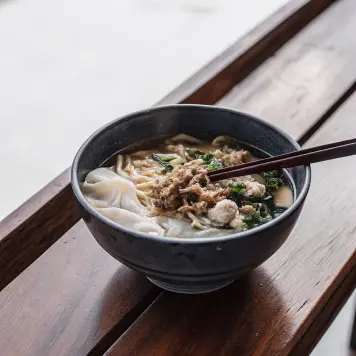
Cat and Mouse Noodles (貓鼠麵)
Despite its unusual name, this dish contains no cat or mouse. It was named after the nickname of its creator who was called "cat and mouse" for his agility, and the noodle soup features a rich, clear broth with ground pork and tender wontons.
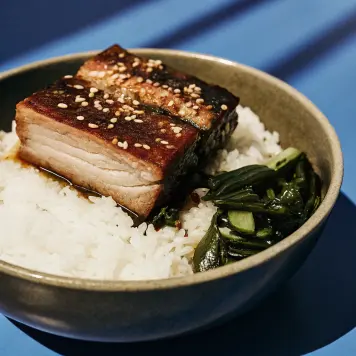
Changhua Braised Pork Rice (彰化爌肉飯)
Changhua is famous for its braised pork rice, featuring a massive, tender slab of pork belly slow-braised in soy sauce and spices. It is so beloved that many shops sell it as a late-night or breakfast staple, with some restaurants operating 24 hours a day.
Bebidas tradicionales
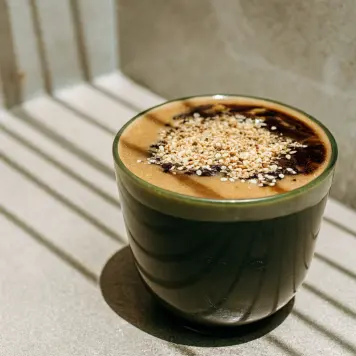
Mian Cha (麵茶)
Mian Cha is a warm, thick, porridge-like drink made from toasted wheat flour, sesame seeds, and sugar. It was originally a filling breakfast for farmers and is still a beloved nostalgic street drink in Lukang, Changhua.
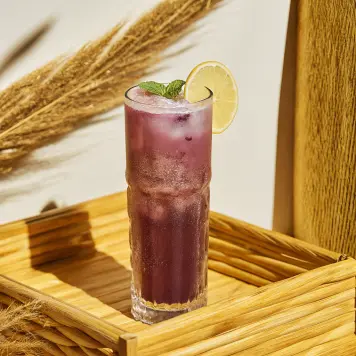
Sour Plum Drink (酸梅湯)
This tangy and refreshing drink is made by simmering smoked plums, hawthorn, licorice, and rock sugar for hours. It is a classic accompaniment to heavy street food in Changhua and is believed to aid digestion on hot days.
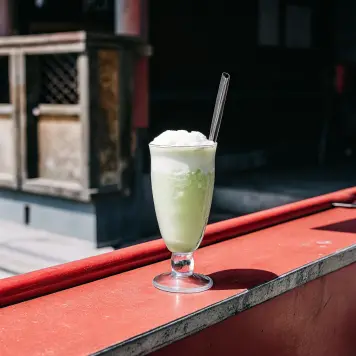
Mung Bean Shake (綠豆沙)
This creamy, slushy drink is made by blending cooked mung beans with ice and sugar until smooth. In Changhua's Lukang district, it is a wildly popular summer treat sold at iconic old-school stalls that have been operating for decades.
Recibe un PDF con las atracciones más populares en tu correo electrónico
Obtén un PDF con todas las atracciones, valoraciones y consejos. Perfecto para uso sin conexión.
Excursiones de un día más populares
Lukang Old Town
Historic port town with ancient temples, narrow alleys, and traditional crafts
Baguashan Great Buddha
Iconic hilltop Buddha statue with panoramic city views and hiking trails
Taichung City
Vibrant city with night markets, museums, and Rainbow Village
Xitou Nature Area
Mountain forest reserve with bamboo groves and suspension bridges
Cómo llegar
Estaciones de tren
Taiwan Railway West Coast Line (TRA)
Taiwan High Speed Rail connecting Taipei to Kaohsiung
From Taichung HSR station, take local TRA train or bus to Changhua Station in about 15 minutes. From Taichung Airport, take bus to Changhua.
Información útil para Changhua, Taiwan
Resumen de Changhua, Taiwan
¿Quieres un plan día a día para Changhua, Taiwan? Abre el planificador de viajes
¿Cuándo vas a Changhua, Taiwan?
Elige tus fechas y estilo de viaje para obtener:
¿Alguno de estos es especialmente importante para ti?
Selecciona todos los que apliquen
Cómo moverse
¿Cómo quieres moverte entre los lugares?
Idioma del plan: Español