 CityBuddy
 Français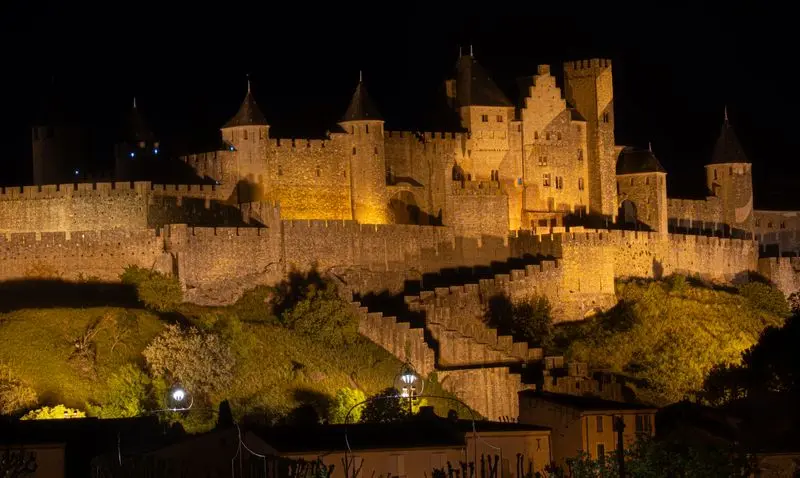
Que faire à Carcassonne, France
Photo prise par Carlo Giovanni Ghiardelli sur Pexels.com
Quand visiter
Attractions les plus populaires à Carcassonne, France
Si vous cherchez des choses à faire à Carcassonne, en France, la visite de la cité médiévale de Carcassonne est une expérience inoubliable. Cette forteresse fortifiée abrite le château comtal du XIIe siècle et la basilique Saint-Nazaire avec ses vitraux époustouflants. Ne manquez pas de vous promener sur le vieux pont Pont-Vieux pour profiter d'une vue magnifique.
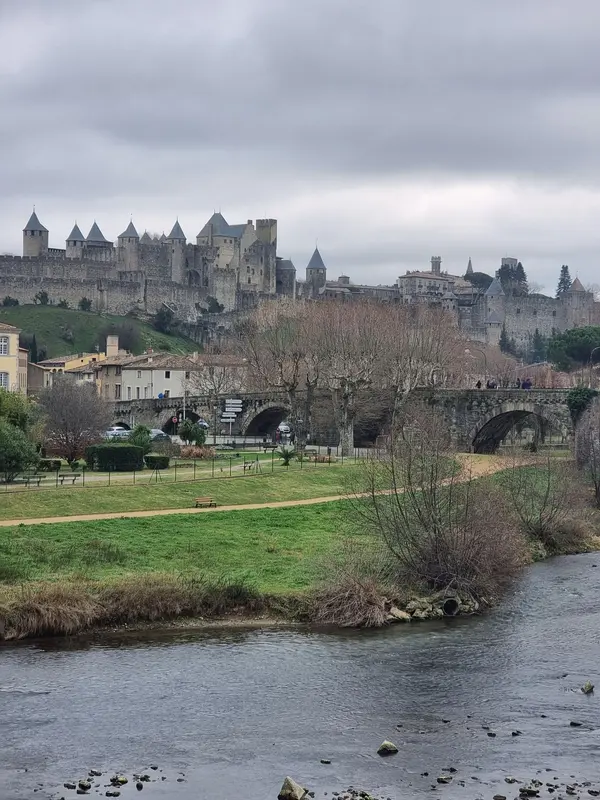
1. Cité de Carcassonne
La plus ancienne et la plus grande forteresse fortifiée d'Europe vous attend pour explorer ses remparts et ses 52 tours. Vous vivrez l'expérience de marcher dans des ruelles étroites imprégnées de l'odeur de l'histoire, avec des vues panoramiques à couper le souffle depuis le sommet des tours.
Faits rapides: Cette forteresse légendaire comprend 52 tours entourées de remparts d'une longueur totale d'environ 3 kilomètres. Elle a fait l'objet d'une restauration majeure au XIXe siècle sous la direction de l'architecte Viollet-le-Duc, qui a ajouté ces toits coniques emblématiques qui lui confèrent son aspect féerique actuel.
Points forts: Contrairement à ce que les visiteurs pourraient penser, les hauts toits coniques des tours n'existaient pas à l'origine au Moyen Âge, mais ont été ajoutés par l'architecte Viollet-le-Duc lors de sa restauration du château au XIXe siècle. Imaginez-vous debout au crépuscule alors que des milliers de lumières dorées scintillent à l'intérieur des murs de pierre, transformant la cité fortifiée en un tableau digne d'un artiste de génie.
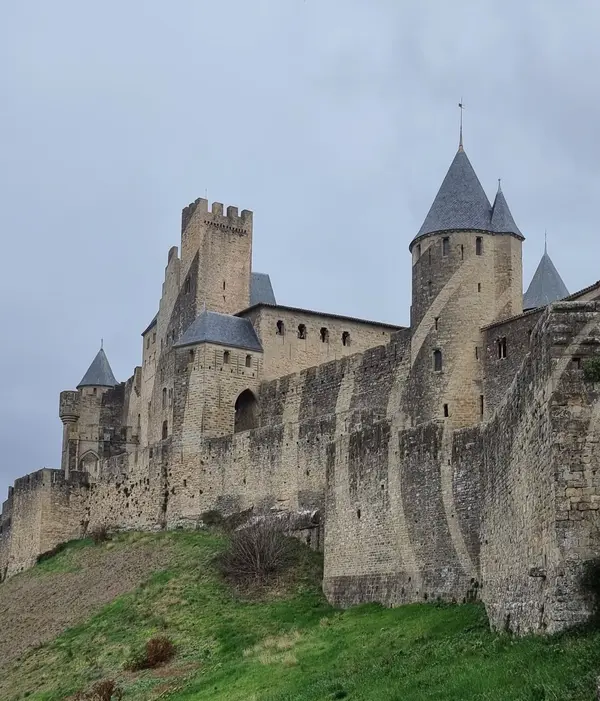
2. Château Comtal
Un château médiéval entouré de 52 tours comme des gardiens silencieux. Vous marcherez entre les murs de pierre et sentirez l'odeur de l'histoire dans chaque coin.
Faits rapides: Le mur d'enceinte extérieur du palais s'étend sur 3 kilomètres, entouré de 52 tours de guet. La restauration du palais au XIXe siècle a été dirigée par l'architecte Viollet-le-Duc, le même qui a redessiné la statue de la Liberté.
Points forts: À l'intérieur des épais murs de pierre, vous pouvez coller votre oreille à la paroi et entendre le grondement de l'eau qui coule dans les douves du XIIIe siècle. Le palais n'a jamais été vaincu lors d'un siège de toute son histoire, grâce à sa conception défensive géniale qui fait tourner l'assaillant dans un labyrinthe de cours étroites.
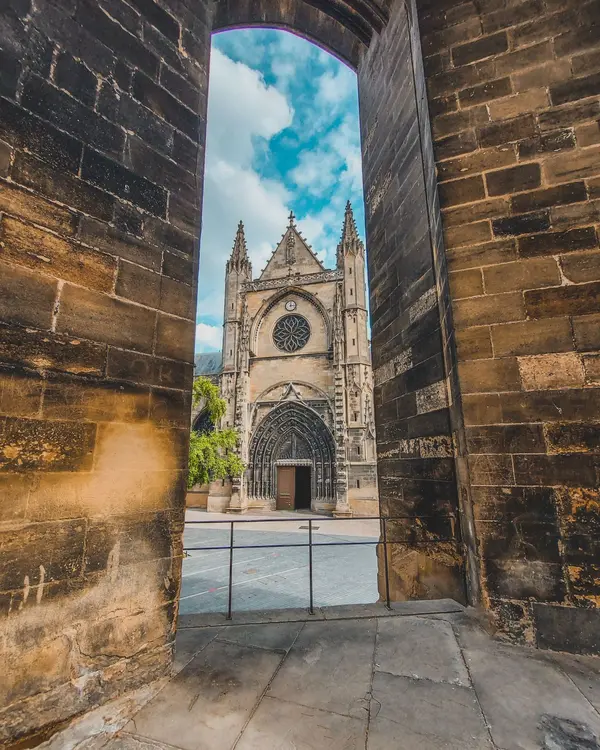
3. Basilique Saint-Nazaire
Une basilique qui raconte mille ans d'histoire dans chaque recoin. Vous franchirez une porte en bois vieille de 700 ans et contemplerez des lumières qui se faufilent à travers des vitraux racontant des histoires de rois et de saints.
Faits rapides: La basilique Saint-Nazaire possède un vitrail du XIVe siècle racontant l'histoire de la croisade des Albigeois. L'édifice se dresse sur l'emplacement d'une ancienne église du VIe siècle, et ses murs présentent des sculptures racontant des histoires de chevaliers et de rois.
Points forts: Sous les pieds des visiteurs dans la nef de l'église, trois tombes en pierre sculptée d'évêques du XIIIe siècle sont visibles, vous pouvez voir leurs effigies vêtus de leurs habits épiscopaux complets. Dans l'angle nord-ouest, un rayon de soleil matinal éclaire la grande rosace qui mesure 8 mètres de diamètre, et ses couleurs bleues et rouges se reflètent sur les colonnes de pierre romanes.
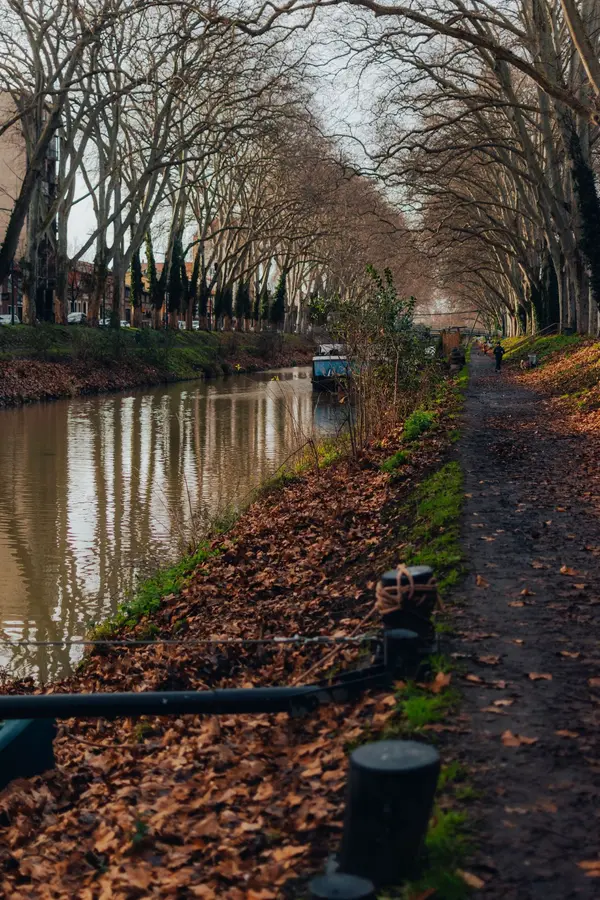
4. Canal du Midi
Naviguez entre les champs de tournesols et de vignes sous l'ombre des arbres centenaires. Vous aurez l'impression que le temps s'est arrêté en traversant les écluses de pierre vieilles de plus de 350 ans.
Faits rapides: Le canal s'étend sur 240 kilomètres et relie l'océan Atlantique à la mer Méditerranée. Il compte 63 écluses, 126 ponts et 7 ponts-canaux, et a été inscrit au patrimoine mondial de l'UNESCO en 1996.
Points forts: Ce qui distingue vraiment ce canal, ce sont les platanes qui ombragent ses rives, plantés sur ordre de Colbert au XVIIe siècle pour protéger les passants de la chaleur du soleil. Ils sont plus de 40 000 arbres et forment un tunnel vert enchanteur qui donne à la navigation une impression de voyage à travers un tableau peint en mouvement.
5. Porte Narbonnaise
L'entrée la plus spectaculaire de la cité de Carcassonne, où l'histoire vibre dans chaque pierre. Promenez-vous entre les deux hautes tours et imaginez les soldats médiévaux protégeant la ville depuis les remparts.
Faits rapides: La porte Narbonnaise est l'entrée principale de la cité fortifiée et constitue l'une des portes les plus remarquables du château médiéval. Les deux tours jumelles de la porte mesurent environ 40 mètres de haut et elle possède un rare pont-levis en pierre qui fonctionne encore aujourd'hui.
Points forts: Contrairement aux autres portes défensives, la porte Narbonnaise a été conçue avec deux tours massives volontairement asymétriques pour tromper les assaillants et rendre la cible plus difficile à bombarder. Lorsque vous vous tenez entre les deux tours et levez les yeux, vous remarquerez les ouvertures de jet d'huile bouillante encore visibles dans le plafond de pierre.
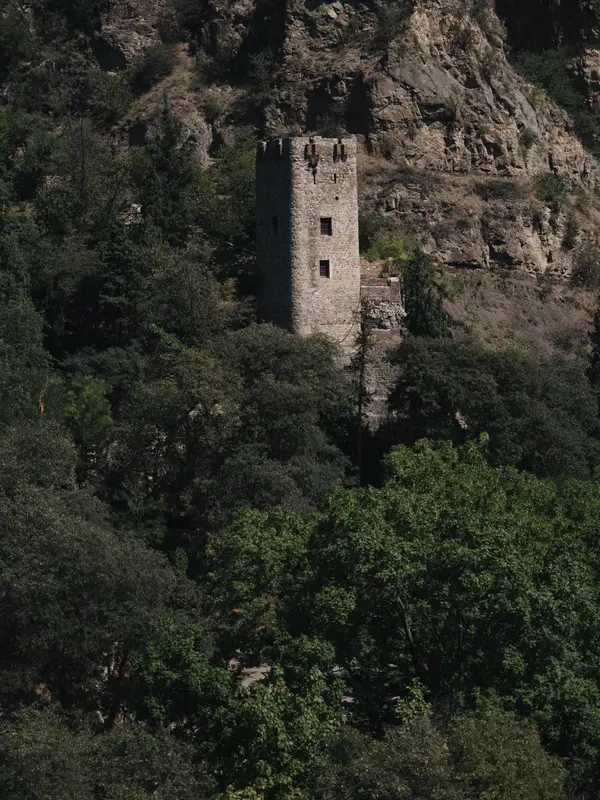
6. Château de Lastours
Un château qui vous emmène dans un voyage à travers le temps entre quatre forts étonnants. Gravissez les tours et profitez d'une vue panoramique sur les vallées verdoyantes du Languedoc.
Faits rapides: Il se compose de quatre anciens palais reliés entre eux, ce qui en fait l'un des plus grands ensembles seigneuriaux du sud de la France. Le plus ancien de ces palais remonte au XIe siècle et a résisté aux guerres des croisés contre les cathares.
Points forts: Imaginez quatre palais de pierre imposants au sommet d'une même colline, chacun racontant une histoire différente sur l'époque des chevaliers et des guerres. Lorsque vous vous tenez entre leurs murs par un jour brumeux, vous avez l'impression que les échos des batailles anciennes murmurent encore dans le vent.
7. Lac de la Cavayère
Un repos indescriptible loin de l'agitation de la ville, où les pins parfumés rencontrent les eaux turquoise du lac. Vous vous retrouverez à nager dans une eau pure et à vous allonger sur du sable doré sous le ciel ensoleillé du Languedoc.
Faits rapides: Le lac de la Cavayère s'étend sur 35 hectares et est entouré de pins et de vignes pour lesquels la région朗 est réputée. Ce lac artificiel a été créé dans les années 1970 pour devenir la destination de détente préférée des habitants de Carcassonne et de ses visiteurs.
Points forts: À quelques mètres sous la surface de l'eau chaude se cache un royaume de carpes géantes qui nagent à côté des visiteurs. Certains de ces poissons ont plus de 20 ans et comptent parmi les plus gros poissons des lacs du sud de la France.
Where to Stay in Carcassonne, France
Selected by City Buddy based on guest reviews and proximity to top attractions
Search all hotels in Carcassonne, FrancePowered by agoda
Jours d'ouverture à Carcassonne, France
Quels sites incontournables ferment quel jour de la semaine, le classique gâcheur de voyage, vérifié pour vous.
Bonne nouvelle : les 6 sites incontournables avec horaires connus sont ouverts tous les jours de la semaine.
Fermé le lundi · 0 fermés, 6 ouverts
Rien ne ferme le lundi, les 6 sites avec horaires connus sont ouverts.
Jours d'ouverture issus de Google Maps (vérifié le 2026-06-16). Jours fériés, grèves et horaires saisonniers peuvent varier, consultez le site officiel avant de partir.
Plats sucrés traditionnels

Carcassonne Honey Cake (Gâteau au Miel de Carcassonne)
This local honey cake is made with lavender honey from the nearby garrigue scrublands, giving it a distinct floral aroma that reflects the wild herbs of the Occitan landscape.

Crespèu (Carcassonne-style Crêpe)
These thin pancakes are traditionally filled with当地的 fruit jams or chestnut cream, and they have been a beloved street food at Carcassonne's medieval festivals for centuries.

Millas (Cornmeal Pudding)
Millas is a traditional cornmeal cake from the Languedoc region, often sweetened with local honey or brown sugar and sometimes flavored with orange blossom water, reflecting the area's Moorish culinary influences.
Plats salés traditionnels
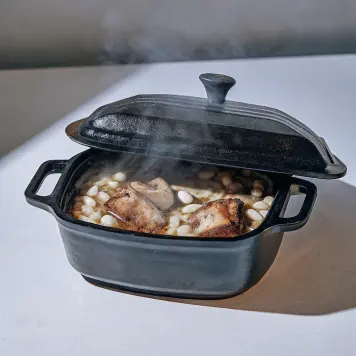
Cassoulet de Carcassonne
Unlike the Toulouse version, Carcassonne's cassoulet uniquely includes whole pieces of lamb and partridge alongside the traditional pork and duck confit, a recipe dating back to the Middle Ages.

Fricassée Carcassonnaise
This rich stew features chicken or rabbit cooked slowly in white wine with mushrooms and local herbs, and it has been a staple dish in Carcassonne homes for generations.
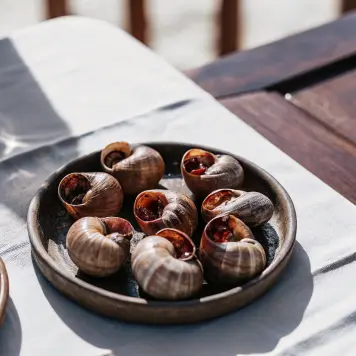
Cargolade (Grilled Snails)
A Languedoc specialty popular in Carcassonne, this dish involves grilling local land snails over vine clippings and serving them with a spicy garlic and tomato sauce called rouille.
Boissons traditionnelles

Blanquette de Limoux
This sparkling white wine from the nearby Limoux area was created by monks in 1531, predating Champagne by nearly a century and making it the world's oldest known sparkling wine.
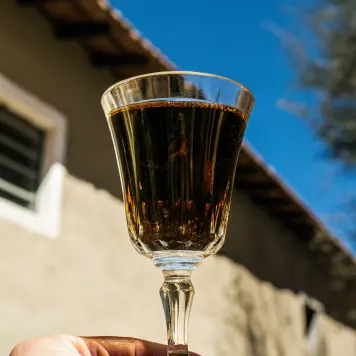
Cartagène
A traditional sweet aperitif from the Languedoc region, Cartagène is made by mixing unfermented grape must with brandy, creating a fortified wine that locals enjoy chilled before meals.

Pastis Carcassonnais
While pastis is famous in southern France, Carcassonne has its own variation infused with local aniseed and wild fennel from the surrounding hills, giving it a distinctly herbal profile.
Questions fréquentes sur Carcassonne, France
Carcassonne, France est-elle sûre ?
Combien de jours faut-il pour visiter Carcassonne, France ?
Quelle est la meilleure période pour visiter Carcassonne, France ?
Carcassonne, France est-elle chère ?
Comment se déplacer dans la ville de Carcassonne, France ?
Recevez un PDF avec les attractions les plus populaires envoyé à votre email
Obtenez un PDF avec toutes les attractions, évaluations et conseils. Parfait pour une utilisation hors ligne.
Excursions d'une journée les plus populaires
Narbonne
Roman city with canal port, cathedral, and Les Halles market
Toulouse
Vibrant city known for space center, pink buildings, and cuisine
Albi
UNESCO city with massive brick cathedral and Toulouse-Lautrec museum
Montpellier
Lively university city with medieval streets and modern architecture
Comment y arriver
Gares
TGV and TER lines to Toulouse, Montpellier, Narbonne, and Perpignan
A shuttle bus connects Carcassonne Airport to the train station and city center in about 15 minutes. From Toulouse Airport, take a shuttle to Toulouse Matabiau station then a TGV train to Carcassonne.
Informations utiles pour Carcassonne, France
Aperçu de Carcassonne, France
Vous voulez un plan jour par jour pour Carcassonne, France ? Ouvrez le planificateur de voyage
Quand partez-vous à Carcassonne, France ?
Choisissez vos dates et style de voyage pour obtenir :
Qu'est-ce qui est particulièrement important pour vous ?
Sélectionnez tout ce qui s'applique
Se déplacer
Comment souhaitez-vous vous déplacer entre les lieux ?
Langue du plan : Français