 CityBuddy
 Français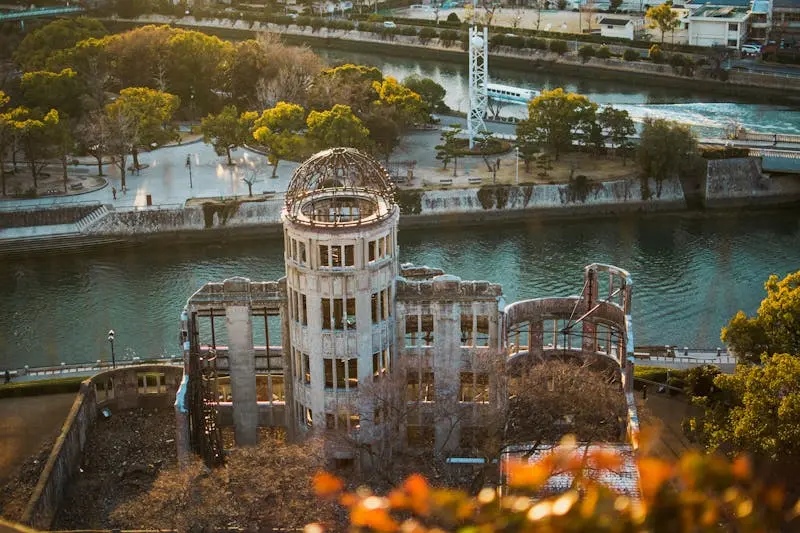
Que faire à Hiroshima, Japan
Photo prise par Hoi Wai sur Pexels.com
Quand visiter
Hiroshima est la #12 ville la plus sûre au monde, selon nos données sur des centaines de destinations.
Attractions les plus populaires à Hiroshima, Japan
Les choses à faire à Hiroshima, au Japon, incluent la visite du Dôme de la bombe atomique, un rappel poignant à seulement 2 km du centre-ville. Explorez le Musée du Mémorial de la Paix d'Hiroshima pour une leçon d'histoire puissante. Promenez-vous dans le Parc du Mémorial de la Paix, un espace serein de 120 000 mètres carrés qui rend hommage à la résilience et à l'espoir.
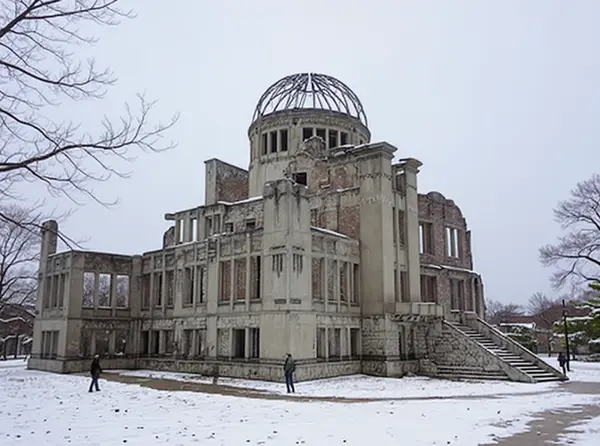
1. Atomic Bomb Dome
Un puissant mémorial de la dévastation de la guerre et de la résilience humaine. Promenez-vous parmi les ruines préservées, lisez les plaques et ressentez l'atmosphère solennelle.
Faits rapides: Un squelette de ruine couronne le parc au bord de la rivière, la brique exposée et l'acier tordu dessinent une silhouette étrange et silencieuse contre le ciel. Les visiteurs s'arrêtent souvent en silence tandis que la lumière du soleil filtre à travers les fenêtres fissurées et que les pigeons nichent parmi les ferronneries, offrant un contraste étonnamment paisible avec le passé lourd du lieu.
Points forts: Non loin, une tradition attire des écoliers du monde entier qui plient chaque année plus de 50 000 grues en papier, beaucoup inscrites de noms et de courtes prières qui ondulent dans le vent. Une lumière orange chaleureuse se déverse à travers les fenêtres brisées, transformant le verre craquelé en minuscules miroirs tandis que le doux murmure de la rivière et les pas lointains rendent l'endroit étrangement vivant.
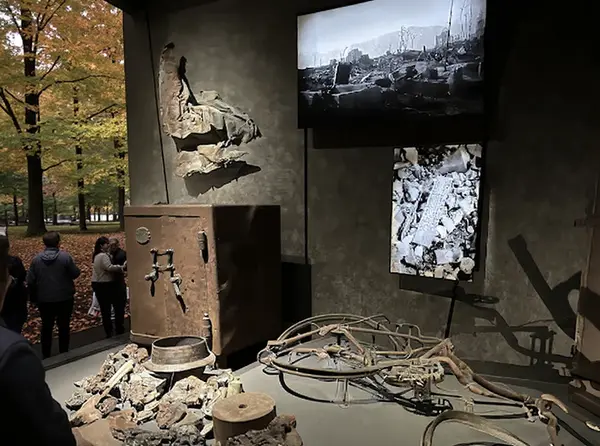
2. Hiroshima Peace Memorial Museum
Musée puissant qui documente le bombardement atomique de 1945 et promeut la paix. Découvrez des artefacts originaux, des témoignages de survivants et des expositions soigneusement organisées.
Faits rapides: À l'intérieur des expositions, des objets personnels comme des vêtements calcinés, une roue de vélo déformée et une montre à gousset fondue arrêtée à 8h15 mettent en lumière l'échelle humaine de l'explosion. Des visites audio et des témoignages oculaires sont proposés en plusieurs langues, et de nombreux visiteurs rapportent un silence dans les galeries qui rend les bruits ordinaires de la ville étonnamment proches par la suite.
Points forts: Une vitrine rend hommage à Sadako Sasaki avec un fil préservé de 1 000 grues en origami, tandis que des groupes scolaires et des visiteurs en déposent des dizaines de milliers d'autres à l'extérieur, attachées en bottes colorées qui s'accumulent comme des confettis. En sentant un léger encens et en voyant le papier brillant attraper la lumière, on peut lire de minuscules noms et dates écrits à la main sur certaines grues, une réponse tactile et continue aux histoires humaines derrière les expositions.
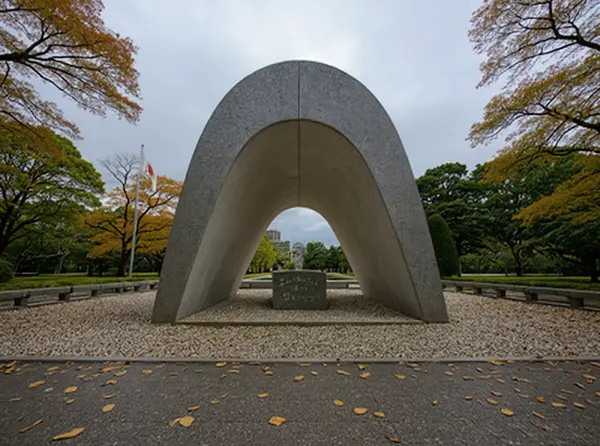
3. Peace Memorial Park
Un puissant mémorial en plein air retraçant l'histoire et la résilience de Hiroshima. Parcourez des chemins paisibles, voyez le Dôme de la Bombe A, le cénotaphe et les expositions émouvantes du musée.
Faits rapides: Un dôme ruiné squelettique s'élève parmi les ginkgos, préservé comme une silhouette frappante et silencieuse de l'explosion. Les visiteurs marchent le long d'allées bordées d'arbres devant un cénotaphe en pierre incurvé et une rivière, repérant des dizaines de statues et une flamme entretenue comme un engagement symbolique contre les armes nucléaires.
Points forts: Une statue en bronze d'une petite fille est enveloppée de grues en origami colorées, liée à l'histoire de Sadako Sasaki qui souhaitait plier 1 000 grues en papier pour demander sa guérison. Autour de la flamme silencieuse, on entend un doux sifflement et on sent l'huile, des détails sensoriels qui rendent le vœu d'éliminer les armes nucléaires étrangement immédiat, tandis que des colis de soin de grues arrivent encore de plus de 100 pays.
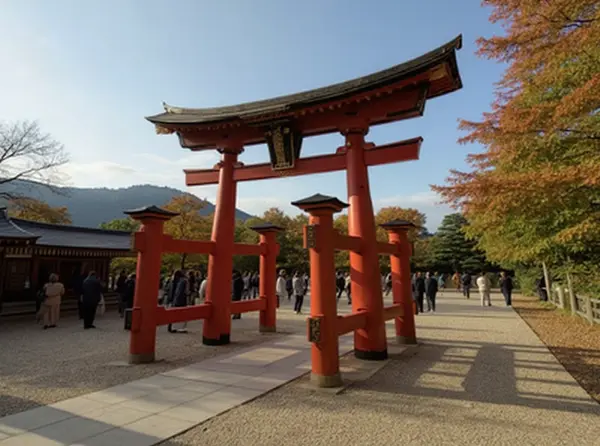
4. Itsukushima Shrine
Un torii vermillon surgissant de la mer encadre des vues côtières inoubliables. Promenez-vous sur les passerelles du sanctuaire au gré des marées et regardez les daims apprivoisés errer sur l'île.
Faits rapides: Un torii vermillon vif semble flotter sur la baie à marée haute, offrant un reflet parfaitement encadré que les photographes recherchent au lever du soleil. Les foules grossissent pendant la saison des cerisiers en fleurs et des couleurs d'automne, les gens se tenant épaule contre épaule le long du rivage pour capturer la silhouette reflétée du portail.
Points forts: Un torii de 16,6 mètres semble planer quand la marée monte, puis à marée basse on peut marcher sur le sable humide et se tenir sous ses piliers sculptés tandis que les mouettes tournoient au-dessus. Les habitants célèbrent encore le festival Kangen-sai en lançant des dizaines de bateaux laqués, des musiciens en robes de soie jouant de la musique de cour ancienne à la lumière des torches tandis que le son ondule sur l'eau.
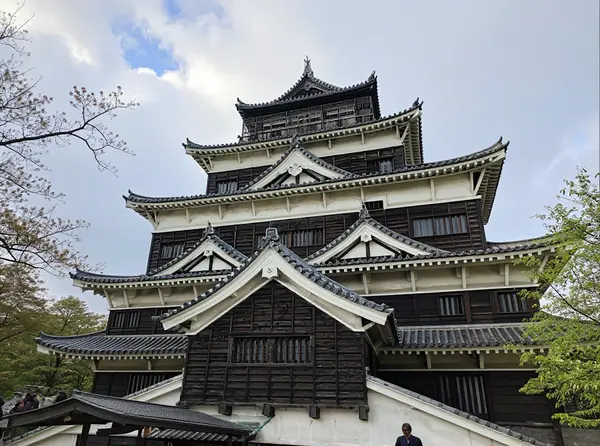
5. Hiroshima Castle
Entrez dans l'histoire de l'époque des samouraïs au Château de Hiroshima. Gravissez le donjon reconstruit pour découvrir les expositions du musée et une vue panoramique sur la ville.
Faits rapides: Levez les yeux pour voir des ornements shachihoko plaqués or scintiller le long de la ligne de toit, de minuscules sculptures censées éloigner le feu. Un donjon principal de cinq étages abrite des expositions d'armures de samouraïs et de cartes historiques, et les douves ainsi que les tourelles reconstruites offrent une promenade étonnamment photogénique.
Points forts: Montez jusqu'à la plateforme d'observation du cinquième étage pour une vue panoramique à 360 degrés de la ville, et par temps exceptionnellement clair, repérez le torii de Miyajima à environ 20 kilomètres de l'autre côté de la baie. Une photographie obsédante de 1945 près de l'entrée ne montre que la base en pierre après l'explosion du 6 août, le contraste donnant aux armures de samouraïs préservées et aux cartes en papier du musée une échelle humaine étonnamment intime.
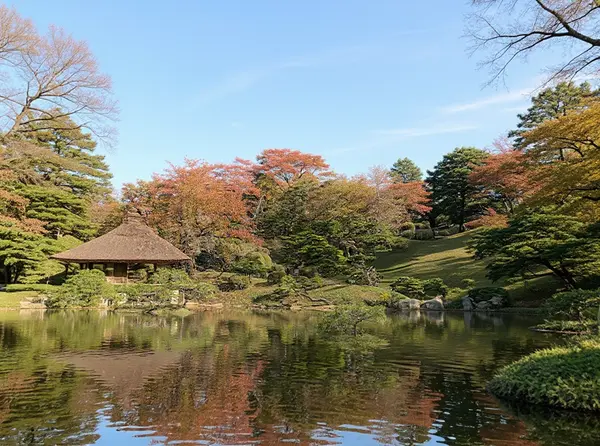
6. Shukkeien Garden
Jardin japonais classique et tranquille au centre de Hiroshima, avec des paysages miniatures, des maisons de thé et des étangs miroitants. Flânez sur les sentiers sinueux, photographiez les cerisiers en fleurs au printemps et les érables en automne.
Faits rapides: Des chemins tranquilles serpentent à travers des paysages miniatures, où des lanternes en pierre émergent de berges moussues et des érables ponctuent chaque vista. Les expositions saisonnières passent des pâles cerisiers en fleurs aux érables flamboyants, tandis que les carpes glissent sous des ponts de bois qui plient les reflets en lavis d'encre vivants.
Points forts: Poussez une porte basse et le jardin se resserre en un diorama vivant, où un seul étang central encadre des îles miniatures, de minuscules ponts, et une taille si précise que chaque colline se lit comme un coup de pinceau. Dans la brume matinale, l'air a un léger goût de pierre humide et de thé vert, et en s'accroupissant on entend le doux claquement des queues de carpe tandis que les lanternes ondulent dans l'eau.
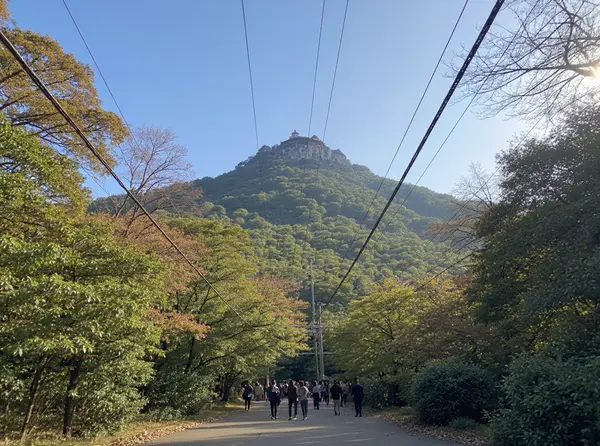
7. Mount Misen
Panoramas côtiers époustouflants et forêts de cèdres anciennes au sommet du mont sacré de Miyajima. Randonnez ou prenez le téléphérique pour rejoindre des temples, une flamme éternelle et des vues imprenables sur la mer intérieure de Seto.
Faits rapides: Nichée parmi de vieux cèdres, le sommet récompense les randonneurs avec un panorama à 360 degrés de dizaines de petites îles et de voies d'eau rubanées. Les sentiers escarpés grimpent d'environ 535 mètres, et de curieux macaques sauvages observent parfois depuis les rochers ombragés tandis que des brises parfumées au pin portent une légère odeur de sel.
Points forts: Une petite salle au sommet de la montagne conserve une « flamme éternelle » que la tradition attribue au moine Kūkai en 806, et une étincelle de ce feu a été utilisée pour allumer une flamme commémorative de la paix en 1964. En s'approchant, on sent l'air chaud et l'encens tandis que la fumée de bronze s'enroule autour de statues de bois patinées que les pèlerins touchent encore pour porter chance.
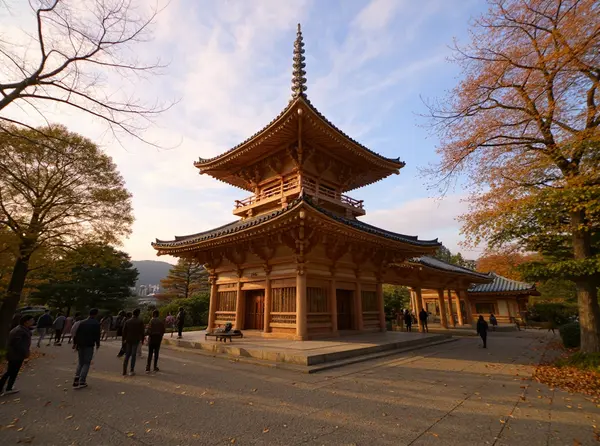
8. Hiroshima Orizuru Tower
Vues panoramiques sur Hiroshima et une expérience interactive de pliage de grues en papier. Pliez votre propre Orizuru sur place, montez sur la terrasse et admirez le Parc du Mémorial de la Paix d'en haut.
Faits rapides: Une plateforme d'observation perchée au-dessus de la ville offre des vues panoramiques où le verre moderne rencontre la silhouette sombre d'un dôme en ruine de l'autre côté de la rivière. Les visiteurs peuvent plier une grue en papier et l'ajouter à une installation collective, un rituel qui remplit les murs de milliers de pièces d'origami colorées chaque année.
Points forts: Montez sur la terrasse sur le toit et le vent apporte la légère odeur métallique de la rivière lointaine, tandis que chaque angle encadre le dôme ruiné comme une photographie suspendue dans le temps. Le personnel local collecte les grues pliées par les visiteurs en paquets d'environ 1 000 pour des expositions mensuelles ou des dons, une pratique qui transforme les impulsions individuelles en papier en longues chaînes de couleur et de vœux écrits à la main.
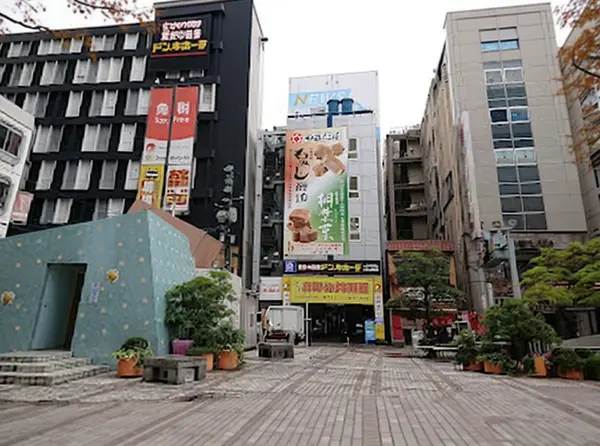
9. Okonomimura
Centre animé d'okonomiyaki authentique à la mode de Hiroshima et de comptoirs de restauration vivants. Goûtez aux variations de plusieurs stands tout en regardant les chefs cuisiner sur le teppan.
Faits rapides: Un bâtiment compact cache plus de 25 minuscules cuisines de stands réparties sur quelques étages, chacune servant sa propre version d'une crêpe salée feuilletée. Les plaques chauffantes en fer claquent avec le chou, les nouilles, la pâte et le porc, tandis que l'air se remplit de sauce sucrée-salée et de mayonnaise alors que les chefs retournent les commandes les unes après les autres.
Points forts: Un comptoir empile régulièrement jusqu'à cinq crêpes en une seule commande, chaque retour projetant de la vapeur, un arôme de sésame et un fumé brûlé dans la pièce. Les habitués notent leurs combinaisons préférées sur un tableau commun, listant double sauce, tourbillon de mayo et nouilles supplémentaires, et vous pouvez pointer un nom griffonné comme « Spécial Maman » pour obtenir le plat signature du chef.
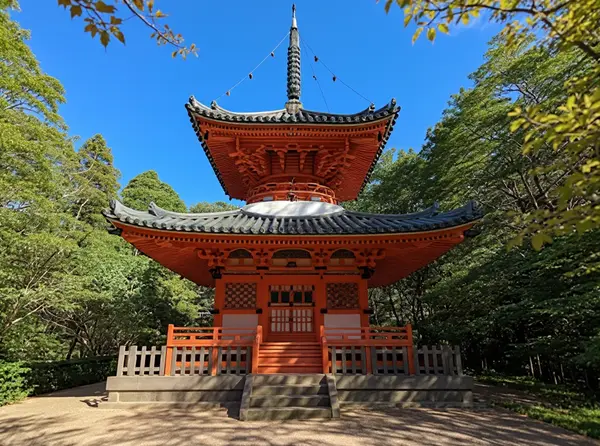
10. Mitaki-dera
Un temple tranquille niché dans une vallée moussue, parfait pour les couleurs d'automne et la réflexion silencieuse. Parcourez les sentiers ombragés, écoutez les cascades et photographiez les Jizo en pierre et une pagode à trois étages.
Faits rapides: À l'abri de vieux cèdres et d'érables, les jardins sont traversés par trois cascades scintillantes qui adoucissent le bruit de la ville en doux murmures. Les visiteurs se promènent sur des allées moussues passant de vieilles lanternes en pierre et des fleurs de saison, trouvant des hortensias vifs en été et des érables flamboyants en automne.
Points forts: Un sentier tapissé de mousse vous amène à portée de bras de la cascade principale, où la brume fraîche, les pierres dégoulinantes et le faible carillon des cloches du temple se mêlent en une atmosphère étonnamment intime. Au crépuscule, de petites veilleuses ambrées nichées dans des lanternes en pierre projettent une lumière tremblante sur des Bouddhas sculptés, et quelques aînés glissent discrètement une seule pièce dans l'offrande tandis que la lumière des bougies se reflète sur le granit mouillé.
Where to Stay in Hiroshima, Japan
Selected by City Buddy based on guest reviews and proximity to top attractions
Search all hotels in Hiroshima, JapanPowered by agoda
Jours d'ouverture à Hiroshima, Japan
Quels sites incontournables ferment quel jour de la semaine, le classique gâcheur de voyage, vérifié pour vous.
Bonne nouvelle : les 8 sites incontournables avec horaires connus sont ouverts tous les jours de la semaine.
Fermé le lundi · 0 fermés, 8 ouverts
Rien ne ferme le lundi, les 8 sites avec horaires connus sont ouverts.
Jours d'ouverture issus de Google Maps (vérifié le 2026-02-24). Jours fériés, grèves et horaires saisonniers peuvent varier, consultez le site officiel avant de partir.
Plats sucrés traditionnels
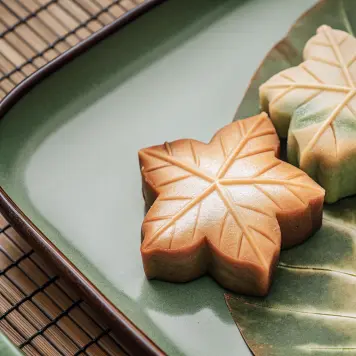
Momiji Manju
A maple-leaf-shaped cake filled with sweet red bean paste, Momiji Manju originated on Miyajima and became the region's most iconic souvenir sweet.
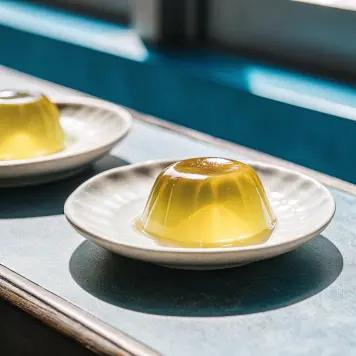
Hassaku Jelly
Made from hassaku, a tart citrus grown around Hiroshima, these jellies and candies capture the bright, tangy flavor local orchards are famous for.

Setouchi Lemon Cake
Using lemons grown on islands in the Seto Inland Sea, these light lemon cakes showcase Hiroshima's reputation for citrus and pair beautifully with tea.
Plats salés traditionnels

Hiroshima-style Okonomiyaki
The Hiroshima-style pancake is layered with batter, large amounts of cabbage, pork, and often soba or udon noodles, distinguishing it from the Osaka version and making it a beloved local comfort food.
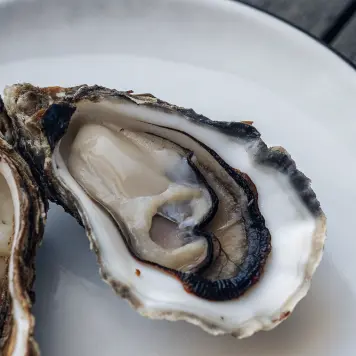
Kaki (Hiroshima Oysters)
Hiroshima produces around half of Japan's oysters, and locals enjoy them fresh, grilled, deep-fried, or simmered in nabe during the winter season.
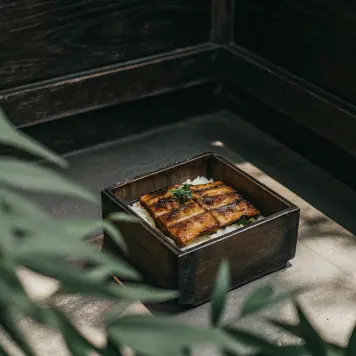
Anago Meshi
A specialty of Miyajima, anago meshi features grilled conger eel glazed with a sweet soy sauce over rice, commonly sold as a local bento and souvenir.
Boissons traditionnelles

Saijo Sake
The Saijo area in Higashihiroshima is famous for its century-old breweries and mellow, well-balanced sake, making it one of Japan's most respected sake regions.

Setouchi Lemon Chu-hai
A refreshing highball made with local Setouchi lemons and shochu, lemon chu-hai highlights Hiroshima's citrus produce and is popular in summer festivals and izakayas.
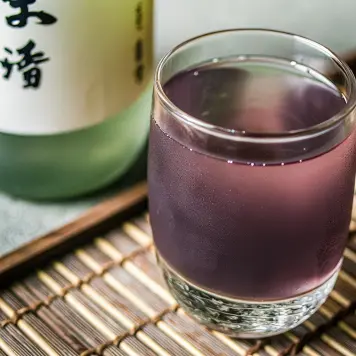
Umeshu (Plum Wine)
Homemade and locally produced umeshu are common in Hiroshima, offering a sweet, fruity liqueur traditionally served on the rocks or with soda.
À savoir avant de partir
Combien coûte une journée à Hiroshima et les arnaques à éviter
Coût par personne et par jour
Questions fréquentes sur Hiroshima, Japan
Quelle est la meilleure période pour visiter Hiroshima, au Japon ?
Hiroshima, au Japon, est-elle sûre pour les voyageurs ?
Quel est le coût de la vie ou d'un séjour à Hiroshima, au Japon ?
Comment se déplacer à Hiroshima, au Japon ?
L'eau du robinet est-elle potable à Hiroshima ?
Recevez un PDF avec les attractions les plus populaires envoyé à votre email
Obtenez un PDF avec toutes les attractions, évaluations et conseils. Parfait pour une utilisation hors ligne.
Excursions d'une journée les plus populaires
Miyajima (Itsukushima)
Famous floating torii, shrine, island hikes and views.
Iwakuni (Kintaikyo Bridge)
Historic wooden bridge, castle, and riverside scenery.
Onomichi
Canal-side town, temple walks, gateway to Shimanami Kaido.
Kurashiki (Bikan Quarter)
Preserved merchant district, canals, art museums.
Himeji
Iconic UNESCO castle, well preserved feudal architecture.
Comment y arriver
Aéroports
Gares
Sanyo Shinkansen, JR Sanyo Line, local lines and trams
Sanyo Shinkansen, JR Sanyo Line
JR Sanyo Line, ferry access to Miyajima
From Hiroshima Airport take the airport limousine bus to Hiroshima Station, about 45 minutes.
Informations utiles pour Hiroshima, Japan
Aperçu de Hiroshima, Japan
Vous voulez un plan jour par jour pour Hiroshima, Japan ? Ouvrez le planificateur de voyage
Quand partez-vous à Hiroshima, Japan ?
Choisissez vos dates et style de voyage pour obtenir :
Qu'est-ce qui est particulièrement important pour vous ?
Sélectionnez tout ce qui s'applique
Se déplacer
Comment souhaitez-vous vous déplacer entre les lieux ?
Langue du plan : Français