 CityBuddy
 Français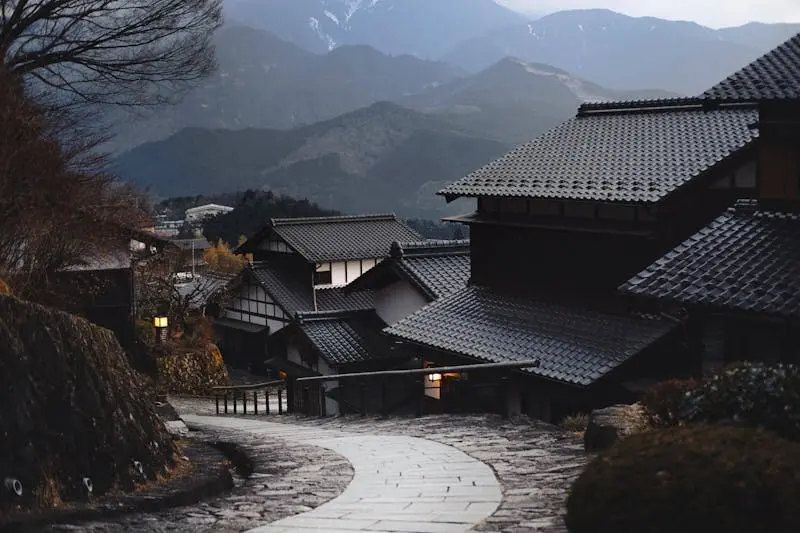
Que faire à Kiso, Japan
Photo prise par Evgeny Tchebotarev sur Pexels.com
Quand visiter
Quand partez-vous à Kiso, Japan ?
Choisissez vos dates et style de voyage pour obtenir :
Qu'est-ce qui est particulièrement important pour vous ?
Sélectionnez tout ce qui s'applique
Plan language: FrançaisAttractions les plus populaires à Kiso, Japan
Les activités à faire à Kiso, au Japon incluent la marche sur le tronçon de 8 kilomètres du sentier historique Nakasendo entre Tsumago-juku et Magome-juku. Explorez les villages-relais de l'époque Edo bien préservés avec leurs auberges traditionnelles en bois. Visitez le serein sanctuaire Kiso Ontake et profitez des vues riveraines le long de la rivière Kiso immaculée pour un mélange parfait d'histoire et de nature.
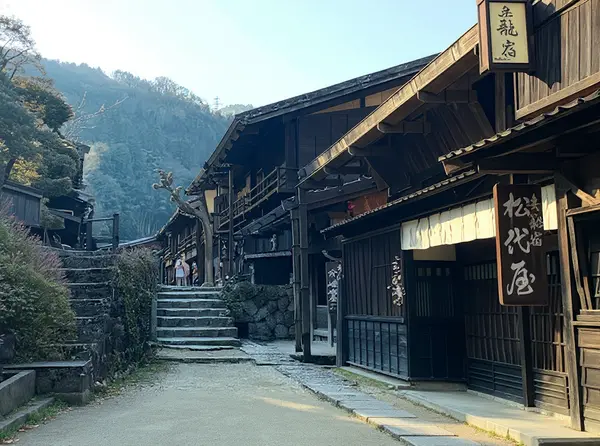
1. Tsumago-juku
Replongez à l'époque d'Edo sur un tronçon de 4 km où le temps ralentit au rythme des volets en bois et du tatami. Découvrez un village qui vit vraiment son histoire avec des rues sans voitures et des auberges traditionnelles.
Faits rapides: Le village conserve plus de 20 bâtiments de la période Edo qui bordent une étendue de 4 kilomètres, autrefois un arrêt essentiel pour les voyageurs sur le sentier Nakasendo. Plus de 200 000 visiteurs parcourent ces rues chaque année, s'imprégnant de son artisanat d'antan et de ses façades en bois.
Points forts: Les hôtes locaux suivent strictement les règles interdisant les voitures et les panneaux d'affichage modernes pour que l'ambiance reste figée dans le temps, donnant l'impression à chaque pas de pénétrer dans un musée vivant. Le village propose même des séjours de nuit dans des auberges historiques où les voyageurs peuvent dormir sur des tatamis et prendre des petits déjeuners traditionnels japonais préparés avec des ingrédients locaux.
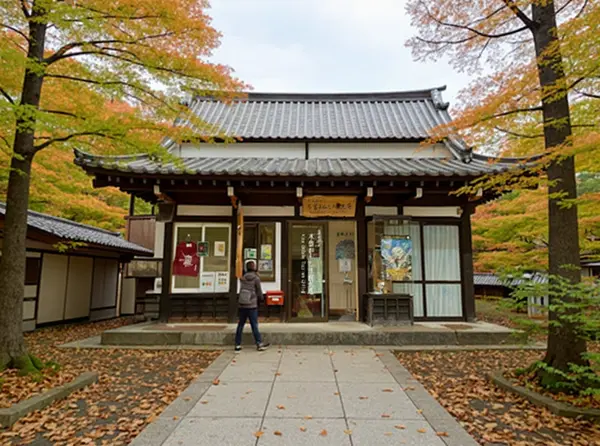
2. Kiso Ontake Shrine
Entrez dans une porte spirituelle menant à l'un des plus hauts sommets volcaniques du Japon. Vivez des rituels de purification ancestraux et des décorations sacrées vibrantes.
Faits rapides: Environ 1,5 million de personnes visitent chaque annee pour rendre hommage a la divinite de la montagne ici. Le sanctuaire se dresse pres du mont Ontake, le deuxieme plus haut volcan du Japon, attirant les adeptes de la montagne et les randonneurs.
Points forts: Les visiteurs peuvent assister au rituel de purification en 33 etapes unique a ce sanctuaire, ou les fideles se lavent les mains et la bouche en recitant des prieres. Des cordes sacrees colorees appelees "shimenawa" s'etendent le long du chemin principal, chacune mesurant jusqu'a 30 metres de long et tissees en paille de riz pour eloigner les mauvais esprits.
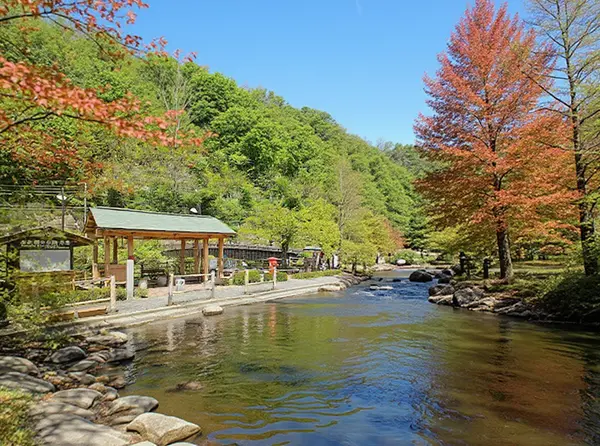
3. Kiso River
Explorez des paysages fluviaux pittoresques riches en traditions culturelles. Vivez des festivals de lanternes lumineuses et de paisibles promenades en bateau sous les lucioles estivales.
Faits rapides: Coulant sur environ 213 kilometres, cette riviere traverse la vallee montagneuse du Kiso au Japon, offrant des ecosystemes d'eau douce et des scenes de peche animees. Elle a joue un role crucial dans les routes commerciales historiques et les communautes locales pendant des siecles.
Points forts: A cote des bateaux en bois traditionnels appeles "Yakatabune" qui flottent pendant les festivals d'ete, la riviere offre de magnifiques spectacles de lucioles au debut de l'ete illuminant les eaux nocturnes. Une tradition saisonniere unique inclut les habitants qui liberent des lanternes en bois au coucher du soleil, creant des traces lumineuses le long de l'eau.
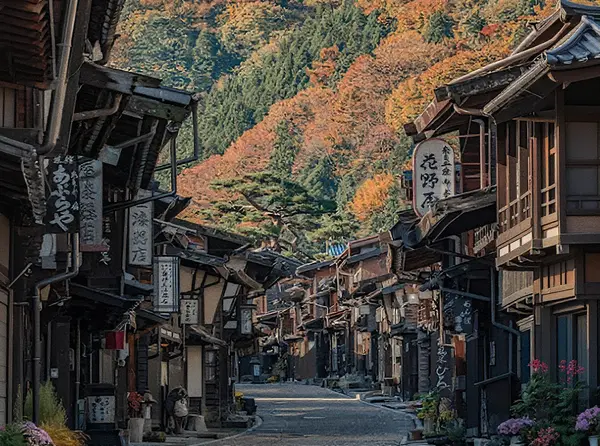
4. Narai-juku
Retournez à l'époque d'Edo avec une superbe architecture en bois et de charmants stands de nourriture. Flânez dans les rues éclairées de lanternes et savourez la tradition à chaque bouchée.
Faits rapides: Promenadez-vous dans une rue bordée de plus de 30 bâtiments historiques en bois préservés de la période Edo au Japon. Dégustez des spécialités locales comme les raviolis oyaki et les nouilles soba dans des échoppes familiales.
Points forts: La ville présente 70 maisons de marchands en bois, chacune avec des treillages sculptés à la main uniques et des toits de tuiles d'argile. Découvrez le charme silencieux au crépuscule lorsque les lanternes en papier illuminent la rue, créant une lueur ambrée chaleureuse rarement vue ailleurs.
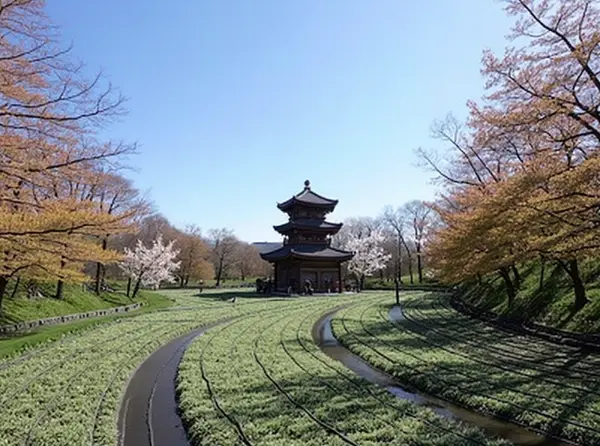
5. Daio Wasabi Farm
Découvrez un vaste paradis de wasabi aux ruisseaux cristallins. Marchez le long du wasabi sous l'eau, entouré de roues à eau historiques qui tournent.
Faits rapides: Plus de 15 hectares de champs de wasabi sont irrigués par l’eau pure de la montagne provenant des Alpes du Nord. L’endroit transforme le wasabi en divers produits, des racines fraîches aux sauces et aux sucreries, attirant environ 400 000 visiteurs par an.
Points forts: Des ruisseaux d’eau claire traversent la ferme, permettant aux visiteurs de voir les plants de wasabi pousser sous l’eau, les racines ancrées dans l’eau froide qui coule rapidement. Les roues à eau en bois emblématiques, dont certaines ont plus de 100 ans, ajoutent un charme rythmique en tournant lentement, entraînées par l’eau vive.
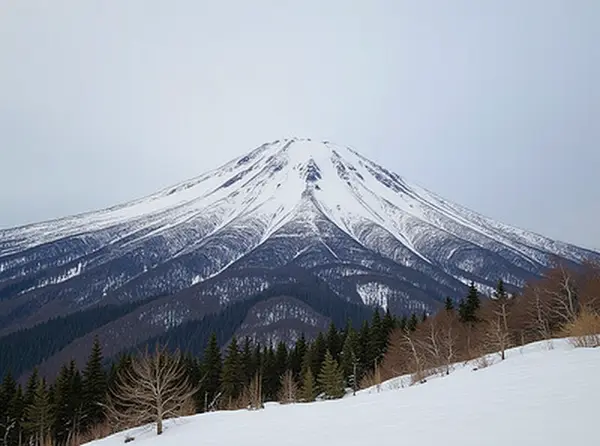
6. Mount Ontake
Un sommet volcanique pittoresque imprégné de tradition spirituelle. Vivez un feuillage automnal vibrant et d'anciens sanctuaires de montagne sur le sentier.
Faits rapides: Le montagne s'élève à 3 067 mètres, ce qui en fait le deuxième volcan le plus haut du Japon. Il attire plus de 200 000 randonneurs chaque année, attirés par sa signification spirituelle et sa beauté naturelle.
Points forts: Les itinéraires d'escalade passent par des sanctuaires sacrés où les visiteurs prient en cours de route, donnant l'impression de traverser un ancien rituel vivant. En automne, les roches volcaniques contrastent vivement avec le feuillage rouge flamboyant et doré, offrant des vues panoramiques à couper le souffle, rares sur d'autres sommets.
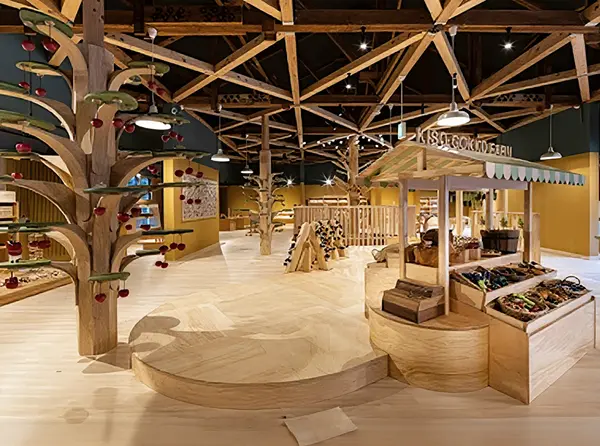
7. Kiso Forest Museum
Plongez dans la vie forestière ancestrale à travers du bois et des outils vieux de plusieurs siècles. Ressentez la texture de l'histoire avec des expositions interactives révélant un héritage du bois.
Faits rapides: Les premières expositions comprennent des outils et des artefacts montrant les pratiques forestières traditionnelles essentielles à la vie locale. Le musée révèle comment la vallée de Kiso a fourni d'immenses quantités de bois pour les temples et les châteaux, façonnant le Japon historique.
Points forts: Un élément remarquable est l'immense section transversale d'un cyprès de Kiso vieux de 1 000 ans, dont les anneaux visibles racontent des siècles d'histoires. Les visiteurs peuvent toucher des outils de menuiserie traditionnels et observer le grain du bois de près, découvrant ainsi l'histoire de la forêt de manière tactile.
Where to Stay in Kiso, Japan
Selected by City Buddy based on guest reviews and proximity to top attractions
Search all hotels in Kiso, JapanPowered by agoda
Plats sucrés traditionnels
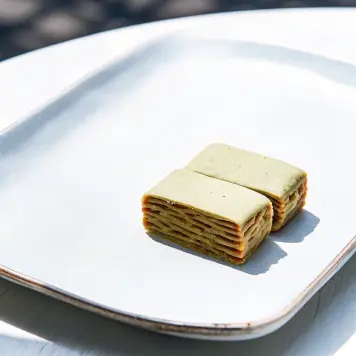
Kiso Soba Mochi
Kiso Soba Mochi is a traditional sweet made from buckwheat flour and is unique because of its chewy texture and subtle nutty flavor, reflecting the region's famous buckwheat production.
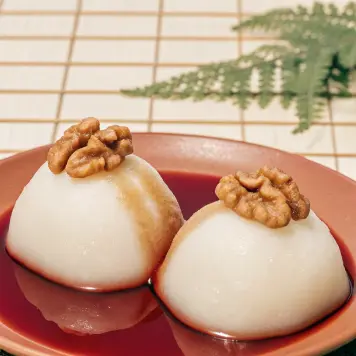
Kurumi Mochi
Kurumi Mochi features a walnut-based sweet sauce that perfectly complements the soft mochi, showcasing the local walnut harvest and traditional preservation methods.
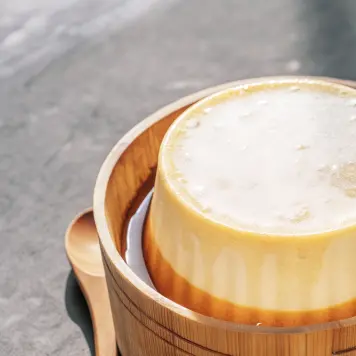
Amazake
Amazake is a sweet, low-alcohol drink made from fermented rice, enjoyed as a warming dessert drink especially during winter festivals in Kiso.
Plats salés traditionnels
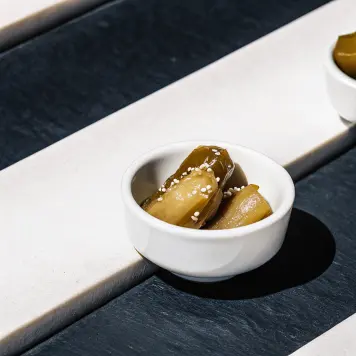
Nozawana Pickles
Nozawana Pickles are a popular traditional savory dish made from turnip greens, renowned for their crisp texture and tangy flavor, often served as a side dish.
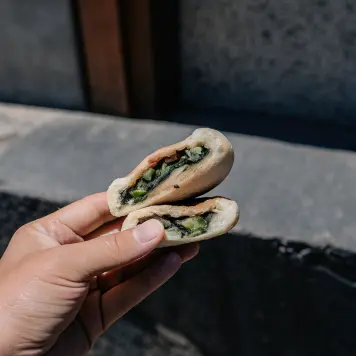
Oyaki
Oyaki are steamed or grilled dumplings filled with local vegetables or miso, a common and beloved comfort food in Kiso with origins dating back centuries.
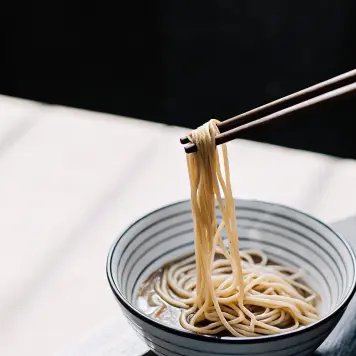
Soba Noodles
Soba Noodles from Kiso are prized for their firm texture and rich taste, typically made from locally grown buckwheat and served cold or in hot broth.
Boissons traditionnelles

Sake
Kiso's sake is distinguished by the pure mountain water used in its brewing, yielding a clean and fragrant flavor well-known throughout Japan.

Kiso Plum Wine
This regional plum wine is made using locally harvested ume plums, resulting in a sweet and tart beverage that embodies the local terroir.

Green Tea
Green Tea in Kiso is traditionally grown and processed using ancient methods, producing a fresh and slightly grassy taste that pairs well with local cuisine.
Frequently Asked Questions about Kiso, Japan
"Est-ce que Kiso, au Japon, est sûr pour les voyageurs ?"
"Combien de jours devrais-je passer à Kiso, au Japon ?"
"Quelle est la meilleure période pour visiter Kiso, au Japon ?"
"Est-ce que Kiso, au Japon, est cher à visiter ?"
"Comment se déplacer à Kiso, au Japon ?"
Recevez un PDF avec les attractions les plus populaires envoyé à votre email
Obtenez un PDF avec toutes les attractions, évaluations et conseils. Parfait pour une utilisation hors ligne.
Excursions d'une journée les plus populaires
Narai-juku
Historic post town with well-preserved Edo period buildings.
Tsumago-juku
Traditional post town on the old Nakasendo route, scenic and historic.
Matsumoto
Castle town known for Matsumoto Castle and cultural sites.
Comment y arriver
Aéroports
Gares
JR Chuo Main Line
From Chubu Airport take Meitetsu train to Nagoya then JR train to Kiso-Fukushima station.
Trouvez des vols vers Kiso, Japan
Cliquez pour obtenir une eSim pour Kiso, Japan
Le moyen le plus simple et abordable d'avoir internet mobile où que vous voyagiez.
Informations utiles pour Kiso, Japan
Aperçu de Kiso, Japan
Most popular itineraries for Kiso, Japan
Browse trip plans created by other travelers
Commentaires (5)
Loved the peaceful hiking trails but watch out for sudden rain. Places to eat are decent but a bit pricey for what you get.
Avoid the crowded weekend markets and head to a small soba shop off the main street. The prices are better and the food way tastier. Locals only spots!
Kiso felt a bit too quiet for me, especially outside the main tourist spots. The old town is pretty but I expected more cultural activities.
The small town charm of Kiso really shines in spring. The cherry blossoms and local soba make the visit worth it. Recommend staying two days max.
If you’re using the train, get a one-day unlimited pass for the Kiso Valley line. It saved us a lot compared to single fares and is a smooth ride.