 CityBuddy
 हिन्दी
Kumano, Japan में करने के लिए चीज़ें
फोटो Marcu Ioachim द्वारा Pexels.com पर बनाई गई
कब जाएं
Kumano, Japan कब जा रहे हैं?
अपनी तारीखें और यात्रा शैली चुनें और पाएं:
क्या इनमें से कोई आपके लिए विशेष रूप से महत्वपूर्ण है?
सभी लागू विकल्प चुनें
Plan language: हिन्दीKumano, Japan के सबसे लोकप्रिय आकर्षण
जापान के कुमानो में करने के लिए चीजों में प्राचीन कुमानो कोडो तीर्थ मार्गों पर ट्रेकिंग शामिल है, जो पवित्र पहाड़ों के माध्यम से 200 किलोमीटर से अधिक तक फैले हुए हैं। कुमानो नाची ताइशा जाएँ, जो शानदार 133 मीटर ऊंचे नाची जलप्रपात के पास एक भव्य मंदिर है। सीगांतो-जी मंदिर पास में स्थित है, जो शांत दृश्य और आध्यात्मिक इतिहास प्रदान करता है।
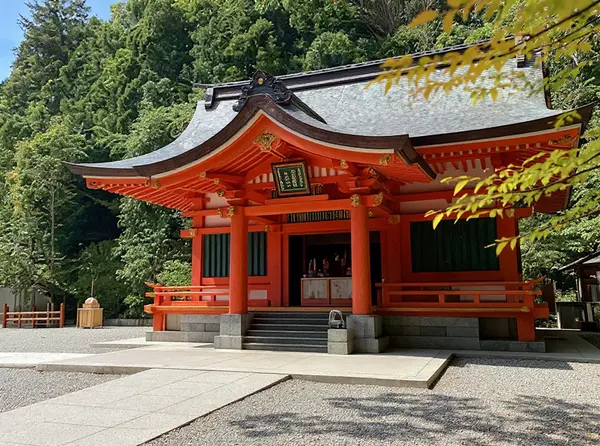
1. Kumano Nachi Taisha
प्रकृति 133 मीटर ऊंचे नाटकीय झरने वाले मंदिर में आध्यात्मिकता से मिलती है। हर कदम के साथ पवित्र अनुष्ठानों और प्राचीन वन पथों का अनुभव करें।
त्वरित तथ्य: एक विशाल पवित्र झरना जिसे नाची फॉल्स के नाम से जाना जाता है, जो 133 मीटर ऊंचा है, मुख्य मंदिर के पीछे भव्य रूप से बहता है, जो एक नाटकीय प्राकृतिक पृष्ठभूमि बनाता है। यह स्थल कुमानो कोडो तीर्थयात्रा मार्ग का हिस्सा है, जो सदियों से प्रतिवर्ष 10 लाख से अधिक तीर्थयात्रियों को आकर्षित करता रहा है।
मुख्य आकर्षण: आगंतुक एक आध्यात्मिक क्षेत्र में कदम रखते हैं जहां झरने की गर्जना प्राचीन सरू के पेड़ों के साथ मिल जाती है, जिन्हें पूर्वजों की आत्माओं का निवास माना जाता है। अद्वितीय अनुष्ठानों में झरने को शिमेनावा रस्सियों से सजाना शामिल है, जो ऋतुओं के माध्यम से शुद्धिकरण और दिव्य सुरक्षा का प्रतीक है।
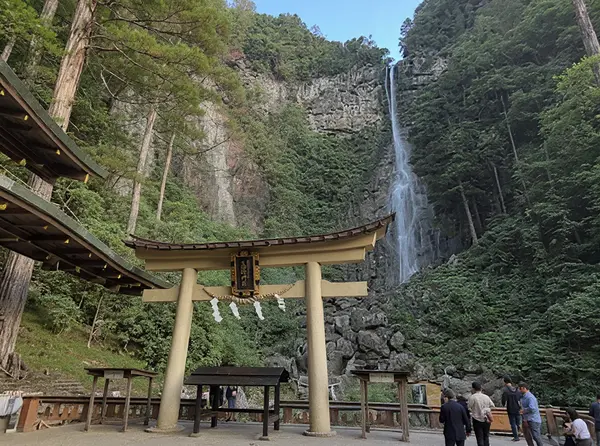
2. Nachi Falls
133 मीटर ऊंचा एक शक्तिशाली जलप्रपात आपका इंतजार कर रहा है। एक पवित्र अनुष्ठान और शांत वन दृश्यों का अनुभव करें जो आपकी आत्मा को तरोताजा कर दें।
त्वरित तथ्य: यह झरना 133 मीटर की ऊंचाई से गिरता है, जो इसे जापान के सबसे ऊंचे एकल-धारा वाले झरनों में से एक बनाता है। इसके निर्बाध जलप्रपात और धुंधले छिड़काव को देखने के लिए हर साल लगभग 12 लाख पर्यटक यहां आते हैं।
मुख्य आकर्षण: झरने से छिड़कता पानी सौभाग्य और स्वास्थ्य लाने वाला माना जाता है, जो एक अनोखी रस्म को प्रेरित करता है जिसमें पर्यटक पत्तियों पर पानी की बूंदों को पकड़कर खुद पर छिड़कते हैं। शरद ऋतु में, आसपास का जंगल आग के रंगों और सुनहरे रंगों में बदल जाता है, जो झरने को मनमोहक मौसमी रंगों में ढाल देता है।
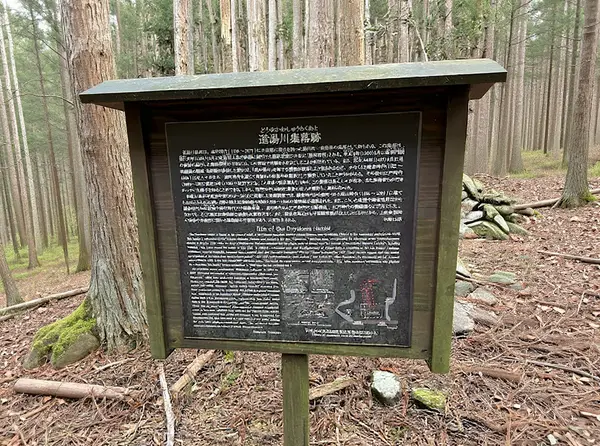
3. Kumano Kodo Pilgrimage Routes
शांत जंगलों के माध्यम से सदियों पुराने तीर्थयात्रियों के नक्शेकदम पर चलें। शांत पर्वतीय पथों और पवित्र परंपराओं का प्रत्यक्ष अनुभव करें।
त्वरित तथ्य: प्राचीन रास्ते घने देवदार के जंगलों से होकर गुज़रते हैं और 100 किलोमीटर के ऊबड़-खाबड़ इलाके में तीन प्रमुख मंदिरों को जोड़ते हैं। तीर्थयात्री 1,000 वर्षों से इन मार्गों पर चलते आ रहे हैं, सम्राटों और भिक्षुओं दोनों के कदमों के निशान पर चलते हुए।
मुख्य आकर्षण: काई से ढके पत्थर की सीढ़ियों पर चलते हुए यात्री कुमानो हायातामा ताइशा मंदिर से घंटी की दूर की आवाज़ सुन सकते हैं, यह एक अनुष्ठान है जो आत्मा को शुद्ध करने वाला माना जाता है। एक गुप्त पहाड़ी जड़ी-बूटी, "कुमानो-चा," केवल यहाँ उगती है और स्थानीय लोग इसे एक शांतिदायक चाय बनाते हैं जो तीर्थयात्रियों को प्रिय है।
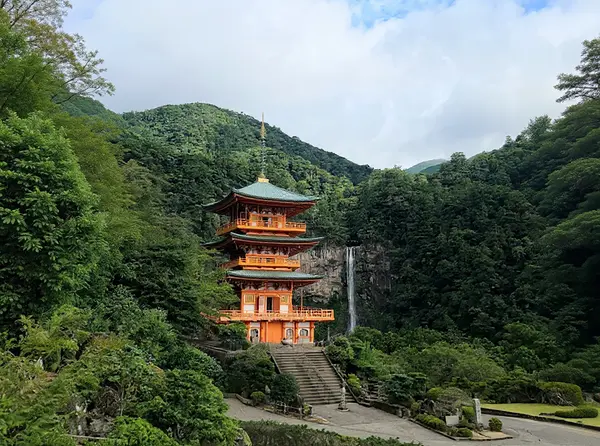
4. Seiganto-ji Temple
जीवंत वास्तुकला और प्रकृति की शक्ति के अद्वितीय मिश्रण का अनुभव करें। बहते पानी के नीचे चलें और प्राचीन आध्यात्मिक माहौल में डूब जाएं।
त्वरित तथ्य: सीगांतो-जी एक पवित्र तीर्थयात्रा मार्ग का हिस्सा है जिसकी जड़ें 1,200 वर्षों से अधिक पुरानी हैं। आगंतुक अक्सर पास के एक झरने से गुज़रते हैं, जिसके बारे में माना जाता है कि यह मंदिर में प्रवेश करने से पहले शरीर और आत्मा को शुद्ध करता है।
मुख्य आकर्षण: मंदिर का चमकीला लाल पैगोडा एक नाटकीय झरने से केवल 15 मीटर की दूरी पर खड़ा है, जो एक असामान्य संयोजन है जो एक जादुई धुंध भरा वातावरण बनाता है। किंवदंती है कि यह झरना एक भिक्षु द्वारा अपनी छड़ी से चट्टान पर प्रहार करने से प्रकट हुआ था, जो इस स्थल पर एक रहस्यमय आभा जोड़ता है।
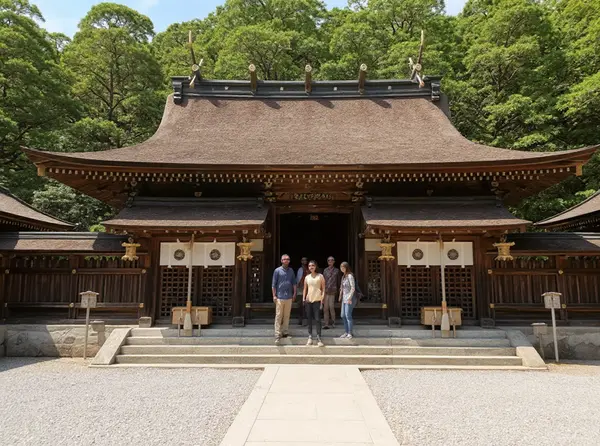
5. Hongu Taisha Shrine
गहरी आध्यात्मिक ऊर्जा वाले एक पवित्र तीर्थ स्थल का अनुभव करें। प्राचीन देवदारों के नीचे चलें और अद्वितीय अग्नि-चलने के अनुष्ठानों को देखें।
त्वरित तथ्य: यह मंदिर कुमानो संज़ान के नेटवर्क का हिस्सा है जिसमें तीन प्रमुख मंदिर शामिल हैं, जो सालाना 20 लाख से अधिक तीर्थयात्रियों को आकर्षित करते हैं। आगंतुक प्रवेश मार्ग पर 800 साल से अधिक पुराने प्राचीन देवदार के पेड़ पा सकते हैं, जो एक भव्य प्राकृतिक सुरंग बनाते हैं।
मुख्य आकर्षण: हर 60 साल में एक रहस्यमयी अनुष्ठान किया जाता है जिसमें पुजारी मंदिर की आध्यात्मिक शक्ति को नवीनीकृत करने के लिए आग पर 30 किलोमीटर नंगे पैर चलते हैं। मंदिर की छप्पर वाली छत, जो जापान की सबसे बड़ी छतों में से एक है, 39 गुणा 11 मीटर के क्षेत्र को कवर करती है, जो जंगल की पृष्ठभूमि के खिलाफ एक अद्भुत वास्तुशिल्प छाया बनाती है।
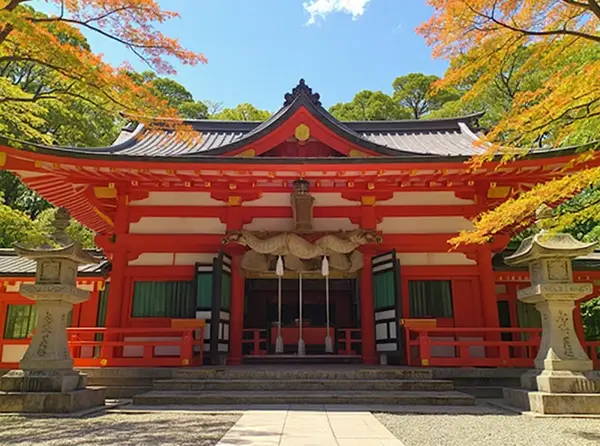
6. Kumano Hayatama Taisha
प्राचीन देवदार के पेड़ों से घिरे एक आध्यात्मिक आश्रय स्थल में कदम रखें। ऐसे मनमोहक अनुष्ठानों का अनुभव करें जहां परंपरा प्रकृति से मिलती है।
त्वरित तथ्य: (त्वरित तथ्य): "मंदिर के प्रवेश द्वार पर खड़े 800 वर्ष से अधिक पुराने एक विशाल देवदार के पेड़ के नीचे चलने की कल्पना करें। इस मंदिर में एक बहुमूल्य कलाकृति रखी है: पवित्र दर्पण जो सूर्य देवी अमेटेरासु की आत्मा का प्रतिनिधित्व करता है, जो जापानी पौराणिक कथाओं की एक प्रमुख व्यक्ति हैं।"
मुख्य आकर्षण: (विशेष आकर्षण): "हर गर्मियों में 'अग्नि उत्सव' नामक एक पवित्र अनुष्ठान मशाल जुलूसों के साथ मंदिर को जगमगा देता है, जो 30,000 से अधिक लोगों को आकर्षित करता है। मंदिर की वास्तुकला इसके चारों ओर के प्राचीन जंगल के साथ सामंजस्यपूर्ण रूप से मिश्रित होती है, जो एक शांत वातावरण बनाती है जो समय में पीछे जाने जैसा लगता है।"
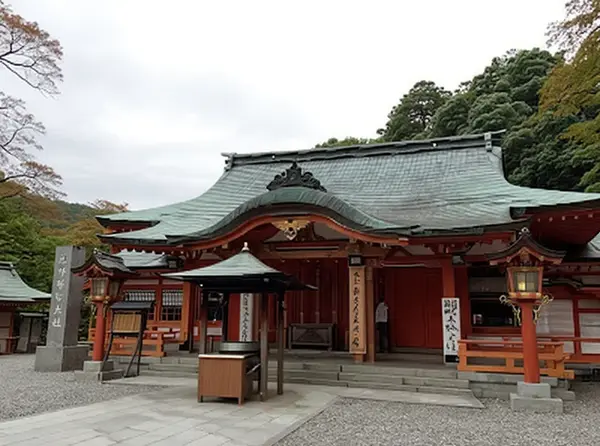
7. Kumano Nachi Taisha Treasure Hall
सदियों पुरानी पवित्र कलाकृतियों और शांत मंत्रों का अन्वेषण करें। प्राचीन मूर्तियों और चित्रों के माध्यम से शांत आत्मा को महसूस करें।
त्वरित तथ्य: खजाना हॉल में 10वीं शताब्दी के प्राचीन सूत्र और मूर्तियों सहित 100 से अधिक धार्मिक कलाकृतियाँ हैं। आगंतुक स्क्रॉल और अवशेष देख सकते हैं जिन्हें सदियों की तीर्थयात्राओं के माध्यम से सावधानीपूर्वक संरक्षित किया गया है।
मुख्य आकर्षण: प्रदर्शनों में, कपूर की लकड़ी से बनी 14वीं शताब्दी की एक देवता की मूर्ति अपने वस्त्रों पर जटिल विवरण के साथ अलग दिखती है। एक शांत कक्ष आगंतुकों को एम्बिएंट ऑडियो के माध्यम से पारंपरिक बौद्ध मंत्रों का अनुभव करने की अनुमति देता है, जो एक आध्यात्मिक वातावरण बनाता है।
Where to Stay in Kumano, Japan
Selected by City Buddy based on guest reviews and proximity to top attractions
Search all hotels in Kumano, JapanPowered by agoda
पारंपरिक मिठाई व्यंजन
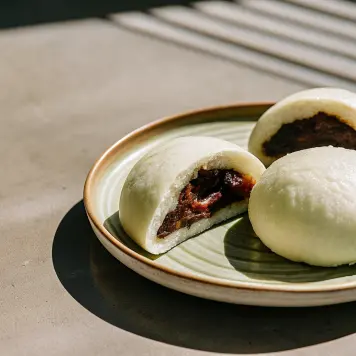
Kumano Manju
Kumano Manju is a steamed bun filled with sweet red bean paste, traditionally enjoyed during festivals and pilgrimages in the Kumano region. Its fluffy texture and rich flavor make it a beloved local treat.
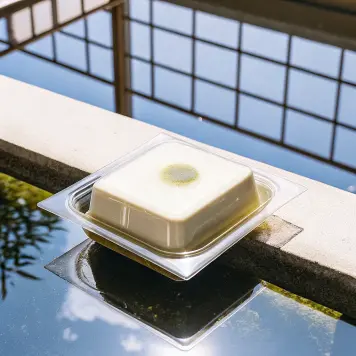
Uiro
Uiro is a jelly-like sweet made from rice flour and sugar, often flavored with subtle regional ingredients like yuzu or matcha. It is admired for its smooth, chewy texture and delicate sweetness.
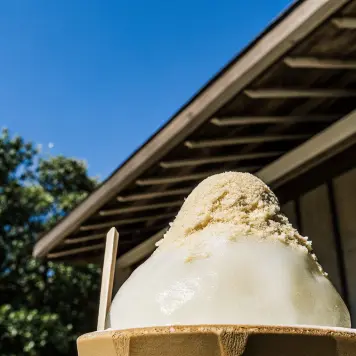
Kuzumochi
Kuzumochi is a refreshing dessert made from kudzu starch, served chilled with kinako (roasted soybean flour) and kuromitsu syrup. It is a traditional sweet that offers a cool relief in Kumano's warmer months.
पारंपरिक नमकीन व्यंजन
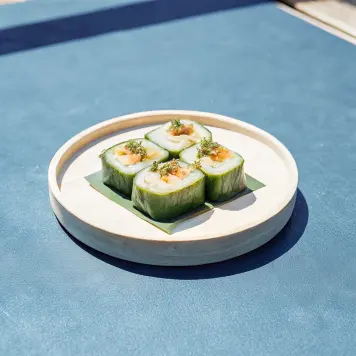
Mehari-zushi
Mehari-zushi is a traditional Kumano sushi wrapped in pickled mustard leaves, known for its tangy and savory flavor profile. This dish originated as a portable meal for workers and pilgrims, embodying the local culinary tradition.

Kumano Saba-zushi
Kumano Saba-zushi features vinegared mackerel atop sushi rice wrapped in kelp, reflecting the region's rich fishing culture. It is praised for its umami-packed taste and was historically made for long journeys.
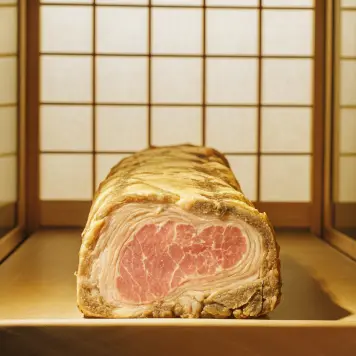
Yamato Beef
Yamato Beef from the Kumano area is celebrated for its tenderness and rich marbling, often grilled or prepared in sukiyaki style. This premium beef highlights the excellence of Kumano's livestock farming.
पारंपरिक पेय पदार्थ

Kumano Umeshu
Kumano Umeshu is a sweet plum wine made with locally harvested ume plums, offering a perfect balance of tartness and sweetness. It is a traditional drink enjoyed for its refreshing taste and digestive benefits.

Kumano Sake
Kumano Sake is brewed using pristine water from the Kumano mountains, renowned for its clean and crisp flavor profile. This sake represents the region's dedication to high-quality rice wine production.

Sansho Tea
Sansho Tea is made from the aromatic pepper leaves native to Kumano, prized for its unique citrusy and spicy flavor. It is traditionally consumed for its warming and medicinal properties.
Frequently Asked Questions about Kumano, Japan
क्या कुमानो, जापान यात्रियों के लिए सुरक्षित है?
मुझे कुमानो, जापान में कितने दिन बिताने चाहिए?
कुमानो, जापान घूमने का सबसे अच्छा समय क्या है?
क्या कुमानो, जापान पर्यटकों के लिए महंगा है?
मैं कुमानो, जापान में कैसे घूम सकता हूं?
सबसे लोकप्रिय आकर्षणों के साथ PDF अपने ईमेल पर प्राप्त करें
सभी आकर्षण, रेटिंग और सुझावों के साथ PDF प्राप्त करें। ऑफलाइन उपयोग के लिए उपयुक्त।
सबसे लोकप्रिय दिन की यात्राएं
Kumano Nachi Taisha
Famous shrine known for Nachi Waterfall, the tallest waterfall in Japan.
Kawayu Onsen
Popular hot spring area located along the river, great for relaxation.
वहाँ कैसे पहुँचें
हवाई अड्डे
रेलवे स्टेशन
JR Kisei Line
From Kansai Airport, take the train to Shin-Osaka, then JR Kisei Line to Kumano Station.
Kumano, Japan के लिए उड़ानें खोजें
Kumano, Japan के लिए eSim प्राप्त करने के लिए क्लिक करें
जहाँ भी आप यात्रा करें, मोबाइल इंटरनेट पाने का सबसे आसान और किफायती तरीका।
टिप्पणियाँ (9)
Not many ATMs around, so carry enough cash when heading to the rural parts of Kumano or you'll be stuck.
Stayed in Kumano for a weekend, weather was muggy but locals are super friendly. Town feels a bit sleepy though, maybe better for a chill getaway.
Kumano's nature trails are stunning but be ready for sudden rain even in spring. Loved the peaceful vibe but plan for at least 3 days to explore well.
The seafood in Kumano was fresh but pricey. Street food options are limited, so bring snacks if you want to save money.
If you buy bus tickets from the local shop rather than the bus driver, you save 20%. It isn’t obvious so watch out for this little trick.