 CityBuddy
 हिन्दी
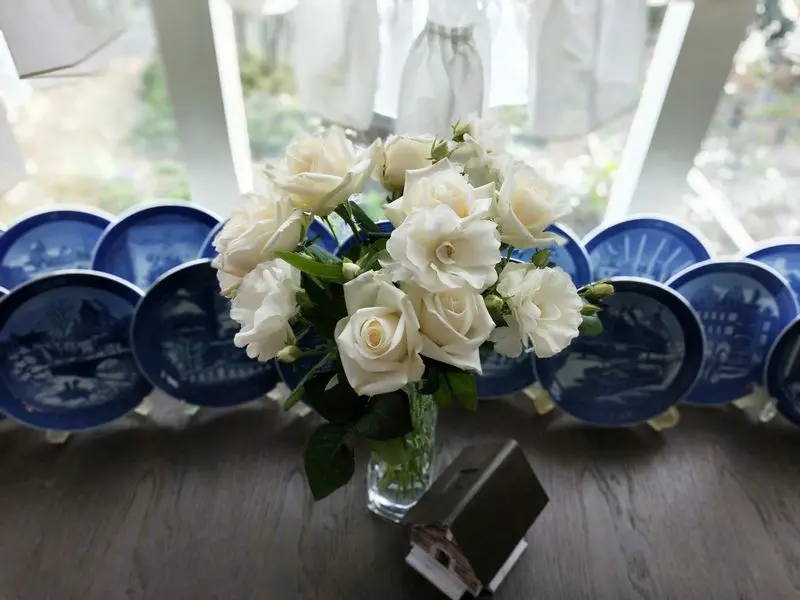
Maebashi, Japan में करने के लिए चीज़ें
फोटो April Miyako द्वारा Pexels.com पर बनाई गई
कब जाएं
Maebashi, Japan के सबसे लोकप्रिय आकर्षण
जापान के माएबाशी में करने के लिए शीर्ष चीज़ें इतिहास में डूबने और व्यापक दृश्यों का आनंद लेने के इर्द-गिर्द घूमती हैं। गुन्मा प्रान्तीय कार्यालय भवन के वेधशाला के 23वें तल पर चढ़कर कांटो मैदान का 360 डिग्री का मनोरम दृश्य देखें, फिर 100 साल पुराने माएबाशी पार्क में टहलें, जहाँ मौसमी फूल कोज़ुक्यू कैसल खंडहरों की सुंदरता को और निखारते हैं। अंत में 1920 के दशक की पश्चिमी शैली की इमारत में स्थित माएबाशी सिटी संग्रहालय ऑफ़ लिटरेचर पर जाएँ, जहाँ इस क्षेत्र की साहित्यिक आत्मा की एक झलक मिलती है।
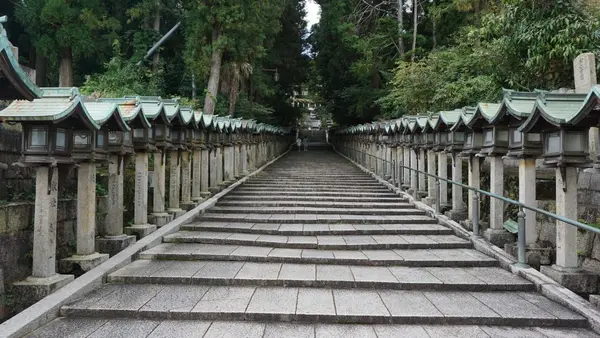
1. Akagi Shrine
Escape the city for a sacred mountain retreat with sweeping views. Climb stone steps through an ancient forest to reach a peaceful shrine where hikers and pilgrims gather.
त्वरित तथ्य: This Shinto shrine sits on the slopes of Mount Akagi, a sacred peak that's actually a dormant volcanic complex. It's a popular spot for hikers who climb up to pay respects before tackling the mountain trails.
मुख्य आकर्षण: The approach to the shrine winds through towering cedar trees that have stood for centuries, their trunks thick enough to wrap your arms around twice. Local legend says the mountain itself is home to a powerful deity, and the shrine's quiet forest setting feels wonderfully removed from the city below.
2. Maebashi Park
More than 300 cherry trees explode into bloom each spring, drawing families and couples to the riverbanks. Expect woven picnic mats, warm sake, and petals drifting across the water at dusk.
त्वरित तथ्य: Spring brings over 300 cherry trees into bloom, turning the riverside grounds into one of the region's favorite picnic spots. The park sits along the Hirosegawa River, where locals gather for early morning walks and evening hanami under the lantern-lit branches.
मुख्य आकर्षण: During cherry blossom season, the riverbank becomes a moving corridor of picnickers who lay out tarps hours ahead to claim their spots, and the petals drift across the water like pink snow. On clear evenings, the reflection of the blossoms on the river surface creates a doubled canopy that photographers wait all day to capture.
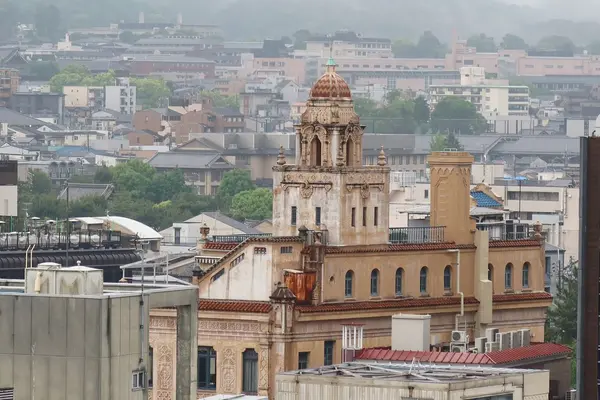
3. Gunma Prefectural Office Building Observatory
Free panoramic views of the Kanto Plain from 150 meters up, with no crowds and no entry fee. Ride the elevator to the 32nd floor and watch Mount Asama and the Tokyo skyline share the same horizon.
त्वरित तथ्य: 32वीं मंजिल पर मुफ्त अवलोकन डेक कांटो मैदान का दृश्य प्रस्तुत करते हैं, और साफ सर्दियों के दिनों में आप दूर से दो पर्वत श्रृंखलाओं की बर्फीली चोटियाँ देख सकते हैं। यह इमारत गुन्मा प्रान्त के प्रशासनिक केंद्र के रूप में भी कार्य करती है, इसलिए आप लिफ्ट में सरकारी कर्मचारियों के साथ अपने कार्यालयों की ओर जाते हुए साझा करेंगे।
मुख्य आकर्षण: साफ दिन पर 32वीं मंजिल से दृश्य लगभग 100 किलोमीटर तक फैला होता है, जिससे आप टोक्यो की क्षितिज रेखा और माउंट आसामा के धुएँ वाले गड्ढे दोनों देख सकते हैं। अधिकांश आगंतुक जो चूक जाते हैं वह यह है कि सूर्यास्त पूरे कांटो मैदान को रोशनी के झिलमिलाते ग्रिड में बदल देता है, जिसके पीछे पर्वत की आकृतियाँ गहरे बैंगनी रंग में बदल जाती हैं।
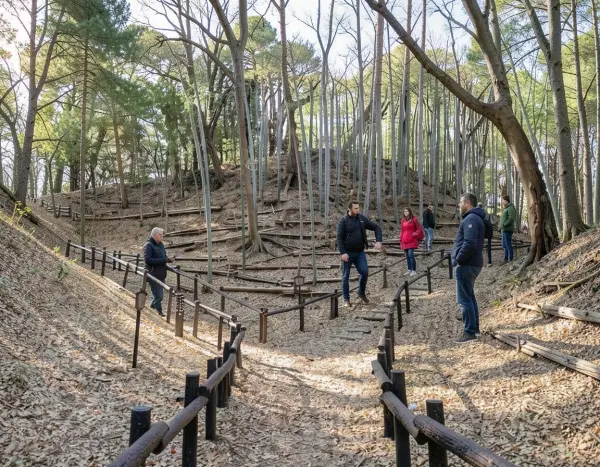
4. Kozukue Castle Ruins
Step into a feudal-era stronghold where layered moats and earthen walls still trace the old defenses. Wander forested terraces and reach a summit view that spans the surrounding plains.
त्वरित तथ्य: This site is a fortified hilltop complex from the Sengoku period, a time when regional warlords fought for control across central Japan. Stone foundations and earthwork terraces remain scattered through the forested slopes, giving a clear sense of the original defensive layout.
मुख्य आकर्षण: The network of dry moats and earthen ramparts wraps around the hillside in layers, so you can actually walk through the old defensive rings and picture where guards once stood watch. Climbing to the upper terrace rewards you with a wide view over the surrounding plains, the same sight a castle lord would have surveyed centuries ago.
5. Maebashi City Museum of Literature
Step into the world of Japan's first modern poet without the crowds. Walk past his worn writing desk and trace the ink strokes of his original manuscripts.
त्वरित तथ्य: Sakutaro Hagiwara, often called the father of modern Japanese poetry, has his memory preserved at this museum inside a building that also houses the city's literary archive. The museum displays his handwritten manuscripts, personal letters, and his prized books, giving visitors a direct look into the poet's daily life.
मुख्य आकर्षण: The museum sits within a building designed with a distinctive western-style facade, a nod to the poet's own fascination with Western culture and his poem "The Bleaching of a Potato." Visitors can see his actual writing desk and the room where he spent his final days, a quiet, intimate space that feels preserved in time.

6. Gunma Prefectural Museum of History
Seven decades of Gunma's past under one roof make this the region's richest cultural archive. Wander past Jomon pottery, samurai gear, and a full-scale reconstructed village inside.
त्वरित तथ्य: The Gunma Prefectural Museum of History preserves archaeological finds and cultural artifacts spanning from prehistoric times through the modern era. Over 100,000 items are housed here, including Jomon pottery and samurai armor recovered from regional excavation sites.
मुख्य आकर्षण: A full-scale replica of the Yayoi period settlement at the nearby Maebashi ruins lets visitors step inside reconstructed pit dwellings with simulated hearth smoke and cooking smells. The museum's dramatic spiral gallery descends through eight floors of chronological exhibits, culminating in a room that re-creates an Edo-era inn interior with authentic tatami and lantern lighting.
7. Shikishima Park
A riverside escape where the Tone River meets open green space and seasonal blossoms. Stroll the promenade, picnic on the lawns, and watch the sunset paint the water gold.
त्वरित तथ्य: यह विशाल नदी किनारे का पार्क माएबाशी के केंद्र में टोन नदी के किनारे फैला हुआ है, जो पानी और आसपास की गुनमा पहाड़ियों के मनोरम दृश्य प्रस्तुत करता है। पार्क के विस्तृत खुले लॉन और सैरगाह इसे स्थानीय लोगों का पसंदीदा ठिकाना बनाते हैं, विशेषकर चेरी ब्लॉसम के मौसम में जब सैकड़ों पेड़ खिल उठते हैं।
मुख्य आकर्षण: मार्च के अंत और अप्रैल की शुरुआत के दौरान, नदी किनारे चेरी के पेड़ों की छतरी चलने के रास्ते को गुलाबी सुरंग में बदल देती है, जिसकी पंखुड़ियाँ नीचे बहते पानी पर तैरती हैं। साफ़ सुबहों में, माउंट आकागी नदी के पीछे शानदार ढंग से उभरता है, जो एक सुंदर पृष्ठभूमि बनाता है जिसे स्थानीय लोग फोटो खींचने के लिए उमड़ते हैं।
8. Hirosegawa Riverside Park
Follow the Hirose River through Maebashi's leafy green heart and escape the city buzz in minutes. Expect gentle walking paths, riverside scenery, and seasonal blooms all along the way.
त्वरित तथ्य: यह हरा गलियारा हिरोसे नदी के साथ-साथ मध्य माएबाशी से होकर बहती है, जो शहर के बीच में प्रकृति की एक शांत पट्टी प्रदान करता है। यह पार्क माएबाशी के कई प्रमुख स्थलों को जोड़ता है, जिससे यह शहर के केंद्र और नदी तट के बीच चलने वाले स्थानीय लोगों के लिए एक पसंदीदा मार्ग बन गया है।
मुख्य आकर्षण: नदी किनारे का यह रास्ता आपको मौसमी बदलाव दिखाता है जो शहरी पार्कों में अक्सर नहीं मिलते: वसंत में पानी के ऊपर झुके चेरी के फूल और शरद ऋतु में किनारों पर लगे सुनहरे जिन्कगो पेड़। सूर्यास्त के आसपास आएं और आप स्थानीय लोगों को मछली पकड़ते हुए और परिवारों को पानी के किनारे टहलते हुए देखेंगे, जो माएबाशी के रोज़मर्रा के जीवन की एक झलक है।
Where to Stay in Maebashi, Japan
Selected by City Buddy based on guest reviews and proximity to top attractions
Search all hotels in Maebashi, JapanPowered by agoda
Maebashi, Japan में खुलने के दिन
शीर्ष आकर्षणों में से कौन सा सप्ताह के किस दिन बंद रहता है, यह क्लासिक यात्रा-बिगाड़ने वाली बात है, जिसे हमने आपके लिए जाँच लिया है।
सोमवार: 8 शीर्ष आकर्षणों में से 1 बंद हैं, संग्रहालयों की योजना किसी और दिन बनाएँ।
सोमवार को बंद · 1 बंद, 7 खुले
खुलने के दिन Google Maps से लिए गए हैं (2026-10-23 को जाँचा गया)। सार्वजनिक छुट्टियाँ, हड़तालें और मौसमी समय अलग हो सकते हैं, जाने से पहले आधिकारिक वेबसाइट देखें।
पारंपरिक मिठाई व्यंजन
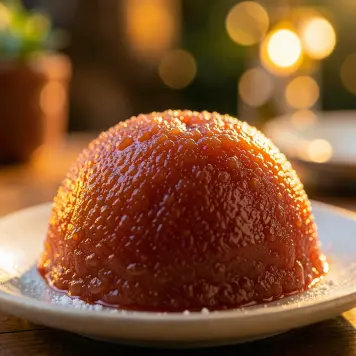
Konnyaku Kan
Konnyaku Kan is a jiggly, gummy-like dessert made from konjac flour and fruit juice. It was invented in Maebashi in 1986 and became a national sensation for its bouncy texture and low calorie content.
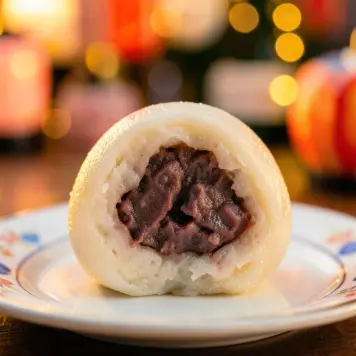
Shimanchu
Shimanchu is a traditional soft dumpling filled with sweet red bean paste, made from mochi rice grown in Gunma Prefecture. Its name sounds playful and it is often served during local festivals and celebrations.
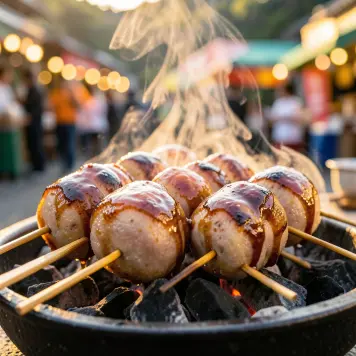
Yaki Manju
Yaki Manju is a Maebashi specialty where sweet red bean buns are skewered and grilled over charcoal, then brushed with a sweet soy glaze. The caramelized exterior gives it a smoky, irresistible aroma found at street stalls and hot spring towns across Gunma.
पारंपरिक नमकीन व्यंजन
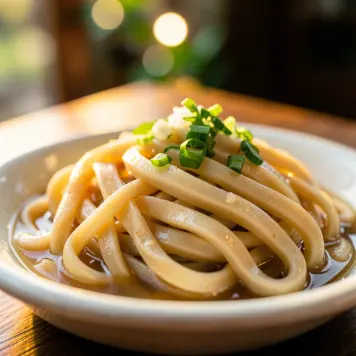
Mizusawa Udon
Mizusawa Udon is one of Japan's three great udon noodles, made with local Gunma wheat and spring water. The noodles are hand-kneaded and aged for over two days, giving them an incredibly firm, springy texture that pairs perfectly with a light dipping broth.
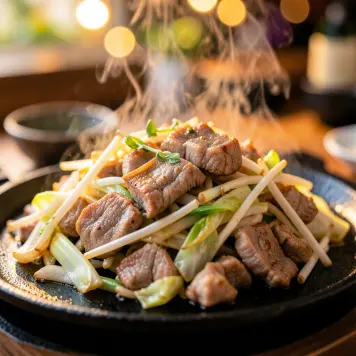
Sutamina Yaki
Sutamina Yaki is a sizzling stir-fry of pork, cabbage, bean sprouts, and garlic served on a hot iron plate. The name means stamina grill, and it is a beloved working-class dish that locals claim gives you energy for the whole day.
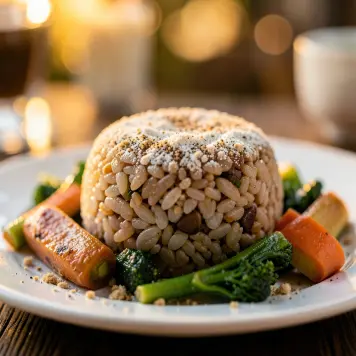
Gunma No Bota Mochi
This savory rice cake is coated with seasoned soybean flour and served alongside hearty local vegetables. It reflects Maebashi's agricultural heritage as a major producer of soybeans and rice in the Kanto region.
पारंपरिक पेय पदार्थ
Kawaba Beer
Kawaba Beer is a craft brew born in nearby Numata but deeply tied to Maebashi's vibrant local food scene. The brewery uses pristine Gunma spring water and offers a signature white ale that has earned medals at international competitions.
Gunma Sake (Jomon No Shiradashi)
Jomon no Shiradashi is a smooth, dry sake brewed in Gunma using locally grown rice and the region's pure underground water. The name evokes ancient Jomon heritage, celebrating Gunma's long history of rice cultivation.
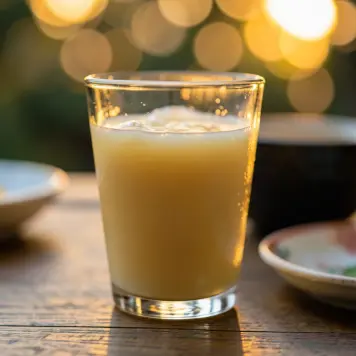
Konnyaku Drink
This unique beverage is made from konjac extract, which Maebashi produces more of than any other city in Japan. It is a refreshing, low calorie drink with a slightly jelly-like texture and is sold as a health drink across the region.
Maebashi, Japan के बारे में अक्सर पूछे जाने वाले प्रश्न
क्या माएबाशी, जापान सुरक्षित है?
माएबाशी, जापान में मुझे कितने दिन बिताने चाहिए?
माएबाशी, जापान घूमने का सबसे अच्छा समय क्या है?
क्या माएबाशी, जापान घूमना महंगा है?
माएबाशी, जापान में मैं कैसे घूमूं?
सबसे लोकप्रिय आकर्षणों के साथ PDF अपने ईमेल पर प्राप्त करें
सभी आकर्षण, रेटिंग और सुझावों के साथ PDF प्राप्त करें। ऑफलाइन उपयोग के लिए उपयुक्त।
सबसे लोकप्रिय दिन की यात्राएं
Kusatsu Onsen
Famous hot spring town with historic yubatake sulfur baths
Takasaki
Historic castle town known for Daruma doll temple and gardens
Ikaho Onsen
Scenic hot spring resort with iconic stone steps and onsens
Oze National Park
Pristine highland marshlands with scenic boardwalk hiking trails
वहाँ कैसे पहुँचें
हवाई अड्डे
रेलवे स्टेशन
JR Joetsu Line, JR Ryomo Line
Joetsu Shinkansen, JR Joetsu Line
From Tokyo, take the Joetsu Shinkansen to Shin-Maebashi in about 1 hour, then transfer to a local train for 5 minutes to Maebashi Station.
Maebashi, Japan के लिए उपयोगी जानकारी
Maebashi, Japan का अवलोकन
Maebashi, Japan के लिए दिन-प्रतिदिन की योजना चाहते हैं? ट्रिप प्लानर खोलें
Maebashi, Japan कब जा रहे हैं?
अपनी तारीखें और यात्रा शैली चुनें और पाएं:
क्या इनमें से कोई आपके लिए विशेष रूप से महत्वपूर्ण है?
सभी लागू विकल्प चुनें
आवागमन
आप स्थानों के बीच कैसे आना-जाना चाहते हैं?
योजना की भाषा: हिन्दी