 CityBuddy
 हिन्दी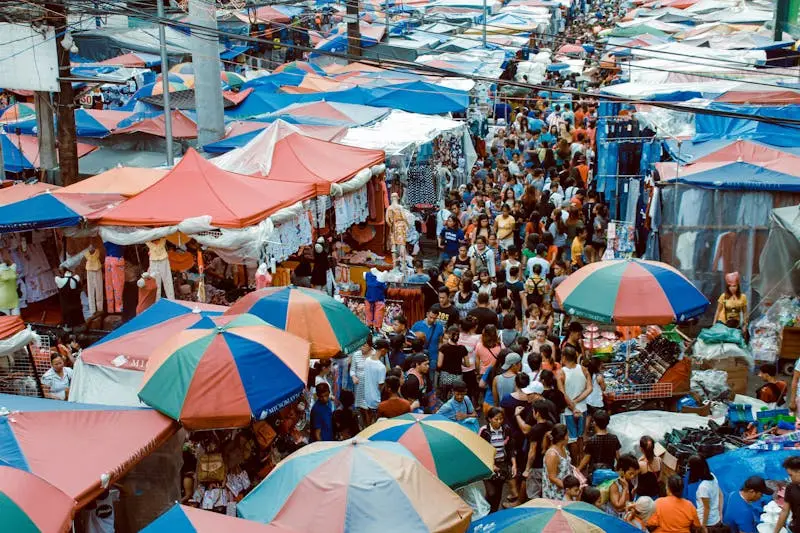
Manila, Philippines में करने के लिए चीज़ें
फोटो NIC LAW द्वारा Pexels.com पर बनाई गई
कब जाएं
Manila सैकड़ों गंतव्यों पर हमारे डेटा के आधार पर दुनिया में #14 विदेशियों के लिए सबसे दोस्ताना शहर है।
Manila, Philippines के सबसे लोकप्रिय आकर्षण
मनीला, फिलीपींस में करने के लिए शीर्ष चीजों में इंट्रामुरोस की खोज शामिल है, जो स्पेनिश औपनिवेशिक काल की ऐतिहासिक दीवारों वाला शहर है। फोर्ट सैंटियागो की यात्रा करें, जो तट से केवल 600 मीटर की दूरी पर स्थित समृद्ध इतिहास वाला एक किला है। सैन अगस्टिन चर्च और संग्रहालय को न भूलें, जो देश का सबसे पुराना पत्थर का चर्च है, जो आकर्षक कलाकृतियों और वास्तुकला प्रदान करता है।
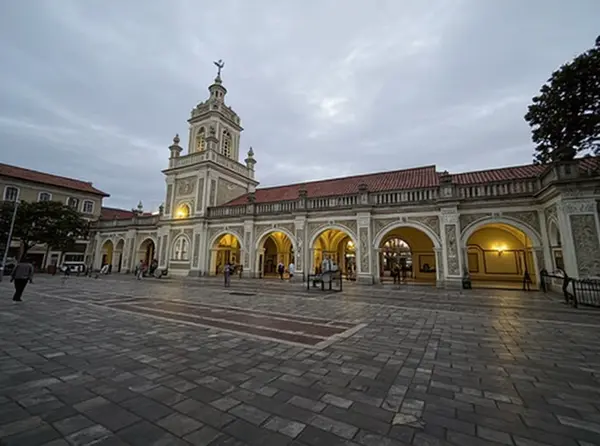
1. Intramuros (Historic Walled City)
Historic Walled City
सदियों पुराने फिलीपीन इतिहास में कदम रखें, विशाल पत्थर की दीवारों के पीछे। कोबलस्टोन सड़कों, औपनिवेशिक चर्चों, संग्रहालयों और प्राचीर से सूर्यास्त के दृश्यों का आनंद लें।
त्वरित तथ्य: धूप काईदार पत्थर की दीवारों पर तिरछी पड़ती है, घोड़ा-गाड़ियाँ कोबलस्टोन पर खड़खड़ाती हैं, और कैफ़े संकरे चौराहों में ध्वनिक संगीत बिखेरते हैं। एक दर्जन से अधिक बहाल किए गए किलों और औपनिवेशिक इमारतों में अब संग्रहालय, आर्ट गैलरी और छत के बगीचे हैं, जिससे घूमना एक जीवित टाइम कैप्सूल में कदम रखने जैसा लगता है।
मुख्य आकर्षण: धूप से गर्म कोबलस्टोन सड़कों पर सैन अगस्टिन चर्च के पास से गुज़रें, जो 1607 में पूरा हुआ था, और फोर्ट सैंटियागो के धनुषाकार द्वार के नीचे, जहाँ 17वीं सदी के जंग लगे स्पेनिश तोपें अभी भी खाड़ी की ओर इशारा करती हैं और रिज़ाल श्राइन उस कोठरी को चिह्नित करता है जहाँ जोस रिज़ाल को 1896 में फांसी से पहले रखा गया था। दिन में घोड़ा-गाड़ियाँ पत्थरों पर खड़खड़ाती हैं और कार्यशालाएँ दर्जनों बांस की टूर बाइकें बाहर निकालती हैं, हवा में तले हुए तेल, चमेली और नदी की हल्की धात्विक गंध घुली रहती है, जिससे आप एक साथ तीन सदियों की परतदार गंधों और कहानियों को महसूस कर सकते हैं।
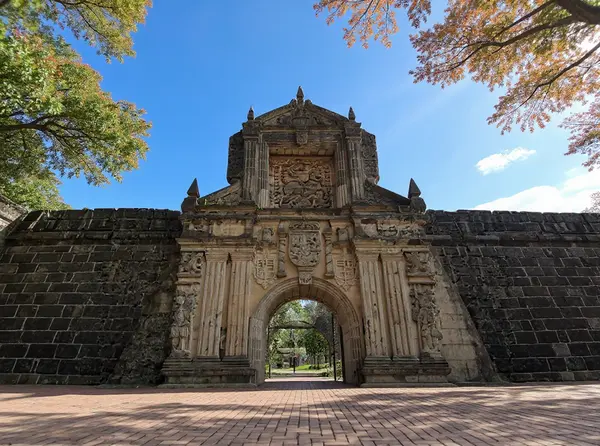
2. Fort Santiago
पत्थर की दीवारों वाला फोर्ट सैंटियागो मनीला के स्पेनिश औपनिवेशिक और युद्धकालीन अतीत को प्रकट करता है। हरे-भरे आंगनों में चलें, रिज़ाल श्राइन देखें और पुरानी प्राचीर से पासिग नदी पर नज़र डालें।
त्वरित तथ्य: मोटे ज्वालामुखीय पत्थर की दीवारें और एक शांत खाई एक सिनेमा जैसा सन्नाटा पैदा करते हैं, जहां उपनिवेशकालीन वास्तुकला और युद्धकालीन निशान अभी भी जमीन पर महसूस किए जा सकते हैं। आगंतुक अक्सर छोटे संग्रहालय और संकीर्ण कक्ष में रुकते हैं जहां जोस रिज़ाल ने अपनी अंतिम कविताएँ लिखीं, उसकी अंतिम यात्रा से पहले के सन्नाटे की कल्पना करते हैं।
मुख्य आकर्षण: उस मंद कक्ष में चलें जहां जोस रिज़ाल ने अपनी फांसी से पहले 30 दिसंबर, 1896 को अंतिम रातें बिताईं, खुरदरे ईंट के दीवारों पर अभी भी नाम खुदे हुए हैं और पुरानी तोपों की हल्की धातु की गंध महसूस होती है। हर 30 दिसंबर को, सैकड़ों छात्र और मैसोनिक लॉज के सदस्य छोटी संगमरमर की निशानी पर माला अर्पित करने और मोमबत्तियाँ जलाने के लिए एकत्र होते हैं, सन्नाटा केवल एक अकेले तुरही की धुन से टूटता है जो राष्ट्रीय शोक गीत बजाती है।
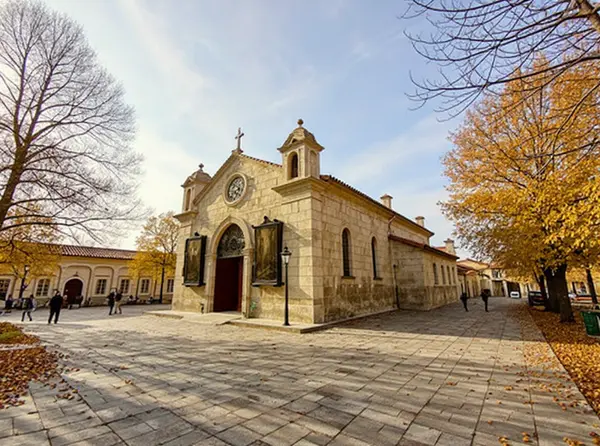
3. San Agustin Church and Museum
सैन अगस्टिन चर्च में स्पेनिश युग के मनीला में कदम रखें, जो एक यूनेस्को बारोक स्थल है। सोने की वेदियों, भ्रम उत्पन्न करने वाली छतों और औपनिवेशिक कलाकृतियों के एक कॉम्पैक्ट संग्रहालय को निहारें।
त्वरित तथ्य: अंदर जाएँ तो आप गर्म, शहद जैसे पत्थर और भव्य बारोक अलंकरण से प्रभावित होंगे, जबकि भ्रम-चित्रित छतें चित्रित बादलों से साँस लेती प्रतीत होती हैं। ऊपर एक छोटा संग्रहालय सदियों के चर्च संबंधी खजानों को संजोए हुए है, कढ़ाई वाले वस्त्रों से लेकर चमकते अवशेषों तक, और पूरी इमारत उल्लेखनीय रूप से बमबारी से बच गई जिसने इसके पड़ोस को समतल कर दिया था।
मुख्य आकर्षण: 1607 में निर्मित, पत्थर का बेसिलिका 400 से अधिक वर्षों से खड़ा है, और इसकी नाभि के नीचे विजेता मिगेल लोपेज़ डी लेगाज़पी की कब्र है जिसका खुदा हुआ शिलालेख आप अभी भी अपनी उंगलियों से महसूस कर सकते हैं। संग्रहालय के मंद कमरों में मोम और पुराने कागज की फुसफुसाहट कांच के डिस्प्ले केसों पर मँडराती है जिनमें 17वीं और 18वीं शताब्दी के वस्त्र, चाँदी के धार्मिक बर्तन और लकड़ी के जुलूसी संत हैं जिनके फटे बहुरंगी चेहरे एक ही दीपक के नीचे चमकते हैं।
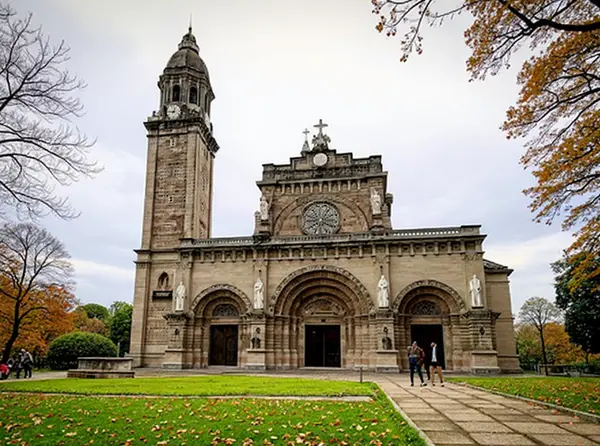
4. Manila Cathedral
इंट्रामुरोस के केंद्र में एक भव्य औपनिवेशिक गिरजाघर में मनीला के सदियों के इतिहास का अनुभव करें। बहाल किए गए बारोक और रोमनेस्क विवरण, रंगीन कांच की खिड़कियों और एक शांत आंतरिक भाग की प्रशंसा करें।
त्वरित तथ्य: ऊँची रंगीन कांच की खिड़कियों से आती धूप पॉलिश संगमरमर पर रंग बिखेरती है, और गुंबददार ध्वनिकी अंग और गाना बजानेवालों के प्रदर्शन को विशेष रूप से गूंजदार बनाती है। मूक पट्टिकाएँ और मरम्मत की गई पत्थर की चिनाई कई भूकंपों और युद्ध क्षति से बचने की एक नाटकीय कहानी बताती है, जबकि अंदर एक श्रद्धेय, सदियों पुरानी प्रतिमा तीर्थयात्रियों और उत्सुक आगंतुकों दोनों को आकर्षित करती है।
मुख्य आकर्षण: अंदर कदम रखें और आप एक ऐसे चर्च में खड़े होंगे जिसे 16वीं शताब्दी से आठ बार पुनर्निर्मित किया गया है, इसलिए संगमरमर के फर्श, नवशास्त्रीय स्तंभ और बारोक नक्काशी एक स्तरित समयरेखा बनाते हैं जिसे आप अपनी आँखों से पढ़ सकते हैं। कई दोपहरों में एक बुजुर्ग गाना बजानेवाला ग्रेगोरियन भजनों का अभ्यास करता है जब तक कि रंगीन कांच के माध्यम से सूरज की रोशनी गलियारे को माणिक और सोने की पट्टियों में नहीं बदल देती, और पैरिशियन अक्सर वेदी के पास लोहे की जाली में छोटे मुड़े हुए नोट टिका देते हैं, जिनके कागज के किनारे वर्षों की धूप से नरम हो जाते हैं।
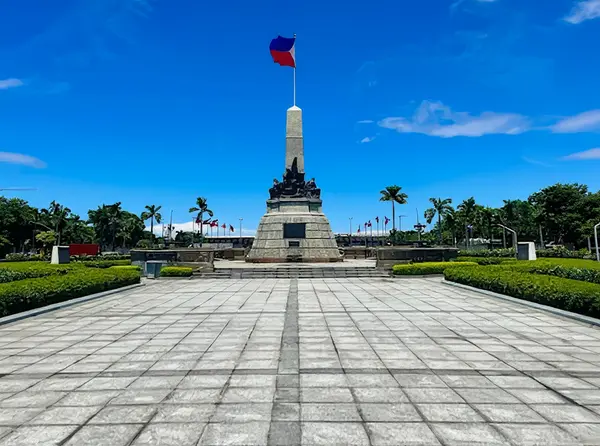
5. Rizal Park (Luneta)
Luneta
मनीला के केंद्र में ऐतिहासिक पार्क, जहाँ राष्ट्रीय स्मृति रोजमर्रा की जिंदगी से मिलती है। रिज़ाल स्मारक, शांत उद्यानों और जीवंत चौकों में फोटो और लोगों को देखने के लिए टहलें।
त्वरित तथ्य: सुबह की रोशनी में हरे-भरे लॉन दिखाई देते हैं जो सजावटी फव्वारों और छायादार पैदल मार्गों से घिरे होते हैं, जहां स्थानीय लोग ताई ची का अभ्यास करते हैं और परिवार खिले हुए अकासिया के बीच पिकनिक मनाते हैं। एक प्रभावशाली राष्ट्रीय स्मारक केंद्र में स्थित है, जो समारोहों और शांत विचारों के लिए भीड़ को आकर्षित करता है, जबकि कबूतरों के झुंड जीवंत शहरी ध्वनि में चार चाँद लगाते हैं।
मुख्य आकर्षण: बिल्कुल केंद्र में जोस रीज़ाल का 12.8 मीटर ऊंचा कांस्य स्मारक खड़ा है, जहां सूर्यास्त के बाद स्थानीय लोग चुपचाप छोटे मोमबत्तियां और हाथ से बनी सांपगुइता माला छोड़ते हैं, मोम और फूलों की खुशबू शाम की हवा में मिल जाती है। हर साल 30 दिसंबर को सैकड़ों से हजारों लोग भोर से पहले हार लगाने और झंडा समारोह के लिए इकट्ठा होते हैं, स्कूल के स्थल राष्ट्रगान गाते हैं, और सड़क विक्रेता लगभग 10 से 20 पेसो में छोटे कागज के झंडे और चावल के केक बेचते हैं।
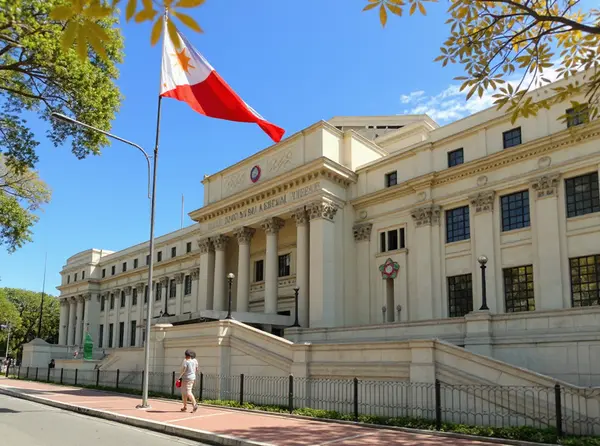
6. National Museum of the Philippines (National Museum Complex)
National Museum Complex
एक केंद्रीय परिसर में फिलीपींस की कला, इतिहास और जैव विविधता का अन्वेषण करें। जुआन लूना का स्पोलिएरियम, नेचुरल हिस्ट्री ट्री ऑफ लाइफ और समृद्ध सांस्कृतिक कलाकृतियाँ देखें।
त्वरित तथ्य: अंदर कदम रखें और आप जुआन लूना के स्पोलियारियम के साथ-साथ चमकदार पूर्व-औपनिवेशिक सोने के काम और समृद्ध रूप से बुने हुए वस्त्रों को प्रदर्शित करने वाले विशाल नवशास्त्रीय हॉल से प्रभावित होंगे। शांत कोने जीवाश्म नमूनों, औपचारिक वस्तुओं और स्मारकीय चित्रों के अध्ययन के लिए आमंत्रित करते हैं, जिससे एक यात्रा सदियों की संस्कृति के माध्यम से एक संक्षिप्त झलक जैसी लगती है।
मुख्य आकर्षण: पीले नवशास्त्रीय रोटुंडा के नीचे खड़े हों और जुआन लूना का स्पोलियारियम आपकी आँखों को निगल जाता है, लगभग 4 गुणा 7 मीटर का एक कैनवास जिसके गहरे गेरू और लाल रंग के हाइलाइट तब गहरे हो जाते हैं जब संरक्षक धीरे से इसके वार्निश पर काम करते हैं, जिससे तारपीन की हल्की गंध निकलती है। पेंटिंग ने 1884 में मैड्रिड में स्वर्ण पदक जीता था, एक विजय जिसे गाइड अभी भी फिलिपिनो राष्ट्रवादी गौरव की चिंगारी के रूप में सुनाते हैं, और गैलरी के शांत होने पर वह पृष्ठभूमि कहानी सुनना दृश्य को अप्रत्याशित रूप से सिनेमाई बना देता है।

7. Manila Ocean Park
एक बड़े इंटरैक्टिव एक्वेरियम में फिलीपीन समुद्री जीवन को करीब से देखें। एक लंबी कांच की सुरंग में चलें, फीडिंग शो देखें और पेंगुइन से मिलें।
त्वरित तथ्य: चमकती नीली रोशनी और एक घुमावदार कांच की सुरंग आपको शार्क और स्टिंग्रे को अपने सिर के ठीक ऊपर ग्लाइड करते हुए देखने देती है, जिससे चलना एक पानी के नीचे के पोस्टकार्ड जैसा लगता है। 3,000 से अधिक समुद्री जानवर थीम वाले टैंकों में रहते हैं, और दैनिक भोजन कक्षा के तथ्यों को व्यावहारिक, दिल को धड़काने वाले अनुभवों में बदल देता है।
मुख्य आकर्षण: हर शाम एक्वेरियम समुद्री-नीली रोशनी में मंद हो जाता है और एक "फीडिंग सेरेनेड" का मंचन करता है जहाँ लगभग 200 चमकती सार्डिन की एक पंक्ति कांच की सुरंग की लंबाई में तैरने के लिए कोरियोग्राफ की जाती है, पानी दूर की बारिश की तरह फुसफुसाता है जबकि परिवार अपनी हथेलियाँ ऐक्रेलिक पर दबाते हैं। लंबे समय से गोताखोर कुया डैनी तागालोग में शो का वर्णन करते हैं, बहादुर बच्चों को एक चिकनी समुद्री खीरे की ठंडी, मखमली त्वचा को महसूस करने का मौका देते हैं और उन्हें मछलियों के स्थानीय नाम सिखाते हैं, जो हमेशा चीख़ों को गर्वित, चौड़ी आँखों वाली बातचीत में बदल देता है।
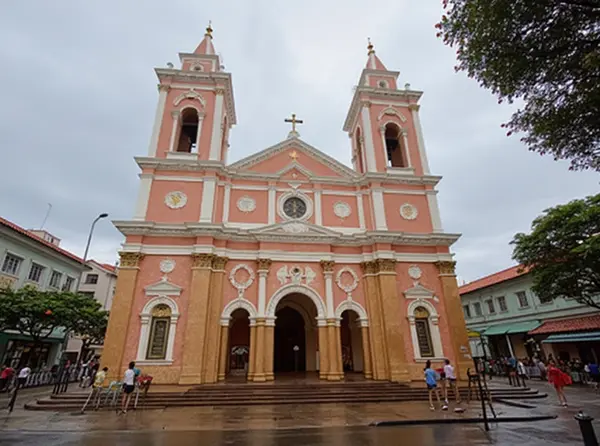
8. Binondo Church (Minor Basilica of San Lorenzo Ruiz)
Minor Basilica of San Lorenzo Ruiz
बिनोंडो चर्च में सदियों पुराने चीनी-फिलीपीन कैथोलिक इतिहास का अनुभव करें। अलंकृत बारोक आंतरिक सजावट की प्रशंसा करें और स्थानीय भक्ति को करीब से देखें।
त्वरित तथ्य: धूप और रंग-बिरंगी लालटेनों की गर्म धुंध आगंतुकों का स्वागत करती है, जो बारोक वेदियों और चीनी सजावटी रूपांकनों का एक आश्चर्यजनक मिश्रण प्रकट करती है। कई लोग देश के पहले संत घोषित संत की पूजा करने आते हैं, और जीवंत शादियाँ और सामुदायिक अनुष्ठान गलियारों को भक्ति से गुंजायमान रखते हैं।
मुख्य आकर्षण: 1596 में चीनी-फिलिपिनो व्यापारियों की सेवा के लिए स्थापित, यह चर्च देश के सबसे पुराने पल्लियों में से एक है और 28 सितंबर के बड़े पर्व के दौरान अभी भी घनी धूप और लकड़ी की मालाओं की खड़खड़ाहट से भरा रहता है। एक विचित्र स्थानीय प्रथा में आगंतुक छोटे-छोटे मुड़े हुए प्रार्थना पत्र और लाल प्रार्थना रिबन को साइड चैपल के चारों ओर लगी लोहे की ग्रिलों में टिकाते हैं, जिससे आप दर्जनों हस्तलिखित पर्चियाँ और फीके रिबन की पूंछों को हवा में लहराते देख सकते हैं।
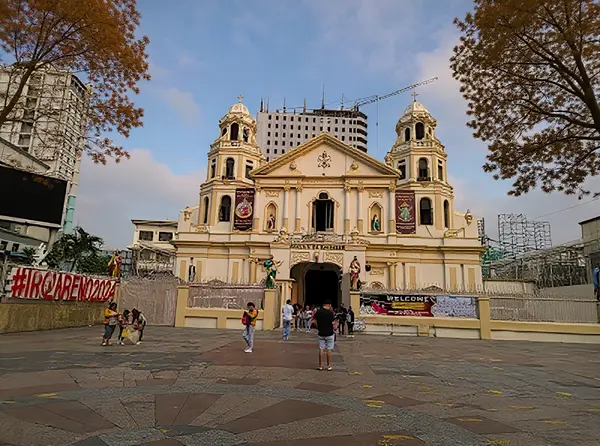
9. Quiapo Church (Minor Basilica of the Black Nazarene)
Minor Basilica of the Black Nazarene
ब्लैक नज़ारेन के माइनर बेसिलिका में गहरी लोकप्रिय भक्ति और मनीला के जीवंत इतिहास को देखें। जीवंत सामूहिक प्रार्थनाओं, मोमबत्ती की रोशनी में चढ़ावे और ब्लैक नज़ारेन की छवि के करीबी दृश्यों का अनुभव करें।
त्वरित तथ्य: भीड़ सुगंधित, मोमबत्ती से जगमगाती गलियारों में एक गहरे लकड़ी की प्रतिमा को छूने के लिए घुसती है, प्रार्थनाओं और फुसफुसाए भेंटों का एक गड़गड़ाहट पैदा करती है जो भरे हुए चर्च में कंपन करती है। पौराणिक भक्त प्रतिमा के लिए अनगिनत उत्तरित प्रार्थनाओं का श्रेय देते हैं, और वार्षिक जुलूस लाखों लोगों को आकर्षित करता है जो पवित्र आकृति के साथ एक संक्षिप्त स्पर्श के लिए सड़कों पर धक्का-मुक्की करते हैं।
मुख्य आकर्षण: मोमबत्ती के धुएँ के बादलों और मालाओं की धात्विक खनक के नीचे, उपासक फीके दुपट्टे और छोटे तौलिये को क्राइस्ट की एक जीवन-आकार की गहरी लकड़ी की मूर्ति पर दबाते हैं, जो 17वीं शताब्दी की बताई जाती है, उम्मीद करते हैं कि एक कपड़ा आशीर्वाद उठा लेगा। प्रत्येक जनवरी में लगभग 1 मिलियन भक्त उन्मादी ट्रैस्लासियन जुलूस में शामिल होते हैं, शरीर कंधे से कंधा मिलाकर 12 घंटे से अधिक समय तक जुड़े रहते हैं जब लोग प्रार्थनाएँ चिल्लाते हैं और एक चमत्कार का दावा करने के लिए गाड़ी या उसकी रस्सी को छूने की कोशिश करते हैं।
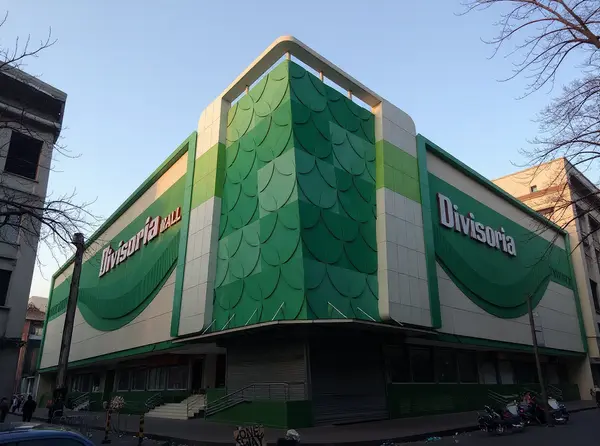
10. Divisoria Market (shopping district)
shopping district
मनीला के सबसे व्यस्त बाजार में कपड़ों, फैब्रिक और एक्सेसरीज पर अप्रतिम सौदे खोजें। स्ट्रीट फूड का स्वाद लेते हुए और कम दामों पर मोलभाव करते हुए भीड़भाड़ वाली रंगीन गलियों में घूमें।
त्वरित तथ्य: संकरी गलियाँ कपड़े के थानों से लेकर इलेक्ट्रॉनिक्स के सस्ते सामान तक सब कुछ पेश करने वाली दुकानों की एक भीड़ भरी भूलभुलैया से धड़कती हैं, इसलिए मोलभाव करना एक खेल जैसा लगता है। अनुभवी सौदेबाज थोक डिब्बे और स्ट्रीट-फूड कार्ट में घूमना पसंद करते हैं, विक्रेताओं की लगातार पुकारों के बीच बल्क डील और विचित्र खोजें हासिल करते हैं।
मुख्य आकर्षण: दुकानों की पंक्तियाँ इतनी पास-पास हैं कि आप एक विक्रेता द्वारा फिश बॉल ग्रिल करने पर लहसुन का स्वाद ले सकते हैं, जबकि पास में एक विक्रेता समान एलईडी लैंप केवल ₱10 में बेचता है, गूंजती फ्लोरोसेंट रोशनी के नीचे कपड़े के थान दस फीट ऊँचे ढेर लगे होते हैं। लंबे समय से खरीदारी करने वालों की एक चंचल रस्म है: वे काउंटर पर तीन त्वरित चॉप के साथ "अंतिम मूल्य" की उल्टी गिनती जारी करते हैं, और जब विक्रेता एक हरा पेन घुमाता है तो सौदा सील हो जाता है, जो सौदेबाजी को एक सड़क-किनारे प्रदर्शन में बदल देता है।
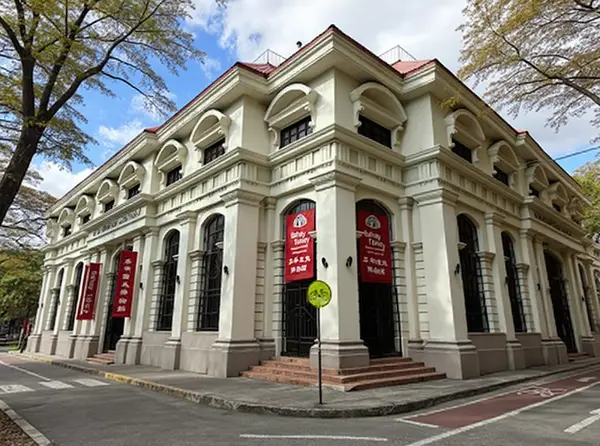
11. Visit Bahay Tsinoy Museum
दुर्लभ कलाकृतियों और जीवंत कहानियों के माध्यम से चीनी फिलिपिनो की समृद्ध विरासत की खोज करें। उन ध्वनियों और दृश्यों के साथ इतिहास में कदम रखें जो अतीत को जीवंत कर देते हैं।
त्वरित तथ्य: यह स्थान 12 लाख से अधिक चीनी फिलिपिनो की कहानियों और फिलीपीन संस्कृति एवं इतिहास पर उनके प्रभाव को प्रदर्शित करता है। प्रदर्शनियों में 300 वर्ष से अधिक पुराने जटिल पैतृक रिकॉर्ड और कलाकृतियां शामिल हैं।
मुख्य आकर्षण: आगंतुक एक अनोखी ध्वनि प्रदर्शनी का अनुभव ले सकते हैं जहां पारंपरिक चीनी वाद्ययंत्रों को पुराने मनीला की सड़कों की आवाज़ों के साथ बजाया जाता है, जो एक गहन समय यात्रा प्रभाव पैदा करता है। एक खास आकर्षण में बिनोंडो जिले का विस्तृत डियोरामा है जो 1900 के दशक की शुरुआत में दिखता था, जिसमें 500 से अधिक लघु आकृतियां हैं।
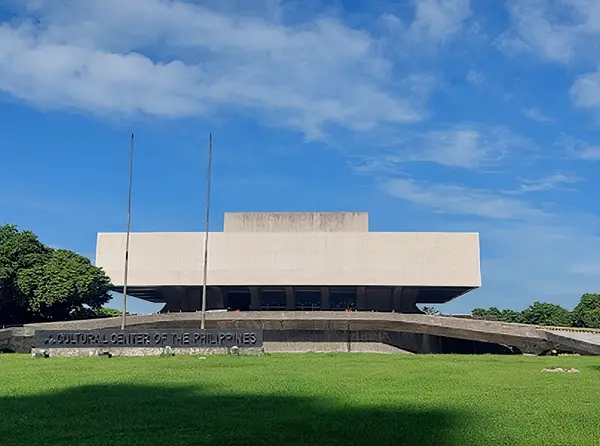
12. Cultural Center of the Philippines
फिलीपीन प्रदर्शन कलाओं की धड़कन का अनुभव करें। एक वास्तुशिल्प रूप से अद्वितीय सेटिंग में गतिशील नाटकों, संगीत कार्यक्रमों और प्रदर्शनियों को देखें जो स्थानीय संस्कृति का जश्न मनाती है।
त्वरित तथ्य: इस स्थान की एक विशिष्ट विशेषता है तांगलांग निकानोर अबेलार्डो, एक थिएटर जो अपने ध्वनिक डिजाइन के लिए जाना जाता है जो हर शब्द और नोट को अंतिम सीट तक स्पष्ट रूप से पहुंचने देता है। यहां हर महीने 50 से अधिक प्रदर्शन और कला प्रदर्शनियां होती हैं, जो देशभर से कलाकारों और दर्शकों को आकर्षित करती हैं।
मुख्य आकर्षण: प्रमुख कार्यक्रमों से पहले कलाकारों को फिलिपिनो कला का सम्मान करने के लिए एक औपचारिक मशाल सौंपते हुए देखें, यह परंपरा मूल सांस्कृतिक निदेशक द्वारा शुरू की गई थी। मुख्य थिएटर में 1,800 लोग बैठ सकते हैं और इसमें कैपिज़ शेल से बना एक झूमर है, जो रोशनी के नीचे स्थानीय शिल्प कौशल को दर्शाता है।
Where to Stay in Manila, Philippines
Selected by City Buddy based on guest reviews and proximity to top attractions
Search all hotels in Manila, PhilippinesPowered by agoda
Manila, Philippines में खुलने के दिन
शीर्ष आकर्षणों में से कौन सा सप्ताह के किस दिन बंद रहता है, यह क्लासिक यात्रा-बिगाड़ने वाली बात है, जिसे हमने आपके लिए जाँच लिया है।
सोमवार: 19 शीर्ष आकर्षणों में से 9 बंद हैं, संग्रहालयों की योजना किसी और दिन बनाएँ।
सोमवार को बंद · 9 बंद, 10 खुले
खुलने के दिन Google Maps से लिए गए हैं (2026-03-14 को जाँचा गया)। सार्वजनिक छुट्टियाँ, हड़तालें और मौसमी समय अलग हो सकते हैं, जाने से पहले आधिकारिक वेबसाइट देखें।
पारंपरिक मिठाई व्यंजन
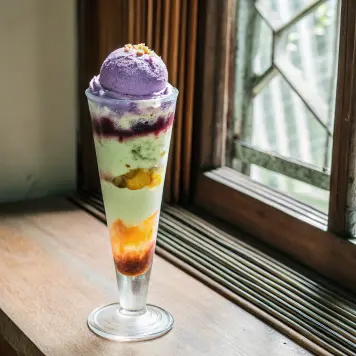
halo-halo
Halo-halo literally means 'mix', it evolved from Japanese shaved ice and Filipino sweet preserves, and today its rainbow layers topped with leche flan or ube ice cream are a summer symbol across Manila.
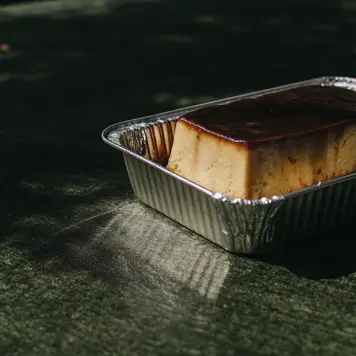
leche flan
Leche flan in the Philippines is denser and richer than its Spanish cousin because cooks use many egg yolks and condensed milk, and it is traditionally steamed in a tin mold called a llanera for a silky, custardy texture.
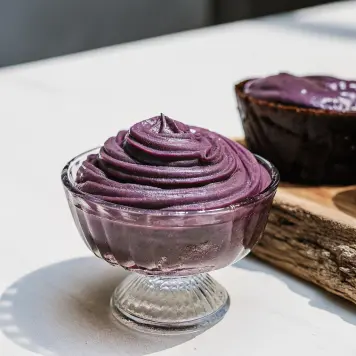
ube halaya
Ube halaya is a vivid purple jam made from purple yam, its color and nutty-sweet flavor turned it into a signature ingredient that elevates everything from halo-halo to pastries and ice cream.
पारंपरिक नमकीन व्यंजन
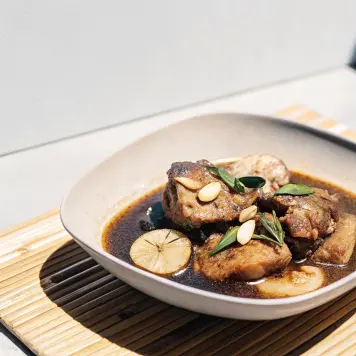
adobo
Adobo is more a method than a single recipe, vinegar and soy sauce preserve and flavor meat, and nearly every Filipino family in Manila guards a version they call their own.
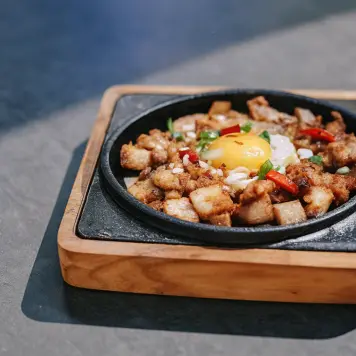
sisig
Sisig began as a resourceful Kapampangan dish made from pig's head and ears, it was revived as a sizzling, tangy bar favorite in Manila and is often finished with a raw egg on the hot plate.
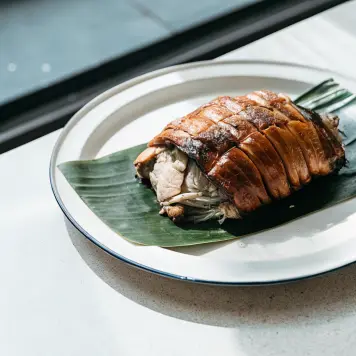
lechon
Lechon, a whole roasted pig with crackling skin and juicy meat, is the unmistakable centerpiece of Filipino fiestas and its carving announces celebration across Manila.
पारंपरिक पेय पदार्थ

sago't gulaman
Sago't gulaman pairs chewy tapioca pearls with jiggly agar jelly in a sweet brown sugar syrup, it became a beloved street drink because it is both refreshing and texturally playful.
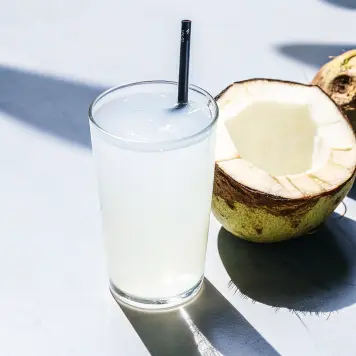
buko juice
Buko juice is the clear, slightly sweet water from young coconuts, sold straight from halved shells by vendors and prized as a natural electrolyte on hot Manila days.
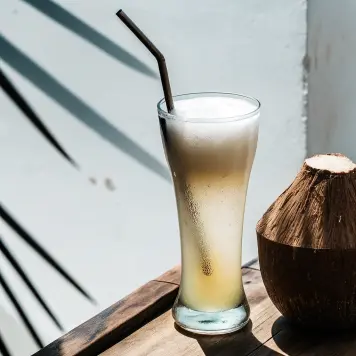
tuba
Tuba is freshly tapped coconut sap that ferments into a mildly alcoholic palm wine, it has long been woven into Filipino rituals and fiestas and can be distilled into the stronger spirit lambanog.
जाने से पहले जानें
Manila में एक दिन का खर्च कितना है, और किन ठगी से बचें
प्रति व्यक्ति प्रति दिन खर्च
बचने योग्य मुख्य ठगी
- Unlicensed airport drivers. टर्मिनल के अंदर आधिकारिक कूपन टैक्सी काउंटर का उपयोग करें या एराइवल से बाहर निकलने से पहले ऐप से ग्रैब बुक करें।
- मीटर से छेड़छाड़. जांचें कि यात्रा शुरू करते समय मीटर रीसेट हो और दर पोस्ट किए गए दिन के समय के फ्लैग-डाउन से मेल खाती हो। निश्चित मूल्य निर्धारण के लिए ग्रैब पसंद करें।
- खराब दर वाले विनिमय बूथ. बैंक शाखाओं या पोस्ट किए गए दरों वाले प्रतिष्ठित मनी चेंजरों का उपयोग करें। काउंटर से जाने से पहले अपने पेसो गिन लें।
हवाई अड्डे से उचित टैक्सी: ₱700 - ₱1,000 (€10 - €14)
सस्ता विकल्प: एयरपोर्ट जीपनी या आधिकारिक एयरपोर्ट शटल/यूवी एक्सप्रेस बाकलारन या टाफ्ट एमआरटी स्टेशन जैसे केंद्रीय क्षेत्रों के लिए (₱50)
सभी घोटाले, उचित मूल्य और नियमManila, Philippines के बारे में अक्सर पूछे जाने वाले प्रश्न
मनीला, फिलीपींस घूमने का सबसे अच्छा समय क्या है?
क्या मनीला, फिलीपींस महंगा है?
मनीला, फिलीपींस में कैसे घूमें?
क्या मनीला, फिलीपींस घूमने के लिए सुरक्षित है?
मनीला में प्रतिवर्ष कितने पर्यटक आते हैं?
सबसे लोकप्रिय आकर्षणों के साथ PDF अपने ईमेल पर प्राप्त करें
सभी आकर्षण, रेटिंग और सुझावों के साथ PDF प्राप्त करें। ऑफलाइन उपयोग के लिए उपयुक्त।
सबसे लोकप्रिय दिन की यात्राएं
Tagaytay (Taal view)
Cool ridge with panoramic views of Taal Volcano.
Taal Volcano (via Talisay)
Boat trip to the volcanic island on Taal Lake.
Pagsanjan Falls (Laguna)
Scenic gorge and classic canoe (shooting the rapids) trip.
Anilao (Mabini, Batangas)
Popular snorkeling/diving spot with clear waters.
वहाँ कैसे पहुँचें
रेलवे स्टेशन
PNR South Main Line (to Laguna, Lucena, Bicol)
MRT-3 / LRT-2 (major Metro Manila interchange)
LRT-1 / connecting buses to airport/Metro
From NAIA take a metered taxi or Grab; expect heavy traffic—allow 1–2 hours.
Manila, Philippines के लिए उपयोगी जानकारी
Manila, Philippines का अवलोकन
Manila, Philippines के लिए दिन-प्रतिदिन की योजना चाहते हैं? ट्रिप प्लानर खोलें
Manila, Philippines कब जा रहे हैं?
अपनी तारीखें और यात्रा शैली चुनें और पाएं:
क्या इनमें से कोई आपके लिए विशेष रूप से महत्वपूर्ण है?
सभी लागू विकल्प चुनें
आवागमन
आप स्थानों के बीच कैसे आना-जाना चाहते हैं?
योजना की भाषा: हिन्दीMost popular itineraries for Manila, Philippines
Browse trip plans created by other travelers
14-Day Authentic Philippines Adventure for Budget Backpackers
Discover the Philippines off the beaten path from Manila's local streets to Balabac's rugged islands and Boracay's hidden coves in this budget-friendly, authentic 14-day journey.
15-Day Manila Spring Immersion
Discover Manila’s rich history, vibrant culture, and local flavors in this 15-day spring adventure through famous landmarks and authentic experiences.