 CityBuddy
 Bahasa Indonesia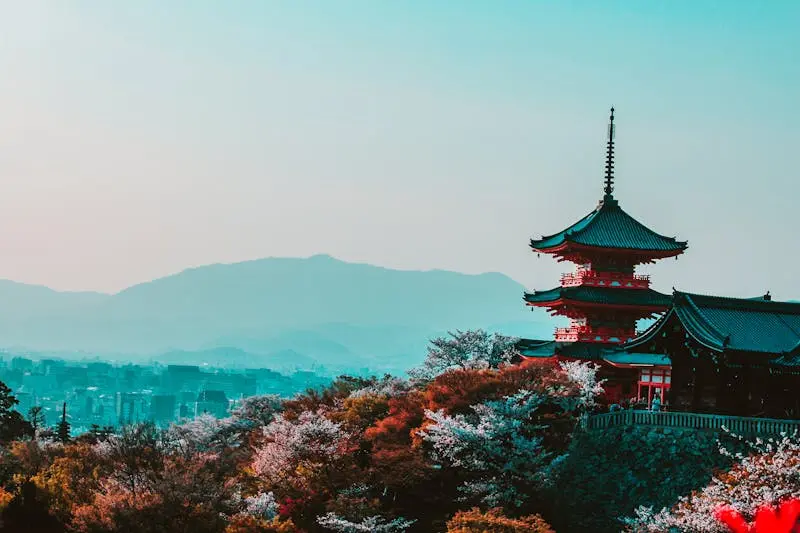
Hal yang Dapat Dilakukan di Kagoshima, Japan
Foto dibuat oleh Belle Co di Pexels.com
Kapan berkunjung
Kagoshima adalah #6 kota terbersih di dunia, berdasarkan data kami dari ratusan destinasi.
Atraksi paling populer di Kagoshima, Japan
Menjelajahi hal-hal yang dapat dilakukan di Kagoshima, Jepang menawarkan perpaduan antara alam dan budaya. Kunjungi Gunung Berapi Sakurajima, gunung berapi aktif yang terlihat dari jarak 10 kilometer, cocok untuk hiking dan pemandian air panas. Berjalan-jalanlah di Sengan-en, taman bersejarah dengan pemandangan teluk. Jangan lewatkan Akuarium Kagoshima, yang dikenal dengan pertunjukan lumba-lumba dan pameran lautnya.
1. Sakurajima (Sakurajima Volcano)
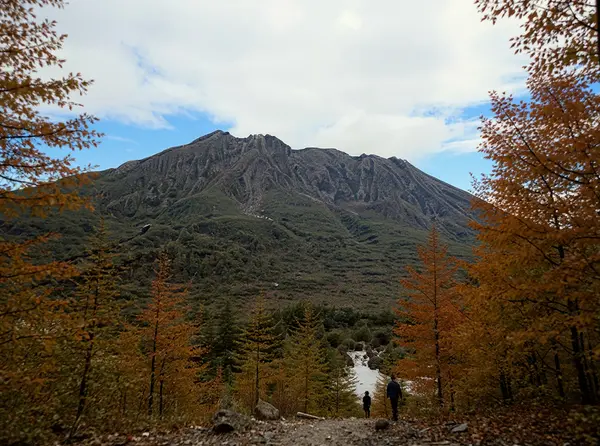
Sakurajima Volcano
Gunung berapi aktif yang mendominasi Teluk Kagoshima, di mana gumpalan abu bertemu dengan pemandangan pesisir. Naiki feri pendek, jalanilah jalur vulkanik, dan berendamlah di onsen terdekat.
Fakta cepat: Letusan yang sering terjadi mengirimkan abu dan uap ke langit puluhan kali dalam setahun, dengan beberapa gumpalan mencapai ratusan meter. Penduduk setempat dan pengunjung dengan cepat terbiasa dengan debu abu-abu halus yang menempel di mobil dan jalanan, sementara feri masih melintasi teluk untuk pemandangan berasap dari jarak dekat.
Sorotan: Naik ke tempat pengamatan sekitar 300 meter di atas tempat gumpalan abu meledak seperti kembang api gerakan lambat, Anda bisa merasakan gemuruh rendah melalui tanah dan mencium bau belerang tajam di angin. Kebanggaan lokal yang unik adalah lobak berukuran besar yang kadang mencapai lebih dari 20 kilogram, irisan renyah dan manisnya disajikan dikukus atau diasinkan dan terasa sangat lembut setelah seharian berada di dekat uap vulkanik.
2. Sengan-en (Iso Teien / Shimadzu Family Garden)
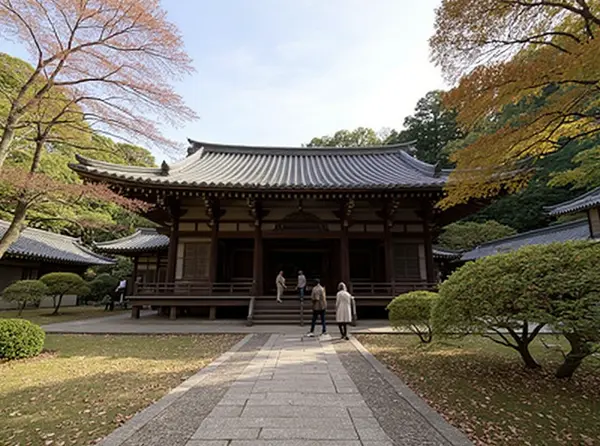
Iso Teien / Shimadzu Family Garden
Taman feodal klasik dengan pemandangan gunung berapi dan sejarah samurai. Susuri jalan setapak di tepi kolam, rumah teh, dan Museum Keluarga Shimadzu.
Fakta cepat: Kolam yang diterangi lentera memantulkan gunung berapi yang mengepul di seberang teluk, menciptakan salah satu pemandangan taman yang paling banyak difoto di dekat kawasan pesisir. Sebuah kawasan keluarga melestarikan rumah teh era samurai, koleksi pernis, dan sistem sirkulasi air laut yang cerdik yang membuat ikan koi tetap aktif bahkan di bulan-bulan dingin.
Sorotan: Sebuah saluran batu sempit melintasi area taman, mengaliri 12 kolam yang terhubung dengan air laut sehingga ikan koi berkilau dengan kilau asin yang hampir bisa Anda rasakan saat bersandar di pagar kayu. Pemandu menunjukkan pohon cedar berusia 300 tahun dan menggambarkan ritual unik di mana seorang master teh membunyikan lonceng tiga kali, lalu menyajikan matcha beraroma adas sambil menceritakan bagaimana pusaka keluarga tersembunyi pernah disembunyikan di lubang pohon tersebut.
3. Kagoshima Aquarium (Io World Kagoshima Aquarium)
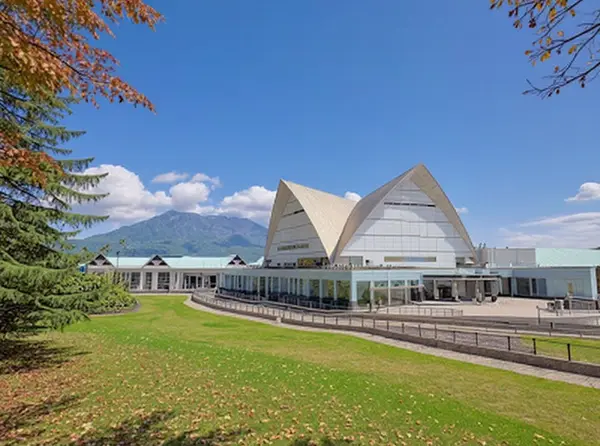
Io World Kagoshima Aquarium
Rasakan kekuatan Arus Kuroshio dan kehidupan laut lokal. Berjalanlah di akuarium besar, saksikan pertunjukan memberi makan, dan jelajahi kolam sentuh interaktif.
Fakta cepat: Masuklah ke dalam dan Anda akan mengikuti jalur hangat dan berputar dari Arus Kuroshio, di mana spesies tropis berbaur dengan makhluk pesisir lokal. Pameran diatur sehingga Anda dapat melompat dari tangki sentuh kolam batu ke tampilan terumbu karang yang berwarna-warni dan galeri laut terbuka yang dalam tanpa harus mundur, memberikan tur yang sangat kompak ke laut di sekitarnya.
Sorotan: Tangki Kuroshio yang luas memancarkan cahaya hijau zamrud melintasi ruangan, dan menyaksikan kawanan ikan jack dan horse mackerel berputar di sekitar jendela pengamatan utama selama beberapa menit terasa hipnotis. Para penjaga menceritakan kisah-kisah lokal selama demonstrasi pemberian makan, dan Anda dapat mendengar percikan lembut saat sisik berkilau seperti koin, membuat seluruh pemandangan terasa terkoordinasi dan terasa intim.
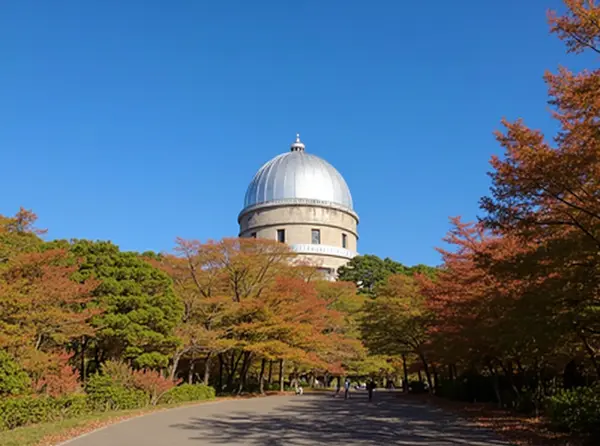
4. Shiroyama Park & Observatory (Shiroyama Observatory)
Shiroyama Observatory
Pemandangan spektakuler Sakurajima dan Teluk Kagoshima dari taman puncak gunung yang kompak. Jalur pendek menuju dek observasi, sempurna untuk foto senja dan cakrawala.
Fakta cepat: Bertengger di atas teluk yang berasap, tempat pengamatan ini membingkai siluet gunung berapi aktif, lalu lintas feri, dan selimut lampu kota yang memerah saat matahari terbenam. Jalur hutan pendek mendaki melewati pohon kapur barus dan pinus, di mana anak tangga batu yang lapuk dan bekas tempat meriam dengan tenang mengingatkan masa lalu perang.
Sorotan: Sekelompok penduduk setempat tiba sekitar tiga puluh menit sebelum senja, membentangkan bekal di bangku batu sementara feri melintasi teluk dalam waktu sekitar 15 menit dan klakson mereka memecah keheningan udara. Fotografer menunggu 20 hingga 30 menit setelah matahari terbenam untuk menangkap momen singkat ketika gumpalan gunung berapi menangkap cahaya merah muda dan lampu kota yang seperti landasan pacu membentang menjadi pita eksposur panjang yang sempurna.
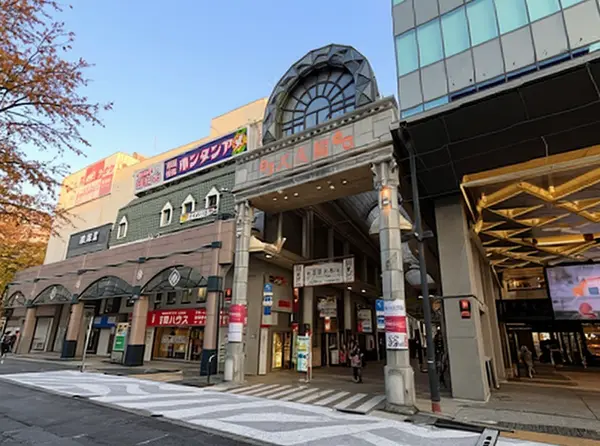
5. Tenmonkan Shopping Arcade
Gedung-gedung bersejarah di pusat kota yang dipenuhi makanan lokal, toko, dan energi neon. Susuri jalan beratap untuk mencicipi satsuma-age, berburu label shochu, dan berbelanja kerajinan tangan.
Fakta cepat: Sebuah arkade beratap membentang sekitar 600 meter, dipadati lebih dari 200 toko dan tempat makan yang membuat jalan ini ramai dari pasar pagi hingga jajanan larut malam. Spesialisasi lokal seperti es serut shirokuma dan ikan goreng satsuma-age memenuhi udara dengan aroma manis dan gurih, sementara pengamen jalanan dan tempat pachinko menambah kebisingan dan warna yang tak terduga.
Sorotan: Pantulan neon membuat ubin basah berkilau setelah hujan, dan sebuah kios populer bernama Suzu menjual hingga 300 mangkuk es serut shirokuma di akhir pekan musim panas yang terik. Lonceng kuningan tua yang digantung di atas salah satu gang dibunyikan oleh para pemilik toko selama festival lokal, sebuah ritual unik di mana anak-anak menghitung bunyi lonceng hingga mencapai tujuh untuk 'membawa keberuntungan' bagi musim tersebut.
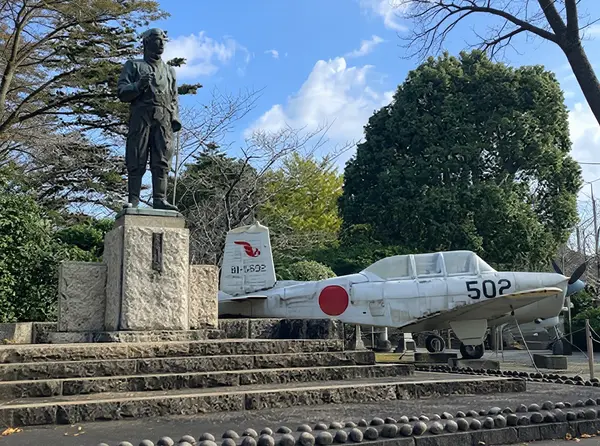
6. Chiran Peace Museum for Kamikaze Pilots
Cerita Perang Dunia II yang kuat dan personal melalui surat dan seragam pilot. Berjalanlah di taman yang tenang, baca surat perpisahan, dan lihat barang-barang pribadi pilot dari dekat.
Fakta cepat: Galeri yang tenang menyimpan deretan foto potret dan lebih dari 1.000 surat perpisahan, banyak ditulis dengan pensil gemetar dan dilipat ke dalam amplop kecil. Jaket penerbangan, helm, dan baling-baling usang terletak di samping catatan pribadi, sehingga skala kisah manusianya lebih terasa dibandingkan detail teknis apa pun.
Sorotan: Sebuah ruang dengan cahaya redup menampilkan lebih dari 1.000 surat perpisahan tulisan tangan yang diatur berdasarkan usia pengirim, dan satu amplop mengungkapkan penulisnya berusia 19 tahun, tinta telah memudar tetapi tanda tangannya masih jelas. Pengunjung sering berdiri dalam keheningan sementara bau kertas tua dan derit lantai kayu membuat potret dan catatan kecil yang terlipat terasa begitu nyata.
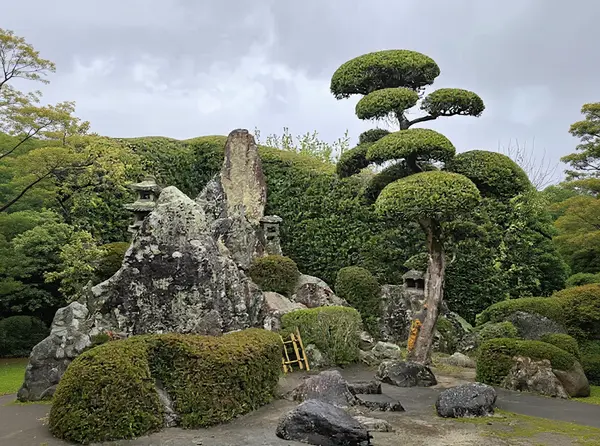
7. Chiran Samurai Residences (Chiran Historical Samurai District)
Chiran Historical Samurai District
Kota samurai otentik dengan rumah-rumah terawat dan taman yang tenang. Masuki ruang tatami, koleksi baju besi, museum keluarga, dan jalan berbatu yang sempit.
Fakta cepat: Jalan setapak berbatu yang berkelok memperlihatkan deretan dinding putih rendah, gerbang kayu sempit, dan taman kecil, di mana suara kerikil berderak bercampur dengan aroma pinus.
Sorotan: Meluncur di bawah gerbang rendah dan Anda bisa berdiri di samping lentera batu berlumut yang dinaungi pohon maple, memperhatikan bagaimana hujan memperlembut warna dan meredam langkah kaki. Pemandu lokal sering menunjuk sebuah plakat kayu berukir dengan lambang keluarga tiga koma melingkar dan tahun 1848, sebuah detail kecil nyata yang menghubungkan satu rumah tangga dengan nama dan cerita tertentu.
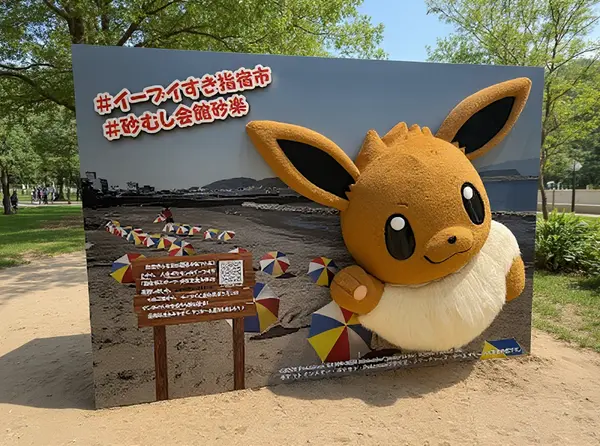
8. Ibusuki Sunamushi Sand Baths (Ibusuki Onsen)
Ibusuki Onsen
Bersantailah di pasir vulkanik hangat Ibusuki untuk pengalaman onsen yang unik dan menenangkan. Berbaringlah di pantai sementara petugas menutupi Anda dengan pasir yang mengepul dan nikmati pemandangan laut.
Fakta cepat: Uap yang naik melalui pantai memanaskan pasir vulkanik hitam sehingga Anda bisa dikubur hingga leher, menghasilkan keringat berat dan lembab yang terasa seperti sauna. Sesi berlangsung singkat, biasanya 10 hingga 15 menit, petugas menutupi Anda dengan handuk basah dan tikar bambu, dan banyak pengunjung membilas diri di laut sesudahnya.
Sorotan: Berbaring dengan hanya wajah yang bebas, Anda mendengar ombak dan mencium bau garam sementara pasir bersuhu sekitar 45-55°C (113-131°F), kehangatan yang membuat kulit memerah dan otot-otot rileks dalam hitungan menit. Petugas lokal menggunakan sendok kayu untuk mengubur pengunjung dengan cepat dan sering diakhiri dengan kompres handuk kulit kepala singkat atau tekanan lembut, lalu kebanyakan orang melompat ke ombak untuk pendinginan mengejutkan yang mempertajam seluruh kontras sensorik.
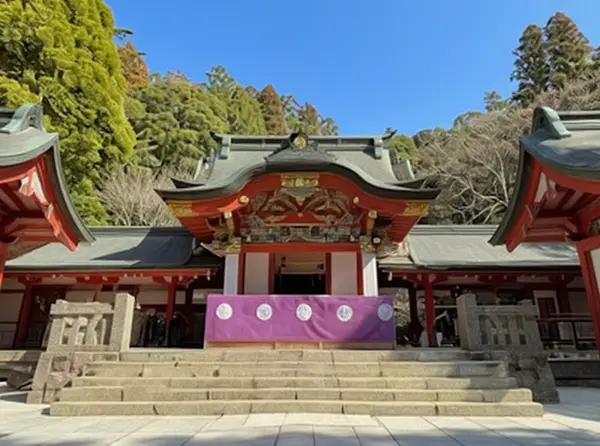
9. Kirishima-Jingu Shrine (Kirishima Shrine)
Kirishima Shrine
Kuil gunung berapi dengan puncak dramatis dan pemandangan danau. Susuri jalan pohon cedar, lihat torii berlapis, dan alami ritual Shinto berusia berabad-abad.
Fakta cepat: Pendekatan yang dramatis membawa Anda melewati pohon cedar tinggi dan menaiki anak tangga batu, di mana aroma dupa bercampur dengan udara gunung yang sejuk untuk menciptakan suasana khusyuk yang tenang. Para pemuja lokal menghormati hubungan kuil dengan Ninigi-no-Mikoto dan Konohanasakuya-hime, dan banyak pengunjung melihat gerbang torii dan panel ukiran yang menggema mitos tentang dewa dan api vulkanik.
Sorotan: Cerita lokal menceritakan bagaimana Konohanasakuya-hime membuktikan kesuciannya dengan melahirkan di dalam gubuk yang terbakar, sebuah adegan dramatis yang diukir di panel kayu dekat aula utama yang sering dihentikan pengunjung untuk dipelajari. Pengunjung bisa merasakan cerita itu di udara, di mana kabut gunung yang sejuk bercampur dengan kehangatan manis dupa cendana dan gema kelepak kayu, membuat mitos-mitos itu hampir terdengar.
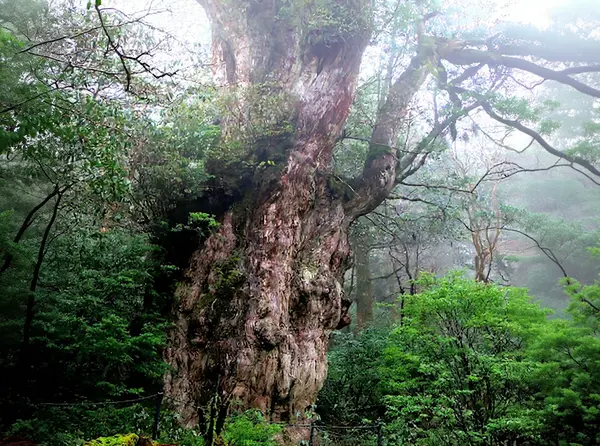
10. Yakushima Island — Jomon Sugi / Yakusugi Forest (Yakushima National Park)
Yakushima National Park
Pohon cedar raksasa kuno dan jalur berlumut purba menjadi hadiah pendakian. Berjalanlah menuju Jomon Sugi dan melalui Hutan Yakusugi untuk menyaksikan batang yang menjulang, kabut, dan keheningan.
Fakta cepat: Mendaki ke pohon cedar tua yang paling terkenal membutuhkan perjalanan pulang pergi sejauh 10 hingga 14 kilometer melalui jalur curam yang ditumbuhi lumut, jadi rencanakan perjalanan sehari penuh dan waspadai batu licin. Peneliti memperkirakan spesimen terbesar mungkin berusia hingga 7.200 tahun, jadi Anda berjalan di antara pohon-pohon yang selamat dari ribuan tahun badai dan kabut pesisir.
Sorotan: Dari dekat, batang pohon cedar kuno berukuran lebih dari 16 meter, sebuah skala yang mengecilkan suara dan membuat setiap derit terdengar sangat besar. Pemandu berpengalaman sering meminta rombongan untuk diam total selama 60 detik di sebuah lapangan terbuka, sebuah ritual yang mengungkapkan suara berlapis: tetesan lambat dari dedaunan, suara sungai yang jauh, dan gemerisik lembut daun di bawah kaki.
Where to Stay in Kagoshima, Japan
Selected by City Buddy based on guest reviews and proximity to top attractions
Search all hotels in Kagoshima, JapanPowered by agoda
Hari buka di Kagoshima, Japan
Objek wisata terbaik mana yang tutup pada hari apa dalam seminggu, hal klasik yang bisa merusak perjalanan, sudah kami cek untuk Anda.
Kabar baik: semua 9 objek wisata terbaik dengan jam operasional yang diketahui buka setiap hari dalam seminggu.
Tutup pada Senin · 0 tutup, 9 buka
Tidak ada yang tutup pada Senin, semua 9 objek wisata dengan jam operasional yang diketahui buka.
Hari buka dari Google Maps (diperiksa 2026-02-22). Hari libur nasional, pemogokan, dan jam musiman dapat berbeda, cek situs resmi sebelum pergi.
Hidangan manis tradisional
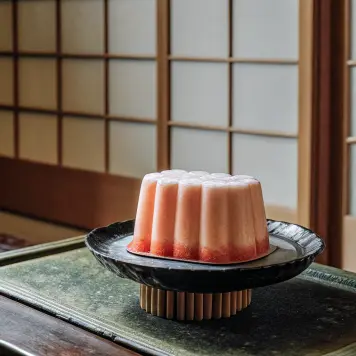
Karukan
Karukan is a pillowy steamed cake made from grated Japanese yam and rice flour, its springy texture was prized in feudal Satsuma court cuisine and still feels like biting into a soft cloud.
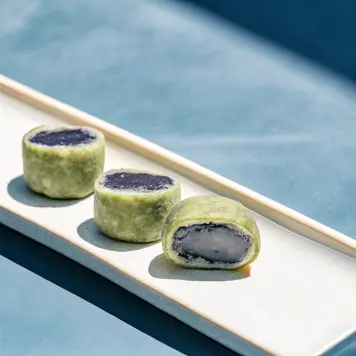
Kuro-imo sweets
Kuro-imo sweets use Kagoshima's black sweet potato, the deep purple flesh gives confections a velvety color and a naturally sweet, chestnut-like flavor that needs little added sugar.
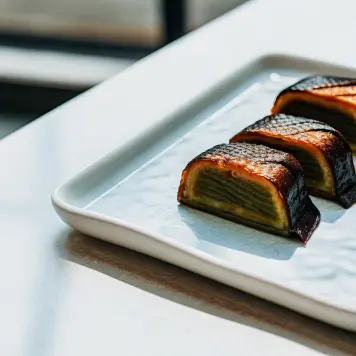
sweet potato desserts
Kagoshima's sweet potato desserts celebrate a tuber the region grows in abundance, from simple roasted yaki-imo to silky puddings, and local bakers say the flavor changes with the microclimate of each field.
Hidangan gurih tradisional
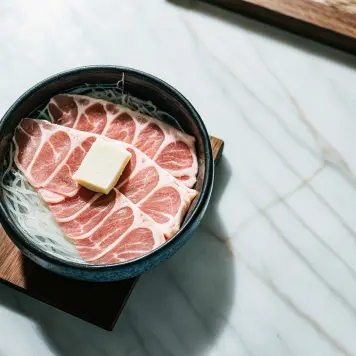
Kurobuta
Kurobuta, Kagoshima's Berkshire pork, is famed for its delicate marbling and buttery richness, and some farmers historically finished hogs on sweet potatoes to deepen the meat's natural sweetness.

Satsuma-age
Satsuma-age are golden fried fish cakes created in Satsuma as a method to preserve surplus catch, and their chewy, slightly sweet texture makes them a beloved snack and ingredient across Japan.
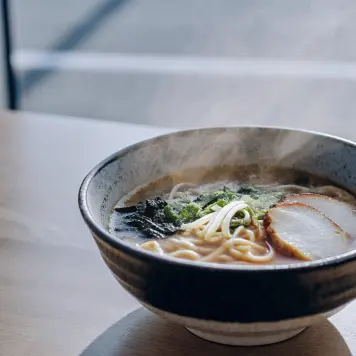
Kagoshima ramen
Kagoshima ramen features a multi-layered broth made by simmering pork, chicken, and vegetables together, and its mellow, slightly sweet profile reflects the region's preference for comforting, balanced flavors.
Minuman tradisional
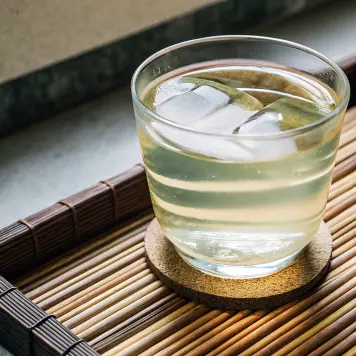
Shochu
Kagoshima is Japan's shochu heartland, famous for imo shochu distilled from sweet potatoes, and traditional single-distillation methods preserve the tuber's earthy aroma and distinctive personality.
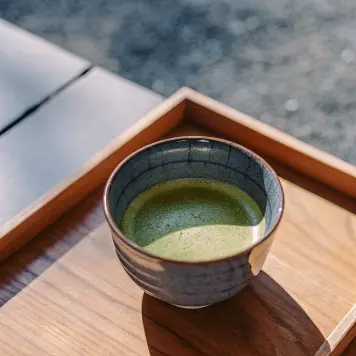
Green tea
Kagoshima's green tea benefits from warm coastal climates and volcanic soils near Sakurajima, which help produce a deep, rounded sweetness that surprises drinkers used to more astringent varieties.
Pertanyaan yang Sering Diajukan tentang Kagoshima, Japan
Apakah Kagoshima, Jepang aman untuk wisatawan?
Berapa hari yang sebaiknya saya habiskan di Kagoshima, Jepang?
Kapan waktu terbaik untuk mengunjungi Kagoshima, Jepang?
Apakah Kagoshima, Jepang mahal untuk wisatawan?
Bagaimana cara berkeliling di Kagoshima, Jepang?
Dapatkan PDF dengan atraksi paling populer dikirim ke email Anda
Dapatkan PDF dengan semua atraksi, penilaian, dan tips. Sempurna untuk digunakan secara offline.
Perjalanan sehari paling populer
Kirishima (Kirishima-Kinkowan NP)
Volcanic park with hikes, crater lakes and shrines
Yakushima
World Heritage island with ancient cedar forests
Cara menuju ke sana
Stasiun kereta
Kyushu Shinkansen, JR Kagoshima Main Line, Ibusuki Makurazaki Line
JR Kagoshima Main Line, local services
From Kagoshima Airport take the Airport Shuttle bus (40–50 min) to Kagoshima-Chuo Station.
Informasi berguna untuk Kagoshima, Japan
Ikhtisar untuk Kagoshima, Japan
Ingin rencana harian untuk Kagoshima, Japan? Buka perencana perjalanan
Kapan Anda akan ke Kagoshima, Japan?
Pilih tanggal dan gaya perjalanan Anda untuk mendapatkan:
Apakah ada hal yang sangat penting bagi Anda?
Pilih semua yang sesuai
Transportasi
Bagaimana Anda ingin berpindah antar tempat?
Bahasa rencana: Bahasa Indonesia