 CityBuddy
 Bahasa Indonesia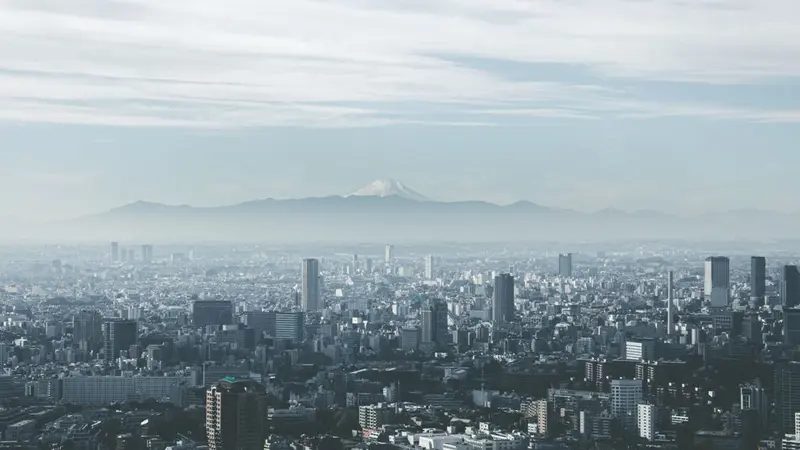
Hal yang Dapat Dilakukan di Japan
Foto dibuat oleh Ruiz . di Pexels.com
Kapan berkunjung
Atraksi paling populer di Japan
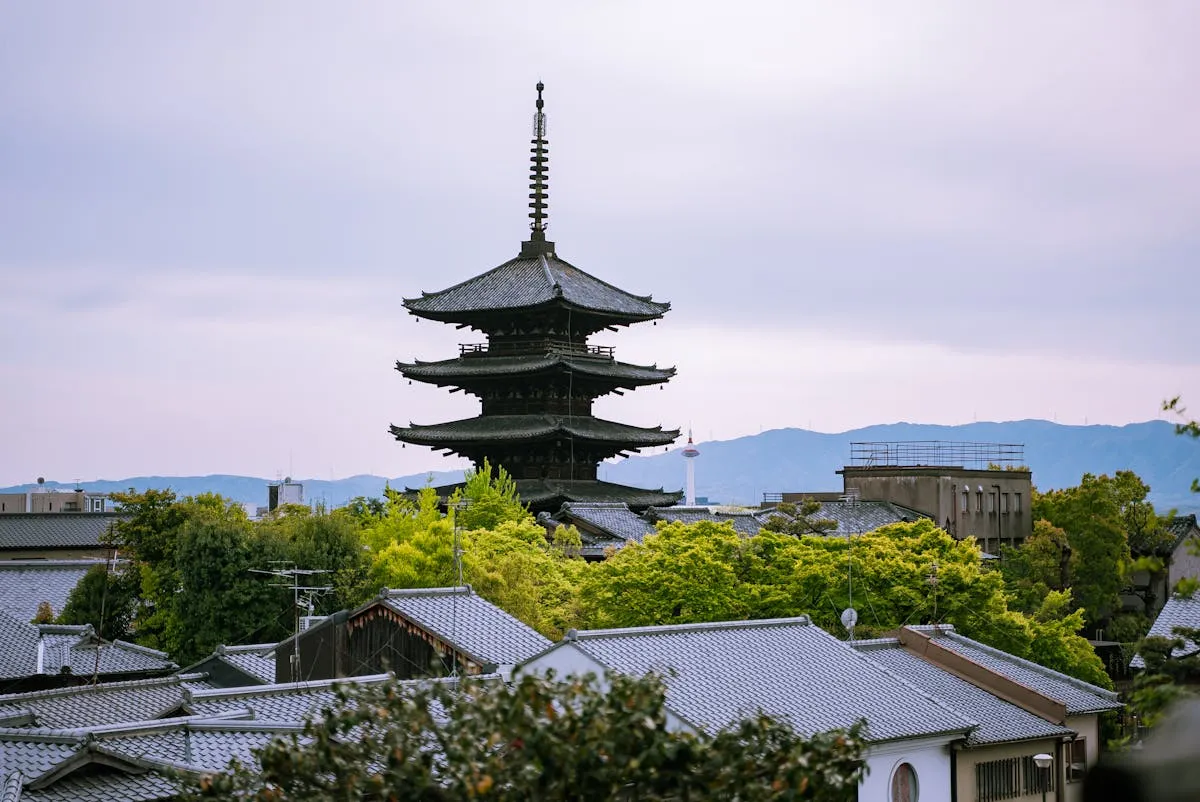
Hal yang dapat dilakukan di Jepang meliputi menjelajahi ribuan gerbang torii berwarna merah di Fushimi Inari Taisha hingga mengagumi daun emas yang berkilauan di Kinkaku-ji, Paviliun Emas di Kyoto. Di Tokyo, Senso-ji menawarkan pengalaman mendalam ke Asakusa yang penuh sejarah, sementara Tokyo Skytree menyediakan pemandangan kota yang luas dari ketinggian 634 meter.
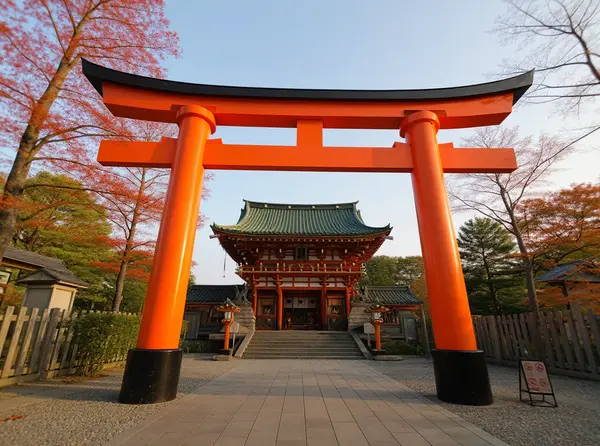
1. Fushimi Inari Taisha
Kyoto
Thousands of bright orange gates form a tunnel up a sacred mountain. Climb past fox statues and tiny shrines for sweeping views over Kyoto.
Fakta cepat: Some 10,000 vermilion torii gates snake up the mountainside in a 4-kilometer loop trail. The climb passes over 200 individual shrines and takes most visitors around two to three hours round trip.
Sorotan: At the trail's halfway mark, roughly 30 minutes up, you hit Yotsutsuji Intersection, where the city of Kyoto sprawls below in a panoramic sweep. Get there for sunrise and you'll share the viewpoint with maybe a handful of early risers instead of the thousands of people who flood in by mid-morning.
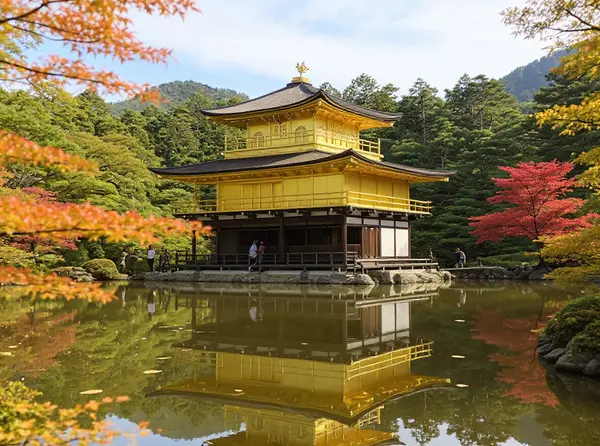
2. Kinkaku-ji / Golden Pavilion
Kyoto
Lihat paviliun berlapis emas berkilauan di atas kolam yang seperti cermin. Harapkan pantulan sempurna ala kartu pos dan jalan-jalan taman yang tenang.
Fakta cepat: Seekor phoenix tembaga bertengger di atap, menangkap sinar matahari dan memantulkan kilauan emas kecil di kolam. Ashikaga Yoshimitsu memerintahkan vila pensiun asli, dan bangunan saat ini berasal dari rekonstruksi tahun 1955 setelah kebakaran pada 1950.
Sorotan: Dua lantai teratas dilapisi lembaran emas dan berhias phoenix berlapis emas, kilauannya berubah mengikuti gelombang di permukaan kolam. Kebakaran yang terkenal pada 1950 oleh seorang biksu pemula menyebabkan rekonstruksi dramatis pada 1955, kisah yang masih didengar pengunjung saat berjalan di taman.
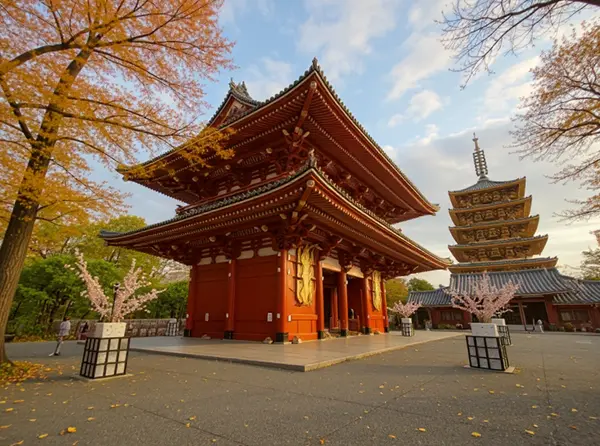
3. Senso-ji (Asakusa, Tokyo)
Tokyo
Lentera ikonik dan kios pasar yang ramai menarik kerumunan. Harapkan foto dramatis, camilan gurih, dan asap dupa harum.
Fakta cepat: Lampion merah besar tergantung di bawah gerbang utama, menciptakan titik fokus foto yang menarik banyak penduduk dan pengunjung. Asap dupa manis dan beraroma kayu melayang di halaman sementara orang-orang mengipasnya ke anggota tubuh yang sakit, sementara jalan pasar yang ramai menyediakan kerupuk nasi panas dan suvenir.
Sorotan: Lampion kertas merah setinggi 3,9 meter dengan berat sekitar 700 kilogram menggantung di atas pintu masuk, menciptakan foto dramatis yang membuat orang di bawahnya tampak kecil. Kerumunan orang berkumpul di sekitar tungku dupa yang mengeluarkan asap, mengipasnya ke arah diri mereka karena banyak yang percaya bahwa asap itu membawa kesehatan dan keberuntungan, memenuhi udara dengan aroma kayu manis.
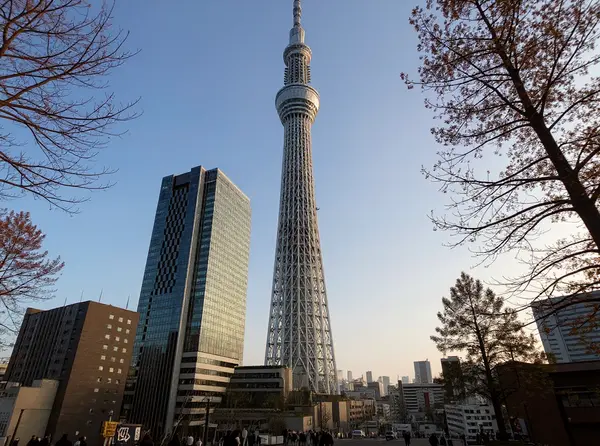
4. Tokyo Skytree (Sumida, Tokyo)
Tokyo
Pemandangan cakrawala tak tertandingi dari ketinggian yang memusingkan. Lantai kaca, panorama luas, dan pertunjukan LED yang mempesona.
Fakta cepat: Berdiri setinggi 634 meter, struktur ini termasuk salah satu menara berdiri sendiri tertinggi di dunia dan menawarkan pemandangan kota yang luas hingga bermil-mil. Bagian lantai kaca, dua dek observasi, dan dasar yang seperti museum membuat kunjungan menjadi pengalaman bertingkat bukan sekedar naik lift saja.
Sorotan: Sebuah rahasia numerik bermain tersembunyi dalam ketinggian: 6-3-4 melambangkan 'mu-sa-shi' dalam bahasa Jepang, sebuah penghormatan sengaja kepada provinsi historis Musashi. Pada malam hari, sistem lampu LED lebih dari 1.000 unit berputar dengan palet tema, mengubah siluet menjadi cerita warna yang bisa dirasakan sekaligus dilihat dari promena di tepi sungai terdekat.
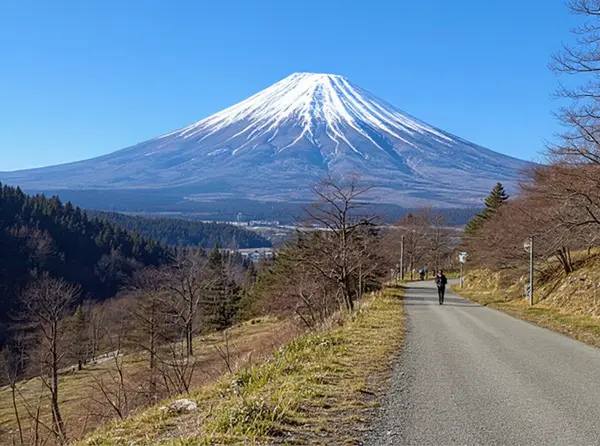
5. Mount Fuji (Fujinomiya/Hakone)
Fujinomiya
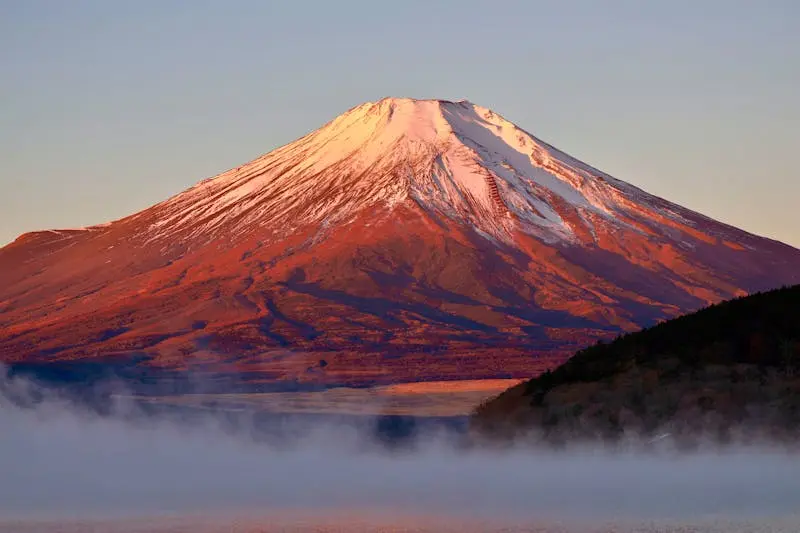
Matahari terbit yang epik dan panorama luas. Mendaki atau ambil titik pandang untuk menyaksikan cahaya emas menyebar di atas lautan awan.
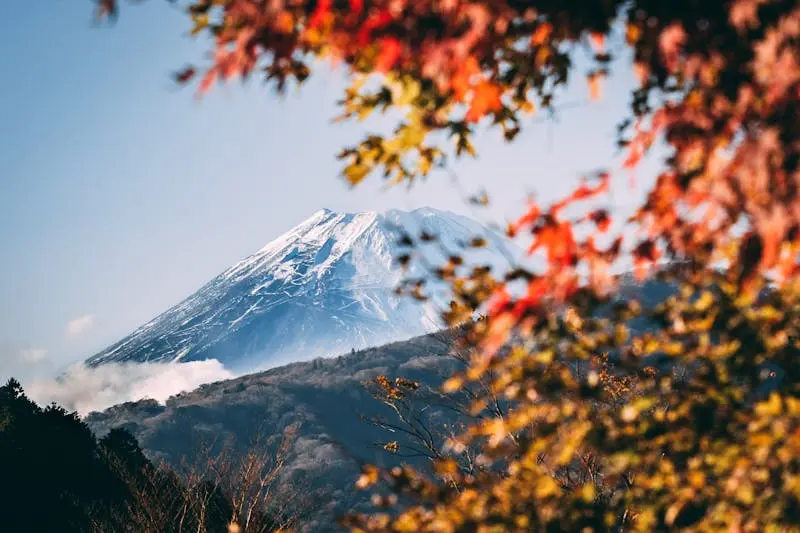
Fakta cepat: Sebuah kerucut vulkanik hampir sempurna menjulang setinggi 3.776 meter, sering terlihat dari kota-kota pada hari cerah. Lima danau di kaki bukit yang seperti cermin dan puluhan kuil gunung terletak di sekeliling pangkalan, menarik fotografer dan peziarah.
Sorotan: Di ketinggian 3.776 meter, tepi kawah yang luas menawarkan panorama matahari terbit yang membanjiri lereng dengan emas dan bayangan. Para peziarah masih berhenti di kuil stasiun kelima untuk meninggalkan prasasti kayu kecil dan membunyikan lonceng, ritual taktil yang mengisi kegelapan sebelum fajar dengan nada logam rendah.
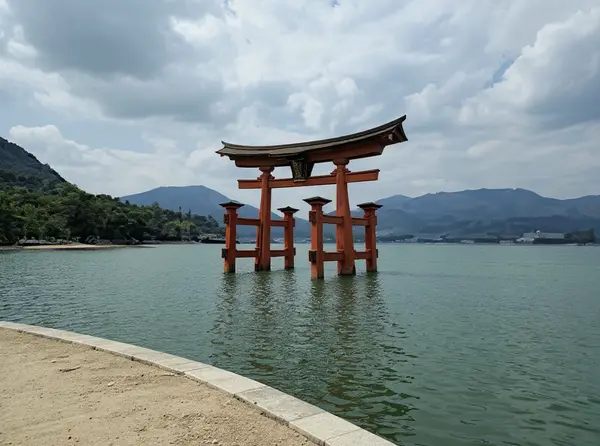
6. Itsukushima Shrine (Miyajima, Hatsukaichi)
Hatsukaichi
Lihat torii menjulang dari laut saat pasang tinggi. Jalan keluar saat surut untuk melihat pantulan dan musik pengadilan Heian yang hidup.
Fakta cepat: Pasang surut menjadikan pendekatan ini panggung berair dua kali sehari, membuat torii tampak mengapung saat air pasang dan bisa dilalui saat air surut. Situs Warisan Dunia UNESCO dengan aula berlapis lak merah jambu di atas tiang cedar, kompleks ini masih bergema dengan prosesi perahu ritual dan musik kuil.
Sorotan: Saat air pasang, torii utama setinggi sekitar 16 meter tampak melayang seperti lukisan berbingkai di atas teluk, berkilau oranye saat matahari terbenam. Penduduk lokal terus merayakan Kangen-sai, festival musik perahu dari periode Heian di mana perahu berlapis lak mengangkut musisi gagaku di bawah cahaya lampion.
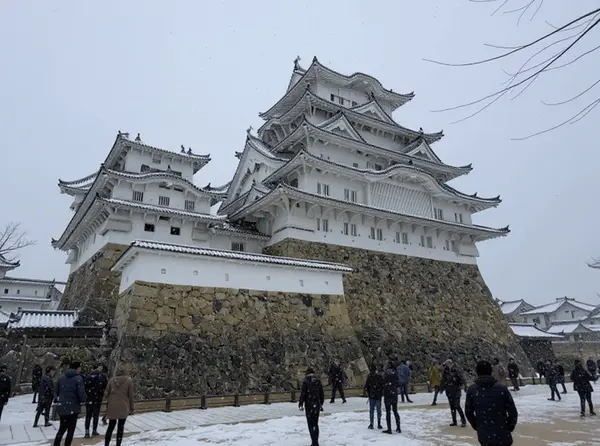
7. Himeji Castle
Himeji
Benteng putih yang menjulang dengan pemandangan atap yang sepadan dengan usaha. Jelajahi lorong kayu sempit dan naik ke titik pengamatan panoramik.
Fakta cepat: Dinding plester putih dan atap bertingkat menangkap cahaya, memberi kompleks ini siluet menyerupai bangau kertas yang digunakan pelaut sebagai tanda pantai. Pengunjung sering mengomentari tata letak pertahanan yang seperti labirin, dengan tangga kayu curam dan lorong sempit yang dirancang untuk memperlambat dan membingungkan penyusup.
Sorotan: Naik ke benteng utama dan Anda akan mencapai sekitar 46 meter di atas tanah, di mana lubang panah sempit membingkai panorama 360 derajat yang mengejutkan dari ladang dan gunung jauh. Pemandu lokal senang menunjukkan trik akustik, pintu jebakan kecil, dan lorong miring yang membuat jejak kaki bergema dengan cara tak terduga, sebuah teater pertahanan yang disengaja dari masa lalu.
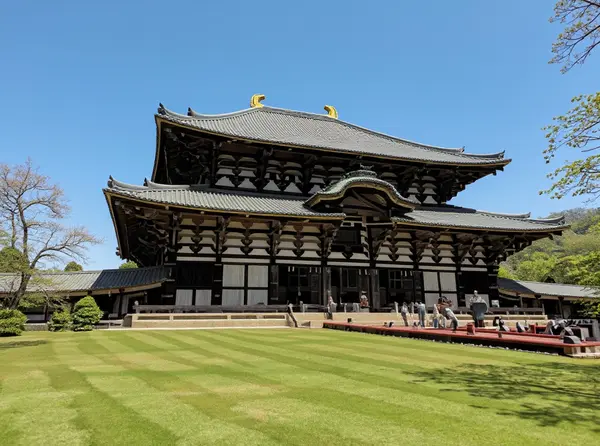
8. Nara Park & Todai-ji
Nara
Kuil suci dan rusa jinak menciptakan jalan-jalan magis. Temui rusa yang membungkuk, lihat Buddha duduk raksasa, dan jelajahi halaman yang damai.
Fakta cepat: Anda dapat berkeliaran di antara rusa jinak yang bebas berkeliaran dan membungkuk untuk menerima camilan, menciptakan momen foto yang tak terduga dan penuh keceriaan. Sebuah patung Buddha perunggu besar mengisi aula utama, tatapannya yang tenang membuat pengunjung kecil dan gema langkah kaki.
Sorotan: Lebih dari 1.200 rusa jinak berkeliaran di halaman, pedagang menjual kerupuk rusa sekitar 150 yen, dan beberapa rusa akan membungkuk sebelum mengambil makanan ringan. Di dalam aula utama, Buddha perunggu duduk setinggi sekitar 15 meter, aula kayu yang besar memperkuat langkah kaki dan dentang lonceng yang dalam selama upacara.
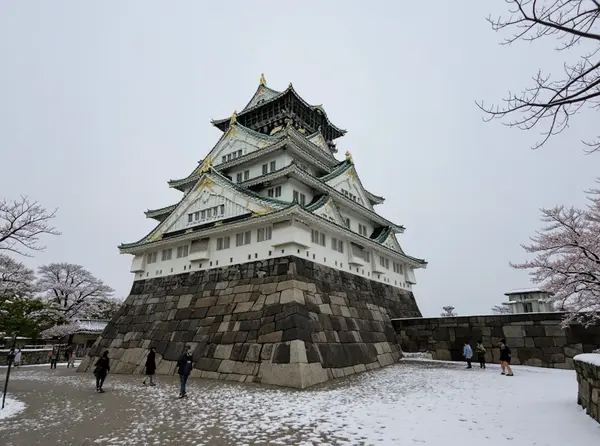
9. Osaka Castle
Osaka
Pemandangan cakrawala yang epik dan aksen emas mewah menjadikannya tak terlupakan. Jelajahi lantai museum lalu lihat bunga sakura dari atas.
Fakta cepat: Benteng putih dan emas yang dramatis menjulang di atas parit batu besar, menggabungkan ornamen era samurai yang mencolok dengan museum modern di dalamnya. Pengunjung dapat naik lift ke beberapa lantai pameran, lalu naik ke dek observasi untuk panorama kota luas.
Sorotan: Pergilah ke dek observasi lantai 8 untuk pemandangan 360 derajat yang memadukan area benteng bersejarah, menara kaca, dan sungai luas, lanskap yang disukai fotografer. Temukan dua ornamen atap shachihoko emas yang berkilau di pantulan sinar matahari, simbol unik yang ditunjukkan oleh pemandu lokal dalam tur mereka.
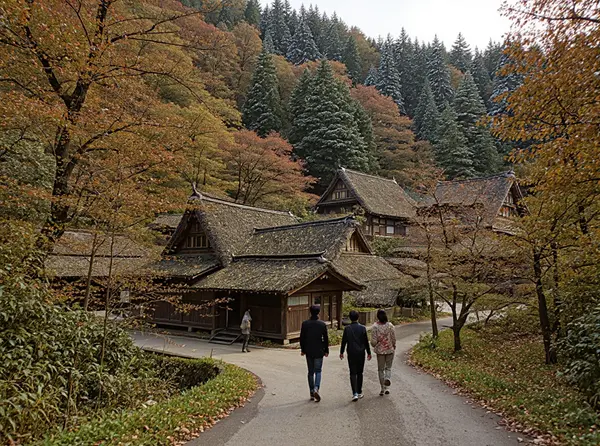
10. Shirakawa-go (Ogimachi, Gifu)
Gifu
Kumpulan unik atap jerami curam, langsung dari kartu pos. Jelajahi lorong sempit, naik ke titik pandang bukit, dan cicipi hidangan gunung yang sederhana.
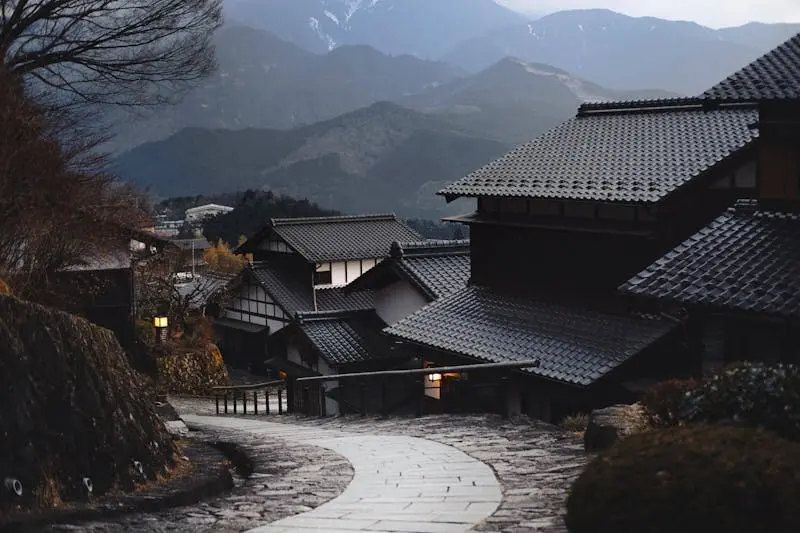
Fakta cepat: Sebuah desa pegunungan dengan atap jerami yang curam menjulang seperti tangan berdoa, menciptakan siluet yang tak terlupakan. Tiang pengeringan padi musiman dan cerobong asap berasap menjaga kehidupan sehari-hari terlihat di antara jalan wisatawan.
Sorotan: Atap gaya Gassho miring sekitar 60 derajat sehingga salju tebal dapat meluncur turun, menghasilkan profil segitiga dramatis di langit. Dari observatorium utama di bukit Anda dapat menghitung sekitar 100 atap jerami yang berkumpul di lembah, sering diselimuti salju untuk panorama ala buku cerita.
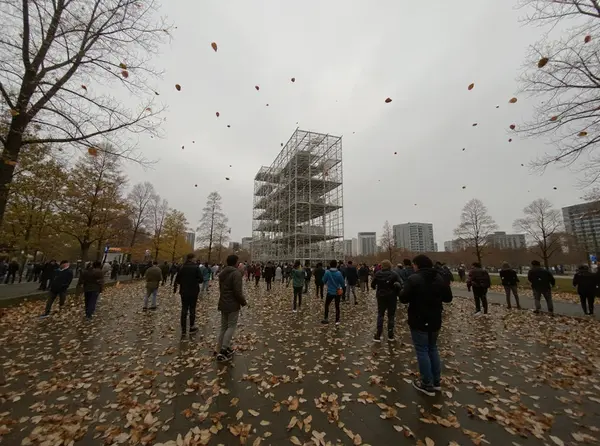
11. teamLab Borderless
Taman bermain cahaya dan suara yang mempesona yang mengubah Anda menjadi bagian dari seni. Jelajahi ruangan bercahaya di mana gerak, warna, dan suara merespons setiap langkah Anda.
Fakta cepat: Masuki ruangan di mana proyeksi mengalir di dinding, lantai, dan pengunjung, sehingga seni tidak pernah terasa statis. Lebih dari lima puluh instalasi bereaksi terhadap sentuhan dan gerakan, mengubah Anda dari penonton menjadi peserta.
Sorotan: Lampu berkumpul menjadi 'Hutan Lampu yang Bergema' di mana ratusan bola LED menggantung bersinar dan merespons gerakan di dekatnya, menciptakan jejak warna seperti gelombang di bawah kaki. 'Alam Semesta Kristal' yang dipenuhi cermin mengelilingi Anda dengan puluhan ribu lampu kecil, di mana suara dan getaran mengatur ulang pola sehingga setiap kunjungan terasa unik.
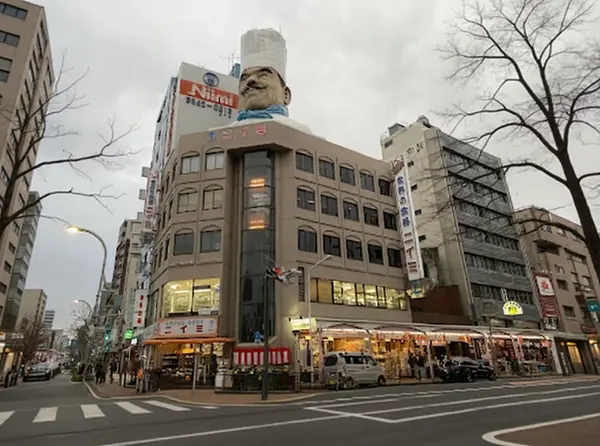
12. Kappabashi Street
Jelajahi pasar unik untuk alat restoran. Temui model makanan seperti asli, pisau chef profesional, dan peralatan makan vintage.
Fakta cepat: Sebuah jalan perbelanjaan sempit yang mengkhususkan diri pada alat-alat restoran dan alat makan, tempat koki dan pemilik kafe membeli segala sesuatu dari sendok sayur hingga pisau profesional. Deretan toko menjual display makanan plastik hiper-realistis dan panci tembaga berkilau, menciptakan perpaduan aneh antara kerajinan, perdagangan, dan warna.
Sorotan: Sekitar 170 toko khusus memenuhi jalan tersebut, termasuk atelier yang melukis mangkuk mi plastik berukuran hidup dan toko yang menawarkan pisau koki yang bisa berharga ribuan yen. Lampu toko yang hangat memantulkan dari contoh makanan tiruan mengilap, membentuk tableau mini yang tampak bisa dimakan dari kejauhan, pemandangan tak terduga yang sering tidak diduga pengunjung.
Where to Stay in Japan
Selected by City Buddy based on guest reviews and proximity to top attractions
Search all hotels in JapanPowered by agoda
Hari buka di Japan
Objek wisata terbaik mana yang tutup pada hari apa dalam seminggu, hal klasik yang bisa merusak perjalanan, sudah kami cek untuk Anda.
Selasa: 3 dari 26 objek wisata terbaik tutup, rencanakan kunjungan museum di hari lain.
Tutup pada Selasa · 3 tutup, 23 buka
- teamLab Borderless
- Isuien Garden
- Shinjuku Gyoen National Garden
Hari buka dari Google Maps. Hari libur nasional, pemogokan, dan jam musiman dapat berbeda, cek situs resmi sebelum pergi.
Kota populer di Japan
Hidangan manis tradisional
Mochi
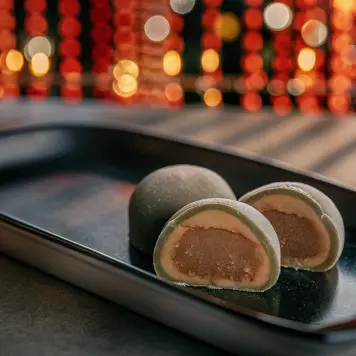
Mochi is made by pounding glutinous rice until it becomes a smooth, elastic mass, and the communal mochitsuki ceremony at New Year brings neighbors together to pound and shape it.
Wagashi
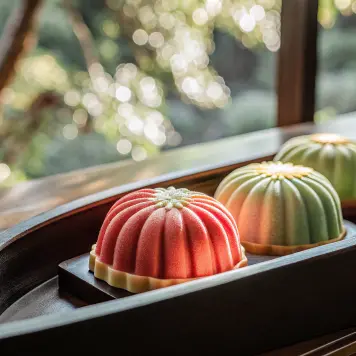
Wagashi are delicate confections crafted to reflect the season, their designs often mimic flowers, leaves and landscapes to complement tea ceremonies and moments of mindfulness.

Dorayaki
Dorayaki pairs two fluffy pancakes with sweet red bean paste, and its name 'dora' means gong after a legend that batter was once cooked on a discarded gong.
Hidangan gurih tradisional

Sushi
Sushi began as a method to preserve fish in fermented rice, and the hand-pressed nigiri style was invented in Edo in the early 19th century as fast street food.

Ramen
Ramen arrived from China and evolved into dozens of regional broths and noodle styles, and slurping loudly is both polite and helps bring the aroma to your nose.

Okonomiyaki
Okonomiyaki literally means 'grill what you like', it is a customizable savory pancake that people often cook together on communal griddles in Osaka and Hiroshima.
Minuman tradisional

Green tea
Green tea, especially powdered matcha used in tea ceremonies, contains L-theanine and caffeine that together promote calm alertness, and it became central to Zen practices.

Sake
Sake is brewed with koji mold that converts rice starch into sugar, and it has been used in Shinto rituals for centuries as a sacred offering and celebratory drink.
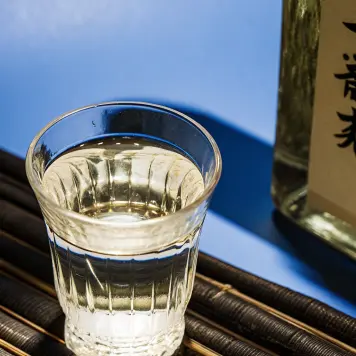
Shochu
Shochu is a distilled spirit often around 25 percent alcohol by volume, and it can be made from ingredients like sweet potato, barley or rice giving each region a distinctive flavor.
Pertanyaan yang Sering Diajukan tentang Japan
Kapan waktu terbaik untuk mengunjungi Jepang?
Apakah Jepang negara yang mahal untuk ditinggali?
Bagaimana sistem transportasi umum di Jepang?
Apakah air keran di Jepang aman untuk diminum?
Berapa banyak wisatawan yang mengunjungi Jepang setiap tahunnya?
Dapatkan PDF dengan atraksi paling populer dikirim ke email Anda
Dapatkan PDF dengan semua atraksi, penilaian, dan tips. Sempurna untuk digunakan secara offline.
Perjalanan sehari paling populer
Hakone
Hot springs, views of Mt. Fuji and lake cruises.
Kamakura
Historic temples, Great Buddha and coastal walks.
Yokohama
Large port city, Chinatown, Minato Mirai area.
Cara menuju ke sana
Bandara
Stasiun kereta
Tokaido Shinkansen, JR lines, local metro connections
Tokaido/Sanyo Shinkansen, JR lines
JR lines, Odakyu, Keio, multiple metro lines
Use Narita Express/Keisei Skyliner from Narita, Tokyo Monorail/Keikyu from Haneda; get a Suica/PASMO IC card.
Visa & masuk
EU/Schengen countries, USA, Canada, UK, Australia, New Zealand, South Korea, Singapore, Hong Kong, Taiwan, Brazil, Argentina, Chile, Mexico
Many African countries, some South Asian countries (e.g., India, Pakistan), and some Middle Eastern countries typically require visas
Check the Japan Ministry of Foreign Affairs or local embassy for your nationality; rules change and some stays vary.
Informasi berguna untuk Japan
Ikhtisar untuk Japan
Ingin rencana harian untuk Japan? Buka perencana perjalanan
Kapan Anda akan ke Japan?
Pilih tanggal dan gaya perjalanan Anda untuk mendapatkan:
Apakah ada hal yang sangat penting bagi Anda?
Pilih semua yang sesuai
Transportasi
Bagaimana Anda ingin berpindah antar tempat?
Bahasa rencana: Bahasa IndonesiaMost popular itineraries for Japan
Browse trip plans created by other travelers
7-Day Family Autumn Adventure in Japan: Hidden Gems & Local Favorites
Explore Japan's most enchanting autumn landscapes with your family, weaving through iconic sights and secret local gems that reveal the country's true heart away from tourist crowds.
13-Day Japan: Hidden Gems, Family Fun & Cultural Treasures
Discover Japan's lesser-known wonders with your family this summer: from secret temple courtyards and local neighborhood markets to kid-friendly museums and breathtaking historical sites, this off-the-beaten-path journey blends adventure, culture, and practical family-friendly pacing across Tokyo, Kyoto, Osaka, Hakone, Kanazawa, and beyond.
13-Day Japan: Hidden Paths & Backpacker Secrets
From Kyoto's hidden temple gardens to Tokyo's underground art scenes, discover Japan's best-kept secrets on a budget-friendly summer adventure through lesser-known neighborhoods, local markets, and authentic hangouts.
20-Day Autumn Japan for Culture and History Enthusiasts
Discover Japan's rich history, cultural treasures, and hidden gems over 20 unforgettable autumn days filled with museums, historic sites, and authentic local experiences.
11-Day Japan Spring Journey for Culture Seekers and Local Explorers
Dive deep into Japan's hidden gems, rich history, and authentic local scenes this spring with budget-friendly adventures and off-the-beaten-path experiences.
3-Day Yokohama, Tokyo, and Kamakura Off-the-Beaten-Path Summer Explorer
Discover hidden gems and local favorites across Yokohama, Tokyo, and Kamakura for an authentic Japan experience away from the crowds.
5-Day Springtime Japan Discovery: Culture, Nature & City Lights
Immerse yourself in the vibrant culture, breathtaking landscapes, and delicious cuisine of Japan on this unforgettable 5-day spring adventure!
13-Day Active Explorer's Journey Through Japan
Embark on an unforgettable 13-day active adventure through Japan, seamlessly blending Japan's iconic landmarks with hidden cultural gems and breathtaking natural landscapes.
12-Day Japan for Culture and History Enthusiasts
Discover Japan's rich heritage, hidden local gems, and architectural treasures across 12 immersive summer days.
5-Day Family-Friendly Spring Adventure in Japan
An engaging 5-day family trip across Japan featuring kid-friendly parks, iconic landmarks, interactive museums, and scenic nature visits with practical travel tips for families.