 CityBuddy
 Bahasa Indonesia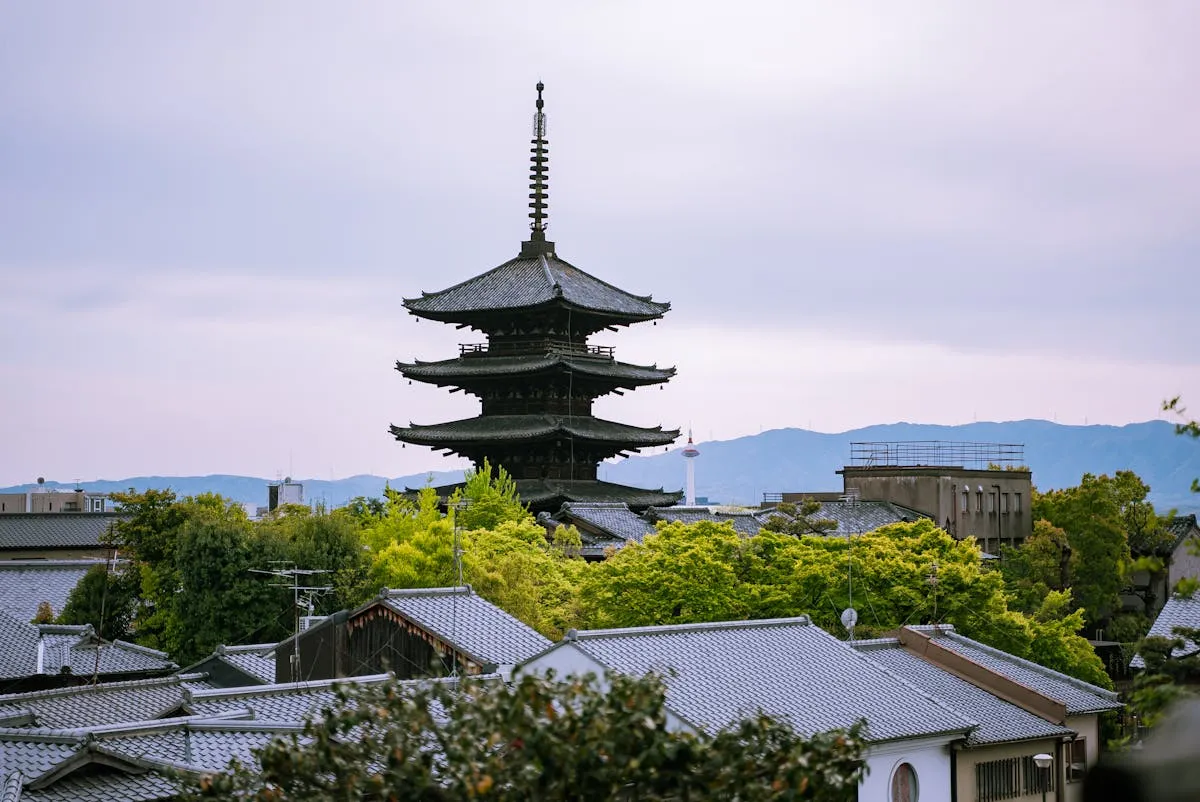
Hal yang Dapat Dilakukan di Kyoto, Japan
Foto dibuat oleh Satoshi Hirayama di Pexels.com
Kapan berkunjung
Kyoto adalah #4 kota terbersih di dunia, berdasarkan data kami dari ratusan destinasi.
Atraksi paling populer di Kyoto, Japan
Hal yang dapat dilakukan di Kyoto, Jepang meliputi menjelajahi Fushimi Inari Taisha dengan ribuan gerbang torii merah yang membentang sepanjang 4 kilometer di atas gunung, mengunjungi teras kayu Kiyomizu-dera yang menawarkan pemandangan kota secara panoramik, dan berjalan-jalan melalui Hutan Bambu Arashiyama, jalur hutan yang tenang dengan deretan batang bambu yang menjulang tinggi.
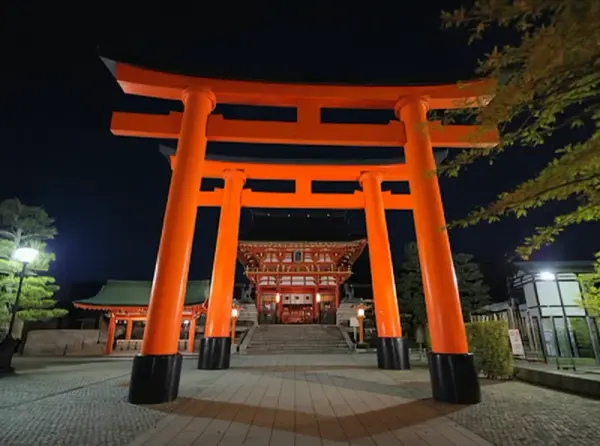
1. Fushimi Inari Taisha (伏見稲荷大社) - famous torii gate mountain shrine
Jelajahi ribuan gerbang torii merah yang menaiki gunung berhutan yang tenang. Temukan patung rubah, alcove kuil kecil, dan titik pandang panoramik di sepanjang jalur.
Fakta cepat: Melangkah di bawah gerbang merah jingga seperti memasuki koridor cerah tanpa akhir, di mana tiang-tiang yang berulang dan cahaya yang berkerlip menjadikan pendakian sederhana menjadi jalanan surrealis, hampir sinematik. Lebih dari 10.000 torii individual mengelilingi jalur, banyak diukir dengan nama penyumbang, menciptakan bayangan bergerak dan jejak langkah bergema yang dicari oleh fotografer dan penyembah lokal pada saat matahari terbit.
Sorotan: Barisan torii merah jingga memampatkan jalur menjadi terowongan demi terowongan, ribuan tiang cerah bermerek nama penyumbang dalam kanji hitam sehingga sinar matahari jatuh dalam garis-garis oranye berjalur sementara aroma cedar dan dupa mengambang di udara. Jejak itu berkelok naik gunung sepanjang 233 meter menuju puncak, ditandai dengan patung kitsune batu tua yang menggenggam kunci kecil di mulut mereka, tradisi unik yang menandai peran setiap kuil sebagai pelindung padi dan keberuntungan.
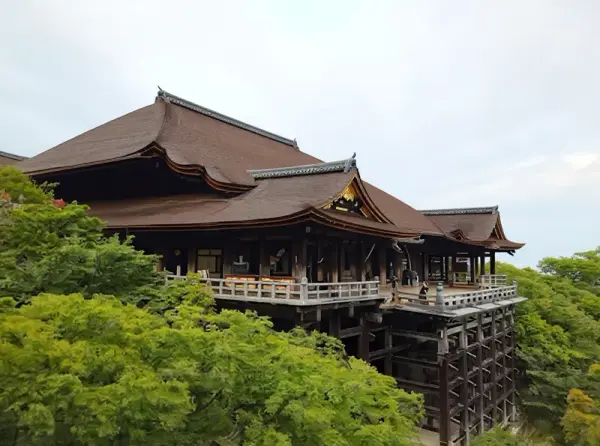
2. Kiyomizu-dera (清水寺) - historic hillside temple with wooden terrace
Berdiri di atas Kyoto, Kiyomizu-dera menawarkan arsitektur kayu ikonik dan pemandangan kota yang luas. Jalan di teras panjang, minum dari mata air Otowa, dan jelajahi jalan setapak yang diterangi lentera.
Fakta cepat: Sebuah teras kayu yang luas menjulur di atas bukit curam, menawarkan suara langkah kaki yang bergema ke langit dan pemandangan panorama pohon maple dan cherry di bawahnya. Pengunjung melempar koin ke arah air terjun suci dengan harapan keinginan mereka terkabul, dan suasana malam yang diterangi lentera memandikan kompleks ini dengan cahaya hangat bak sinema.
Sorotan: Melangkahlah ke panggung kayu di kuil perbukitan ini dan kamu akan merasakan papan-papan sedikit bergoyang di bawah kakimu, struktur ini menjulur sekitar 13 meter di atas lembah, ditopang oleh sekitar 139 tiang kayu yang saling terkait yang terkenal dibangun ulang pada tahun 1633 di bawah Tokugawa Iemitsu; kamu bisa mencium aroma lak tua dan cedar di udara saat angin berhembus melalui pepohonan. Di bawah sana, sebuah air terjun sempit terbagi menjadi tiga aliran dan pengunjung mengantri dengan cangkir logam panjang untuk menyesap air mineral dingin: setiap aliran dikatakan memberikan berkah berbeda, umur panjang, kesuksesan akademik, atau keberuntungan asmara, dan penduduk lokal kadang berbisik bahwa mengambil dari ketiganya adalah etika yang buruk.
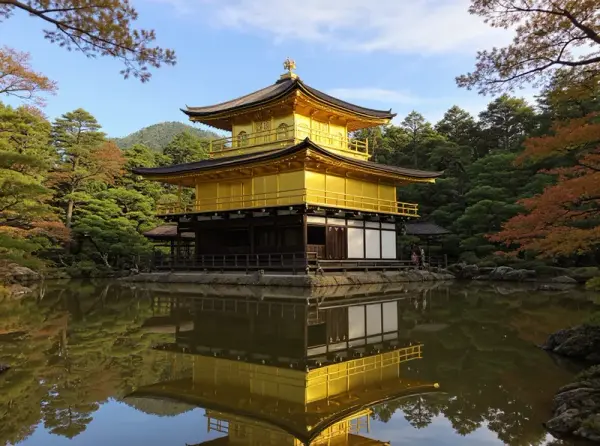
3. Kinkaku-ji (金閣寺, Golden Pavilion) - iconic gold-leaf temple
Golden Pavilion) - iconic gold-leaf temple
Paviliun berlapis emas yang berkilau di atas kolam seperti cermin, simbol estetika halus Kyoto. Jalan di jalur yang dirawat rapi, abadikan refleksi sempurna, dan rasakan pengaruh Zen selama berabad-abad.
Fakta cepat: Permukaan berlapis emas menangkap sinar matahari dan memantulkan kilauan berkilau di seluruh kolam, membuat setiap foto tampak sengaja tersusun. Detail dekat mengungkap tekstur daun emas yang halus dan pekerjaan lak, sementara taman di sekitarnya dan suara kerikil yang renyah di bawah kaki melengkapi suasana tenang yang hampir teatrikal.
Sorotan: Fakta menyenangkan: dua lantai atas sebenarnya dilapisi daun emas asli, jadi ketika matahari rendah menyinari kolam, seluruh pemandangan berkilau seperti logam cair dan riak koi memecah refleksi cermin sempurna. Setelah seorang biksu membakar bangunan asli pada tahun 1950, paviliun ini direkonstruksi dengan teliti pada tahun 1955 sesuai dengan rancangan tiga tingkat era Muromachi, dan penduduk lokal masih berdiri di jalur taman berlumut saat fajar untuk menyaksikan refleksi berkilau itu.
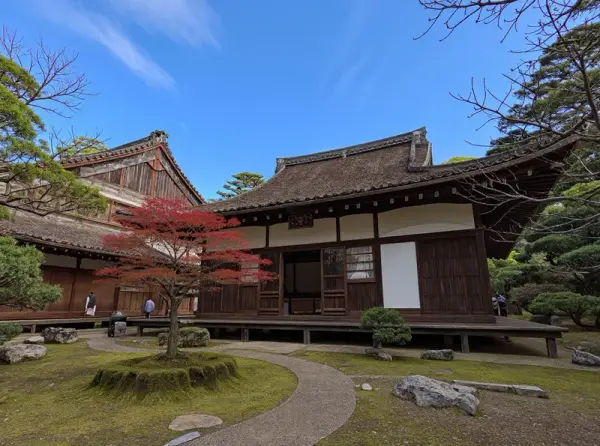
4. Ginkaku-ji (銀閣寺, Silver Pavilion) - Zen temple and moss garden
Silver Pavilion) - Zen temple and moss garden
Kuil Zen yang anggun dengan taman lumut yang tenang dan estetika klasik Kyoto. Jalan di jalur berliku, lihat Paviliun Perak dan bukit pasir yang dipahat.
Fakta cepat: Kamu bisa merasakan lumut lembut di bawah kaki saat kerikil yang diratakan dengan tepat dan kerucut pasir yang dibentuk bernama Kogetsudai membentuk lanskap mini yang mendorong jalan-jalan lambat dan penuh renungan. Paviliun yang dinamai dari perak sebenarnya tidak pernah menerima daun perak; permukaan kayunya yang tenang membantu menetapkan estetika wabi-sabi yang mengubah taman Jepang dan budaya teh.
Sorotan: Tradisi tenang di sana memiliki kepala tukang kebun, Pak Sato, memimpin tim lima orang setiap musim semi untuk memperbaiki tepat 361 lekukan yang diratakan di pasir perak yang mewakili gelombang, pola yang terakhir kali dipulihkan pada tahun 2005 setelah kerusakan akibat badai. Legenda mengatakan paviliun dua lantai yang sederhana itu tidak pernah dilapisi perak sesuai rencana Ashikaga Yoshimasa pada tahun 1489, dan kontras antara kayu yang di-lak gelap dan lumut hijau cerah yang beraroma batu basah setelah hujan adalah yang paling mengejutkan orang.
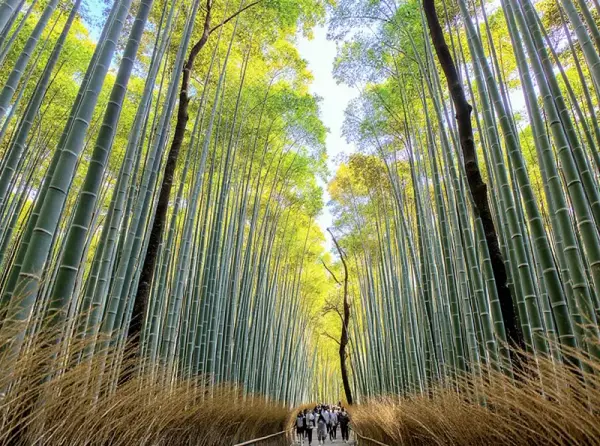
5. Arashiyama Bamboo Grove (Sagano Bamboo Forest) - scenic bamboo walk
Batang bambu yang menjulang tinggi membentuk koridor yang menenangkan dan seperti dunia lain di Kyoto. Jalan di jalur teduh dengan bisikan hijau dan ambil foto dramatis antara cahaya yang menembus.
Fakta cepat: Batang bambu yang tinggi memenuhi jalan setapak, batang kosong mereka berdenting lembut seperti alat musik tiup yang jauh ketika angin berhembus. Lebih dari 500 meter jalan berliku menarik ribuan pengunjung setiap hari, namun kunjungan saat fajar sering memberikan keheningan hampir sempurna dan cahaya hijau giok yang menyeramkan menembus kanopi.
Sorotan: Jalanilah koridor sempit sepanjang 500 meter saat fajar dan kamu akan merasakan udara dingin saat batang bambu yang tinggi, beberapa lebih dari 20 meter tinggi, bergoyang di atas dan menciptakan suara nyanyian berongga dan logam saat angin melewati batang bambu. Penduduk lokal mengatakan suara itu sangat cocok dengan pemain shakuhachi tunggal saat matahari terbit, sebuah kebiasaan lebih tenang yang dipertahankan oleh beberapa pemain yang memilih tempat ini untuk latihan pagi.
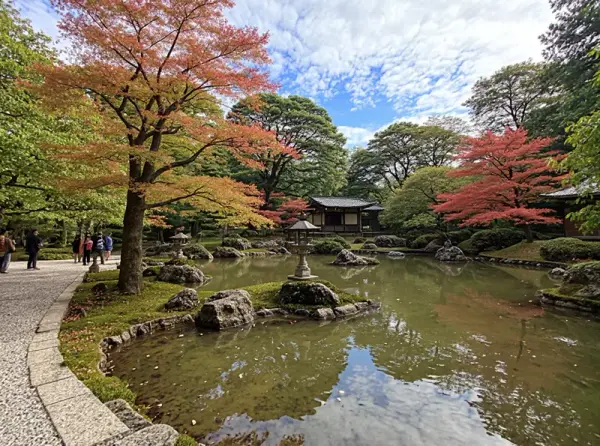
6. Ryoan-ji (龍安寺) - renowned Zen rock garden
Taman batu Zen terkenal di dunia yang menampilkan desain minimalis dan ritual tenang selama berabad-abad. Duduk di beranda kayu dan pelajari kerikil yang diratakan, lumut, dan lima belas batu yang ditempatkan dengan hati-hati.
Fakta cepat: Duduk di beranda kayu rendah dan Anda akan menyadari bahwa pemandangan batu dan kerikil dirancang untuk dipelajari dari posisi duduk yang meditatif, menjadikan ruang negatif sebagai bintang utama. Pergeseran perspektif yang halus menyembunyikan atau menampilkan batu, mengubah ritual menyapu menjadi pertunjukan yang tenang dan tak terduga penuh ekspresi.
Sorotan: Sebuah persegi panjang tepat dari kerikil putih menyembunyikan lima belas batu yang disusun sedemikian rupa hingga, dari kursi manapun di beranda kayu, hanya empat belas yang terlihat sekaligus, yang disukai pengunjung untuk dihitung dan diperdebatkan. Para tukang kebun menyapu kerikil menjadi riak seperti lautan setiap pagi, dan lumut di sekitarnya, dupa yang samar, serta gesekan lembut sandal membuat keheningan terasa seperti sesuatu yang bisa Anda masuki.
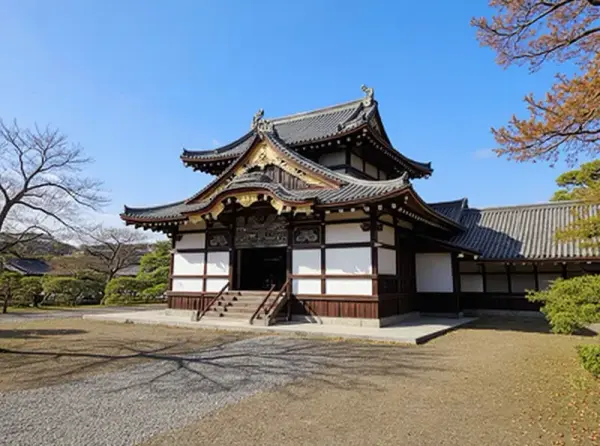
7. Nijo Castle (二条城) - Edo-period castle with nightingale floors
Masuki Kyoto zaman samurai dalam istana shogun yang kaya dekorasi. Jalan di lantai nightingale dan kagumi pintu geser bernoda dan taman yang berjalan-jalan.
Fakta cepat: Berjalan di koridor kayu beralur dan kamu akan mendengar suara kicauan melodi di bawah kakimu, trik akustik cerdik yang memperingatkan penjaga tentang penyusup. Layar lukis yang indah dan taman yang luas menampilkan drama tenang; sebuah tindakan politik tunggal pernah menggeser kekuasaan negara dan mengubah jalannya sejarah.
Sorotan: Langkahkan kaki dengan ringan dan papan lantai akan berkicau di bawah kakimu, suara cerah seperti burung yang dihasilkan saat papan tipis bergesekan dengan penjepit tembaga dan paku tersembunyi sehingga satu langkah dapat memicu lusinan kicauan logam kecil. Di sebuah kamar berpaneel emas, shogun terakhir, Tokugawa Yoshinobu, secara resmi mengembalikan kekuasaan kepada Kaisar pada tahun 1867, sebuah upacara tenang yang keheningannya menjadi menyeramkan saat kamu berdiri di tempat dia pernah berdiri.
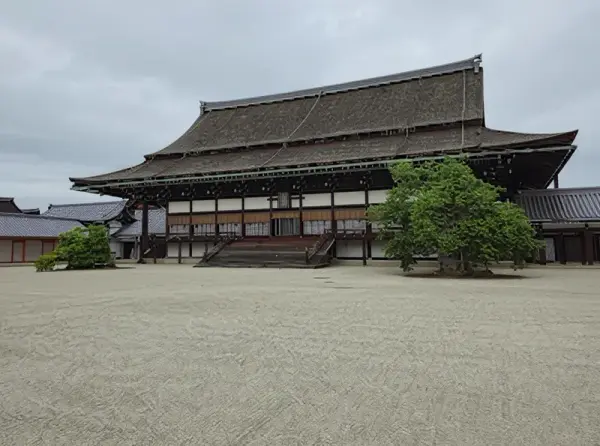
8. Kyoto Imperial Palace (京都御所) - historic residence of the imperial family
Masuki sejarah kekaisaran berabad-abad dalam taman berdinding yang tenang. Jelajahi aula kayu anggun, rumput luas, dan arsitektur istana yang halus di rute berpemandu.
Fakta cepat: Melangkah melalui gerbang megah terasa seperti memasuki gulungan hidup, di mana aula berlapis lak, pilar merah vermilion, dan kerikil yang diratakan dengan teliti menciptakan suasana ketenangan seremonial. Tur berpemandu mengungkap detail mengejutkan: banyak bangunan tetap disisihkan untuk fungsi resmi istana, dan proporsi situs yang terukur diselaraskan dengan ritual yang mengatur kehidupan sehari-hari kekaisaran.
Sorotan: Di balik pilar vermilion berlapis lak kamu akan menemukan keajaiban: aula seremonial utama masih menyimpan takhta penobatan Takamikura yang berlapis emas, kursi seperti kuil mini yang dilapisi daun emas dan lak yang dulu menjadi fokus upacara yang dihadiri ratusan pejabat istana. Jalan-jalan di taman yang terpotong rapi dan kamu akan mencium aroma pinus dan batu basah, sementara ikan koi mewarnai kolam dengan semburat jingga dan balok cedar di atas berderit seperti keheningan yang akan didengar pejabat selama prosesi era Heian.
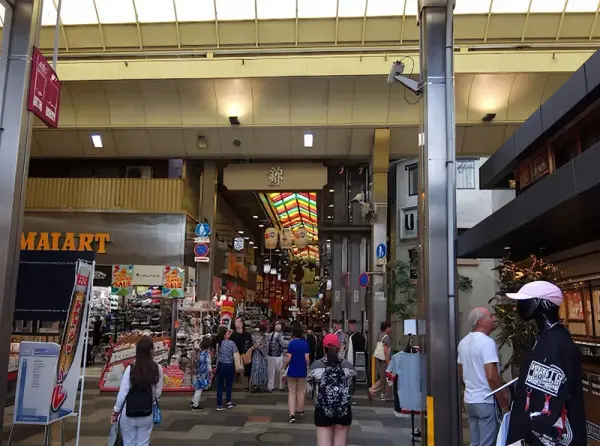
9. Nishiki Market (錦市場) - lively food market in downtown Kyoto
Pesta indera dari budaya makanan Kyoto di arcade tertutup yang ramai. Cicipi makanan laut segar, acar, dan jajanan jalanan sambil mengobrol dengan penjual ramah.
Fakta cepat: Labirin lorong sempit penuh warna dan aroma menggugah, di mana penjual menawarkan segala sesuatu mulai dari makanan laut panggang dan acar hingga manisan gaya Kyoto. Pengunjung bisa mencicipi berbagai spesialisasi kecil dalam waktu kurang dari satu jam, dan kios keluarga yang sudah lama berdiri masih menjaga resep rahasia yang diwariskan lintas generasi.
Sorotan: Jalani lorong sempit yang tertutup dan penjual akan menyerahkan sepucuk cumi bakar panas ke tanganmu, uap dan glasir manis kedelai naik saat lebih dari 100 toko kecil menawarkan acar, tahu segar, dan makanan laut sehingga kamu bisa mencoba selusin camilan dalam satu perjalanan singkat. Masuk ke toko pisau Aritsugu dan saksikan seorang ahli mempertajam pisau koki dengan tangan, percikan dan logam berdering di bawah cahaya lentera hangat, sebuah kerajinan berabad-abad yang masih dipertunjukkan setiap hari.
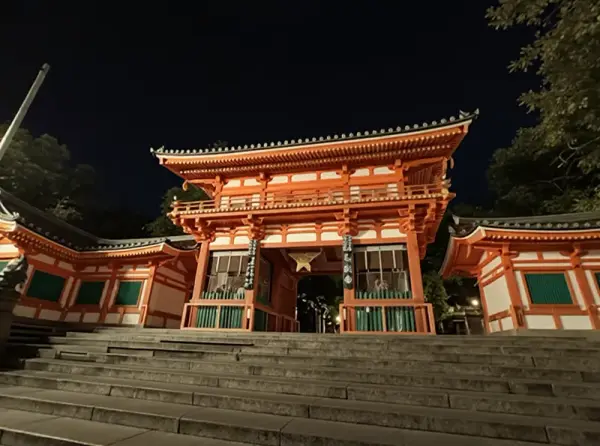
10. Gion District (祇園) - historic geisha district, including Hanami-koji and Yasaka Shrine
Masuki distrik geisha Kyoto di mana rumah teh kayu yang diterangi lentera mempertahankan tradisi berabad-abad. Jalan di Hanami-koji, intip sosok berhias kimono dan kunjungi Kuil Yasaka yang ramai.
Fakta cepat: Cahaya lentera menyinari machiya kayu yang dipoles saat maiko meluncur di sepanjang lorong sempit berbatu yang dikelilingi rumah teh, membuat malam terasa seperti adegan sinematik. Sebuah kuil Shinto yang hidup di tepi timur lingkungan menarik prosesi musim panas yang meriah dan ribuan lentera gantung, menciptakan kontras hidup dengan keheningan rumah teh yang halus di distrik itu.
Sorotan: Saat senja, lorong kayu sempit dipenuhi aroma yakitori dan arang sementara lentera kertas merah memancarkan cahaya yang tergenang, dan kamu kadang bisa melihat maiko dengan kimono berlapis-lapis, rias wajah putih mereka dan kanzashi bunga berkilauan saat sandal kayu mereka berderak di atas batu. Sebuah kuil yang didirikan pada tahun 656 Masehi menjadi pusat festival tahunan Juli di mana arak-arakan besar yang disebut yamaboko ditarik oleh tim penduduk desa, ritual berabad-abad yang mengubah lorong sunyi menjadi parade gendang dan asap dupa.
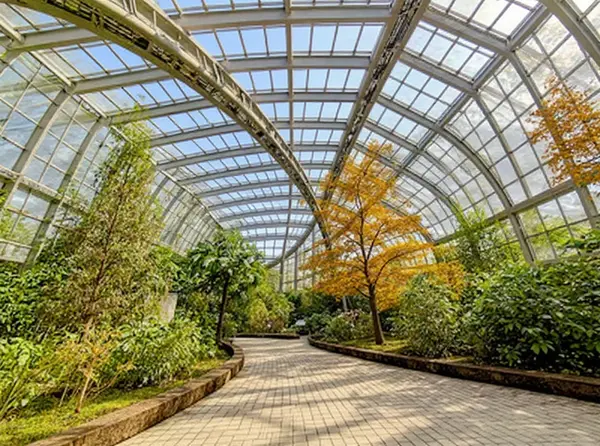
11. Visit Kyoto Botanical Gardens
Temukan lebih dari 12.000 spesies tanaman dalam satu taman luas. Rasakan kolam koi yang tenang dan koleksi mawar yang memukau.
Fakta cepat: Jelajahi taman yang memiliki lebih dari 12.000 spesies tanaman yang tersebar di 24 hektar. Pengunjung berjalan melalui rumah kaca raksasa yang menampung tanaman tropis dan subtropis, pengalaman langka di kota dengan iklim sedang seperti Kyoto.
Sorotan: Taman ini memiliki taman mawar dengan sekitar 700 varietas, sempurna untuk foto yang cerah dan berwarna-warni. Kolam yang tenang dengan ikan koi memantulkan kehijauan di sekitarnya, menciptakan tempat yang tenang yang dihargai oleh seniman dan fotografer.
Yang perlu dipesan di Kyoto
Tempat ini cepat habis atau perlu reservasi. Pesan lebih dulu, sesuai urutan ini.
- 1.Kyoto Imperial Palace (京都御所) - historic residence of the imperial familyPesan 3 hari sebelumnyaBeberapa hari hingga satu minggu sebelumnya Cek ketersediaan
Where to Stay in Kyoto, Japan
Selected by City Buddy based on guest reviews and proximity to top attractions
Search all hotels in Kyoto, JapanPowered by agoda
Hari buka di Kyoto, Japan
Objek wisata terbaik mana yang tutup pada hari apa dalam seminggu, hal klasik yang bisa merusak perjalanan, sudah kami cek untuk Anda.
Senin: 1 dari 10 objek wisata terbaik tutup, rencanakan kunjungan museum di hari lain.
Tutup pada Senin · 1 tutup, 9 buka
Hari buka dari Google Maps (diperiksa 2026-03-18). Hari libur nasional, pemogokan, dan jam musiman dapat berbeda, cek situs resmi sebelum pergi.
Hidangan manis tradisional
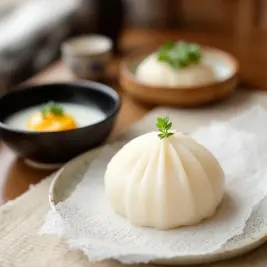
Mochi
Kyoto mochi is traditionally pounded by hand at festivals, producing a glossy, elastic texture that symbolizes good fortune and community spirit.
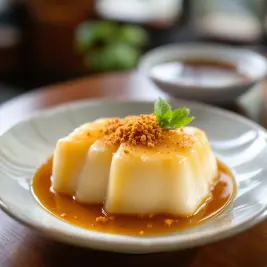
Yatsuhashi
Yatsuhashi is a cinnamon-flavored Kyoto sweet shaped like a folded triangle, and the soft unbaked version wrapped around sweet red bean paste is a must-try local specialty.
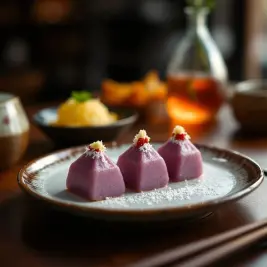
Wagashi
Kyoto wagashi are miniature seasonal landscapes you can eat, crafted to mirror flowers, leaves and festivals and designed to complement the bitterness of matcha during tea ceremonies.
Hidangan gurih tradisional

Kaiseki
Kaiseki in Kyoto is a poetic multi-course meal where each dish is arranged like a painting, highlighting one perfect seasonal ingredient and a delicate balance of taste and texture.
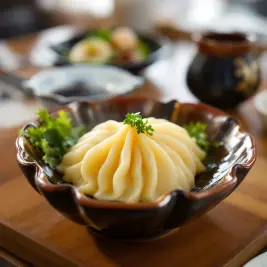
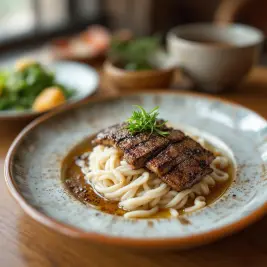
Yudofu
Yudofu is humble simmered tofu served near Kyoto temples, often enjoyed straight from the pot in a kelp-infused broth to celebrate simplicity, purity and the monk's palate.
Obanzai
Obanzai is Kyoto's home-style cooking, made from small, seasonal ingredients sourced within the city and prepared with techniques passed down through generations, it embodies sustainable, everyday elegance.
Minuman tradisional

Matcha
Kyoto's matcha, especially from Uji, is prized for its bright green color and savory umami, and in the tea ceremony it is whisked into a froth to create a meditative moment of flavor and focus.

Sake
In Kyoto's Fushimi district the soft groundwater creates silky, mellow sake, and centuries-old breweries still use traditional wooden fermentation methods to produce nuanced flavors.
Ketahui sebelum berangkat
Biaya satu hari di Kyoto, dan penipuan yang harus dihindari
Biaya per orang per hari
Penipuan teratas yang harus dihindari
- Pengemudi tanpa izin di dekat stasiun. Gunakan barisan taksi resmi dan naik taksi berargo; pastikan argo berjalan sebelum berangkat.
- Calo yang mengarahkan ke restoran berkomisi. Tolak undangan dari calo jalanan; pilih tempat yang menampilkan menu dan harga di pintu masuk.
- Gerai penukaran dengan kurs buruk. Gunakan ATM bank sebagai gantinya; jika harus menukar uang tunai, bandingkan kurs sebelumnya dan hindari gerai bergaya hitung mundur.
Taksi wajar dari bandara: ¥9,000 - ¥15,000 (€51 - €85)
Pilihan lebih murah: Kereta ekspres terbatas Haruka ke Stasiun Kyoto (¥3,000)
Semua penipuan, harga wajar, dan aturanPertanyaan yang Sering Diajukan tentang Kyoto, Japan
Waktu terbaik untuk mengunjungi Kyoto, Jepang?
Apakah Kyoto, Jepang aman untuk wisatawan?
Apakah Kyoto, Jepang mahal untuk dikunjungi?
Bagaimana cara berkeliling Kyoto, Jepang?
Apakah air keran aman untuk diminum di Kyoto, Jepang?
Dapatkan PDF dengan atraksi paling populer dikirim ke email Anda
Dapatkan PDF dengan semua atraksi, penilaian, dan tips. Sempurna untuk digunakan secara offline.
Perjalanan sehari paling populer
Nara
Ancient temples and friendly free-roaming deer in Nara Park.
Osaka
Vibrant food, nightlife, and Osaka Castle.
Himeji
Home of Himeji Castle, Japan's best-preserved castle.
Amanohashidate
Scenic sandbar with classic 'view from above' lookout.
Cara menuju ke sana
Bandara
Stasiun kereta
JR Tokaido/Sanyo Shinkansen, JR lines, Kintetsu connections
Keihan & Hankyu connections to Kyoto center
From KIX take the JR Haruka limited express or airport limousine bus to Kyoto Station.
Informasi berguna untuk Kyoto, Japan
Ikhtisar untuk Kyoto, Japan
Bandingkan Kyoto dengan destinasi lain
Harga, keamanan, cuaca, dan atraksi terbaik bersebelahan, lengkap dengan rekomendasi untuk setiap jenis wisatawan.
Ingin rencana harian untuk Kyoto, Japan? Buka perencana perjalanan
Kapan Anda akan ke Kyoto, Japan?
Pilih tanggal dan gaya perjalanan Anda untuk mendapatkan:
Apakah ada hal yang sangat penting bagi Anda?
Pilih semua yang sesuai
Transportasi
Bagaimana Anda ingin berpindah antar tempat?
Bahasa rencana: Bahasa IndonesiaMost popular itineraries for Kyoto, Japan
Browse trip plans created by other travelers
5-Day Relaxed Cultural and Culinary Journey in Kyoto
A comfortable-paced exploration of Kyoto's iconic landmarks, cultural sites, scenic walks, food markets, and local cuisine experiences over five spring days.
2-Day Autumn Exploration in Kyoto's Timeless Beauty
Immerse yourself in Kyoto's autumn charm with a perfect blend of historic temples, scenic walks, vibrant markets, and local experiences that capture the spirit of the season.
3-Day Autumn in Kyoto: Temples, Traditions, and Tranquility
Experience Kyoto's stunning autumn colors with temple visits, traditional experiences, and scenic strolls that capture the city's timeless charm.
4-Day Kyoto for Offbeat Culture and Food Explorers
Discover Kyoto's hidden gems and authentic local experiences through secret viewpoints, neighborhood eateries, ancient sites, and vibrant underground scenes this spring.