 CityBuddy
 Bahasa Indonesia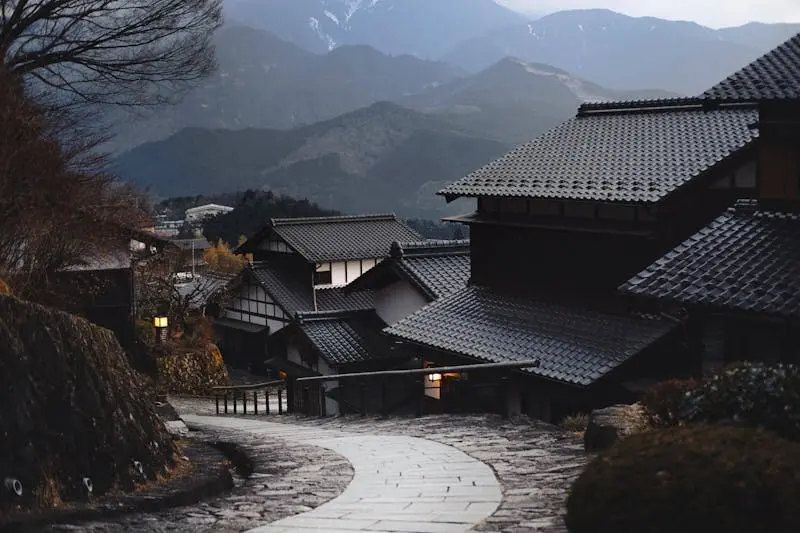
Hal yang Dapat Dilakukan di Kiso, Japan
Foto dibuat oleh Evgeny Tchebotarev di Pexels.com
Kapan berkunjung
Kapan Anda akan ke Kiso, Japan?
Pilih tanggal dan gaya perjalanan Anda untuk mendapatkan:
Apakah ada hal yang sangat penting bagi Anda?
Pilih semua yang sesuai
Plan language: Bahasa IndonesiaAtraksi paling populer di Kiso, Japan
Hal yang bisa dilakukan di Kiso, Jepang termasuk berjalan kaki sepanjang 8 kilometer di Jalur Nakasendo yang bersejarah antara Tsumago-juku dan Magome-juku. Jelajahi kota pos dari periode Edo yang terawat dengan baik dengan penginapan kayu tradisional. Kunjungi Kuil Kiso Ontake yang tenang, dan nikmati pemandangan sungai di sepanjang Sungai Kiso yang murni untuk perpaduan sempurna antara sejarah dan alam.
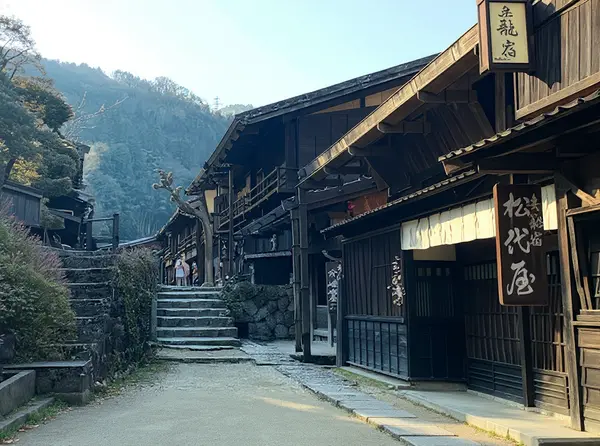
1. Tsumago-juku
Kembali ke zaman Edo di jalur sepanjang 4 km di mana waktu melambat mengikuti ritme jendela kayu dan tatami. Rasakan desa yang hidup dengan sejarahnya melalui jalanan tanpa kendaraan dan penginapan tradisional.
Fakta cepat: Desa ini mempertahankan lebih dari 20 bangunan periode Edo yang berjajar sepanjang 4 kilometer, yang dulu merupakan pemberhentian penting bagi para pelancong di Jalur Nakasendo. Lebih dari 200.000 pengunjung berjalan di jalan ini setiap tahun, menikmati keahlian tradisional dan fasad kayu yang kuno.
Sorotan: Penduduk setempat dengan ketat mengikuti aturan yang melarang mobil dan papan iklan modern untuk menjaga suasana tetap seperti di masa lalu, membuat setiap langkah terasa seperti memasuki museum hidup. Desa ini bahkan menawarkan penginapan semalam di penginapan bersejarah di mana pelancong dapat tidur di atas tatami dan makan sarapan tradisional Jepang dengan bahan lokal.
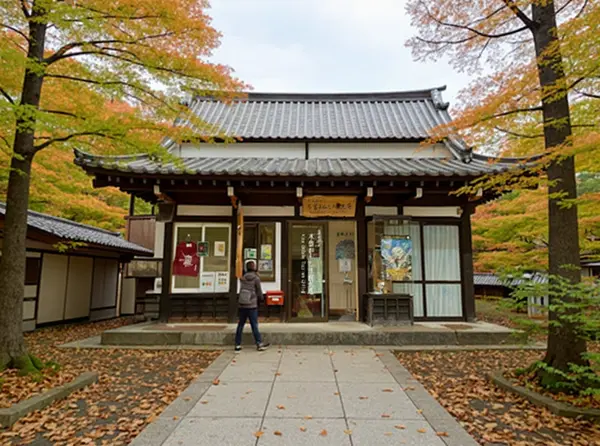
2. Kiso Ontake Shrine
Masuki gerbang spiritual menuju salah satu puncak gunung berapi tertinggi di Jepang. Rasakan ritual penyucian kuno dan dekorasi suci yang penuh warna.
Fakta cepat: Sekitar 1,5 juta orang mengunjungi setiap tahun untuk menghormati dewa gunung di sini. Kuil ini berdiri dekat dengan Gunung Ontake, gunung berapi tertinggi kedua di Jepang, menarik pemuja gunung dan pendaki.
Sorotan: Pengunjung dapat menyaksikan ritual pemurnian 33 langkah yang memukau yang unik untuk kuil ini, di mana para pengunjung mencuci tangan dan mulut sambil melantunkan doa. Tali suci berwarna-warni yang disebut 'shimenawa' membentang di sepanjang jalan utama, masing-masing sepanjang hingga 30 meter dan anyaman dari jerami padi untuk mengusir roh jahat.
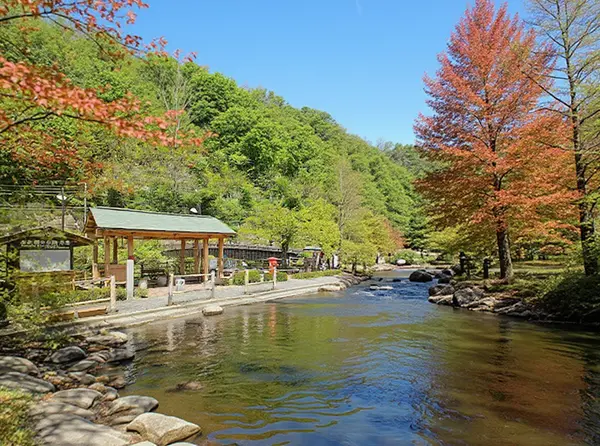
3. Kiso River
Jelajahi pemandangan sungai yang indah penuh tradisi budaya. Rasakan festival lentera bercahaya dan naik perahu yang tenang di bawah kunang-kunang musim panas.
Fakta cepat: Mengalir sepanjang sekitar 213 kilometer, sungai ini melintasi Lembah Kiso yang bergunung-gunung di Jepang menawarkan ekosistem air tawar yang segar dan pemandangan memancing yang hidup. Sungai ini memainkan peran penting dalam rute perdagangan sejarah dan komunitas lokal selama berabad-abad.
Sorotan: Selain perahu kayu tradisional yang disebut 'Yakatabune' yang berlayar saat festival musim panas, sungai ini menampilkan pertunjukan kunang-kunang yang hidup di awal musim panas yang menerangi perairan malam. Tradisi musiman unik termasuk penduduk melepaskan lentera kayu saat matahari terbenam, menciptakan jejak cahaya di sepanjang air.
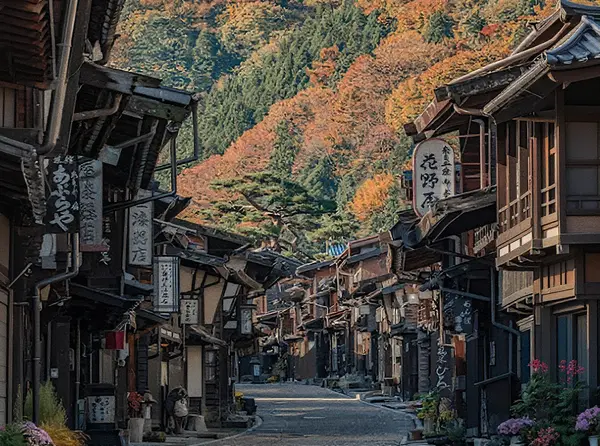
4. Narai-juku
Kembali ke era Edo dengan arsitektur kayu yang menakjubkan dan kios makanan yang menawan. Berjalanlah di sepanjang jalan lentera yang menyala dan nikmati tradisi dalam setiap gigitan.
Fakta cepat: Berjalanlah di sepanjang jalan yang dipenuhi lebih dari 30 bangunan kayu sejarah yang dilestarikan dari periode Edo Jepang. Nikmati makanan khas lokal seperti pangsit oyaki dan mie soba dari toko keluarga.
Sorotan: Kota ini menampilkan 70 rumah pedagang kayu yang masing-masing memiliki anyaman kisi-kisi ukiran tangan yang unik dan atap genteng tanah liat. Rasakan pesona senyap saat senja ketika lentera kertas menerangi jalan, menciptakan cahaya amber hangat yang jarang terlihat di tempat lain.
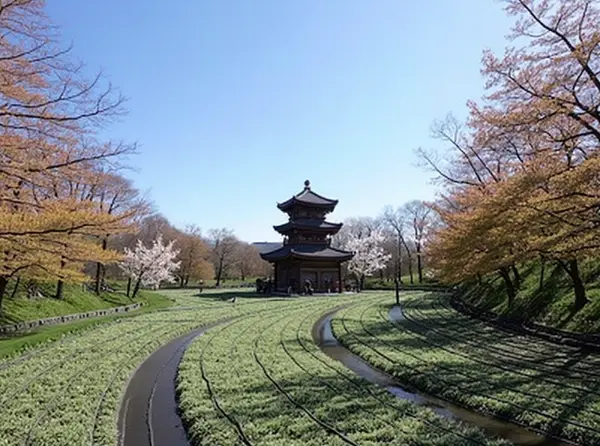
5. Daio Wasabi Farm
Temukan surga wasabi yang luas dengan aliran air jernih. Rasakan berjalan di samping wasabi di bawah air, dikelilingi oleh roda air bersejarah yang berputar.
Fakta cepat: Lebih dari 15 hektar ladang wasabi diirigasi oleh air pegunungan murni yang mengalir dari Pegunungan Alpen Utara. Tempat ini mengolah wasabi menjadi berbagai produk, mulai dari akar segar hingga saus dan permen, menarik sekitar 400.000 pengunjung setiap tahun.
Sorotan: Aliran air jernih mengalir melalui pertanian, memungkinkan pengunjung melihat tanaman wasabi tumbuh di bawah air, dengan akar yang tertancap di air dingin yang mengalir deras. Roda air kayu ikonik, beberapa berusia lebih dari 100 tahun, menambahkan pesona ritmis saat mereka berputar perlahan, digerakkan oleh air deras.
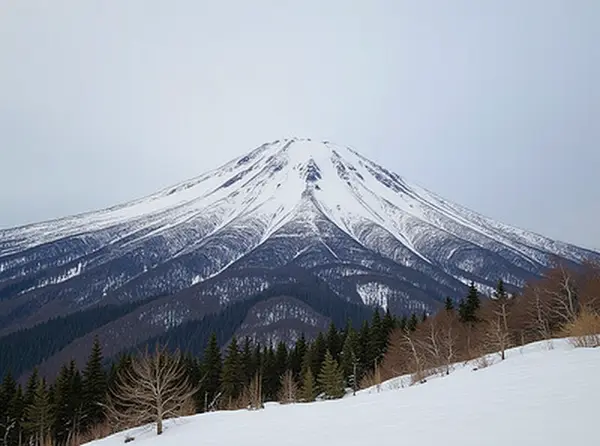
6. Mount Ontake
Puncak gunung berapi yang indah penuh tradisi spiritual. Rasakan daun musim gugur yang semarak dan kuil pegunungan kuno di sepanjang jalur.
Fakta cepat: Gunung ini menjulang setinggi 3.067 meter, menjadi gunung berapi tertinggi kedua di Jepang. Tempat ini menarik lebih dari 200.000 pendaki setiap tahun, yang tertarik oleh makna spiritual dan keindahan alamnya.
Sorotan: Rute pendakian melewati kuil-kuil suci di mana pengunjung memberikan doa sepanjang jalan, menciptakan sensasi berjalan melalui ritual kuno yang masih hidup. Pada musim gugur, batu vulkanik kontras sangat jelas dengan dedaunan merah dan emas yang membara, menawarkan pemandangan panoramik yang menakjubkan yang jarang ditemukan di puncak lain.
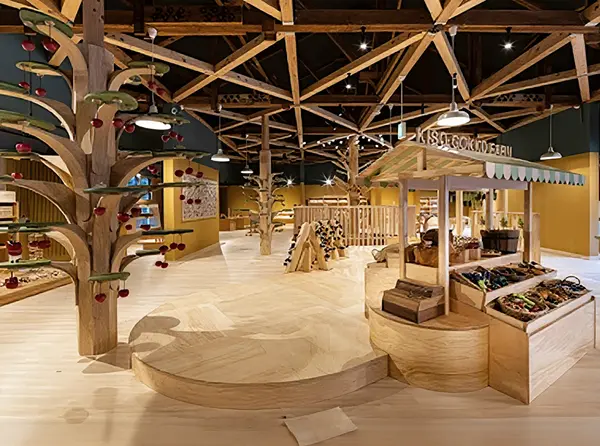
7. Kiso Forest Museum
Selami kehidupan hutan kuno melalui kayu dan alat berusia berabad-abad. Rasakan tekstur sejarah dengan pameran interaktif yang mengungkap warisan kayu.
Fakta cepat: Pameran awal termasuk alat dan artefak yang menunjukkan praktik kehutanan tradisional yang penting bagi kehidupan lokal. Museum ini mengungkapkan bagaimana Lembah Kiso memasok kayu dalam jumlah besar untuk kuil dan kastil, membentuk sejarah Jepang.
Sorotan: Salah satu yang menonjol adalah irisan besar dari pohon cemara Kiso berusia 1.000 tahun, dengan lingkaran yang terlihat yang bercerita selama berabad-abad. Pengunjung dapat menyentuh alat pertukangan tradisional dan melihat serat kayu dari dekat, merasakan sejarah hutan secara nyata.
Where to Stay in Kiso, Japan
Selected by City Buddy based on guest reviews and proximity to top attractions
Search all hotels in Kiso, JapanPowered by agoda
Hidangan manis tradisional
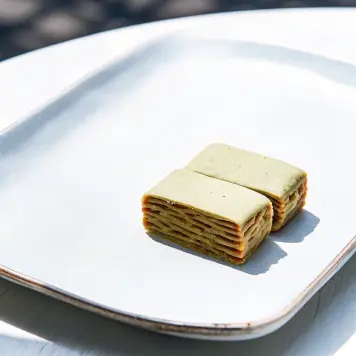
Kiso Soba Mochi
Kiso Soba Mochi is a traditional sweet made from buckwheat flour and is unique because of its chewy texture and subtle nutty flavor, reflecting the region's famous buckwheat production.
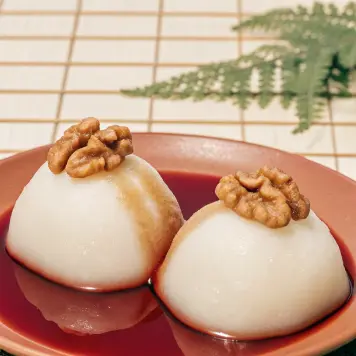
Kurumi Mochi
Kurumi Mochi features a walnut-based sweet sauce that perfectly complements the soft mochi, showcasing the local walnut harvest and traditional preservation methods.
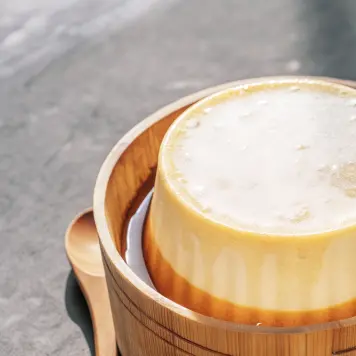
Amazake
Amazake is a sweet, low-alcohol drink made from fermented rice, enjoyed as a warming dessert drink especially during winter festivals in Kiso.
Hidangan gurih tradisional
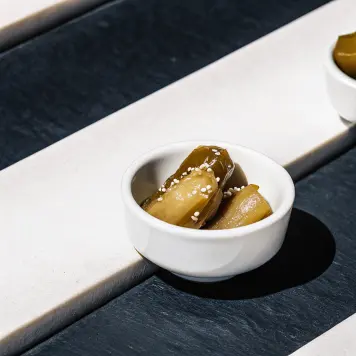
Nozawana Pickles
Nozawana Pickles are a popular traditional savory dish made from turnip greens, renowned for their crisp texture and tangy flavor, often served as a side dish.
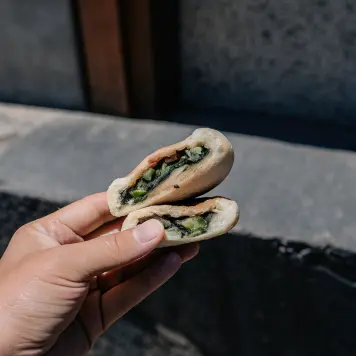
Oyaki
Oyaki are steamed or grilled dumplings filled with local vegetables or miso, a common and beloved comfort food in Kiso with origins dating back centuries.
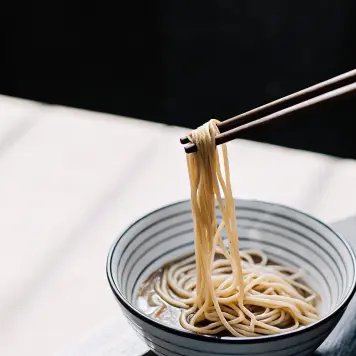
Soba Noodles
Soba Noodles from Kiso are prized for their firm texture and rich taste, typically made from locally grown buckwheat and served cold or in hot broth.
Minuman tradisional

Sake
Kiso's sake is distinguished by the pure mountain water used in its brewing, yielding a clean and fragrant flavor well-known throughout Japan.

Kiso Plum Wine
This regional plum wine is made using locally harvested ume plums, resulting in a sweet and tart beverage that embodies the local terroir.

Green Tea
Green Tea in Kiso is traditionally grown and processed using ancient methods, producing a fresh and slightly grassy taste that pairs well with local cuisine.
Frequently Asked Questions about Kiso, Japan
Apakah Kiso, Jepang aman untuk wisatawan?
Berapa hari sebaiknya saya habiskan di Kiso, Jepang?
Kapan waktu terbaik untuk mengunjungi Kiso, Jepang?
Apakah Kiso, Jepang mahal untuk dikunjungi?
Bagaimana cara berkeliling di Kiso, Jepang?
Dapatkan PDF dengan atraksi paling populer dikirim ke email Anda
Dapatkan PDF dengan semua atraksi, penilaian, dan tips. Sempurna untuk digunakan secara offline.
Perjalanan sehari paling populer
Narai-juku
Historic post town with well-preserved Edo period buildings.
Tsumago-juku
Traditional post town on the old Nakasendo route, scenic and historic.
Matsumoto
Castle town known for Matsumoto Castle and cultural sites.
Cara menuju ke sana
Bandara
Stasiun kereta
JR Chuo Main Line
From Chubu Airport take Meitetsu train to Nagoya then JR train to Kiso-Fukushima station.
Cari penerbangan ke Kiso, Japan
Klik untuk mendapatkan eSim untuk Kiso, Japan
Cara termudah dan paling terjangkau untuk mendapatkan internet seluler di mana pun Anda bepergian.
Informasi berguna untuk Kiso, Japan
Ikhtisar untuk Kiso, Japan
Most popular itineraries for Kiso, Japan
Browse trip plans created by other travelers
Komentar (5)
Loved the peaceful hiking trails but watch out for sudden rain. Places to eat are decent but a bit pricey for what you get.
Avoid the crowded weekend markets and head to a small soba shop off the main street. The prices are better and the food way tastier. Locals only spots!
Kiso felt a bit too quiet for me, especially outside the main tourist spots. The old town is pretty but I expected more cultural activities.
The small town charm of Kiso really shines in spring. The cherry blossoms and local soba make the visit worth it. Recommend staying two days max.
If you’re using the train, get a one-day unlimited pass for the Kiso Valley line. It saved us a lot compared to single fares and is a smooth ride.